
Crafting Soft & Delicious Vegan Burger Buns

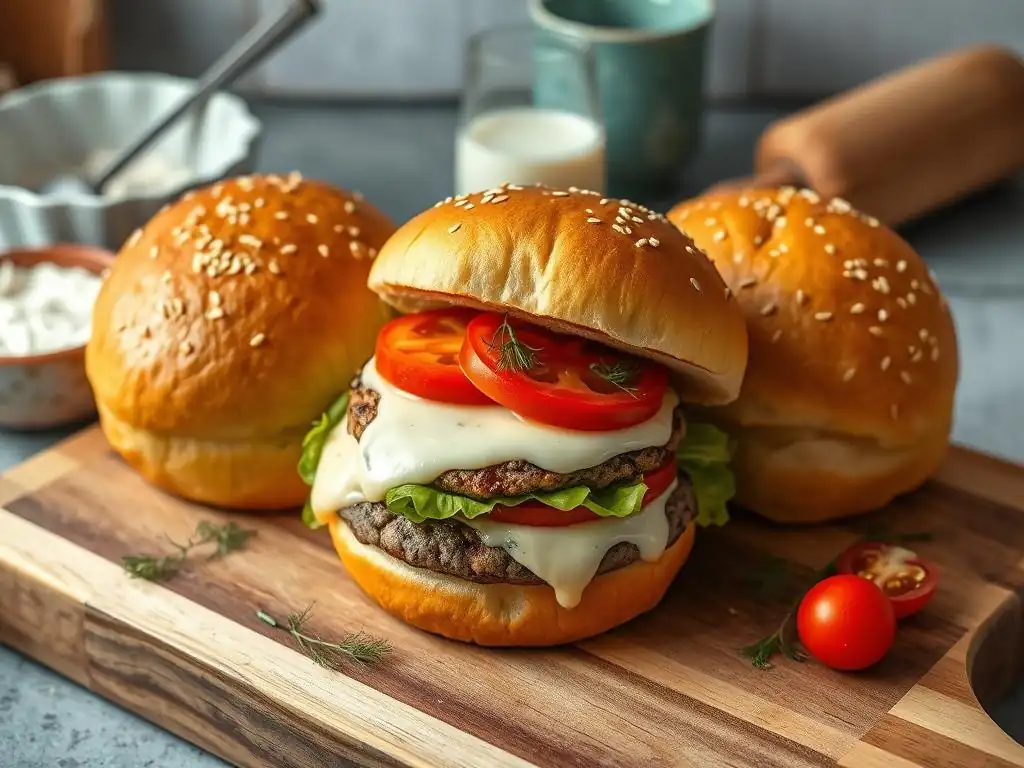
Welcome to BakeWithEase, where delicious baking becomes effortlessly achievable! Ever dreamt of biting into a perfectly soft and fluffy burger bun, knowing it's entirely plant-based? Our guide to crafting the ultimate vegan burger buns recipe unlocks the secret to achieving bakery-worthy results in your own kitchen. Intrigued? Let's dive in and discover how easy it is to bake these delectable treats!
- Crafting Soft & Delicious Vegan Brioche Burger Buns
- Introduction to Vegan Brioche Burger Buns: A Baker's Journey
- The Ultimate Vegan Brioche Burger Buns Recipe
- Variations and Customizations for Your Vegan Brioche Burger Buns
- Storing Your Homemade Vegan Brioche Burger Buns
- Serving Suggestions for Your Vegan Brioche Burger Buns
- Troubleshooting Common Vegan Brioche Burger Bun Baking Issues
- Advancing Your Vegan Baking Skills
- Conclusion: Enjoy Your Homemade Vegan Brioche Burger Buns!
- Frequently Asked Questions
- Final Reflection: The Humble Bun, a Gateway to Vegan Delight
- Unleash Your Inner Baker: Craft the Perfect Vegan Bun!
Crafting Soft & Delicious Vegan Brioche Burger Buns
Introduction to Vegan Brioche Burger Buns: A Baker's Journey
Why Bake Your Own Vegan Brioche Burger Buns?
Baking your own vegan burger buns is a deeply rewarding experience that offers numerous benefits beyond simply following a vegan burger buns recipe. For starters, you gain complete control over the ingredients used. This means you can avoid preservatives, artificial flavors, and unwanted additives often found in store-bought options.
You can also tailor the recipe to specific dietary needs, such as opting for a gluten-free flour blend if necessary, although this particular recipe focuses on a standard approach. The satisfaction of pulling warm, perfectly golden buns from your own oven is unparalleled, filling your kitchen with an inviting aroma that store-bought buns simply cannot replicate.
Furthermore, baking at home can be surprisingly cost-effective, especially if you frequently enjoy vegan burgers. While initial ingredient costs might seem comparable, the yield from a single batch of homemade vegan burger buns is often greater than purchasing a small pack from a bakery or supermarket. This allows you to have fresh, delicious buns ready whenever the craving strikes, saving you last-minute trips to the store. It's an investment in both your culinary skills and your overall enjoyment of plant-based meals, elevating a simple burger night into a special occasion with truly exceptional bread.
The Secret to Soft and Delicious Vegan Brioche Buns
Achieving that coveted soft, fluffy texture in vegan brioche-style burger buns hinges on a few key factors that differ slightly from traditional dairy-based brioche. One primary secret lies in the careful balance of moisture and fat. Vegan brioche relies on plant-based fats like vegan butter and olive oil to replicate the richness and tenderness typically provided by dairy butter and eggs.
Using a combination of these fats, often melted or softened, helps to tenderize the dough, preventing it from becoming tough and promoting a soft crumb structure. Hydration is also crucial; ensuring the dough is adequately wet, but not overly sticky, is vital for developing gluten while keeping the final bun moist and pliable.
Another critical element in crafting truly delicious vegan burger buns is proper kneading and proofing. Kneading develops the gluten network, which provides the structure needed for the buns to rise and hold their shape, while keeping them light and airy. Over-kneading can lead to tough buns, while under-kneading results in poor volume. Proofing, or allowing the dough to rise, is equally important.
This process allows the yeast to produce carbon dioxide, which creates the air pockets that give the buns their soft texture. Two rises are typically necessary: a longer first rise for flavor development and a shorter second rise after shaping to ensure maximum volume before baking. Patient and attentive proofing makes a significant difference in the final result of your homemade vegan burger buns.
The Ultimate Vegan Brioche Burger Buns Recipe
Ingredients for Perfect Vegan Brioche Burger Buns
Dry Ingredients: Bread Flour, Instant Yeast, Cane Sugar, and Sea Salt
Getting your dry ingredients measured accurately is the first step to a successful vegan burger buns recipe. You'll need approximately 3 ½ to 4 cups (about 420-480g) of bread flour. Bread flour has a higher protein content (around 12-14%) compared to all-purpose flour, which is crucial for developing a strong gluten network.
This strength is what gives the buns their structure and allows them to rise high and hold their shape while remaining light. For leavening, 2 ¼ teaspoons (one standard packet) of instant yeast is typically sufficient to give the buns a good lift. Instant yeast can often be mixed directly with the dry ingredients, simplifying the process.
Sweetness and flavor balance come from cane sugar and sea salt. About ¼ cup (50g) of cane sugar not only adds a touch of sweetness that complements savory burger fillings but also provides food for the yeast, helping it become active and produce gas for rising. The sugar also contributes to browning during baking, giving the buns a lovely golden crust.
Sea salt, approximately 1 teaspoon (6g), is vital for enhancing the overall flavor of the bread and also helps to control the yeast's activity, ensuring a steady and controlled rise. Using fine sea salt distributes evenly throughout the dough.
Wet Ingredients: Oat Milk, Olive Oil, and Vegan Butter
The wet ingredients provide the necessary moisture and richness for this vegan burger buns recipe, mimicking the qualities of traditional brioche. You'll need about 1 ¼ cups (300ml) of warm oat milk. Oat milk is a popular choice in vegan baking due to its creamy texture and slight sweetness, which works well in bread. It should be warmed to a temperature between 105°F and 115°F (40°C-46°C) to optimally activate the yeast without killing it. Using milk instead of water also adds a bit more richness to the dough.
For the signature tenderness and richness of brioche, a combination of olive oil and vegan butter is used. Approximately ¼ cup (60ml) of olive oil, preferably extra virgin for its flavor, contributes moisture and helps keep the buns soft over time. About ¼ cup (55g) of melted vegan butter adds that classic buttery flavor and richness, further tenderizing the dough. Ensure the melted vegan butter isn't too hot when added to the mixture, as extreme heat can harm the yeast. This blend of fats is key to achieving that soft, pull-apart texture in your homemade vegan burger buns.
Step-by-Step Instructions: Baking Vegan Brioche Burger Buns from Scratch
Step 1: Activating the Yeast (Optional)
While instant yeast can often be mixed directly into the dry ingredients, activating it first is a good practice, especially if you're unsure about the yeast's freshness or if you're new to making a vegan burger buns recipe. In a small bowl, combine the warm oat milk (105°F-115°F or 40°C-46°C) with a pinch of the cane sugar and the instant yeast. Stir gently and let stand for 5-10 minutes.
You should see the mixture become foamy and bubbly on the surface; this indicates the yeast is alive and active. If it doesn't foam, your yeast may be old or the milk temperature was incorrect, and you should start this step over with fresh yeast.
If using active dry yeast instead of instant yeast, this activation step is mandatory. Use the same warm milk and sugar mixture, and allow it to bloom for the full 10 minutes. This ensures the active dry yeast granules dissolve and become ready to work in your dough. Observing this reaction is a simple yet effective way to confirm your leavening agent is viable before committing all your ingredients to the dough, saving you potential frustration later in the process of baking vegan buns.
Step 2: Combining the Ingredients
In a large mixing bowl, whisk together the bread flour, remaining cane sugar, and sea salt. If you activated your yeast in Step 1, pour the foamy milk mixture into the dry ingredients. If you are using instant yeast and skipped activation, add the yeast directly to the dry ingredients and then pour in the warm oat milk. Next, add the olive oil and the slightly cooled melted vegan butter to the bowl.
Using a wooden spoon or a sturdy spatula, begin to mix the ingredients together. The mixture will initially be shaggy and sticky. Continue mixing until most of the dry flour is incorporated and a rough dough forms. At this point, the dough might still be quite sticky, which is expected for a rich dough like this vegan burger buns recipe. You can then transfer the dough to a lightly floured surface or continue mixing in a stand mixer fitted with a dough hook.
Step 3: Kneading the Dough
Kneading is essential for developing the gluten structure that gives these homemade vegan burger buns their characteristic chew and rise. If kneading by hand, turn the shaggy dough out onto a lightly floured surface. Knead by folding the dough over on itself, pushing down and away with the heel of your hand, then rotating the dough slightly and repeating.
The dough will be sticky at first; resist the urge to add too much extra flour, as this can make the final buns dense. Use a bench scraper to help manage stickiness and scrape the dough from the surface. Knead for about 8-10 minutes, or until the dough becomes smooth, elastic, and pulls away from your hands and the surface.
If using a stand mixer with a dough hook, attach the hook and mix on low speed for 2 minutes to bring the dough together. Then, increase the speed to medium and knead for 6-8 minutes. The dough should gather around the hook and pull cleanly away from the sides of the bowl.
You can test for sufficient kneading by performing the "windowpane test": pull a small piece of dough and gently stretch it. If it stretches thin enough to see light through it without tearing, the gluten is well-developed. Proper kneading is a critical step in achieving soft vegan buns.
Step 4: First Rise: Proofing the Vegan Brioche Burger Bun Dough
The first rise, also known as bulk fermentation, allows the yeast to work and the dough to develop flavor. Lightly grease a large clean bowl with a little olive oil or vegan butter. Place the kneaded dough in the bowl, turning it once to coat the surface with oil. This prevents a skin from forming on the dough. Cover the bowl tightly with plastic wrap or a clean damp kitchen towel.
Place the covered bowl in a warm, draft-free place. An oven with the light on (but the oven off) or near a sunny window are good spots. The dough should double in size, which typically takes about 60 to 90 minutes, depending on the warmth of your environment. This slow rise is crucial for developing the complex flavors in your vegan burger buns recipe. Be patient during this stage; rushing the first rise can result in less flavorful and poorly structured buns.
Step 5: Shaping the Buns
Once the dough has doubled in size, gently punch it down to release the air. Turn the dough out onto a lightly floured surface. Divide the dough into equal portions. For standard-sized burger buns, dividing the dough into 6 to 8 pieces works well, yielding buns weighing roughly 90-110 grams each. Use a kitchen scale for accuracy if you want perfectly uniform buns.
Shape each portion into a smooth, tight ball. To do this, take a piece of dough and gently pull the edges underneath, tucking them into the bottom to create tension on the surface. Cup your hand around the ball and roll it against the counter in a circular motion with light pressure to create a smooth, taut surface.
Place the shaped buns onto a baking sheet lined with parchment paper, leaving ample space between them (at least 2-3 inches) as they will expand during the second rise and baking. Proper shaping ensures your homemade vegan burger buns have a nice round form.
Step 6: Second Rise: Achieving the Perfect Puff
The second rise, or proofing after shaping, gives the buns their final volume and airy texture before baking. Once the buns are shaped and placed on the baking sheet, loosely cover them with plastic wrap or a light kitchen towel. Be careful not to press down on the buns, as this will deflate them.
Let the buns rise again in a warm, draft-free place for about 30-45 minutes, or until they look visibly puffy and have increased in size by about 50-75%. They should feel light and airy when gently poked (the indentation should slowly spring back). This stage is shorter than the first rise but just as important for achieving light and soft vegan buns. While the buns are rising, preheat your oven according to the recipe's instructions, typically around 375°F (190°C).
Step 7: Baking to Golden Perfection
Preheat your oven to 375°F (190°C). Just before baking, you can apply a plant-based wash for a golden, slightly shiny crust (see Tips section). Carefully transfer the baking sheet with the risen buns to the preheated oven.
Bake the vegan burger buns for 15-20 minutes, or until they are golden brown on top and bottom. The exact baking time will depend on your oven and the size of your buns. To check for doneness, you can tap the bottom of a bun; it should sound hollow. Alternatively, an instant-read thermometer inserted into the center of a bun should register an internal temperature of around 190-200°F (88-93°C). Once baked, transfer the buns to a wire rack to cool completely before slicing and serving. Letting them cool is crucial; slicing hot buns can result in a gummy texture.
Tips for Baking the Best Homemade Vegan Brioche Burger Buns
Using Bread Flour for Structure
The choice of flour significantly impacts the outcome of your vegan burger buns recipe. While all-purpose flour can be used in a pinch, bread flour is highly recommended for its higher protein content. This higher protein level, typically 12-14% compared to 10-12% in all-purpose, means more gluten development during kneading. Gluten forms an elastic network that traps the carbon dioxide produced by the yeast, allowing the buns to rise high and develop a light, airy crumb structure.
Using bread flour results in buns that are not only taller and more uniformly shaped but also have a satisfying chew while remaining soft. The strength of the gluten network provides the necessary support to hold the rich, slightly heavier dough (due to the added fats) during proofing and baking. This structural integrity is key to preventing flat or dense buns, ensuring your homemade vegan burger buns are consistently light and fluffy.
Achieving a Shiny Crust with a Plant-Based Egg Wash
A traditional brioche often has a glossy, golden crust achieved with an egg wash. For vegan burger buns, you can replicate this effect using various plant-based alternatives. A simple and effective wash is a mixture of plant milk (like oat or soy) and a touch of agave or maple syrup. Whisk together about 2 tablespoons of plant milk with ½ teaspoon of sweetener and brush it gently over the tops of the risen buns just before they go into the oven. This encourages browning and imparts a subtle sheen.
Another popular vegan wash is melted vegan butter, which contributes to a softer crust and a richer flavor. Simply brush melted vegan butter over the buns before baking. For a deeper golden color, some bakers use a mixture of plant milk and a pinch of turmeric, though be mindful not to use too much, as it can affect the flavor. Applying a wash is an optional but recommended step to give your homemade vegan burger buns that professional, bakery-style finish.
Maintaining Moisture in Vegan Brioche Burger Buns
Preventing your vegan burger buns from drying out, both during baking and storage, is crucial for keeping them soft and delicious. During baking, the fats (olive oil and vegan butter) in the dough play a significant role in retaining moisture. Also, ensuring the oven temperature is correct prevents the buns from overbaking and becoming dry. If you notice the tops browning too quickly, you can loosely tent the buns with aluminum foil partway through the baking time.
After baking, allowing the buns to cool completely on a wire rack is important, but once cooled, store them properly to lock in moisture. Storing them in an airtight container or a resealable plastic bag at room temperature helps maintain their freshness and soft texture for several days. Avoiding refrigeration is generally best, as the cold can cause bread to stale faster by altering the starch molecules. Proper storage ensures that your labor in making this vegan burger buns recipe pays off with soft, enjoyable buns for days.
Variations and Customizations for Your Vegan Brioche Burger Buns
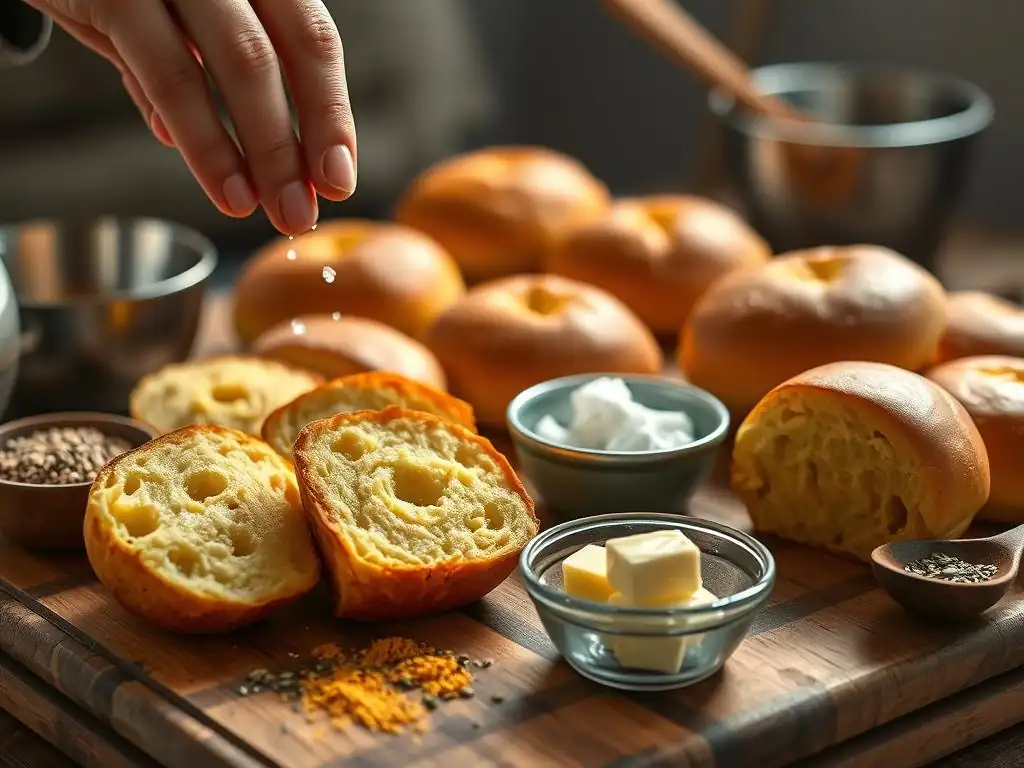
Everything Bagel Vegan Burger Buns: Flavorful Toppings
Transform your classic vegan burger buns recipe into something truly special by adding an "everything bagel" topping. This popular seasoning blend typically includes poppy seeds, sesame seeds (white and black), dried minced garlic, dried minced onion, and coarse sea salt flakes. The combination provides a delightful crunch and a burst of savory flavor that pairs wonderfully with a variety of burger fillings.
To apply the topping, brush the tops of the shaped, risen buns with a plant-based wash (like melted vegan butter or plant milk) just before baking. Then, generously sprinkle the everything bagel seasoning blend over the sticky surface. Gently pat the seasoning onto the buns to help it adhere. Bake as directed. These flavorful homemade vegan burger buns are fantastic with classic beefy-style vegan patties, grilled vegetables, or even used as a base for savory sandwiches.
Herb-Infused Vegan Burger Buns: Rosemary and Thyme
Infusing your vegan burger buns with fresh herbs adds an aromatic dimension that elevates their flavor profile. Herbs like finely chopped fresh rosemary and thyme are excellent choices, offering earthy and slightly peppery notes that complement many savory dishes. You can incorporate the herbs directly into the dough during the kneading process or sprinkle them on top before baking.
If mixing into the dough, add about 1-2 tablespoons of finely chopped fresh herbs per batch of this vegan burger buns recipe during the last minute or two of kneading. This distributes the flavor throughout the crumb. For a more pronounced aroma and visual appeal, brush the tops of the risen buns with a plant-based wash and sprinkle the chopped herbs over the surface before baking. These herb-infused homemade vegan burger buns are particularly good with Mediterranean-inspired burgers or grilled portobello mushrooms.
Sourdough Vegan Burger Buns: A Tangy Twist
For bakers looking for a more complex flavor, adapting this vegan burger buns recipe to use a sourdough starter offers a tangy twist. Instead of using instant yeast, you would typically use a portion of active sourdough starter (often referred to as leaven or levain) along with the other ingredients. The proportions and process will differ significantly from a yeast-leavened dough, requiring more time for fermentation.
A basic approach involves feeding your sourdough starter and using it at its peak activity (usually 4-12 hours after feeding). You would substitute the yeast and a portion of the flour and liquid from the original recipe with the starter. Sourdough fermentation is slower, meaning the first and second rises will take considerably longer, possibly several hours each, depending on the ambient temperature and starter strength.
The result is a bun with a slightly chewy texture and a distinctive tangy flavor that adds depth to your vegan burger experience. Developing a successful sourdough vegan burger buns recipe requires patience and understanding of sourdough mechanics.
Storing Your Homemade Vegan Brioche Burger Buns
Keeping Your Buns Fresh
Proper storage is key to enjoying the soft texture of your homemade vegan burger buns for as long as possible. Once the buns have completely cooled on a wire rack – this is crucial; storing warm buns creates condensation and can lead to sogginess – they should be stored in an airtight container or a resealable plastic bag.
Place the cooled buns directly into the container or bag, pressing out as much air as possible before sealing. Stored at room temperature, these vegan burger buns will typically stay fresh and soft for 2 to 3 days. Avoid storing them in the refrigerator, as this can accelerate the staling process. For longer storage, freezing is the best option.
Freezing Vegan Brioche Burger Buns for Later
Freezing is an excellent way to preserve your homemade vegan burger buns for future use, ensuring you always have a supply ready for spontaneous burger nights. Ensure the buns are completely cooled before freezing.
To freeze, place the cooled buns in a single layer on a baking sheet and freeze for about 1-2 hours, or until they are firm. This step prevents them from sticking together when stored in bulk. Once frozen solid, transfer the buns to a freezer-safe bag or airtight container.
Remove as much air as possible to prevent freezer burn. Properly frozen, your vegan burger buns can last for up to 2-3 months. To thaw, simply take out the desired number of buns and let them sit at room temperature for an hour or two, or gently warm them in a low oven or microwave.
Serving Suggestions for Your Vegan Brioche Burger Buns
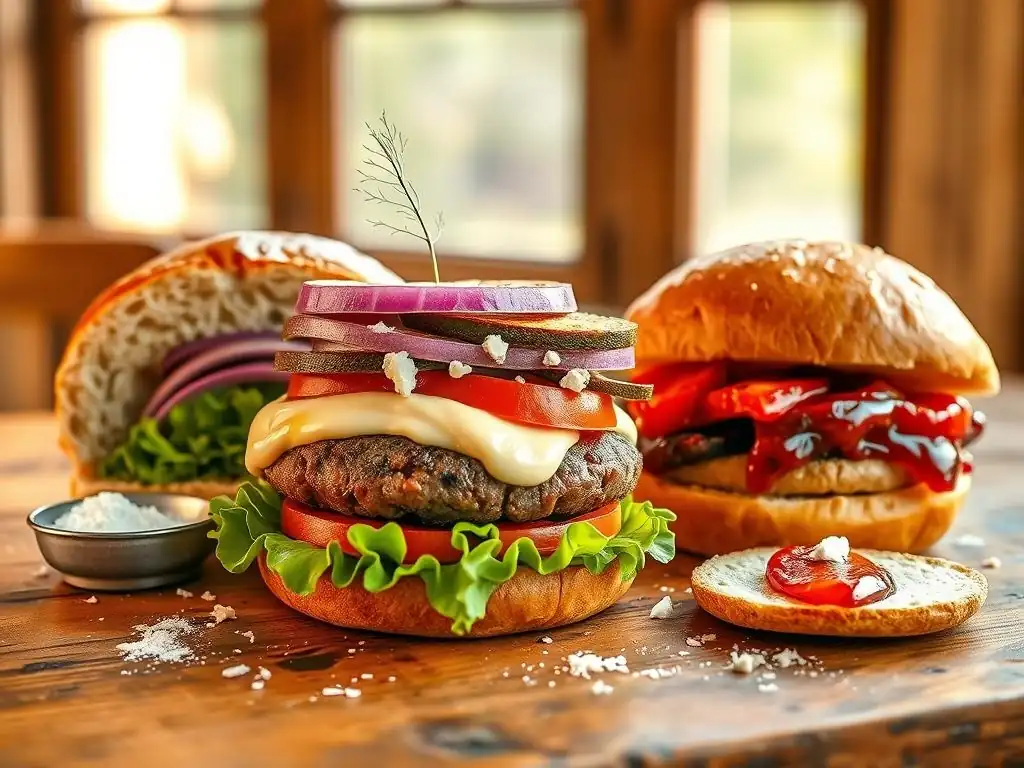
The Perfect Vegan Burger Pairing
These soft and slightly rich vegan burger buns are the ideal vessel for your favorite plant-based patties. Their tender crumb and subtle sweetness complement a wide range of vegan burgers, from hearty black bean or lentil patties to store-bought options that mimic the texture and flavor of meat. The bun's structure is sturdy enough to hold up to juicy fillings and toppings without falling apart, a common issue with less substantial buns.
Consider pairing these homemade vegan burger buns with a classic setup: a grilled vegan patty, crisp lettuce, juicy tomato slices, red onion, pickles, and your favorite vegan cheese and special sauce. The slight richness of the brioche-style bun adds a luxurious touch to the overall burger experience. They also work beautifully with less traditional fillings like pulled jackfruit or BBQ tempeh. The quality of your vegan burger buns recipe truly enhances the entire meal.
Beyond Burgers: Other Uses for Vegan Buns
While designed for burgers, these versatile homemade vegan burger buns can be used in many other delicious ways. Their soft, slightly sweet profile makes them suitable for a variety of sandwiches, both savory and sweet. Think about using them for breakfast sandwiches filled with scrambled tofu and vegan sausage, or for lunch with sliced smoked tofu, vegan cheese, and veggies.
They can also be split and used as bases for mini pizzas, topped with tomato sauce, vegan cheese, and your preferred toppings, then baked until golden and bubbly. If you have leftover buns that are slightly past their prime for slicing, they can be cubed and toasted to make croutons for salads or soups, or even used in a savory bread pudding. Their adaptability makes this vegan burger buns recipe a valuable addition to your baking repertoire.
Troubleshooting Common Vegan Brioche Burger Bun Baking Issues
Dense or Heavy Buns: What Went Wrong?
If your vegan burger buns turned out dense or heavy instead of light and airy, several factors could be the culprit. One common issue is insufficient kneading. Gluten development is key to creating a light crumb; if the dough wasn't kneaded long enough, the gluten network wouldn't be strong enough to support the rise, resulting in a tight, heavy texture. Aim for a dough that passes the windowpane test.
Another reason for density is inadequate proofing. If the dough didn't rise sufficiently during either the first or second rise, it wouldn't develop enough air pockets. This could be due to inactive yeast (check its freshness and milk temperature in Step 1), a too-cold environment, or simply not allowing enough time. Overworking the dough after the first rise during shaping can also knock out too much air, leading to a denser final product. Ensure you handle the dough gently when shaping your vegan burger buns.
Flat Buns: Problems with Rising
Flat vegan burger buns often indicate issues with leavening or structure. As with dense buns, inactive or weak yeast is a primary suspect. Always check your yeast's viability in warm liquid if you're unsure. If the yeast is active but the buns still spread rather than rise upwards, it could be a hydration issue – the dough might be too wet, making it difficult for the gluten structure to support its weight. While a wet dough is good for softness, excessive wetness can lead to spread.
Improper shaping can also contribute to flat buns. If the dough balls aren't shaped tightly enough with good surface tension, they won't have the structure to rise upwards during the second proof and baking, instead spreading outwards. Ensure you create tight, smooth balls in Step 5.
Finally, over-proofing can cause the gluten structure to collapse, resulting in buns that flatten in the oven. Watch the second rise closely and bake when the buns are puffy but not overly expanded or fragile. Addressing these points will help you achieve beautifully risen homemade vegan burger buns from your vegan burger buns recipe.
Burnt Buns: Oven Temperature Adjustments
Burnt tops or bottoms on your vegan burger buns usually point to an issue with oven temperature or placement. Ovens can sometimes run hotter than the temperature they are set to. Using an oven thermometer can help you verify if your oven is heating accurately. If it's consistently too hot, you'll need to adjust the temperature downwards, perhaps by 10-25°F (5-15°C).
Baking rack position also matters. If the buns are too close to the top heating element, the tops can burn before the insides are cooked. Try placing the baking sheet on a middle rack.
If the bottoms are burning, it might be a hot spot on the lower rack or the baking sheet itself is absorbing too much heat. Using parchment paper helps, but you might also need to move the rack up or even place an empty baking sheet on the rack below to act as a buffer. Monitoring your buns during the last few minutes of baking is crucial; if they are browning too quickly, tent them loosely with foil.
Advancing Your Vegan Baking Skills
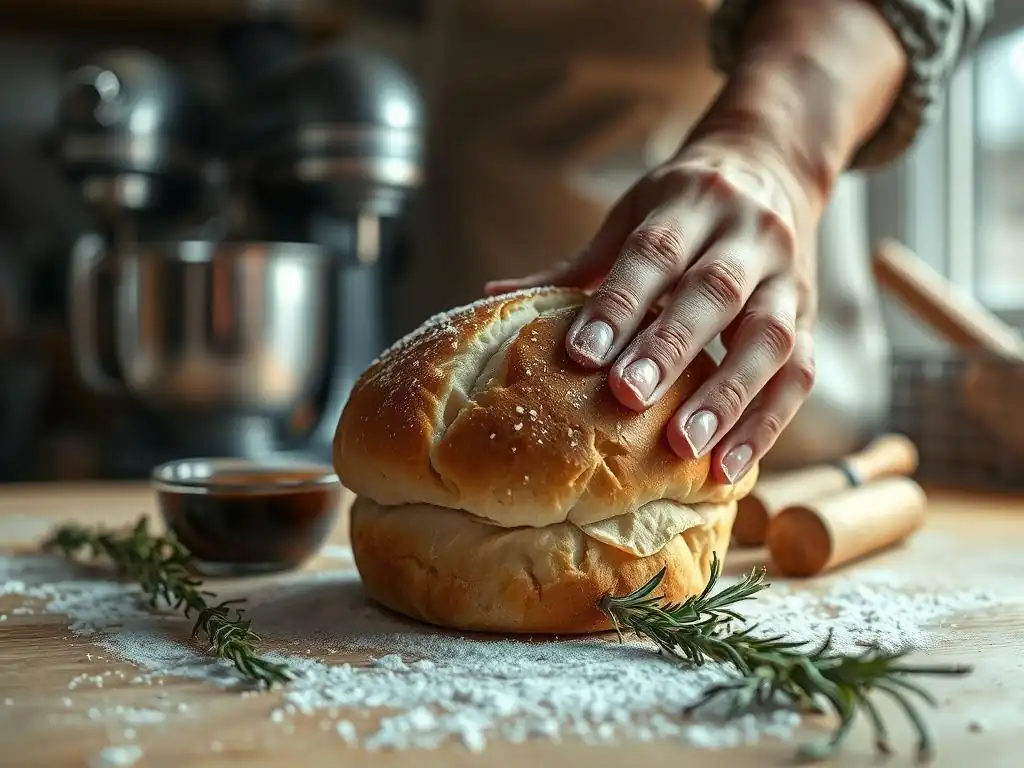
Explore More Vegan Bread Recipes
Mastering this vegan burger buns recipe is a fantastic starting point for expanding your vegan bread baking horizons. Once you're comfortable with the basic techniques of kneading, proofing, and shaping, you can explore other types of vegan breads that utilize similar principles but introduce new challenges and flavors.
Consider trying a vegan focaccia recipe, which is a relatively simple flatbread that allows you to experiment with different toppings and hydration levels. Moving on to vegan sandwich bread or loaves offers practice with shaping and baking in pans. For a more advanced challenge, delve into enriched vegan doughs like vegan challah or babka, which often involve more complex shaping and fillings but build upon the brioche-style techniques you've learned. Each new recipe helps refine your understanding of how vegan ingredients behave in baking.
Resources for Vegan Baking
Continuing to learn and refine your vegan baking skills is made easier with the wealth of resources available today. Beyond websites like BakeWithEase.com, which offer step-by-step guides and tips, numerous cookbooks are dedicated specifically to vegan baking, covering everything from simple cookies to complex pastries and breads.
Online communities and forums focused on vegan baking can also be invaluable. Here, you can ask questions, share your successes and failures, and learn from the experiences of others. Many experienced vegan bakers are happy to offer advice on troubleshooting issues like dense buns or flat loaves. Watching video tutorials can also be incredibly helpful for visualizing techniques like kneading and shaping. Utilizing these resources will support your journey in becoming a more confident and skilled vegan baker, tackling recipes beyond just a vegan burger buns recipe.
Conclusion: Enjoy Your Homemade Vegan Brioche Burger Buns!
You've successfully crafted a batch of soft, delicious vegan brioche burger buns right in your own kitchen! Following this vegan burger buns recipe has guided you through the rewarding process of turning simple plant-based ingredients into bakery-quality bread. From understanding the role of each ingredient to mastering the crucial steps of kneading, proofing, and baking, you've gained valuable skills that will serve you well in all your future baking endeavors.
These homemade vegan burger buns are a testament to the fact that you don't need dairy or eggs to achieve incredibly tender and flavorful results. Whether you load them up with your favorite vegan burger, use them for sandwiches, or simply enjoy them warm with a spread, savor the taste and texture of your accomplishment. Keep baking, keep experimenting, and enjoy the delicious rewards of your efforts. Congratulations on making fantastic soft vegan buns!
Frequently Asked Questions
What makes a vegan burger bun different from a regular burger bun?
Vegan burger buns are different because they exclude all animal products, such as eggs and dairy. They typically rely on plant-based milk and oils for moisture and richness, ensuring a similar texture and flavor profile.
Can I substitute the flour in the Vegan Burger Buns recipe?
While the recipe is optimized for a specific type of flour, you can try substitutions. However, be aware that different flours have varying gluten contents, which can affect the texture and rise of your buns. Experiment with caution!
How do I ensure my Vegan Burger Buns are soft and not dry?
To ensure softness, don't overbake the buns. Also, adding a bit of vegetable oil or vegan butter to the dough helps retain moisture. Covering the buns with a damp towel while they cool can also prevent them from drying out.
What is the best way to store Vegan Burger Buns?
The best way to store them is in an airtight container at room temperature for a few days. For longer storage, you can freeze them after they've cooled completely.
Can I add any flavor enhancements to the Vegan Burger Bun dough?
Yes, you can! Consider adding herbs, spices, or even seeds to the dough for extra flavor. Experiment with options like sesame seeds, poppy seeds, garlic powder, or dried rosemary to customize your buns.
Final Reflection: The Humble Bun, a Gateway to Vegan Delight
The perfect vegan burger bun isn't just a vessel; it's the cornerstone of a truly satisfying plant-based meal. A fluffy, soft texture, a subtle sweetness, and the ability to hold up to juicy patties and flavorful toppings – these are the hallmarks of a bun that elevates the entire experience. This recipe, designed to be both accessible and delicious, aims to bridge the gap between the desire for a great vegan burger and the sometimes-lackluster bun options available.
Crafting the ideal vegan bun has been a journey of experimentation, a testament to the power of simple ingredients transformed through careful technique. The search for the perfect texture, the right balance of sweetness and tang, has been a rewarding one, mirroring the broader movement towards more sustainable and compassionate food choices. Food is symbolic of love when words are inadequate.
– Alan D. Wolfelt. This sentiment rings true, especially when sharing a delicious, homemade vegan burger with loved ones, a meal that speaks volumes about care and consideration.
Now, it's your turn. Don't be intimidated by the seemingly simple act of baking. This recipe is a starting point, a springboard for your own culinary creativity. Experiment with different flours, add-ins, and baking techniques. Most importantly, enjoy the process, the satisfaction of creating something delicious and meaningful from scratch. The perfect vegan burger bun awaits – go forth and bake!
Unleash Your Inner Baker: Craft the Perfect Vegan Bun!
Thanks for joining us on this delicious journey into vegan baking! We hope you've gained the confidence to create truly soft and scrumptious burger buns. Now it's time to put your newfound skills to the test!
- Bake a batch today! Use the recipe from the article as a starting point, but feel free to experiment with different seeds, herbs, or even sweet additions. Let your creativity shine!
- Share your creation! Post a picture of your perfect vegan buns on social media and tag us – we'd love to see your culinary masterpiece!
- Challenge yourself: Try adapting this recipe to make other types of rolls or bread. What flavor combinations will you explore?
Ready to experience the joy of homemade vegan goodness? What unique twist will you add to your next batch of buns?