
Developing Complex Flavor Through Enzyme Activity in Dough

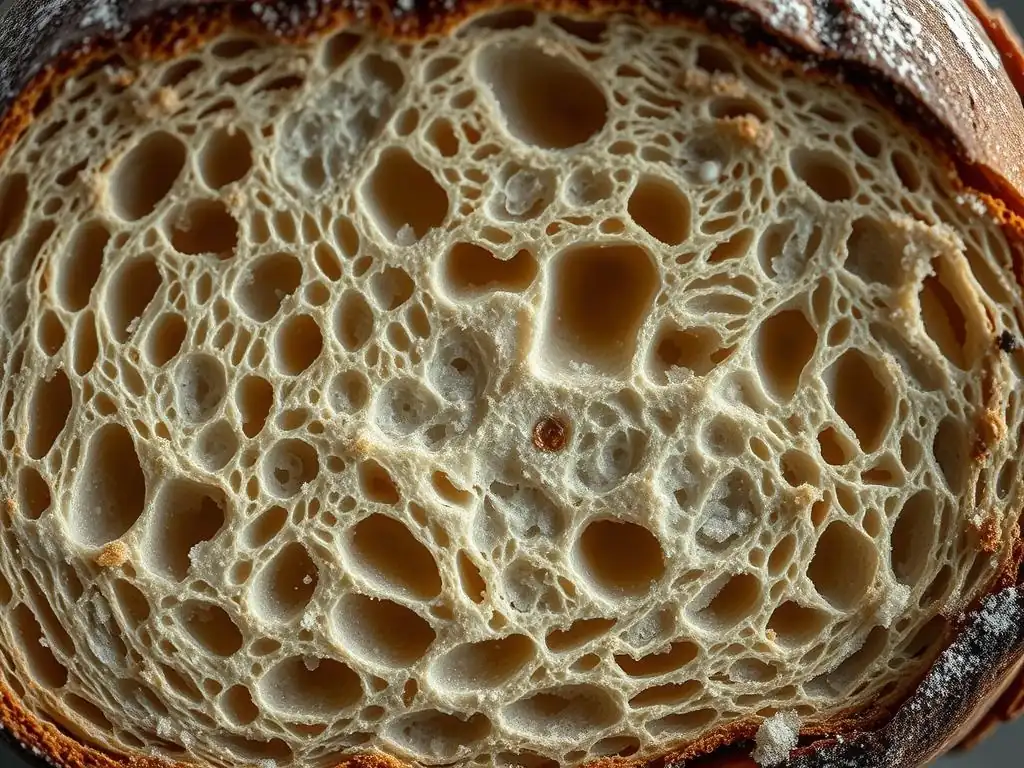
Welcome to BakeWithEase, where baking becomes a joy! Ever wondered how to unlock the deepest, most complex flavors in your sourdough? This guide dives into the fascinating world of enzyme activity sourdough bread, revealing the secrets to achieving that perfect tang and texture. Get ready to elevate your bread baking game!
- Mastering Sourdough Flavor: A Guide to Enzyme Activity
- Understanding Enzyme Activity in Sourdough
- The Science of Sourdough: Enzyme Functions
- Factors Influencing Enzyme Activity
- Optimizing Enzyme Activity for Flavor
- Practical Techniques for Encouraging Enzyme Activity
- Troubleshooting Enzyme Activity
- Enzyme Activity and Starter Health
- Advanced Techniques for Enzyme Manipulation
- Achieving Your Ideal Sourdough Flavor
-
Frequently Asked Questions
- How does enzyme activity contribute to the flavor of sourdough bread?
- What are the primary enzymes involved in sourdough fermentation?
- How can I control enzyme activity in my sourdough starter and dough?
- What happens if there's too much enzyme activity in my sourdough?
- Where can I find more information about troubleshooting sourdough baking issues related to enzyme activity?
- Final Reflection: The Untapped Potential of Enzymatic Action in Sourdough
- Unlock Your Baking Potential: Master Enzyme Action Today!
Mastering Sourdough Flavor: A Guide to Enzyme Activity
Understanding Enzyme Activity in Sourdough
Enzymes: The Key to Flavor and Texture
Enzymes are biological catalysts, complex proteins present naturally in flour and sourdough starters, that play a crucial role in transforming simple dough into flavorful, textured bread. Think of them as tiny helpers diligently working behind the scenes during mixing, resting, and fermentation. Without sufficient enzyme activity sourdough bread would lack much of its characteristic depth and complexity. These powerful molecules break down larger compounds like starches and proteins into smaller, more manageable units, making them accessible to the yeast and lactic acid bacteria (LAB) in your starter, which are the primary drivers of fermentation and flavor development.
The activity of these enzymes directly impacts key aspects of your final loaf. For instance, they influence how quickly your dough ferments, how extensible and easy to work with it is, and ultimately, the structure of the crumb and the richness of the crust color. Different types of enzymes perform different jobs; some target starches, others target proteins, and their combined action creates the complex symphony of changes that occur during sourdough baking. Understanding and leveraging enzyme activity in sourdough bread making is a significant step towards achieving consistently delicious results with nuanced flavors and ideal texture.
How Enzymes Shape Sourdough Flavor Development
The intricate flavors we associate with artisanal sourdough come not just from the metabolic processes of yeast and bacteria, but also significantly from the preparatory work done by enzymes. As enzymes break down starches into simple sugars (like glucose and maltose) and proteins into smaller peptides and amino acids, they provide the essential building blocks for fermentation and the Maillard reaction during baking. These simple sugars are consumed by yeast and LAB, producing carbon dioxide for rise and a variety of organic acids, alcohols, and volatile compounds that contribute to the sourdough's characteristic tangy and complex aroma profile.
Furthermore, the smaller molecules created by enzyme action directly contribute to flavor compounds themselves. For example, certain amino acids are precursors to flavorful compounds that develop during the bake, especially in the crust. The availability of these precursors, facilitated by enzyme activity, enhances the depth and variety of flavors beyond just acidity. Optimizing enzyme activity sourdough bread production means ensuring these breakdown processes occur efficiently, leading to better fermentation, improved dough handling, and a final loaf bursting with layers of delightful flavor.
The Science of Sourdough: Enzyme Functions
Amylases: Converting Starches to Sugars for Sweetness
Amylases are a group of enzymes, primarily alpha-amylase and beta-amylase, that specialize in breaking down complex starch molecules found in flour into simpler sugars. Alpha-amylase acts on the internal bonds within the starch chain, creating smaller fragments called dextrins, while beta-amylase works from the ends of the starch chains, releasing maltose, a disaccharide sugar. These sugars, particularly maltose and glucose (which can be derived from maltose by other enzymes), are the preferred food source for the yeast and lactic acid bacteria in your sourdough starter.
The action of amylases is critical for two main reasons: first, it provides the fuel necessary for vigorous fermentation, ensuring adequate rise and gas production. Second, the simple sugars produced contribute directly to the sweetness of the crumb and, perhaps more importantly, participate in the Maillard reaction during baking.
This reaction between sugars and amino acids is responsible for the desirable browning of the crust and the development of many aromatic flavor compounds, including those with nutty, caramel, or roasted notes. Higher amylase activity, often found in whole grain or freshly milled flours, can lead to faster fermentation and a darker, more flavorful crust.
Proteases: Modifying Gluten for Dough Strength and Complex Flavors
Proteases are enzymes that break down proteins, specifically gluten proteins (glutenin and gliadin) in dough, into smaller peptides and amino acids. While amylases feed the microbes, proteases modify the dough's structure. By clipping the long protein chains that form the gluten network, proteases can influence the dough's extensibility and elasticity. A controlled level of protease activity is beneficial; it relaxes the gluten network, making the dough more pliable, easier to stretch and shape, and contributing to a softer crumb texture. This is particularly noticeable during the autolyse phase or long fermentation periods.
However, excessive protease activity can degrade the gluten structure too much, leading to a weak, sticky dough that lacks strength and volume. The balance is key. Beyond affecting structure, the peptides and amino acids released by proteases are significant flavor precursors. These smaller protein fragments participate in the Maillard reaction and other chemical transformations during fermentation and baking, contributing savory, umami, and other complex flavor notes to the final bread, enhancing the overall enzyme activity sourdough bread profile.
Other Enzymes: Contributing to Acidity and Aroma
While amylases and proteases are arguably the most discussed enzymes in sourdough baking, many others play supporting roles that contribute to the overall quality and flavor of the bread. Lipases, for example, break down fats into fatty acids and glycerol. While fats are present in relatively small amounts in flour, their breakdown products can influence flavor stability and contribute to certain aroma compounds. Pentosanases break down pentosans, complex carbohydrates that can absorb a lot of water and affect dough handling and crumb structure.
Enzymes within the lactic acid bacteria themselves are also crucial, though often discussed as part of the microbial metabolism. These enzymes facilitate the conversion of sugars into lactic acid and acetic acid, the primary acids responsible for the characteristic tang of sourdough. They also produce various volatile organic compounds that contribute to the complex aromatic bouquet. The synergistic action of all these enzymes, working in concert with the yeast and bacteria, creates the unique environment and chemical transformations that define a great sourdough loaf, showcasing the multifaceted role of enzyme activity sourdough bread.
Factors Influencing Enzyme Activity
Temperature: Optimizing Enzyme Performance
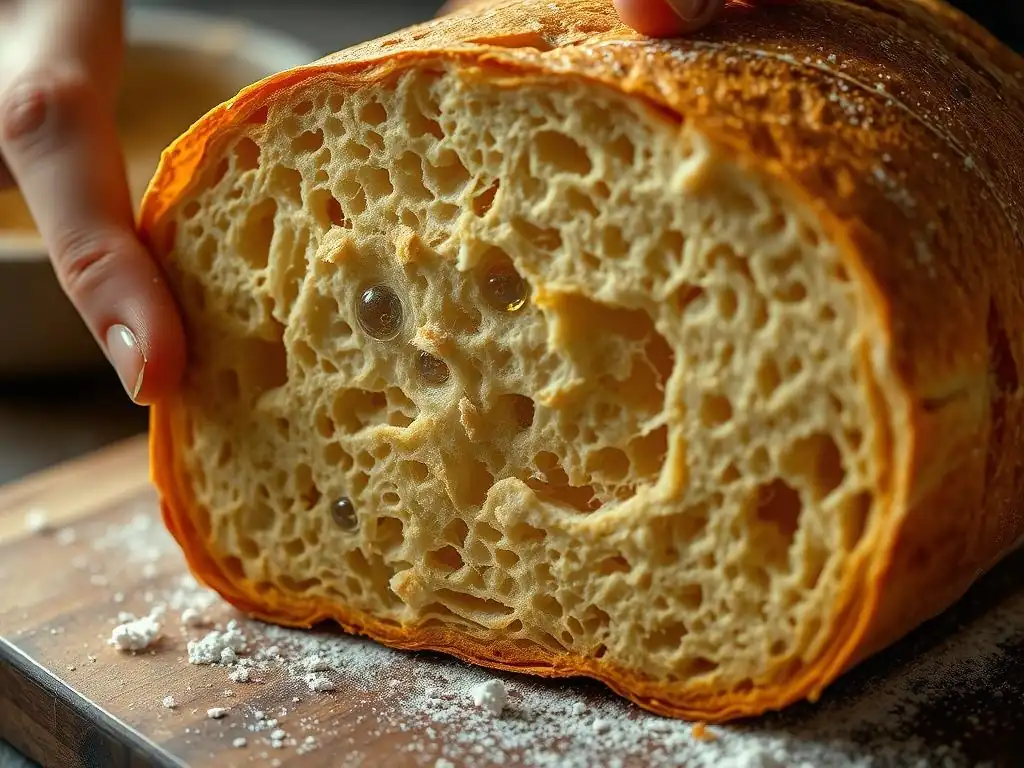
Temperature is a critical factor that significantly impacts the rate of enzyme activity in dough. Like most enzymes, those in flour and sourdough have optimal temperature ranges where they function most efficiently. For many amylases, this range is often between 50°C and 70°C (122°F to 158°F), although they are active at lower temperatures too, albeit more slowly. Proteases typically have optimal activity in a slightly lower range, often between 30°C and 50°C (86°F to 122°F). During typical bulk fermentation at room temperature (around 20-25°C or 68-77°F), enzymes are active but not at their peak.
Cold temperatures, such as those used during cold proofing in a refrigerator (around 4°C or 40°F), significantly slow down enzyme activity, as well as microbial fermentation. This slow activity over extended periods allows for gradual breakdown of starches and proteins, contributing to complex flavor development without excessively weakening the dough structure.
High temperatures, like those in a baking oven, eventually denature and inactivate enzymes, but their initial rapid activity in the early stages of baking (before the dough reaches high internal temperatures) is crucial for setting the crumb structure and initiating crust browning. Managing dough temperature is a powerful lever for controlling enzyme activity sourdough bread.
Hydration: Impact on Enzyme Mobility
Water is essential for enzyme activity because enzymes need to be dissolved or suspended in a liquid medium to interact with their substrates (starches, proteins, etc.). In dough, water acts as the solvent that allows enzymes to move and come into contact with the molecules they break down. Therefore, the hydration level of your dough directly influences the rate and efficiency of enzyme action. Higher hydration doughs (e.g., 75-80% hydration or more) provide a more fluid environment, allowing enzymes greater mobility and faster reaction rates compared to lower hydration doughs (e.g., 60-65% hydration).
In a high hydration dough, enzymes can more easily access and break down starch granules and protein networks throughout the dough mass. This generally leads to faster conditioning of the dough (relaxation of gluten) and potentially quicker sugar release for fermentation.
Conversely, in a lower hydration dough, enzyme activity is somewhat inhibited simply due to the reduced mobility of the enzyme molecules within the stiffer matrix. While higher hydration can boost enzyme activity, it's important to balance this with the desired dough handling characteristics and structure, as excessively high activity without sufficient gluten strength can lead to a gummy crumb.
pH: The Acidity Sweet Spot for Enzyme Function
The pH level, or acidity, of the dough environment significantly affects enzyme activity. Enzymes have optimal pH ranges where their structure and function are most stable and efficient. Sourdough is inherently acidic due to the production of lactic and acetic acids by the LAB. The typical pH range for sourdough dough during fermentation is often between 4.0 and 5.5. Many of the desirable enzymes in flour, including key amylases and proteases, function well within or slightly above this acidic range, although their absolute optimal pH might be closer to neutral (pH 7).
As fermentation progresses and the pH drops, the activity of some enzymes might decrease slightly, while others, particularly some proteases, might become more active in the acidic environment. The balance of acids produced by the starter creates a unique pH profile that selectively favors certain enzymatic reactions over others, contributing to the specific characteristics of sourdough compared to yeasted bread. Maintaining a healthy starter with a balanced microbial population helps ensure the pH develops in a way that supports beneficial enzyme activity sourdough bread.
Salt: Controlling Enzyme Activity
Salt (sodium chloride) is a common ingredient in bread making, added primarily for flavor and to control fermentation rate and strengthen the gluten network. It also has a significant impact on enzyme activity. Salt generally inhibits the activity of many enzymes, including some amylases and proteases. This inhibitory effect is one reason why dough with salt added ferments more slowly and feels tighter than dough without salt (as in an autolyse).
By adding salt, bakers can moderate the rate at which enzymes break down starches and proteins. This control is particularly useful in long fermentation processes, preventing the enzymes from becoming too active and degrading the dough structure prematurely. For example, adding salt earlier in the process will slow down protease activity, helping to maintain gluten strength over extended periods.
Conversely, delaying the addition of salt can allow enzymes to work more freely for a period, which can be beneficial for dough extensibility and initial sugar release. The typical salt concentration in bread dough (around 1.8-2.2% of flour weight) provides a balance between flavor enhancement and enzyme regulation.
Optimizing Enzyme Activity for Flavor
Autolyse: Enhancing Enzyme Action
The autolyse technique, developed by Professor Raymond Calvel, involves mixing only flour and water and letting the mixture rest for a period before adding the starter, salt, or other ingredients. This simple step is a powerful way to leverage enzyme activity. During the autolyse, without the presence of salt (which inhibits enzymes) and with sufficient hydration, the amylase enzymes begin breaking down starch into sugars, and protease enzymes begin breaking down the protein network. This enzymatic action starts conditioning the dough.
A typical autolyse might last from 20 minutes up to several hours. During this time, the dough becomes noticeably more extensible, smoother, and easier to handle. The gluten network begins to relax and develop simply through enzyme action and hydration, requiring less mechanical mixing later. The initial breakdown of starch also provides a readily available food source for the microbes once the starter is added, potentially leading to a more vigorous and complete fermentation, thus boosting overall enzyme activity sourdough bread.
Flour Selection: Influencing Enzyme Activity
The type of flour you choose has a significant impact on the inherent enzyme activity in your dough. Different grains and different milling processes result in varying levels of amylase and protease activity. Whole grain flours (like whole wheat, rye, or spelt) generally contain higher levels of enzymes compared to highly refined white flours. This is because the bran and germ, which are removed during the milling of white flour, are rich sources of these enzymes. Consequently, dough made with a higher percentage of whole grain flour will typically exhibit faster enzymatic breakdown.
Using flours with higher enzyme activity can lead to faster sugar production for fermentation and more extensive protein breakdown. This is why rye dough, which is particularly high in amylase and protease activity, can become very sticky and degrade quickly if over-fermented. Bakers often blend flours to manage enzyme activity; for instance, adding a small percentage of whole wheat or rye to a white flour dough can boost enzyme activity and flavor complexity without sacrificing too much structure. Understanding the enzymatic profile of different flours is key to controlling enzyme activity sourdough bread results.
Fermentation Time: Maximizing Flavor Development
Fermentation time is intrinsically linked to enzyme activity and flavor development. Enzymes continue to work throughout the entire fermentation process, from the initial mixing through bulk fermentation and proofing. Longer fermentation times, especially cold fermentation, allow enzymes more time to break down complex starches and proteins into simpler compounds. This prolonged enzymatic action yields a greater quantity and variety of flavor precursors.
During a long, slow fermentation, say 12-24 hours in a cool environment (around 15-18°C or 60-65°F) or even longer in the refrigerator (4°C or 40°F), enzymes work slowly but steadily. Amylases continue to produce sugars, contributing to sweetness and crust browning potential. Proteases continue to condition the gluten and release flavor-rich peptides and amino acids.
This extended breakdown process results in a more complex flavor profile than a quick, warm fermentation. While enzymes are active throughout, managing the duration of their activity through fermentation time is crucial for achieving the desired flavor depth and textural characteristics, highlighting the importance of timed enzyme activity sourdough bread.
Practical Techniques for Encouraging Enzyme Activity
Dough Temperature Management
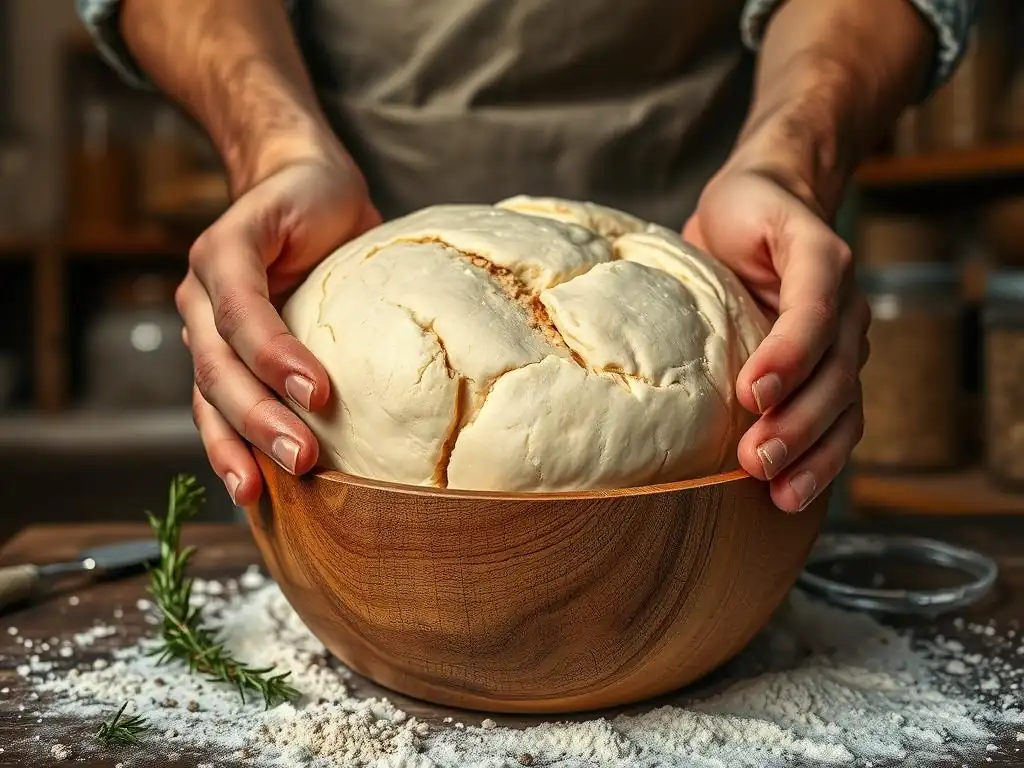
Controlling the temperature of your dough is one of the most effective ways to manage enzyme activity. To encourage enzymatic breakdown, especially early in the process or during bulk fermentation, aim for dough temperatures in the optimal range for amylases and proteases. For example, targeting a dough temperature of 24-26°C (75-79°F) after mixing can promote vigorous initial enzyme action and fermentation. This warmer temperature allows enzymes to work efficiently, quickly breaking down starches and proteins.
Conversely, if you want to slow down enzyme activity and extend the fermentation for more complex flavor development without over-proofing, lowering the dough temperature is key. Cold fermentation in a refrigerator (around 4°C or 40°F) dramatically reduces the rate of enzymatic reactions. While slower, this extended, gentle breakdown over 12 to 48 hours allows for a greater accumulation of flavor compounds. Mastering dough temperature allows you to fine-tune the rate and extent of enzyme activity sourdough bread making.
Utilizing Whole Grain Flours
Incorporating whole grain flours into your sourdough recipe is a direct way to increase the natural enzyme activity. As mentioned earlier, whole wheat, rye, and other whole grain flours contain higher concentrations of amylases and proteases compared to refined white flour. Even adding a small percentage (e.g., 10-20%) of whole wheat or rye flour to a white flour base can significantly boost enzymatic activity.
The increased enzyme load in whole grain flours leads to faster starch breakdown and sugar production, providing more fuel for fermentation and contributing to darker crust color. It also results in more extensive protein breakdown, which can improve dough extensibility but also requires careful management to prevent excessive gluten degradation. When using a high percentage of whole grain flour, bakers often adjust hydration and fermentation times to account for the increased enzyme activity sourdough bread dough exhibits.
Cold Fermentation for Flavor Complexity
Cold fermentation, or retarding the dough in a refrigerator, is a widely used technique to develop complex flavors, and its effectiveness is largely due to its impact on enzyme activity. At refrigerator temperatures (typically 4°C or 40°F), yeast and bacterial activity slows significantly, but enzyme activity, while also slower, continues at a measurable rate. This allows enzymes to work over a much longer period than at room temperature.
Over 12, 24, or even 48 hours in the cold, amylases slowly but steadily break down more starch into sugars, contributing subtle sweetness and enhancing browning potential. Proteases continue to break down proteins, releasing flavor compounds and further conditioning the gluten, resulting in a more relaxed and extensible dough. This slow enzymatic transformation, combined with the gradual production of organic acids by the cold-tolerant LAB, builds layers of nuanced flavor that are difficult to achieve with warmer, faster fermentation. Cold fermentation is a prime example of how managing the timing of enzyme activity sourdough bread enhances quality.
Troubleshooting Enzyme Activity
Over-Enzymatic Activity: Dough Breakdown
Over-enzymatic activity, particularly excessive protease action, can lead to significant problems with dough structure. If enzymes are too active, perhaps due to using high-enzyme flour, warm temperatures, or excessively long fermentation without proper control, the gluten network can be broken down too much. This results in a dough that becomes overly sticky, lacks elasticity, is difficult to handle, and cannot hold its shape or trap fermentation gases effectively.
Signs of over-enzymatic activity include dough that turns into a soupy or liquid mass, tears easily when stretched, and feels extremely slack and weak. The resulting bread will likely have poor volume, a dense or gummy crumb, and potentially an overly sweet or even unpleasant flavor due to excessive sugar and protein breakdown. This is a common challenge when working with high percentages of whole grains or rye, which have naturally higher enzyme levels. Managing temperature, hydration, salt levels, and fermentation time is crucial to prevent this issue and maintain balanced enzyme activity sourdough bread.
Under-Enzymatic Activity: Lack of Flavor
Conversely, under-enzymatic activity can also negatively impact your sourdough. If enzymes are not sufficiently active, perhaps due to using low-enzyme flour (like some highly refined white flours), insufficient hydration, low temperatures, or very short fermentation times, the necessary breakdown of starches and proteins may not occur adequately.
Dough with low enzyme activity might feel tight and less extensible, even after resting. More importantly, the lack of sufficient sugar production can lead to slow or sluggish fermentation and pale crust color. The limited breakdown of proteins means fewer flavor precursors are available, resulting in a loaf that lacks the complex, nuanced flavors characteristic of well-developed sourdough. The crumb might be dense or less airy due to insufficient gas production and dough conditioning. Recognizing the signs of both over- and under-activity helps you adjust your process to optimize enzyme activity sourdough bread.
Recipe Adjustments for Enzyme Balance
If you consistently encounter issues related to enzyme activity, adjusting your recipe and process is necessary.
- For Over-Activity: Reduce fermentation time, especially at warmer temperatures. Increase salt slightly (within typical ranges) or add it earlier in the process. Reduce hydration slightly. Consider using a lower percentage of high-enzyme flours (like whole wheat or rye) or blending them with a stronger white flour. Ensure your starter isn't overly acidic, as low pH can boost some protease activity.
- For Under-Activity: Consider a longer autolyse, potentially with warmer water. Increase fermentation time. Incorporate a small percentage of whole grain flour or malted flour (specifically diastatic malt) to boost amylase activity. Ensure sufficient hydration. Check that your dough temperature is within a reasonable range for enzyme function.
By observing your dough's behavior and the final bread's characteristics, you can make targeted adjustments to bring enzyme activity sourdough bread into balance.
Enzyme Activity and Starter Health
Maintaining a Vigorous Starter
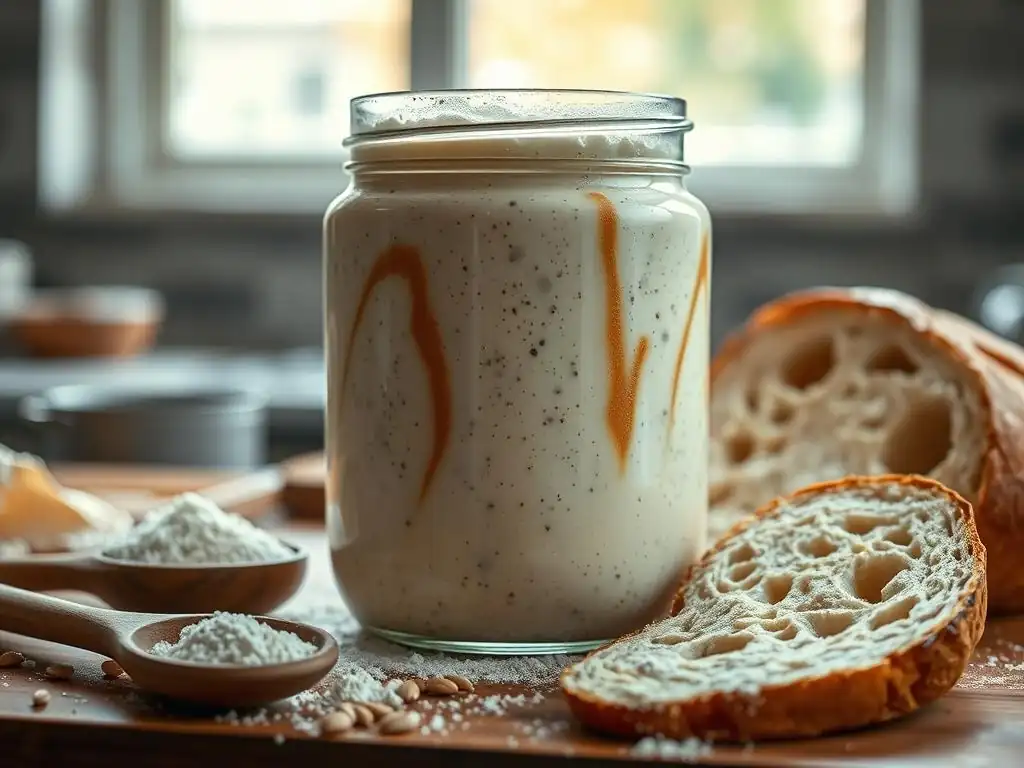
The health and vitality of your sourdough starter are intrinsically linked to the enzyme activity in your dough. Your starter is a dynamic ecosystem containing not only yeast and lactic acid bacteria but also a host of naturally occurring enzymes derived from the flour it is fed. A vigorous, well-maintained starter provides a healthy population of microbes and contributes a significant amount of enzymatic power to your dough when added.
A starter that is fed regularly and kept at a suitable temperature will maintain a balanced population of yeast and bacteria, which in turn ensures consistent acid production (influencing pH) and enzyme contribution. An active starter will typically double or triple in size within a few hours after feeding, indicating healthy microbial and enzymatic activity. Using a vigorous starter ensures that you are inoculating your dough with both the necessary leavening agents and a healthy dose of enzymes to kickstart the complex processes that develop flavor and texture.
Feeding Schedules and Enzyme Populations
The feeding schedule of your starter influences its microbial and enzymatic composition. More frequent feeding (e.g., daily) with a higher ratio of fresh flour and water tends to favor yeast activity and maintain a slightly less acidic environment compared to infrequent feeding. This environment can influence the types and activity levels of enzymes present and contributed to the dough. A starter fed with whole grain flour will naturally have higher enzyme levels than one fed solely with white flour.
Over time, the microbial balance in a starter can shift, affecting the pH curve during fermentation and thus the environment for enzymes. An over-acidic starter, for instance, might indicate an imbalance leaning heavily towards acid-producing bacteria, potentially leading to a lower pH in the final dough which can impact enzyme activity. Consistent feeding with good quality flour helps maintain a stable microbial and enzymatic profile, ensuring predictable enzyme activity sourdough bread results.
Recognizing an Unbalanced Starter
An unbalanced starter can manifest in several ways, often impacting its ability to contribute effectively to dough enzyme activity. Signs include:
- Sluggish or no rise after feeding: Indicates low yeast or bacterial activity, meaning fewer enzymes are being produced or introduced via the starter.
- Excessive liquid separation (hooch) very quickly: Can suggest insufficient feeding, leading to high acidity and potential enzyme degradation within the starter itself.
- Unpleasant or off odors (beyond typical sour): May indicate undesirable microbial populations that could also affect the enzymatic environment.
- Inconsistent fermentation results: Suggests variability in the starter's microbial and enzymatic power.
Using an unbalanced starter introduces unpredictability into the enzymatic processes in your dough. A weak starter provides fewer active microbes for fermentation and potentially fewer active enzymes, leading to slow development and poor flavor. Rebalancing a starter through consistent, appropriate feeding is essential for reliable enzyme activity sourdough bread baking.
Advanced Techniques for Enzyme Manipulation
Malt Flour for Amylase Boost
Adding a small amount of malt flour, specifically diastatic malt flour, is a targeted way to significantly boost amylase activity in dough. Diastatic malt flour is made from sprouted and dried grains (usually barley) where the malting process has activated enzymes, particularly alpha-amylase, but the drying temperature is kept low enough to preserve their activity. Non-diastatic malt, often used for color and flavor in bagels or pretzels, has been heated higher and its enzymes are mostly inactivated.
Adding diastatic malt (typically 0.5% to 1% of the total flour weight) introduces a powerful source of amylase. This leads to faster breakdown of starch into sugars, providing abundant food for yeast and bacteria, promoting vigorous fermentation, and significantly enhancing crust browning and flavor development through the Maillard reaction. It can be particularly useful when working with flours that are low in natural amylase or when aiming for a very open crumb and dark crust.
However, too much diastatic malt can lead to excessive sugar production, resulting in a gummy crumb and overly dark crust. Careful measurement is key for optimal enzyme activity sourdough bread.
Sprouted Grains for Enhanced Enzyme Power
Similar to malted grains, using flours made from sprouted grains is another way to increase enzyme activity. Sprouting involves germinating grains under controlled conditions. This natural process activates enzymes within the grain, including amylases, proteases, and lipases, to begin breaking down starches and proteins, preparing the seed for growth. Once sprouted, the grains are typically dried and then milled into flour.
Flour made from sprouted grains contains a higher concentration of active enzymes compared to flour made from dormant grains. Incorporating sprouted grain flour into your sourdough can therefore boost enzymatic activity, leading to faster starch conversion, potentially increased fermentation speed, and enhanced flavor development. Sprouted grains also tend to have slightly different nutritional profiles and can contribute unique flavors and textures to the bread. Using sprouted grain flour is a natural way to leverage inherent enzyme activity sourdough bread.
Fermentation Vessels and Enzyme Action
While less direct than temperature or ingredients, the fermentation vessel can indirectly influence enzyme activity by affecting dough temperature and oxygen exposure. Using a non-reactive container (like plastic or glass) helps maintain a consistent dough temperature, which is crucial for predictable enzyme function. Some bakers believe that the surface area of the dough exposed to air during fermentation can have subtle effects, potentially influencing the redox balance which might indirectly affect enzyme stability, though this effect is less pronounced than temperature or hydration.
For very long, cold fermentations, using a container with a lid helps prevent the dough surface from drying out, ensuring that enzyme activity remains consistent throughout the mass. Preventing a skin from forming on the dough surface maintains hydration and allows enzymes to work evenly. While the material of the vessel itself doesn't directly interact with enzymes, its role in maintaining optimal conditions (temperature, humidity) supports the desired enzyme activity sourdough bread development.
Achieving Your Ideal Sourdough Flavor
Matching Enzyme Activity to Taste Preferences
The beauty of understanding enzyme activity is that you can consciously manipulate it to achieve the specific flavor profile you desire in your sourdough. Do you prefer a sweeter crumb and a very dark, complex crust? Focus on techniques that boost amylase activity, like using a portion of whole grain flour, incorporating a small amount of diastatic malt, or performing a longer autolyse. Do you prefer a less tangy loaf with a softer crumb? Longer, cooler fermentation promotes protease activity which softens gluten and develops non-acidic flavors, while slowing down excessive acid production.
If you find your bread lacks depth, you might need to encourage more enzymatic breakdown through longer fermentation or higher hydration. If your dough is consistently weak and sticky, you might need to rein in protease activity through shorter fermentation, cooler temperatures, or adjusting your flour blend. By linking the characteristics of your final loaf back to the enzymatic processes, you gain control over the outcome, allowing you to tailor enzyme activity sourdough bread to your personal taste.
Fine-Tuning Sourdough Through Experimentation
Mastering the interplay of enzyme activity, microbial fermentation, and baking science requires experimentation. Don't be afraid to try variations in your process:
- Vary Autolyse: Try a 30-minute autolyse versus a 2-hour autolyse and note the difference in dough handling and final crumb.
- Adjust Hydration: See how a 70% hydration dough behaves compared to 78% hydration, observing changes in extensibility and fermentation speed.
- Experiment with Temperature: Compare a loaf proofed at room temperature for 4 hours versus one cold-proofed for 24 hours.
- Alter Flour Blends: Bake loaves with varying percentages of whole wheat or rye to see how enzyme levels change the outcome.
- Consider Malt: Try adding a tiny amount of diastatic malt to a standard recipe.
Keep detailed notes of your process, ingredient percentages, times, temperatures, and observations about dough behavior and final results. This systematic approach will help you understand how each variable influences enzyme activity sourdough bread and allows you to refine your techniques based on desired outcomes.
Resources for Further Learning
The world of sourdough and enzyme activity is vast and fascinating! To deepen your understanding, consider exploring resources such as:
- Books specifically dedicated to the science of bread baking or sourdough. Authors like Ken Forkish, Chad Robertson, and Michael Pollan (Cooked, specifically the Bread section) offer insights, though not always focused purely on enzymes.
- Scientific papers or articles on food science related to baking and fermentation.
- Online forums and communities dedicated to sourdough baking, where experienced bakers share knowledge and troubleshoot.
- Workshops or classes focusing on advanced bread techniques or the science behind baking.
Understanding enzyme activity sourdough bread is a continuous journey. By staying curious, experimenting, and utilizing available resources, you can unlock new levels of flavor and texture in your baking.
Frequently Asked Questions
How does enzyme activity contribute to the flavor of sourdough bread?
Enzyme activity breaks down complex starches and proteins into simpler sugars and amino acids. These compounds contribute to the complex flavors and aromas during fermentation and baking. This process is crucial for flavor development.
What are the primary enzymes involved in sourdough fermentation?
The main enzymes are amylases (breaking down starches) and proteases (breaking down proteins). These enzymes work together to create fermentable sugars and amino acids, which fuel the sourdough culture. They are naturally present in flour.
How can I control enzyme activity in my sourdough starter and dough?
Temperature is a key factor. Warmer temperatures generally increase enzyme activity, while cooler temperatures slow it down. You can adjust your fermentation time and temperature to control the process and influence the flavor profile.
What happens if there's too much enzyme activity in my sourdough?
Excessive enzyme activity can lead to a sticky dough, a gummy crumb, and potentially an overly sour flavor. Careful monitoring of fermentation time and temperature is crucial to prevent these issues.
BakeWithEase.com offers detailed guides, recipes, and tips for bakers of all levels. You'll find step-by-step instructions and easy-to-find ingredient information to help you master sourdough baking and understand enzyme activity's role.
Final Reflection: The Untapped Potential of Enzymatic Action in Sourdough
The exploration of enzyme activity in sourdough breadmaking isn't just a niche pursuit; it's the key to unlocking a new era of flavor complexity and artisan bread production. Understanding the intricate dance of enzymes within the dough allows bakers to move beyond simple recipes and create truly exceptional loaves, tailored to specific flavor profiles and textures. This knowledge empowers bakers to take control of the fermentation process, resulting in breads that are not only delicious but also reflect a deeper understanding of the craft.
The impact of this understanding extends far beyond the individual baker. It's reshaping our understanding of sourdough itself, moving beyond the simple "wild yeast" narrative to a more nuanced appreciation of the complex biochemical processes at play. This shift in perspective is vital for the future of artisan baking. The baker who understands the science behind the craft is empowered to create, innovate, and push the boundaries of what's possible.
This quote encapsulates the transformative power of understanding enzyme activity, allowing for a more conscious and creative approach to breadmaking.
Consider the possibilities: Imagine crafting a sourdough with a specific note of sweetness, a pronounced nutty undertone, or a subtle fruity aroma, all achieved through a precise manipulation of enzymatic activity. This isn't just about following a recipe; it's about becoming a true artisan, capable of designing and executing your own unique flavor profiles. You, the reader, now hold the key to unlocking this potential. Embrace the science, experiment with different flours and techniques, and embark on a journey of discovery that will elevate your baking to a new level of artistry and satisfaction.
Unlock Your Baking Potential: Master Enzyme Action Today!
Thanks for exploring the fascinating world of enzyme activity in dough! You've now gained valuable insights into creating truly exceptional baked goods. Ready to put this knowledge into practice?
- Experiment with different flours: Try substituting a portion of your usual flour with a different type (e.g., rye, whole wheat) to see how it impacts the final product's texture and taste. This is your primary challenge—discover your new favourite flour blend!
- Share your baking journey: Capture your baking experiments with pictures and notes, sharing your successes (and even your "oops" moments!) on social media using #BakeWithEaseEnzyme. Let's build a community of enzyme-savvy bakers!
- Dive deeper: Explore online resources and research different enzymes to further expand your baking knowledge. There's a whole world of flavor waiting to be unlocked!
What unexpected flavor combinations will you create by harnessing the power of enzymes in your next bake?