
Quick & Easy Irish Soda Bread: No Yeast Required!

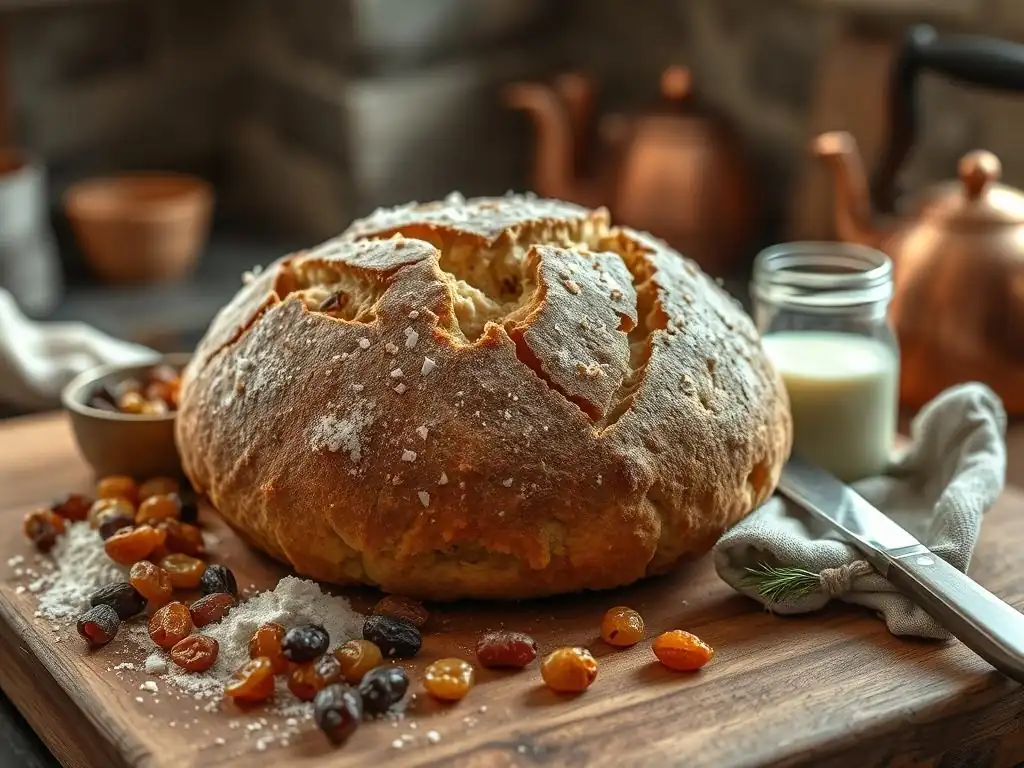
Welcome to BakeWithEase, your kitchen companion for all things baking! Ever dreamt of warm, crusty bread without the fuss of yeast? You're in the right place. Dive into our guide and discover the secrets to baking a delicious Irish soda bread no yeast – a surprisingly simple recipe that delivers incredible flavor. But that's just the beginning! Curious to see how easy it really is? Let's get baking!
- Bake Authentic Irish Soda Bread at Home with Ease
- What is Irish Soda Bread? A Quick Introduction
- Mastering the Classic Irish Soda Bread Recipe (Yeast-Free!)
- Step-by-Step Guide: Baking Irish Soda Bread Without Yeast
- Tips and Tricks for Perfect Irish Soda Bread Every Time
- Variations and Add-ins for Your Irish Soda Bread
- Serving and Storing Your Homemade Irish Soda Bread
- Troubleshooting Common Irish Soda Bread Problems
- Easy Irish Soda Bread Recipe: Printable Version
-
Frequently Asked Questions
- What makes Irish soda bread unique compared to other breads?
- Why is there no yeast in traditional Irish soda bread recipes?
- Can I substitute any ingredients in the Irish soda bread recipe?
- How do I prevent my Irish soda bread from being too dry?
- What are some serving suggestions for Irish soda bread?
- Final Reflection: The Enduring Magic of Yeast-Free Baking
- Unleash Your Inner Baker: Make Your Own Irish Soda Bread Today!
Bake Authentic Irish Soda Bread at Home with Ease
Welcome to BakeWithEase, your guide to simple, delicious baking! Today, we're diving into the wonderful world of Irish soda bread no yeast. This rustic loaf is famous for its simplicity and speed, relying on a chemical reaction rather than lengthy fermentation.
It's the perfect bread for beginners or anyone needing a quick, satisfying bake. Forget waiting hours for dough to rise; with this quick and easy Irish soda bread, you can have a warm, crusty loaf on your table in under an hour. Let's explore why this traditional bread holds such a special place in kitchens around the globe and how you can master it effortlessly.
Mastering Irish soda bread no yeast is a rewarding experience that yields a surprisingly versatile bread. Whether you're serving it alongside a hearty stew, enjoying it toasted with butter and jam, or simply appreciating its unique texture, this recipe is a keeper. We'll walk you through the essential ingredients, simple steps, and helpful tips to ensure your first (or next!) attempt at making Irish soda bread no yeast is a resounding success. Get ready to fill your kitchen with the comforting aroma of freshly baked bread without the fuss often associated with yeasted loaves.
What is Irish Soda Bread? A Quick Introduction
Irish soda bread is a traditional quick bread that originated in Ireland. Unlike most conventional breads that use yeast as a leavening agent, soda bread relies on the reaction between baking soda (sodium bicarbonate) and an acidic ingredient, most commonly buttermilk. This reaction produces carbon dioxide gas bubbles that cause the bread to rise during baking. The resulting loaf is typically dense yet tender, with a characteristic thick, often floury, crust and a slightly tangy flavor from the buttermilk. It's known for its straightforward ingredients and minimal preparation, making it a staple in many Irish households.
The beauty of Irish soda bread no yeast lies in its simplicity and the speed with which it can be made. It requires only a few basic ingredients that are usually readily available in a kitchen pantry. The process involves mixing dry ingredients with wet ingredients, forming a simple dough, scoring it, and baking.
There's no extensive kneading required, nor any proofing time, which dramatically cuts down the preparation time compared to yeasted breads. This efficiency is one of the primary reasons for its enduring popularity as a go-to recipe for a last-minute bread craving or a simple addition to any meal.
The History of Irish Soda Bread
The history of Irish soda bread is deeply intertwined with the agricultural and economic conditions of 19th-century Ireland. Baking soda was introduced to Ireland around the 1840s, offering a revolutionary way to leaven bread quickly and easily. Before this, leavening often involved complex sourdough starters or lengthy fermentation processes, which were challenging given the limited access to reliable ovens and consistent heat sources in many rural homes. Many households cooked over open hearths, using cast iron pots or bastibles placed directly in the embers.
The simplicity of soda bread made it ideal for these conditions. It required minimal ingredients – flour, baking soda, salt, and buttermilk – which were relatively accessible, especially compared to yeast. Its quick baking time in a pot over a fire meant fuel was conserved. This bread became a staple, providing a simple, nutritious food source, particularly important during difficult times like the Great Famine era (mid-1840s). While often seen as a rustic, peasant food historically, Irish soda bread no yeast has evolved into a beloved symbol of Irish heritage and a comforting bake enjoyed worldwide.
Why No Yeast? The Magic of Baking Soda
The core principle behind Irish soda bread no yeast is the chemical reaction between an alkali and an acid. In this case, the alkali is baking soda (sodium bicarbonate), and the acid is typically lactic acid found in buttermilk. When baking soda and buttermilk are combined in the presence of moisture and heat, they react vigorously to produce carbon dioxide gas. This gas gets trapped within the dough's structure, causing it to expand and rise rapidly during the baking process.
This leavening method offers significant advantages, particularly the speed of preparation. Unlike yeast, which requires time (often hours) to ferment sugars and produce carbon dioxide, the baking soda reaction is almost instantaneous once the wet and dry ingredients are mixed. This eliminates the need for proofing or waiting for the dough to rise, making Irish soda bread no yeast an incredibly fast bread to bake from start to finish – often ready in under an hour. It also results in a different texture; soda bread tends to be denser and more crumbly than light, airy yeasted loaves.
Mastering the Classic Irish Soda Bread Recipe (Yeast-Free!)
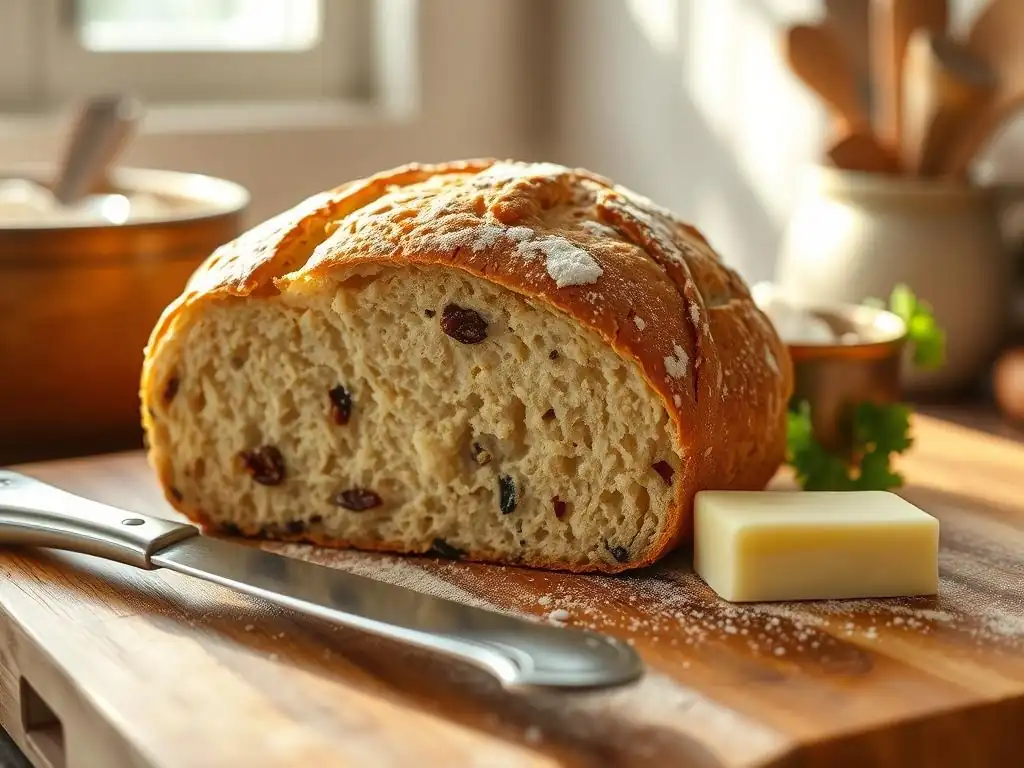
Making classic Irish soda bread no yeast is remarkably straightforward. The process involves combining dry ingredients, adding buttermilk, mixing minimally, shaping, and baking. The key is to work quickly once the wet and dry ingredients are combined, as the leavening reaction starts immediately. Overworking the dough can develop gluten, resulting in a tough loaf, which is contrary to the desired tender crumb of traditional soda bread.
This method is forgiving and perfect for novice bakers. It teaches fundamental baking principles like the importance of ingredient ratios and the impact of mixing technique without the complexities of yeast activation and proofing times. A successful loaf of Irish soda bread no yeast should have a firm, slightly crackled crust and a relatively close-grained, moist interior. It's a bread that truly celebrates simple ingredients and a no-fuss approach to baking.
Ingredients for Easy Irish Soda Bread
The ingredients for a classic Irish soda bread no yeast are incredibly basic, often just four main components. You'll need about 4 cups of all-purpose flour, although traditional recipes might use a softer Irish flour. Precision in measuring the leavening is crucial: approximately 1 teaspoon of baking soda is standard for this amount of flour. Salt is essential for flavor, typically around 1 teaspoon.
The wet ingredient is buttermilk, usually about 1 ½ to 1 ¾ cups. The acidity of the buttermilk is vital for activating the baking soda. Ensure your buttermilk is fresh for the best results. Sometimes, a small amount of sugar (1-2 teaspoons) is added for a touch of sweetness, or a tablespoon or two of butter (cut into small pieces) can be rubbed into the flour for a slightly richer texture. These simple ingredients, combined correctly, unlock the magic of a perfectly leavened Irish soda bread no yeast.
Essential Equipment for Your Soda Bread
You don't need fancy gadgets to make delicious Irish soda bread no yeast. A few standard kitchen tools are all that's required. You'll need a large mixing bowl to combine your dry and wet ingredients – something substantial enough to hold the approximately 4 cups of flour and other components with room to mix. Measuring cups and spoons are, of course, necessary for accurately portioning the flour, baking soda, salt, and buttermilk.
For shaping and baking, a baking sheet lined with parchment paper is perfectly adequate for most home ovens. Alternatively, a heavy cast iron pot or Dutch oven dusted with flour can replicate the traditional baking method and often yields a wonderfully rustic crust. A sharp knife or a bench scraper is needed to score the top of the loaf before baking. That's essentially it – simple tools for a simple, yet satisfying, bread.
Step-by-Step Guide: Baking Irish Soda Bread Without Yeast
Baking Irish soda bread no yeast is a process that moves quickly, especially after the wet and dry ingredients meet. Having all your ingredients measured and equipment ready before you start is helpful. This step-by-step guide will walk you through the simple process, ensuring you achieve a delicious, crusty loaf every time. Remember, speed and a light touch are your allies in this recipe.
Following these steps will demystify the process of making Irish soda bread no yeast. It's a testament to how minimal effort can yield significant results in baking. The rapid rise provided by the baking soda means you're just minutes away from a warm, homemade loaf from the moment you mix the dough.
Step 1: Combining the Dry Ingredients
Begin by measuring your dry ingredients accurately. In a large mixing bowl, whisk together the 4 cups of all-purpose flour, 1 teaspoon of baking soda, and 1 teaspoon of salt. If your recipe includes sugar or dry add-ins like caraway seeds, now is the time to whisk those in as well. The goal here is to ensure that the baking soda is evenly distributed throughout the flour. This is crucial for an even rise across the entire loaf.
Using a whisk helps to aerate the flour slightly and breaks up any lumps, while also ensuring the leavening agent is spread consistently. Imagine each tiny particle of baking soda needing to be near a particle of acid later on; thorough mixing now guarantees that. Some traditional recipes might suggest sifting the flour, but a good whisking is often sufficient for achieving a light texture in your finished Irish soda bread no yeast.
Step 2: Adding the Wet Ingredients and Forming the Dough
Once your dry ingredients are perfectly combined, make a well in the center of the mixture. Pour in the buttermilk, starting with about 1 ½ cups. Using a spoon or your hands, gently begin to mix the dry ingredients into the buttermilk from the center outwards. Mix just until the dry ingredients are moistened and a shaggy dough begins to form.
The dough should be soft and slightly wet, but not overly sticky. If it seems too dry and there's still a lot of loose flour at the bottom of the bowl, add a little more buttermilk, a tablespoon at a time, until the dough just comes together. Avoid the temptation to overmix; this is a quick bread, and developing gluten will make it tough. The dough for Irish soda bread no yeast should look rustic and feel just combined.
Step 3: Kneading and Shaping the Soda Bread
Turn the shaggy dough out onto a lightly floured surface. Knead it very gently and briefly, just enough to bring it together into a cohesive ball – this should only take about 30 seconds to a minute. The goal is not to develop gluten, but simply to form a round loaf. Handle the dough minimally to keep it tender.
Shape the dough into a round, rustic loaf about 6-8 inches in diameter. Place the shaped loaf onto your prepared baking sheet or into your floured cast iron pot. The surface should be relatively smooth, but a few cracks or imperfections are part of the charm of rustic Irish soda bread no yeast.
Step 4: Scoring the Top of the Dough
Using a sharp knife or a bench scraper, cut a deep cross into the top of the loaf. The cut should extend almost to the edges and be about half an inch deep. This isn't just for decoration; it serves a functional purpose. The deep cuts allow the heat to penetrate the center of the loaf more effectively, ensuring it cooks through evenly.
Traditionally, this cross was also believed to let the fairies out or ward off evil spirits, adding a touch of folklore to the baking process. From a practical perspective, it helps control how the bread expands as it bakes, preventing uncontrolled cracking. A well-scored loaf of Irish soda bread no yeast will split beautifully along the lines of the cross during its time in the oven.
Step 5: Baking to Golden Perfection
Preheat your oven to a relatively hot temperature, typically around 400°F (200°C). Place the scored loaf in the hot oven. Bake for approximately 30 to 45 minutes. The exact time will depend on your oven and the size and thickness of your loaf. During baking, you'll see the cross cuts open up as the bread rises and the crust begins to form.
You'll know your Irish soda bread no yeast is done when the crust is a beautiful golden-brown color, and the bottom sounds hollow when tapped. If you're unsure, an internal thermometer inserted into the center should register around 200-210°F (93-99°C). Remove the bread from the oven and transfer it to a wire rack to cool slightly before slicing. Enjoying it warm is one of the best ways to experience its texture and flavor.
Tips and Tricks for Perfect Irish Soda Bread Every Time
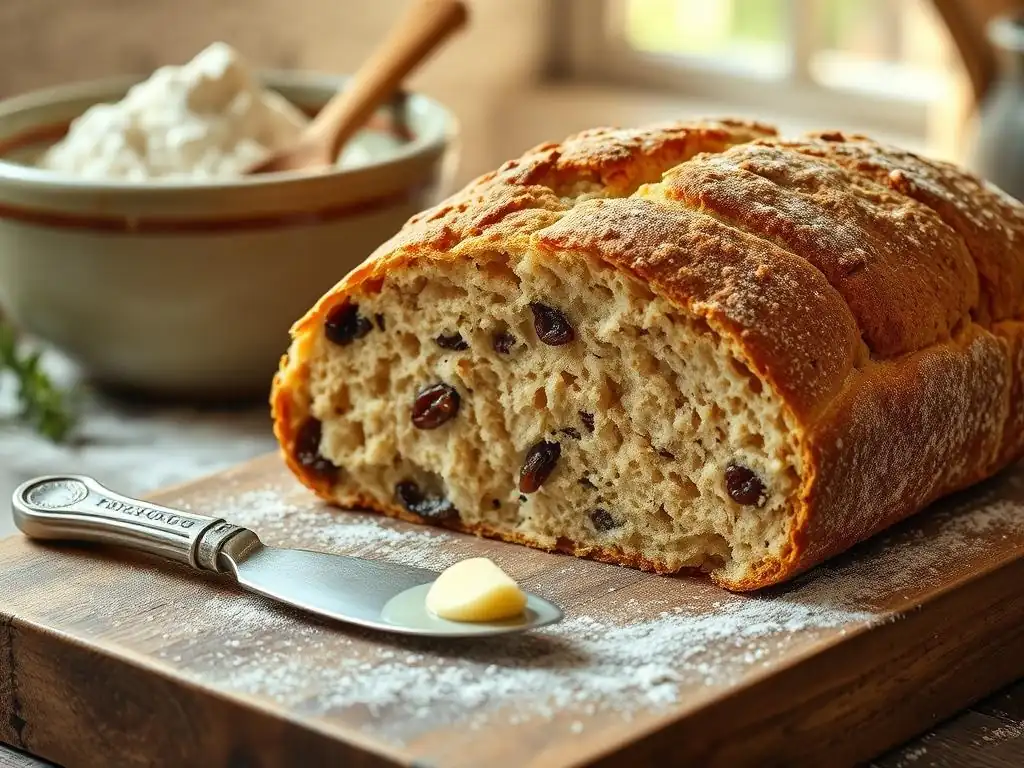
Achieving a consistently great loaf of Irish soda bread no yeast is simple once you understand a few key principles. Paying attention to the dough's consistency, avoiding overmixing, and ensuring proper scoring are vital steps that make a significant difference in the final outcome. These tips are gleaned from generations of bakers who have perfected this quick and easy bread.
Mastering these simple techniques will elevate your Irish soda bread no yeast from good to truly great. They address the most common pitfalls and ensure your loaf is tender on the inside and beautifully crusted on the outside, just as traditional soda bread should be.
Achieving the Right Dough Consistency
The consistency of your Irish soda bread no yeast dough is perhaps the most critical factor for success. The dough should be soft and shaggy, just wet enough to come together without being overly sticky. It shouldn't resemble a smooth, elastic yeast dough at all. When you turn it out onto the counter, it should be slightly tacky but manageable.
If your dough feels too dry and crumbly, add another tablespoon or two of buttermilk. If it feels too wet and sticky, lightly flour your hands and the surface, and incorporate just a tiny bit more flour as you gently bring it together. The goal is a dough that holds its shape but feels moist and tender. Too much flour will result in a dry, dense loaf, while too little can make it difficult to handle and may result in a very flat bread. Aim for a happy medium – moist but not messy.
Preventing a Dry Soda Bread
One of the most common complaints about homemade Irish soda bread no yeast is that it can turn out dry. Several factors contribute to this. The primary culprits are usually too much flour, not enough buttermilk, or overbaking. Accurate measurement of ingredients is key; using slightly less flour or slightly more buttermilk than a recipe calls for can drastically alter the moisture content.
Another factor is overmixing. As mentioned, overworking the dough develops gluten, which can lead to a tougher, drier texture. Mix only until the ingredients are just combined. Finally, keep an eye on the baking time.
Overbaking at too high a temperature for too long will dry out the interior before the crust is perfectly golden. Baking at the recommended temperature (around 400°F / 200°C) for the specified time range is generally sufficient. You can also brush the hot loaf with a little melted butter after it comes out of the oven for added moisture and flavor, though this isn't strictly traditional.
Scoring Techniques for Optimal Baking
Scoring the top of your Irish soda bread no yeast isn't just a decorative flourish; it's essential for proper baking. The deep cross cut serves as a vent, allowing steam to escape from the center of the loaf as it bakes. This prevents the bread from splitting haphazardly and encourages an even rise and cooking throughout the interior.
Ensure your knife or scraper is sharp and make the cut decisively. Aim for a depth of about half an inch, extending the cuts almost to the edges of the loaf. Don't be shy with the depth; a shallow cut won't provide adequate venting. A correctly scored loaf will expand neatly along the lines of the cross, resulting in the classic four-quartered look of traditional Irish soda bread no yeast.
Variations and Add-ins for Your Irish Soda Bread
While the classic Irish soda bread no yeast recipe is simple and delicious on its own, it also serves as an excellent base for variations. Incorporating different add-ins can alter the flavor profile, texture, and even tradition of the bread. These variations allow you to customize your loaf to your personal taste or the meal you plan to serve it with.
Exploring these variations adds another layer of enjoyment to baking Irish soda bread no yeast. Whether you prefer a touch of sweetness, a savory twist, or an aromatic enhancement, the basic formula is incredibly adaptable. Don't be afraid to experiment once you've mastered the classic version.
Adding Raisins or Currants for a Traditional Twist
One of the most popular and traditional variations of Irish soda bread no yeast involves adding dried fruit. Raisins or currants are commonly used, giving the bread a lovely sweetness and chewy texture. For a standard loaf made with 4 cups of flour, adding anywhere from ½ cup to 1 cup of raisins or currants is typical.
To incorporate the fruit, simply add the dried raisins or currants to the dry ingredients (flour, baking soda, salt) and whisk them in before adding the buttermilk. This ensures they are evenly distributed throughout the dough. The sweetness of the fruit pairs wonderfully with the slight tang of the buttermilk and the rustic nature of the bread, making for a delightful treat often enjoyed with tea. This version is sometimes referred to as "Spotted Dog" in Ireland due to the appearance of the fruit.
Incorporating Herbs and Spices for Flavor
For a more savory Irish soda bread no yeast, consider incorporating fresh or dried herbs and spices. Rosemary, thyme, chives, or a mix of "herbes de Provence" can add wonderful aromatic notes. Approximately 1-2 tablespoons of chopped fresh herbs or 1-2 teaspoons of dried herbs per loaf is a good starting point.
Spices like black pepper, a pinch of cayenne for a subtle kick, or even a little dried mustard powder can also enhance the savory profile. Mix the herbs and spices in with the dry ingredients before adding the buttermilk. This type of savory soda bread is fantastic served alongside soups, stews, or cheese boards.
Adding Caraway Seeds for a Savory Note
Caraway seeds are another traditional add-in, particularly in certain regions of Ireland, offering a distinct, slightly peppery and anise-like flavor that complements the savory nature of the bread. They provide a subtle yet noticeable difference from the plain or fruit-laden versions of Irish soda bread no yeast.
Adding 1 to 2 tablespoons of caraway seeds to the dry ingredients before mixing in the buttermilk is usually sufficient to impart their unique flavor. This variation is excellent served with savory dishes, particularly those involving cabbage, potatoes, or pork, where the caraway notes can really shine.
Serving and Storing Your Homemade Irish Soda Bread
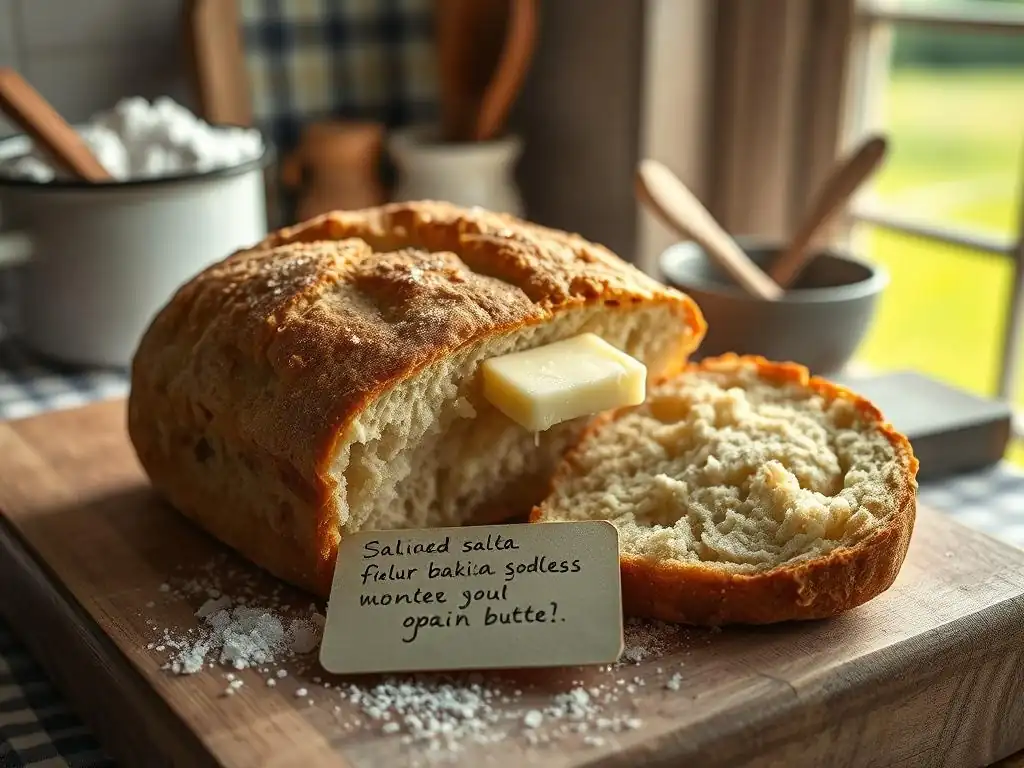
Once your Irish soda bread no yeast is out of the oven and has cooled slightly, the best part begins – enjoying it! How you serve it can enhance the experience, and knowing how to store any leftovers properly ensures you can enjoy it for a bit longer, although it's truly best when fresh.
Understanding the best practices for serving and storage helps you maximize the enjoyment of your homemade Irish soda bread no yeast. Its rustic nature makes it a perfect accompaniment to a wide range of dishes, both sweet and savory.
Best Ways to Enjoy Freshly Baked Soda Bread
Freshly baked Irish soda bread no yeast, still warm from the oven, is an absolute treat. The simplest and arguably best way to enjoy it is sliced thickly and spread generously with butter. The butter melts into the warm, tender crumb, creating a delightful contrast with the crusty exterior.
It also pairs wonderfully with jam, marmalade, or honey for a sweet breakfast or snack. For a savory option, serve slices alongside traditional Irish stews, hearty soups, or with cheese. Its slightly dense texture holds up well to dipping and soaking up flavorful broths. Don't underestimate its potential as the base for simple sandwiches or as a side with eggs.
How to Store Leftover Irish Soda Bread
Irish soda bread no yeast is best eaten the day it is baked. Because it lacks the fats and preservatives often found in commercial breads and relies on a quick leavening method, it tends to stale relatively quickly. However, if you do have leftovers, proper storage can keep it edible for a day or two.
Once the bread has cooled completely, wrap it tightly in plastic wrap or aluminum foil. You can then place it in a bread bin or a sealed container at room temperature. Avoid refrigerating it, as this can actually speed up the staling process. For longer storage, you can slice the cooled bread and freeze the slices, well-wrapped, for up to a month. Thaw slices as needed and warm them gently before serving.
Making Soda Bread Croutons
Even if your Irish soda bread no yeast is a day or two old and starting to feel a bit dry, it's still perfectly good for other uses! Making croutons is a fantastic way to repurpose slightly stale soda bread. The dense texture holds its shape well when cubed and baked or fried.
To make croutons, cut the stale bread into 1-inch cubes. Toss the cubes with olive oil or melted butter and your favorite seasonings (like garlic powder, dried herbs, salt, and pepper). Spread them in a single layer on a baking sheet and bake in a preheated oven at around 350°F (175°C) for 15-20 minutes, or until golden brown and crispy, stirring occasionally. These homemade croutons are excellent sprinkled over salads or added to soups.
Troubleshooting Common Irish Soda Bread Problems
Even with a simple recipe like Irish soda bread no yeast, minor issues can sometimes arise. Understanding the common problems and their causes will help you adjust your technique for future loaves and achieve consistent results. Don's be discouraged if your first loaf isn't perfect; baking is a learning process!
Addressing these common issues makes troubleshooting your Irish soda bread no yeast much easier. Most problems stem from ingredient ratios, mixing technique, or baking time. With a little practice and attention to detail, you'll be turning out perfect loaves consistently.
My Soda Bread is Too Dense!
A dense loaf is a frequent issue with Irish soda bread no yeast. The primary culprit is almost always overmixing the dough. Unlike yeast breads that require kneading to develop gluten for structure, soda bread relies on the quick action of baking soda. Overmixing develops gluten, which makes the bread tough and heavy rather than tender and light (for a quick bread).
Another reason for excessive density can be using too much flour or not enough buttermilk, resulting in a dry dough that doesn't have enough moisture for the baking soda reaction to work optimally. Ensure you measure accurately and aim for that slightly wet, shaggy dough consistency described earlier. Expired or inactive baking soda can also contribute; fresh leavening is key for a proper rise.
My Soda Bread is Too Dry!
If your Irish soda bread no yeast turned out dry, it's often due to a few common mistakes. The most likely causes are using too much flour relative to the buttermilk, or simply overbaking the loaf. Flour measurements can vary based on how it's scooped and leveled; weighing flour (1 cup is roughly 120-130 grams) is the most accurate method.
Ensure you use enough buttermilk to create a soft, shaggy dough. It should feel quite moist. Also, monitor your baking time. Baking for too long, especially in a hot oven, will evaporate too much moisture from the bread's interior. Check for doneness around the 30-minute mark by tapping the bottom; if it sounds hollow, it's likely ready. A slightly underbaked soda bread is often better than an overbaked, dry one.
My Soda Bread Didn't Rise Properly!
If your Irish soda bread no yeast didn't rise well and looks flat or very compact, the issue is likely with the leavening. The baking soda needs an acid (the buttermilk) to react and produce gas. If your baking soda is old or inactive, it won't produce sufficient carbon dioxide. Test your baking soda by mixing a teaspoon with a little vinegar or lemon juice; it should fizz vigorously.
Another reason for poor rise is insufficient acid, meaning not enough buttermilk was used relative to the baking soda, or the buttermilk wasn't acidic enough (very fresh buttermilk is best, or use a buttermilk substitute like milk mixed with vinegar or lemon juice, letting it sit for 5-10 minutes). Finally, if your cross cut on top was too shallow, it might not have provided adequate venting for the steam and expansion.
Easy Irish Soda Bread Recipe: Printable Version
Frequently Asked Questions
What makes Irish soda bread unique compared to other breads?
Irish soda bread is unique because it relies on baking soda for leavening, not yeast. This results in a denser, quicker-to-make bread with a distinctive crusty exterior. It's a staple of Irish cuisine.
Why is there no yeast in traditional Irish soda bread recipes?
Traditionally, yeast wasn't readily available or affordable in Ireland. Baking soda, or "soda", provided a convenient and faster alternative, leading to the creation of yeast-free soda bread.
Can I substitute any ingredients in the Irish soda bread recipe?
While you can experiment, altering the core ingredients – flour, baking soda, buttermilk, and salt – may significantly impact the texture and flavor. We recommend sticking to the original recipe for the best results.
How do I prevent my Irish soda bread from being too dry?
Over-baking is a common cause of dryness. Be sure to watch the bread carefully and remove it from the oven when a toothpick inserted into the center comes out clean. Using enough buttermilk is also crucial.
What are some serving suggestions for Irish soda bread?
Irish soda bread is delicious served warm with butter and jam. It also pairs well with soups, stews, and cheeses. It's a versatile bread that can be enjoyed at any time of day.
Final Reflection: The Enduring Magic of Yeast-Free Baking
The simplicity of Irish soda bread, a testament to resourceful baking, remains remarkably relevant today. In a world increasingly focused on quick and easy meals, this recipe offers a satisfyingly fast route to homemade goodness, proving that deliciousness doesn't require hours of preparation or specialized ingredients. It's a comforting reminder that even the most basic pantry staples can yield extraordinary results.
The enduring appeal of Irish soda bread transcends mere convenience; it speaks to a deeper connection with tradition and the land. It's a recipe passed down through generations, a symbol of resilience and resourcefulness. The rustic charm of the bread, its slightly crumbly texture, and its subtly sweet flavor evoke a sense of home and heritage. Baking is at once child's play and adult joy. And love, of course.
– This sentiment perfectly captures the emotional resonance of creating this simple yet deeply satisfying bread.
Now, I invite you to embrace the ease and joy of making your own Irish soda bread. Don't be intimidated by the simplicity; let it empower you. Experiment with different additions – raisins, herbs, or even cheese – to personalize your loaf. Share this recipe with loved ones, and experience the satisfaction of creating something delicious and meaningful from scratch. The warmth of a freshly baked soda bread, shared with good company, is a truly unforgettable experience.
Unleash Your Inner Baker: Make Your Own Irish Soda Bread Today!
Thanks for taking the time to explore the magic of quick Irish soda bread! We hope you gained some delicious inspiration and newfound confidence in the kitchen. Now it's time to put your newfound knowledge into practice!
- Bake your own loaf! Grab those ingredients and get baking – the aroma alone is worth it! Remember, even small adjustments to the recipe can lead to delightful variations.
- Share your baking journey! Post a picture of your creation on social media and tag us – we'd love to see your results! Use #BakeWithEaseIrishSodaBread.
- Explore other simple bread recipes on our site for even more baking adventures! We have a whole range of easy-to-follow recipes waiting for you.
So, what delicious twist will you add to your first (or next!) batch of Irish soda bread?