
Troubleshooting Sticky Whole Wheat Dough: Solved!

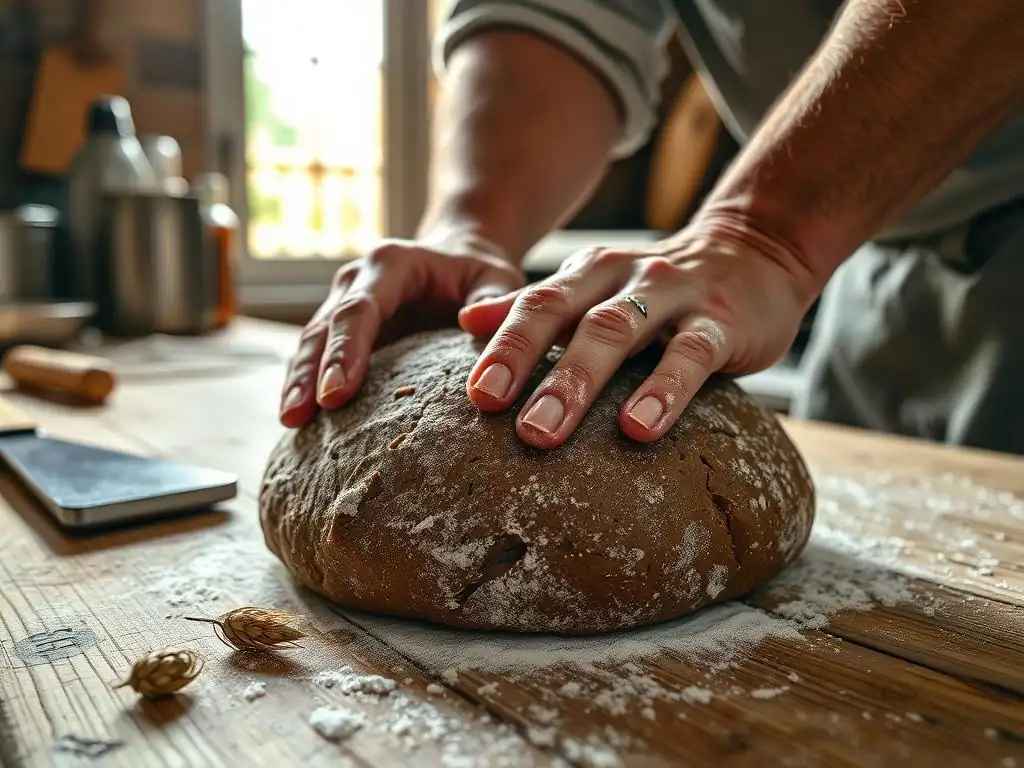
Welcome to BakeWithEase, your haven for stress-free baking! Ever wrestled with sticky whole wheat dough and wondered where you went wrong? You're not alone! Dive into our latest article where we unravel the secrets to achieving perfectly manageable dough, transforming your bread-making experience. Discover practical tips and troubleshooting techniques that will banish sticky dough forever. Ready to conquer whole wheat bread? Let's get baking!
- Troubleshooting Sticky Whole Wheat Dough: Solved! - BakeWithEase
- Introduction: Why is My Whole Wheat Dough So Sticky?
- Identifying the Culprit: Diagnosing Your Sticky Dough Issue
- Sticky Whole Wheat Dough Tips: Practical Solutions for Better Bread
- Rescue Techniques: Fixing Sticky Dough Mid-Bake
- Preventing Sticky Dough in the Future: Best Practices for Whole Wheat Baking
- Mastering Whole Wheat Bread Baking: Conclusion
- Frequently Asked Questions
- Final Reflection: The Joy of Conquered Dough
- Unleash Your Inner Baker: Conquer Sticky Dough!
Troubleshooting Sticky Whole Wheat Dough: Solved! - BakeWithEase
Introduction: Why is My Whole Wheat Dough So Sticky?
Baking with whole wheat flour can be incredibly rewarding, offering rich flavor and nutritional benefits. However, many bakers, both novice and experienced, often encounter a common challenge: a frustratingly sticky whole wheat dough. Unlike dough made with refined white flour, whole wheat behaves differently, primarily due to the presence of the bran and germ. This stickiness can make handling difficult, impede proper shaping, and sometimes lead to a dense or gummy final product. Understanding why whole wheat dough is prone to stickiness is the first step toward mastering its unique characteristics and achieving consistently excellent results.
Navigating the nuances of whole wheat dough requires patience and a little know-how. It's not just about adding more flour when things get sticky; that can often lead to a dry, tough loaf. The key lies in understanding the science behind whole wheat flour's interaction with water and how to manage its hydration and gluten development effectively. This guide will walk you through the common culprits behind sticky whole wheat dough and provide practical, actionable sticky whole wheat dough tips to help you troubleshoot and prevent the issue, ensuring your next whole wheat loaf is a triumphant success.
Understanding Whole Wheat Flour and Hydration
Whole wheat flour contains the entire wheat kernel: the bran, germ, and endosperm. This composition is fundamentally different from white flour, which primarily consists of only the endosperm. The bran and germ layers are highly absorbent and also contain sharp edges that can cut the delicate gluten strands forming within the dough.
Because the bran and germ absorb more water than the endosperm alone, whole wheat dough often requires a higher hydration level (a higher ratio of water to flour) compared to white dough to achieve a similar consistency. For instance, while a typical white bread dough might use 60-65% hydration, a whole wheat dough might require 70-80% or even higher, depending on the specific flour and desired outcome. This need for more water inherently makes the dough feel wetter and stickier from the outset.
Furthermore, the bran and germ not only absorb water but also compete with the endosperm for moisture absorption. The presence of these components also interferes with gluten development. Gluten, the protein network that gives bread structure, forms when gliadin and glutenin proteins in the flour combine with water and are developed through mixing and kneading.
In whole wheat dough, the bran particles physically obstruct the formation of this gluten network and can even break formed strands. This means that even with adequate hydration, the gluten structure in whole wheat dough is often weaker and less cohesive than in white dough, contributing to a softer, less structured, and often stickier feel. Mastering sticky whole wheat dough tips involves techniques to work with this unique absorption and gluten challenge.
Common Causes of Sticky Whole Wheat Dough
One of the most frequent culprits behind overly sticky whole wheat dough is simply adding too much water relative to the amount of flour. While whole wheat flour does require more hydration than white flour, recipes provide guidelines that might need slight adjustment based on factors like the specific brand and grind of flour, or even ambient humidity.
Adding water too quickly or exceeding the recommended amount can easily push the dough past its optimal hydration point, resulting in a slack, unmanageable, and persistently sticky mass that resists forming a cohesive ball. This is a prime area where careful measurement and gradual addition of liquids become crucial sticky whole wheat dough tips.
Another significant factor is insufficient gluten development. As mentioned, the bran in whole wheat flour impedes gluten formation. If the dough isn't mixed or kneaded adequately, the gluten network won't develop sufficiently to hold the dough together properly.
A poorly developed dough will feel weak, tear easily, and remain excessively sticky because there isn't a strong enough structure to contain the water. Techniques like proper kneading, autolyse, or incorporating a small amount of vital wheat gluten can help build the necessary strength, counteracting the stickiness caused by a lack of structural integrity. Addressing gluten development is fundamental to effective sticky whole wheat dough tips.
Identifying the Culprit: Diagnosing Your Sticky Dough Issue
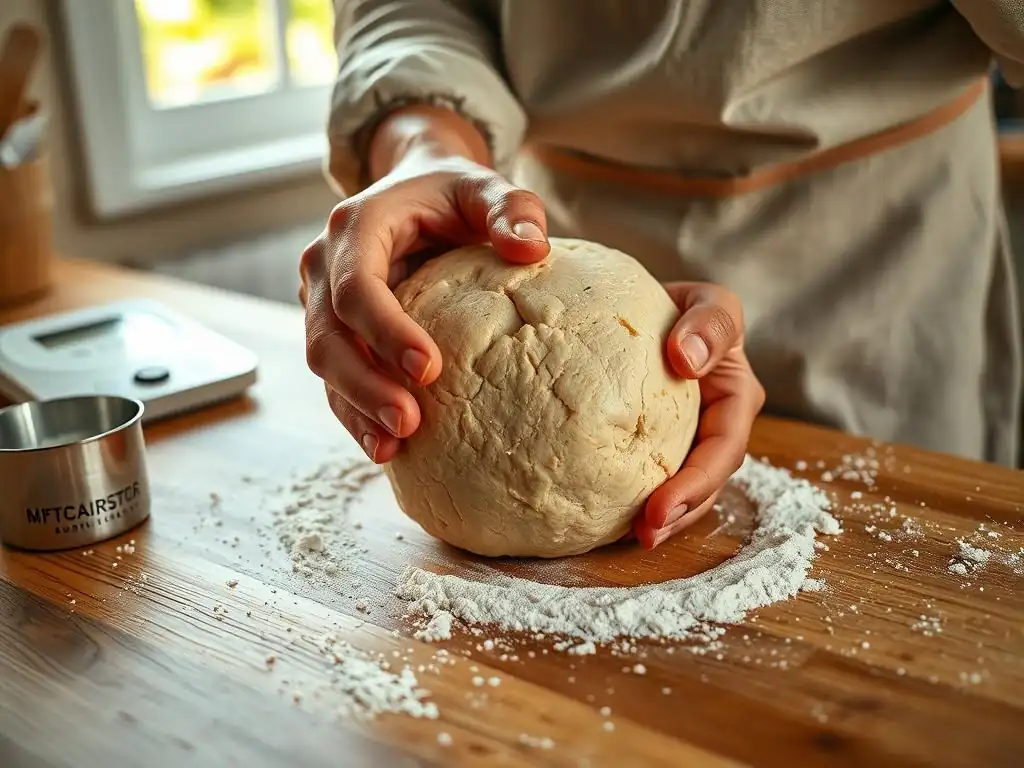
Pinpointing the exact reason your whole wheat dough is sticky requires a bit of observation and understanding of the baking process. It's rarely just one factor, but often a combination. By carefully examining the dough's texture, how it responds to handling, and considering the conditions under which it was mixed, you can begin to diagnose the problem. Is it uniformly sticky and slack, suggesting too much water?
Does it feel weak and tear easily when stretched, indicating poor gluten development? Or does the stickiness seem inconsistent? Asking these questions helps guide you toward the most effective sticky whole wheat dough tips.
Think back to your steps: Were your measurements precise? What was the temperature and humidity like in your kitchen? How long and how vigorously did you mix or knead? Each of these variables plays a role in how the dough behaves.
Recognizing the signs associated with each potential cause is key to applying the correct fix. For instance, dough that feels more like a thick batter than a dough after initial mixing is likely over-hydrated, while dough that feels heavy and dense but still sticky might be struggling with gluten development. Effective diagnosis is the bedrock of applying good sticky whole wheat dough tips.
Too Much Water: The Hydration Imbalance
Excessive hydration is perhaps the most straightforward cause of sticky whole wheat dough. When the water content is too high relative to the flour, the flour particles simply cannot absorb all the liquid, and the gluten network, even if developed, is overwhelmed and cannot provide sufficient structure to contain the excess moisture. This results in a dough that feels overly wet, clings aggressively to hands and surfaces, and lacks the ability to hold a defined shape. It might spread out rather than stay in a cohesive mass.
Identifying over-hydration often happens early in the mixing process. If, after combining all ingredients and mixing for a few minutes, the dough still resembles a thick, shaggy batter rather than starting to pull away from the sides of the bowl, it's likely too wet.
While whole wheat dough is naturally softer and stickier than white dough at equivalent hydration levels, it should still eventually form a cohesive, albeit soft, mass with proper mixing. If it remains stubbornly fluid and impossible to handle without significant sticking, reducing the water in your next batch or carefully adjusting the current dough is necessary, a key part of sticky whole wheat dough tips.
Gluten Development Problems in Whole Wheat
Insufficient gluten development in whole wheat dough stems from two main issues: the physical interference of bran and germ particles, and inadequate mechanical work (mixing or kneading). The bran and germ act like tiny knives, disrupting the gluten network as it forms. This means whole wheat dough requires more effort or specific techniques to build sufficient strength compared to white dough. If the dough isn't mixed or kneaded long enough, or if techniques aren't adapted for whole wheat, the gluten network will be weak and unable to support the dough's structure, leading to a sticky, slack texture.
A dough suffering from poor gluten development might feel dense but still sticky. When you try to stretch a small piece, it will tear easily instead of forming a thin, translucent membrane (the windowpane test). The dough might also lack elasticity; it won't spring back readily when poked. This lack of internal structure contributes to the stickiness because the dough can't hold its shape or contain the water effectively. Recognizing these signs helps you apply the right sticky whole wheat dough tips focused on building dough strength.
Inaccurate Measurements: Recipe Precision Matters
Baking is often described as a science, and precise measurements are fundamental to achieving consistent results. Inaccurate measurements, particularly of flour and water, are a very common reason for sticky whole wheat dough. Using volume measurements (cups) instead of weight measurements (grams or ounces) for flour is a major culprit. A cup of flour can vary significantly in weight depending on how it's scooped and leveled – it could be anywhere from 120g to 150g or more. This inconsistency can drastically alter the hydration percentage of your dough, even if you measure the water precisely.
For example, a recipe calling for 500g of whole wheat flour and 375g of water is at 75% hydration (375/500 = 0.75). If you accidentally measure only 450g of flour by volume (due to scooping technique) but still add 375g of water, your actual hydration jumps to 83.3% (375/450 ≈ 0.833), making the dough much stickier than intended. Similarly, slightly over-measuring water can have a significant impact. Adopting precise measurement techniques is one of the most foundational sticky whole wheat dough tips to prevent issues before they start.
Environmental Factors: Humidity and Temperature
The environment in your kitchen can subtly but significantly impact your dough's consistency. Humidity is a major factor. On a very humid day, the flour can absorb moisture from the air even before you add any water. This means the flour is already partially hydrated, and adding the amount of water specified in a recipe developed for a less humid environment will result in an overly wet, sticky dough. Conversely, in a very dry climate, the flour might require slightly more water than specified.
Temperature also plays a role, primarily affecting the rate of fermentation and how the dough feels. While temperature doesn't directly cause stickiness in the same way as hydration or gluten, it influences how quickly the dough develops and becomes easier or harder to handle. Warmer temperatures speed up enzymatic activity and fermentation, which can sometimes make the dough feel looser and potentially stickier, especially during handling. Being mindful of your kitchen's climate and making slight adjustments to your recipe or technique is part of advanced sticky whole wheat dough tips.
Sticky Whole Wheat Dough Tips: Practical Solutions for Better Bread
Once you understand the potential causes of sticky whole wheat dough, you can apply specific strategies to prevent or fix the problem. These sticky whole wheat dough tips cover everything from initial mixing to handling techniques. Implementing these practices will not only help manage stickiness but also improve the overall quality of your whole wheat bread.
1. Reduce Water Content Gradually: A Step-by-Step Approach
If your dough feels too sticky from the start, the most direct solution is to slightly reduce the water content in your next batch or carefully adjust the current one. This doesn't mean drastically cutting back, as whole wheat needs adequate hydration. Instead, consider starting with a slightly lower hydration percentage than the recipe calls for (e.g., 70% instead of 75%) and adding more water only if the dough feels too dry. This allows you to gauge your specific flour's absorption and your environment's impact.
When adjusting a dough that is currently too sticky, resist the urge to dump in a large amount of flour. This can quickly make the dough too stiff and dense. Instead, add flour incrementally, perhaps a tablespoon or two at a time, incorporating it fully before deciding if more is needed.
Kneading the dough during this process helps distribute the added flour and allows you to feel the dough's consistency change. Stop adding flour as soon as the dough becomes manageable and less sticky, even if it's still softer than a white dough. This careful, step-by-step approach is a crucial sticky whole wheat dough tip.
Measuring and Adjusting Water Levels
Precise measurement is paramount when dealing with whole wheat dough hydration. Using a kitchen scale to weigh both your flour and water is the gold standard. This eliminates the variability inherent in volume measurements.
Once you have a recipe with weights, you can calculate the hydration percentage (water weight / flour weight * 100). This allows you to consistently reproduce results and make informed adjustments. For example, if a recipe uses 500g whole wheat flour and 375g water (75% hydration) but is consistently too sticky in your kitchen, try reducing the water to 350g (70% hydration) in the next batch and see if that improves handleability.
Adjusting water levels mid-mix requires a delicate touch. If you are hand mixing or using a stand mixer and the dough is too wet, stop adding any remaining water the recipe calls for. If it's still excessively sticky even after initial mixing, you can add a small amount of flour (start with 1-2 tablespoons for a typical loaf size) and mix it in thoroughly.
Continue adding tiny amounts of flour and mixing until the dough is workable. Conversely, if the dough feels too stiff initially, add water sparingly, a teaspoon at a time, until the desired consistency is reached. Learning to read your dough's hydration needs is a key sticky whole wheat dough tip.
Recognizing the Ideal Dough Consistency
Learning to recognize the ideal consistency for whole wheat dough comes with practice, but there are key indicators. Whole wheat dough will always be softer and a bit stickier than white dough at the same hydration, but a well-hydrated, properly developed whole wheat dough should still be manageable.
It should pull away from the sides of the mixing bowl (though it might still stick to the bottom) and, when kneaded, should feel elastic and less shaggy over time. It will likely stick to your hands initially, but with proper kneading or techniques like the slap and fold, the stickiness should become manageable.
The "windowpane test" is a good indicator of gluten development, though it's harder to achieve a perfect windowpane with whole wheat due to the bran. A small piece of dough should stretch without tearing into a thin, translucent sheet you can almost see through. If it tears immediately, it needs more gluten development.
A well-hydrated whole wheat dough might still be soft and slightly tacky, but it shouldn't be a gloopy mess that refuses to hold any shape. Pay attention to how the dough feels throughout the process – its elasticity, how it holds together, and its resistance to tearing are all clues to its hydration and development, crucial sticky whole wheat dough tips.
2. Enhance Gluten Development: Techniques for Stronger Dough
Building a strong gluten network is essential for managing sticky whole wheat dough. A well-developed dough has the internal structure to hold its shape and contain the moisture, making it less sticky and easier to handle. Standard kneading is effective, but whole wheat often benefits from specific techniques that encourage gluten formation despite the presence of bran.
One highly effective sticky whole wheat dough tip is to ensure sufficient kneading. While over-kneading is possible, under-kneading is a more common issue with whole wheat. Kneading aligns the gluten proteins and builds strength. Depending on the method (hand or machine), this could take anywhere from 10 to 20 minutes or sometimes even longer. The dough should transition from a shaggy, sticky mass to a smoother, more elastic texture that is less sticky and easier to work with. Don't stop kneading just because it's sticky; keep going until you feel the dough develop strength and become more cohesive.
The Importance of Kneading Whole Wheat Dough
Kneading whole wheat dough is critical because the bran and germ interfere with gluten formation. Mechanical action through kneading helps overcome this interference by forcing the gluten proteins to align and bond. Without adequate kneading, the dough remains weak, slack, and excessively sticky because the structural network needed to contain the water hasn't fully formed.
Aim for a dough that feels smooth and elastic. If using a stand mixer, the dough should eventually pull away from the sides of the bowl, though it might still stick slightly to the bottom. When kneading by hand, the dough will become less sticky and more pliable as you work it.
The duration needed varies based on mixer speed, dough hydration, and flour type, but don't be afraid to knead for 10-15 minutes or until the dough shows signs of development, such as holding its shape better and becoming less resistant to stretching. Proper kneading is a fundamental sticky whole wheat dough tip.
Autolyse: A Key to Gluten Development in Whole Wheat
The autolyse technique is particularly beneficial for whole wheat dough and a powerful sticky whole wheat dough tip. It involves mixing just the flour and water from the recipe and letting the mixture rest for 20 minutes to an hour (or sometimes longer) before adding the salt and yeast and beginning the main mixing/kneading. During this rest period, the flour hydrates fully, and enzymatic activity begins to break down proteins, making gluten development easier later on.
For whole wheat, autolyse allows the bran to soften as it absorbs water, reducing its abrasive effect on the developing gluten network. It also gives the gluten proteins a head start in forming connections without the interference of salt (which tightens gluten) or yeast (which introduces gas). After the autolyse, the dough is often less sticky and requires less kneading time to reach full development. This simple resting period can significantly improve the texture and handleability of sticky whole wheat dough.
Using Vital Wheat Gluten to Improve Dough Strength
If you consistently struggle with weak, sticky whole wheat dough despite proper hydration and kneading, incorporating a small amount of vital wheat gluten can be a very effective sticky whole wheat dough tip. Vital wheat gluten is a concentrated protein extracted from wheat flour. Adding just a tablespoon or two per loaf can significantly boost the protein content of your whole wheat flour, leading to a stronger, more elastic gluten network.
Adding vital wheat gluten helps compensate for the gluten-inhibiting effect of the bran and germ. It allows the dough to develop better structure, making it less prone to stickiness and easier to handle. Start by adding 1-2 tablespoons of vital wheat gluten per 500g of whole wheat flour to your dry ingredients. Mix it in thoroughly before adding the wet ingredients. You'll likely notice a difference in the dough's strength and elasticity, resulting in a less sticky dough and a loaf with better volume and texture.
3. Accurate Measurement is Key: Ensuring Recipe Success
As highlighted earlier, inconsistent measurements are a prime source of baking frustration, especially with sensitive doughs like whole wheat. Relying solely on volume measurements (cups) for flour is highly unreliable and a major reason why a recipe that works perfectly for one person might yield sticky whole wheat dough for another. Flour compacts differently depending on storage, handling, and even humidity.
Switching to weight measurements using a digital kitchen scale is arguably the single most impactful sticky whole wheat dough tip for consistency. Weighing ensures you use the exact amount of flour and water intended by the recipe developer, providing a reliable foundation for your dough's hydration and structure. This eliminates a major variable and makes troubleshooting much easier.
Using a Kitchen Scale for Precise Measurements
A digital kitchen scale is an invaluable tool for any baker, particularly when working with whole grain flours. Flour should always be weighed. Place your mixing bowl on the scale, tare it (reset to zero), and spoon or pour the flour directly into the bowl until the desired weight is reached. This method is far more accurate than scooping cups, which can result in up to 20% more or less flour than intended.
Weighing water (or any liquid) is also more accurate than using volume measurements, especially for larger quantities. Since 1 gram of water is equivalent to 1 milliliter, weighing is essentially measuring by volume with greater precision. Consistency in ingredient measurement is the first step in preventing sticky whole wheat dough and achieving repeatable baking success.
Understanding Volume vs. Weight in Baking
Understanding the difference between volume and weight measurements is fundamental to baking success. Volume measures the space an ingredient occupies (like cups or teaspoons), while weight measures its mass (like grams or ounces). For ingredients like liquids, sugar, and salt, volume measurements can be reasonably consistent. However, for compressible dry ingredients like flour, the same volume can have significantly different weights.
For example, a 'cup' of all-purpose flour is generally assumed to weigh around 120-125g when lightly spooned into the cup and leveled. However, if you scoop the cup directly from the bag, the flour will compact, and that same cup might weigh 140-150g. Whole wheat flour can vary even more depending on the grind. This variability in flour weight, when using volume measurements, directly impacts the hydration percentage, making your dough potentially too wet and sticky without you realizing why. Using weight for flour eliminates this guesswork and is a vital sticky whole wheat dough tip.
4. Controlling Environmental Factors: Baking in Different Climates
Your kitchen environment plays a subtle but real role in dough behavior. Temperature affects fermentation speed, while humidity directly impacts how much moisture your flour absorbs from the air. Ignoring these factors can contribute to unexpected stickiness or other dough issues.
On a humid day, flour naturally absorbs more moisture from the atmosphere. This means that when you add the recipe's specified amount of water, the total hydration of the dough (water added + moisture absorbed from the air) will be higher than intended, resulting in a stickier dough. Conversely, in a very dry climate, the flour might be drier than average, potentially requiring slightly more water to reach the correct hydration.
Adjusting Hydration Levels for Humidity
If you live in a humid climate or are baking on a particularly humid day, it's a good sticky whole wheat dough tip to slightly reduce the amount of water you add initially. Start with 5-10% less water than the recipe calls for and evaluate the dough's consistency after the initial mixing. If it feels too dry, you can always add more water gradually, a tablespoon at a time, until the dough reaches the desired hydration.
Conversely, in a very dry environment, you might need to add a little extra water to compensate for the flour's dryness. Pay attention to how the dough feels – it should be soft and pliable, not stiff or crumbly. Learning to feel the dough and make these minor adjustments based on your environment is a skill that comes with practice and greatly helps manage sticky whole wheat dough.
Dough Temperature Management
While not a direct cause of initial stickiness, dough temperature significantly impacts fermentation speed and handling. Warmer dough ferments faster, which can sometimes lead to a slacker, potentially stickier dough over time if not managed. Controlling dough temperature is part of good baking practice and an indirect sticky whole wheat dough tip.
Aim for a consistent dough temperature, often referred to as the "desired dough temperature" (DDT), which is usually around 75-78°F (24-26°C) for many bread recipes. You can influence this by adjusting the temperature of the water you use (warmer water for colder kitchens, colder water for warmer kitchens) and by being mindful of friction heat from mixing. A dough that ferments too quickly in a warm environment might become overly extensible and difficult to handle, feeling stickier than it would at a cooler temperature.
Rescue Techniques: Fixing Sticky Dough Mid-Bake
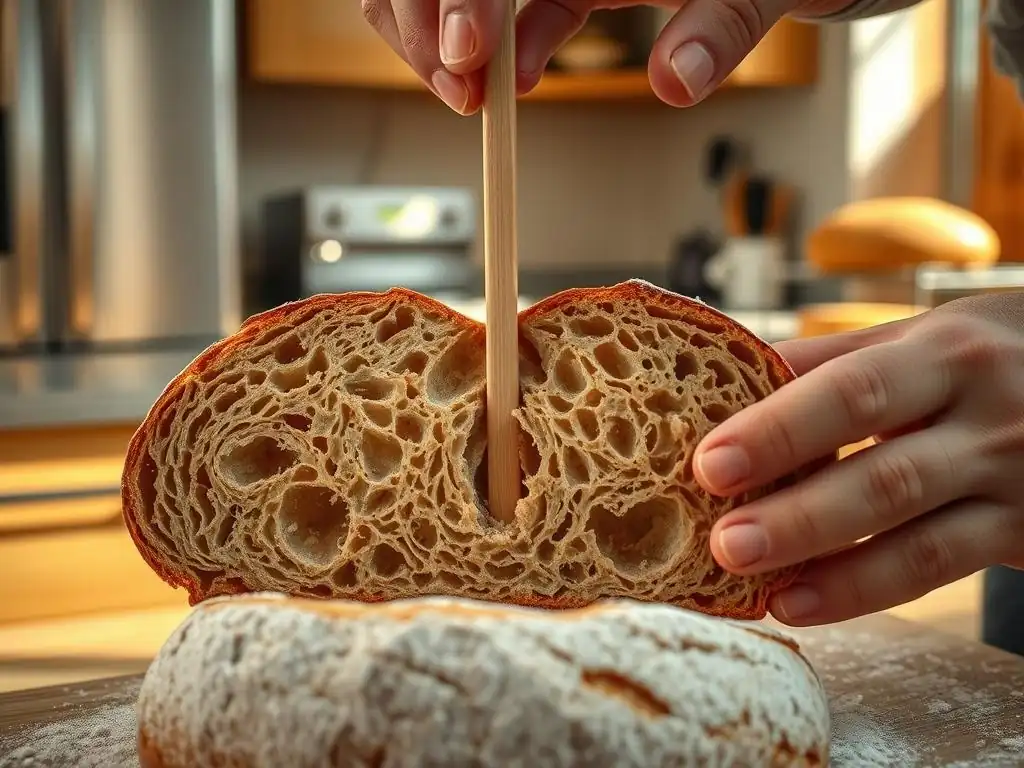
Sometimes, despite your best efforts, you end up with sticky whole wheat dough. Don't despair! There are several sticky whole wheat dough tips you can use to rescue a dough that's too sticky, even after mixing is complete.
Adding Flour Incrementally: A Careful Approach
If your dough feels excessively sticky during kneading or handling, you can add a small amount of flour to make it more manageable. The key word here is incrementally. Do not dump a large pile of flour onto your work surface or into the mixer. This can quickly make the dough too stiff and heavy.
Instead, lightly flour your hands and your work surface. If using a mixer, add just a tablespoon of flour, mix it in, and observe the change. If hand kneading, sprinkle a small amount (a teaspoon or two) onto the dough or your hands/surface and continue kneading. Add only enough flour to make the dough handleable, not stiff. The goal is to reduce stickiness while maintaining the dough's softness and hydration as much as possible. This careful, measured addition is a critical sticky whole wheat dough tip for rescue.
The Slap and Fold Technique: Developing Strength Without Over-Kneading
If your dough is sticky and lacks strength, the slap and fold (or stretch and fold) technique can be incredibly effective without requiring you to add excessive flour. This method is often used for high-hydration doughs. Instead of traditional kneading, you pick up the dough, slap it onto the counter, and fold the piece furthest from you back over itself. Repeat this motion rhythmically.
This technique is less messy for sticky doughs and effectively develops gluten by stretching and folding the dough, incorporating air. As you continue, the dough will become smoother, more elastic, and less sticky as the gluten network strengthens. This is a fantastic sticky whole wheat dough tip for developing structure in a dough that is otherwise difficult to handle with traditional kneading.
Refrigerating the Dough: Slowing Down Fermentation
Sometimes, sticky dough is a result of it being too warm or fermenting too quickly, making it slack and hard to handle. Refrigerating the dough can help firm it up and make it much easier to work with. Cold dough is less sticky because the fats solidify slightly, and the yeast activity slows down, making the dough less prone to becoming overly extensible and slack.
If your dough is too sticky to shape, place it in a lightly oiled bowl, cover it, and refrigerate it for 30-60 minutes. The cold will make it firmer and significantly easier to handle and shape. This is a simple yet effective sticky whole wheat dough tip for managing dough consistency, especially if you live in a warm environment or the dough has become too warm during mixing or bulk fermentation.
Preventing Sticky Dough in the Future: Best Practices for Whole Wheat Baking
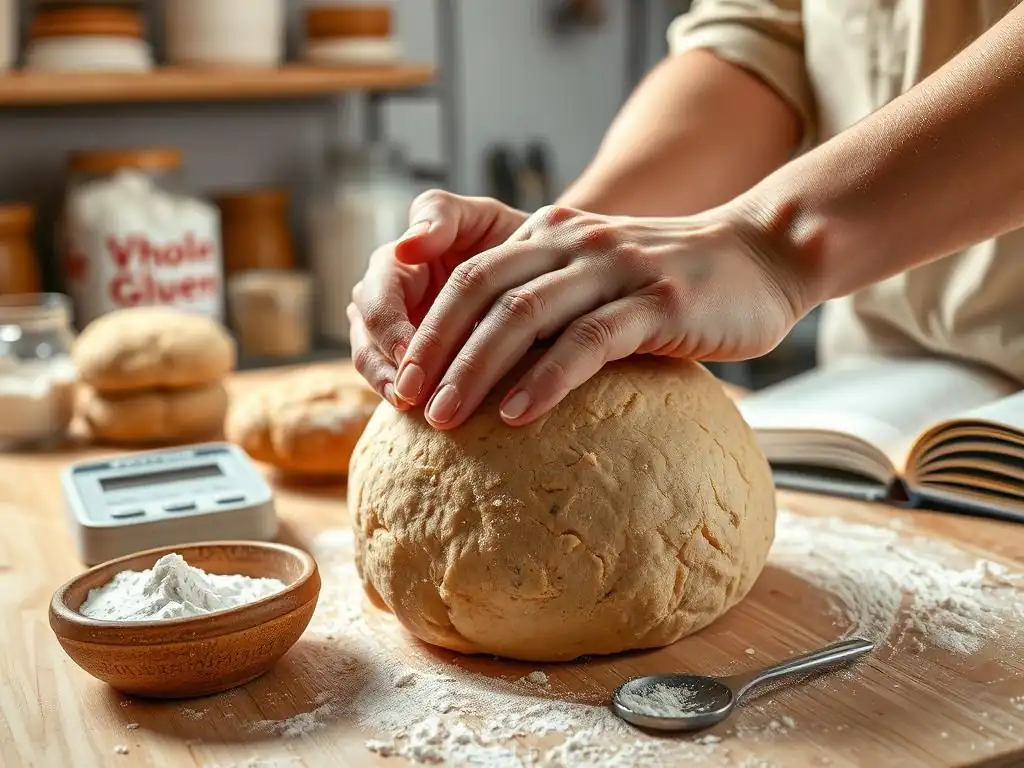
Prevention is often easier than cure. By adopting some best practices for whole wheat baking, you can significantly reduce the likelihood of ending up with sticky whole wheat dough in the first place.
Choosing High-Quality Whole Wheat Flour
The quality and type of whole wheat flour you use make a difference. Different brands and grinds of whole wheat flour have varying protein contents and absorption rates. Some flours are finely ground, while others are coarser. A finely ground whole wheat flour might absorb water differently than a coarsely ground one.
Experiment with different brands to find one that consistently gives you good results. Look for flours with a decent protein content (around 13-14% is good for bread) as this contributes to gluten development. While specific data on absorption rates isn't always on the bag, consistent use of a high-quality flour brand helps you predict its behavior and adjust your hydration accordingly, which is a key sticky whole wheat dough tip.
Combining Whole Wheat with Other Flours
Using 100% whole wheat flour can be challenging due to the bran's interference with gluten. A common and effective sticky whole wheat dough tip is to combine whole wheat flour with a portion of bread flour (which has high protein content and less bran) or even all-purpose flour.
Mixing in some white bread flour provides a stronger gluten base that is less inhibited by the bran from the whole wheat. Even replacing just 20-30% of the whole wheat flour with bread flour can make a significant difference in dough handleability, reducing stickiness and improving structure, without sacrificing too much of the whole wheat flavor and nutrition.
The Benefits of a Dough Scraper
A simple bench scraper or dough scraper is an indispensable tool when working with any dough, but especially sticky whole wheat dough. It allows you to effectively divide, lift, and move sticky dough without it clinging excessively to your hands or the work surface.
Use the scraper to gently nudge and fold the dough during kneading or shaping. You can use it to scrape up dough that is sticking to the counter. Keeping your hands and the scraper lightly floured can help, but the scraper itself provides a firm edge to manage the soft, sticky dough. Mastering the use of a dough scraper is a practical sticky whole wheat dough tip that makes handling much easier.
Mastering Whole Wheat Bread Baking: Conclusion
Baking delicious whole wheat bread doesn't have to involve a battle with perpetually sticky dough. By understanding the unique properties of whole wheat flour, recognizing the common causes of stickiness – from over-hydration and poor gluten development to inaccurate measurements and environmental factors – and applying practical sticky whole wheat dough tips, you can overcome this common challenge.
Remember to measure accurately, preferably by weight, consider using techniques like autolyse or adding vital wheat gluten to boost strength, and don't be afraid to adjust hydration slightly based on your flour and environment. With practice and patience, you'll learn to feel the dough and know exactly what it needs.
Enjoying the Rewards of Perfect Whole Wheat Dough
Successfully managing sticky whole wheat dough leads to more than just an easier baking process; it results in better bread. Dough that is properly hydrated and has developed sufficient gluten will have improved structure, rise better, and yield a loaf with a superior texture and crumb.
Embrace the learning process. Each loaf is an opportunity to improve your skills and intuition. Armed with these sticky whole wheat dough tips, you're well on your way to consistently baking beautiful, flavorful, and perfectly textured whole wheat loaves that you'll be proud to share (or keep all to yourself! ).
Frequently Asked Questions
What causes whole wheat dough to be so sticky?
Whole wheat flour absorbs more water than all-purpose flour, leading to a stickier dough. Over-hydration or inadequate gluten development can also contribute to a difficult to handle dough.
How can I fix sticky whole wheat dough?
Try adding small amounts of flour (1-2 tablespoons at a time) until the dough is less sticky. Kneading for a longer period also helps to develop gluten structure, reducing stickiness.
Does the type of whole wheat flour I use affect the stickiness?
Yes, the type of whole wheat flour significantly impacts stickiness. Coarser flours tend to absorb more water. Adjust hydration levels accordingly.
What role does kneading play in reducing the stickiness of whole wheat dough?
Kneading is crucial for gluten development, which provides structure and elasticity. Properly kneaded dough is less likely to be sticky and easier to manage.
Can I use oil or butter to help with sticky whole wheat dough?
Adding a small amount of oil or melted butter can help make the dough more manageable, but don't overdo it. It primarily helps with surface stickiness, not internal structure.
Final Reflection: The Joy of Conquered Dough
The struggle with sticky whole wheat dough is a universal baking experience, a frustrating hurdle that can easily derail even the most seasoned baker. But understanding the why behind the stickiness, as explored in this article, unlocks a world of delicious possibilities. Mastering whole wheat baking isn't just about avoiding a sticky mess; it's about embracing the unique qualities of this nutritious grain and unlocking its full potential.
The journey from frustrated baker to confident artisan is a deeply satisfying one. The subtle nuances of hydration, the importance of proper mixing techniques, and the impact of flour type—these are lessons that extend far beyond the confines of the kitchen. They teach patience, precision, and the rewarding feeling of transforming simple ingredients into something truly special. As the renowned baker, Paul Hollywood, once said: Baking is about precision, but it's also about passion. It's about taking your time and enjoying the process.
This perfectly encapsulates the spirit of conquering sticky whole wheat dough.
So, the next time you find yourself facing a particularly stubborn batch of dough, remember the lessons learned here. Don't be discouraged by the stickiness; embrace it as a challenge, an opportunity to deepen your understanding of baking and to create something truly magnificent. You have the power to transform that sticky mass into a beautiful loaf of wholesome bread. Take a deep breath, revisit the tips outlined in this article, and let the joy of baking guide you. The reward—a perfectly risen, flavorful loaf—is well worth the effort.
Unleash Your Inner Baker: Conquer Sticky Dough!
Thanks for taking the time to learn how to tackle that tricky whole wheat dough! We hope you now feel more confident in your baking abilities. Ready to put your newfound knowledge into practice?
- Bake your dream loaf: Try the recipe adjustments we discussed and see the difference! Note down your results—even small victories are big steps!
- Share your success (or challenges!): We'd love to hear how your baking experiment went. Share your experiences in the comments below.
- Explore more whole wheat recipes: Dive deeper into the world of whole wheat baking with our other fantastic recipes on BakeWithEase.com. (This one would be a hyperlink on the site)
What delicious whole wheat creation will you bake next?