
Why Water Quality Matters in Whole Wheat Bread

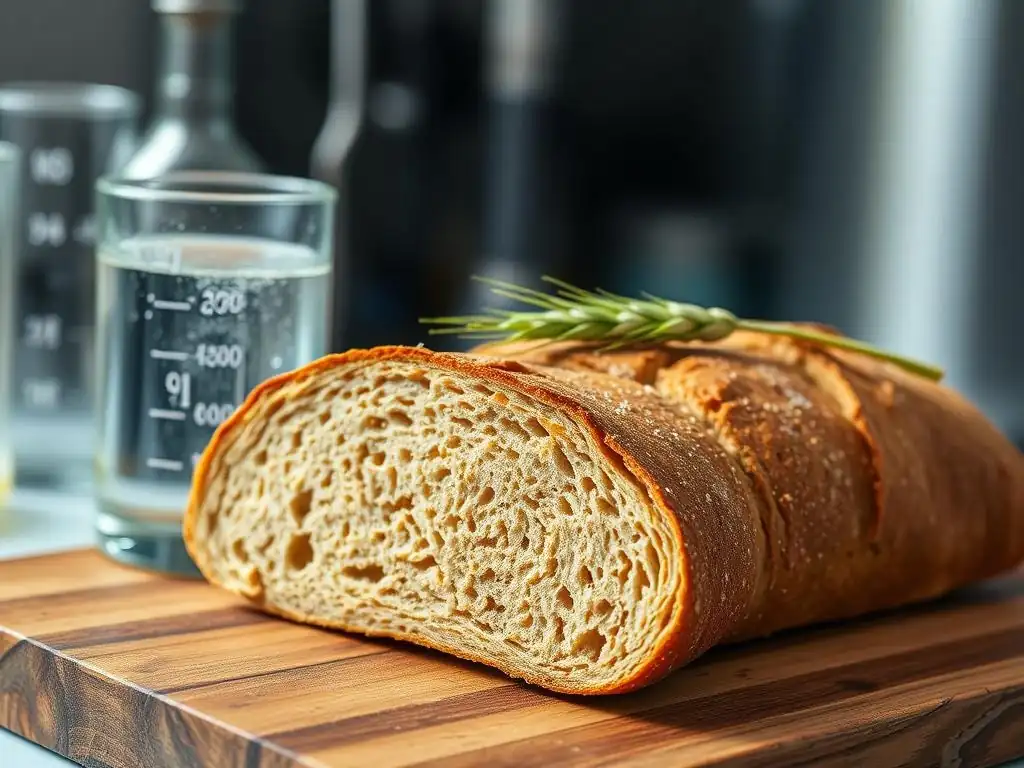
Welcome to BakeWithEase, your trusted guide to baking bliss! Ever wondered if your whole wheat bread could be even better? The secret might be hiding in plain sight. Dive into our latest article and discover Why Water Quality Matters in Whole Wheat Bread. You'll be surprised how this often-overlooked ingredient can dramatically impact your bread's texture, rise, and flavor. Ready to unlock the secrets to truly exceptional whole wheat loaves? Let's get baking!
- The Impact of Water Quality on Sourdough Bread
- The Unsung Hero: Understanding Water's Role in Sourdough Baking
- The Impact of Water Quality on Sourdough Starter and Dough
- Common Water Quality Issues and Their Effects on Sourdough Bread
- Optimizing Water Quality for Baking Perfect Sourdough Bread
- Troubleshooting Sourdough Bread Problems Related to Water Quality
- Practical Tips for Ensuring Optimal Water Quality for Your Sourdough
- Best Water Practices for Sourdough Baking Success
- Frequently Asked Questions
- Final Reflection: The Unsung Hero of Whole Wheat Bread
- Unlock the Secrets to Perfectly Crusty Bread!
The Impact of Water Quality on Sourdough Bread
The Unsung Hero: Understanding Water's Role in Sourdough Baking
Why is Water Quality Crucial for Sourdough Bread?
Water, seemingly simple, is a foundational ingredient in baking, especially when it comes to sourdough bread. It constitutes a significant portion of the dough's weight, often ranging from 60% to over 80% hydration relative to the flour. Its quality directly impacts the activity of the wild yeasts and lactic acid bacteria that power sourdough fermentation.
These microorganisms are sensitive to their environment, and the chemical composition of the water they inhabit can either support their vigorous growth or inhibit it, leading to inconsistent or failed bakes. For instance, the presence of chlorine or chloramine in tap water, common disinfectants, can severely cripple the microbial community in your starter, slowing fermentation significantly or even killing off the beneficial bacteria and yeasts needed for leavening and flavor development, particularly important when aiming for a well-risen whole wheat loaf.
Furthermore, water plays a vital role in gluten development, the network of proteins that gives bread its structure and elasticity. When flour and water are mixed, proteins like glutenin and gliadin absorb water and form gluten strands as the dough is mixed and kneaded. The mineral content of the water influences this process.
Minerals can strengthen the gluten network, affecting the dough's handling properties and the final loaf's texture and volume. For bakers working with whole wheat flour, which has sharper bran particles that can interfere with gluten formation, optimizing water quality for robust gluten development is even more critical to achieve a light, airy crumb structure despite the presence of bran. The right water quality ensures the whole wheat dough develops sufficient strength to trap the gases produced during fermentation, leading to a better rise and a more satisfying chew.
A Baker's Perspective on Water Quality
Experienced sourdough bakers often talk about their "local water" and how it influences their process. This isn't just anecdotal; the water profile varies significantly by region, and bakers learn to adapt their techniques based on their water source. A baker in an area with naturally soft water might find their doughs are stickier and require longer kneading or lower hydration compared to a baker in a region with hard water, whose doughs might feel stiffer and develop gluten more quickly.
This adaptation is particularly relevant for those specializing in whole wheat bread, as the unique protein and fiber structure of whole wheat flour interacts differently with water of varying mineral levels compared to refined white flour. Mastering the nuances of whole wheat bread water quality is key to achieving consistent results regardless of location.
From a baker's perspective, understanding water quality is about control and consistency. Just as they meticulously weigh flour and salt, or monitor fermentation temperature and time, they recognize that water quality is another variable that needs attention. Many professional and dedicated home bakers filter their water to remove unpredictable elements like chlorine, aiming for a neutral base they understand and can rely on.
Some may even experiment with adding small amounts of specific minerals if their water is too soft, seeking to mimic the properties of water known to produce excellent bread. This level of detail highlights that water is far more than just a hydration agent; it's an active participant in the complex biochemical process of sourdough baking, profoundly influencing the outcome of every whole wheat loaf.
The Impact of Water Quality on Sourdough Starter and Dough
Water's Influence on Sourdough Starter Activity
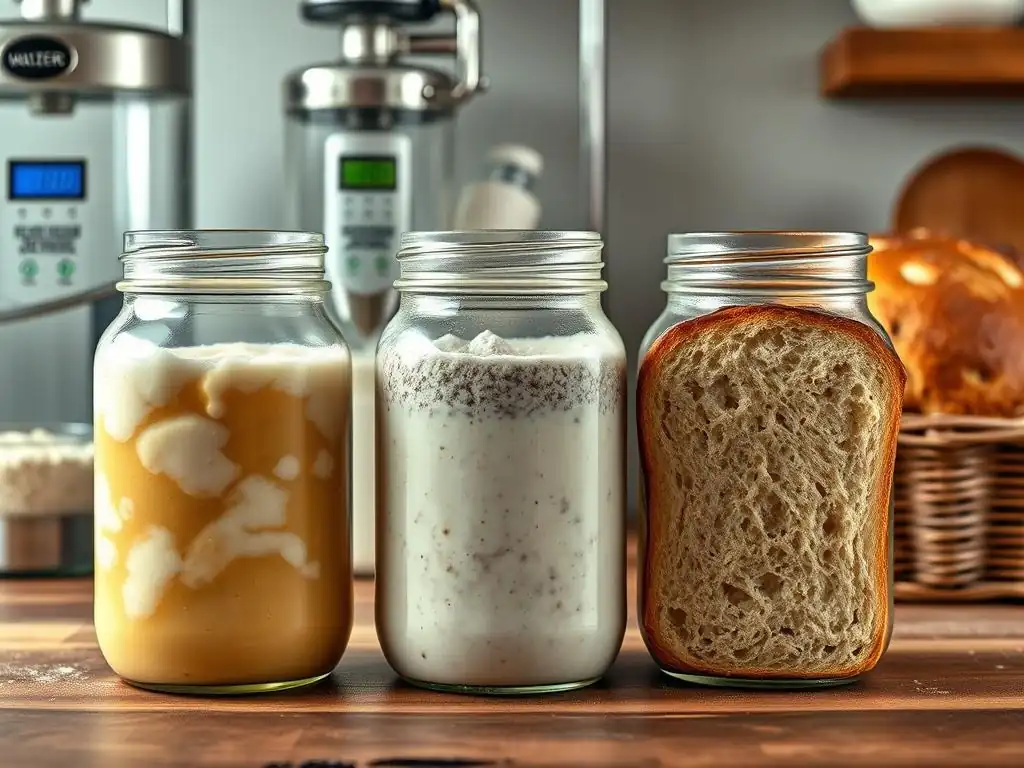
The health and vigor of your sourdough starter, often called "the heart of the bakery," are paramount for successful whole wheat bread. Water quality is a primary factor determining how well the wild yeast and lactic acid bacteria in the starter thrive. These microorganisms require specific conditions to ferment effectively.
Water containing disinfectants like chlorine or chloramine can be detrimental, inhibiting their activity and leading to a sluggish or inactive starter. Even low levels, say just 0.5 parts per million (ppm) of chlorine, can be enough to negatively impact the delicate microbial balance necessary for a robust starter culture capable of leavening dense whole wheat dough.
Minerals in water also play a role in starter health. While distilled water (which lacks minerals) might seem pure, some minerals, like calcium and magnesium, can actually be beneficial in moderation, providing nutrients that support yeast and bacterial growth. Conversely, water with excessively high mineral content (very hard water) or containing heavy metals can stress the microorganisms, potentially slowing fermentation or altering the flavor profile. A thriving starter, nurtured with good quality water, is essential for achieving the airy texture and complex flavor characteristic of well-made whole wheat sourdough bread.
How Water Mineral Content Affects Sourdough Dough Strength
The mineral content of your water, often measured as "hardness," has a direct impact on gluten development in the dough. Water hardness is typically measured in parts per million (ppm) of calcium carbonate or in degrees (like German degrees of hardness, dH). Hard water, generally defined as having over 120 ppm calcium carbonate, contains higher levels of dissolved minerals like calcium and magnesium ions.
These ions interact with proteins in the flour, helping to strengthen the gluten network. This can be advantageous, leading to doughs that are less sticky and easier to handle, and potentially contributing to better loaf volume, especially in whole wheat doughs where the bran can weaken gluten structure.
However, there's a balance. Extremely hard water (above 250 ppm) can make the dough too stiff and less extensible, hindering its ability to expand during fermentation and baking. Soft water, typically under 60 ppm, has fewer minerals.
While it doesn't interfere with fermentation like chlorine does, the lack of minerals can result in a weaker, stickier gluten network that is harder to develop and handle. This is particularly noticeable with whole wheat flour, which already presents challenges for gluten development. Finding or creating water with a moderate mineral content, sometimes considered ideal in the 60-120 ppm range, can significantly improve the texture and rise of whole wheat sourdough bread.
The Relationship Between Water pH and Sourdough Fermentation
Water's pH level, a measure of its acidity or alkalinity, influences the overall pH of your sourdough starter and dough, which in turn affects the rate and type of fermentation. Sourdough fermentation, driven by lactic acid bacteria, naturally lowers the dough's pH over time, creating the characteristic sour flavor and helping to break down complex carbohydrates.
Water with a pH that is too high (alkaline, generally above 8.0) can slow down the initial acidification process, potentially inhibiting the desired bacterial activity and leading to slower or less predictable fermentation. This can be problematic when trying to manage the longer fermentation times often used for whole wheat sourdough.
Conversely, water with a slightly acidic pH (below 7.0) can sometimes jumpstart fermentation, though excessively acidic water isn't ideal either. Most tap water falls within a neutral to slightly alkaline range, often between 7.0 and 8.5.
While sourdough microbes are resilient and will eventually lower the pH regardless of the initial water pH, starting with water that is overly alkaline can add an extra variable and potentially prolong the fermentation process needed to reach the optimal pH range (typically between 4.0 and 4.5 for the final dough before baking). Understanding and managing the impact of water pH contributes to more consistent fermentation and ultimately, a better textured and flavored whole wheat sourdough loaf.
Common Water Quality Issues and Their Effects on Sourdough Bread
Chloramine in Water and its Impact on Sourdough
Chloramine, a compound of chlorine and ammonia, is increasingly used by municipal water suppliers as a disinfectant because it's more stable and lasts longer in the water system than chlorine alone. While effective for public health, chloramine is a significant challenge for sourdough bakers. Like chlorine, it is highly effective at killing microorganisms, including the beneficial wild yeasts and lactic acid bacteria essential for a healthy sourdough starter and active fermentation.
Even at standard tap water concentrations, often around 1-4 parts per million (ppm), chloramine can severely weaken or kill the starter culture, leading to little to no rise in the dough. This is especially detrimental for whole wheat bread where a strong, active starter is needed to overcome the challenges of leavening a denser flour.
Unlike chlorine, which can be removed from water by simply letting it sit out uncovered for 24 hours (as it off-gasses), chloramine does not easily evaporate. This means that traditional methods for removing chlorine are ineffective against chloramine. Its persistent presence directly attacks the microbial ecosystem required for successful sourdough fermentation. The result is often a sluggish starter, slow or stalled dough rise, and a dense, flat loaf lacking the characteristic open crumb and tangy flavor of well-fermented sourdough, particularly noticeable when trying to achieve a light texture with whole wheat flour.
Hard Water vs. Soft Water: Which is Best for Sourdough?
The debate between using hard or soft water for sourdough baking is ongoing among bakers, as each presents different characteristics. Hard water, rich in dissolved minerals like calcium and magnesium (typically >120 ppm), tends to strengthen the gluten network. The minerals interact with the proteins in flour, helping to create a more robust structure.
This can be beneficial for dough handling, making it less sticky and easier to shape. Some bakers prefer hard water for this reason, finding it contributes to better dough strength and potentially improved oven spring, which is valuable when baking whole wheat sourdough where gluten development can be more challenging.
However, excessively hard water (e.g., >250 ppm) can make the gluten network too tight and inextensible, resulting in a stiff dough that is difficult to work with and may restrict expansion during proofing and baking. Soft water (<60 ppm), with fewer minerals, results in a weaker gluten network. Doughs made with soft water can be stickier and may require longer kneading or more careful handling to achieve adequate strength.
For whole wheat flour, which benefits from strong gluten, soft water might lead to a dough that struggles to hold its shape and achieve good volume. While there's no single "best" water for everyone, many bakers find a moderate mineral content (around 60-120 ppm) offers a good balance, supporting both microbial activity and gluten development for reliable whole wheat sourdough results.
The Effects of Impurities in Water on Sourdough
Beyond disinfectants and mineral content, other impurities present in tap or well water can negatively affect sourdough baking. Heavy metals, such as lead, copper, or iron, can be toxic to the beneficial microorganisms in the starter and dough. Even at low concentrations, they can inhibit yeast and bacterial activity, leading to slower fermentation and a less vigorous rise.
For instance, copper pipes in older plumbing systems can leach small amounts of copper into standing water, which can then impact your starter if used directly. A concentration as low as 0.1 ppm of copper can potentially cause issues for sensitive yeast cultures.
Other potential impurities include excess fluoride, pesticides, nitrates, or even off-flavors from organic matter or algae. While the impact of these can vary depending on the specific substance and concentration, they can collectively stress the microbial ecosystem and potentially introduce undesirable flavors or odors into the finished bread. Given the long fermentation periods involved in sourdough, these impurities have ample time to interact with the dough and starter, potentially compromising the final quality, flavor, and rise of your whole wheat bread. Filtering water is often a simple yet effective way to mitigate the risks posed by various impurities.
Optimizing Water Quality for Baking Perfect Sourdough Bread
Simple Water Filtration Methods for Sourdough Bakers
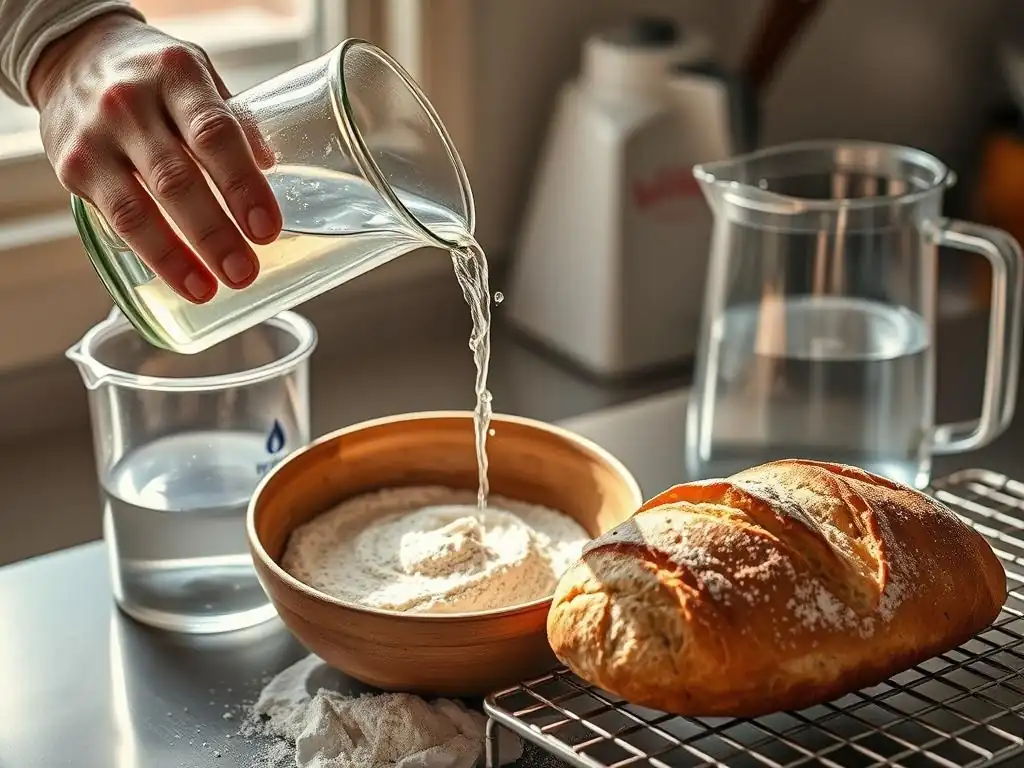
Improving water quality for sourdough baking doesn't necessarily require expensive or complex systems. Simple and accessible filtration methods can make a significant difference, primarily by removing chlorine and chloramine, the most common inhibitors of microbial activity. Activated carbon filters are highly effective at adsorbing these chemicals. A basic pitcher filter, readily available in supermarkets, uses activated carbon and can remove a substantial amount of chlorine and some chloramine, instantly improving the water's suitability for your starter and dough. Using a filtered pitcher is a cost-effective first step for many home bakers concerned about their whole wheat bread water quality.
For a more integrated solution, a faucet filter or an under-sink filter connected to a dedicated tap can provide filtered water on demand. These systems typically use multi-stage filtration, often including activated carbon and sometimes other media to reduce sediments, lead, and other impurities.
While a bit more investment than a pitcher, they offer convenience and a higher volume of filtered water. Remember that while filtration removes many undesirable substances, it generally doesn't alter the mineral content significantly, so if your water is excessively hard or soft, filtration alone may not fully address those issues, though it will still remove harmful disinfectants crucial for a healthy whole wheat sourdough culture.
The Importance of Water Temperature for Sourdough
While water quality refers to its chemical composition, water temperature is equally critical in sourdough baking as it directly impacts the dough's final temperature, which in turn dictates the rate of fermentation. Wild yeasts and bacteria are temperature-sensitive; they are most active within specific temperature ranges. Using water that is too cold will result in a sluggish fermentation, potentially leading to a dense loaf.
Conversely, water that is too warm can accelerate fermentation too rapidly, sometimes stressing the starter or leading to undesirable flavor profiles. For whole wheat dough, which can sometimes ferment faster due to higher enzyme activity, controlling temperature is especially important for a predictable rise.
Many bakers aim for a target dough temperature after mixing, often referred to as the "desired dough temperature" (DDT), typically ranging from 75°F to 80°F (24°C to 27°C) for bulk fermentation. The water temperature needed to achieve this DDT depends on the temperature of your flour, starter, and the ambient room temperature.
A simple calculation can help determine the ideal water temperature: DDT x 3 - (flour temp + starter temp + room temp) = water temp (this is a common formula, sometimes adjusted). By using water at the correct temperature, you ensure the dough starts fermenting in the optimal temperature window for your starter, promoting a steady rise and development of complex flavors in your whole wheat sourdough.
Water Recommendations for Different Sourdough Baking Schedules
The ideal water quality and temperature can also depend on your planned baking schedule. For a long, slow fermentation schedule, such as an overnight bulk ferment in a cool environment (like a refrigerator at 38-40°F or 3-4°C), you might mix the dough with slightly warmer water (e.g., aiming for a DDT of 78-80°F or 26-27°C) to give the fermentation a head start before the cold slows it down.
The quality of the water (filtered, moderate mineral content) remains crucial regardless of temperature, as the microbes need a healthy environment for their long, slow work, which is often favored for developing maximum flavor in whole wheat sourdough.
For a quicker, same-day bake schedule, where fermentation happens at warmer room temperature (say, 70-75°F or 21-24°C), you might use cooler water (e.g., aiming for a DDT of 75°F or 24°C) to prevent the dough from over-fermenting too quickly. Consistency in water quality is paramount for any schedule; using filtered water free from chlorine/chloramine ensures the microbes aren't fighting against disinfectants, allowing them to work predictably within your chosen temperature range and schedule.
Experimenting with water temperature within the context of your typical baking environment and schedule will help you achieve consistent results with your whole wheat bread water quality management.
Inactive Sourdough Starter: Could Water Be the Cause?
One of the most frustrating issues for a sourdough baker is a starter that seems sluggish or completely inactive, especially when you're ready to bake a whole wheat loaf. If your starter isn't doubling within its usual timeframe after feeding, or if it shows minimal bubbly activity, poor water quality is a prime suspect. The most common culprit is tap water containing chlorine or chloramine. These disinfectants kill or severely inhibit the wild yeasts and beneficial bacteria that make your starter active. If you've recently switched water sources or started using unfiltered tap water, this is likely the issue.
To troubleshoot, try feeding your starter with filtered water (using an activated carbon filter) or bottled spring water for several consecutive feedings. Observe if the activity improves. Sometimes, even a small amount of chlorine can shock a starter. Ensure the water is also at an appropriate temperature (lukewarm, around 75-80°F or 24-27°C) for feeding, as temperature also impacts activity. If the starter revives after switching water, you've likely found the problem. Maintaining good whole wheat bread water quality for your starter is the first step towards a successful bake.
Tacky Sourdough Dough: Is Your Water the Issue?
While hydration level is the primary factor influencing dough tackiness, water quality can also contribute to a dough that is excessively sticky and difficult to handle, particularly challenging with whole wheat flour which can sometimes feel 'thirsty' yet still produce sticky dough. Very soft water, low in minerals like calcium and magnesium, can lead to a weaker gluten network. Without the strengthening effect of these minerals, the dough may feel slack, sticky, and lack structure, even at a moderate hydration level. It behaves as if it's over-hydrated, clinging to your hands and the counter.
If you consistently experience overly tacky dough despite using a reasonable hydration percentage for whole wheat (often around 70-80%), and you know your water is very soft (e.g., from a water softener or natural source), the low mineral content could be a contributing factor. While you can't easily add minerals to soft water at home in precise amounts, being aware of this possibility helps in troubleshooting.
Adjusting hydration slightly lower, employing techniques that build dough strength like stretch and folds, and ensuring your starter is very active (which helps with structure) can help compensate for the effects of soft water when aiming for optimal whole wheat bread water quality outcomes.
Flat Sourdough Loaf and Water Quality
A flat sourdough loaf with poor oven spring is a common disappointment, and while many factors can contribute (under-proofing, over-proofing, weak starter, poor shaping), water quality can be a root cause. If poor water quality has led to an inactive or weak starter (due to chlorine/chloramine) or a dough with poor gluten development (due to very soft or excessively hard water, or other impurities), the dough simply won't have the strength or leavening power needed to rise properly in the oven.
A whole wheat loaf, being denser, relies heavily on a strong gluten structure and vigorous fermentation for a good rise.
If you've ruled out other common issues like proofing times and shaping technique, consider your water. An inactive starter due to chlorine, or a dough that couldn't develop sufficient strength because of mineral imbalances in the water, will result in a lack of gas production and retention needed for oven spring. Ensuring you use filtered water free from disinfectants for both your starter and dough, and considering your water's mineral profile, are crucial steps in preventing this issue. Addressing whole wheat bread water quality proactively is key to achieving that satisfying lift and open crumb.
Practical Tips for Ensuring Optimal Water Quality for Your Sourdough
Testing Your Water for Sourdough Baking: A Simple Guide
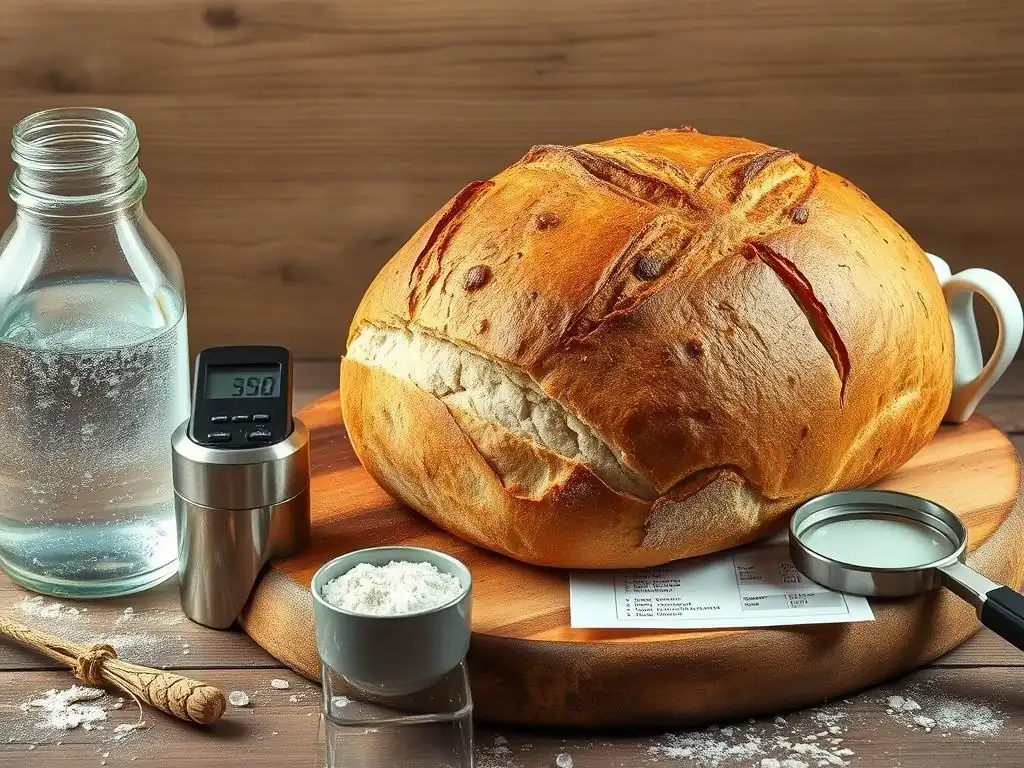
Understanding your water's specific characteristics is the first step towards optimizing it for sourdough baking, especially for whole wheat bread where nuances matter. You don't need a sophisticated lab test to get a general idea. Your local water utility typically publishes an annual water quality report (Consumer Confidence Report) online, which provides data on common contaminants, disinfectant levels (chlorine/chloramine), hardness, and pH. Check their website or call them to obtain this report. Pay close attention to the levels of disinfectants, total dissolved solids (TDS - a rough measure of minerals), and pH.
For a more immediate understanding of your water at home, simple test kits are available online or at hardware stores. Strips that test for chlorine, hardness, and pH are relatively inexpensive and easy to use. While they might not be as precise as laboratory tests, they can quickly tell you if you have significant levels of chlorine/chloramine or if your water is notably hard or soft.
Knowing these basic parameters helps you decide if filtration is necessary or if your water's mineral content might be influencing your whole wheat sourdough baking results. This knowledge empowers you to make informed decisions about your whole wheat bread water quality.
Choosing the Right Water for Sourdough Bread Baking
Based on your water quality assessment, you can choose the best water source for your sourdough. The most common and often best option for many bakers is filtered tap water. Using an activated carbon filter (pitcher, faucet, or under-sink) effectively removes chlorine and chloramine while retaining beneficial minerals. This provides a clean, consistent base that supports healthy microbial activity and gluten development. This is generally the recommended approach for reliable whole wheat sourdough baking.
If your tap water is excessively hard or soft, or if you have concerns about other impurities not removed by basic filtration, bottled spring water can be an alternative. Look for spring water that lists its mineral content on the label; choose one with a moderate mineral profile (e.g., around 60-120 ppm TDS is often considered good).
Avoid distilled or reverse osmosis water for regular dough mixing, as the lack of minerals can lead to weak gluten development and may not fully support microbial health over time. Using the right water is a fundamental step in achieving excellent whole wheat bread water quality.
Using Distilled Water for Sourdough Starter Maintenance
While generally not recommended for mixing dough due to its lack of minerals, distilled water can have a specific, limited use in sourdough starter maintenance, particularly when troubleshooting or reviving a struggling starter potentially affected by tap water impurities. Distilled water is pure H₂O, with virtually all minerals, impurities, and disinfectants removed. If you suspect chlorine or other inhibitors in your tap water are harming your starter's activity, feeding it exclusively with distilled water for a few cycles can help "cleanse" the culture and allow the yeast and bacteria to recover without interference.
However, long-term use of distilled water for feeding is generally discouraged by many experienced bakers. The beneficial minerals present in good tap or spring water are thought to contribute to the overall health and robustness of the microbial community over time. A starter fed only distilled water might become less vigorous or less resilient compared to one fed with water containing some minerals. Therefore, distilled water is best viewed as a temporary troubleshooting tool for whole wheat bread water quality issues related to starter health, rather than a permanent solution for regular feeding or dough mixing.
Best Water Practices for Sourdough Baking Success
Summary of Water Quality Considerations for Sourdough Bread
Achieving consistent, high-quality whole wheat sourdough bread relies heavily on understanding and managing the quality of your water. The key takeaways are clear: avoid disinfectants like chlorine and chloramine at all costs, as they are detrimental to your starter and fermentation. Filtration, particularly using activated carbon, is the most effective way to remove these. Consider your water's mineral content; a moderate level (around 60-120 ppm) is often ideal for supporting both microbial activity and robust gluten development, crucial for whole wheat flour. Extremely hard or soft water can present challenges to dough structure and handling.
Furthermore, water pH influences fermentation speed and flavor, while water temperature is vital for controlling the rate of fermentation according to your schedule. Knowing your water source through testing or utility reports allows you to proactively address potential issues. By prioritizing good whole wheat bread water quality – using filtered water free of disinfectants, considering mineral balance, and controlling temperature – you provide the best possible environment for your sourdough starter and dough to thrive, leading to better rise, texture, and flavor in every loaf. Water isn't just wet; it's a foundational element demanding respect and attention.
We've explored how significantly whole wheat bread water quality impacts your sourdough journey. From the health of your starter to the final texture of your loaf, the water you use plays a starring role. Have you noticed a difference in your baking when switching water sources or using filtered water? Perhaps you've successfully troubleshooted a flat loaf or inactive starter by addressing water issues?
We'd love to hear about your personal experiences with water quality in your sourdough baking, especially when working with whole wheat flour! Sharing your challenges, discoveries, and triumphs helps our whole community learn and grow. What's your go-to water source? Have you tested your tap water? Let us know in the comments below! Your insights into whole wheat bread water quality could be the key to helping another baker achieve their perfect loaf.
Frequently Asked Questions
What impact does water quality have on whole wheat bread?
Water quality significantly impacts gluten development and yeast activity. Poor quality water can inhibit proper fermentation, leading to a dense and flavorless loaf.
What types of water are best for baking whole wheat bread?
Filtered or bottled water are generally recommended. Avoid water with high levels of chlorine or minerals, as these can interfere with the baking process.
How can I test my tap water for baking whole wheat bread?
You can purchase a water testing kit from most hardware stores. Alternatively, check your local water authority's website for water quality reports.
What if my tap water is not ideal for baking whole wheat bread?
Using a water filter or bottled water is a simple solution. Let tap water sit uncovered for a few hours can reduce chlorine levels.
Does water temperature affect whole wheat bread baking?
Yes, water temperature is critical for activating the yeast. Generally, lukewarm water (around 105-115°F) is recommended for optimal yeast activity.
Final Reflection: The Unsung Hero of Whole Wheat Bread
The quality of water, often overlooked, is paramount to achieving the best possible whole wheat bread. A seemingly minor detail, the water used directly impacts the final product's texture, flavor, and overall nutritional value, influencing everything from gluten development to the bread's rise. Ignoring this crucial element can lead to disappointing results, highlighting the importance of understanding this often-unconsidered ingredient.
The impact of water quality on food production, and specifically baking, is a subtle yet pervasive influence on our daily lives. We often focus on the flour and yeast, but the liquid foundation provides the very medium in which the magic of baking occurs. As the saying goes, Water is the driving force of nature.
This holds true in the kitchen as well; the characteristics of the water – its mineral content, pH level, and even its temperature – profoundly affect the final outcome of our baking endeavors. This understanding extends beyond just whole wheat bread, impacting countless recipes and culinary traditions worldwide.
Consider the impact of your own water source on your baking. Are you using filtered water? Tap water? Spring water? Experiment! Pay attention to the subtle differences in your bread's texture and taste. You, the baker, hold the power to elevate your whole wheat bread to new heights simply by considering the quality of your water. Embrace this often-overlooked element, and discover the transformative potential it holds for your baking journey.
Unlock the Secrets to Perfectly Crusty Bread!
Thanks for taking the time to explore the fascinating world of water and whole wheat bread! You've now learned how crucial water quality is to achieving that perfect crust and chewy texture. Ready to put your new knowledge into practice?
- Bake a batch of bread using filtered water: Notice the difference in crust color, texture, and overall flavor. This is the most impactful step you can take.
- Share your baking journey: Post a picture of your loaf on social media using #BakeWithEaseWater and tag us! Let's see your amazing results.
- Explore different water sources: Experiment with spring water, well water, or even bottled water to see how they affect your bread. This one is a fun challenge!
What surprising difference did you discover in your bread after using filtered water? Let's discuss in the comments below!