Are Your Storage Containers Safe? Choosing the Right Materials
😊 Ensure your baked goods stay fresh and safe by understanding food storage container safety. Choosing the right materials protects your creations…
Read article
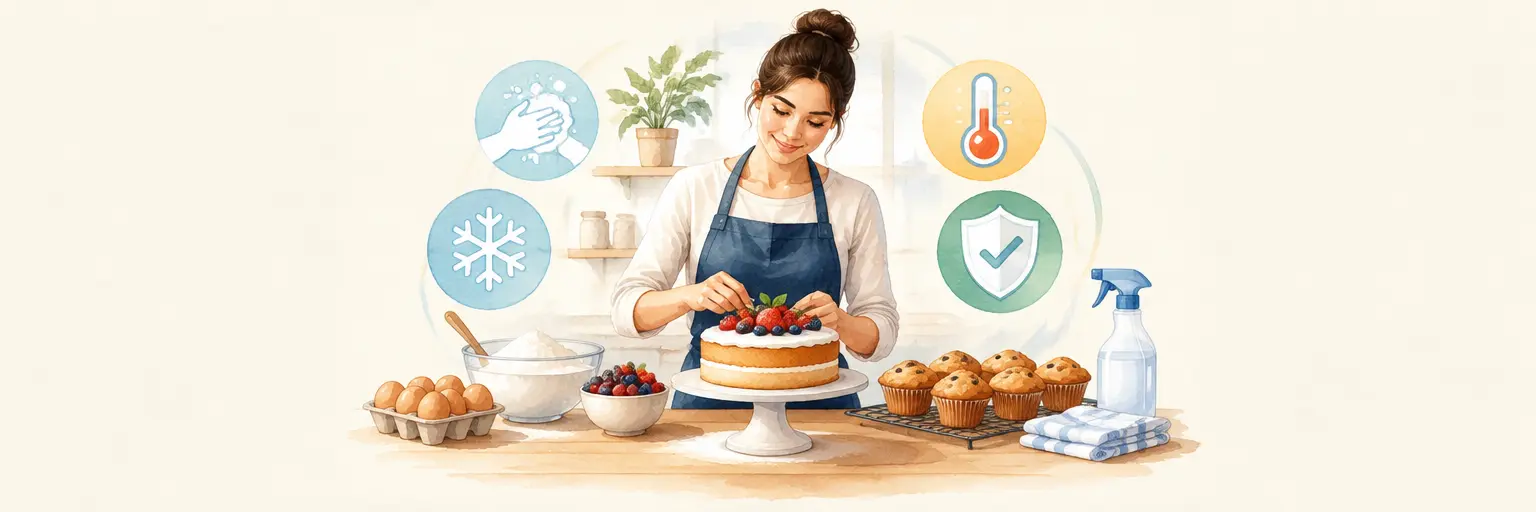
Running a home baking business is a delicious venture, but food safety is the secret ingredient that keeps your customers healthy and your reputation sparkling. From preventing cross-contamination to mastering proper storage and labeling, understanding the core rules of safe handling isn’t just a legal checkbox—it’s the foundation of professional trust. Whether you’re whipping up custom cakes or artisan bread, our practical guides help you navigate safe ingredient sourcing, temperature control, and allergen awareness with confidence. Turn your passion into a thriving, compliant cottage business by making hygiene your signature, ensuring every sweet bite is as safe as it is scrumptious. Dive in to bake boldly, but bake safely.
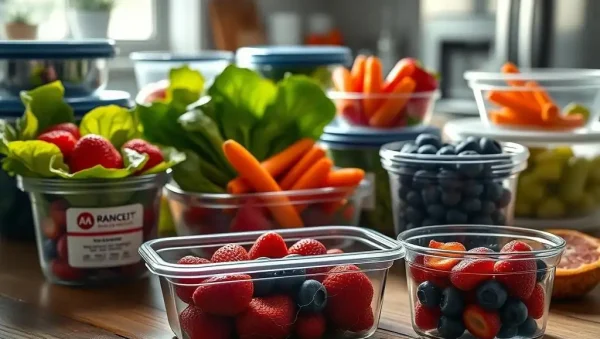
😊 Ensure your baked goods stay fresh and safe by understanding food storage container safety. Choosing the right materials protects your creations…
Read article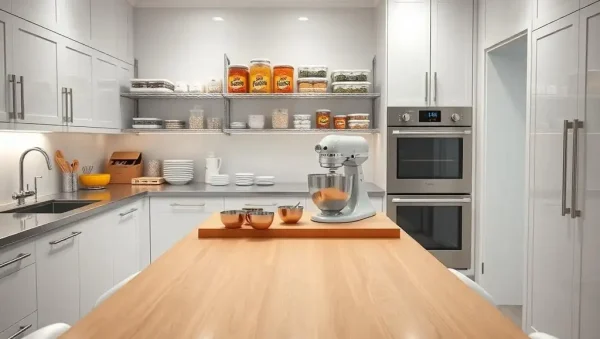
✨ A dedicated baking space enhances food safety by preventing cross-contamination and maintaining cleanliness, ensuring your baked goods are safe and delicious.…
Read article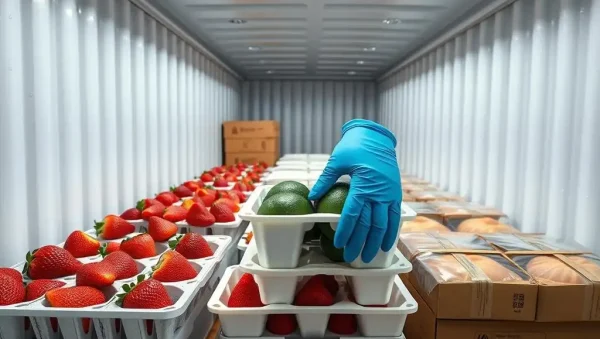
🚚 Ensuring food transport packaging safety is essential for maintaining quality and preventing contamination. At BakeWithEase.com, discover expert tips on packaging techniques…
Read article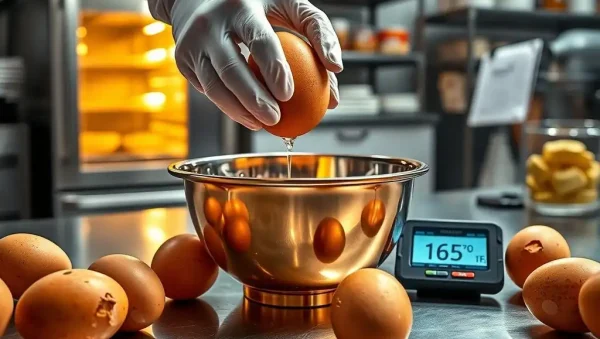
🔒 Discover essential egg safety baking tips to protect your home bakery’s reputation. Learn how proper handling and storage of eggs ensure…
Read article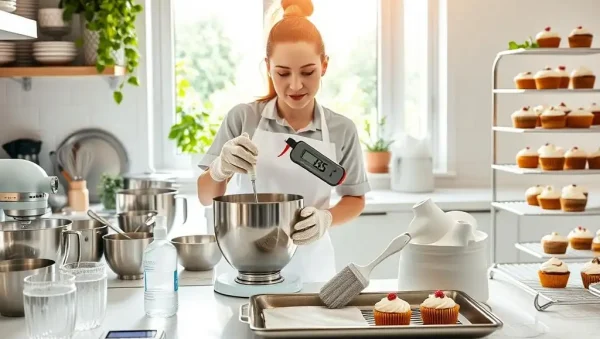
🌟 Ensure your baking success starts with safe home baking hygiene. Mastering proper cleanliness and sanitation in your kitchen not only protects…
Read article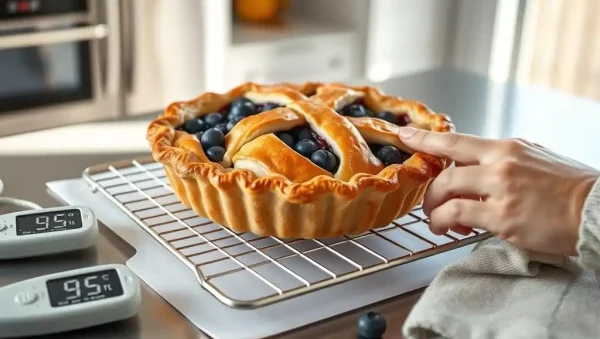
🌟 Discover essential tips on how to cool baked goods safely and prevent bacteria growth. BakeWithEase.com guides you through simple, effective techniques…
Read article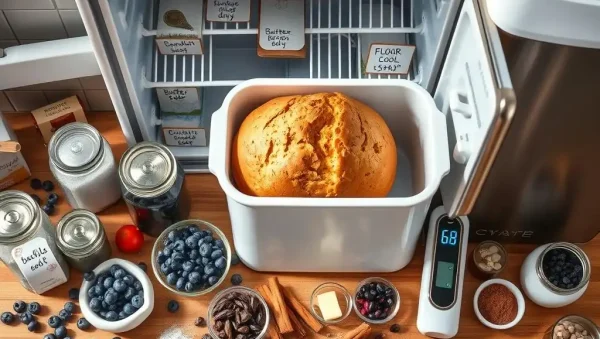
📝 Discover the importance of proper ingredient storage temperatures to ensure freshness and safety in your baking. BakeWithEase.com guides you through optimal…
Read article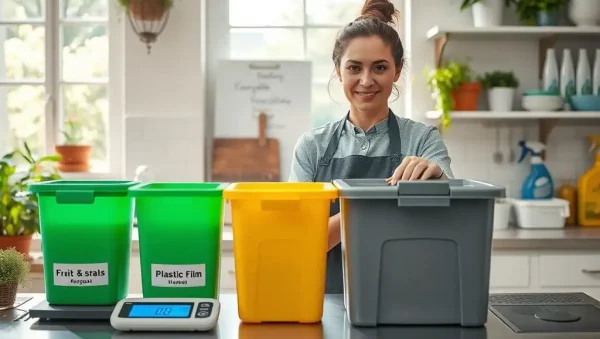
🌟 Ensure your baking journey is eco-friendly by mastering safe home bakery waste management. Discover practical tips to reduce, reuse, and dispose…
Read article
🌟 Discover essential tips for safe baking ingredient sourcing on BakeWithEase.com, ensuring your baked goods are not only delicious but also made…
Read article
🔥 Discover why temperature control baking is essential for home bakers, preventing failures and ensuring perfect results. Mastering proper temperature techniques on…
Read article
🌟 Ensuring safe water for bakery is crucial for perfect, healthy baked goods. Discover essential tips on maintaining water quality to elevate…
Read article
🧼 Discover how proper handwashing for bakers goes beyond soap and water, incorporating advanced techniques to ensure hygiene and safety in your…
Read articleWhen you start selling baked goods from your home kitchen, food safety becomes your most important ingredient. Unlike recipes that can be adjusted, safety rules are non-negotiable – they protect your customers from foodborne illness and your business from legal trouble. This guide covers the essential practices every home baker must master, from handwashing to allergen control, ensuring your treats are not only delicious but safe for everyone.
Clean hands are your first line of defense. Always wash with warm soapy water for at least 20 seconds before touching any ingredients, after handling raw eggs, and after any break. Keep your nails short and avoid wearing jewelry that can trap bacteria. Wear a clean apron and tie back long hair. Your workspace – counters, mixing bowls, and utensils – must be sanitized before and after each baking session, using a food-safe sanitizer or a vinegar-water solution.
Never reuse towels that have touched raw dough or eggs. Use separate cutting boards and spatulas for raw ingredients versus finished products. Regularly disinfect your sink, refrigerator handles, and oven knobs, since these are hotspots for cross-contamination. If you have pets, keep them entirely out of the kitchen during baking hours, and wash your hands immediately if you touch them. These habits become second nature but are critical for passing inspections and keeping customers healthy.
Eggs are a common carrier of Salmonella, so handle them as if they could be contaminated. Always refrigerate eggs below 40°F (4°C) until use, and discard any with cracked shells. When separating yolks from whites, use a dedicated tool to avoid shell fragments. For recipes with raw or undercooked eggs (like meringues or buttercream), use pasteurized eggs or egg products, which are heat-treated to kill bacteria. Never leave egg-based batters at room temperature for more than two hours.
Your finished goods also have a shelf life. Cakes with cream cheese frosting must be refrigerated, while sugar cookies can stay at room temperature for up to a week. Use clearly printed labels on packaging with “Baked On” and “Best By” dates. For items you deliver, ensure they travel in an insulated container if they need cold storage. Educate your customers through a small insert card about proper storage at home, because once your product leaves your kitchen, their handling determines its safety.
Baking itself is a powerful safety step – most goods reach internal temperatures above 160°F (71°C), killing harmful bacteria. However, danger arises during cooling and storage. Rapidly cool baked items on wire racks in a single layer, never stack hot cakes or breads, as that traps moisture and promotes mold growth. Within two hours of baking, move items that require refrigeration (like cheesecakes or custard-filled pastries) into your fridge set below 40°F (4°C).
For freezer storage, which many home bakers use to manage inventory, wrap items tightly and label them with freeze dates. Most baked goods stay safe for 2-3 months in the freezer. When you thaw, do it in the refrigerator, never on the counter. If you’re making items ahead for a market or delivery, invest in a digital kitchen thermometer to spot-check temperatures of high-risk fillings. Consistent temperature management dramatically reduces the risk of food poisoning and extends your products’ freshness, saving you money in waste and reputation.
Allergies are life-threatening, not just a preference. If you bake with peanuts, tree nuts, milk, eggs, wheat, soy, or shellfish, you must have a system to prevent cross-contact. This means using separate mixing bowls, measuring cups, and baking sheets for allergen-free orders, or thoroughly washing them (and your hands) before starting an allergen-free batch. Ideally, bake allergen-free orders first in your production day, before you handle any shared allergens.
Once baked, store allergen-free items in clearly labeled, sealed containers on a different shelf from allergen-containing goods. Keep packaging materials separate to avoid accidental mix-ups. On your product labels and online listings, always list the top eight allergens in bold, plus a note like “produced in a home kitchen that also processes [list allergens].” This transparency builds trust and legally protects you. Regularly audit your pantry – even flour dust can contain wheat traces, so wipe down surfaces between batches of different recipes.
Every state (or country) has specific “cottage food” laws governing home bakeries. Research your local regulations – many allow you to sell low-risk baked goods directly to consumers without a commercial kitchen license, but they require specific labeling. At minimum, your labels must state the name and address of your home kitchen, the product name, and a list of ingredients in descending order of weight, highlighting any major allergens. Some regions require a “Not prepared in a licensed facility” disclaimer.
Check whether you’re allowed to sell online, at farmers markets, or only via direct, face-to-face sales. You may also need to complete a food safety certification course, like ServSafe, and keep records of your sales. Never claim a product is “gluten-free” unless you have tested it and followed strict protocols to avoid cross-contamination. Non-compliance can result in fines or a shutdown, so treat the legal side as seriously as your recipe. When in doubt, call your local health department – they’re usually happy to guide home bakers.
Crumbs, moisture, and temperature swings during transport can ruin both safety and quality. Use food-safe, airtight containers – glass jars for jams, clamshells for muffins, and bakery boxes lined with parchment for cakes. If your product has perishable fillings, include a small ice pack and use insulated delivery bags. Never leave packaged goods in a hot car for more than 30 minutes, as that enters the danger zone where bacteria multiply rapidly.
Before delivering, hand-write or print care instructions for each order. For example, “Keep refrigerated for up to 3 days” or “Best enjoyed within 24 hours of pickup.” This proactive communication prevents customers from storing your cheesecake incorrectly and blaming your business. For online orders, include a packing slip with your contact info and a “If you notice any issues, please contact us immediately” note. Good packaging also shows professionalism, which encourages repeat orders and positive reviews – all rooted in your commitment to safety.
It depends on your local cottage food laws, but many regions require at least a basic food handler’s certificate. Even where it’s voluntary, taking a free online course (like through the USDA or state extension) demonstrates professionalism and helps you avoid common mistakes. Check your state’s agriculture department website for specific requirements.
Yes, but you must handle them with extra care. Wash the shells just before use, refrigerate them consistently, and inspect for any cracks. Because backyard eggs may have more surface bacteria, then sanitize your workspace after cracking. For raw-egg recipes, switch to pasteurized eggs or heat-treated products to be safe.
Traditional buttercream (made with butter and powdered sugar) is safe at room temperature for up to two days, as long as your kitchen stays below 75°F (24°C). However, for higher safety, refrigerate if you’ll not serve it within 24 hours. Never leave cream cheese or whipped cream frostings out for more than two hours.
Dedicate separate tools – one set for nuts and one for nut-free – and dye the handles different colors. Clean your entire kitchen thoroughly before a nut-free batch, using disposable wipes and sanitizer. Always bake nut-free orders first in the day, and store them in sealed bins on an upper shelf, never above nut items.
Yes, but only if you guarantee no cross-contamination. Buy certified gluten-free oats and flours, use dedicated mixing bowls and pans, and clean your oven and counters. Then test your finall cake to ensure it truly is gluten-free, or you risk making a celiac customer sick. Add a clear label “may contain traces of gluten” if you can’t guarantee zero cross-contact.