
Asking for the Sweet Review: Getting Testimonials That Sell Your Bakes


Welcome to BakeWithEase, where your baking journey becomes deliciously simple! Ever wondered how to transform happy customers into powerful advocates for your home baking business? This article dives deep into How to get bake reviews that not only build trust but also drive sales. Ready to unlock the secrets to irresistible testimonials? Let's get started!
- Why Bake Reviews Are Essential for Your Home Baking Business
- Strategies for Requesting Bake Reviews Effectively
- Different Channels for Gathering Bake Reviews
- Maximizing the Impact of Your Bake Reviews
- Avoiding Common Mistakes When Asking for Reviews
- Examples of Effective Bake Reviews
- Turning Reviews into Sales: Conversion Optimization Tips
- Conclusion: The Sweet Taste of Success Through Customer Reviews
- Frequently Asked Questions
- Final Reflection: The Sweet Taste of Success – Harvesting Testimonials That Sell
- Unleash Your Baking Brilliance: Share Your Success Story!
Why Bake Reviews Are Essential for Your Home Baking Business
Customer reviews are the secret ingredient for a thriving home baking business. In a crowded market, positive feedback acts as a powerful endorsement, helping potential customers choose your delicious treats over others. Think of reviews as word-of-mouth marketing in the digital age – they build trust and showcase the quality and taste of your baked goods before someone even takes their first bite. Learning how to get bake reviews consistently is a fundamental step in growing your brand and reaching new customers who are looking for reliable, tasty options.
Reviews don't just tell you what customers liked; they provide invaluable insights into what you're doing right and where there might be room for improvement. This feedback loop is crucial for refining your recipes, improving your customer service, and ensuring you're meeting expectations. Actively seeking and displaying reviews demonstrates confidence in your product and a commitment to customer satisfaction, making your business more appealing and reputable. It's about creating a cycle where great bakes lead to great reviews, which in turn lead to more sales and more opportunities to get bake reviews.
Building Trust and Credibility with Customer Testimonials
In the online marketplace, where physical interaction is limited, trust is paramount. Customer testimonials serve as authentic proof of your baking prowess and reliability. When potential customers see that others have had positive experiences with your cakes, cookies, or breads, they are significantly more likely to feel confident placing an order themselves.
Studies consistently show that consumers place a high degree of trust in recommendations from other consumers; for instance, a 2022 survey indicated that approximately 92% of consumers trust peer recommendations more than direct advertising from brands. This level of trust is invaluable for a home bakery looking to establish itself.
Think of a glowing review describing the exact flavor profile of your signature lemon drizzle cake or praising the perfect texture of your sourdough loaf. These specific details resonate with potential buyers far more than generic marketing claims. A review stating, "The chocolate chip cookies were warm, gooey, and tasted just like Grandma used to make!"
provides a level of credibility and emotional connection that builds significant trust. It shows that real people have enjoyed your products, validating their quality and taste. Mastering how to get bake reviews that are detailed and specific is key to leveraging this trust factor effectively.
Social proof is a psychological phenomenon where people conform to the actions of others under the assumption that those actions are correct. In the context of selling baked goods, this means that when potential customers see that many other people have bought and enjoyed your products, they are more inclined to do the same. Positive reviews and testimonials act as powerful social proof, signaling that your home bakery is popular, reputable, and delivers delicious results. This effect is particularly strong online, where visible evidence of customer satisfaction can quickly influence purchasing decisions.
Consider a scenario where a customer is browsing online bakeries. One bakery has no reviews, while yours features dozens of positive testimonials, some with ratings like "5 stars!" or "Highly Recommended." The presence of numerous positive reviews significantly increases your bakery's appeal due to social proof.
It suggests that your bakes are a safe bet and a popular choice. This can be seen in platforms like Etsy or local online marketplaces where sellers with higher review counts and ratings often see higher sales volumes. Understanding how to get bake reviews and display them prominently harnesses this powerful psychological principle to drive sales.
Turning Happy Customers into Baking Advocates
Your happiest customers are your best marketing asset. When someone is truly delighted with your baked goods and service, they are often enthusiastic about sharing their positive experience. By actively encouraging these satisfied customers to leave reviews, you empower them to become advocates for your home bakery. These advocates can reach potential customers in ways that your own marketing efforts cannot, sharing their genuine excitement and personal stories about enjoying your treats.
Engaging with happy customers and making it easy for them to share their feedback transforms them from passive buyers into active promoters. A customer who leaves a glowing review might also tell their friends, family, and colleagues about your bakery, multiplying the reach of their positive experience. For example, a customer who ordered a custom birthday cake and was thrilled with both the taste and design is a prime candidate to become an advocate.
Providing them with a simple way to leave a review, perhaps via a follow-up email, can capture that enthusiasm and turn it into a valuable testimonial. Learning how to get bake reviews from your most satisfied clients is crucial for building a strong network of baking advocates.
Strategies for Requesting Bake Reviews Effectively
Asking for reviews might feel a little awkward at first, but it's a necessary step in collecting those valuable testimonials. The key is to be strategic, polite, and make the process as simple as possible for your customers. Different approaches work for different customers and different types of orders, so having a few methods in your toolkit is beneficial. Remember, you're not demanding a review; you're inviting feedback and giving happy customers an opportunity to share their positive experience. This is a core part of how to get bake reviews successfully.
Being intentional about when and how you ask can significantly increase your response rate. A well-timed request, a personalized message, and clear instructions can make all the difference. Avoid generic, mass requests that feel impersonal. Instead, focus on creating a positive experience right up to the point of asking for feedback. This requires a little planning and consistent effort, but the payoff in terms of building your reputation is well worth it.
Timing is Everything: When to Ask for a Review
Timing your review request is crucial for maximizing your chances of getting a positive response. The best time to ask is when the customer has most recently enjoyed your baked goods and the positive experience is fresh in their mind. For many home bakeries, this means asking shortly after the order has been delivered or picked up.
For example, sending a polite email or message within 24-48 hours of the customer receiving their order is often ideal. This window allows them time to enjoy your product but is close enough to the experience that they can easily recall the details.
Avoid asking for a review at the point of sale or during delivery, as the customer is focused on receiving their order. Similarly, waiting too long, perhaps a week or more, might mean the customer has forgotten the details of their experience or has moved on.
Consider the type of bake: a cake for a special occasion might warrant a slightly later follow-up (e.g., the day after the event) compared to a box of cookies for everyday enjoyment. Experiment with different timings to see what yields the best results for your specific products and customer base when figuring out how to get bake reviews promptly.
Personalizing Your Review Request: Templates and Examples
A personalized review request is far more effective than a generic one. Address the customer by name and reference their specific order if possible. This shows that you value them as an individual customer and aren't just sending out blanket requests. You can create simple templates to streamline this process, but always add a personal touch before sending.
Here's a basic template you could adapt:
Subject: How did you enjoy your recent bake from [Your Bakery Name]?

Hi [Customer Name],

We hope you absolutely loved the [Specific item purchased, e.g., Chocolate Fudge Cake] you ordered from us on [Date]!

We're always striving to bake the most delicious treats and provide the best possible service. Your feedback is incredibly valuable to us as it helps us improve and lets others know what to expect.

Would you mind taking a moment to share your experience? You can leave a quick review by clicking here: [Placeholder for Link - *Remember to replace with actual link later, but for this exercise, we use a placeholder.*]

Thank you so much for supporting our home bakery! We truly appreciate your business and hope to bake for you again soon.

Sweetly,
The Team at [Your Bakery Name]
Note: As per instructions, no actual links are included here.
Another approach is to ask a specific question in your request to prompt a more detailed response. For example, "We'd love to hear what you thought of the texture of the sourdough!" or "Did the sprinkles on the cupcakes add just the right touch of fun?" This can guide the customer towards providing more descriptive feedback, which is often more valuable than a simple star rating. Personalization is key to mastering how to get bake reviews that are rich in detail.
Making it Easy: Providing Direct Links and Instructions
Customers are busy, and any friction in the review process will reduce the likelihood of them leaving feedback. Therefore, it is absolutely essential to make it as easy as possible for them to share their thoughts. This means providing a direct link to the platform where you want them to leave the review. Whether it's a specific page on your website, your Facebook business page, a Google My Business listing, or a review section on an online marketplace, give them the exact URL they need.
Beyond providing a link, offer clear, simple instructions. For example, if they need to log in or navigate a specific page, briefly explain the steps. You could say, "Just click the link below, then scroll down to the 'Reviews' section and click 'Write a Review'." Minimizing the effort required on the customer's part significantly increases your review rate.
If you're asking for reviews via a platform they might not use regularly, consider adding a sentence like, "It only takes about 30 seconds!" to manage expectations and encourage completion. Simplifying the process is a fundamental tactic in how to get bake reviews efficiently.
Different Channels for Gathering Bake Reviews

To maximize the number and variety of bake reviews you receive, it's wise to utilize multiple channels where your customers interact with your brand. Different platforms cater to different types of feedback and reach different audiences. By having a presence on several key platforms and actively soliciting reviews on each, you increase your visibility and make it convenient for customers to leave feedback on the channel they prefer or use most often.
Exploring various channels allows you to gather different types of testimonials – from quick social media shout-outs to more structured reviews on a dedicated platform. Each type of review has its own value and can be leveraged in different ways in your marketing efforts. Understanding where your customers are most active online will help you prioritize which channels to focus on when learning how to get bake reviews.
Social media platforms like Instagram and Facebook are natural homes for sharing visual and experiential feedback about food. Many customers already share photos of delicious meals and treats they've enjoyed. By encouraging them to tag your business or use a specific hashtag, you can easily find organic testimonials. Furthermore, you can actively solicit reviews directly on these platforms.
Using Instagram Stories for Quick Reviews
Instagram Stories are a fantastic, informal way to gather quick, visual testimonials. After a customer receives their order, you can encourage them to share a photo or video of your baked goods on their own Story and tag your bakery. You can then repost these on your own Story, creating a highlight reel of customer love. For a more direct approach, use the "Questions" or "Quiz" sticker features in your own Story to ask customers about a recent bake they purchased.
For instance, "Loved your [Product Name]? Tell us your favorite part!" The responses are private to you initially, allowing you to follow up and potentially ask if you can share their feedback (anonymously or with permission). This informal method taps into the visual nature of baking and makes leaving a quick review feel fun and effortless, contributing to how to get bake reviews in a dynamic format.
Facebook Recommendations for Your Home Bakery
Facebook is a robust platform for collecting more structured reviews and recommendations, especially if you have a Facebook Business Page. Facebook allows customers to leave ratings (out of 5 stars) and write detailed recommendations. These recommendations appear directly on your page and can be highly visible to potential local customers. You can include a direct link to your Facebook review section in your post-purchase emails or messages.
Encourage customers to leave a recommendation on your Facebook page. You can even run a simple post asking past customers to share their favorite bake they've tried from you and where they enjoyed it. For example, "Have you enjoyed our Classic Chocolate Chip Cookies? Share your thoughts in the recommendations section of our page! Your feedback helps others find their new favorite treat." Facebook recommendations build social proof directly on a platform many people use daily, making it a key part of how to get bake reviews visible to a broad audience.
Collecting Reviews Through Your Website
Having a dedicated space for reviews on your own website gives you more control over how testimonials are displayed and integrated with your products. This is particularly important if you sell directly through your site. Website reviews can be highly detailed and linked directly to specific products, providing context for potential buyers browsing your catalog. Implementing a review system requires some technical setup but offers significant long-term benefits.
Implementing a Review System on Your Website
Integrating a review system directly into your website allows customers to leave feedback on the product pages they visited or purchased from. This could involve using a plugin or app (if your website platform supports them) or custom development. Systems like these typically allow for star ratings and written comments. After a purchase, your website can automatically trigger an email request asking the customer to review the specific items they bought.
For example, an automated email sent two days after an order ships could contain links directly to the review forms for each product purchased. This makes it extremely convenient for the customer. A customer who bought artisan bread and fruit scones would receive links specifically asking for reviews on those two items. Setting up such a system requires an initial investment of time or resources but automates a significant part of how to get bake reviews consistently.
Featuring Testimonials Prominently on Product Pages
Once you've collected reviews on your website, showcase them! Display star ratings and written reviews prominently on the relevant product pages. Potential customers browsing your "Cupcakes" page should immediately see the average rating and read comments from others who have purchased those specific cupcakes. A review like, "These red velvet cupcakes were moist and the cream cheese frosting was perfect!" placed right next to the product description is incredibly persuasive.
Beyond individual product pages, consider having a dedicated "Testimonials" or "Customer Love" page on your website where you feature some of your best reviews across all products. You could use block quotes to highlight particularly compelling testimonials. This provides a central location for potential customers to see the overall positive sentiment about your bakery. Strategically placing these reviews is just as important as learning how to get bake reviews in the first place.
Email Marketing for Bake Review Requests
Email marketing is a direct and effective way to reach customers and request reviews. Since you likely already use email for order confirmations and updates, integrating a review request into your email sequence is a natural fit. Email allows for more detailed messaging and personalization than some other channels.
Automating Review Requests After Purchase
Setting up automated email sequences is one of the most efficient ways to consistently ask for reviews. Using your email marketing service provider, you can create a workflow that automatically sends a review request email to a customer a set number of days after their order is marked as delivered or fulfilled. As mentioned before, timing is key, so experiment with the delay (e.g., 1 day, 2 days, 3 days) to find the sweet spot where customers have had time to enjoy the bake but before the experience fades.
This automation ensures that every customer who purchases from you receives a review request without manual effort on your part after the initial setup. It provides a scalable method for how to get bake reviews consistently as your business grows. Ensure the email is mobile-friendly and the link to leave a review is easy to find and click.
Offering Incentives (Carefully!) for Leaving Reviews
Offering incentives for leaving reviews can increase your response rate, but it must be done carefully and ethically. Many platforms have rules against offering incentives in exchange for positive reviews. The key is to offer an incentive for leaving any review, regardless of whether it's positive or negative, or simply for entering a drawing by leaving a review.
For example, you could offer a small discount on a future order (e.g., 10% off) to anyone who leaves a review, or enter everyone who leaves a review in a given month into a drawing for a larger prize, like a free dozen cookies. Be transparent about the terms. Crucially, do not tie the incentive to the review being positive. This practice is often against platform terms of service and erodes trust. Used correctly, a small, ethical incentive can be a nudge that helps you learn how to get bake reviews more frequently.
Maximizing the Impact of Your Bake Reviews
Collecting reviews is only half the battle; the other half is effectively using them to benefit your business. Your positive reviews are powerful marketing assets that can be leveraged across various platforms to attract new customers. Don's let those sweet testimonials sit idly by!
Strategically showcasing your best feedback amplifies its effect. Responding thoughtfully to all reviews, both good and bad, shows potential customers that you are attentive and care about customer experience. Integrating reviews into your marketing materials provides authentic social proof that resonates more strongly than purely promotional content.
Highlighting the Best Testimonials
Curate your best testimonials and showcase them prominently. These are the reviews that are specific, enthusiastic, and highlight key strengths of your baking or service. A review that mentions a unique flavor combination, the perfect moistness of a cake, or exceptional customer service is gold.
Create graphics for social media featuring short, impactful quotes from reviews. Design a "Testimonials" section on your website or a dedicated album on your Facebook page. Use block quotes in blog posts or newsletters to draw attention to compelling feedback. For example:
The croissants from [Your Bakery Name] were flaky perfection! Easily the best I've had outside of Paris. Worth every single bite.
- Sarah K.
Highlighting these gems makes it easy for potential customers to quickly grasp why people love your bakes. This active curation is a vital part of how to get bake reviews to work hard for you.
Responding to Reviews, Both Positive and Negative
Responding to reviews is a crucial step in managing your online reputation and showing customers that you are engaged and appreciative. Always thank customers for positive reviews. A simple, "Thank you so much, [Customer Name]! We're thrilled you loved the [Product Name]!" goes a long way. It shows appreciation and reinforces the positive experience.
Responding to negative reviews is even more important. While challenging, it's an opportunity to demonstrate your professionalism and commitment to resolving issues.
- Acknowledge the customer's feedback calmly and politely.
- Apologize for their less-than-satisfactory experience.
- Briefly explain (without making excuses) if there was a clear issue, or state that you take their feedback seriously.
- Offer a solution or invite them to contact you privately to resolve the matter further. For example, "We're so sorry to hear you weren't happy with your cookies, [Customer Name]. We strive for perfection, and we'd like to make this right. Please contact us directly at [Email or Phone Number] so we can discuss this further."
Publicly addressing negative feedback constructively shows potential customers that you are accountable and care about customer satisfaction, even when things don't go perfectly. This transparency can build trust. Learning how to get bake reviews also involves learning how to manage the feedback you receive.
Using Reviews in Your Marketing Materials
Integrate your testimonials into your marketing efforts beyond just a dedicated review page. Reviews add authenticity and social proof to your promotional content, making it more persuasive.
Featuring Reviews in Blog Posts
If you maintain a blog on your website (e.g., sharing baking tips, behind-the-scenes glimpses, or highlighting seasonal specials), weave relevant customer reviews into your posts. Writing about your best-selling chocolate cake? Include a few glowing testimonials about its richness or moistness. Discussing the process of making your sourdough? Share a review praising its crust and crumb. Use block quotes or bold text to make the reviews stand out. This adds credibility and human interest to your content, showcasing the real-world impact of your baking.
Sharing Testimonials in Email Newsletters
Your email newsletter is a direct line to engaged customers and potential customers. Include a "Customer Spotlight" or "What Our Customers Are Saying" section in your newsletters. Share a particularly compelling review or a collection of short, positive comments about a featured product or your overall service.
This reminds subscribers of the positive experiences others have had and can entice them to place an order. For example, in a newsletter promoting your summer specials, you could feature a review from someone who loved your berry pie from the previous summer. Integrating reviews into your email marketing is a smart way to continuously leverage how to get bake reviews to drive repeat business and new sales.
Avoiding Common Mistakes When Asking for Reviews
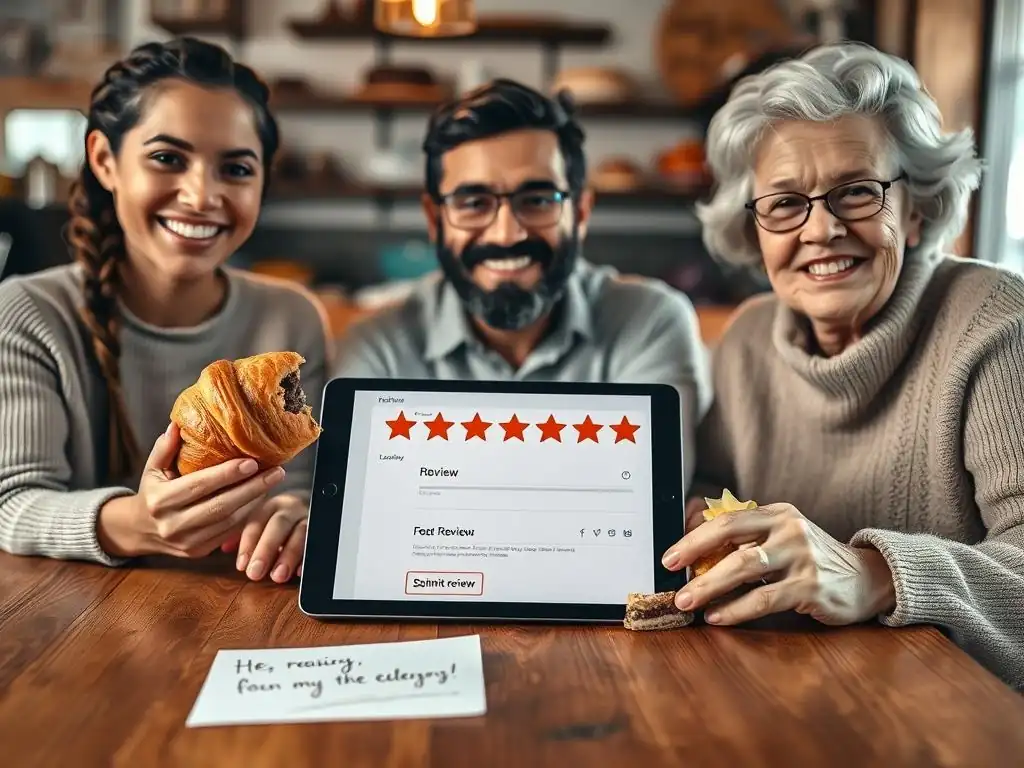
While learning how to get bake reviews is essential, it's equally important to avoid missteps that can alienate customers or damage your reputation. Approaching review requests ethically and respectfully is paramount.
Being Pushy or Aggressive
Repeatedly hounding customers for reviews or demanding feedback can be off-putting. A single, polite request after their positive experience is usually sufficient. Avoid sending multiple follow-up requests within a short period unless your system is designed to send one reminder after a reasonable time (e.g., a week later if they haven't clicked the link). Customers should feel invited to share their thoughts, not pressured. Overly aggressive tactics can lead to frustration and potentially negative feedback or simply ignoring your requests altogether. Focus on making the process easy and the request polite.
Neglecting Negative Feedback
Ignoring negative reviews is a significant mistake. As discussed earlier, negative feedback, while difficult to receive, is an opportunity. Ignoring it makes your business appear unresponsive or uncaring. It also leaves the negative comment hanging without your perspective or offer to resolve the issue, which can deter potential customers.
Even if you can't satisfy every customer, a public, polite response to negative feedback demonstrates your commitment to service and can mitigate the damage. Don't shy away from constructive criticism; use it to improve and show you're listening. Part of learning how to get bake reviews is also learning how to handle the full spectrum of feedback.
Ignoring Privacy Concerns
When sharing testimonials publicly, always be mindful of customer privacy. Use first names and last initials (e.g., "Sarah K.") rather than full names unless you have explicit permission from the customer to use their full name. If sharing feedback from a private message or email, ask the customer if you can share their comments publicly and how they would like to be attributed. Respecting privacy builds trust and shows your customers that you value their information and comfort. Never share personal contact details or order specifics publicly without consent.
Examples of Effective Bake Reviews
Effective bake reviews are often specific, descriptive, and convey genuine enthusiasm. They go beyond a simple "It was good" and provide details that help potential customers imagine the experience of enjoying your baked goods. Here are a few hypothetical examples illustrating different types of valuable reviews you might receive when you figure out how to get bake reviews that are truly helpful.
Detailed Review of a Chocolate Cake
This type of review provides specific details about the product's qualities:
I ordered the Triple Chocolate Decadence Cake for a birthday party, and it was an absolute showstopper! The cake was incredibly moist, not dry at all like some chocolate cakes can be. The frosting was rich and fudgy without being overly sweet, and the chocolate chips inside were a lovely surprise. Everyone at the party commented on how amazing it was. It tasted as incredible as it looked. Highly recommend!
This review is effective because it mentions:
- The specific product ("Triple Chocolate Decadence Cake").
- The occasion (birthday party), giving context.
- Specific positive attributes (moistness, frosting richness/sweetness level, chocolate chips).
- Social proof ("Everyone... commented").
- A strong recommendation ("Highly recommend! ").
Often found on platforms like Instagram or Twitter, these are brief but impactful:
Obsessed with the peanut butter cookies from @[Your Bakery Handle]! Perfect balance of salty & sweet! #homebaking #cookielove
This review is effective because it:
- Directly tags the business (increasing visibility).
- Highlights key taste attributes ("Perfect balance of salty & sweet").
- Uses relevant hashtags (increasing discoverability).
- Is concise and easily shareable.
Review Highlighting Fresh Ingredients
Reviews that mention ingredients or quality can be very persuasive:
You can really taste the quality ingredients in [Your Bakery Name]'s blueberry muffins. The blueberries were fresh and bursting with flavor, and the muffin itself was light and fluffy. It felt like a homemade treat made with care. Will definitely order again!
This review is effective because it:
- References a specific product ("blueberry muffins").
- Highlights the perceived quality of ingredients ("fresh blueberries").
- Describes the texture ("light and fluffy").
- Reinforces the home-baked feel ("felt like a homemade treat").
- Indicates intent for repeat business ("Will definitely order again! ").
These examples illustrate the kind of specific, positive feedback you aim to collect when focusing on how to get bake reviews that genuinely sell your products.
Turning Reviews into Sales: Conversion Optimization Tips

Once you have a collection of great bake reviews, the next step is to strategically use them to encourage potential customers to make a purchase. This is where conversion optimization comes in – making small changes to your website or marketing materials based on your reviews to increase the likelihood of a sale.
Reviews aren't just validation; they are sales tools. Integrating them effectively into the customer journey can directly impact your conversion rates. Think about where a potential customer is looking for reassurance before buying, and place your reviews there.
Using Review Snippets in Ad Copy
If you run online advertisements (e.g., on social media or search engines), incorporating snippets from your best reviews into your ad copy can make them far more compelling. Instead of just saying "Delicious Cupcakes," an ad could say, "Customers say: 'The best red velvet cupcakes I've ever had!' - Order Now!"
Using quotes from real customers adds authenticity and grabs attention in a crowded ad space. Choose snippets that are short, punchy, and highlight a key benefit or popular product. This leverages the power of social proof right at the first point of contact with a potential customer. It's a direct way to use how to get bake reviews to immediately attract new business.
Featuring Star Ratings Prominently
Visual cues like star ratings are quickly processed by potential customers and provide an instant summary of customer satisfaction. Display your average star rating prominently on your website's homepage, product listing pages, and individual product pages. A "4.9 out of 5 stars based on 150 reviews" is a powerful indicator of quality and popularity.
Many website platforms and review systems allow for star ratings to be displayed automatically. Ensure they are clearly visible and ideally clickable, leading to the full reviews. This instant visual validation builds confidence and encourages potential buyers to explore your offerings further. Making star ratings easy to see is a fundamental step in using how to get bake reviews to boost conversions.
A/B Testing Different Review Presentations
To figure out the most effective way to display reviews on your website, consider using A/B testing. This involves creating two different versions of a page (e.g., a product page) – Version A and Version B – where the only difference is how reviews are presented (e.g., location of stars, format of testimonials, number of reviews shown).
You then show Version A to half of your website visitors and Version B to the other half and track which version results in a higher conversion rate (more people adding to cart or purchasing). This data-driven approach helps you understand exactly how your customers interact with reviews on your site and optimize their placement and presentation for maximum sales impact. Testing helps refine your strategy for how to get bake reviews to translate directly into revenue.
Conclusion: The Sweet Taste of Success Through Customer Reviews
Mastering how to get bake reviews and effectively using them is not just about collecting compliments; it's a fundamental strategy for building a sustainable and successful home baking business. Reviews build trust, provide essential social proof, turn happy customers into enthusiastic advocates, and offer invaluable feedback for improvement.
By implementing strategic timing, personalizing requests, making the process easy, and leveraging multiple channels like social media, your website, and email, you can significantly increase the volume and quality of the testimonials you receive. Just remember to avoid being pushy, always respond to feedback (both positive and negative), and respect customer privacy.
The reviews you gather are powerful marketing assets. Showcase your best testimonials, respond thoughtfully to all feedback, and integrate reviews into your advertising, website, and marketing materials. By continuously collecting, managing, and leveraging customer reviews, you create a virtuous cycle where positive experiences lead to positive feedback, which in turn leads to more customers and continued growth.
Building a Strong Reputation for Your Home Baking Business
A strong online reputation is built one positive customer experience and one glowing review at a time. By prioritizing customer satisfaction and actively seeking feedback, you demonstrate your commitment to quality and service. This commitment is reflected in your reviews, which then serve as the public face of your home bakery's reputation. A bakery known for delicious bakes and excellent customer service, backed by numerous positive testimonials, will naturally attract more customers and stand out from the competition.
The process of learning how to get bake reviews is an ongoing effort. It requires consistency in baking quality, attentiveness to customer service, and a proactive approach to asking for feedback. But the reward – a thriving business built on trust, positive word-of-mouth, and a stellar reputation – is truly the sweet taste of success. Keep baking delicious treats, keep delighting your customers, and keep asking for those sweet reviews!
Frequently Asked Questions
How soon after someone tries my baked goods should I ask for a review?
It's best to ask for a review when the experience is fresh in their mind. Ideally, ask within 24-48 hours after they've enjoyed your bake. This ensures they remember the taste and texture vividly.
What's the best way to ask for a review without sounding pushy?
Phrase your request as a way to improve your baking and help others discover your treats. A gentle "We'd love to hear about your experience!" is less demanding than a direct sales pitch.
Where should I ask customers to leave their reviews?
Focus on platforms where potential customers are likely to see them. Popular options include your website, social media pages, or third-party review sites specific to food or local businesses.
What incentives, if any, should I offer for leaving a review?
While incentives can encourage reviews, avoid anything that could be perceived as buying positive feedback. Small gestures like a discount on their next order can be acceptable but prioritize genuine feedback.
What should I do with negative reviews?
Don't ignore them! Respond professionally and address the customer's concerns. Use constructive criticism to improve your baking and show you value customer feedback.
Final Reflection: The Sweet Taste of Success – Harvesting Testimonials That Sell
The power of a glowing review in the baking world cannot be overstated; it's the digital equivalent of a satisfied customer's smile, instantly building trust and driving sales. In today's hyper-competitive online marketplace, positive testimonials are no longer a luxury—they're a necessity for bakers hoping to thrive. This article has explored practical strategies to actively solicit and effectively showcase these valuable endorsements, transforming simple feedback into powerful marketing tools.
The impact of authentic testimonials extends far beyond immediate sales; they contribute to the narrative of a brand, shaping its identity and fostering a loyal community. They are the voice of the customer, validating your hard work and passion. As I've researched and written this piece, I've been reminded of the importance of genuine connection with your audience. The best marketing doesn't feel like marketing.
This rings especially true in the baking industry, where the emotional connection between baker and consumer is paramount. The act of sharing a delicious treat is an act of sharing joy, and testimonials amplify that feeling.
Now, it's your turn. Consider the strategies outlined in this article – from crafting the perfect request to showcasing your reviews strategically – and put them into action. Don't be afraid to ask your happy customers for their feedback; their words are your most valuable asset. By actively cultivating positive testimonials, you're not just boosting sales; you're building a brand built on trust, authenticity, and the sweet taste of success. Embrace the power of the review, and watch your baking business flourish.
Thanks for taking the time to learn how to gather those amazing testimonials that showcase your baking talent! You've now got the tools to attract new customers and build a thriving baking business. Ready to put this knowledge into action?
- Secure that first glowing review: Reach out to a satisfied customer today and ask them to share their experience. A simple, personalized email goes a long way!
- Boost your online presence: Share your favorite testimonial on your social media channels – let your success shine!
- Go the extra mile: Consider creating a dedicated "Testimonials" page on your website to showcase all your positive feedback.
What delicious testimonial will you be sharing first, and who will you ask?