
The Cost of Flavour: Comparing Vanilla Bean and Extract Prices for Bakers

Welcome to BakeWithEase, your trusted guide to baking brilliance! Ever wondered if that intense vanilla flavour is really worth the cost? This week, we're diving deep into the world of vanilla, comparing vanilla bean extract vs. bean to help you make the most informed (and delicious) decision for your baking projects. Discover the nuances in taste, cost, and application, and unlock the secrets to elevating your baked creations. Ready to find out which vanilla reigns supreme? Let's get baking!
- The Cost of Vanilla: Bean vs. Extract for Baking
- Understanding Vanilla: Bean vs. Extract
- Price Comparison: Vanilla Bean vs. Extract
- Beyond the Price Tag: The True Cost of Vanilla
- Vanilla Economics: A Deeper Look
- Choosing Vanilla: Bean or Extract?
- Optimizing Your Vanilla Budget
- The Future of Vanilla: Sustainability and Trends
-
Frequently Asked Questions
- What are the primary differences between using vanilla bean extract and whole vanilla beans in baking?
- Why is there often a price difference between vanilla bean extract and using vanilla beans directly?
- Which option, vanilla bean extract or whole beans, is generally considered more cost-effective for everyday baking?
- How does the quality of vanilla beans or the concentration of vanilla bean extract affect the final cost?
- Are there any alternatives to vanilla bean extract and whole vanilla beans, and how do their costs compare?
- Final Reflection: The Enduring Allure and Unexpected Cost of True Vanilla
- Unlock Your Baking Potential: Vanilla Wisdom Awaits!
The Cost of Vanilla: Bean vs. Extract for Baking
Understanding Vanilla: Bean vs. Extract
Choosing the Right Vanilla for Baking
Selecting the perfect vanilla for your baking project involves more than just grabbing the first bottle or pod you see. It's about understanding the nuances of flavor, aroma, and, yes, cost that differentiate vanilla bean extract vs. bean. For a delicate custard or a light sponge cake, the subtle, complex notes of a real vanilla bean might be paramount, offering a depth that extract, while convenient, can't fully replicate. Conversely, for robust cookies or brownies where other strong flavors are present, a good quality vanilla extract can provide sufficient vanilla essence without the significant expense of beans.
The decision often comes down to balancing desired flavor intensity, recipe requirements, and budget. Home bakers, especially those just starting, might find extract more accessible and easier to use. Professional bakers or serious enthusiasts, however, often appreciate the superior quality and visual appeal (those tiny black seeds!) that comes with using whole vanilla beans. Weighing the pros and cons of vanilla bean extract vs. bean for each specific baking task is key to achieving the best results within your means.
Vanilla Bean: Sourcing and Production Regions
Vanilla beans are the fruit of the vanilla orchid, Vanilla planifolia, a vine native to Mexico. However, today the majority of the world's vanilla beans come from other regions with suitable climates. Madagascar, particularly the Sava region, is the largest producer, renowned for its Bourbon vanilla beans, which are rich, sweet, and creamy. These beans typically command a significant price due to their quality and high demand.
Other notable production regions include Indonesia, which produces a smokier, sometimes woodier bean; Papua New Guinea, known for both planifolia and tahitensis varieties; and Mexico, which produces a vanilla with spicy, smoky undertones. The specific terroir and curing methods in each region contribute unique characteristics to the beans. For instance, Ugandan vanilla is often described as bold and earthy. Understanding these origins can help bakers choose beans that best complement their desired flavor profile, though it also impacts the cost, with Madagascan and Tahitian beans often being among the most expensive.
Vanilla Extract: Processing Methods and Types
Vanilla extract is typically made by steeping vanilla beans in a solution of alcohol and water. According to U.S. FDA regulations, pure vanilla extract must contain at least 13.35 ounces of vanilla beans per gallon of alcohol solution and be at least 35% alcohol by volume. This standard ensures a certain level of flavor concentration. The extraction process can take several months, allowing the vanillin and hundreds of other flavor compounds to leach from the beans into the liquid.
There are different types of vanilla extract based on concentration. Single-fold extract meets the basic FDA standard. Double-fold (or two-fold) extract uses twice the amount of beans per gallon, resulting in a much more concentrated flavor. While more expensive ounce-for-ounce, double-fold extract is often used by professionals because less is needed to achieve the same flavor intensity. Artificial vanilla extract, often made from synthetic vanillin derived from sources like wood pulp or petroleum, is a much cheaper alternative but lacks the complexity of pure vanilla extract, let alone the depth of a vanilla bean.
Price Comparison: Vanilla Bean vs. Extract
Vanilla Bean Pricing Factors: Grade, Origin, and Market Demand
The price of vanilla beans fluctuates significantly based on several factors, making it a volatile commodity. The grade of the bean is a major determinant; Grade A (or gourmet) beans are visually appealing, moist, and plump, typically 15 cm or longer, with a higher vanillin content, leading to a higher price. Grade B (or extract) beans are drier, often shorter or split, and have lower vanillin, making them less expensive and ideal for making extract. As of early 2024, Grade A Madagascan beans might retail for $6-$12 per bean, while Grade B might be closer to $3-$6.
Origin also plays a crucial role, as discussed earlier. Madagascan Bourbon vanilla consistently fetches high prices due to its reputation. Furthermore, global market demand, weather conditions in growing regions (cyclones can devastate crops), and political stability all impact supply and price. In recent years, prices have seen dramatic swings, sometimes reaching over $600 per kilogram for premium beans during shortages. This inherent volatility makes the cost of vanilla bean extract vs. bean a moving target for bakers.
Extract Production Costs: Alcohol, Beans, and Processing
The cost of producing vanilla extract is primarily driven by the cost of the vanilla beans themselves, as they are the main ingredient determining flavor quality and concentration. Given the high price of beans, especially Grade A, the raw material cost for pure vanilla extract is substantial. A gallon of single-fold extract requires over 13 ounces of beans. If beans cost, say, $200 per pound ($12.50/ounce), that's over $160 in bean cost alone per gallon.
Beyond the beans, the alcohol used in the extraction process (typically ethanol) is another significant cost factor, along with water. The energy costs associated with the steeping and filtration process, quality control testing, and labor also contribute to the final price. For double-fold extract, the bean cost is doubled, significantly increasing the production expense. These factors explain why pure vanilla extract, especially higher concentrations, is relatively expensive compared to many other baking ingredients, though generally more affordable than using equivalent flavor strength from whole beans directly.
Packaging and Distribution Costs
Once vanilla beans are cured or extract is processed, packaging and distribution add further costs before the product reaches the consumer. Vanilla beans are often vacuum-sealed in airtight pouches or stored in glass tubes to preserve their moisture and aroma, adding material and labor costs. High-quality extract is typically bottled in dark glass bottles to protect it from light degradation, which is more expensive than plastic.
Shipping vanilla products involves transportation costs, often requiring climate control to protect quality. Wholesalers, distributors, and retailers each add their markup to cover their operational costs and profit margins. These layers of distribution mean that the final price paid by a home baker at a grocery store or specialty shop is significantly higher than the initial production cost. When comparing vanilla bean extract vs. bean prices on the shelf, these downstream costs are factored into both products.
Beyond the Price Tag: The True Cost of Vanilla
Flavour Profile: Bean vs. Extract
The most significant difference between vanilla bean extract vs. bean, beyond the monetary cost, lies in their flavor profiles. Vanilla beans contain over 200 aromatic compounds, creating a complex, nuanced flavor with notes that can range from sweet and creamy to smoky, floral, or spicy, depending on the origin and curing. When you use a whole bean, you introduce this full spectrum of flavors into your dish, along with the visual appeal of the seeds (vanilla caviar).
Vanilla extract, while containing many of these compounds, has vanillin as its primary flavor component. Pure extract offers a concentrated, recognizable vanilla flavor, but it lacks the subtle depth and complexity that the full array of compounds in a bean provides. It's a good representation of vanilla flavor, but not the whole story. Artificial extract is even simpler, often containing only synthetic vanillin, resulting in a one-dimensional, sometimes chemical taste. This difference in flavor complexity is a major consideration when evaluating the true value of vanilla bean extract vs. bean for specific recipes.
Baking Applications: Best Uses for Each
Understanding the optimal use cases for vanilla bean extract vs. bean can help bakers maximize flavor and value. Vanilla beans excel in recipes where vanilla is the star and its subtle nuances can shine, such as crème brûlée, panna cotta, custards, ice cream, or delicate white cakes. The visible seeds also add a touch of elegance, signaling high quality to those enjoying the dessert.
Vanilla extract is incredibly versatile and suitable for a vast range of baked goods. It integrates easily into batters and doughs and provides reliable vanilla flavor in cookies, cakes, muffins, breads, and sauces. For recipes with strong accompanying flavors like chocolate, spices (cinnamon, nutmeg), or citrus, the nuanced profile of a bean might be lost, making extract a perfectly adequate and more cost-effective choice. Double-fold extract is particularly good for recipes where adding too much liquid is a concern, like frostings or candies, as a smaller amount delivers potent flavor.
Shelf Life and Storage
Proper storage is crucial for preserving the quality and extending the shelf life of both vanilla beans and extract, thereby impacting their effective cost over time. Pure vanilla extract, stored in a cool, dark place away from direct light and heat (like a pantry), has an incredibly long shelf life. Because it's an alcohol-based solution, it doesn't spoil and can actually improve over time, much like a fine spirit. While its peak flavor is often cited as 2-3 years, it can remain perfectly usable for many years, sometimes even decades, if stored correctly.
Vanilla beans, being a natural product, have a shorter shelf life and require more care. They should be stored in an airtight container (like a glass jar or vacuum-sealed bag) in a cool, dark place. Avoid refrigeration, which can dry them out and cause mold.
Properly stored, high-quality beans can last from several months up to a year or more, remaining pliable and fragrant. If they become dry and brittle, they can still be used to make extract or vanilla sugar, but their potency for direct use in recipes diminishes. This difference in longevity is part of the cost calculation when choosing vanilla bean extract vs. bean; extract offers convenience and durability.
Vanilla Economics: A Deeper Look
Grade A vs. Grade B Vanilla Beans: Cost and Flavour Impact
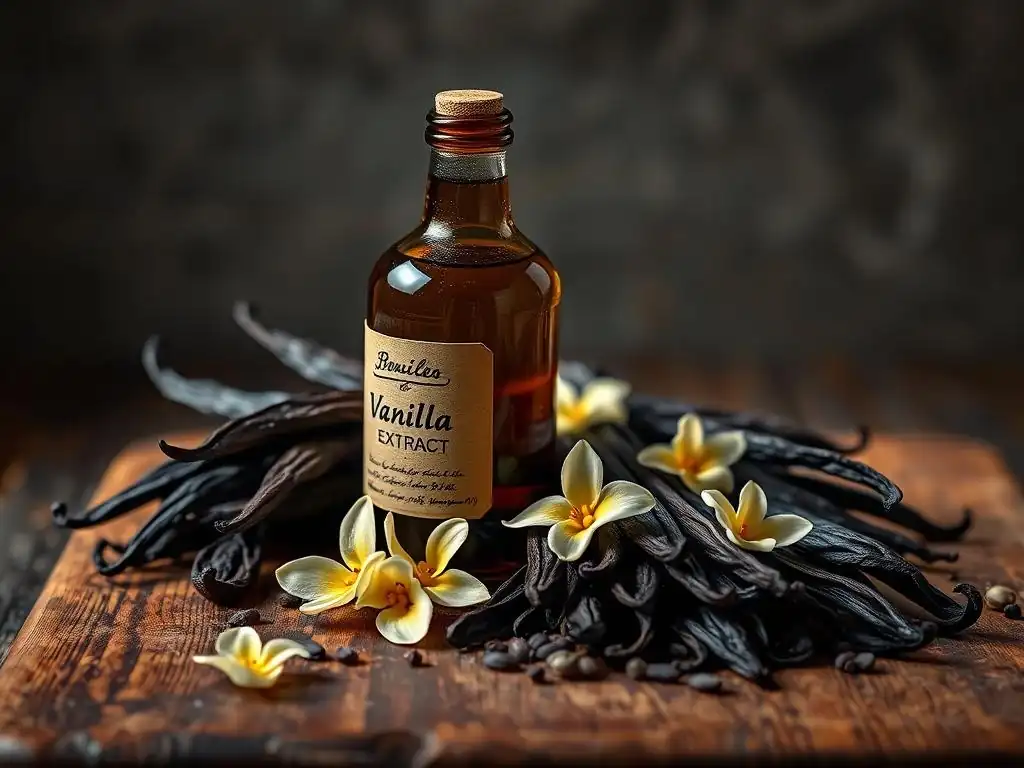
The distinction between Grade A (Gourmet) and Grade B (Extract) vanilla beans is primarily based on moisture content, appearance, and vanillin levels. Grade A beans have a moisture content typically between 25-30%, are plump, oily, and pliable, making them easy to split and scrape. They have a high concentration of vanillin and other flavor compounds, delivering intense aroma and complex flavor when used directly. Their premium quality demands a higher price, often 50-100% more than Grade B beans per pound.
Grade B beans have a lower moisture content, often 15-20%, and may be drier, less visually perfect, or broken. While they contain less vanillin than Grade A, they can sometimes have a higher concentration of other flavor compounds due to the curing process. Crucially, they are significantly less expensive.
They are perfect for making homemade extract or vanilla sugar because the extraction process doesn't rely on the bean's pliability and effectively pulls out the available flavor compounds. For recipes where you're infusing liquid and straining out solids, like simple syrups, Grade B can also be a cost-effective choice. This cost difference is central to the economic comparison of vanilla bean extract vs. bean.
Extract Grades: Single-Fold vs. Double-Fold Strength
Vanilla extract concentration is typically measured in "folds." Single-fold is the standard, meeting the FDA requirement of 13.35 ounces of beans per gallon. Double-fold extract uses twice that amount – 26.7 ounces of beans per gallon – resulting in a much more potent product. This increased concentration means you need less double-fold extract to achieve the same vanilla flavor intensity as single-fold.
While a bottle of double-fold extract will cost significantly more than the same size bottle of single-fold, it can be more economical in the long run for bakers who use a lot of vanilla, as they use less per recipe. For example, a recipe calling for 1 teaspoon of single-fold might only need ½ teaspoon of double-fold.
Professional bakers often prefer double-fold for its strength and efficiency, especially in recipes where minimizing added liquid is important, like delicate meringues or ganaches. This distinction is a key part of understanding the cost-effectiveness of different types of vanilla bean extract vs. bean preparations.
Organic vs. Conventional Vanilla: Price and Ethical Considerations
Organic vanilla beans and extract are produced without synthetic pesticides or fertilizers, following specific organic farming standards. This often involves more labor-intensive practices, and organic certification adds administrative costs. As a result, organic vanilla products typically carry a higher price tag compared to conventionally grown vanilla. The flavor difference between organic and conventional vanilla of the same origin and grade is often minimal or imperceptible to most palates, as the unique flavor comes more from the bean's genetics, terroir, and curing process.
However, choosing organic vanilla goes beyond taste and price for many bakers. It often reflects a preference for sustainable farming practices and supporting farmers who avoid potentially harmful chemicals. Some consumers also believe organic methods result in a purer product. Similarly, fair trade certified vanilla ensures that farmers receive a fair price for their crop, often involving premiums used for community development. While these ethical considerations add to the cost of vanilla bean extract vs. bean, they represent value beyond just the flavor and price per ounce.
Choosing Vanilla: Bean or Extract?
Budget-Friendly Baking: Extract as a Viable Option
For bakers keeping a close eye on expenses, pure vanilla extract is generally the most budget-friendly way to incorporate authentic vanilla flavor into baked goods. While not cheap compared to artificial alternatives, a standard 4-ounce bottle of pure extract, costing perhaps $10-$20, contains enough vanilla power for dozens of recipes, often lasting for months or even years in a home kitchen. Using even a single vanilla bean, which might cost $5-$10 or more, for one recipe can quickly add up.
Extract provides reliable, consistent flavor that is perfectly suitable for everyday baking. In recipes like chocolate chip cookies, muffins, or quick breads where vanilla plays a supporting role, the subtle nuances of a whole bean might be lost anyway. Opting for a good quality pure vanilla extract allows bakers to achieve delicious results without the significant upfront and per-use cost associated with whole beans. This makes extract a highly viable and practical option for budget-conscious bakers comparing vanilla bean extract vs. bean costs.
For special occasions, gourmet recipes, or instances where vanilla is the dominant flavor, the higher cost of vanilla beans can often be justified by the superior flavor and aroma they impart. Using a whole bean introduces the full spectrum of flavor compounds, resulting in a richer, more complex, and authentic vanilla taste that is noticeably different from extract. The visual appeal of vanilla seeds in dishes like crème brûlée or ice cream also adds a premium touch that extract cannot replicate.
Consider a recipe like homemade vanilla ice cream or a classic French vanilla custard. These dishes rely heavily on the quality of the vanilla. Using a plump, fragrant Grade A vanilla bean will elevate these recipes to a level that extract simply cannot reach, making the increased cost worthwhile for those seeking the ultimate vanilla experience. For passionate bakers aiming for professional-level results or wanting to highlight the pure essence of vanilla, the investment in quality beans is often seen as essential, despite the higher price point when comparing vanilla bean extract vs. bean directly.
Recipes That Highlight Vanilla Bean Flavour
Certain recipes are particularly well-suited to showcasing the unique qualities of vanilla beans. These are typically recipes with minimal other strong flavors, allowing the subtle complexities of the bean to come through. Examples include:
- Crème brûlée: The classic use case. Vanilla seeds suspended in a rich custard, caramelized sugar on top.
- Panna Cotta: A simple, elegant Italian dessert where vanilla is a primary flavor.
- Vanilla Ice Cream: Using scraped seeds and pod infused into the base creates unparalleled flavor and texture.
- Pastry Cream (Crème Pâtissière): Used in tarts and éclairs, vanilla bean adds depth and visual appeal.
- Simple Syrups or Infused Sugars: Infusing a split bean into sugar or syrup imparts wonderful flavor for drinks or other uses.
In these applications, the difference between using a whole bean and extract is often quite noticeable to discerning palates. While you can substitute extract, the result will lack the layered complexity and visual signature that makes these vanilla-centric desserts truly special. This is where the higher cost of vanilla bean extract vs. bean is most easily justified by the resulting flavor profile.
Optimizing Your Vanilla Budget
Sourcing High-Quality Vanilla
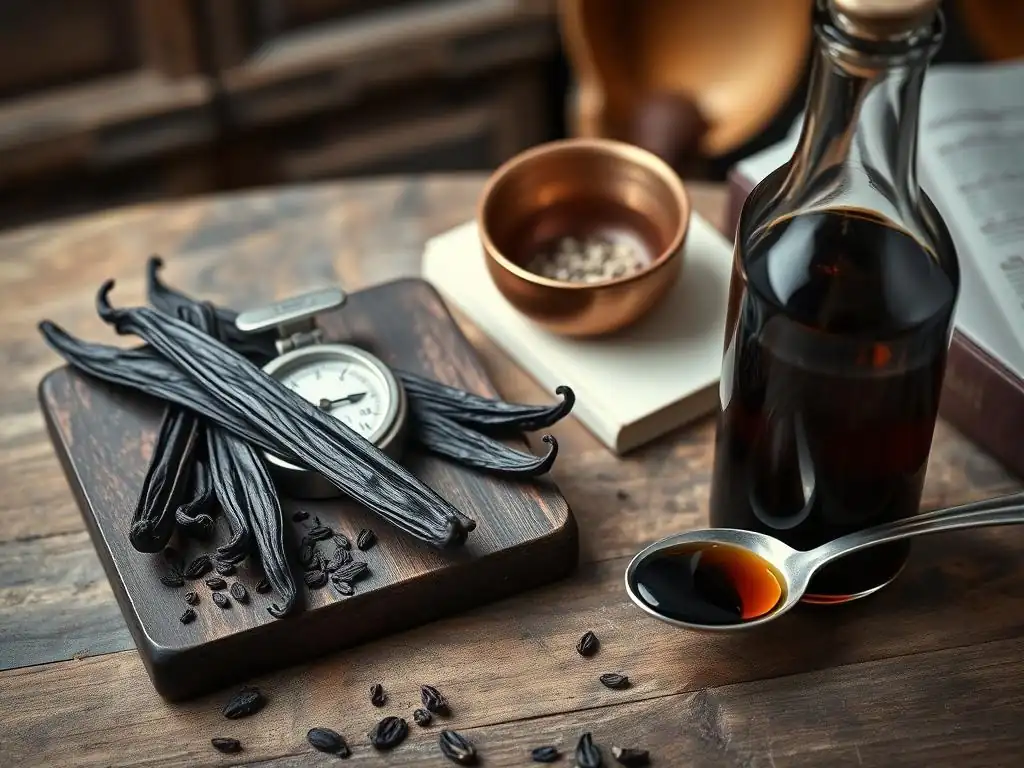
Regardless of whether you choose beans or extract, sourcing high-quality vanilla is essential for the best flavor. For vanilla beans, look for beans that are plump, moist, oily, and pliable (for Grade A) or dry but still fragrant (for Grade B). They should have a strong, sweet aroma. Avoid beans that are brittle, moldy, or have a weak scent. Purchasing from reputable suppliers who specialize in vanilla can make a difference in quality and freshness. Prices can vary significantly between suppliers, so shopping around is wise.
For vanilla extract, always opt for "pure vanilla extract" and check the ingredients list. It should only contain vanilla bean extractives, water, and alcohol. Avoid "imitation vanilla extract," which is made with synthetic vanillin. While more expensive, premium pure extracts often use higher quality beans or different bean origins, resulting in superior flavor. Comparing vanilla bean extract vs. bean prices should also involve comparing quality within each category.
Making Homemade Vanilla Extract
One excellent way to optimize your vanilla budget and control quality is by making your own vanilla extract. This is particularly cost-effective if you use Grade B vanilla beans, which are significantly cheaper than Grade A.
The process is simple: chop or split Grade B beans and steep them in a food-grade alcohol (like vodka, rum, or bourbon) with an alcohol content of at least 35%. The standard ratio for single-fold is 13.35 ounces of beans per gallon of alcohol, but for home use, a common ratio is about 1 ounce of beans per cup (8 fl oz) of alcohol.
Task List: Making Homemade Extract
- [ ] Gather supplies: Grade B vanilla beans, food-grade alcohol (35%+ ABV), clean glass jar with airtight lid.
- [ ] Split or chop vanilla beans.
- [ ] Place beans in the jar.
- [ ] Pour alcohol over beans, ensuring they are fully submerged.
- [ ] Seal the jar tightly.
- [ ] Store in a cool, dark place.
- [ ] Shake the jar gently once a week for the first month.
- [ ] Allow to steep for at least 6-12 months for optimal flavor.
While it requires patience, homemade extract allows you to use less expensive beans and customize the alcohol base, potentially saving money compared to buying equivalent quality extract commercially. This DIY approach shifts the cost equation of vanilla bean extract vs. bean.
Vanilla Bean Paste: A Versatile Option
Vanilla bean paste offers a convenient middle ground between using whole beans and extract. It's typically made from concentrated vanilla extract and ground vanilla bean seeds, often thickened with a natural gum. This provides the intense flavor of extract along with the visual appeal of the seeds, without the need to split and scrape individual beans.
Vanilla bean paste is often priced between pure extract and whole beans. A small jar might cost similar to a bottle of extract but can be used in smaller quantities for equivalent flavor due to its concentration. It's particularly useful in recipes where you want the appearance of seeds but the ease of an extract, such as frostings, ice cream, or batters. It integrates easily and provides a lovely speckled appearance. When considering vanilla bean extract vs. bean options, paste is a versatile choice worth exploring for both flavor and convenience.
The Future of Vanilla: Sustainability and Trends
Challenges in Vanilla Bean Production
Vanilla production faces significant challenges that impact its price and availability. The vanilla orchid is notoriously difficult to cultivate. Most varieties require hand-pollination within a narrow window of time, a labor-intensive process. The vines take several years to mature and produce beans, and the curing process after harvest is lengthy and requires considerable skill. These factors contribute to high production costs.
Furthermore, vanilla-growing regions, particularly Madagascar, are susceptible to extreme weather events like cyclones, which can wipe out crops and cause prices to skyrocket. Disease and theft are also ongoing issues for farmers. The complex and vulnerable supply chain means that the price of vanilla bean extract vs. bean is subject to considerable volatility, making it one of the most expensive spices in the world by weight. Ensuring fair compensation for farmers is also a challenge, as price fluctuations can severely impact their livelihoods.
Synthetic Vanilla: A Cost-Effective Alternative?
Given the high cost and volatility of natural vanilla, synthetic vanillin is widely used in the food and fragrance industries. It is significantly cheaper to produce than natural vanilla extract, costing only a fraction of the price. Synthetic vanillin provides the primary aromatic compound found in vanilla but lacks the hundreds of other trace compounds that contribute to the complex flavor of natural vanilla.
While suitable for many mass-produced products where a basic vanilla flavor is desired, synthetic vanilla cannot replicate the depth and richness of pure vanilla. For bakers prioritizing authentic flavor, especially in premium goods, synthetic vanilla is not a substitute for pure vanilla bean extract vs. bean. However, its low cost makes it an economically attractive option for manufacturers and consumers where budget is the primary concern, influencing the overall demand and market dynamics for natural vanilla.
Supporting Sustainable Vanilla Farming
For bakers who care about the source of their ingredients, supporting sustainable and ethical vanilla farming practices is becoming increasingly important. This can involve purchasing vanilla beans or extract certified as Fair Trade or organic, or buying directly from suppliers who work closely with vanilla farming communities. Sustainable practices help ensure the long-term viability of vanilla production, protect ecosystems, and improve the lives of farmers.
While sustainable and ethically sourced vanilla may come at a higher price point, it contributes to a more stable and equitable supply chain. As consumers become more aware of the origins of their food, demand for responsibly sourced vanilla is growing. Choosing to pay a little extra for vanilla that supports these practices is a way for bakers to make a positive impact, adding a layer of value beyond the immediate cost comparison of vanilla bean extract vs. bean.
Frequently Asked Questions
What are the primary differences between using vanilla bean extract and whole vanilla beans in baking?
Vanilla bean extract is a convenient liquid made by steeping vanilla beans in alcohol, offering a consistent flavor. Whole vanilla beans provide a more intense and complex flavor due to the bean's oils and seeds. The bean is more raw.
Why is there often a price difference between vanilla bean extract and using vanilla beans directly?
The price difference stems from the processing and concentration involved in making extract. Whole vanilla beans require more labor-intensive harvesting and curing, impacting their final cost.
Which option, vanilla bean extract or whole beans, is generally considered more cost-effective for everyday baking?
For everyday baking, vanilla bean extract is usually more cost-effective. Whole vanilla beans are often reserved for recipes where their superior flavor truly shines.
How does the quality of vanilla beans or the concentration of vanilla bean extract affect the final cost?
Higher quality vanilla beans or concentrated extracts will naturally cost more. The grade of the bean and the extraction method dramatically impact the price.
Are there any alternatives to vanilla bean extract and whole vanilla beans, and how do their costs compare?
Vanilla paste and vanilla powder are alternatives. Vanilla paste can be similarly priced to high-quality extract, while vanilla powder is often the most economical option but has a slightly different flavor profile.
Final Reflection: The Enduring Allure and Unexpected Cost of True Vanilla
The disparity between vanilla bean and extract prices isn't just a matter of convenience; it's a stark reflection of the complex agricultural realities and global market forces shaping the cost of our favorite flavor. This seemingly simple comparison reveals a deeper story about sustainability, labor practices, and the true value we place on quality ingredients.
The journey from bean to bottle, as explored in this article, highlights the significant difference in both taste and cost between pure vanilla bean and its extract counterpart. This difference isn't merely about economics; it speaks volumes about our consumer choices and their impact on the environment and the people involved in vanilla production. The best things in life are worth fighting for,
and the rich, complex flavor of true vanilla bean is a testament to that. The price reflects not only the labor involved but also the time and care needed to cultivate this precious spice.
Consider the implications of your next baking project. Will you opt for the convenience and lower cost of extract, or will you invest in the superior flavor and support the sustainable practices associated with whole vanilla beans? The choice is yours, but understanding the journey from bean to bottle empowers you to make a more informed and impactful decision. Let the aroma of genuine vanilla inspire you to explore the stories behind your ingredients and appreciate the true cost of flavor.
Unlock Your Baking Potential: Vanilla Wisdom Awaits!
Thanks for diving deep into the world of vanilla with us! We hope you now feel empowered to make informed decisions about your baking ingredients. Ready to put your new knowledge into action?
- Elevate your next recipe: Experiment with high-quality vanilla bean paste in your favorite cookies or cake, and taste the difference! Note the subtle nuances and superior flavor profile.
- Share your vanilla experiences: Tell us about your favorite vanilla-infused recipes or your biggest vanilla-related baking win in the comments below! Let's inspire each other.
- Explore our Vanilla Recipe Collection: Discover new ways to use vanilla bean in your baking. We have a growing selection of recipes to suit every skill level.
What's your favorite way to incorporate vanilla into your baking, and what are you baking next?