
Adding Fillings to Viennoiseries: Beyond Almond and Raisin

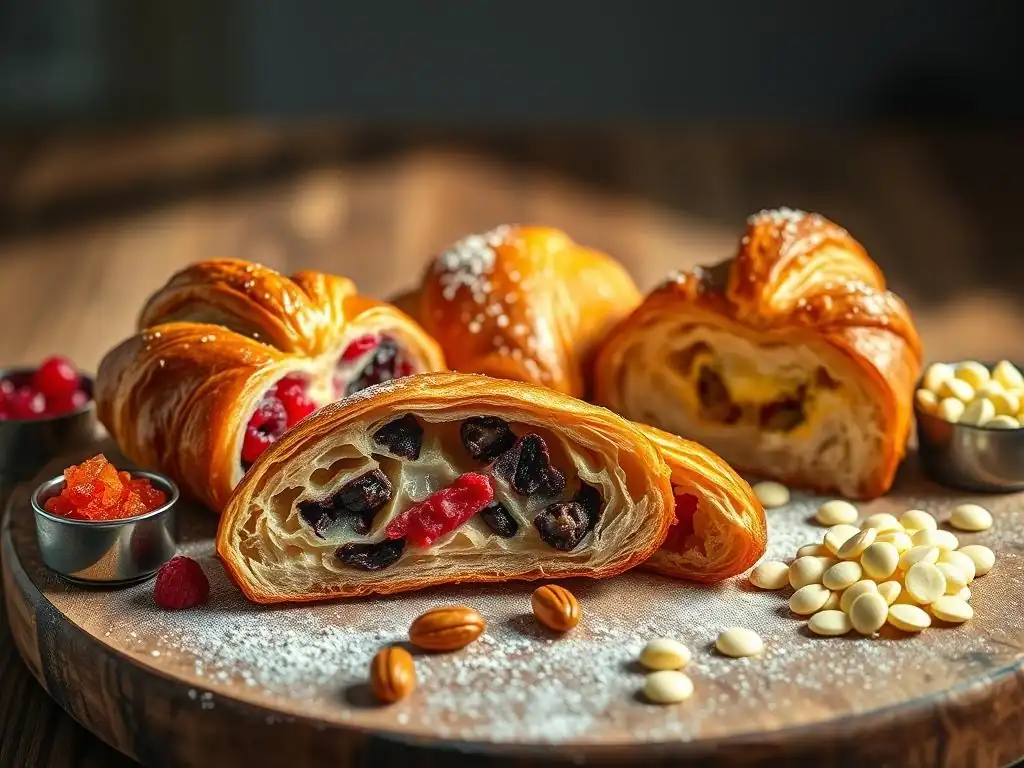
Welcome to BakeWithEase, your partner in crafting irresistible treats! Ever wondered how to elevate your viennoiseries beyond the classic almond and raisin? Dive into our latest guide to discover easy viennoiseries filling recipes that will transform your pastries into culinary masterpieces. We're unveiling secrets for creating innovative and delectable fillings that will impress your family and friends. Get ready to explore a world of flavor and take your baking skills to the next level – the journey starts here!
- Enhancing Viennoiseries: Creative and Flavorful Fillings
- Introduction to Elevated Viennoiseries Fillings
- Mastering Viennoiseries Fillings: Recipes for Every Baker
- Sweet Viennoiseries Filling Ideas: Indulgent Delights
- Savory Viennoiseries Filling Recipes: Adding a Unique Twist
- Fruity Viennoiseries Filling Options: Fresh and Vibrant
- Tips for Perfect Viennoiseries Fillings
- Troubleshooting Viennoiseries Filling Issues
- Storing and Serving Filled Viennoiseries
- Conclusion: Elevating Your Viennoiseries with Creative Fillings
-
Frequently Asked Questions
- What are some unconventional fillings I can use for viennoiseries besides almond and raisin?
- How do I prevent my viennoiseries filling from leaking during baking?
- Can I use pre-made fillings for my viennoiseries to save time?
- What is the best way to incorporate a filling into a croissant or pain au chocolat?
- How do I adjust baking times and temperatures when using different fillings in my viennoiseries?
- Final Reflection: Expanding the Viennoiserie Landscape
- Unleash Your Inner Pâtissier: Elevate Your Viennoiserie Game!
Enhancing Viennoiseries: Creative and Flavorful Fillings
Introduction to Elevated Viennoiseries Fillings
Moving Beyond Traditional Fillings: Exploring New Flavors
Viennoiseries, like croissants and pains au chocolat, are beloved for their flaky, buttery layers. While the classics like almond paste and simple chocolate batons are timeless, the world of fillings offers an exciting opportunity to elevate these pastries to new heights. Expanding beyond traditional options allows bakers to introduce vibrant flavors, unique textures, and surprising combinations that can transform a familiar pastry into a novel treat. This exploration is perfect for those looking to add a signature touch to their baking repertoire or simply satisfy a craving for something different.
Venturing into new fillings means considering how different flavor profiles interact with the rich, slightly sweet, and often yeasted dough. Think about fillings that offer a contrast – perhaps something tangy against the buttery richness, or something spiced to add warmth. It's also about the visual appeal; a vibrant fruit filling or a rich, dark ganache peeking out from a golden crust is incredibly enticing. Exploring new and easy viennoiseries filling recipes can open up a whole new dimension of baking possibilities right in your own kitchen.
Balancing Flavor and Texture: Choosing the Right Filling
Selecting the perfect filling isn't just about taste; it's critically about how the filling's texture interacts with the delicate structure of the viennoiserie dough. A filling that is too wet can make the pastry soggy, while one that is too stiff might prevent the layers from puffing up correctly. The ideal filling should complement the flaky texture, adding moisture and flavor without compromising the crispness of the crust. This often means fillings need to be cooked or thickened to a specific consistency before being added to the raw dough.
Consider the baking process: fillings will heat up and potentially spread or bubble. Therefore, the consistency needs to be stable enough to remain contained within the pastry folds or pockets. For instance, a runny jam needs to be reduced or thickened with a starch, while a chocolate filling might benefit from being in ganache or solid form rather than liquid. Achieving this balance is key to successful filled viennoiseries, ensuring every bite offers both the desired flavor and the characteristic delightful crunch and tenderness of the pastry.
Mastering Viennoiseries Fillings: Recipes for Every Baker
Understanding Dough and Filling Interactions for Optimal Results
The magic of viennoiseries lies in the layers of dough and butter that puff up during baking, creating an airy, flaky interior. Introducing a filling adds complexity to this process. The moisture content of the filling is paramount; excess moisture can steam the surrounding dough, inhibiting lamination and resulting in a dense, gummy texture instead of light, crisp layers. Fillings high in sugar can also caramelize and potentially burn if exposed directly to high heat, or draw moisture out of the dough, affecting its structure.
Temperature also plays a role. Cold fillings are often easier to work with when assembling the pastries, as they are less likely to spread before baking. However, they need to reach a sufficient temperature during baking to become soft and gooey (like chocolate) or fully set (like pastry cream). Understanding these interactions helps in selecting the right filling types and preparing them correctly, ensuring your easy viennoiseries filling recipes yield perfect results every time. For example, chilling a ganache filling before use helps it hold its shape during assembly.
Flavor Profiles: Sweet, Tangy, and Spiced Fillings
The world of viennoiseries fillings is vast, encompassing a spectrum of flavors from intensely sweet to surprisingly savory. Sweet fillings are the most traditional, ranging from rich chocolate and caramel to fruit-based options. Tangy fillings, such as those made with citrus or certain berries, offer a delightful contrast to the buttery dough, cutting through the richness and adding brightness. Spiced fillings, incorporating ingredients like cinnamon, cardamom, or ginger, can add warmth and complexity, particularly appealing in cooler months.
When developing easy viennoiseries filling recipes, consider the overall flavor harmony. A delicate pastry might be overwhelmed by an intensely strong filling, while a robust dough can stand up to bolder flavors. For instance, a classic croissant pairs beautifully with a simple vanilla bean pastry cream, allowing the subtle flavors of the butter and dough to shine. A heartier pain de mie dough used for specific types of viennoiseries might handle a more assertive caramelized onion and cheese filling. Experimenting with these profiles is part of the fun!
Sweet Viennoiseries Filling Ideas: Indulgent Delights
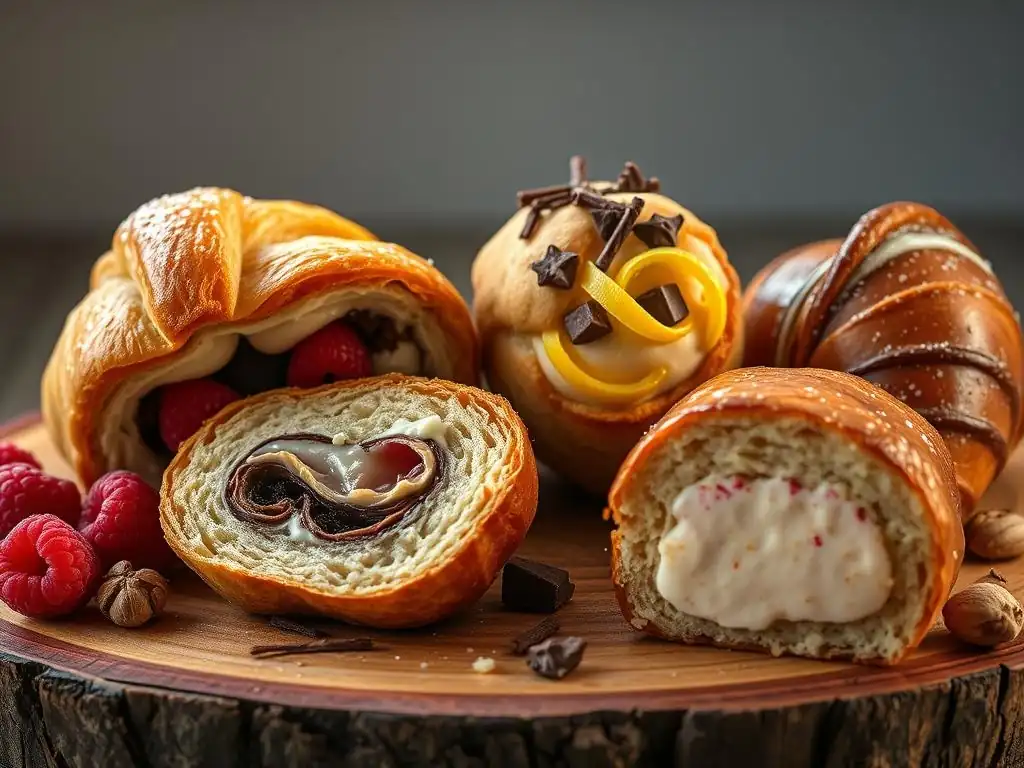
Dark Chocolate Ganache Filling: Rich and Decadent
A dark chocolate ganache filling is a luxurious upgrade for any viennoiserie, offering deep, intense chocolate flavor that melts beautifully when warm. A standard ganache ratio often involves equal parts by weight of good quality dark chocolate (around 60-70% cacao) and hot heavy cream. For a filling that sets firmly enough to work with in raw dough but melts gorgeously when baked, a ratio closer to 2 parts chocolate to 1 part cream can be beneficial, or adding a small amount of butter for richness and smoothness.
To prepare, finely chop the chocolate and place it in a heatproof bowl. Heat the heavy cream just until it simmers, then pour it over the chocolate. Let it sit for a minute or two to allow the chocolate to melt, then whisk gently from the center outwards until smooth and emulsified.
Allow the ganache to cool at room temperature until it thickens to a spreadable or pipeable consistency – this can take 1-2 hours, or be sped up slightly in the refrigerator, stirring occasionally. Using about 15-20 grams (approximately 1 tablespoon) of chilled ganache per small pain au chocolat or croissant is usually sufficient to provide a rich burst of flavor without overwhelming the pastry or causing excessive leakage during baking.
Lemon Curd Filling: Bright and Tangy
Lemon curd provides a wonderfully bright, tangy contrast to the richness of viennoiserie dough, making for a refreshing pastry perfect for brunch or a light dessert. A classic lemon curd recipe typically involves lemon juice, sugar, eggs, and butter, cooked gently until thick. For a filling, ensuring the curd is quite thick is crucial to prevent it from running out during baking. This can be achieved by cooking it longer or using a slightly higher proportion of egg yolks.
To make a suitable filling consistency, combine about 1/2 cup lemon juice, 1/2 cup sugar, 2 large eggs, and 2 large egg yolks in a saucepan. Whisk constantly over medium-low heat until the mixture thickens enough to coat the back of a spoon (reaching about 170°F or 77°C). Remove from heat and whisk in 4 tablespoons of cold, unsalted butter, cut into pieces, until melted and smooth. Chill the curd thoroughly before using it as a filling. A tablespoon or so per pastry adds a zesty punch that balances the buttery layers beautifully.
Vanilla Bean Pastry Cream Filling: Classic Elegance
Vanilla bean pastry cream (crème pâtissière) is a quintessential filling for many pastries, and its smooth, creamy texture and classic vanilla flavor pair exquisitely with viennoiseries. Made from milk, sugar, egg yolks, flour or cornstarch, and vanilla, it needs to be cooked to a thick, stable consistency to work well within laminated doughs. Using cornstarch often results in a more stable cream suitable for baking inside pastries.
To prepare, heat 2 cups of milk with a split vanilla bean (scraped) until just simmering. In a separate bowl, whisk together 4 large egg yolks, 1/2 cup sugar, and 1/4 cup cornstarch until pale. Temper the hot milk into the egg mixture gradually, then return the mixture to the saucepan. Cook over medium heat, whisking constantly, until the cream thickens considerably and bubbles for about 30-60 seconds (this activates the starch).
Remove from heat, stir in a tablespoon of butter if desired for extra richness, and strain into a clean bowl. Cover the surface directly with plastic wrap to prevent a skin from forming and chill completely. This thick, chilled cream is easy to pipe or spoon into pastries, providing a luxurious, creamy center.
Brown Butter Pecan Filling: Nutty and Aromatic
A brown butter pecan filling offers a warm, nutty, and aromatic twist, reminiscent of pecan pie but with a more refined texture suitable for viennoiseries. Browning the butter before combining it with pecans, sugar, and perhaps a touch of spice like cinnamon deepens the flavor profile significantly. The key is to create a filling that is cohesive enough to stay put but melts slightly to become gooey and fragrant during baking.
Start by browning about 4 tablespoons of unsalted butter in a saucepan over medium heat until it turns amber and smells nutty – this usually takes 5-7 minutes. Be careful not to burn it. Remove from heat and stir in about 1/2 cup finely chopped pecans, 1/4 cup brown sugar, and a pinch of salt and cinnamon.
Allow this mixture to cool and thicken slightly. Some bakers add a tablespoon of flour or a whisked egg yolk to bind it further. This filling works wonderfully rolled into dough or dolloped into pockets, providing a delightful crunch and rich flavor that complements the buttery pastry layers.
Savory Viennoiseries Filling Recipes: Adding a Unique Twist
Prosciutto and Parmesan Filling: Italian Inspired
Adding a savory filling transforms viennoiseries from a breakfast pastry into a sophisticated snack or light meal option. An Italian-inspired prosciutto and Parmesan filling brings salty, savory depth and a wonderful aroma. The key here is to use ingredients that won't release too much moisture. Finely diced prosciutto and grated hard cheese like Parmesan work well because they aren't excessively wet.
Combine about 2 ounces of finely diced prosciutto (crisped slightly in a pan first if desired for texture) with 1/4 cup of finely grated Parmesan cheese and perhaps a sprinkle of black pepper or dried herbs like oregano. This mixture can be folded into the dough or placed as a strip before rolling. During baking, the prosciutto crisps slightly and the Parmesan melts, creating pockets of salty, cheesy goodness within the flaky layers. This easy viennoiseries filling recipe offers a delightful departure from the usual sweet options.
Caramelized Onion and Goat Cheese Filling: Sophisticated Flavors
Caramelized onions and goat cheese create a classic pairing that translates beautifully into a savory viennoiserie filling. The sweetness of the slow-cooked onions combined with the tangy creaminess of goat cheese is incredibly satisfying. It's crucial to caramelize the onions thoroughly until they are soft, deeply colored, and sweet, and to drain off any excess moisture.
Slowly cook about 1 cup of thinly sliced onions in a tablespoon of butter or olive oil over low heat for 20-30 minutes, stirring occasionally, until deeply golden and soft. Let them cool completely. Crumble about 2-3 ounces of soft goat cheese and gently mix it with the cooled caramelized onions. A touch of fresh thyme or rosemary can enhance the flavor. Use about a tablespoon of this mixture per pastry, ensuring the onions are well-drained. The goat cheese melts into creamy pockets while the onions add a sweet, savory depth to the buttery pastry.
For a luxurious, brunch-ready viennoiserie, a filling of smoked salmon and dill cream cheese offers a distinct Scandinavian-inspired flavor profile. The richness of the smoked salmon pairs wonderfully with the tangy, herb-infused cream cheese. Like other savory fillings, managing moisture is key. Using a firm cream cheese and finely chopping the salmon helps.
In a bowl, combine about 3 ounces of finely chopped smoked salmon with 1/4 cup of softened cream cheese (full-fat works best for stability). Stir in 1-2 tablespoons of fresh chopped dill, a squeeze of lemon juice, and a pinch of black pepper. Mix until just combined – avoid overmixing. Chill the mixture slightly to firm it up before using. This filling is best used in pastries shaped to contain it well, such as swirls or enclosed parcels. The flavors are vibrant and sophisticated, turning a simple pastry into something special.
Fruity Viennoiseries Filling Options: Fresh and Vibrant
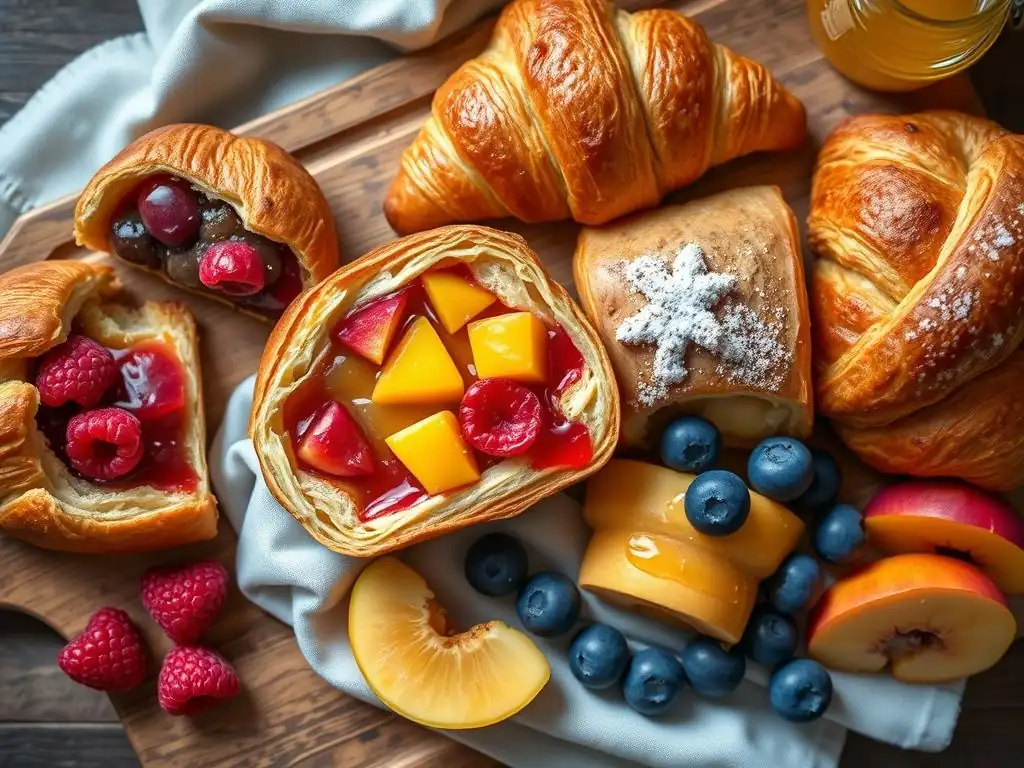
Strawberry Rhubarb Filling: Tart and Sweet
Strawberry rhubarb is a classic combination that brings together the sweetness of strawberries with the tartness of rhubarb, creating a vibrant and balanced filling. For viennoiseries, it's essential to cook the fruit down into a thick compote or jam-like consistency to prevent the filling from being too watery. Adding a thickener like cornstarch or flour is also recommended.
Combine about 1 cup of chopped strawberries and 1 cup of chopped rhubarb with 1/4 cup sugar (adjust to taste depending on sweetness of fruit) and 1 tablespoon of cornstarch or flour in a saucepan. Cook over medium heat, stirring frequently, until the fruit softens and the mixture thickens into a glossy compote – this usually takes 8-10 minutes. Allow to cool completely before using. The tartness of the rhubarb cuts through the richness of the pastry, while the strawberries add sweetness and a lovely color. Using about 1-1.5 tablespoons per pastry provides a burst of fresh flavor.
Apricot Almond Filling: Aromatic and Delicate
Apricot and almond is a harmonious pairing, offering a delicate sweetness and aromatic nutty notes. This filling can be made using apricot jam or dried apricots, combined with almond paste or ground almonds. Using apricot jam is simpler and provides a smooth texture, while dried apricots cooked down offer a more intense flavor.
If using jam, gently warm about 1/2 cup of good quality apricot jam to make it spreadable. Stir in 2-3 tablespoons of almond paste (or finely ground almonds mixed with a little sugar and egg white) and a splash of almond extract. If using dried apricots, simmer 1/2 cup of chopped dried apricots with a few tablespoons of water until soft, then mash or blend into a coarse paste.
Stir in the almond paste/ground almonds and almond extract. Ensure the filling is cool and thick enough before using. This easy viennoiseries filling recipe is less common than classic almond, offering a subtle fruity background to the nutty notes.
Cherry Pistachio Filling: Rich and Festive
Cherries and pistachios offer a rich, slightly festive flavor combination that works wonderfully in viennoiseries. The deep flavor of cherries (fresh or frozen, cooked into a compote) pairs well with the unique, slightly sweet flavor and vibrant green color of pistachios. Again, cooking the cherries to a thick consistency is key.
Cook about 1.5 cups of pitted cherries (fresh or frozen) with 1/4 cup sugar and 1 tablespoon cornstarch over medium heat until thickened, about 10-12 minutes. Stir in 1/4 cup of chopped unsalted pistachios and a splash of almond extract (optional). Allow the filling to cool completely. The cooked cherries provide a lovely, slightly tart sweetness and moisture, while the pistachios add texture and a complementary nutty flavor. This filling is visually appealing and offers a delightful taste experience.
Tips for Perfect Viennoiseries Fillings
Preparing Fillings: Consistency and Flavor Development
The consistency of your filling is paramount for successful filled viennoiseries. It needs to be thick enough to stay contained within the dough during shaping and baking, but not so dry that it becomes hard or crumbly. For fruit fillings, cooking them down significantly and using a thickener like cornstarch (typically 1-2 tablespoons per cup of fruit) is crucial. Cream-based fillings like pastry cream must be cooked until very thick and then thoroughly chilled. Aim for a consistency similar to thick yogurt or soft paste when cool.
Flavor development often happens during the cooking process. For fruit fillings, simmering concentrates the flavors. For ganache, the quality of the chocolate is key. Savory fillings benefit from pre-cooking ingredients like onions or meats to deepen their taste. Always taste and adjust seasonings before filling the pastries. Remember that flavors can change slightly during baking, often becoming more intense or sweeter.
Incorporating Fillings: Techniques for Success
How you incorporate the filling depends on the shape of the viennoiserie. For croissants, a strip of filling is typically placed along the wide edge before rolling. For pain au chocolat, solid pieces of chocolate are traditional, but a thick ganache or paste can also be used as a strip. Swirls or escargots often involve spreading a filling over the dough before rolling and slicing. Pockets or turnovers require placing a dollop of filling in the center of a dough square or circle before folding and sealing.
- Ensure fillings are cool and firm, especially softer ones like ganache or pastry cream.
- Do not overfill the pastries. Using about 1-2 tablespoons of filling per standard-sized pastry is a good guideline.
- Leave a border around the edges when spreading or placing filling to ensure a good seal.
- Pinch seams firmly to prevent leakage during proofing and baking.
Baking: Time and Temperature Adjustments for Filled Viennoiseries
Baking filled viennoiseries requires careful attention to time and temperature, as the filling introduces variables that can affect how the pastry cooks. Standard baking temperatures for viennoiseries are often around 375-400°F (190-200°C). However, a filling can absorb heat, potentially requiring a slightly longer baking time compared to unfilled pastries to ensure the dough is fully cooked and the layers are crisp.
Monitor the pastries closely during baking. The tops should be golden brown, and the layers should appear fully separated and flaky. If the filling is prone to bubbling or leaking, placing the pastries on parchment paper can help with cleanup. For fillings like cheese or fruit, you might see some bubbling, which is normal, but excessive leakage indicates either overfilling or an issue with sealing. A typical baking time for a medium-sized croissant or pain au chocolat is 15-20 minutes. Filled versions might take an extra minute or two.
Troubleshooting Viennoiseries Filling Issues
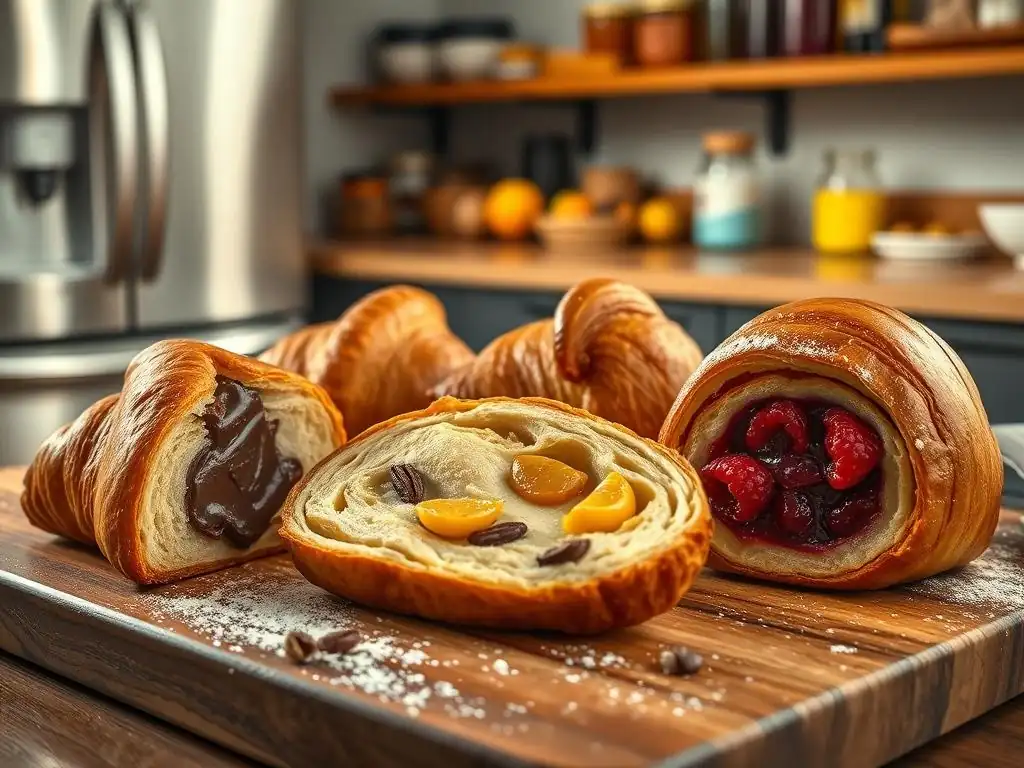
Preventing Filling Overflow During Baking
Filling overflow is a common frustration. It happens when the filling expands or becomes too liquid during baking and bursts through the pastry seams or layers. The primary culprits are usually a filling that is too wet, using too much filling, or not sealing the pastries properly.
To prevent overflow:
- Thicken your filling adequately before use (e.g., cook fruit fillings longer, use enough starch in pastry cream, ensure ganache is firm).
- Measure your filling – stick to the recommended 1-2 tablespoons per pastry.
- Ensure edges are clean before sealing; flour or butter on the edges can prevent a good seal.
- Press seams together firmly, potentially using a fork to crimp edges on turnovers or pockets.
- Chill assembled pastries briefly before baking (15-20 minutes in the freezer) to help the filling firm up and the dough structure set.
Achieving Optimal Filling Texture and Consistency
Sometimes, fillings don't turn out as expected after baking – perhaps a fruit filling is too runny, or a cream filling is grainy. Achieving the right texture involves careful preparation of the filling itself. For cooked fillings like fruit compotes or pastry cream, ensuring they reach the correct temperature and thickness during the initial cooking phase is vital. Underc ooking starches, for example, will result in a runny cream.
If a filling is too thick, it can be difficult to incorporate smoothly and might not distribute well during baking. This can often be adjusted by adding a small amount of liquid (like milk, cream, or fruit juice) before filling the pastries, being careful not to make it too wet. If a filling becomes grainy (common with pastry cream), it might be due to overcooking or insufficient whisking; sometimes a quick blitz with an immersion blender after cooking and chilling can help, but prevention during cooking is best.
Avoiding Soggy Crusts: Maintaining Crispness
A soggy bottom or overall soft crust is often a result of excess moisture migrating from the filling into the dough during proofing or baking. This is especially problematic with very wet fillings or when pastries are over-proofed. The goal is to keep the dough's layers distinct and dry enough to crisp up in the oven.
Strategies to avoid soggy crusts:
- Use fillings that are as thick and low-moisture as possible.
- Ensure fillings are completely cool before placing them in the raw dough.
- Avoid placing too much filling in direct contact with the bottom layer of dough.
- Do not over-proof filled pastries; the longer they proof, the more time moisture has to transfer.
- Bake at the correct temperature (usually relatively high) to ensure the dough cooks quickly and the layers set before moisture has a chance to penetrate too deeply.
Storing and Serving Filled Viennoiseries
Best Practices for Storing: Maintaining Freshness
Proper storage is key to keeping your delicious filled viennoiseries fresh and maintaining their texture. Once baked and cooled completely, they are best stored at room temperature in an airtight container for 1-2 days. The enemy of crispness is moisture, so an airtight container protects them from drying out while also preventing them from absorbing excess humidity from the air.
For longer storage, viennoiseries can be frozen. Once fully cooled, wrap them individually in plastic wrap, then place them in a freezer-safe bag or container. They can be stored in the freezer for up to 1-2 months. Freezing is particularly effective for preserving the quality of the filling and the pastry structure. When ready to enjoy, they should be thawed properly before reheating.
Reheating Techniques: Restoring Texture and Flavor
Reheating is the best way to bring previously stored viennoiseries back to their optimal flaky state. Microwaving is generally not recommended as it heats unevenly and can make the pastry chewy or soggy. The best method is using an oven or toaster oven.
Preheat your oven or toaster oven to around 350°F (175°C). Place the viennoiseries directly on the oven rack or on a baking sheet. Reheat for 5-10 minutes, depending on the size and how many you are reheating, until the pastry is crisp again and the filling is warmed through. For frozen viennoiseries, it's best to thaw them at room temperature first (about 1-2 hours) before reheating in the oven. This method helps restore the delightful crisp exterior and warm, gooey interior that makes viennoiseries so appealing.
Conclusion: Elevating Your Viennoiseries with Creative Fillings
Experimenting with Flavors: Expanding Your Baking Horizons
Moving beyond traditional chocolate and almond opens up a world of exciting possibilities for your viennoiserie baking. From tangy lemon curd and vibrant berry compotes to sophisticated savory combinations like caramelized onion and goat cheese, the variety of easy viennoiseries filling recipes is virtually endless. Each new filling offers a chance to learn how different ingredients interact with delicate laminated dough, honing your skills and expanding your creativity in the kitchen.
Don't be afraid to experiment! Try adapting your favorite jam or curd into a filling, or combine flavors you love from other desserts or cuisines. The process of developing and perfecting new fillings is rewarding, leading to unique and delicious pastries that will impress anyone lucky enough to try them. Think about seasonal fruits, spice combinations, or even different cheeses to inspire your next batch.
Baking is often a joy best shared. Once you've mastered a few easy viennoiseries filling recipes and perhaps developed some unique combinations of your own, share them with friends, family, or even online baking communities. Sharing your successes (and learning from any challenges) helps build confidence and inspires others to try new things in their own kitchens.
By demonstrating that viennoiseries can be filled with more than just the classics, you encourage fellow bakers to get creative. Document your process, share photos of your beautiful filled pastries, and swap tips and tricks. Your adventurous approach to easy viennoiseries filling recipes might just be the inspiration someone else needs to start their own journey into the wonderful world of enriched and filled pastries.
Frequently Asked Questions
What are some unconventional fillings I can use for viennoiseries besides almond and raisin?
You can explore a wide range of fillings! Consider using fruit compotes like apple or berry, savory options such as cheese and ham, or even chocolate ganache for a richer experience.
How do I prevent my viennoiseries filling from leaking during baking?
Ensuring a proper seal is crucial. Make sure the dough is tightly closed around the filling. Also, avoid overfilling the viennoiserie and consider using thicker fillings that won't run as easily.
Can I use pre-made fillings for my viennoiseries to save time?
Absolutely! Using pre-made jams, preserves, or pastry creams can significantly reduce preparation time. Just be sure they're of good quality and have a suitable consistency for baking.
What is the best way to incorporate a filling into a croissant or pain au chocolat?
For croissants, spread the filling thinly across the dough before rolling. For pain au chocolat, place the filling in the center before folding. Experiment with different methods to see what works best for your chosen filling.
How do I adjust baking times and temperatures when using different fillings in my viennoiseries?
Generally, you shouldn't need to drastically alter the baking time. However, fillings with high moisture content might require slightly longer baking to ensure the dough is fully cooked. Keep a close watch on your viennoiseries in the oven.
Final Reflection: Expanding the Viennoiserie Landscape
The humble viennoiserie, a testament to pastry artistry, is experiencing a delicious renaissance. Beyond the classic almond and raisin, a world of exciting flavor combinations awaits, transforming these delicate pastries into canvases for culinary creativity. This exploration into easy viennoiseries fillings has only scratched the surface of the possibilities.
The impact of readily available, high-quality ingredients and the rise of home baking as a mindful activity has significantly influenced the way we approach viennoiserie. It's no longer just about tradition; it's about personal expression and the joy of creating something beautiful and delicious. Baking is at once child's play and adult joy. And love, of course.
- Alma Flor Ada. This quote perfectly encapsulates the spirit of experimentation and satisfaction found in crafting unique viennoiserie fillings.
Now, it's your turn. Don't be afraid to experiment! Let the flavors you love guide your hand. Try incorporating seasonal fruits, fragrant spices, or even savory elements into your next batch. The possibilities are as limitless as your imagination. Embrace the challenge, savor the process, and share the joy of your culinary creations with those you love. The world of viennoiserie awaits your unique touch.
Unleash Your Inner Pâtissier: Elevate Your Viennoiserie Game!
Thanks for taking the time to explore the exciting world of viennoiserie fillings! We hope you've discovered some delicious inspiration to take your baking to the next level. Ready to get creative in the kitchen?
- Experiment with a new filling today! Think beyond the classic—try cardamom and pistachio, or even a unique savory option like goat cheese and fig. Let your imagination run wild!
- Share your creations! Show us your masterful viennoiserie masterpieces on social media – we’d love to see what you bake!
- Dive deeper into our recipe collection for more innovative viennoiserie ideas and techniques.
What unexpected flavor combination will you try in your next viennoiserie adventure?