
Crafting Flaky Pastries: Essential Puff Pastry Skills to Master

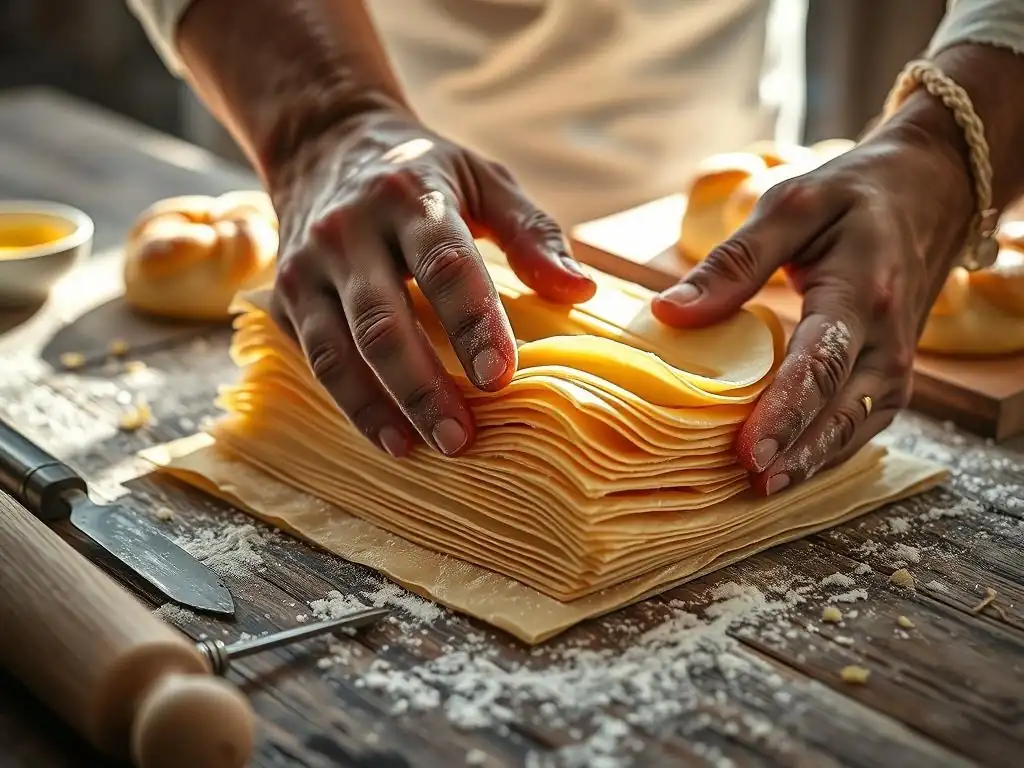
Welcome to BakeWithEase, your guide to baking bliss!
Ever dreamed of effortlessly creating those perfectly layered pastries that melt in your mouth? This week, we're diving deep into the secrets of achieving flaky puff pastry. Discover essential techniques that will elevate your baking game, transforming simple ingredients into culinary masterpieces. Are you ready to unlock the secrets to consistently light and airy results? Let's get started!
- Introduction to Puff Pastry: The Baker's Delight
- Essential Puff Pastry Techniques for Home Bakers
- Troubleshooting Common Puff Pastry Problems
- Advanced Puff Pastry Techniques
- Tips and Tricks for Perfect Puff Pastry
- Classic Puff Pastry Recipe: Step-by-Step
- Conclusion: Elevate Baking with Puff Pastry
-
Frequently Asked Questions
- What is the most important factor in achieving a flaky puff pastry?
- What is the difference between puff pastry and rough puff pastry?
- How many folds are typically needed for puff pastry?
- What type of flour is best for making puff pastry?
- What can I do if my puff pastry dough becomes too warm during the process?
- Final Reflection: The Enduring Allure of the Flaky Layer
- Unleash Your Inner Pastry Chef!
Introduction to Puff Pastry: The Baker's Delight
Puff pastry, with its ethereal layers and delightful crunch, stands as a pinnacle of baking achievement. It's a dough that, when handled correctly, transforms into hundreds of delicate, buttery strata, creating that signature "puff" and incredible flakiness we all adore. While it might seem intimidating, mastering the techniques for flaky puff pastry is entirely within reach for home bakers willing to practice and understand the fundamental principles.
This journey into puff pastry is about more than just following a recipe; it's about understanding the interaction of ingredients and temperature, the rhythm of folding and chilling, and the patience required to coax simple flour, water, and butter into something truly magical. By focusing on essential flaky puff pastry techniques, you'll unlock the secret to creating croissants, turnovers, palmiers, and vol-au-vents that rival those from the finest patisseries.
What Makes Puff Pastry Special? Achieving Flakiness
The hallmark of puff pastry is its incredible flakiness and impressive rise. This unique texture comes from the hundreds, sometimes even thousands, of alternating layers of dough and butter. As the pastry bakes, the water in the butter turns to steam, forcing the dough layers apart. Simultaneously, the heat causes the gluten in the dough to set and the butter to melt and fry the surrounding dough layers, resulting in distinct, crisp strata.
Achieving this desired flakiness relies heavily on maintaining cold temperatures throughout the process and executing precise folding techniques. A well-made puff pastry can expand to up to 8 times its original height in the oven, creating a light, airy structure that shatters delicately with each bite. This dramatic transformation from a simple dough block is what makes puff pastry so special and rewarding to master.
The Science Behind Lamination and Flakiness
Lamination is the technical term for the process of creating these multiple layers of dough and butter. It begins with a simple dough, known as the détrempe, which is then wrapped around a block of butter, the beurrage. The combined block is then repeatedly rolled out and folded, a process called "giving turns."
Each turn doubles or triples the number of layers. For example, after just three single turns, you have 2^3 = 8 layers of dough and 2^3-1 = 7 layers of butter. After six single turns, this number jumps dramatically to 2^6 = 64 layers of dough and 63 layers of butter!
The key to successful lamination and ultimate flakiness is keeping the butter solid and distinct from the dough layers during rolling and folding. If the butter melts or incorporates too much into the dough before baking, you lose the separate layers needed for steam production and subsequent puffing. This is why temperature control is paramount; the butter must remain firm enough to be rolled into thin sheets between the dough layers without breaking through or melting.
Essential Puff Pastry Techniques for Home Bakers
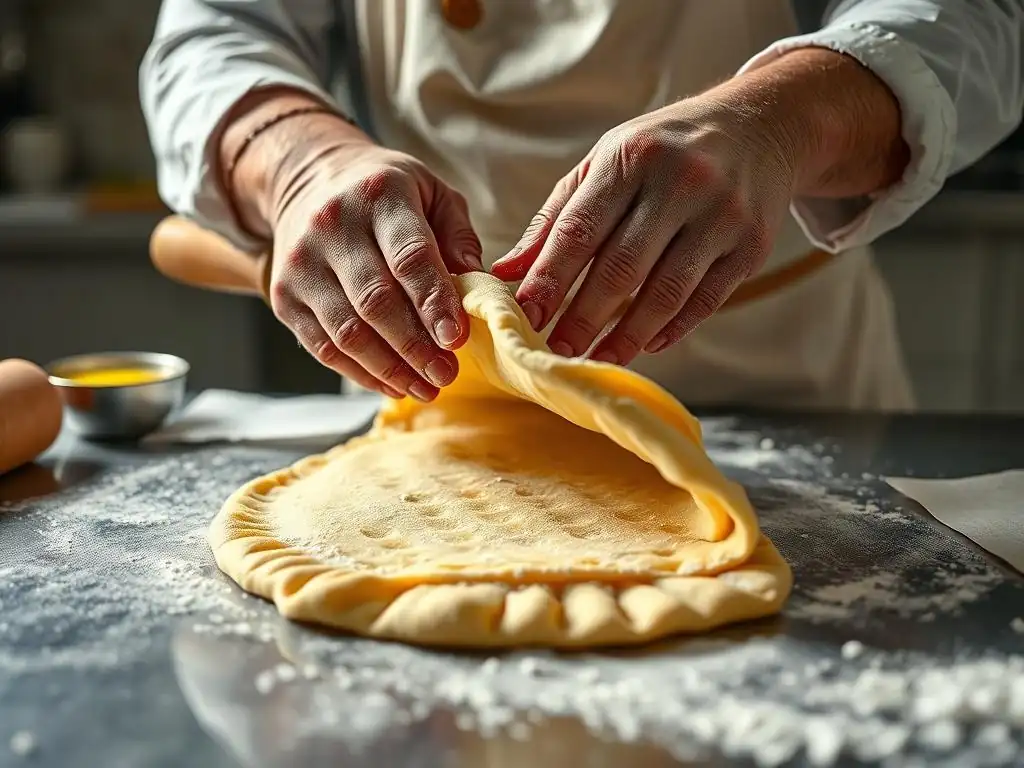
Mastering flaky puff pastry techniques involves understanding and executing several core steps with precision and patience. These foundational skills build upon each other, leading to consistently excellent results. Focusing on these essentials will demystify the process and empower you to create beautiful, flaky baked goods.
From preparing the initial dough to meticulously folding and chilling, each stage plays a critical role in developing the structure and texture that defines puff pastry. Paying close attention to details like ingredient temperature and dough consistency is crucial. Let's break down the key techniques that contribute to achieving that coveted flakiness.
Mastering the Détrempe: The Foundation of Puff Pastry
The détrempe, or the base dough, is typically a simple mixture of flour, water, a pinch of salt, and sometimes a small amount of butter or fat. Its consistency is vital; it should be firm but pliable, slightly less hydrated than a typical bread dough. The amount of water used often falls within a range, perhaps 50-60% of the flour weight, depending on the flour's absorption properties. The goal is to develop just enough gluten structure to provide strength and elasticity for rolling, but not so much that the dough becomes tough.
Mixing the détrempe should be minimal – just enough to combine the ingredients into a cohesive mass. Overmixing develops too much gluten too early, making the dough resistant to rolling later on. After mixing, the détrempe is usually flattened into a rectangle, wrapped, and chilled for at least 30 minutes, or often for several hours, to relax the gluten and make it easier to roll out evenly around the butter block.
Achieving Optimal Dough Consistency
Optimal dough consistency for the détrempe is key to successful lamination. The dough should be smooth, not sticky, and firm enough to handle without tearing, but pliable enough to roll out thinly and evenly alongside the butter. If the dough is too wet, it will be difficult to handle and can absorb the butter layers during rolling. If it's too dry, it will tear when rolled, breaking the continuous layers needed for puff.
Factors influencing consistency include the type of flour used (different protein levels affect water absorption), the exact hydration percentage, and the mixing time. Bakers often adjust the water slightly based on the feel of the dough. A good test is whether the dough springs back slowly when pressed; too fast indicates tight gluten (needs more rest), too little indicates underdeveloped gluten or incorrect hydration. Chilling helps firm up the dough to match the consistency of the chilled butter.
The Beurrage: Incorporating Butter for Layers
The beurrage is the butter component of puff pastry, and its preparation and incorporation are critical for creating distinct layers. It's not just melted butter mixed in; it's typically a block of cold, solid butter, sometimes combined with a small amount of flour to make it more pliable and less prone to melting too quickly. The weight of the butter often equals or exceeds the weight of the flour in the détrempe, sometimes ranging from 70% to 100% or even 120% for richer pastries.
The butter block needs to be flattened into a rectangle that covers approximately two-thirds of the rolled-out détrempe before the first fold. This allows the dough to be folded over the butter, encasing it completely. The consistency of the beurrage should ideally match that of the chilled détrempe – firm but pliable. If the butter is too hard, it will break through the dough during rolling; if too soft, it will melt into the dough.
Choosing the Right Butter
Choosing the right butter is perhaps one of the most impactful decisions for achieving flaky puff pastry. High-quality butter with a higher fat content (typically 82-84%) and lower water content is preferred over standard American butter (around 80% fat). Butters labeled "European-style" often fit this description. The lower water content means less steam is generated during baking, which can sometimes lead to tougher layers if not balanced correctly, but the higher fat content contributes to richness and helps create those distinct, crisp layers.
Beyond fat content, the butter's quality affects its plasticity – its ability to bend and roll without breaking. European butters are often churned longer, resulting in a smoother, more pliable texture when cold, which is ideal for lamination. While standard butter can work, using a higher-fat butter generally makes the process smoother and yields a more consistently flaky result.
Butter Temperature's Impact
The temperature of the butter is absolutely crucial for successful lamination and ultimately, flaky puff pastry techniques. The butter must be cold and firm enough to be rolled out into a thin sheet without melting into the dough, but pliable enough that it doesn't crack or break through the dough layers. The ideal temperature is typically between 50°F and 60°F (10°C and 15°C).
If the butter is too cold (straight from the refrigerator at 35-40°F or 2-4°C), it will be brittle and shatter when rolled, creating uneven layers or breaking through the dough. If it's too warm, it will become greasy and melt into the dough, destroying the distinct layers needed for puffing. Many bakers find success by taking their butter out of the fridge 15-30 minutes before using it, or gently pounding it with a rolling pin to make it pliable while still keeping it cold.
Mastering Turns: Creating Layers
Giving "turns" is the core lamination process where the dough is repeatedly rolled out and folded. Each turn multiplies the number of layers of dough and butter. The standard approach involves giving the dough a specific number of turns, typically between 4 and 6, to achieve the desired number of layers for maximum puff and flakiness. Consistency in rolling and folding is key to ensuring even layers throughout the pastry.
Before each turn, the dough must be cold and relaxed. This allows it to be rolled thinly without excessive resistance or tearing. The surface should be lightly floured, but excess flour must be brushed off to prevent it from building up between layers, which can inhibit puffing. The goal is to roll the dough into a precise rectangle before folding, ensuring even thickness across the sheet.
The Single Turn Technique
The single turn, also known as the book fold or letter fold, is one of the two primary methods for folding puff pastry. To perform a single turn, roll the dough into a rectangle, usually three times as long as it is wide. Imagine dividing the rectangle into three equal sections visually. Fold one end of the dough over the middle section, then fold the other end over the first folded section, like closing a letter or a book.
This fold creates three layers of dough and two layers of butter where there was one layer of each. After the fold, gently press the edges to seal and mark the dough to indicate the number of turns completed (e.g., with a fingertip indentation). The dough must then be rotated 90 degrees before the next turn to ensure even rolling and prevent the dough from developing a grain in one direction.
The Double Turn Technique
The double turn, sometimes called the wallet fold, is a more efficient method as it creates more layers per turn than the single turn. To perform a double turn, roll the dough into a rectangle, this time four times as long as it is wide. Imagine dividing the rectangle into four equal sections. Fold both ends towards the center, so they meet in the middle. Then, fold the dough in half along the center line, like closing a wallet.
This fold creates four layers of dough and three layers of butter. While it builds layers faster (e.g., 3 double turns yield 4^3 = 64 layers of dough), it can be slightly trickier to execute evenly than the single turn. As with the single turn, the dough must be marked to track turns and rotated 90 degrees before the next turn to relax gluten and allow for even rolling in the opposite direction.
Importance of Resting Dough Between Turns
Resting the dough between turns is a non-negotiable step for successful flaky puff pastry techniques. After each turn, the gluten in the dough is stretched and becomes tight, making it resistant to further rolling. Attempting to roll tight dough will result in uneven thickness, tearing, and potentially forcing the butter through the dough layers.
The dough needs to rest in the refrigerator for at least 30 minutes, and often up to an hour, between turns. This chilling period allows the gluten to relax, making the dough pliable and easy to roll again. It also re-chills the butter, ensuring it remains solid and distinct from the dough layers. Skipping or shortening rest periods is a common cause of tough or poorly laminated pastry. Proper resting is key to achieving those distinct, flaky layers.
Troubleshooting Common Puff Pastry Problems
Even with careful attention to detail, challenges can arise when working with puff pastry. Understanding common issues and how to address them is part of mastering flaky puff pastry techniques. Don't be discouraged by setbacks; they are learning opportunities on the path to perfect pastry.
Identifying the root cause of a problem, whether it's related to temperature, handling, or baking, is the first step. With a little knowledge and patience, most puff pastry woes can be remedied or avoided in future attempts, leading to more consistent and successful results.
Preventing Butter Leakage
Butter leakage, or "blow-outs," occur when the butter melts and seeps out of the dough layers during rolling or baking. This is most often caused by the dough or butter being too warm, insufficient chilling between turns, or uneven rolling which creates weak spots in the dough. If butter leaks during rolling, it merges with the dough, destroying the separation needed for puff.
To prevent leakage, ensure your workspace, ingredients, and equipment are cold. Work quickly when rolling. If the dough becomes soft or the butter feels too pliable during rolling, stop immediately, wrap the dough, and return it to the refrigerator for 20-30 minutes. During baking, leakage can happen if the oven isn't hot enough (the butter melts before the dough sets) or if the pastry is overfilled. Ensure the oven is properly preheated to a high temperature (like 400-425°F or 200-220°C) to set the layers quickly.
Avoiding Tough Dough
Tough puff pastry is usually the result of overworking the dough or not resting it sufficiently between turns. Overworking develops too much strong gluten, making the dough elastic and resistant to rolling. This resistance can lead to uneven layers and a dense, chewy texture after baking, rather than the desired flakiness.
To avoid tough dough, mix the détrempe minimally, just until the ingredients are combined. Handle the dough gently during rolling and folding, applying even pressure rather than forcing it. Most importantly, adhere strictly to the resting periods between turns. These periods allow the gluten to relax, making the dough pliable and easy to roll without excessive effort or stress on the gluten structure, ensuring tender, flaky results.
Achieving Even Baking and Rise
Uneven baking or a poor rise can be frustrating after all the effort put into lamination. Causes can include an improperly preheated oven, uneven oven temperature, crowding the baking sheet, or issues with the dough itself (like uneven layers or too much flour between layers). Puff pastry relies on high heat to create steam quickly and set the layers before the butter melts completely.
Ensure your oven is accurately preheated to the recommended temperature, often 400-425°F (200-220°C). Using an oven thermometer can help verify this. Avoid opening the oven door frequently during the initial puffing phase. Arrange pastries on the baking sheet with adequate space between them to allow for even heat circulation. If your oven has hot spots, rotate the baking sheet halfway through baking. Finally, ensure your dough was rolled and folded evenly, as thick or thin spots will bake inconsistently.
Advanced Puff Pastry Techniques
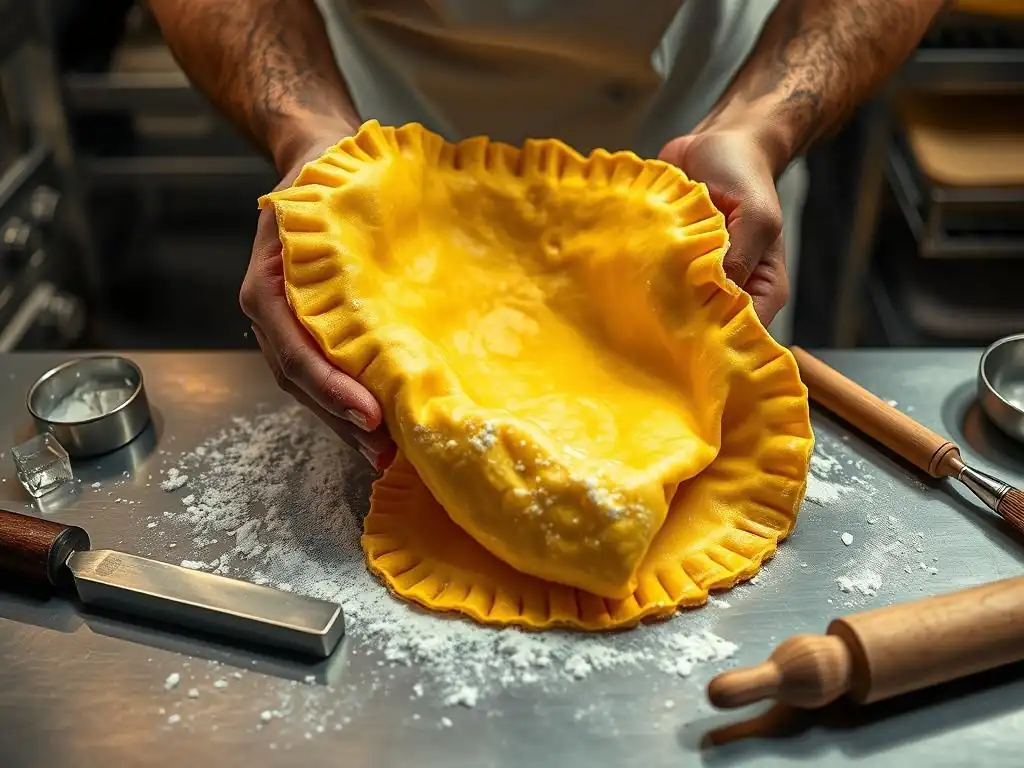
Once you've mastered the fundamentals of traditional puff pastry and are consistently achieving flaky results, you might be ready to explore more advanced flaky puff pastry techniques. These methods and variations can offer different textures, flavors, and levels of richness, allowing you to expand your repertoire and refine your skills further.
Exploring techniques like inverted puff pastry or experimenting with different ingredients can deepen your understanding of how puff pastry works and open up possibilities for new creations. These advanced methods often require even greater precision and temperature control but yield unique and rewarding results.
Exploring Inverted Puff Pastry (Pâte Inversée)
Inverted puff pastry, or pâte inversée, is a variation where the butter block envelops the détrempe, rather than the other way around. The butter is mixed with a portion of flour to create a pliable butter-flour block, and the détrempe (a simpler dough) is placed inside this block. The lamination process then proceeds as usual with rolling and folding.
This technique is often favored by professionals because the outer layer of butter helps prevent the dough from sticking during rolling and can result in a particularly even and high rise. The butter-flour mixture on the outside also helps create incredibly crisp layers. While slightly more complex to start, mastering pâte inversée can lead to puff pastry with an exceptional texture and appearance, making it a key advanced flaky puff pastry technique.
Working with Different Flours
While all-purpose flour is standard for puff pastry, experimenting with different flours can subtly alter the texture and handling properties. Bread flour, with its higher protein content (around 12-14%), will develop stronger gluten. This can be beneficial if you need a very robust dough that stands up to extensive rolling, but it also increases the risk of toughness if overworked.
Pastry flour or cake flour, with lower protein content (around 8-10%), will result in a more tender dough. While potentially leading to a more delicate crumb, a very low protein flour might not provide enough structure to support the puffing layers, potentially leading to collapse. Many bakers find success using a blend of flours or sticking to a good quality all-purpose flour (around 10-11.5% protein) specifically milled for pastry or general baking, as it offers a good balance of strength and tenderness for flaky puff pastry techniques.
Adding Flavors: Sweet and Savory
Puff pastry is a versatile base that readily accepts various flavor additions, transforming it from a neutral carrier into a flavorful component of the final dish. For sweet applications, extracts like vanilla or almond can be added to the détrempe. Zest from citrus fruits like lemon or orange can also be incorporated for a bright note. A pinch of sugar in the détrempe is common and can aid in browning.
For savory pastries, herbs like thyme, rosemary, or chives can be finely chopped and mixed into the détrempe. Spices such as black pepper, paprika, or a touch of cayenne can add warmth or heat. Grated cheese, like Parmesan or Gruyère, can also be incorporated into the dough or the butter block for a richer, savory flavor profile. These additions should be relatively dry and finely incorporated to avoid disrupting the dough structure or tearing the layers during rolling, enhancing the overall flaky puff pastry experience.
Tips and Tricks for Perfect Puff Pastry
Beyond the core techniques, several practical tips and tricks can significantly improve your success rate when making flaky puff pastry. These small details, often learned through experience, help ensure that your ingredients behave as expected and that the lamination process goes smoothly.
Paying attention to these finer points can prevent common pitfalls and lead to more consistent results, making the process less frustrating and more enjoyable. Incorporating these habits into your routine will elevate your flaky puff pastry techniques and lead to beautifully baked goods every time.
Cold Ingredients and Equipment
Maintaining cold temperatures is the single most important rule for successful puff pastry. Ensure your flour, water, and particularly your butter are well chilled. Some bakers even chill their rolling pin, pastry scraper, and baking sheets. A cold marble or granite surface is ideal for rolling, but a regular counter can be chilled by placing ice packs on it for a while before wiping it dry.
Working in a cool environment is also beneficial. If your kitchen is warm, consider running air conditioning or working during cooler parts of the day. If the dough or butter starts to soften at any point, don't hesitate to stop and return it to the refrigerator until it's firm again. Keeping everything cold ensures the butter stays in distinct layers, which is fundamental to flaky puff pastry techniques.
Proper Handling and Storage
Handle the dough gently throughout the process. Avoid excessive pressure when rolling, which can force butter into the dough. Roll from the center outwards, applying even pressure. When folding, align the edges neatly to ensure even layers. Always rest the dough between turns and for a substantial period (at least 1-2 hours, or preferably overnight) before the final roll-out and cutting.
Unbaked puff pastry dough can be stored, well-wrapped, in the refrigerator for 2-3 days or frozen for several months. Thaw frozen dough slowly in the refrigerator. Once shaped, unbaked pastries can also be frozen. Baked puff pastry is best enjoyed fresh, as its flakiness diminishes with time, but it can be stored in an airtight container at room temperature for a day or two and often refreshed with a quick warm-up in a moderate oven.
Baking Temperature and Time
Baking temperature and time are critical for achieving optimal puff and flakiness. Puff pastry is typically baked at a high temperature, often starting around 400-425°F (200-220°C). This initial high heat quickly creates steam from the butter's water content, causing the rapid separation and puffing of the layers.
After the initial puff (usually 10-15 minutes), the temperature is often reduced slightly (e.g., to 375°F or 190°C) to allow the layers to cook through and crisp without burning the exterior. Baking time varies greatly depending on the size and thickness of the pastry item, from 12-15 minutes for small turnovers to 25-40 minutes or more for larger items like vol-au-vents or tart shells. The pastry should be deeply golden brown and feel light and hollow when tapped, indicating it's cooked through and the layers are set.
Classic Puff Pastry Recipe: Step-by-Step
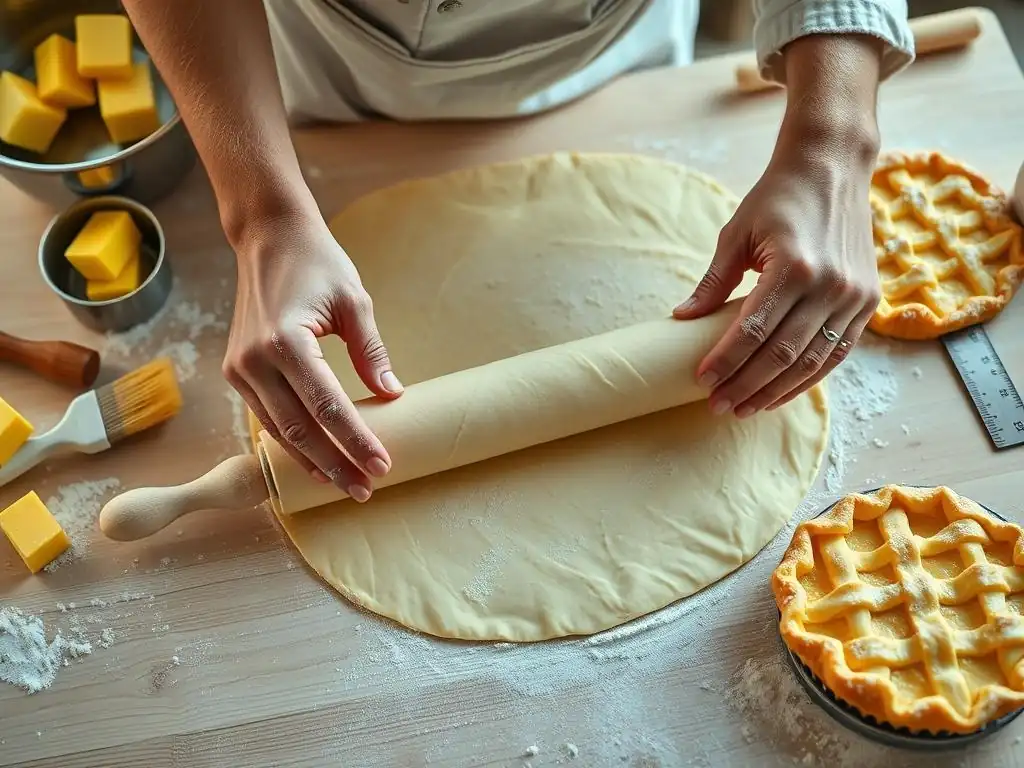
Ready to put these flaky puff pastry techniques into practice? Here is a straightforward guide to making classic puff pastry from scratch. While it requires time and patience due to the chilling periods, the process itself is relatively simple, relying on the foundational steps we've discussed.
This recipe provides a solid starting point for creating your own versatile puff pastry dough, perfect for both sweet and savory applications. Follow these steps carefully, paying attention to temperature and resting times, and you'll be well on your way to enjoying homemade flaky pastries.
Ingredients for Homemade Puff Pastry
To make classic puff pastry, you will need a few simple ingredients:
- 250 grams (about 2 cups) All-Purpose Flour, plus extra for dusting
- 5 grams (about 1 teaspoon) Fine Salt
- 125 ml (about 1/2 cup) Ice Water
- 200-250 grams (about 7-9 ounces) Cold Unsalted Butter (European-style recommended), for the beurrage
The specific amount of butter can be adjusted based on desired richness, commonly ranging from 80% to 100% of the flour weight. Ensure all ingredients, especially the water and butter, are very cold. The flour should also ideally be cool.
Step-by-Step Instructions
- Prepare the Détrempe: In a large bowl, whisk together the flour and salt. Add the ice water gradually, mixing with a fork or your hands until a shaggy dough forms. Be careful not to add too much water; the dough should be firm.
- Form and Chill the Détrempe: Turn the dough onto a lightly floured surface and gently bring it together into a ball. Do not knead extensively. Flatten the ball into a rough rectangle, approximately 6x8 inches. Wrap tightly in plastic wrap and chill in the refrigerator for at least 1 hour, or up to 24 hours.
- Prepare the Beurrage: Place the cold butter between two sheets of parchment paper or plastic wrap. Using a rolling pin, pound the butter until it is pliable but still cold. Shape it into a rectangle, approximately 5x7 inches, slightly smaller than the détrempe rectangle. Chill the butter block for about 15-20 minutes until firm but still pliable.
- Encase the Butter: On a lightly floured surface, roll the chilled détrempe into a rectangle roughly 12x8 inches. Place the butter block on one half of the détrempe, leaving about a 1/2-inch border. Fold the other half of the détrempe over the butter, pressing the edges to seal the butter inside completely. You should have a rectangle about 6x8 inches with butter inside.
- First Turn (Single): Rotate the dough block so the seam is on the side (like the spine of a book). Lightly flour the surface and the top of the dough. Roll the dough evenly into a rectangle about 18x8 inches. Brush off any excess flour. Perform a single fold: fold one end into the center, then fold the other end over the first, creating three layers. Gently press the edges.
- Chill and Mark: Wrap the folded dough tightly and chill in the refrigerator for at least 30-60 minutes. Mark the dough (e.g., with one finger indentation) to indicate one turn is complete.
- Repeat Turns: Repeat steps 5 and 6 a total of 5 more times for a total of 6 single turns. Remember to rotate the dough 90 degrees before each rolling and to chill adequately between turns. After the 6th turn, wrap the dough and chill for at least 1-2 hours, or preferably overnight, before using. This final rest is crucial for relaxing the gluten and firming the butter.
Baking Your Creations
Once your puff pastry dough has completed its turns and rested, it's ready to be shaped and baked. Roll the dough out to your desired thickness, typically 1/8 to 1/4 inch, depending on the recipe. Cut into shapes for tarts, turnovers, palmiers, or other pastries. Place the cut shapes on a baking sheet, ideally lined with parchment paper.
For optimal puff, ensure the edges are cut cleanly and not crimped together, as this can prevent the layers from separating. Brush the tops with an egg wash (an egg whisked with a little water or milk) for a golden finish. Bake in a preheated oven at 400-425°F (200-220°C) until well-puffed and deeply golden brown, following your specific recipe's timing. Keep an eye on them, especially towards the end, to prevent burning. The high heat and proper technique will yield those stunning flaky layers.
Conclusion: Elevate Baking with Puff Pastry
Mastering flaky puff pastry techniques is a rewarding endeavor that opens up a world of delicious possibilities in your baking. It's a process that teaches patience, precision, and the importance of temperature control. While it may seem challenging at first, each attempt builds skill and confidence. The sight and taste of beautifully puffed, golden layers emerging from your oven is a truly satisfying experience.
By focusing on the quality of ingredients, understanding the science of lamination, and practicing the essential steps – from preparing the détrempe and beurrage to executing precise turns and ensuring adequate chilling – you can consistently create flaky puff pastry that will impress yourself and anyone lucky enough to taste it. Embrace the journey and enjoy the process of crafting these delicate, buttery layers.
Embrace the Art of Puff Pastry
Don't be intimidated by the reputation of puff pastry. Approach it as a craft, a skill that improves with practice. Your first attempt might not be perfect, but it will be a valuable learning experience. Pay attention to how the dough feels, how the butter behaves, and how temperature affects the process. Each batch brings you closer to mastering these essential flaky puff pastry techniques and creating consistently stunning results.
Think of the process as a meditation – a rhythmic cycle of rolling, folding, and resting. The more you practice, the more intuitive it becomes. Soon, you'll be creating beautiful croissants, elegant tarts, and savory appetizers with confidence, all thanks to your understanding and application of proper puff pastry methods. The rewards of flaky, buttery perfection are well worth the effort.
If you've enjoyed delving into the world of puff pastry, there are many related baking techniques and recipes to explore. Consider learning how to make other laminated doughs like croissant dough (which includes yeast for leavening) or Danish pastry dough. Understanding how different fats and leavening agents interact within laminated structures can further enhance your baking knowledge.
You might also explore specific recipes that utilize puff pastry, such as classic fruit tarts, savory quiches, or intricate pastries like mille-feuille. Practicing with different applications will help you understand how the dough behaves under various conditions and expand your repertoire of delicious, flaky creations. Continue experimenting and enjoying the journey of baking!
Frequently Asked Questions
What is the most important factor in achieving a flaky puff pastry?
The most important factor is keeping the butter cold! Cold butter creates steam during baking, which separates the layers and results in flaky layers. Maintaining the temperature during the entire process is vital.
What is the difference between puff pastry and rough puff pastry?
Puff pastry involves precise layering and folding of butter into dough, creating hundreds of layers. Rough puff pastry is a faster, less precise method that still yields a flaky result, but with fewer distinct layers than traditional puff pastry.
How many folds are typically needed for puff pastry?
Generally, puff pastry requires around six folds or turns to achieve the desired number of layers. Each fold increases the number of butter and dough layers, contributing to the final flaky texture.
What type of flour is best for making puff pastry?
A strong bread flour or a high-protein all-purpose flour is generally recommended. This type of flour develops gluten well, providing the structure needed to hold the layers of butter and steam.
What can I do if my puff pastry dough becomes too warm during the process?
If the dough becomes too warm, immediately wrap it tightly in plastic wrap and chill it in the refrigerator for at least 30 minutes. This allows the butter to re-solidify and prevents it from melting into the dough, preserving the layers.
Final Reflection: The Enduring Allure of the Flaky Layer
The pursuit of the perfect flaky pastry transcends mere culinary skill; it's a testament to patience, precision, and the enduring human desire for exquisite texture. From humble beginnings in ancient kitchens to its modern-day presence in Michelin-starred restaurants and home bakeries alike, the mastery of puff pastry remains a captivating challenge. The techniques detailed in this article, while seemingly intricate, unlock a world of culinary possibilities, proving that even the most complex creations are achievable with dedication and practice.
The journey of crafting flaky puff pastry is a microcosm of life itself – requiring careful attention to detail, the willingness to embrace imperfection, and the understanding that true mastery comes with time and repeated effort. The subtle nuances of butter layering, the precise folding techniques, the delicate balance of temperature – these are all elements that resonate beyond the kitchen. As the renowned chef Julia Child once said, If you're afraid of butter, use cream.
This sentiment, while humorous, speaks to a larger truth: embracing the richness and complexity of ingredients, and trusting the process, is key to achieving extraordinary results.
Now, consider your own journey. Perhaps you've already attempted puff pastry, experiencing both triumphs and setbacks. Or maybe this article has inspired you to embark on this delicious adventure for the first time. Regardless, I encourage you to embrace the challenge.
Don't be afraid to experiment, to learn from your mistakes, and to savor the rewarding feeling of creating something beautiful and delicious with your own hands. The flaky layers of your puff pastry will be a testament not only to your culinary skill, but also to your perseverance and passion. So, gather your ingredients, preheat your oven, and let the journey begin!
Unleash Your Inner Pastry Chef!
Thanks for joining us on this flaky journey! You've now unlocked the secrets to crafting truly magnificent puff pastries. Ready to put your newfound skills to the test?
- Bake your masterpiece: Try out one of the recipes mentioned in the article, and don't be afraid to experiment with different fillings! Share your creations on social media using #BakeWithEasePuffPastry – we'd love to see them!
- Explore advanced techniques: Dive deeper into the world of puff pastry by researching different lamination methods or exploring savory applications.
- Join our baking community: Share your experiences and ask questions in the comments below! Let's learn and grow together.
What innovative puff pastry creation will you bake next?