
Fixing Uneven Puff Pastry Layers: Troubleshooting Tips

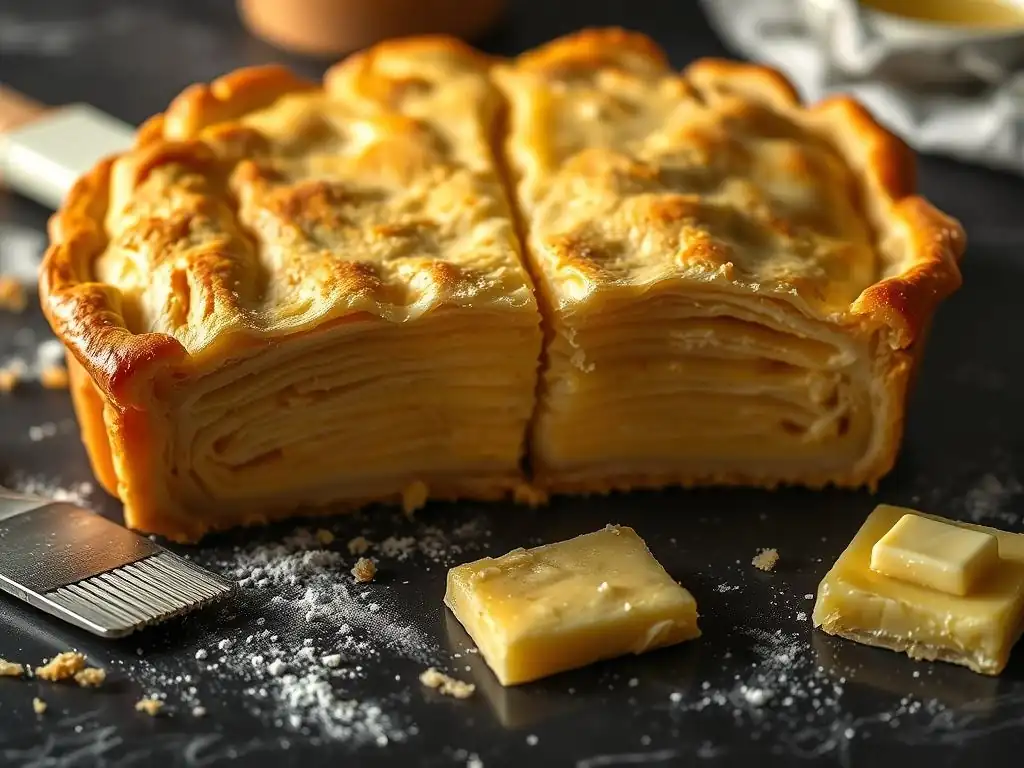
Welcome to BakeWithEase, your guide to baking brilliance! Tired of uneven puff pastry layers sabotaging your creations? Unlock the secrets to achieving perfectly flaky, golden-brown results every time. Dive in to discover troubleshooting tips and techniques that will elevate your baking game – prepare to impress!
- Achieving Perfect Puff Pastry: Troubleshooting Common Issues
- Understanding Puff Pastry Lamination: Causes of Imperfection
-
Troubleshooting Puff Pastry: Step-by-Step Solutions
- Identifying the Issue: Recognizing Problems in Your Dough
- Solution 1: Addressing Dough Temperature Fluctuations
- Solution 2: Correcting Uneven Butter Distribution
- Solution 3: Fixing Inconsistent Folding and Turning
- Solution 4: Addressing Insufficient Resting Time
- Solution 5: Correcting Oven Temperature and Humidity Issues
- Advanced Techniques for Puff Pastry Perfection
- Common Mistakes and How to Avoid Them
- Achieving Perfect Puff Pastry: Final Tips and Tricks
-
Frequently Asked Questions
- How can I prevent uneven puff pastry layers from forming in the first place?
- What causes puff pastry layers to be uneven during baking?
- My puff pastry layers are taller on one side than the other after baking. What went wrong?
- Can I salvage puff pastry with uneven layers after it's been baked?
- What type of butter is best for achieving even puff pastry layers?
- Final Reflection: Mastering the Flaky Perfection of Puff Pastry
- Unleash Your Inner Pastry Chef!
Achieving Perfect Puff Pastry: Troubleshooting Common Issues
Puff pastry, with its ethereal layers and buttery crispness, is a true marvel of baking. However, achieving that perfect, sky-high rise and uniform lamination can sometimes feel like a daunting task. Many bakers encounter issues like uneven puff pastry layers, where some parts rise beautifully while others remain flat or dense. Understanding the science behind puff pastry and the common pitfalls can help you troubleshoot and master this classic dough.
Understanding Puff Pastry Lamination: Causes of Imperfection
Lamination is the heart of puff pastry. It's the process of creating hundreds, sometimes thousands, of alternating thin layers of dough and butter through a series of folding and rolling steps. When baked, the water in the butter turns to steam, forcing the dough layers apart and creating the characteristic puff. Any disruption in this delicate layering process can lead to disappointing results, including those frustrating uneven puff pastry layers.
What Causes Puff Pastry to Fail? Common Mistakes
Several factors can contribute to issues like dense spots or uneven puff pastry layers. One major culprit is inconsistent dough or butter temperature during the lamination process. If the butter is too soft, it can melt into the dough rather than remaining in distinct layers. Conversely, if it's too cold and hard, it can break into pieces, creating gaps in the butter distribution. For example, attempting to roll butter that is too cold can result in large chunks rather than a smooth sheet, leading directly to patches with no butter and thus no rise, contributing significantly to uneven layers.
Another common mistake is rushing the process or skipping crucial resting periods. Puff pastry requires time for the gluten in the dough to relax and for the butter to firm up between turns. Without adequate rest, the dough becomes elastic and difficult to roll thinly and evenly, which can compress the layers or cause the butter to break through. This lack of uniform thickness and integrity across the sheet is a primary reason for uneven puff pastry layers appearing after baking.
Preventing Imperfect Layers: Essential Techniques for Success
Preventing problems starts with careful preparation and attention to detail from the very beginning. Ensuring your butter block and dough are at the right consistency – pliable but cold – before starting the first turn is critical. The butter should bend without breaking, typically achieved when it's around 50-55°F (10-13°C). The dough should be cool and slightly firm. Using a good quality, high-fat butter (at least 82% fat) is also beneficial, as it contains less water and melts more slowly, providing better separation between layers.
Precision in your rolling and folding technique is equally important for avoiding uneven puff pastry layers. Roll the dough evenly in all directions, maintaining a consistent thickness. When folding, ensure the edges are aligned neatly to create uniform layers across the entire sheet. For instance, in a simple book fold, ensure the two outer edges meet precisely in the center before folding the whole sheet in half. Skipping these careful steps can lead to variations in layer count and thickness within the dough, manifesting as unevenness during baking.
Troubleshooting Puff Pastry: Step-by-Step Solutions
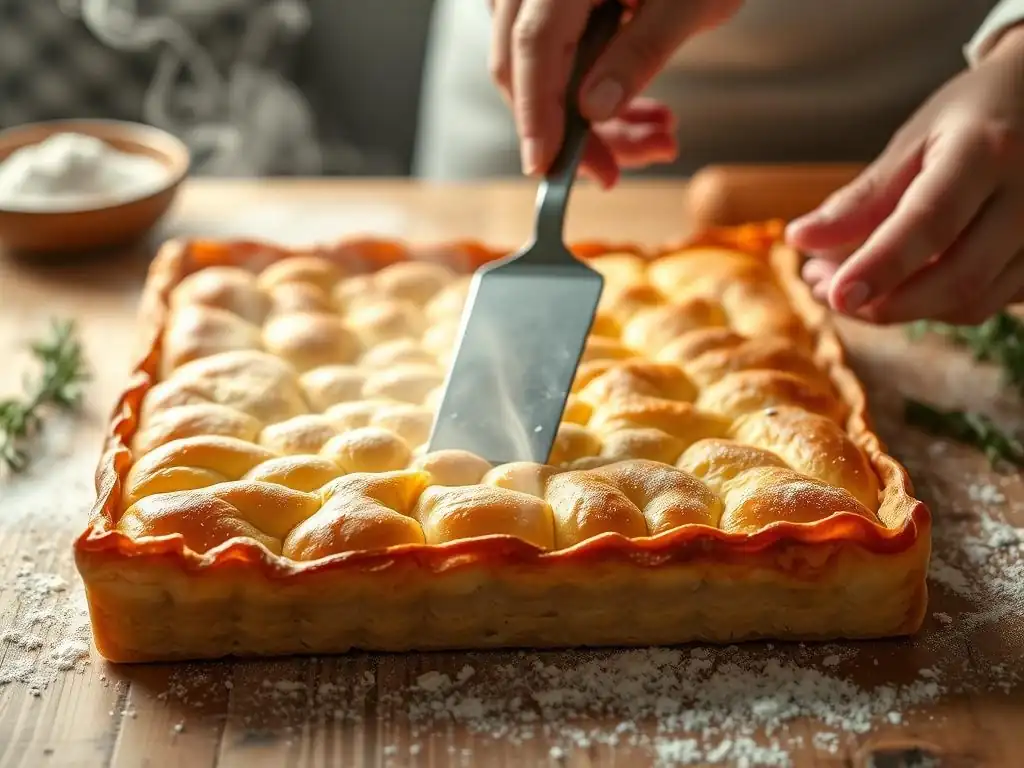
Even with careful technique, issues can sometimes arise. Learning to identify problems in your dough before baking gives you a chance to correct them or at least understand why your final product might have uneven puff pastry layers. Troubleshooting involves examining the dough's texture, temperature, and consistency throughout the lamination process.
Identifying the Issue: Recognizing Problems in Your Dough
During rolling, pay attention to how the dough feels. If it springs back excessively, the gluten hasn't relaxed enough, likely due to insufficient resting time. If butter is oozing out, the dough or butter is too warm. If you see large lumps of butter or areas where the dough is sticking to itself without a butter layer, you have uneven butter distribution. These visual and tactile clues are early indicators of potential uneven puff pastry layers in the finished product.
Before baking, look at the cut edges of your pastry. You should see distinct, thin layers of dough and butter. If the layers look smudged, thick, or irregular, it indicates problems occurred during rolling, folding, or resting. For example, if the layers appear fused together in spots, it suggests the butter melted and absorbed into the dough in those areas, a surefire way to get flat, dense patches alongside properly risen ones, resulting in pronounced uneven puff pastry layers.
Solution 1: Addressing Dough Temperature Fluctuations
Why Dough Temperature Impacts Lamination
Dough temperature is paramount in puff pastry making. If the dough gets too warm, the gluten becomes overly elastic, making it difficult to roll thinly without tearing or excessive shrinkage. More critically, warm dough can cause the butter layers to soften and melt prematurely during the lamination process.
When butter melts into the dough, it destroys the distinct layers required for steam separation during baking, leading to little or no rise in those areas and contributing significantly to uneven puff pastry layers. Keeping the dough cold is what preserves the integrity of the butter layers until they hit the hot oven.
Maintaining Optimal Dough Temperature
The ideal temperature range for puff pastry dough during lamination is typically between 40-55°F (4-13°C). To maintain this, frequent chilling is essential. After each turn (rolling and folding), wrap the dough tightly and refrigerate it for at least 30-60 minutes, or until it is firm but still pliable.
If your kitchen is warm, or you are working slowly, you might need longer resting times. Some bakers even recommend brief stints in the freezer (10-15 minutes) if the dough feels too soft, but be cautious not to freeze the butter solid, which would make it brittle and difficult to roll. Using a marble surface or a pastry mat can also help keep the dough cool during rolling, aiding in preventing uneven puff pastry layers caused by temperature issues.
Solution 2: Correcting Uneven Butter Distribution
Achieving Uniform Butter Distribution
Uniform butter distribution is fundamental for achieving evenly risen puff pastry. The goal is to have a continuous, thin sheet of butter sandwiched between dough layers across the entire surface. If the butter is not evenly spread or incorporated initially, or if it breaks into pieces during rolling, you will end up with areas that have too much butter (which can leak out) and areas with too little or no butter (which won't rise). This variation in butter content directly causes the dough to expand unevenly, resulting in noticeable uneven puff pastry layers after baking.
Techniques for Even Butter Incorporation
The initial step of enclosing the butter block in the dough is critical. Ensure the dough completely seals the butter packet without any gaps. When rolling, apply even pressure across the dough to thin the butter layer uniformly.
If you notice the butter is too hard and cracking, let the dough rest at room temperature for a few minutes to allow the butter to become more pliable before continuing. If you see butter squeezing out of the edges during rolling, gently flour the area and try to seal it by pressing the dough together, then chill the dough immediately. Using a rolling pin with even weight distribution also helps in maintaining uniform thickness, preventing some parts from being rolled thinner than others, which can lead to uneven butter distribution and ultimately uneven puff pastry layers.
Solution 3: Fixing Inconsistent Folding and Turning
Mastering the Folding and Turning Process
The folding and turning steps are where the hundreds of layers are created. Each fold multiplies the number of layers (e.g., a simple tri-fold creates 3 layers from 1, a book fold creates 4). Consistency in these folds is vital.
Ensure the edges are aligned squarely with each fold. For example, if performing a simple tri-fold, visualize dividing the dough into three equal sections and fold the outer sections neatly towards the center, ensuring they meet perfectly. An uneven fold means one part of the dough packet has more layers than another, leading to differential rise and uneven puff pastry layers.
Avoiding Common Folding Mistakes
Common folding mistakes include not squaring the dough before folding, allowing edges to hang over, or not aligning the folded sections accurately. This leads to an inconsistent number of layers throughout the dough block. Forgetting to mark the number of turns you've completed is another issue; most recipes call for a specific number, often 4 to 6, to achieve the desired number of layers (e.g., 6 turns using a tri-fold results in 3^6 = 729 layers).
Skipping turns or doing too many or too few turns inconsistently will impact the final rise and can contribute to uneven puff pastry layers. Always start rolling perpendicular to the last fold to ensure the layers are elongated evenly in the next turn.
Solution 4: Addressing Insufficient Resting Time
The Role of Resting in Puff Pastry
Resting the dough between turns is not merely a suggestion; it's a fundamental requirement for successful puff pastry. Resting allows the gluten network, which becomes developed and tight during rolling, to relax. A relaxed dough is easier to roll thinly and evenly in the next turn without excessive shrinkage or tearing.
Equally important, resting in the refrigerator allows the butter layers to firm up again. This firmness is crucial for the butter to remain as distinct sheets during subsequent rolling, rather than melting or smearing into the dough, which would destroy the lamination and result in uneven puff pastry layers.
Optimal Resting Times and Temperatures
The typical resting time between turns is at least 30-60 minutes in the refrigerator (around 40°F or 4°C). However, the exact time needed depends on your kitchen temperature, the temperature of your dough and butter, and how quickly you are working. The dough should feel firm but still pliable when you take it out for the next turn. If it feels too soft or warm, rest it longer.
If it feels too hard, let it sit at room temperature for just a few minutes until it is workable. Skipping or shortening these resting periods is a common cause of difficulty in rolling and leads to compromised layers, directly contributing to uneven puff pastry layers. It's better to rest the dough longer than risk working with dough that is too warm or too tight.
Solution 5: Correcting Oven Temperature and Humidity Issues
Achieving Even Baking in Your Oven
Even if you've created perfect layers, the baking process can still lead to uneven puff pastry layers if your oven temperature is inconsistent. Puff pastry requires a hot oven, typically between 400-425°F (200-220°C), to ensure the butter melts quickly and creates steam before the dough structure sets. If the oven temperature fluctuates, or if there are hot or cool spots, different parts of the pastry sheet will experience different rates of steam production and setting, leading to uneven rise.
Using an oven thermometer is highly recommended to verify your oven's actual temperature and identify any inconsistencies. Preheating your oven for a sufficient time (at least 20-30 minutes) is also crucial for stable heat.
Adjusting Baking Time for Optimal Rise
Baking time is also critical. If baked for too short a time or at too low a temperature, the pastry may puff initially but collapse later because the internal structure hasn't fully set. If baked for too long or at too high a temperature, the outside might burn before the inside is cooked, or the layers might fuse.
Look for a deep golden brown color and a firm structure that holds its shape. If you notice one part of the pastry is browning much faster than others, you might have a hot spot; rotating the baking sheet halfway through the baking time can help mitigate this and promote a more even rise, helping to prevent uneven puff pastry layers linked to oven performance.
Advanced Techniques for Puff Pastry Perfection
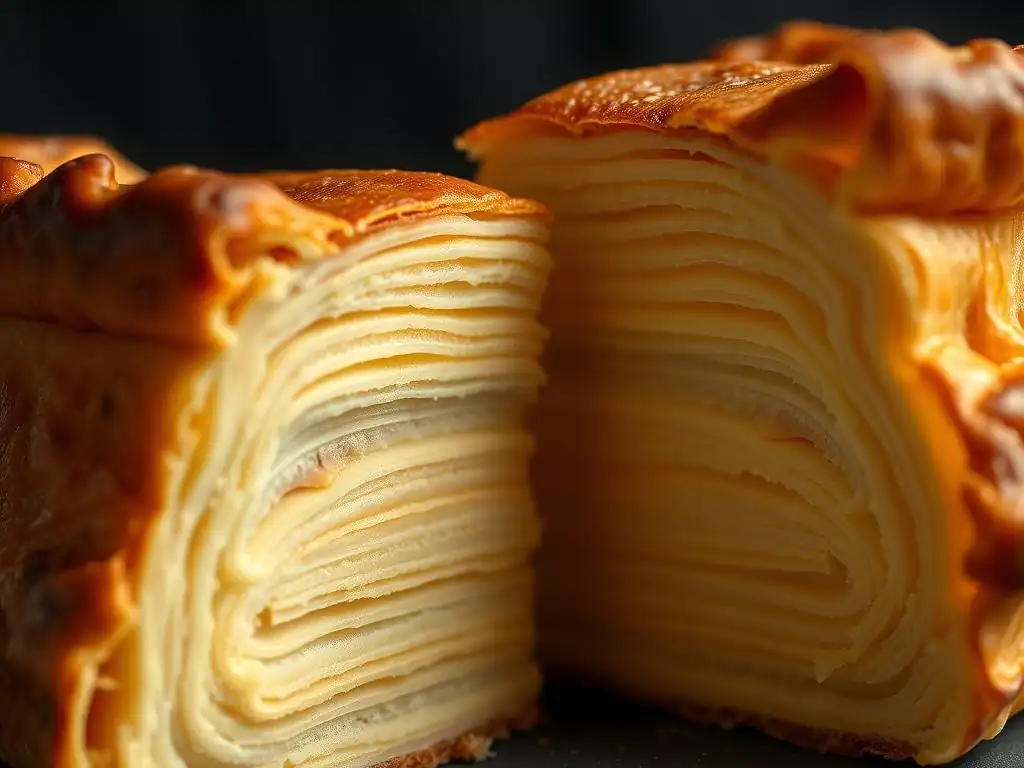
Moving beyond the basics involves understanding how ingredients and alternative methods can impact your final result. While the core principles of lamination remain, subtle variations in flour, hydration, and technique can influence the texture and rise. Mastering these nuances can help you consistently avoid issues like uneven puff pastry layers.
The Impact of Flour Type on Puff Pastry
The type of flour used significantly affects the dough's strength and elasticity. Lower protein flours (like pastry flour, around 8-10% protein) result in a more tender dough with less gluten development, which can make rolling easier but might yield a less robust structure. Higher protein flours (like bread flour, 12-14% protein) create a stronger gluten network, providing more structure to support the layers but requiring more careful handling and longer resting times to prevent toughness and shrinkage.
Many bakers prefer an all-purpose flour (10-12% protein) as a good balance, offering sufficient structure for lift while remaining relatively easy to work with. The protein level influences how the dough stretches and holds the butter layers; using a flour that is too weak or too strong for your technique can contribute to difficulties in maintaining even thickness and thus lead to uneven puff pastry layers.
Achieving Consistent Results Through Precise Hydration
Hydration refers to the ratio of water to flour in the dough. The hydration level affects the dough's consistency and how the gluten develops. Too little water can make the dough dry and difficult to roll without tearing, potentially exposing or breaking the butter layers. Too much water can make the dough sticky and weak, unable to support the delicate layers during baking.
Most puff pastry recipes use a relatively low hydration, often around 50-55% (water weight compared to flour weight). Precise measurement of ingredients, especially flour and water, is crucial for consistent dough hydration. Even small variations can change the dough's handling properties and impact the uniformity of your layers, making precise hydration a key factor in preventing uneven puff pastry layers.
Mastering Different Puff Pastry Techniques: French vs. Reverse
There are several methods for incorporating the butter and performing the turns, with French and Reverse puff pastry being two prominent techniques. In French puff pastry, a block of butter is enclosed in the dough, and the dough is rolled and folded. In Reverse puff pastry, the butter block is on the outside of the dough, and the dough is enclosed in the butter, then rolled and folded.
Reverse puff pastry is often considered easier for beginners as the butter is less likely to break through the dough during rolling, potentially leading to more consistently even layers. The butter-on-the-outside technique can also result in a slightly different texture and a more pronounced buttery flavor. Experimenting with different techniques can help you find the method that works best in your kitchen for achieving consistently perfect, non- uneven puff pastry layers.
Common Mistakes and How to Avoid Them
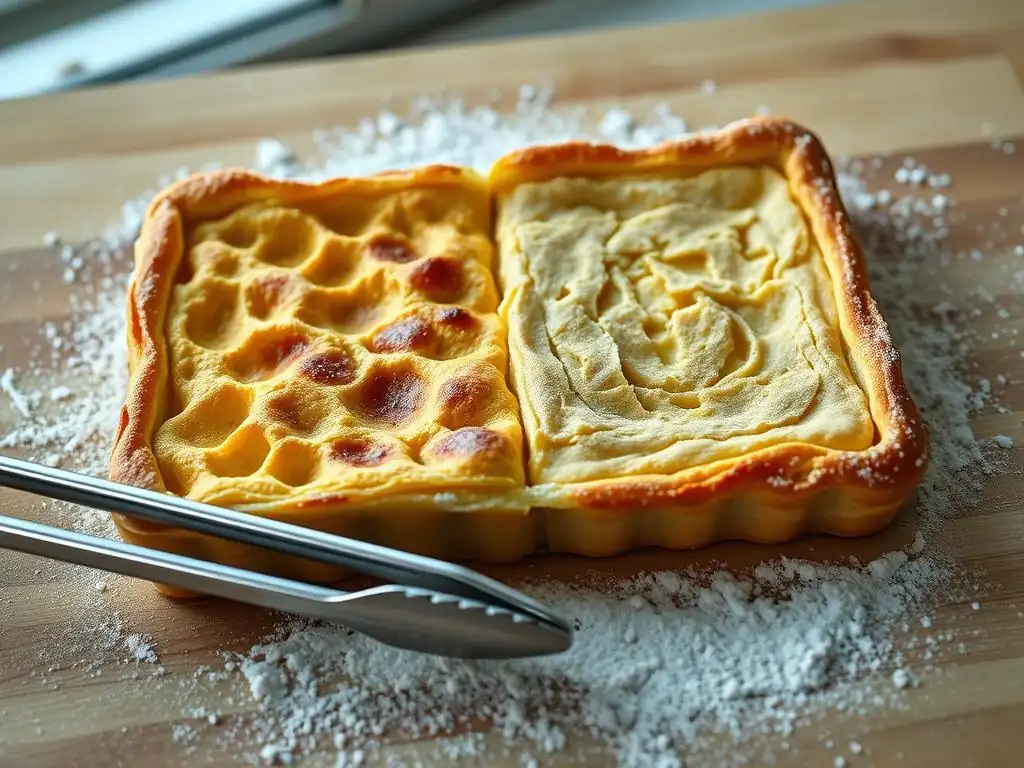
Successfully making puff pastry involves avoiding several common pitfalls that can sabotage your efforts and result in flat, dense, or uneven puff pastry layers. Understanding these mistakes is the first step to preventing them.
Avoiding Gluten Overdevelopment
Overworking the dough during the initial mixing or between turns can lead to excessive gluten development. Gluten provides structure, but too much makes the dough tough and elastic, causing it to resist rolling and shrink back excessively. This resistance makes it hard to roll the dough thinly and evenly, and the tension can even tear the fragile butter layers, leading to compromised lamination and, you guessed it, uneven puff pastry layers.
To avoid this, mix the initial dough just until the ingredients are combined and a rough dough forms. Handle the dough gently during rolling and folding, and ensure adequate resting time between turns to allow the gluten to relax.
Preventing Butter Melt During Lamination
Butter melting into the dough is perhaps the most significant cause of failed puff pastry. If the butter is too soft or warm, or if the dough gets too warm during rolling, the distinct butter layers will be absorbed by the dough. This eliminates the steam-producing layers needed for puffing. The dough will then bake into a dense, pastry-like texture rather than the light, flaky layers you desire.
This issue often manifests as large areas of flattened pastry, contributing heavily to uneven puff pastry layers. Always work in a cool environment if possible, keep your hands cool, and prioritize chilling the dough frequently between turns. If you see butter starting to ooze, stop immediately, wrap the dough, and refrigerate it until firm.
Ensuring Even Flour Distribution
While flour is necessary to prevent sticking during rolling, using too much, or distributing it unevenly, can also cause problems. Excess flour can get incorporated between the layers, preventing them from sticking together properly in some spots and separating too much in others. This can disrupt the uniform rise and contribute to uneven puff pastry layers. Brush off any excess flour from the dough surface before folding each turn. Use just enough flour on your work surface and rolling pin to prevent sticking, and no more. A light, even dusting is sufficient.
Achieving Perfect Puff Pastry: Final Tips and Tricks
Mastering puff pastry takes practice, but paying attention to detail and learning from mistakes will significantly improve your results. Here are a few final tips to help you achieve that coveted, perfectly puffed, and evenly layered pastry.
Tips for Storing Puff Pastry Dough
Proper storage is key if you're not baking your puff pastry immediately. Tightly wrap the finished dough block (after all turns are completed) in plastic wrap, ensuring it's airtight to prevent it from drying out. It can be refrigerated for 2-3 days. For longer storage, puff pastry freezes exceptionally well.
Wrap the dough block thoroughly in plastic wrap, then again in foil or place it in a freezer bag. It can be frozen for up to 1-2 months. Thaw frozen dough slowly in the refrigerator overnight before rolling and baking. Proper storage helps maintain the integrity of the layers, preventing them from fusing or drying out, which could otherwise lead to uneven puff pastry layers upon baking.
Troubleshooting Common Puff Pastry Baking Problems
Even when the dough looks perfect, baking can present challenges. If your pastry isn't rising well in the oven, ensure your oven is hot enough (verify with a thermometer) and that you've baked it for the correct amount of time. If edges are burning before the center is cooked, your oven might have hot spots; try rotating the tray or loosely covering the edges with foil.
If the pastry is sliding or shrinking on the baking sheet, the dough might not have been rested enough after the final rolling, or it might have been rolled too thinly. If you still observe uneven puff pastry layers after baking, revisit your lamination steps, focusing on temperature, butter distribution, and folding consistency for your next batch. Practice makes perfect, and each attempt teaches you more about this rewarding dough.
Frequently Asked Questions
How can I prevent uneven puff pastry layers from forming in the first place?
Prevention is key! Ensure your butter is cold and evenly distributed throughout the dough. Also, maintain a consistent rolling thickness to avoid thin spots.
What causes puff pastry layers to be uneven during baking?
Uneven baking often stems from uneven heat distribution within your oven. Rotating your baking sheet halfway through can help, as can ensuring your oven is properly preheated. Also, consider the dough's temperature before baking.
My puff pastry layers are taller on one side than the other after baking. What went wrong?
This usually indicates that the butter wasn't evenly incorporated during lamination on that side. Or that part of the dough was rolled thinner than the other. Next time pay special attention to the rolling process and butter distribution.
Can I salvage puff pastry with uneven layers after it's been baked?
Unfortunately, there's not much you can do to fix uneven layers after baking. However, you can still use it! Cut the pastry into smaller pieces and use it in crumble toppings or other applications where perfect layering isn't crucial.
What type of butter is best for achieving even puff pastry layers?
European-style butter, with its higher fat content and lower water content, is generally recommended. It creates more distinct and flaky layers. Make sure it is consistently cold during the process.
Final Reflection: Mastering the Flaky Perfection of Puff Pastry
The pursuit of flawlessly layered puff pastry remains a culinary challenge, yet understanding the science behind its creation empowers us to overcome uneven results and achieve consistently impressive results. This isn't just about aesthetics; it's about unlocking the potential of a versatile dough that elevates both sweet and savory dishes. The subtle differences in technique, from chilling to folding, can dramatically impact the final product, transforming a disappointing bake into a masterpiece.
The journey of mastering puff pastry is a testament to patience and precision, mirroring life's own intricate layers. It's a process that demands attention to detail, reminding us that even seemingly small actions have significant consequences. The frustration of uneven layers can be a powerful teacher, pushing us to refine our methods and appreciate the delicate balance required. The reward of a perfectly executed puff pastry is not just in the taste, but in the satisfaction of mastering a challenging technique.
This sentiment resonates deeply, highlighting the personal growth that accompanies culinary exploration.
Now, consider your own baking journey. What seemingly small details have you overlooked in the past? What lessons have you learned from past failures? I encourage you to revisit your puff pastry techniques, armed with the knowledge gained from this article. Embrace the challenge, experiment with different approaches, and savor the delicious rewards of your improved skills. The path to flaky perfection is paved with practice and a willingness to learn, and the journey itself is as rewarding as the destination.
Unleash Your Inner Pastry Chef!
Thanks for joining us on this pastry adventure! We hope you now feel confident tackling even the trickiest puff pastry challenges. Ready to put your newfound skills to the test?
- Master the art of even layers: Practice makes perfect! Try baking another batch using the tips we discussed, focusing on consistent butter layering and gentle handling. Pay close attention to your chilling times.
- Share your success (or even your mishaps!): Tag us on social media with your puff pastry creations—we'd love to see them!
- Explore a new recipe: Challenge yourself with a more complex puff pastry recipe, like croissants or palmiers, to solidify your skills.
What's your favorite puff pastry recipe, and what's one tip you'll always remember from this article?