
Healthy Starter Signs: What a Happy, Active Starter Looks Like


Welcome to BakeWithEase, your haven for all things baking! Ever wondered what the secret is to a perfectly risen sourdough loaf? It all starts with a thriving starter. Curious about the signs of a happy sourdough starter bubbling fast? Uncover the secrets to a healthy and active culture and learn how to cultivate your own bubbly masterpiece, right here!
- Healthy Sourdough Starter Signs: What a Thriving Culture Looks Like
- Understanding Sourdough Starter Activity for Successful Baking
-
Key Signs of a Healthy and Thriving Sourdough Starter
- Sign 1: Visible Bubbling Action - Carbon Dioxide Production
- Sign 2: Predictable Rise and Fall - Volume Increase and Decrease
- Sign 3: Pleasant, Tangy Aroma - Acetic and Lactic Acid Production
- Sign 4: Light and Airy Texture - Gas Trapped Within the Culture
- Sign 5: Consistent Doubling After Feeding - Predictable Growth
- Identifying and Addressing Problems in Your Sourdough Starter
- Maintaining a Healthy Sourdough Starter for Long-Term Baking
- Using Your Active Sourdough Starter in Recipes
- Frequently Asked Questions
- Final Reflection: The Joyful Fermentation of a Thriving Starter
- Unleash Your Inner Baker: Craft Your Perfect Starter Today!
Healthy Sourdough Starter Signs: What a Thriving Culture Looks Like
Understanding Sourdough Starter Activity for Successful Baking
Why a Healthy Sourdough Starter is Crucial for Quality Bread
A healthy, vigorous sourdough starter is the cornerstone of successful sourdough baking. It's not just a simple mix of flour and water; it's a complex, living ecosystem where wild yeasts and lactic acid bacteria (LAB) coexist and thrive. These microbes work in synergy: the yeasts primarily produce carbon dioxide gas, responsible for leavening your bread and giving it that desirable airy crumb, while the bacteria produce organic acids that contribute the characteristic tangy flavor and help strengthen the dough's structure.
Using a weak or inactive starter will inevitably lead to disappointing results – flat, dense loaves with little flavor. A happy sourdough starter bubbling fast and reliably, on the other hand, provides the consistent leavening power needed for a good rise and contributes a balanced acidity that enhances both the taste and texture of your finished bread. Relying on a strong starter ensures predictable fermentation times and contributes significantly to achieving that perfect crust and open crumb that sourdough bakers strive for.
Defining "Active Sourdough Starter": Microbial Activity and Bread Making
An "active" sourdough starter is one where the wild yeast and lactic acid bacteria populations are thriving and metabolically busy. This means they are actively consuming the sugars available in the flour and producing their byproducts: carbon dioxide (CO2) gas and organic acids. The rate at which they do this directly impacts how quickly your starter grows and how effectively it can leaven dough.
This robust microbial activity is what makes a starter ready for baking. When we talk about a happy sourdough starter bubbling fast, we're describing a culture at its peak, teeming with active microbes capable of generating enough gas to lift a heavy dough and contributing sufficient acidity to develop complex flavors and improve dough handling. Understanding this underlying biological process helps bakers interpret the visible signs of starter health and know when their culture is truly ready to perform.
Key Signs of a Healthy and Thriving Sourdough Starter
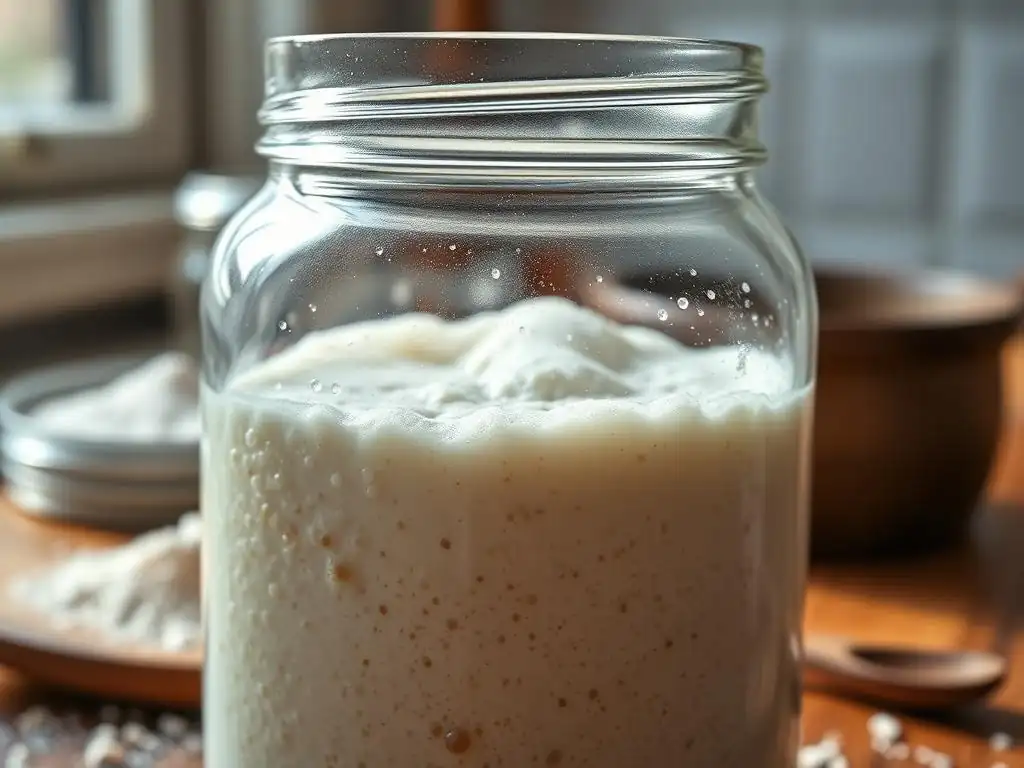
Sign 1: Visible Bubbling Action - Carbon Dioxide Production
Bubbling is one of the most direct and exciting signs that your sourdough starter is alive and active. These bubbles are tangible evidence of the wild yeast consuming the flour's sugars and releasing carbon dioxide gas as a byproduct. As the gas forms within the thick, sticky matrix of the starter, it creates pockets that are visible throughout the culture and often break the surface.
A healthy, happy sourdough starter bubbling fast will display numerous bubbles shortly after being fed, typically within 1-3 hours depending on temperature. You'll see a network of bubbles rising through the jar, accumulating on the sides, and potentially creating a foamy or bubbly layer on top. This vigorous activity confirms that the yeast population is healthy and actively fermenting.
Ideal Bubbling: Vigorous and Consistent
An ideally active starter doesn't just have a few stray bubbles; it shows vigorous, consistent bubbling throughout its active phase. Look for a dense network of bubbles dispersed throughout the culture, not just concentrated in one spot. The surface might appear significantly aerated, sometimes looking like a sponge or honeycomb.
Consistency is a key indicator of a stable, happy sourdough starter bubbling fast. A healthy starter will reliably show this level of bubbling activity after each feeding, assuming conditions (temperature, feeding ratio) are consistent. Observing this predictable pattern assures you that the microbial community is balanced and performing reliably.
Factors Influencing Bubbling: Temperature, Hydration, and Flour Type
The speed and intensity of bubbling are highly sensitive to environmental factors. Temperature is paramount; a starter kept in a warm spot (around 75-80°F or 24-27°C) will ferment much faster and bubble more vigorously than one kept in a cooler environment (below 70°F or 21°C). Finding a consistently warm location is often the secret to encouraging a happy sourdough starter bubbling fast.
Hydration level also plays a role; a wetter starter (higher water-to-flour ratio, like 125% hydration) might show larger, more transient bubbles, while a stiffer starter (lower hydration, like 60%) might trap smaller bubbles, leading to a more pronounced visual rise. Different flours provide varying levels of nutrients; whole grain flours like rye or whole wheat often fuel more rapid initial bubbling compared to refined white flour due to higher sugar content and enzymes.
Sign 2: Predictable Rise and Fall - Volume Increase and Decrease
Beyond just bubbling, a key sign of a healthy starter is its ability to significantly increase in volume after being fed. As the CO2 gas is produced and trapped within the starter's structure, it causes the entire mass to expand and rise in its container. A thriving starter will typically double or even triple in volume at its peak.
Following this peak rise, a healthy starter will naturally begin to deflate or fall. This happens as the readily available food supply diminishes, microbial activity slows down, and the gluten structure holding the gas weakens. The predictable cycle of rising to a peak and then falling confirms that the starter is actively working through its fermentation cycle as expected.
Measuring the Rise: Markings on a Jar
To accurately track your starter's rise and confirm it's a happy sourdough starter bubbling fast and gaining volume, use a clear, straight-sided jar. Immediately after feeding, place a rubber band around the jar or mark the starter's level with a dry-erase marker. This visual reference makes it easy to see exactly how much the starter has grown over time.
Monitoring the rise lets you pinpoint your starter's peak activity time under your specific conditions. A healthy starter will show a significant increase, often doubling its initial height, within a few hours, providing concrete proof of its vitality and readiness for use in baking.
Understanding Peak Fermentation and Subsequent Collapse
Peak fermentation is the point at which your starter reaches its maximum volume, usually representing the height of its activity before it begins to recede. For a healthy starter at room temperature (70-75°F), this peak is often reached within 4 to 8 hours after feeding. Using your starter at or just slightly after its peak ensures you're harnessing its maximum leavening power.
After reaching its peak, the starter will start to collapse. This collapse indicates that the yeast have consumed most of the available sugars and their gas production is slowing, causing the structure to weaken and the trapped CO2 to escape. Observing this full rise-and-fall cycle, where the starter expands dramatically and then predictably recedes, is a strong signal of a well-functioning and happy sourdough starter bubbling fast through its cycle.
Sign 3: Pleasant, Tangy Aroma - Acetic and Lactic Acid Production
The aroma of your sourdough starter provides valuable clues about the activity of the lactic acid bacteria (LAB), which work alongside the yeast. These bacteria produce organic acids, primarily lactic acid and acetic acid, which give sourdough its characteristic tangy smell and complex flavor profile.
A healthy starter should have a pleasant, slightly sour, and yeasty aroma. You might detect notes similar to yogurt, cultured buttermilk (from lactic acid), or a mild vinegary scent (from acetic acid). A fresh, clean, and tangy smell indicates a balanced and active microbial community, contributing not only to leavening but also to the desirable depth of flavor in your bread. A happy sourdough starter bubbling fast and smelling good is a joy to work with.
Desirable Aromas: Fruity, Yeasty, and Slightly Sour
When assessing your starter's aroma, look for inviting scents. A clean, pleasantly sour smell, often described as yogurt-like or tangy, is a sign of good lactic acid production. A distinct yeasty aroma confirms vigorous yeast activity. Some starters also develop fruity notes, which are positive byproducts of healthy fermentation.
These desirable aromas are the result of a balanced and thriving ecosystem of wild yeast and LAB. They indicate that the microbes are efficiently converting sugars into both gas for leavening and acids for flavor and dough structure. A starter that smells fresh, tangy, and active is usually a happy sourdough starter bubbling fast and ready to impart great flavor.
Undesirable Aromas: Moldy, Cheesy, or Alcoholic
Certain aromas can signal that your starter is stressed or unbalanced. A very strong, pungent smell akin to nail polish remover or cheap alcohol often means the yeast have consumed most of the food and are producing a lot of alcohol and acetone; the starter is very hungry and needs a fresh feeding. A sharp, unpleasant cheesy, or rotten smell can indicate an undesirable bacterial imbalance.
Mold is an obvious sign of contamination and renders the starter unusable; it typically appears as fuzzy patches of various colors on the surface. While a thin layer of dark liquid (hooch) on top is usually just a sign of hunger and can be stirred in or poured off before feeding, any fuzzy mold requires discarding the entire starter. A healthy, happy sourdough starter bubbling fast should consistently smell pleasant and tangy, never moldy or putrid.
Sign 4: Light and Airy Texture - Gas Trapped Within the Culture
Beyond just seeing bubbles, the texture of a healthy sourdough starter is noticeably light and airy, especially several hours after feeding and during its peak activity. Instead of being a dense, solid mass, it will feel less viscous and be full of small gas pockets trapped within the culture.
This airy texture is a direct consequence of the CO2 gas produced by the yeast being effectively captured by the gluten network formed by the flour and water. When you stir a healthy, active starter, you might hear a slight fizzing sound, and you'll feel the resistance from the many trapped gas bubbles. This bubbly, light internal structure is a clear indicator of a happy sourdough starter bubbling fast and successfully creating the gas needed for leavening.
Optimal Consistency: Pancake Batter or Thick Cream
For a standard 100% hydration starter (equal weights of flour and water), the ideal consistency is typically described as resembling thick pancake batter or heavy cream. It should be pourable but not watery, and it should hold some shape rather than spreading completely flat.
This consistency strikes a good balance: it's wet enough to allow the microbes easy access to food and move freely, but stiff enough for the developing gluten network to effectively trap the CO2 gas, leading to a good rise and that desirable light texture. While consistency will vary with hydration level, a healthy starter at any typical hydration will feel noticeably lighter and airier after feeding due to trapped gas.
Troubleshooting Texture: Hydration Adjustments
If your starter consistently appears dense and heavy, even after feeding, it might be too stiff. Adding a touch more water during feeding can help achieve that lighter, more airy consistency. Conversely, if your starter is too runny and doesn't seem to trap gas well, slightly decreasing the water or increasing the flour in subsequent feedings can help stiffen it up to the desired thick batter consistency.
Maintaining a consistent, optimal texture is important for predictable starter behavior. Significant deviations from the ideal consistency can impact fermentation speed and gas production. Adjusting the hydration over a few feeding cycles can help guide your starter back to that light, bubbly state characteristic of a happy sourdough starter bubbling fast.
Sign 5: Consistent Doubling After Feeding - Predictable Growth
A key sign of a strong, well-established sourdough starter is its consistent ability to significantly increase in volume after each feeding, typically doubling or even tripling. This reliable growth spurt demonstrates that the yeast population is robust and capable of rapidly fermenting the fresh flour and water you provide.
Consistency in this doubling time is as vital as the doubling itself. A happy sourdough starter bubbling fast will predictably reach its peak volume within a similar timeframe each day, assuming consistent environmental conditions. For example, it might consistently double between 5 and 7 hours after feeding. This predictability is invaluable for bakers planning their baking schedule.
Doubling Time: Typically 4-8 Hours at Room Temperature
At average room temperature, generally considered to be between 70°F and 75°F (21°C and 24°C), a healthy and active sourdough starter should typically double in volume within 4 to 8 hours after being fed a 1:1:1 ratio of starter:flour:water. This timeframe is a common benchmark for readiness.
Factors like slightly warmer temperatures (78-80°F or 26-27°C) can accelerate this, potentially leading to doubling closer to the 3 or 4-hour mark. Cooler temperatures will slow it down. The type of flour used can also influence this speed; whole grain flours sometimes result in faster doubling initially. Observing your starter consistently doubling within this general range is a strong indicator of a happy sourdough starter bubbling fast and thriving.
Troubleshooting Slow Growth: Temperature or Feeding Issues
If your starter is consistently taking much longer than 8 hours to double, or isn't doubling at all, the most common culprits are temperature or feeding issues. Ensure your starter is in a sufficiently warm location; cold environments drastically slow microbial activity. Try moving it to a warmer spot, perhaps on top of the refrigerator or inside an oven (turned off) with the light on.
Review your feeding ratio and frequency. Are you feeding enough fresh flour and water relative to the amount of starter? Feeding too small a ratio (e.g., 1:0.5:0.5) can mean the food is depleted too quickly. Increasing the feeding ratio (e.g., 1:2:2 or even 1:3:3 for a few feedings) can provide a needed boost. Also, ensure you are discarding most of the old starter before feeding to maintain a healthy balance and sufficient food supply for the remaining microbes.
Identifying and Addressing Problems in Your Sourdough Starter
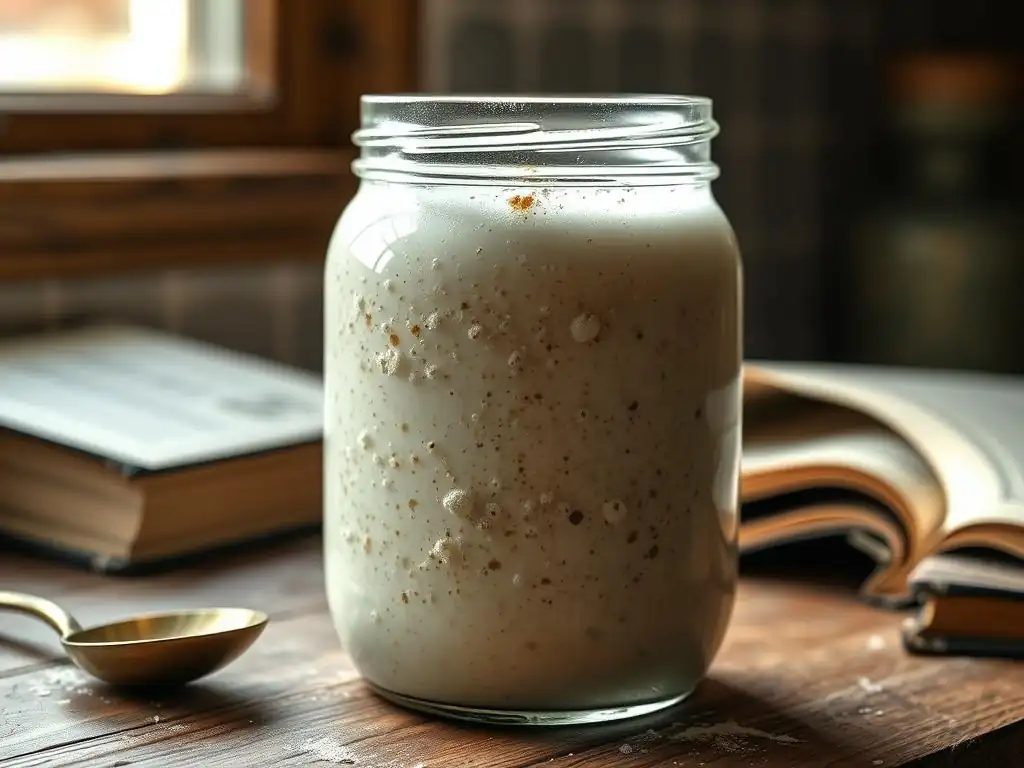
Recognizing Signs of Inactivity or Imbalance
It's important to be able to spot when your starter isn't performing optimally. Signs of a weak or inactive starter include minimal or no visible bubbling after feeding, a failure to significantly increase in volume (it stays relatively flat), and a dense, heavy texture that lacks airiness. If your happy sourdough starter bubbling fast suddenly becomes sluggish, it needs attention.
Other signs might point to an imbalance in the microbial community or stress. A persistent layer of dark liquid (hooch) that forms quickly after feeding indicates extreme hunger. Unpleasant odors like strong alcohol, acetone, or a cheesy/rotten smell suggest an imbalance in the yeast-bacteria ratio or the presence of undesirable microbes.
Common Issues and Solutions for Reviving a Weak Starter
A common problem is a starter that seems sluggish and doesn't rise well. This is frequently caused by cool temperatures or inconsistent feeding. To revive it, find a warmer spot for your starter, ideally in the 75-80°F range. Ensure you are feeding it regularly, ideally daily at room temperature, with a sufficient amount of fresh flour and water. A feeding ratio of 1:1:1 (starter:flour:water by weight) is standard, but increasing the ratio to 1:2:2 or even 1:3:3 for a few feedings can provide extra food to boost activity.
If your starter has an off smell, like strong alcohol or acetone, it's very hungry. Pour off or stir in the hooch (the dark liquid) and feed it generously. If the smell is truly unpleasant (cheesy, putrid), increasing feeding frequency to twice a day for a few days and potentially switching to a nutrient-rich flour like rye or whole wheat for those feedings can help rebalance the microbial population and encourage a happy sourdough starter bubbling fast again.
Identifying and Preventing Kahm Yeast
Kahm yeast is a common surface growth that can appear on sourdough starters, especially those that are underfed or kept in humid conditions. It typically presents as a thin, white, powdery, wrinkled, or fuzzy film on the surface of the starter. While generally harmless, it can impart off-flavors to your bread.
Preventing Kahm yeast involves maintaining a healthy, active starter through regular feeding and keeping the surface clean. Ensure you scrape down the sides of your jar after feeding to prevent dried bits from harboring mold spores. If Kahm yeast appears, you can often scrape off the visible layer, discard a significant portion of the starter underneath (e.g., keeping only 1-2 tablespoons), and then feed the remaining healthy portion generously. Repeat this process over a few feedings if necessary.
Troubleshooting Inconsistent Activity: Temperature and Flour Variations
Experiencing inconsistent activity, where your happy sourdough starter bubbling fast one day is sluggish the next, is often tied to fluctuations in ambient temperature. Even a few degrees difference in your kitchen can significantly alter the speed of fermentation. Aim for a consistently warm spot to minimize these variations. Using an appliance like a proofing box or even keeping the starter in a microwave or oven (turned off) with the light on can provide a more stable temperature.
Variations in the type or brand of flour used can also lead to inconsistent results. Different flours have varying protein contents and nutrient profiles, which affect microbial activity. While experimenting with flours is encouraged, for consistent performance, stick to a reliable brand and type for your regular feedings. If you do switch flours, anticipate that the starter's behavior, including its bubbling speed and rise, might change initially.
Maintaining a Healthy Sourdough Starter for Long-Term Baking
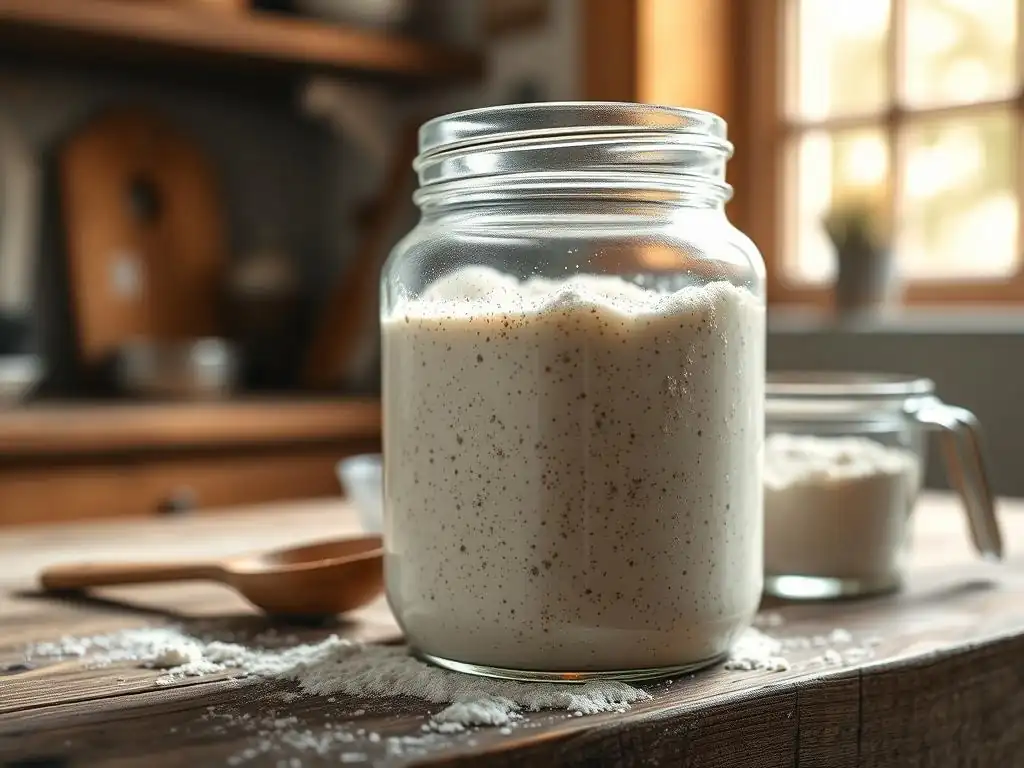
Regular Feeding Schedules: Daily or Weekly Maintenance
Maintaining a regular feeding schedule is fundamental to keeping your sourdough starter healthy and active over the long term. If you keep your starter at room temperature (typically 70-75°F), it is metabolically active and needs to be fed daily, ideally around the same time. This consistent feeding provides a fresh food supply, preventing the starter from becoming overly acidic or running out of energy, ensuring it remains a happy sourdough starter bubbling fast when you need it.
For bakers who don't bake daily, storing the starter in the refrigerator is an excellent option. The cold temperature significantly slows down microbial activity, allowing you to reduce feeding frequency to just once a week. This approach reduces the amount of flour needed for maintenance and makes sourdough baking more accessible for occasional bakers.
Proper Storage: Refrigerator Storage and Reactivation
To store your starter in the refrigerator, feed it as you normally would, let it sit at room temperature for about 1-2 hours until you see initial signs of activity (like tiny bubbles forming), and then place it in a clean jar with a loose-fitting lid in the fridge. The cold will slow down the fermentation process dramatically, allowing it to be safely stored and fed weekly.
When you're ready to bake, take your starter out of the refrigerator. Let it warm up at room temperature for a few hours. Then, give it one or two regular feedings at room temperature, discarding as usual, until it consistently shows signs of being a happy sourdough starter bubbling fast – doubling predictably within 4-8 hours and passing the float test. This reactivation process ensures it's vigorous enough to leaven your dough.
Discard: Reducing Acidity and Maintaining Volume
Discarding a portion of your starter before each feeding is a non-negotiable step for maintaining its health and manageability. This practice serves two primary purposes: it removes accumulated metabolic waste products and excess acidity, which helps keep the environment favorable for the yeast and bacteria, promoting balanced activity.
Secondly, discarding prevents your starter volume from growing exponentially. Without discarding, each feeding would double or triple the total amount, quickly leading to an unmanageable quantity requiring vast amounts of flour. Discarding allows you to maintain a consistent, workable volume of starter while ensuring the remaining portion receives a generous supply of fresh nutrients, keeping your happy sourdough starter bubbling fast and healthy.
Using Your Active Sourdough Starter in Recipes
Float Test: Assessing Starter Strength Before Baking
The float test is a simple and effective method to gauge if your sourdough starter is active enough and has produced sufficient gas to leaven a loaf of bread. To perform the test, gently take a small spoonful of your starter when it appears to be at its peak activity (having doubled or tripled and looking very bubbly and airy) and drop it into a glass of room-temperature water.
If the spoonful of starter floats on the surface of the water, it indicates that it is full of trapped carbon dioxide gas and is at its peak of activity, ready to be incorporated into your bread dough. If it sinks to the bottom, it may not be quite ready yet, or it might be past its peak and starting to deflate, signifying it might not have enough leavening power. A happy sourdough starter bubbling fast and floating is a baker's signal to start mixing dough.
Recipe Adjustments: Accounting for Starter Hydration and Fermentation Time
The hydration level of your starter (the ratio of water to flour by weight) contributes to the total hydration of your bread dough. Most sourdough recipes are written assuming a 100% hydration starter. If your starter has a different hydration level (e.g., a stiffer 60% hydration or a wetter 125% hydration), you may need to slightly adjust the amount of flour or water in the main dough recipe to achieve the desired dough consistency.
Furthermore, the activity level of your specific starter directly influences the fermentation time of your dough. A very active, happy sourdough starter bubbling fast will typically leaven your dough more quickly than a less vigorous one. It's crucial to learn to read your dough's signs of fermentation (like increased volume, surface bubbles, and changes in texture) rather than strictly adhering to time estimates in recipes, as your starter's power is the primary driver of how fast the dough ferments.
From Healthy Starter to Delicious Sourdough Loaf: Overview of the Baking Process
Once you have a healthy, vibrant sourdough starter that's showing all the signs of being a happy sourdough starter bubbling fast and passing the float test, you're ready to embark on the bread-making journey. The process typically begins by combining your active starter with fresh flour and water to form the initial dough, followed by adding salt after a short rest period.
The dough then undergoes bulk fermentation, a period where the starter works to leaven the dough and develop complex flavors. This is usually followed by shaping the dough and a final proofing period, which can be done at room temperature or in the refrigerator for flavor development. Finally, the dough is baked, often in a hot oven, utilizing the gas produced by your thriving starter to achieve a beautiful rise and a delicious, tangy loaf.
Frequently Asked Questions
What are the key signs of a healthy sourdough starter?
A healthy starter will show signs of activity: it should be doubling in size within hours of feeding, showing plenty of bubbles, and have a pleasant, slightly tangy aroma.
How often should I feed my sourdough starter?
The feeding frequency depends on where you store it. At room temperature, feed it once or twice a day. In the refrigerator, you can feed it once a week.
What does a "happy sourdough starter bubbling fast" actually mean?
A rapidly bubbling starter indicates that the yeast and bacteria within it are very active and consuming the flour, producing carbon dioxide and resulting in a quick rise.
What kind of flour is best for feeding my sourdough starter?
While you can use various flours, a mix of unbleached all-purpose flour and whole wheat flour is generally recommended for a healthy and robust starter.
My starter isn't bubbling as fast as I'd like. What can I do?
Ensure the temperature is optimal (around 70-75°F), adjust your feeding ratio (more flour and water), and ensure you're using unbleached flour. Consistency is key!
Final Reflection: The Joyful Fermentation of a Thriving Starter
The pursuit of a happy, bubbly sourdough starter is more than just a baking hobby; it's a microcosm of mindful creation and patient nurturing. A thriving starter, bubbling vigorously and exhibiting all the signs of health, reflects a deep understanding of the delicate balance between care and observation. This understanding, however, extends far beyond the kitchen counter.
The journey of cultivating a sourdough starter mirrors the journey of personal growth. It requires consistent attention, a willingness to adapt to unexpected changes (like a slow-rising starter), and a deep appreciation for the unseen processes at work. The satisfaction of witnessing a healthy starter, bubbling with life, is a testament to this dedication. Patience is a virtue, and in the case of sourdough, it's the key ingredient.
This simple truth applies not only to baking but to all aspects of life where nurturing and consistent effort lead to rewarding outcomes.
Now, consider your own "starter." What aspects of your life require the same mindful attention and patient nurturing? What are the "bubbles" of success you're striving for? Take a moment to reflect on the parallels between your sourdough journey and your personal journey. Embrace the process, learn from the setbacks, and celebrate the successes – just like you would with your beloved, bubbling starter. The rewards are far greater than just a delicious loaf of bread.
Unleash Your Inner Baker: Craft Your Perfect Starter Today!
Thanks for diving into the world of happy, healthy starters! You've now got the knowledge to create a thriving sourdough culture. Ready to put your newfound expertise into practice?
- Start your own starter today! Follow the detailed steps outlined in the article to nurture your very own sourdough culture. It's easier than you think!
- Share your starter journey! Post a picture of your starter's progress on social media using #BakeWithEaseStarter. Let's build a thriving baking community!
- Explore our recipe section for starter-based delights! Discover delicious recipes perfect for your burgeoning sourdough culture.
What unique flavour profile are you hoping to achieve with your starter?