
Make Ahead: Versatile Sourdough Discard Scones (Sweet or Savory)


Welcome to BakeWithEase, where baking becomes a joy, not a chore! Ever wondered what to do with that precious sourdough discard? Don't toss it! This week, we're unlocking the secrets to creating incredibly versatile scones with our Sourdough Discard Scones Recipe. Prepare to be amazed at how simple ingredients transform into flaky, flavorful delights. Sweet or savory, the possibilities are endless. Intrigued? Let's get baking!
- Make-Ahead: Versatile Sourdough Discard Scones (Sweet or Savory) - BakeWithEase
- Introduction to Sourdough Discard Scones
- Why Bake Sourdough Discard Scones?
- Mastering the Basic Sourdough Discard Scone Recipe
- Sweet Sourdough Discard Scone Variations
- Savory Sourdough Discard Scone Variations
- Make-Ahead and Storage Tips for Sourdough Scones
- Troubleshooting Common Sourdough Scone Problems
- Serving Suggestions for Your Sourdough Discard Scones
- Sourdough Discard Scones: A Recipe for Ease and Flavor
-
Frequently Asked Questions
- What exactly is sourdough discard, and why use it in a scones recipe?
- Can I substitute all-purpose flour for another type of flour in this sourdough discard scones recipe?
- How long can I store these sourdough discard scones, and what's the best way to do so?
- What are some variations I can make to the "Sweet or Savory" aspect of this recipe?
- Can I make the sourdough discard scone dough ahead of time and bake it later?
- Final Reflection: The Unexpected Joy of Sourdough Discard
- Unleash Your Inner Baker: Master the Art of Sourdough Discard Scones!
Make-Ahead: Versatile Sourdough Discard Scones (Sweet or Savory) - BakeWithEase
Introduction to Sourdough Discard Scones
Welcome to the wonderful world of baking with sourdough discard! If you maintain a sourdough starter, you know that regular feeding creates "discard" – the portion you remove before feeding. Instead of letting this go to waste, it's a fantastic ingredient that adds a subtle tang and depth of flavor to many baked goods, including delicious scones. This article will guide you through a versatile sourdough discard scones recipe that can be easily adapted for either sweet or savory variations, and best of all, designed with make-ahead convenience in mind.
These scones are a perfect way to use up that excess discard while creating a treat that's a step above the ordinary. Whether you're craving a warm, buttery scone for breakfast or a savory accompaniment to dinner, this recipe provides a solid foundation. We'll cover everything from the basic technique to exciting flavor combinations and essential make-ahead tips, ensuring you can enjoy fresh-baked sourdough discard scones with minimal fuss, even on busy mornings.
Why Bake Sourdough Discard Scones?
Reducing Waste with Sourdough Discard
Maintaining an active sourdough starter often means regularly discarding a portion before feeding it. This discard, while not active enough to leaven bread on its own, is packed with flavor and beneficial microbes. Using it in a sourdough discard scones recipe is an excellent way to minimize food waste in your kitchen. Instead of pouring valuable flour and water down the drain, you transform it into a delicious treat.
Consider a typical starter maintenance routine: feeding 100g of starter with 100g flour and 100g water daily or every few days. Over a week, this could easily generate 500g to 1kg of discard. Incorporating recipes like sourdough discard scones into your routine provides a practical and tasty solution for this accumulation. Many bakers find they specifically feed their starter just to have enough discard for their favorite recipes!
The Unique Flavor of Sourdough in Scones
Even inactive sourdough discard contributes a distinct flavor profile to baked goods. It imparts a subtle tanginess and complexity that balances sweetness in sweet scones and enhances richness in savory ones. This isn't the strong, sour flavor you might associate with a fully fermented loaf of sourdough bread, but rather a gentle background note that adds sophistication.
In a blind taste test, a classic scone might taste simply buttery and sweet (or savory). A sourdough discard scone, however, offers an extra layer of flavor – a slight brightness or depth that makes it more interesting. This unique taste comes from the lactic and acetic acids produced during the fermentation process in the starter, even when it's past its peak activity for leavening. It elevates the simple scone into something special.
Make-Ahead Convenience for Busy Bakers
One of the greatest advantages of this sourdough discard scones recipe is its adaptability for make-ahead preparation. The dough benefits significantly from chilling, which not only makes it easier to handle but also helps create a flakier texture as the fats solidify. You can prepare the dough the night before, shape the scones, and pop them in the refrigerator, ready to bake first thing in the morning.
Furthermore, unbaked sourdough discard scones freeze beautifully. You can cut out a batch, place them on a baking sheet to freeze individually, and then transfer them to a freezer bag. When a scone craving strikes, simply take one or two (or a whole batch!) directly from the freezer to the oven. This convenience means you can enjoy warm, fresh-baked scones anytime with minimal effort on the day you want to eat them.
Mastering the Basic Sourdough Discard Scone Recipe

Ingredients for Sourdough Discard Scones
Getting the right balance of ingredients is key to a perfect sourdough discard scones recipe. Here's a breakdown of the core components:
Flour Selection for Optimal Scone Texture
For classic, tender scones, all-purpose flour is typically the go-to choice. Its moderate protein content provides enough structure without making the scones tough. You can experiment with using a portion of pastry flour (lower protein) for an even more delicate crumb, or bread flour (higher protein) if you prefer a slightly chewier texture, though this is less common for scones.
Using approximately 250-300 grams of all-purpose flour per batch is a good starting point for yielding about 8-12 standard-sized scones. Ensure your flour is fresh; stale flour can impact the rise and flavor. Some bakers even sift their flour for scones to ensure it's light and airy before mixing.
Understanding the Role of Cold Butter
Cold, hard butter is absolutely crucial for flaky scones. As the scones bake, the cold butter melts and releases steam, creating pockets within the dough. This process is what gives scones their characteristic light, layered texture. If the butter is too soft or melted before baking, these pockets won't form properly, resulting in dense, cake-like scones.
You'll typically need around 100-120 grams of unsalted butter, cut into small cubes (about 1 cm) and kept very cold – ideally straight from the refrigerator, or even briefly frozen if your kitchen is warm. Incorporate it into the dry ingredients using a pastry blender, your fingertips, or a food processor until the mixture resembles coarse crumbs with some pea-sized pieces of butter still visible. Avoid overworking the butter until it's fully blended.
Liquid Choices: Milk, Cream, or Buttermilk?
The liquid binds the dough together and contributes to richness and texture. Whole milk is a standard choice, providing moisture and a touch of richness. For a richer scone, heavy cream is an excellent option, resulting in a more tender crumb and luxurious feel.
Buttermilk is another popular choice, especially for savory scones or those seeking a slight tang. The acidity in buttermilk reacts with the baking powder, promoting a better rise, and it also helps tenderize the gluten, leading to a softer scone. You'll typically need around 150-200 ml of your chosen liquid, added gradually until the dough just comes together. The exact amount may vary based on the hydration of your sourdough discard and the humidity.
Sweetener Options: Sugar, Honey, or Maple Syrup?
For sweet sourdough discard scones, a granulated sugar is common, adding sweetness and contributing to browning. About 50-70 grams of granulated sugar is usually sufficient for a moderately sweet scone recipe. Brown sugar can also be used for a deeper, molasses-like flavor, particularly good with spices like cinnamon.
Liquid sweeteners like honey or maple syrup can also be used, but they will affect the dough's hydration and structure differently. If substituting, use slightly less liquid sweetener than granulated sugar (perhaps 40-60g) and be prepared to adjust the main liquid (milk/cream/buttermilk) slightly. For savory scones, you'll typically omit granulated sugar entirely or use just a teaspoon or two to balance flavors.
Step-by-Step Sourdough Discard Scone Instructions
Follow these steps to create perfect sourdough discard scones every time. Precision in technique is just as important as the ingredients themselves.
Combining Dry Ingredients: Flour, Baking Powder, Salt
Start by accurately measuring your dry ingredients: flour, baking powder, and salt. For a standard batch using 250g flour, you'll likely need around 2-3 teaspoons of baking powder to ensure a good rise, especially since the discard provides flavor but little leavening power here. A pinch of salt (about 1/2 teaspoon) is essential to enhance all the flavors.
Whisk these dry ingredients together thoroughly in a large bowl. This step is crucial to distribute the baking powder and salt evenly through the flour, ensuring uniform leavening and seasoning. Some bakers also add a pinch of baking soda if using buttermilk, as the acid in the buttermilk will react with the soda for extra lift.
Incorporating Cold Butter: Achieving a Flaky Texture
Cut your very cold butter into small cubes. Add the butter cubes to the dry ingredients. Using a pastry blender, two knives, or your fingertips, quickly work the butter into the flour mixture until it resembles coarse crumbs. There should still be visible pieces of butter, ranging in size from small peas to lentils.
Avoid overworking the mixture; the goal is to coat the butter pieces with flour while keeping them cold and distinct. Warm hands or over-processing will melt the butter, resulting in a cake-like rather than flaky scone. If your kitchen is warm, you might even pop the bowl into the refrigerator for 10-15 minutes after this step to ensure the butter is sufficiently chilled.
Adding Sourdough Discard and Liquid: Forming the Dough
In a separate bowl, whisk together your sourdough discard and your chosen liquid (milk, cream, or buttermilk). Ensure your discard is at room temperature or slightly chilled, but not cold from the fridge as this can seize the dough. Add this wet mixture to the dry ingredients.
Using a fork or a spatula, gently mix until the dough just comes together. Be careful not to overmix! Overmixing develops the gluten, which leads to tough scones. The dough should be shaggy and slightly sticky, but not wet. If adding mix-ins (like fruit or cheese), gently fold them in at this stage.
Shaping and Cutting the Scones: Tips for Uniformity
Turn the shaggy dough out onto a lightly floured surface. Gently bring the dough together and pat it into a circle or rectangle about 1.5 to 2 cm (roughly 3/4 inch) thick. Avoid kneading, which will also develop gluten. For classic wedges, cut the circle into 6-8 triangles using a sharp knife or bench scraper. For round scones, use a biscuit cutter, pressing straight down without twisting to avoid sealing the edges, which can inhibit rise.
If the dough is too sticky to handle, lightly flour your hands and the surface, but use minimal flour to avoid drying out the scones. For best results and ease of handling, especially for make-ahead, transfer the shaped scones to a parchment-lined baking sheet at this point.
Baking to Golden Perfection: Temperature and Time
Preheat your oven to a relatively high temperature, typically between 200-220°C (400-425°F). A hot oven helps the butter melt quickly and create steam, contributing to a good rise and flaky texture. If you've chilled the shaped scones (highly recommended! ), they can go directly from the fridge into the hot oven.
Bake the sourdough discard scones for approximately 15-20 minutes, or until they are golden brown on top and the bottoms are also lightly browned. The exact baking time will depend on your oven and the size and thickness of your scones. To check for doneness, the internal temperature should register around 90-95°C (195-205°F), or a skewer inserted into the center should come out clean (though this is less reliable for scones than cakes).
Sweet Sourdough Discard Scone Variations
Once you've mastered the basic sourdough discard scones recipe, the possibilities for sweet variations are nearly endless. Here are a few popular ideas:
Classic Blueberry Sourdough Scones
Blueberry scones are a timeless favorite, and the slight tang from the sourdough discard complements the sweet burst of blueberries beautifully. Add about 1 cup (150-200g) of fresh or frozen blueberries to the dough during the final mixing stage, gently folding them in. If using frozen blueberries, don't thaw them first; add them frozen to prevent them from bleeding too much color into the dough.
A common technique to prevent blueberries from sinking is to toss them with a tablespoon of flour before adding them to the dough. Bake as directed. These are wonderful served warm with a dusting of powdered sugar or a simple lemon glaze made with powdered sugar and a squeeze of lemon juice.
Cranberry Orange Sourdough Discard Scones
The bright, zesty combination of cranberry and orange works wonderfully in a sourdough discard scone recipe. Incorporate about 3/4 cup (100g) of dried cranberries and the zest of one large orange into the dry ingredients before adding the butter. The orange zest's oils will infuse into the dough, providing a lovely aroma and flavor.
If you prefer fresh cranberries, chop them coarsely and use about 1 cup (120g). These can be quite tart, which pairs well with the sourdough tang. A simple orange glaze (powdered sugar mixed with orange juice) drizzled over the baked scones adds an extra layer of citrusy sweetness.
Chocolate Chip Sourdough Scones
For a simple indulgence, chocolate chip sourdough discard scones are hard to beat. Add about 1 cup (150-200g) of your favorite chocolate chips (milk, semi-sweet, or dark) to the dough along with the wet ingredients. Mini chocolate chips distribute nicely throughout the scones.
The sourdough discard provides a lovely counterpoint to the sweetness of the chocolate. These are particularly good warm, straight from the oven, when the chocolate chips are still melty. Consider adding a touch of vanilla extract (1 teaspoon) to the wet ingredients to enhance the chocolate flavor.
Lemon Poppy Seed Sourdough Scones
Lemon and poppy seed is a refreshing combination perfect for brunch. Add the zest of two large lemons and 2-3 tablespoons of poppy seeds to the dry ingredients. The lemon zest provides intense citrus flavor, while the poppy seeds add a subtle nutty crunch and visual appeal.
A lemon glaze is almost mandatory for these scones! Mix powdered sugar with enough fresh lemon juice to make a thick but pourable glaze and drizzle it generously over the cooled scones. The bright acidity of the lemon juice and glaze harmonizes wonderfully with the slight tang of the sourdough discard.
Savory Sourdough Discard Scone Variations

Sourdough discard scones aren't just for sweets! The inherent tang of the discard makes them a fantastic base for savory additions, perfect as a side dish or light meal.
Cheese and Herb Sourdough Scones
A classic savory scone variation involves cheese and herbs. Add about 1 cup (100-120g) of shredded cheese, such as sharp cheddar, Gruyère, or a blend, to the dry ingredients along with 2-3 tablespoons of finely chopped fresh herbs like chives, parsley, rosemary, or thyme.
For extra flavor, you can brush the tops of the shaped scones with melted butter and sprinkle with a little extra cheese or flaky sea salt before baking. These cheese and herb sourdough discard scones are excellent served warm with soup, stew, or simply butter.
Bacon and Cheddar Sourdough Scones
Elevate your savory scones with the irresistible combination of bacon and cheddar. Cook 4-6 slices of bacon until crispy, then crumble it once cooled. Add the crumbled bacon and about 1 cup (100g) of shredded cheddar cheese to the dry ingredients.
A pinch of black pepper or a tiny dash of cayenne can add a nice kick. These bacon and cheddar sourdough discard scones are hearty and flavorful, perfect for a savory breakfast or as a side with chili.
Jalapeño and Corn Sourdough Scones
For a scone with a bit of heat and sweetness, try jalapeño and corn. Add about 1/2 cup (75g) of fresh or frozen corn kernels (thawed and drained if frozen) and 1-2 finely minced jalapeño peppers (seeds removed for less heat) to the dough.
Adding about 1/2 cup (50g) of shredded Monterey Jack or Pepper Jack cheese alongside the corn and jalapeño creates a delicious melty texture. These savory sourdough discard scones pair well with grilled meats or as part of a Tex-Mex inspired meal.
Spinach and Feta Sourdough Scones
Inspired by Greek flavors, spinach and feta make a delightful savory sourdough discard scone. Sauté about 1 cup (packed) of fresh spinach with a little garlic until wilted, then squeeze out all excess moisture and chop finely. Add the chopped spinach and about 3/4 cup (100g) of crumbled feta cheese to the dough.
A pinch of nutmeg or a tablespoon of fresh dill can enhance the flavor profile. These scones are wonderful served warm with a dollop of Greek yogurt or alongside a Mediterranean salad.
Make-Ahead and Storage Tips for Sourdough Scones
The make-ahead nature of this sourdough discard scones recipe is a major benefit. Proper handling and storage ensure you get the best results.
Preparing Scone Dough in Advance
One of the easiest make-ahead strategies is to prepare the dough, shape the scones, and then refrigerate them on a parchment-lined baking sheet for several hours or even overnight (up to 12-18 hours). The cold dough is much easier to handle and cut cleanly.
Chilling the shaped scones allows the butter to firm up completely, which is essential for that flaky texture. It also gives the flour time to fully hydrate. Simply cover the baking sheet loosely with plastic wrap or slide it into a large bag before placing it in the fridge. Bake directly from the refrigerator as instructed in the main recipe.
Freezing Unbaked Sourdough Scones
For longer storage, freezing unbaked scones is an excellent option. After shaping and cutting the scones, place them in a single layer on a parchment-lined baking sheet and freeze until they are solid, which typically takes 1-2 hours.
Once frozen solid, transfer the scones to a freezer-safe bag or airtight container. Label the bag with the type of scone and the date. Unbaked sourdough discard scones can be stored in the freezer for up to 2-3 months without significant loss of quality. This allows you to bake just one or two at a time whenever you like.
Baking Frozen Scones: Adjusting Baking Time
Baking scones directly from frozen is simple and convenient. There's no need to thaw them beforehand. Simply place the frozen scones on a parchment-lined baking sheet.
You will need to increase the baking time slightly compared to baking chilled scones. Preheat your oven to the same temperature (200-220°C / 400-425°F). Bake for approximately 20-25 minutes, or until golden brown and baked through. Keep an eye on them during the last few minutes, as oven temperatures can vary.
Storing Baked Sourdough Scones for Freshness
Once baked and cooled slightly, sourdough discard scones are best enjoyed fresh, ideally within a day or two. Store cooled scones in an airtight container at room temperature.
To refresh baked scones, you can warm them in a preheated oven at 150°C (300°F) for about 5-10 minutes. This helps crisp up the exterior and warms the interior. Baked scones can also be frozen for longer storage (up to 1 month), but the texture might be slightly less ideal than baking from frozen unbaked dough. Thaw frozen baked scones at room temperature before reheating.
Troubleshooting Common Sourdough Scone Problems
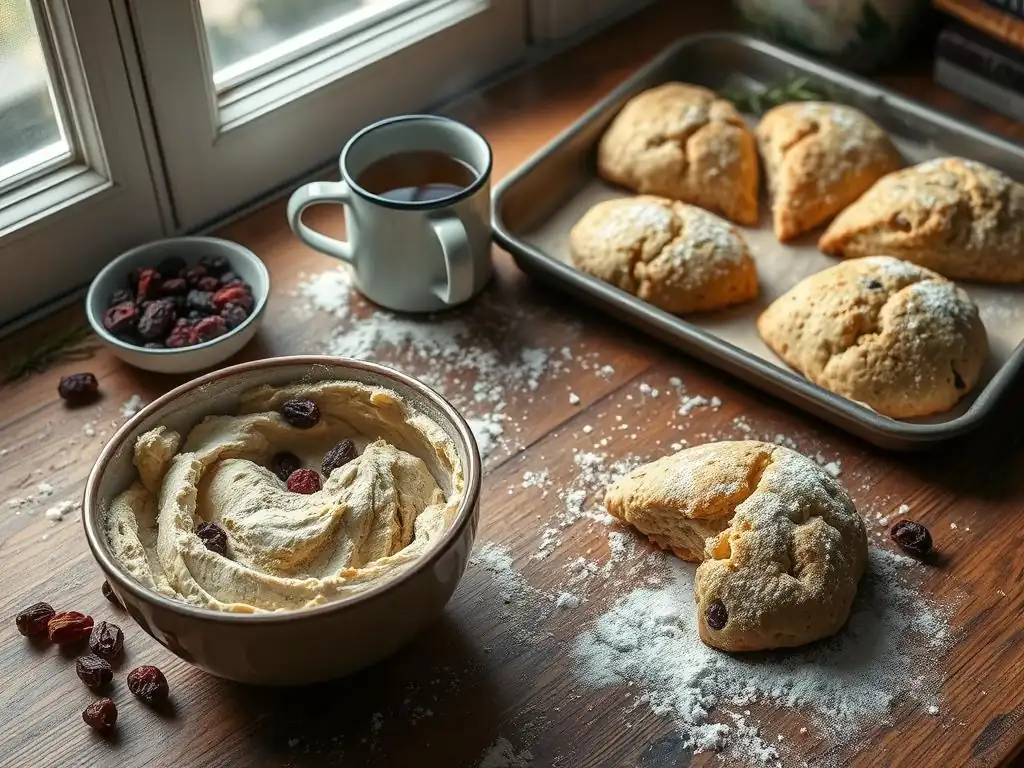
Even with a great sourdough discard scones recipe, sometimes things don't go exactly as planned. Here are some common issues and how to fix them.
Dry and Crumbly Scones: Possible Causes and Solutions
If your scones turn out dry and crumbly, it's usually a sign that the dough was too dry. This can happen if you used too much flour during the initial mixing or when shaping, or if you didn't add quite enough liquid.
To prevent this, measure your flour accurately (using a scale is best, aiming for approximately 250-300g as mentioned earlier). Add the wet ingredients gradually until the dough just comes together, resisting the urge to add more flour during shaping unless absolutely necessary. The dough should feel slightly sticky. If you realize the dough is too dry mid-mix, you can carefully add an extra tablespoon or two of milk or discard, mixing just until incorporated.
Flat and Dense Scones: Avoiding Common Mistakes
Flat, dense scones often result from warm butter or overworking the dough. If your butter melts before baking, it won't create steam pockets for lift. Overworking the dough develops gluten, leading to a tough, dense texture instead of a light, crumbly one.
Ensure your butter is very cold and handle it minimally when incorporating it into the dry ingredients. Mix the wet and dry ingredients just until combined – the dough should look shaggy, not smooth. Avoid kneading the dough when shaping. Also, make sure your baking powder isn't expired; old leavening agents won't provide the necessary lift.
Scones Not Rising Properly: Baking Powder and Technique
Poor rise can be attributed to several factors, primarily related to the leavening agent or how the dough was handled. If your scones are flat, check the expiry date on your baking powder. Baking powder loses its potency over time.
Beyond the leavening agent itself, ensuring your oven is properly preheated to a high temperature is critical. The initial burst of heat is needed to activate the baking powder and melt the cold butter quickly for maximum lift. Also, as mentioned regarding flatness, avoid overworking the dough and twist the biscuit cutter when shaping, as these actions can hinder the rise.
Serving Suggestions for Your Sourdough Discard Scones
Freshly baked sourdough discard scones are a treat on their own, but they can be made even better with the right accompaniments.
Enjoying Scones with Coffee or Tea
A warm scone and a hot beverage are a classic pairing. Sweet sourdough discard scones are perfect with a cup of coffee or a comforting pot of tea, whether it's black, green, or herbal.
The richness of the scone complements the beverage, making for a satisfying breakfast or afternoon snack. Consider serving plain or lightly sweetened scones with a simple pat of butter to let the flavors shine.
Pairing Scones with Jams, Clotted Cream, or Honey
For sweet scones, classic toppings like jam and clotted cream are hard to beat. The slight tang of the sourdough discard provides a lovely contrast to sweet fruit jams. A dollop of rich clotted cream (or whipped cream as an alternative) adds luxurious texture.
Honey or maple syrup can also be drizzled over warm sweet scones. For scones with fruit mixed in, consider a complementary jam (e.g., blueberry jam with blueberry scones).
Serving Savory Scones as a Side Dish
Savory sourdough discard scones are incredibly versatile. They make an excellent alternative to bread or biscuits as a side dish. Serve cheese and herb scones with a hearty soup or stew. Bacon and cheddar scones are fantastic alongside chili or grilled meats.
They can also be split and used as a base for open-faced sandwiches or served with scrambled eggs for a substantial breakfast. Consider serving them with butter, cream cheese, or even a savory spread like pesto or tapenade.
Sourdough Discard Scones: A Recipe for Ease and Flavor
Making sourdough discard scones is a rewarding experience that turns potential waste into a delicious reality. This versatile sourdough discard scones recipe offers a fantastic foundation for countless variations, from classic sweet treats to flavorful savory bites.
Embrace the Versatility of Sourdough Baking
By incorporating sourdough discard into your baking repertoire, you unlock a world of subtle flavors and textures. This sourdough discard scones recipe is just one example of how this often-overlooked ingredient can elevate simple baked goods.
Experiment with different flours, fats, liquids, and mix-ins to truly make this recipe your own. Whether you bake them fresh or use the make-ahead and freezing tips for ultimate convenience, these sourdough discard scones are sure to become a favorite in your kitchen, proving that using your discard is not only practical but utterly delicious.
Frequently Asked Questions
What exactly is sourdough discard, and why use it in a scones recipe?
Sourdough discard is the unfed portion of your sourdough starter. Using it in scones adds flavor and moisture while reducing waste.
Can I substitute all-purpose flour for another type of flour in this sourdough discard scones recipe?
Yes, you can substitute some all-purpose flour with whole wheat or spelt flour, but it may affect the texture and rise. Experiment to find what you prefer!
How long can I store these sourdough discard scones, and what's the best way to do so?
These scones are best enjoyed fresh, but can be stored in an airtight container at room temperature for up to two days. For longer storage, freeze them.
What are some variations I can make to the "Sweet or Savory" aspect of this recipe?
For sweet scones, add berries, chocolate chips, or dried fruit. For savory, try cheese, herbs, or sun-dried tomatoes.
Can I make the sourdough discard scone dough ahead of time and bake it later?
Yes, you can prepare the dough, shape the scones, and then refrigerate them for up to 24 hours before baking. Remember to add a few minutes to the baking time.
Final Reflection: The Unexpected Joy of Sourdough Discard
The humble sourdough discard, once destined for the compost bin, has been revealed as a surprisingly versatile ingredient, capable of transforming into delicious and satisfying scones. This isn't just about reducing food waste; it's about unlocking a new level of creativity in the kitchen and enjoying the fruits – or should we say, scones – of our sourdough labor. The recipes shared here demonstrate the potential for both sweet and savory delights, proving that even the "leftovers" can be extraordinary.
The journey of transforming sourdough discard into scones has been a personal revelation. It's a testament to the power of resourcefulness and the unexpected pleasures found in embracing imperfection. Waste not, want not,
an old adage rings truer than ever in the context of sustainable baking. This isn't just about saving money; it's about respecting the process and ingredients involved in creating sourdough, from start to finish. The act of repurposing the discard feels deeply connected to the overall ethos of mindful baking.
Now, it's your turn. Don't let that precious sourdough discard go to waste! Experiment with the recipes provided, adapt them to your own tastes, and discover the unique joy of transforming something seemingly insignificant into something truly delicious. Embrace the unexpected, and let the journey of baking with your sourdough discard be a testament to your creativity and resourcefulness. The possibilities are as endless as your imagination.
Unleash Your Inner Baker: Master the Art of Sourdough Discard Scones!
Thanks for joining us on this delicious journey into the world of sourdough discard scones! We hope you've gained some valuable insights and inspiration to transform those often-discarded bits into delightful treats. Ready to put your newfound knowledge into practice?
- Bake a batch today! Choose your favorite recipe – sweet or savory – and get baking. Remember, practice makes perfect!
- Share your creations! Tag us on social media and show off your beautiful, golden-brown scones. We'd love to see your baking masterpieces.
- Explore the endless possibilities! Experiment with different add-ins, glazes, and flavor combinations to create your signature scone.
What unique flavor combination will you try first for your sourdough discard scones?