
Simple Sourdough Discard Bagels: Chewy & Flavorful at Home

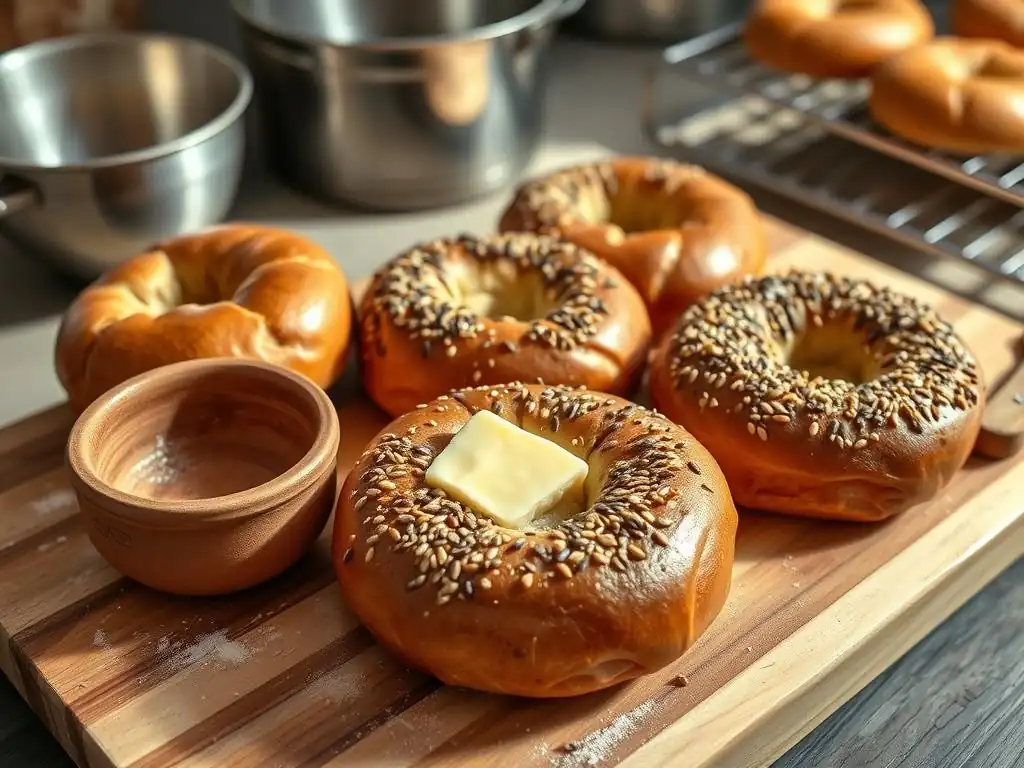
Welcome to BakeWithEase, where mastering the art of baking becomes, well, a breeze! Ever wondered what to do with that sourdough discard? Don't toss it! Unlock its potential with our Simple Sourdough Discard Bagels recipe, and discover how to create chewy, flavorful bagels right in your own kitchen. Ready to transform your discard into golden-brown deliciousness? Let's get baking!
- Sourdough Discard Bagels: Chewy & Flavorful Homemade Goodness
- Introduction to Sourdough Discard Bagels
- Go-To Sourdough Discard Bagels Recipe
- Step-by-Step Guide: Crafting Your Sourdough Discard Bagels
- Tips and Tricks for Perfect Sourdough Discard Bagels
- Variations on the Sourdough Discard Bagels Recipe
- Enjoying Your Homemade Sourdough Discard Bagels
- Conclusion: Mastering Sourdough Discard Bagel Baking
- Frequently Asked Questions
- Final Reflection: The Unexpected Joy of Sourdough Discard
- Unleash Your Inner Baker: Craft the Perfect Bagel!
Sourdough Discard Bagels: Chewy & Flavorful Homemade Goodness
Introduction to Sourdough Discard Bagels
What are Sourdough Discard Bagels and Why Bake Them?
Sourdough discard bagels are a delightful way to utilize the unfed portion of your sourdough starter that you would typically discard before feeding. This discard, while less active for leavening than a fed starter, is packed with flavor from the fermentation process. Incorporating it into bagel dough imparts a subtle tang and complexity that commercial yeast alone cannot replicate, resulting in a more sophisticated taste profile. Baking simple sourdough discard bagels recipe at home allows you to control ingredients, avoid additives, and enjoy incredibly fresh, warm bagels straight from your oven.
Beyond the delicious taste, making bagels with sourdough discard is a rewarding baking project. It's a fantastic way to reduce waste from your sourdough maintenance routine and adds a unique twist to a classic breakfast staple. Unlike recipes relying solely on active sourdough starter, discard recipes often use a small amount of commercial yeast alongside the discard, providing a reliable rise while still benefiting from the starter's flavor compounds. This hybrid approach makes the process more predictable and faster than traditional sourdough bagel recipes, perfect for home bakers looking for great results without the long fermentation times.
The Benefits of Baking Bagels with Sourdough Discard
One significant benefit of using sourdough discard in your simple sourdough discard bagels recipe is the enhanced flavor. The tangy notes developed during the starter's fermentation process infuse the dough, creating a depth of flavor that is difficult to achieve with just commercial yeast. This subtle acidity also interacts with the gluten development, potentially leading to a slightly more tender crumb while maintaining that essential bagel chewiness. It's a simple addition that elevates the humble bagel to something truly special.
Furthermore, incorporating sourdough discard is an excellent practice for sustainability in your baking. A typical sourdough starter feeding schedule might require discarding a significant amount of starter weekly or even daily, depending on how often you bake. Using this discard in recipes like bagels, pancakes, or crackers helps minimize waste and maximize the value of your starter. It's a practical, eco-friendly approach that yields delicious results, making your baking routine more efficient and enjoyable.
Go-To Sourdough Discard Bagels Recipe
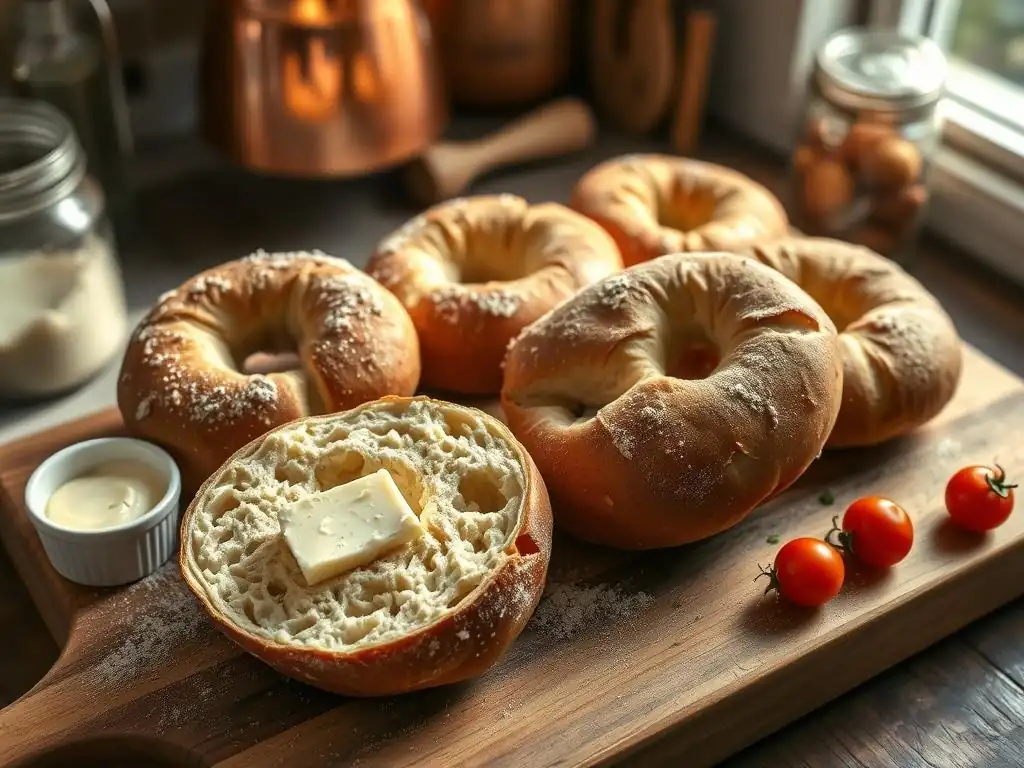
Recipe Overview: Chewy Bagels Simplified
Crafting chewy, flavorful simple sourdough discard bagels recipe at home follows a straightforward process involving mixing, a relatively short fermentation, shaping, boiling, and finally, baking. This recipe is designed to be approachable for intermediate bakers, leveraging the stability provided by a small amount of commercial yeast alongside the flavor benefits of the sourdough discard. The key to the perfect texture lies in using high-protein flour, ensuring adequate gluten development, and the crucial boiling step before baking, which sets the crust and contributes significantly to the characteristic chew.
The overall timeline for this recipe is much shorter than a pure sourdough bagel recipe, often completed within 3-5 hours from mixing to baking, plus any optional cold fermentation for deeper flavor development. This makes it feasible for a weekend baking project without requiring overnight commitment. By focusing on precise measurements, proper kneading, and attention to detail during shaping and boiling, anyone can achieve impressive homemade simple sourdough discard bagels that rival those from a professional bakery.
Key Ingredients for Flavorful Sourdough Bagels
Understanding Sourdough Discard's Role
Sourdough discard, particularly unfed discard stored in the refrigerator for a few days or even a week, is primarily used here for its flavor contribution rather than its leavening power. It contains the complex acids and microbial byproducts from fermentation that give sourdough its distinctive tang. While older discard tends to be more acidic and flavorful, even younger discard (1-2 days old) will add a pleasant nuance. Using discard around 100% hydration (equal parts flour and water by weight) is typical and works well in this recipe, contributing moisture and acidity to the dough.
The amount of discard used can vary, but a common ratio in simple sourdough discard bagels recipe is around 150-200 grams per standard batch yielding 6-8 bagels. This quantity provides sufficient flavor without negatively impacting the dough structure or requiring excessive adjustments to hydration. The acidity of the discard also helps to tenderize the dough slightly and can contribute to better crust browning during baking. Think of it as a natural flavor enhancer that also adds a touch of baking science magic.
Flour Selection for Optimal Bagel Texture
For that quintessential chewy bagel texture, selecting the right flour is paramount. High-gluten flour is the ideal choice, boasting a protein content of around 13-14%. This high protein level allows for the development of a strong gluten network, which is essential to withstand the shaping and boiling process and create that desirable dense, chewy interior. If high-gluten flour isn't readily available, bread flour (typically 12-13% protein) is an excellent and widely accessible alternative that will still produce very good results for your simple sourdough discard bagels recipe.
Using all-purpose flour (around 10-11.5% protein) is generally not recommended for bagels, as it won't develop enough gluten to achieve the proper chewy texture. The dough will be weaker, potentially leading to flat or misshapen bagels after boiling and baking. While you could use it in a pinch, the resulting bagels will likely have a softer, more bread-like texture rather than the firm chew you expect from a classic bagel. Stick to high-gluten or bread flour for the best outcome.
Other Essential Ingredients for Bagel Success
Beyond sourdough discard and high-protein flour, a few other ingredients are crucial for a successful simple sourdough discard bagels recipe. Water is the primary liquid, and using lukewarm water (around 95-105°F or 35-40°C) helps activate the commercial yeast quickly. Salt is vital for flavor and also plays a role in controlling yeast activity and strengthening the gluten structure. Don't skimp on the salt; it makes a huge difference in the final taste.
Commercial yeast, typically instant or active dry yeast, provides the necessary lift since discard alone isn't relied upon for leavening in this recipe. Sugar or malt barley syrup is often included in the dough in small amounts (e.g., 1-2 tablespoons) to provide food for the yeast and aid in crust browning. Some recipes also include a small amount of oil or egg for richness or tenderness, though classic bagels are often lean doughs made primarily of flour, water, yeast, and salt.
Step-by-Step Guide: Crafting Your Sourdough Discard Bagels
Preparing the Sourdough Bagel Dough
Mixing the Dough: Achieving the Right Consistency
Begin by combining the lukewarm water, yeast, and a pinch of the sugar in a large mixing bowl or the bowl of a stand mixer. Let this mixture sit for 5-10 minutes until foamy, indicating the yeast is active. Then, add the sourdough discard, the remaining sugar, salt, and about half of the high-protein flour.
Mix on low speed or with a sturdy spoon until just combined. Gradually add the remaining flour, a little at a time, allowing it to incorporate before adding more. Bagel dough is notoriously stiff and low-hydration (often around 50-55% hydration relative to the flour weight), so be prepared for a firm dough.
Once most of the flour is added and the dough starts to come together, turn it out onto a lightly floured surface or continue kneading in a stand mixer fitted with a dough hook. Knead the dough for 8-10 minutes by hand or 6-8 minutes by machine until it becomes smooth, elastic, and passes the windowpane test (a small piece can be stretched thinly without tearing). The dough should be quite firm and not sticky. Proper kneading is essential for developing the gluten structure needed for that chewy texture in your simple sourdough discard bagels recipe.
Bulk Fermentation: Developing Flavor
After kneading, shape the dough into a smooth ball and place it in a lightly oiled bowl, turning to coat. Cover the bowl tightly with plastic wrap or a damp cloth. The bulk fermentation allows the yeast to produce carbon dioxide, causing the dough to rise, and the sourdough discard to contribute its flavor compounds.
Let the dough rise in a warm place (around 75-80°F or 24-27°C) for about 1 to 1.5 hours, or until it has increased in size by about 50%. It won't double like standard bread dough due to its low hydration and the discard's limited leavening.
For a deeper flavor development in your simple sourdough discard bagels recipe, consider a cold fermentation step. After the initial short rise, you can punch down the dough lightly, cover it, and refrigerate it for 12-24 hours. This slow, cold fermentation allows the acids in the discard to work their magic, resulting in a more complex, tangy flavor profile. While optional, it significantly enhances the taste and also makes shaping the firm dough slightly easier when cold.
Shaping the Bagels: Classic Round or \[Your Preferred Style]?
Once the bulk fermentation (and optional cold fermentation) is complete, gently punch down the dough and divide it into equal portions. A standard batch often yields 6 to 8 bagels, each weighing roughly 100-120 grams. For classic ring bagels, there are two main methods: rolling out ropes or punching holes. The rope method involves rolling each portion into a rope about 8-10 inches long, tapering the ends, and then wrapping one end around your palm and pinching the ends together firmly to form a circle. Ensure the seam is well-sealed to prevent it from opening during boiling.
Alternatively, the punch method involves shaping each dough portion into a smooth ball, letting them rest for a few minutes, and then using your thumb or the handle of a wooden spoon to punch a hole in the center. Gently stretch the hole, rotating the dough, until it's about 1.5-2 inches in diameter. Remember that the hole will shrink during boiling and baking, so make it slightly larger than you think necessary. Place the shaped simple sourdough discard bagels on parchment-lined baking sheets, leaving space between them.
The Boiling Process: Key to Chewy Texture
Why Boil Bagels Before Baking?
Boiling bagels before baking is the absolute key to achieving that signature chewy texture. When the shaped bagel dough hits the simmering water, the outer layer of starch on the surface gelatinizes almost instantly. This creates a slightly firm, non-expandable skin on the exterior of the bagel. This skin prevents the bagel from puffing up too much in the oven, resulting in a denser, chewier interior crumb compared to unboiled bread. Without this step, you simply end up with a roll with a hole.
The boiling process typically lasts for a short time, usually 30-60 seconds per side, although some recipes call for up to 2 minutes per side for an even chewier result. The duration depends on personal preference for chewiness. Boiling for too long can make the bagels too dense or tough, while boiling for too short a time won't develop the necessary skin. This brief dip in hot water is a non-negotiable step for authentic simple sourdough discard bagels recipe.
Adding Flavor to the Boiling Water \[e.g., Honey, Malt Syrup]
Adding ingredients to the boiling water is an excellent way to enhance the flavor and appearance of your simple sourdough discard bagels recipe. A common addition is malt barley syrup, which imparts a subtle sweetness and malty flavor that pairs wonderfully with the tang of the sourdough discard. About 1-2 tablespoons per gallon of simmering water is a good starting point. Malt syrup also significantly contributes to the beautiful golden-brown crust color during baking.
If malt syrup is unavailable, honey or brown sugar can be used as alternatives, providing sweetness and aiding in browning, though they won't replicate the distinct malty flavor. Baking soda (around 1 teaspoon per gallon) can also be added to the water; it increases the alkalinity, which promotes a darker, glossier crust, similar to how it works with pretzels. Experimenting with these additions allows you to customize the flavor and appearance of your homemade simple sourdough discard bagels.
Baking Your Sourdough Discard Bagels to Perfection
Oven Temperature and Baking Time
Baking simple sourdough discard bagels requires a relatively hot oven to ensure a crisp crust and a thoroughly cooked interior. Preheat your oven to a high temperature, typically between 400°F and 425°F (200°C to 220°C). Placing a baking stone or steel in the oven while it preheats is highly recommended, as it provides a burst of heat from underneath, helping the bagels spring and set quickly. If you don't have a stone or steel, a preheated baking sheet works as well, though the results might be slightly different.
Once boiled and topped (if desired), carefully transfer the simple sourdough discard bagels to the preheated oven, ideally onto the hot stone or steel using a pizza peel or inverted baking sheet. The baking time usually ranges from 18 to 25 minutes, depending on your oven and the size of your bagels. They are done when they are a deep golden brown on both the top and bottom. You can check for doneness by tapping the bottom of a bagel; it should sound hollow.
Achieving a Golden-Brown Crust
Achieving a beautiful golden-brown crust on your simple sourdough discard bagels involves several factors working together. The boiling step, especially with the addition of malt syrup or sugar, is crucial as it provides sugars on the surface that caramelize during baking. The high baking temperature ensures rapid heat transfer, setting the crust quickly and promoting browning through the Maillard reaction. Ensuring the oven is fully preheated is key for this.
Placing the bagels directly on a hot surface like a baking stone or steel also contributes to a well-formed bottom crust and overall even browning. Some bakers like to flip the bagels halfway through the baking time to ensure even color development on both sides. Monitoring the bagels closely during the last few minutes of baking is important to prevent them from getting too dark while ensuring they are fully cooked through.
Tips and Tricks for Perfect Sourdough Discard Bagels
Troubleshooting Common Bagel Baking Issues
Avoiding Flat Bagels
Flat simple sourdough discard bagels can be disheartening, but it's a common issue often related to dough strength or over-proofing. Ensure you are using high-protein flour and that you have kneaded the dough sufficiently to develop a strong gluten network. The dough should be quite firm and elastic before shaping. If the dough is too wet or hasn't been kneaded enough, it won't hold its shape during boiling and baking.
Another cause of flat bagels is over-proofing after shaping. While the dough needs a short rest before boiling, letting it rise too much can weaken the structure. Aim for just a slight puffiness before they go into the hot water. Also, handle the shaped bagels gently when transferring them to the boiling water and then to the baking sheet to avoid deflating them. Using parchment paper squares under each bagel can help with easy transfer.
Preventing a Doughy Interior
A doughy or gummy interior in simple sourdough discard bagels recipe usually indicates that the bagels were not baked thoroughly. This can happen if the oven temperature isn't high enough, if they weren't baked for long enough, or if they were crowded on the baking sheet, preventing even heat circulation. Always ensure your oven is accurately preheated to the specified temperature, using an oven thermometer if necessary.
Bake the bagels until they are a deep golden brown and sound hollow when tapped on the bottom. If the tops are browning too quickly but the interior isn't done, you can try lowering the oven temperature slightly or loosely tenting the bagels with foil for the remainder of the baking time. Ensure there is adequate space between the bagels on the baking sheet or stone to allow hot air to circulate freely around each one, promoting even cooking.
Enhancing Flavor and Texture
Adding Toppings: Sesame Seeds, Everything Bagel Seasoning, and More
Adding toppings is a fantastic way to customize and enhance your simple sourdough discard bagels recipe. Classic toppings like white sesame seeds, black sesame seeds, poppy seeds, dried minced onion, and dried garlic flakes are popular choices. The "Everything Bagel" seasoning blend, which combines all of these, is a perennial favorite. These toppings should be applied to the bagels immediately after boiling while the surface is still wet, which helps them adhere during baking.
Other delicious topping ideas include coarse sea salt (be mindful of salt content if also adding toppings to the dough), caraway seeds, or even grated cheese like Parmesan or Asiago for a savory twist. Sweet toppings like cinnamon sugar can also be applied, though they tend to brown very quickly. Press the toppings firmly into the dough after boiling to ensure they stick well throughout the baking process.
Experimenting with Different Flours
While high-gluten or bread flour is recommended for the classic chewy texture of simple sourdough discard bagels recipe, experimenting with small percentages of other flours can add interesting flavors and textures. For example, substituting 10-15% of the bread flour with whole wheat flour will add a nuttier flavor and increase the fiber content, resulting in a slightly denser crumb. Rye flour can introduce a deeper, tangier note that complements the sourdough discard well.
Using specialty flours like spelt or even a small amount of cornmeal can also offer unique characteristics. However, be aware that substituting too much of the high-protein flour with lower-protein or non-wheat flours will significantly impact the gluten development and the resulting chewy texture. Start with small substitutions (e.g., 5-15% of the total flour weight) to understand how they affect the dough and the final bagel before making larger changes.
Storing Your Homemade Sourdough Bagels
Keeping Bagels Fresh for Longer
Homemade simple sourdough discard bagels are best enjoyed fresh, ideally within a day or two of baking. To store them at room temperature, place them in a paper bag to allow some air circulation, which helps maintain the crust's integrity. Avoid storing them in airtight plastic bags or containers at room temperature for more than a day, as this can soften the crust and encourage mold growth, especially in humid environments.
If you plan to eat them within 3-4 days, storing them in a paper bag placed inside a loosely closed plastic bag or a bread box can help retain a bit more moisture while still allowing some airflow. For optimal freshness beyond a couple of days, refrigeration is an option, though it can slightly alter the texture, making them a bit tougher. Always slice refrigerated bagels before toasting them for the best experience.
Freezing Bagels for Future Enjoyment
Freezing is the best method for long-term storage of your simple sourdough discard bagels recipe batch. Once the bagels have cooled completely after baking, slice them in half horizontally if you plan to toast them later (this makes subsequent preparation much easier). Place the sliced or whole bagels in freezer-safe bags or wrap them tightly in plastic wrap followed by aluminum foil to prevent freezer burn.
Properly wrapped simple sourdough discard bagels can be stored in the freezer for up to 3-4 months. To enjoy a frozen bagel, simply take it directly from the freezer. If sliced, you can pop the halves directly into a toaster or under the broiler. If whole, let it thaw at room temperature for 30-60 minutes before slicing and toasting, or warm it in a preheated oven at around 350°F (175°C) for 5-10 minutes until heated through.
Variations on the Sourdough Discard Bagels Recipe
Exploring Different Flavor Combinations
Savory Sourdough Bagels: Cheddar Jalapeño
Transform your simple sourdough discard bagels recipe into a savory delight by incorporating mix-ins like sharp cheddar cheese and finely diced jalapeño peppers. For a batch of 6-8 bagels, you might add about 1 cup of shredded cheddar and 1-2 tablespoons of finely diced fresh or pickled jalapeño (depending on desired heat level) during the final stages of kneading. Ensure the mix-ins are evenly distributed throughout the dough.
These savory additions not only provide bursts of flavor but the cheese also creates delightful pockets of melted goodness within the bagel and on the crust. You can also sprinkle extra cheese and jalapeños on top of the bagels after boiling for added visual appeal and flavor. Cheddar jalapeño sourdough discard bagels are perfect served warm with cream cheese or as the base for a spicy breakfast sandwich.
Sweet Sourdough Bagels: Blueberry
For those who prefer a touch of sweetness, blueberry simple sourdough discard bagels recipe are a wonderful variation. Gently fold in about 1/2 to 3/4 cup of fresh or frozen blueberries (do not thaw frozen blueberries before adding) during the last minute of kneading. Be careful not to overmix once the blueberries are added, as this can cause them to break and stain the dough excessively.
The blueberries will release some moisture during baking, creating tender pockets within the chewy bagel. The tang of the sourdough discard pairs surprisingly well with the sweetness of the blueberries. Serve these warm with butter or a light cream cheese spread for a delightful treat. You can also add a touch of lemon zest to the dough or boiling water for an extra bright flavor note.
Adapting the Recipe for Different Dietary Needs \[e.g., Gluten-Free (mention it's challenging), Vegan]
Adapting a traditional simple sourdough discard bagels recipe to be gluten-free is quite challenging due to the critical role of wheat gluten in achieving the characteristic chew and structure. Gluten-free flours behave very differently, and replicating the strong, elastic dough needed for shaping, boiling, and baking bagels without gluten requires specialized blends and techniques, often involving binders like psyllium husk or xanthan gum. While not impossible, creating a truly comparable texture is difficult, and results will likely be denser and less chewy than their wheat counterparts.
Creating vegan simple sourdough discard bagels is much more straightforward. Most classic bagel recipes are naturally vegan, using only flour, water, yeast, salt, and sometimes a touch of sugar or malt. Ensure your sourdough discard is also maintained without any dairy or eggs. The boiling water additions like malt syrup or sugar are vegan-friendly. Simply follow the recipe as written, ensuring all ingredients like toppings (e.g., seeds, dried onion/garlic) are also free from animal products. Avoid recipes that call for egg washes or dairy in the dough or boiling water if aiming for a strictly vegan result.
Enjoying Your Homemade Sourdough Discard Bagels
Serving Suggestions and Pairing Ideas
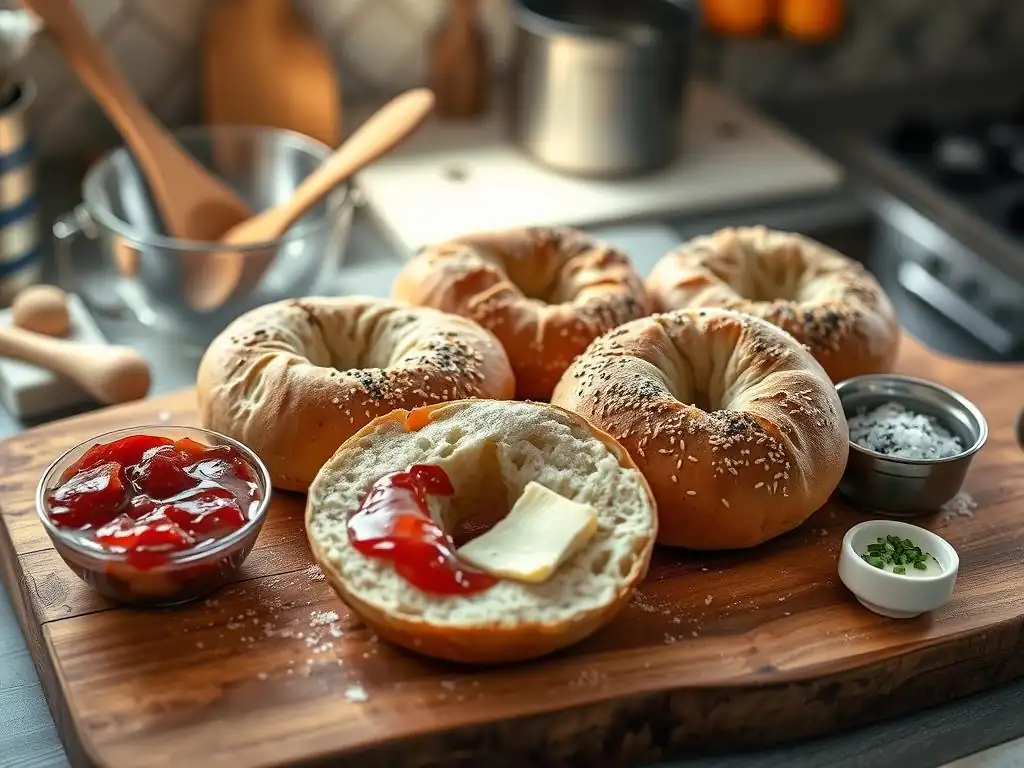
Your fresh, warm simple sourdough discard bagels are incredibly versatile and can be enjoyed in countless ways. The classic pairing is, of course, with a generous schmear of cream cheese. Explore different cream cheese flavors like plain, scallion, or lox spread to complement the bagel's tang. Toasting the bagel halves enhances the texture, providing a warm, slightly crispy surface that contrasts beautifully with the chewy interior.
Beyond cream cheese, bagels make excellent sandwiches. Use them for breakfast sandwiches with egg, cheese, and bacon or sausage. For lunch, pile on smoked salmon (lox), red onion, capers, and tomato for a traditional deli experience. Or, use them as the base for turkey, ham, or veggie sandwiches. The sturdy structure of a bagel holds up well to various fillings, making it a satisfying alternative to standard bread.
Conclusion: Mastering Sourdough Discard Bagel Baking
Embrace Homemade Bagels
Baking simple sourdough discard bagels recipe at home might seem intimidating at first, but by following a clear process and understanding the role of each step – from using high-protein flour and incorporating tangy discard to the crucial boiling stage and hot oven bake – you can achieve incredibly satisfying results. This recipe offers a practical way to use your sourdough discard while creating a beloved staple that's far superior to most store-bought options in terms of flavor and texture.
Taking the time to craft your own simple sourdough discard bagels allows you to control the ingredients, experiment with flavors, and enjoy the rewarding process of transforming simple components into chewy, delicious rings of goodness. Don't be discouraged if your first batch isn't perfect; baking is a journey of learning and refinement. With a little practice, you'll be confidently pulling perfect, golden-brown bagels from your oven, ready to be sliced, toasted, and slathered with your favorite toppings. Embrace the challenge and the delicious rewards of homemade simple sourdough discard bagels!
Frequently Asked Questions
What is sourdough discard and why is it used in this bagel recipe?
Sourdough discard is the portion of sourdough starter removed before feeding. This recipe utilizes it for added flavor and texture, minimizing waste and creating a unique bagel experience.
Can I use active sourdough starter instead of discard?
Yes, but you'll need to adjust the liquid in the recipe. Active starter has more hydration, so reducing the water will prevent a sticky dough. Monitor the dough consistency closely.
How do I achieve a chewy texture in my sourdough discard bagels?
The boiling step before baking is crucial for a chewy texture. The boiling gelatinizes the starches on the surface, creating that signature chewy crust. Also, ensure your dough has developed sufficient gluten.
What toppings can I use for my sourdough discard bagels?
The possibilities are endless! Try everything bagel seasoning, sesame seeds, poppy seeds, dried onion, garlic flakes, or even a simple sprinkle of sea salt. Experiment with your favorite flavors!
How long do these sourdough discard bagels stay fresh?
These bagels are best enjoyed fresh. Store them in an airtight container at room temperature for up to 2 days. For longer storage, freeze them after they have cooled down.
Final Reflection: The Unexpected Joy of Sourdough Discard
The humble sourdough discard, once destined for the compost bin, has been transformed into a culinary treasure. This simple recipe proves that even kitchen scraps can yield extraordinary results, offering a delicious and satisfying way to minimize waste and maximize flavor. The chewy texture and tangy taste of these bagels are a testament to the power of resourceful baking.
The journey of transforming sourdough discard into bagels has been a personal revelation. It's a reminder that resourcefulness and creativity can lead to unexpected rewards, both in the kitchen and in life. The process itself, from the gentle kneading to the satisfying boil and bake, is meditative and deeply satisfying. Waste not, want not,
an old adage rings truer than ever when considering the possibilities unlocked by this simple recipe. This isn't just about making bagels; it's about embracing a mindful approach to cooking and appreciating the full potential of our ingredients.
Now, it's your turn. Try this recipe, experiment with different toppings, and discover the joy of transforming something seemingly insignificant into something truly special. Don't let your sourdough discard go to waste; instead, let it be the catalyst for a delicious adventure in your kitchen. Embrace the unexpected, and savor the flavor of resourcefulness.
Unleash Your Inner Baker: Craft the Perfect Bagel!
Thanks for joining us on this sourdough bagel adventure! You've just unlocked the secret to creating deliciously chewy and flavorful bagels right in your own kitchen. Now it's time to put your new skills to the test!
- Bake your own batch of sourdough discard bagels: Use the recipe and tips from the article to create your perfect bagels. Don't forget to experiment with different toppings!
- Share your bagel creations: Post a picture on social media and tag us #BakeWithEaseBagels – we'd love to see your delicious results!
- Explore other sourdough recipes on BakeWithEase.com: Discover more exciting ways to use your sourdough starter and elevate your baking game.
What unique topping will you try on your next batch of homemade sourdough bagels?