
Storing Your Beautifully Decorated Cake Properly

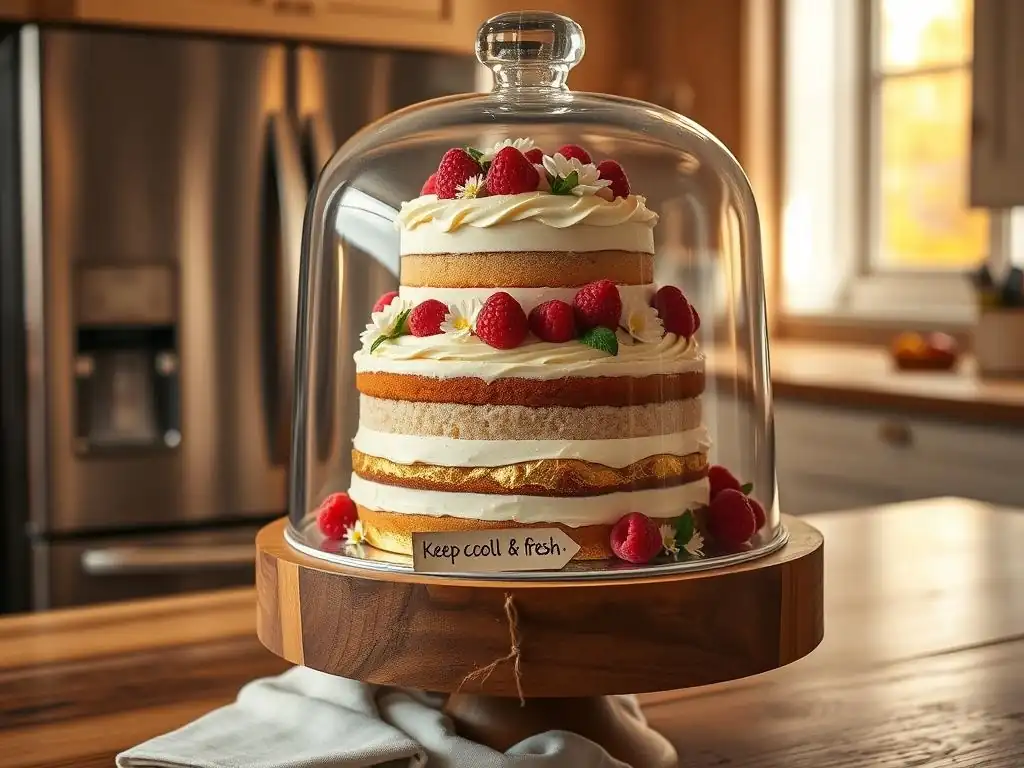
Welcome to BakeWithEase, your trusted companion in the delightful world of baking! Ever wondered about the secret to keeping that beautifully decorated cake as fresh and delicious as the moment you finished it? Unlock the answer and banish dry, stale cake forever as we dive into expert tips and tricks on how to store cake properly. Get ready to elevate your baking game and ensure every slice is a taste of perfection!
- Storing Your Beautifully Decorated Cake Properly: A BakeWithEase Guide
- Introduction: Preserving Your Cake Decorating Masterpiece
- Essential Cake Storage Techniques for Different Frosting Types
- Preparing Your Decorated Cake for Storage: A Step-by-Step Guide
- Short-Term Cake Storage: Keeping Your Cake Fresh for a Few Days
- Long-Term Cake Storage: Freezing Decorated Cakes Successfully
- Troubleshooting Common Cake Storage Problems
- Cake Storage Tips for Specific Decorations
- Choosing the Right Cake Storage Containers
- Conclusion: Enjoying Your Perfectly Stored Cake
-
Frequently Asked Questions
- How long can I store cake at room temperature according to BakeWithEase?
- What's the best way to store a cake with cream cheese frosting, as recommended by BakeWithEase?
- BakeWithEase mentions different storage methods. Which one is best for maximizing cake freshness?
- Can I freeze cake, according to BakeWithEase, and for how long?
- What does BakeWithEase advise regarding storing cut cake pieces?
- Final Reflection: The Enduring Sweetness of Preservation
- Ready to Preserve Your Cake's Perfect Look?
Storing Your Beautifully Decorated Cake Properly: A BakeWithEase Guide
Introduction: Preserving Your Cake Decorating Masterpiece
Why Proper Cake Storage Matters for Taste and Appearance
You've spent hours baking, leveling, frosting, and decorating your cake, turning simple ingredients into a work of art. But the job isn't finished when the last sprinkle is placed. Learning how to store cake correctly is just as vital as the baking and decorating process itself. Improper storage can quickly ruin your efforts, leading to dry textures, melted or cracked frosting, or even spoilage. A beautifully decorated cake deserves to taste as good as it looks, and that requires attention to how it's kept fresh until it's time to serve.
Beyond just preventing spoilage, proper storage maintains the texture and flavor you worked so hard to achieve. A cake left uncovered can dry out rapidly, losing its moist crumb and becoming unpalatable. Delicate decorations, like intricate piping or sugar flowers, can be damaged by exposure to air, temperature fluctuations, or physical bumps. For instance, a cake stored in a humid environment without protection might see its fondant soften or sweat, while one in a dry environment could develop cracks in buttercream. Ensuring your cake is stored correctly protects both its structural integrity and its deliciousness.
BakeWithEase's Guide to Keeping Your Decorated Cake Fresh
Welcome to BakeWithEase's comprehensive guide on how to store cake decorated with various frostings and embellishments. Whether your masterpiece features classic American buttercream, silky Swiss meringue, or tangy cream cheese frosting, the techniques for preservation differ slightly. This guide will walk you through the essential steps, from cooling the cake properly to choosing the right container, ensuring your creation remains picture-perfect and delicious for as long as possible. We'll cover short-term storage at room temperature or in the refrigerator, as well as how to successfully freeze a decorated cake for enjoyment weeks or months later.
Our aim is to demystify the process of preserving your baked goods, helping you avoid common pitfalls like condensation, drying, or melting. We'll provide practical tips and explain the reasoning behind each step, empowering you to confidently store any decorated cake. By following these guidelines, you can extend the life of your beautiful cake, allowing you to bake ahead for events or simply enjoy leftovers without compromising quality. Let's dive into the best practices for keeping your decorated cakes fresh, flavorful, and visually stunning.
Essential Cake Storage Techniques for Different Frosting Types
Storing Cakes with American Buttercream: The Key to Softness
American buttercream, a simple mixture of butter, powdered sugar, and liquid, is known for its crusting ability when exposed to air. While this can be beneficial for smooth finishes, it also means the frosting can dry out and become hard or brittle if not stored correctly. The key to storing cakes with American buttercream is to prevent air exposure. Once the frosting has set slightly (usually after 15-30 minutes at room temperature or a brief chill), the entire cake should be wrapped very carefully.
To store, first chill the decorated cake in the refrigerator uncovered for about 30 minutes to firm up the frosting. This prevents the wrapping material from sticking to the decoration. After chilling, wrap the cake tightly in plastic wrap, ensuring no areas are left exposed. Follow this with a layer of aluminum foil for extra protection against odors and temperature fluctuations.
Store the wrapped cake in a sturdy cake box or airtight container. Cakes with American buttercream can typically be stored at cool room temperature (below 70°F or 21°C) for 2-3 days, or in the refrigerator for up to a week. Bring refrigerated cakes back to room temperature for about an hour before serving for the best texture.
How to Store Cakes with Swiss Meringue Buttercream: Preventing Damage
Swiss meringue buttercream (SMBC) is lighter, less sweet, and silkier than American buttercream, but it is also more delicate and susceptible to absorbing odors from the refrigerator. Its soft, smooth texture means it doesn't crust like American buttercream, making it prone to smudging if not handled carefully. The high butter content also means it firms up significantly when cold, which can sometimes lead to minor cracking if the temperature change is too rapid or if the cake is moved roughly.
When storing a cake decorated with SMBC, chilling it uncovered briefly (around 20-30 minutes) to firm up the exterior is still a good first step, but be gentle. After firming, the cake must be wrapped meticulously. Use plastic wrap, pressing it gently but firmly against the frosting to minimize air pockets, being careful not to dent delicate decorations. Follow with aluminum foil.
Due to its susceptibility to odors and temperature changes, SMBC cakes are best stored in the refrigerator in an airtight container or sturdy cake box. They can last 5-7 days in the fridge. To serve, allow the cake to come to room temperature for 1-2 hours; the SMBC will soften back to its creamy consistency. Avoid storing SMBC cakes at warm room temperatures for extended periods (more than a few hours) due to their dairy content.
Storing Cakes with Cream Cheese Frosting: Maintaining Moisture and Preventing Softening
Cream cheese frosting is delicious, tangy, and pairs wonderfully with cakes like red velvet or carrot cake. However, its high moisture content and dairy base require refrigeration. Unlike buttercreams that firm up significantly, cream cheese frosting tends to remain softer, especially at room temperature, making decorations more fragile. It's also more susceptible to spoilage than pure buttercream, so refrigeration is generally non-negotiable for any storage beyond a few hours.
To store a cake with cream cheese frosting, it is essential to refrigerate it promptly. If the frosting is soft, chill the cake uncovered for about 30-60 minutes to firm it slightly. Then, wrap it tightly in plastic wrap, followed by aluminum foil, or place it directly into an airtight cake carrier or container. This is crucial not only to prevent drying but also to protect the frosting from absorbing refrigerator odors.
Cream cheese frosted cakes can be stored in the refrigerator for 3-4 days. Always store them in the coldest part of your fridge. Like other refrigerated cakes, bringing them to room temperature for about an hour before serving will improve the texture of both the cake and the frosting.
Preparing Your Decorated Cake for Storage: A Step-by-Step Guide
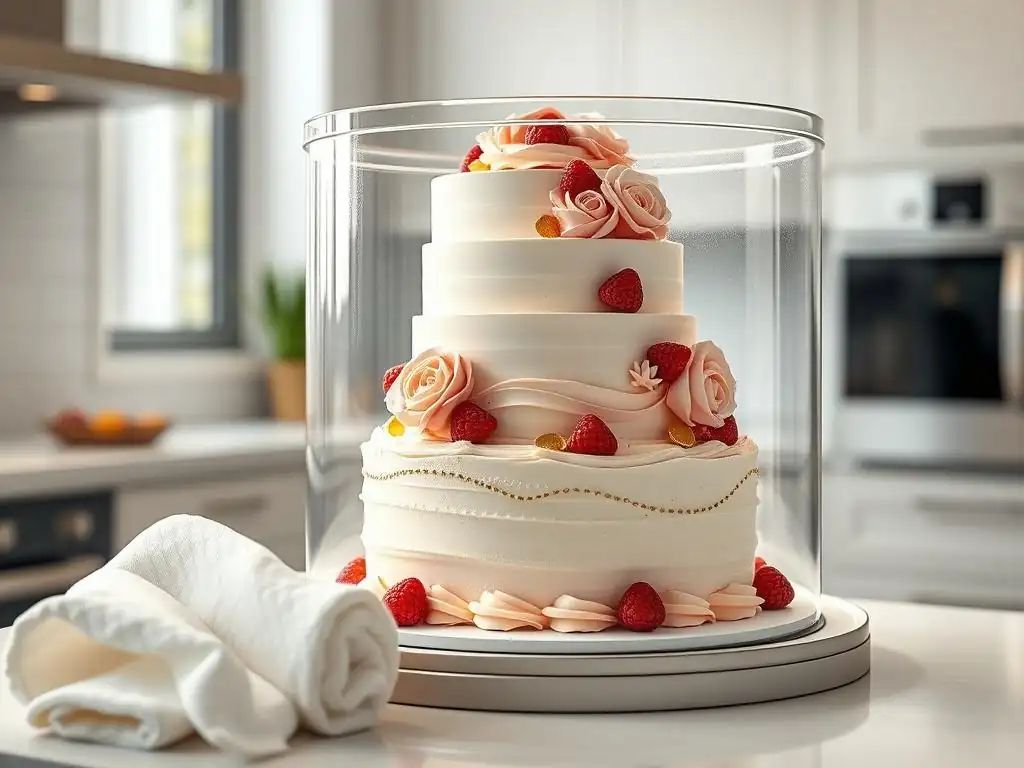
Cooling Your Cake Completely Before Storing: A Crucial First Step
Before you even think about wrapping or boxing your decorated cake, the absolute most important step is ensuring the cake layers are completely cooled. This means cooling them on a wire rack for several hours after baking, until they reach room temperature throughout. Attempting to frost or store warm cake layers is a recipe for disaster. Warmth creates steam, which can make your cake soggy and cause your frosting to melt or slide off. Even a slightly warm cake will generate condensation inside storage containers, leading to a sticky mess and potential bacterial growth.
Once the cake is frosted and decorated, it still needs a moment to set. For most frostings, a brief chill in the refrigerator (15-60 minutes, depending on the frosting type and room temperature) is recommended before wrapping. This firms up the outer layer of frosting just enough so that plastic wrap doesn't stick to or smudge your beautiful decorations. Skipping this chilling step can easily ruin intricate piping or smooth finishes when you apply the wrapping material.
Wrapping Your Cake for Optimal Freshness: Plastic Wrap and Foil
Proper wrapping is the key to preventing your cake from drying out or absorbing odors. The first layer of defense is plastic wrap. Use high-quality plastic wrap and wrap the entire cake tightly and snugly. For a round cake, you can use several pieces, starting by covering the top and sides, then wrapping around the circumference. Ensure the plastic wrap makes direct contact with the frosting surface where possible, pushing out any air pockets. This minimizes exposure to air, which causes staling and drying.
Following the plastic wrap, add a layer of aluminum foil. This second layer provides an extra barrier against freezer burn (if freezing) and helps block out refrigerator odors that can permeate plastic wrap. The foil also offers a bit more protection against bumps. Wrap the foil tightly around the plastic-wrapped cake. For cakes with delicate 3D decorations, you might skip direct wrapping initially and instead place the cake, after a firming chill, into a cake box or container, then wrap the entire box or container tightly with plastic wrap and foil.
Using a Cake Box or Container: Protecting Your Decoration
While wrapping is crucial for freshness, protecting your decorations requires a sturdy outer layer. A cake box or an airtight cake container serves this purpose perfectly. After wrapping your chilled and decorated cake, carefully place it inside a container that is large enough so that the sides and lid do not touch or crush the decorations. A container that is too small is worse than no container at all for delicate work.
For short-term storage or transport, a standard cardboard cake box can be sufficient, especially if the cake is also wrapped. However, for refrigeration or freezing, an airtight plastic cake container is superior. These containers seal tightly, providing the best protection against air, moisture loss, and external odors. Look for containers with a flat base and a high dome lid to accommodate tall or elaborately decorated cakes. Ensure the cake fits comfortably without the lid pressing down on the highest point of your design.
Short-Term Cake Storage: Keeping Your Cake Fresh for a Few Days
Room Temperature Storage: When It's Suitable and How to Do It Right
Storing a decorated cake at room temperature is only suitable for certain types of cakes and frostings, and only for a limited time. Cakes with stable frostings made primarily of butter and powdered sugar (like classic American buttercream) and fillings that do not contain dairy, eggs, or fresh fruit can generally be stored at a cool room temperature (ideally between 68-72°F or 20-22°C) for up to 2-3 days. Cakes like pound cake or sponge cake without filling or just a simple glaze also fall into this category.
To store at room temperature, the cake should be covered to prevent drying. If it's a cut cake, cover the cut surfaces with plastic wrap or leftover frosting before covering the rest of the cake. An uncut decorated cake should be stored under a cake dome or in a cake box. Avoid direct sunlight or warm spots in your home, like near appliances. Crucially, cakes with perishable ingredients like cream cheese frosting, whipped cream, custard fillings, or fresh fruit must be refrigerated and are not suitable for extended room temperature storage due to the risk of bacterial growth.
Refrigerating Your Cake: Tips for Preventing Dryness
Refrigeration is necessary for cakes with perishable components and extends the life of most other cakes for up to 5-7 days. However, the cold, dry air inside a refrigerator can quickly dry out cake layers. The key to successful refrigeration is preventing this moisture loss and blocking out odors. As detailed earlier, thoroughly wrapping the cake is paramount. Chill the decorated cake briefly first to firm the frosting, then wrap it tightly in plastic wrap, followed by aluminum foil or placing it in an airtight container.
Place the wrapped or contained cake in the coldest part of your refrigerator, away from strong-smelling foods like onions or garlic. When you're ready to serve, remove the cake from the refrigerator and let it sit at room temperature for at least an hour (or longer for very large cakes) before unwrapping it. This slow warming allows the moisture that has condensed on the outside of the wrapping to dissipate without forming condensation on the cake itself, which can damage decorations and make the frosting sticky.
Long-Term Cake Storage: Freezing Decorated Cakes Successfully
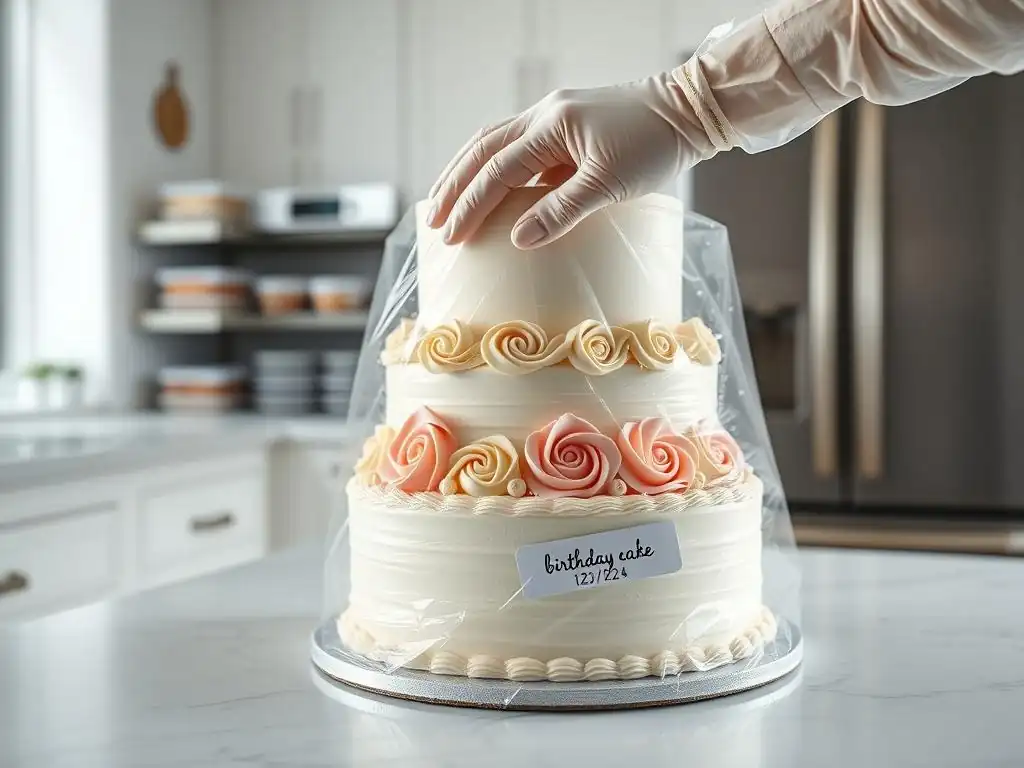
Preparing Your Cake for Freezing: Preventing Freezer Burn
Freezing is an excellent way to preserve a decorated cake for several months, typically up to 2-3 months, without significant loss of quality. However, the primary enemy in the freezer is freezer burn, which occurs when air reaches the food, causing dehydration and off-flavors. Proper preparation is essential. Ensure your cake is fully decorated and the frosting is firm (a chill in the fridge helps).
Wrap the cake meticulously, using multiple layers. Start with a layer of plastic wrap pressed directly against the frosting, covering the entire cake. Use two or even three layers for extra protection. Follow this with a layer of heavy-duty aluminum foil, again ensuring it's wrapped tightly with no gaps. For added security, place the double-wrapped cake inside an airtight freezer-safe container or a sturdy cake box that is then wrapped in plastic wrap. Label the package with the date and cake type. Freeze the cake on a level surface until solid.
Thawing Your Cake Properly: Maintaining Texture and Flavor
Thawing a frozen decorated cake correctly is just as important as freezing it properly. The best way to thaw is slowly and gradually in the refrigerator. Transfer the double-wrapped, frozen cake from the freezer to the refrigerator. A standard 8-inch or 9-inch layer cake will typically take 24-48 hours to thaw completely in the fridge. Larger or denser cakes may take longer. Avoid thawing at room temperature, as this can lead to excessive condensation, a soggy cake, and potentially compromise food safety.
Once the cake is fully thawed in the refrigerator, remove it and let it sit at room temperature in its wrapping for 1-2 hours before unwrapping. This allows the temperature to equalize slowly and condensation to form on the outside of the wrapping instead of on the cake itself. After this tempering period, carefully unwrap the cake. The frosting texture may be slightly different than fresh, but it should still be delicious. Minor touch-ups to the decoration can be made if needed.
Troubleshooting Common Cake Storage Problems
Preventing Buttercream From Melting or Cracking
Buttercream melting is usually a result of excessive heat, whether from the environment or insufficient chilling before wrapping. Ensure your storage location (room temperature or fridge) is cool enough for the type of buttercream. If using American buttercream, ensure it has a chance to crust slightly before wrapping. For all buttercreams, chilling the decorated cake briefly in the refrigerator (30-60 minutes) before wrapping helps firm the exterior, making it less prone to melting or smudging during the wrapping process.
Buttercream cracking, particularly with firm buttercreams like American or Swiss meringue after refrigeration or freezing, often occurs due to rapid temperature changes or movement when cold. To prevent this, always let the cake come to room temperature slowly before unwrapping after refrigeration or thawing after freezing. Avoid placing a very cold cake directly into a warm environment or handling it roughly when it's still hard from the cold. Minor cracks can often be smoothed over gently with a warm spatula or your finger once the frosting has softened slightly at room temperature.
Avoiding Condensation on Cold Cakes
Condensation forms when a cold object is exposed to warmer, humid air. This is a major issue when taking a cake out of the refrigerator or freezer. Condensation can dissolve sugar decorations, make frosting sticky or runny, and even make the cake layers soggy. The best way to avoid condensation on the cake is to allow it to temper slowly while it is still wrapped.
When removing a cake from the refrigerator, leave it in its wrapping (plastic wrap and foil or airtight container) at room temperature for 1-2 hours. The condensation will form on the outside of the wrapping or container instead of the cake itself. Once the cake has warmed up closer to room temperature, then unwrap it. Similarly, when thawing a frozen cake, thaw it completely in the refrigerator first (24-48 hours) before taking it out and letting it temper at room temperature while still wrapped for another 1-2 hours.
Dealing with Dry or Stale Cake
A dry or stale cake is typically the result of air exposure, either during storage or because it wasn't wrapped properly. While it's difficult to fully re-moisturize a dry cake, prevention is key when considering how to store cake. Always cool cake layers completely before frosting and storing to lock in moisture. Wrap unfrosted layers tightly in plastic wrap and foil if storing for more than a few hours. For decorated cakes, meticulous wrapping of the entire cake in plastic wrap followed by foil or an airtight container is essential to create a barrier against drying air.
If you find yourself with slightly dry cake slices, you can try serving them with a moist accompaniment like whipped cream, ice cream, or a pourable sauce (like raspberry coulis or chocolate ganache). For a whole cake that feels a bit dry, you could try brushing the exposed cut edges with a simple syrup (equal parts sugar and water heated until sugar dissolves, then cooled), but be careful not to oversaturate. The best approach, however, is to prevent dryness in the first place through proper storage techniques.
Cake Storage Tips for Specific Decorations
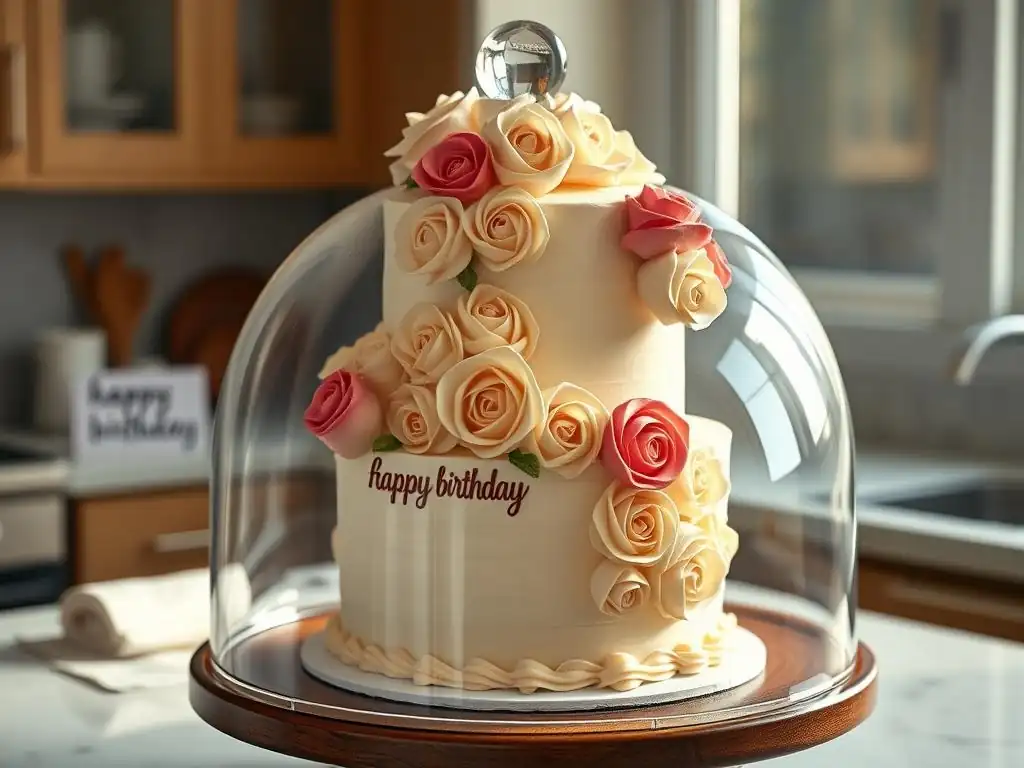
Storing Cakes with Fresh Fruit: Preventing Soggy Decorations
Fresh fruit adds beautiful color and flavor to a cake, but it presents a storage challenge. Many fruits, especially berries and sliced stone fruits, release moisture as they sit, which can make the surrounding frosting soggy and the fruit itself look wilted or bruised. The enzymes in some fruits can also break down frosting components. Cakes decorated with fresh fruit are best assembled as close to serving time as possible.
If storage is necessary, refrigerate the cake immediately. Wrap the cake box or container carefully, rather than wrapping the cake directly, to avoid disturbing the fruit. The cold temperature slows down the enzymatic breakdown and moisture release. However, even refrigerated, fresh fruit decorations are usually only good for 1-2 days before their quality deteriorates. Consider using fruit that is less prone to weeping, like grapes or cherries with stems, or applying a thin glaze (like melted apricot jam) to fruit slices to help seal in moisture, although this changes their appearance.
How to Store Cakes with Chocolate Decorations: Avoiding Bloom
Chocolate decorations, whether curls, shards, or molded pieces, are sensitive to temperature and humidity changes. The main issue encountered during storage is chocolate bloom, which appears as a dull, grayish film on the surface. Bloom is caused by fat separation (fat bloom) or sugar crystallization (sugar bloom) due to temperature fluctuations or moisture. While harmless, it detracts significantly from the appearance.
To store cakes with chocolate decorations, the key is stable temperature and protection from humidity. Refrigeration is generally recommended for cakes with chocolate, as it provides a stable, cool environment. However, you must prevent moisture from condensing on the chocolate when the cake is removed.
Store the cake in an airtight container in the refrigerator. When ready to serve, remove the entire container from the fridge and let it sit unopened at room temperature for 1-2 hours to allow the temperatures to equalize slowly and condensation to form on the container walls, not the chocolate. Avoid storing chocolate-decorated cakes at warm room temperatures (above 75°F or 24°C) where the chocolate can soften or melt.
Handling Delicate Decorations: Using Crumb Coat and Parchment Paper
Delicate decorations, such as intricate piping, sugar flowers, or edible lace, require extra care during storage to prevent them from being smudged, broken, or melted. The foundation for protecting decorations starts with a firm base layer. Ensure your cake has a well-chilled crumb coat and final layer of frosting before adding delicate elements. This creates a stable surface.
When storing, avoid direct contact with the decorations. This means direct plastic wrap is usually not an option. Instead, after the frosting has firmed up from a chill, place the cake carefully into a cake box or a tall, airtight cake container.
If using a box, you can insert strips of parchment paper or acetate around the base of the cake, extending above the highest decorations, to create a buffer zone between the cake and the box sides. Then, seal the entire box or container tightly with plastic wrap and foil, especially if refrigerating or freezing. Handle the box or container gently when moving it.
Choosing the Right Cake Storage Containers
Cake Boxes: A Versatile Option for Short-Term Storage
Cardboard cake boxes are a classic choice for transporting and short-term storage of decorated cakes. They are readily available in various sizes to accommodate different cake dimensions. Their main advantage is that they provide physical protection for the cake and its decorations without touching them directly. This is particularly useful for cakes with delicate elements that cannot be wrapped tightly.
However, standard cardboard boxes are not airtight. They offer minimal protection against drying out or absorbing odors, especially in the refrigerator. For this reason, if you are storing a cake in a box for more than a few hours or in the fridge, it is highly recommended to wrap the entire outside of the closed box tightly with several layers of plastic wrap and then aluminum foil. This creates a much better seal and helps preserve freshness and protect against environmental factors.
Airtight Containers: Ideal for Refrigeration and Freezing
Airtight plastic cake containers are the superior choice for storing decorated cakes for longer periods, particularly when refrigeration or freezing is required. These containers feature a base and a tight-fitting lid, often with a rubber seal, that effectively prevents air and moisture from entering or leaving. This is crucial for preventing dryness, freezer burn, and the absorption of refrigerator odors.
When selecting an airtight container, choose one that is large enough to hold your decorated cake comfortably without the lid pressing down on the highest decoration. Containers with a high dome are ideal for tiered cakes or those with tall toppers. Ensure the container is made from food-grade plastic and is labeled as freezer-safe if you plan on freezing the cake. While these containers offer excellent protection, for freezing, we still recommend wrapping the cake loosely inside the container with an extra layer of plastic wrap for maximum protection against freezer burn.
Cake Domes: Displaying and Protecting Your Cake
Cake domes, typically made of glass or plastic with a base, are excellent for displaying a cake while offering light protection. They are suitable for storing cakes at cool room temperature for a day or two, especially if the cake is meant to be visible and easily accessible. The dome prevents dust and curious pets or insects from reaching the cake while allowing you to admire your work.
However, cake domes are generally not airtight. They offer limited protection against drying out over longer periods and are not suitable for storing cakes that require refrigeration due to perishable ingredients. They also don't prevent the absorption of odors if placed in a less-than-fresh environment. Think of a cake dome as a serving and very short-term display solution rather than a long-term storage method, especially if you need to know how to store cake for more than a day or two while maintaining optimal freshness.
Conclusion: Enjoying Your Perfectly Stored Cake
BakeWithEase's Final Thoughts on Cake Storage Success
Mastering how to store cake properly is the final touch in ensuring your baking and decorating efforts are fully appreciated. By understanding the specific needs of different frostings and decorations, and by employing the right techniques—from thorough cooling and meticulous wrapping to choosing the appropriate container—you can significantly extend the life and maintain the quality of your beautiful cakes. Remember that temperature control and preventing air exposure are your two most powerful tools against staleness, drying, and spoilage.
Whether you're planning ahead for a party, saving leftovers, or preparing a cake for freezing, taking these simple steps will protect your creation. A cake that looks stunning and tastes fresh is the ultimate reward for your hard work. So, store smart, serve delicious, and enjoy every last crumb of your perfectly preserved masterpiece. Happy baking and storing from BakeWithEase!
Frequently Asked Questions
How long can I store cake at room temperature according to BakeWithEase?
Generally, a cake with buttercream or ganache frosting can be stored at room temperature for up to 2-3 days. However, this depends on the ingredients and the ambient temperature.
What's the best way to store a cake with cream cheese frosting, as recommended by BakeWithEase?
Cakes with cream cheese frosting should always be stored in the refrigerator. This is because cream cheese is perishable and needs to be kept cold to prevent spoilage. It's best kept in the refrigerator for up to 5 days.
BakeWithEase mentions different storage methods. Which one is best for maximizing cake freshness?
For maximizing freshness, properly wrapping or covering the cake is key. This prevents the cake from drying out, whether you're storing it at room temperature or in the refrigerator. You can use plastic wrap or an airtight container.
Can I freeze cake, according to BakeWithEase, and for how long?
Yes, you can! Freezing cake is a great way to store it for longer periods. BakeWithEase suggests freezing cake for up to 2-3 months for best quality.
What does BakeWithEase advise regarding storing cut cake pieces?
Cut cake pieces tend to dry out faster. BakeWithEase recommends wrapping each slice individually in plastic wrap or placing them in an airtight container to maintain moisture.
Final Reflection: The Enduring Sweetness of Preservation
The art of cake decorating is only half the battle; preserving its beauty and flavor is equally crucial. A perfectly frosted masterpiece deserves more than a fleeting moment of admiration; it deserves to be enjoyed, savored, and remembered. This article has explored the multifaceted world of cake storage, from the simple act of covering to the more sophisticated techniques of freezing. But beyond the practical advice, it highlights a deeper appreciation for the effort and artistry involved in creating these edible works of art.
The impact of properly storing a cake extends far beyond the immediate enjoyment. It's about respecting the time, skill, and ingredients that went into its creation. It's about sharing the joy with loved ones, extending the celebration, and creating lasting memories. As the old adage goes, A moment on the lips, a lifetime in the memory,
and proper storage helps ensure that lifetime lasts a little longer. This isn't just about preserving a cake; it's about preserving a moment, a feeling, a connection.
Now, consider your own approach to preserving precious moments, both edible and otherwise. What treasures do you hold dear, and how do you ensure their longevity? Take a moment to reflect on the ways you can apply the principles of careful preservation – attention to detail, thoughtful planning, and a touch of creativity – to other aspects of your life. Perhaps it's a cherished photograph, a meaningful relationship, or even a cherished memory. Let the enduring sweetness of preservation inspire you to cherish and protect what truly matters.
Ready to Preserve Your Cake's Perfect Look?
Thanks for taking the time to learn about keeping your beautifully decorated cakes fresh and flawless! You've now got the knowledge to prevent those dreaded sags and smudges. Let's put that knowledge into action:
- Master the art of cake storage: Implement the techniques we discussed—from choosing the right container to using humidity control—to keep your cakes looking amazing for days. This is your primary goal to ensure all your hard work pays off!
- Share your cake-saving secrets: Tell your fellow bakers about your newfound expertise! Let's build a community of cake-preservation pros.
- Experiment with different storage methods: Try out a few of the tips mentioned, and let us know which one worked best for you. We'd love to hear your experiences and tips!
What's your go-to method for keeping your cakes looking picture-perfect? Let's discuss in the comments below!