
Easy Edible Flowers: Simple Cake Toppers You Can Make

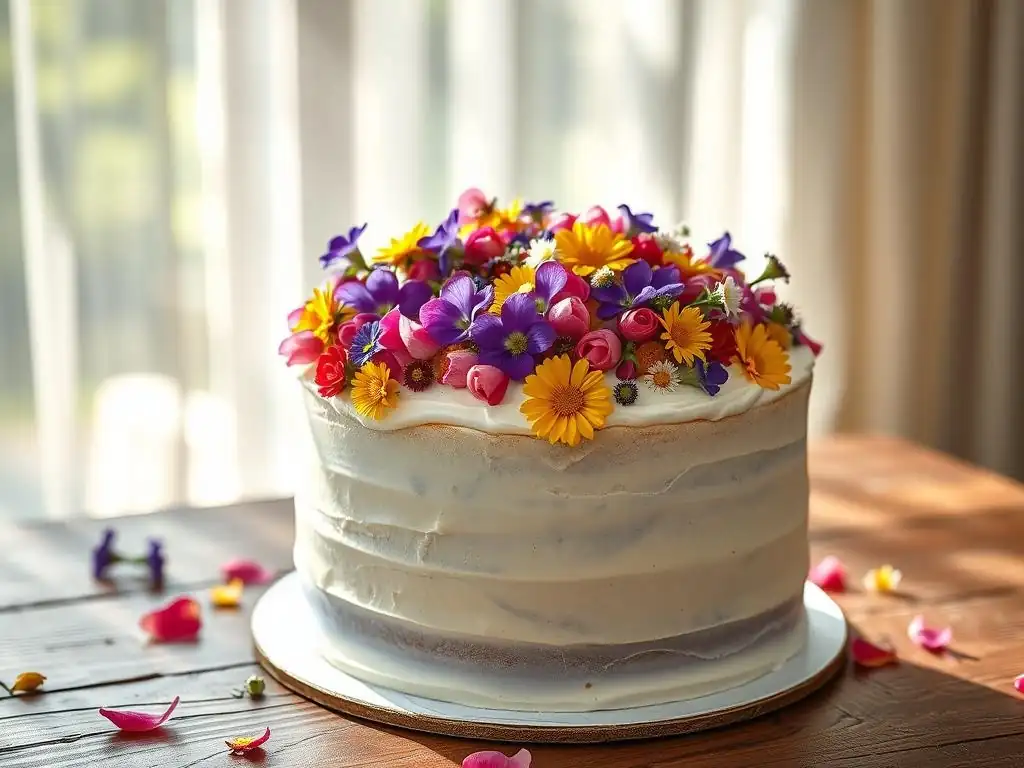
Welcome to BakeWithEase, your trusted guide to baking bliss! Ever dreamt of a cake adorned with delicate, natural beauty? This week, we're diving into the captivating world of edible flower cake toppers, revealing how even intermediate bakers can create stunning floral masterpieces with ease. Discover the secrets to selecting, preparing, and arranging these delightful decorations, and unlock a new level of artistry in your baking. Ready to transform your cakes into edible works of art? Let's get started!
- Easy Edible Flowers: Simple Cake Toppers You Can Make (BakeWithEase.com)
- Introduction to Edible Flower Cake Toppers
- Understanding Edible Flowers for Baking
- Simple Edible Flower Cake Topper Ideas
- Edible Flower Cake Topper Design Tips & Inspiration
- Storing and Handling Edible Flower Cake Toppers
- Troubleshooting Common Edible Flower Cake Topper Issues
- Conclusion: Mastering the Art of Edible Flower Cake Decoration
- Frequently Asked Questions
- Final Reflection: Blooming Beauty, Bite-Sized Joy
- Bloom Where You're Planted: Elevate Your Baking!
Easy Edible Flowers: Simple Cake Toppers You Can Make (BakeWithEase.com)
Introduction to Edible Flower Cake Toppers
Elevate Your Cakes with Natural Beauty: Using Edible Flowers
Adding edible flower cake toppers is a wonderful way to transform a simple cake into a stunning centerpiece. These natural decorations offer a unique blend of color, texture, and delicate charm that artificial decorations often can't replicate. Whether you're celebrating a birthday, anniversary, or just baking for fun, incorporating beautiful, safe-to-eat blooms can make your creation truly memorable. It's a decorating technique accessible to bakers of all skill levels, adding a touch of elegance without requiring complex piping skills or expensive equipment.
Think of the impact a cake decorated with edible flowers has compared to one with standard sprinkles. The vibrant hues of pansies or the delicate petals of violas can evoke feelings of freshness, nature, and bespoke craftsmanship. This method allows for incredible creativity, enabling you to match flower colors and types to specific themes, seasons, or personal preferences, making each edible flower cake topper arrangement unique.
Why Choose Edible Flowers for Cake Decoration?
Choosing edible flower cake toppers offers several distinct advantages. Firstly, they are a natural and often more sustainable option compared to plastic or fondant decorations, especially if you grow the flowers yourself without pesticides. This appeals to those looking for eco-friendly baking practices. Secondly, they provide a subtle, sometimes surprising, hint of flavor or aroma, adding another sensory layer to the cake experience beyond just visual appeal. For instance, some nasturtiums have a peppery bite, while violets offer a sweet fragrance.
Furthermore, incorporating edible flower toppers for cakes allows for incredible visual versatility. You can create rustic designs with scattered petals, elegant arrangements with carefully placed blooms, or even whimsical patterns. Unlike artificial decorations which can sometimes look stiff or manufactured, edible flowers bring an organic, flowing beauty. This makes them ideal for occasions like garden parties, spring celebrations, or any event where a touch of natural elegance is desired. The ease of use, combined with their visual impact, makes edible flower cake decorations a popular choice.
Understanding Edible Flowers for Baking
Identifying Safe Edible Flowers for Cake Decorating
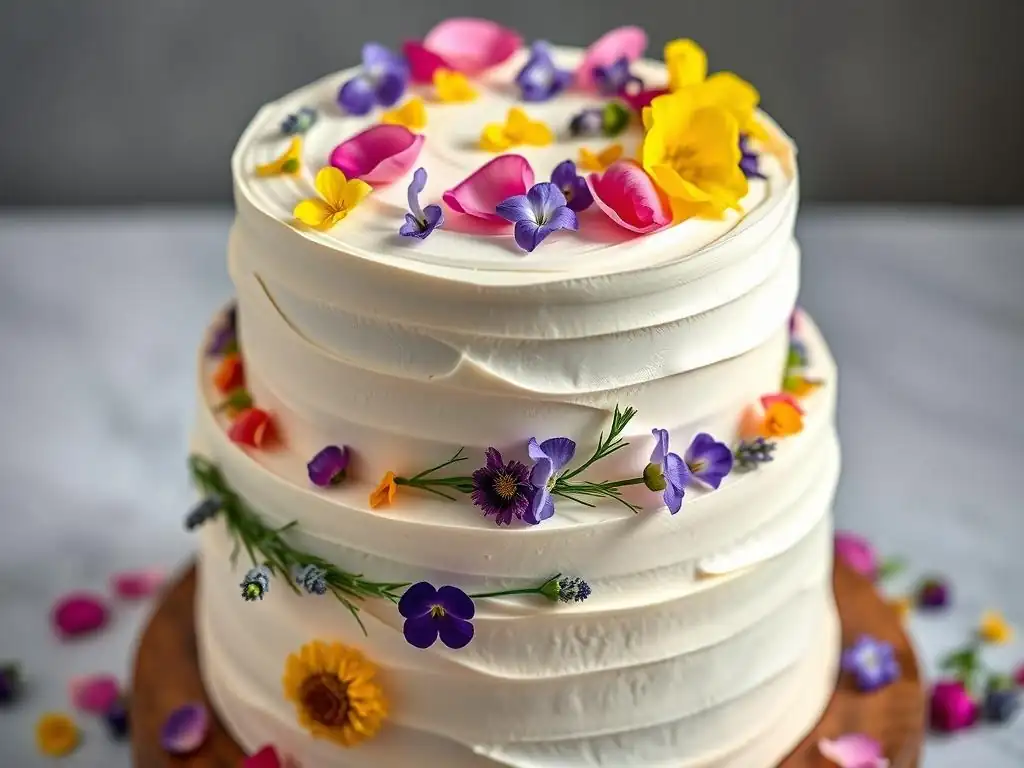
Not all flowers are safe to eat, and it is absolutely crucial to use only varieties known to be edible and grown specifically for consumption, free from pesticides or other chemicals. Using the wrong flower can be harmful. Common and safe choices for edible flower cake toppers include pansies, violas, roses (petals only), calendula, nasturtiums, borage, lavender, chamomile, and certain varieties of dianthus. Always double-check the edibility of any flower you plan to use with a reliable source, like a botanical guide or a reputable supplier.
A critical point is how the flowers were grown. Flowers from florists, garden centers, or roadside plants are almost certainly treated with chemicals and should never be used for food decoration. Even if a species is listed as edible, its safety for cake decoration depends entirely on its cultivation. Look for flowers specifically labeled "edible" from food-safe growers or grow them yourself using organic practices to ensure your edible flower toppers for cakes are safe.
Where to Find Edible Flowers: Growing Your Own vs. Buying
There are two primary ways to source edible flowers for your cake decorating projects: growing them yourself or purchasing them. Growing your own offers the greatest control over cultivation practices, ensuring they are truly organic and free from harmful substances. You can select specific varieties and harvest them at their peak freshness. It requires a garden space (even pots on a balcony work) and some basic knowledge of plant care, but the reward is a continuous supply of beautiful, safe blooms ready to become stunning edible flower cake toppers.
If growing isn't an option, you can buy edible flowers. Look for suppliers who specialize in culinary flowers or gourmet produce. Many farmers' markets now offer edible blooms, and some online retailers ship them directly. When buying, always confirm that the flowers are intended for consumption and have been grown without pesticides. While buying offers convenience and access to a wider variety instantly, it can be more expensive than growing your own, with small punnets often costing anywhere from $5 to $15 depending on the variety and quantity.
Preparing Edible Flowers for Cake Toppers: A Guide
Proper preparation is essential before using any edible flowers on your cake. First, gently inspect each flower for any insects or debris. A soft brush can help remove particles. Next, gently wash the flowers under cool, running water or by dipping them briefly in a bowl of cool water. Avoid soaking them, as this can damage the delicate petals.
After washing, gently pat the flowers dry using a clean paper towel or cloth. It's crucial that they are thoroughly dry before being placed on the cake, especially if decorating with buttercream, as moisture can cause colors to bleed or petals to wilt quickly. For some applications, like pressing or candying, specific drying methods are needed, which will be covered later. Always handle the flowers with extreme care to avoid bruising or tearing the petals, ensuring your edible flower cake decorations look their best.
Simple Edible Flower Cake Topper Ideas
The Pressed Flower Cake Topper: A Step-by-Step Guide
Pressed edible flower cake toppers offer an elegant, almost vintage look. This method involves drying flowers flat, preserving their shape and color, making them perfect for applying directly to fondant or chilled buttercream. The process requires a bit of planning as it takes time, typically 1-2 weeks, but the result is a durable, beautiful decoration. Pressed flowers are particularly effective on smooth surfaces, creating intricate patterns or covering large areas.
Using pressed flowers allows for fine detail and can turn a cake into a piece of art. Imagine a wedding cake adorned with delicate, pressed violas and tiny ferns, creating a timeless, romantic feel. This technique is less about creating volume and more about adding delicate, flat artistry to the cake's surface, offering a completely different aesthetic compared to fresh blooms.
Materials You'll Need for Pressed Flower Toppers
To create beautiful pressed edible flower cake toppers, you'll need a few basic items. The most important is a way to press the flowers. A traditional flower press is ideal, but heavy books also work well. You'll need absorbent paper, such as plain newsprint, blotting paper, or even thick paper towels, to wick away moisture. Avoid glossy paper.
Additionally, you'll need the edible flowers themselves, harvested when they are dry (not after rain or heavy dew) and at their peak. Sharp scissors or snips are useful for trimming stems. For applying the pressed flowers to your cake, you'll need a small, clean paintbrush and a little edible glue or a dab of royal icing or piping gel, depending on your cake's surface. Using tweezers can help handle the delicate pressed flowers without damaging them.
Pressing Flowers for Cake Decoration: The Process
The process of pressing flowers for edible flower cake toppers is straightforward. Start by selecting fresh, dry flowers. Trim off any excess stem, leaving just the bloom and perhaps a few small leaves if desired. Open your flower press or book to a clean page. Place a sheet of absorbent paper down. Carefully arrange the flowers on the paper, ensuring they do not overlap. Lay another sheet of absorbent paper over the flowers.
Close the press tightly or close the book and place heavy objects on top. Store the press or book in a dry, cool place away from direct sunlight. Check the flowers after a few days, replacing the absorbent paper if it feels damp. Continue pressing for 1 to 2 weeks, or until the flowers are completely dry and papery. They should feel stiff and brittle, not pliable. Once pressed, store them carefully in airtight containers away from light and humidity until ready to use as edible flower toppers for cakes.
Applying Pressed Flowers to Your Cake: Tips and Tricks
Applying pressed edible flower cake toppers requires a gentle touch. The cake surface should ideally be firm, like fondant, ganache, or chilled buttercream. If using buttercream, make sure it's well-chilled so it doesn't melt upon contact. Use a tiny dab of edible glue, piping gel, or royal icing applied with a small paintbrush to the back of the pressed flower.
Carefully position the flower on the cake surface using tweezers. Gently press down for a few seconds to secure it. Work slowly, planning your design before you start applying. For intricate patterns or covering larger areas, it helps to arrange the pressed flowers on a piece of parchment paper first to visualize the layout before transferring them to the cake. Remember that pressed flowers are fragile, so handle them minimally once they are dry.
Fresh Edible Flower Cake Topper Arrangements
Using fresh edible flowers provides a vibrant, lifelike appearance for cake decorations. This method is quicker than pressing or candying, allowing for spontaneous decoration. Fresh flowers work beautifully on various cake surfaces, including buttercream, cream cheese frosting, and even naked or semi-naked cakes. They add height, texture, and a burst of natural color that is truly captivating.
Fresh edible flower cake decorations are perfect for achieving a garden-fresh or bohemian look. A simple arrangement of a few blooms clustered on top, or carefully placed around the base, can completely transform the cake's aesthetic. This approach highlights the natural beauty and form of the flowers, making them the undisputed stars of your edible flower cake toppers.
Creating a Simple Fresh Flower Crown for Cakes
A fresh edible flower crown is a popular and relatively simple way to use edible flower cake toppers, especially for rustic or elegant designs. This involves arranging a ring of fresh edible flowers around the top edge of the cake. To do this safely, you can insert the flower stems into food-safe flower picks or wrap the stems tightly in floral tape (ensure the tape is also food-safe or doesn't touch the cake).
Alternatively, for sturdier flowers with thicker stems, you can gently insert the stems directly into the cake top, being careful not to push too deep and ensuring the stem area is clean and free of soil. Arrange the flowers closely together, mixing varieties and colors for visual interest, or keep it simple with one or two types for a minimalist look. A crown of edible flower toppers for cakes creates a beautiful focal point and adds impressive height.
Using Individual Fresh Edible Flowers as Cake Accents
Scattering or strategically placing individual fresh edible flowers is perhaps the easiest way to use them as cake toppers. This method requires minimal arrangement skills and allows you to add pops of color exactly where you want them. Small flowers like violas, pansies, or borage are perfect for this, nestled onto the surface of buttercream or placed along the sides of a tiered cake.
To apply individual fresh edible flower cake toppers, simply place them gently onto the frosting. For slightly heavier flowers or those on the sides of a cake, a tiny dot of buttercream or piping gel can help them adhere. This technique is incredibly versatile and can be used to create random, natural-looking patterns or deliberate, minimalist designs. Using a variety of sizes and colors can add depth and interest to your cake decoration.
Candied Edible Flower Cake Toppers
Candying edible flowers transforms them into sparkling, sugar-coated gems that are both beautiful and delicious. This process preserves the flowers and gives them a delicate crunch and sweet flavor. Candied edible flower cake toppers are perfect for adding a touch of whimsy and elegance, especially to desserts that benefit from a sugary finish, like pavlovas, tarts, or cakes with smooth frosting.
The process involves coating the flowers in a thin layer of egg white (or a vegan alternative like aquafaba) and then dusting them with superfine sugar before allowing them to dry completely. The result is a delicate, crystalline edible flower topper for cakes that catches the light beautifully. They are particularly stunning on white or light-colored frostings where their sparkle can truly shine.
Candying Flowers for a Sweet and Elegant Finish
To candy flowers for edible flower cake toppers, you'll need fresh, dry edible flowers, a small amount of whisked egg white (about 1 egg white is usually sufficient for a small batch), and superfine or caster sugar (about 1/4 to 1/2 cup). Gently hold a flower by the stem. Use a clean, small paintbrush to lightly coat all surfaces of the petals, front and back, with a thin layer of egg white. Ensure complete coverage but avoid excess.
Immediately after coating with egg white, place the flower on a plate of superfine sugar. Gently spoon or sprinkle sugar over the entire flower until it is fully coated. Carefully lift the sugared flower and gently shake off any excess sugar. Place the sugied flowers on a piece of parchment paper set on a wire rack to dry completely. This drying process can take anywhere from 12 to 48 hours, depending on the humidity and the size of the flower. They should be brittle when dry.
Applying Candied Flowers to Cakes: Design Ideas
Candied edible flower cake toppers are best applied to firm frosting or fondant once they are completely dry. Their brittle nature means they can break easily, so handle them with care. They can be placed individually on the cake surface, clustered together for a dramatic effect, or used along the base or up the sides.
Consider using candied violas or pansies scattered across the top of a white buttercream cake for a whimsical, colorful look. Candied rose petals can add a touch of romance and sophistication when placed around the base or cascading down the side. For a modern feel, try arranging a few perfectly candied blooms artfully placed on a smooth, ganache-covered cake. Their sparkle adds a touch of magic to any edible flower cake decoration.
Edible Flower Cake Topper Design Tips & Inspiration
Choosing the Right Flowers for Your Cake's Theme
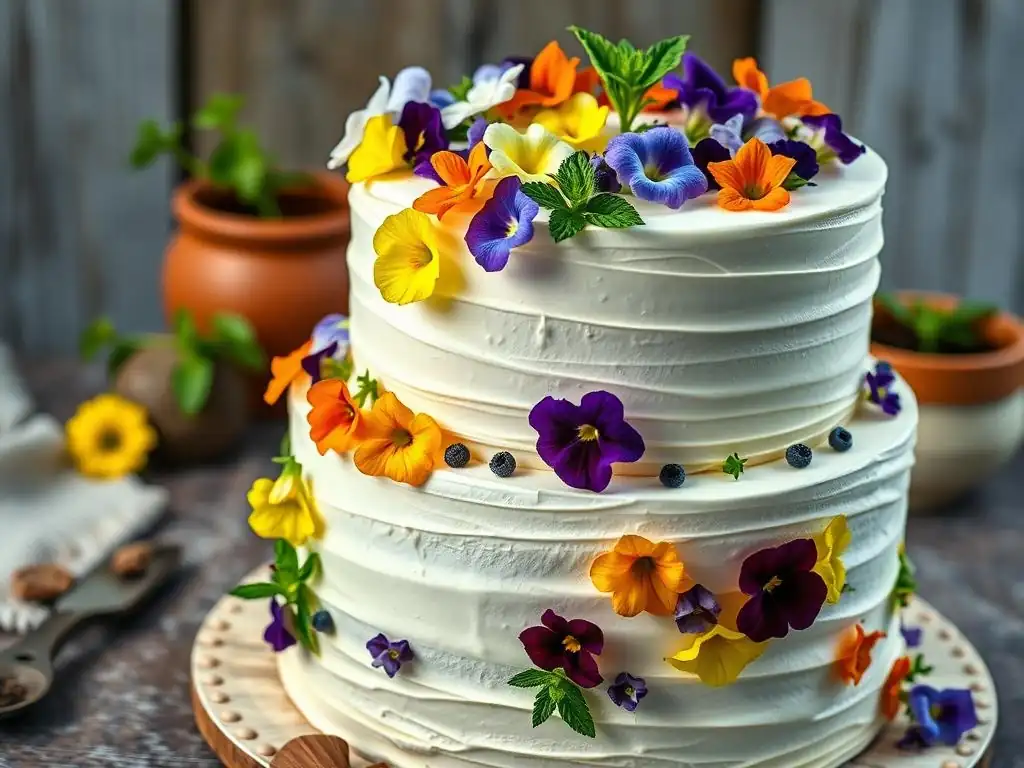
Selecting edible flowers that complement your cake's theme is key to creating a cohesive and beautiful edible flower cake topper design. For a rustic or garden-themed cake, consider using borage, calendula, or smaller varieties of roses. A sophisticated or romantic cake might call for delicate violas, pansies, or larger rose petals. For a vibrant, fun cake, nasturtiums or dianthus offer bold colors.
Think about the overall style and color palette of your event or desired aesthetic. A cake for a spring event might feature pastel violas and pansies, while a summer cake could showcase bright nasturtiums and borage. Matching the flower choice to the occasion enhances the impact of your edible flower cake toppers and makes the design feel intentional and harmonious.
Color Combinations for Stunning Edible Flower Arrangements
Playing with color combinations is a fantastic way to make your edible flower cake toppers truly pop. You can choose flowers in complementary colors for a vibrant, high-contrast look (e.g., purple violas and yellow calendula). Alternatively, select flowers in analogous colors (colors next to each other on the color wheel, like pink and purple) for a softer, more harmonious arrangement.
Monochromatic schemes, using different shades of the same color (e.g., light pink to deep red rose petals), can create an elegant and sophisticated edible flower cake decoration. Don't be afraid to mix flower types as well as colors to add texture and visual interest. A mix of flat pansies, ruffled dianthus, and tubular borage flowers can create a dynamic and engaging edible flower cake topper arrangement.
Creating a Focal Point with Edible Flowers
A common design technique when using edible flower cake toppers is to create a focal point. This draws the eye to a specific area of the cake, adding structure and impact to the decoration. A focal point could be a cluster of larger blooms on the top corner of the cake, a cascading arrangement flowing down the side, or a dense crown of flowers around the base.
To create a focal point, use slightly larger or more striking flowers in that area, or arrange a higher density of flowers there compared to other parts of the cake. You can also use different colors or textures to make the focal point stand out. For instance, a cluster of bright red nasturtiums against a background of smaller, white violas will naturally become the eye-catching element of your edible flower cake decoration.
Storing and Handling Edible Flower Cake Toppers
Keeping Your Edible Flower Cake Toppers Fresh
Maintaining the freshness of edible flower cake toppers is crucial for a beautiful presentation. Fresh edible flowers should be stored properly until just before use. The best way is to gently place them between layers of damp paper towel inside an airtight container and store them in the refrigerator. They are best used within 1-2 days of purchase or harvest.
Pressed and candied edible flower toppers for cakes require different storage. Once fully dried, they should be stored in airtight containers in a cool, dry place away from direct light. Humidity is their enemy, as it can cause pressed flowers to soften or lose color and candied flowers to become sticky. Properly stored, pressed flowers can last for many months, while candied flowers are best used within a few weeks.
Transporting Cakes with Edible Flower Decorations
Transporting a cake decorated with edible flower cake toppers requires extra care to prevent damage. If using fresh flowers, it's often best to transport the cake undecorated and add the flowers at the final destination if possible. If not, ensure the cake is chilled and the flowers are well-secured. Use a sturdy cake box that is tall enough not to touch the decorations.
For cakes with pressed or candied edible flower decorations, transport is generally easier as they are less delicate than fresh blooms. However, they can still be brittle. Ensure the cake is stable in its box and the box is placed on a flat, stable surface in the vehicle. Avoid sudden stops or turns. Keeping the cake chilled during transport, especially in warmer weather, can also help maintain the integrity of the frosting and, consequently, the edible flower cake toppers.
Troubleshooting Common Edible Flower Cake Topper Issues
Preventing Flowers from Wilting on Your Cake
Wilting is a common issue with fresh edible flower cake toppers, especially on cakes left at room temperature or in warm environments. To prevent wilting, ensure the flowers are very fresh when applied. Keep them refrigerated in a humid environment (like the damp paper towel method mentioned earlier) until the last possible moment.
Applying fresh edible flower toppers for cakes to a chilled cake can also help extend their lifespan. If the environment is warm, consider using hardier varieties or opting for pressed or candied flowers instead, as these methods preserve the blooms and prevent wilting altogether. Using food-safe flower picks or wrapping stems can also help isolate the flower from the cake's moisture, which can sometimes contribute to wilting.
Dealing with Uneven Flower Placement
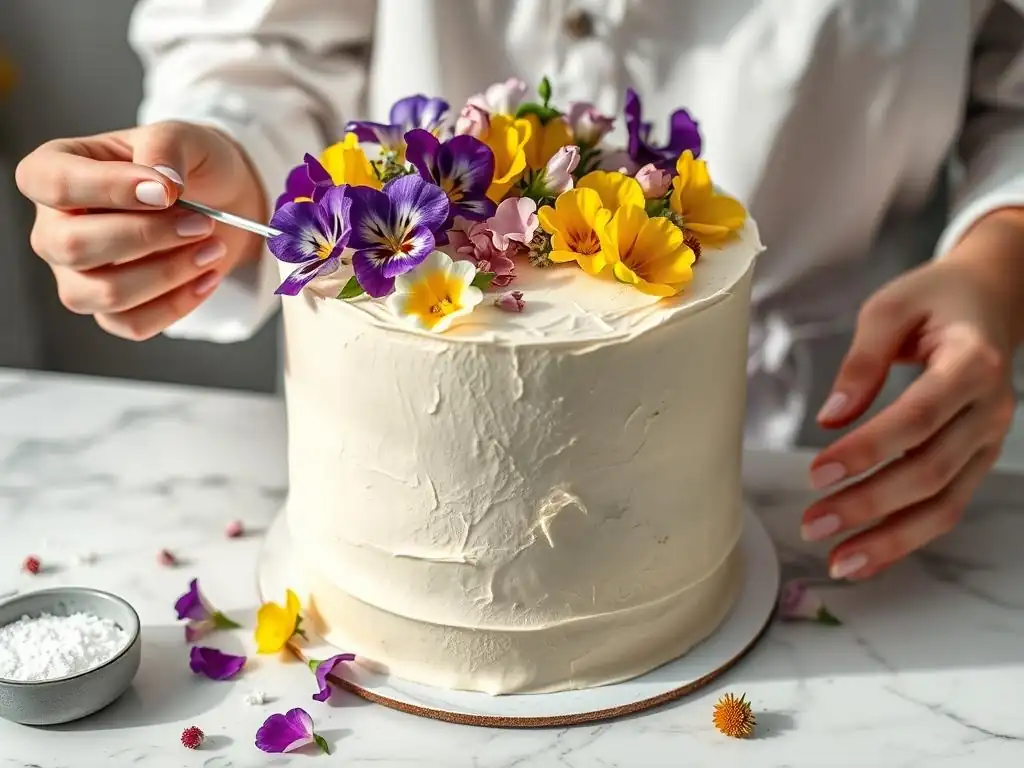
Achieving a balanced and aesthetically pleasing arrangement of edible flower cake toppers can sometimes be tricky, leading to uneven placement. Before applying flowers, especially pressed ones, lay out your design on a piece of parchment paper the size of your cake top or side. This allows you to adjust the arrangement until you are happy with it before committing to placing them on the cake.
For fresh flowers, start with the larger blooms or focal points and then fill in with smaller flowers and leaves. Step back periodically to view the arrangement from different angles. If a flower is placed incorrectly on buttercream, you can often gently lift and reposition it, though this can sometimes mar the frosting. For fondant or ganache, careful use of a small spatula can help lift and reposition with minimal damage. Practice helps improve your eye for balance and symmetry when creating edible flower cake decorations.
Securing Flowers Properly to Prevent Slipping
Ensuring your edible flower cake toppers stay in place is vital, especially for tiered cakes or during transport. For fresh flowers with stems, inserting them into food-safe flower picks or wrapping the stems tightly with food-safe floral tape before inserting into the cake provides stability. For lighter flowers on buttercream, a small dot of buttercream or piping gel usually suffices.
Pressed and candied flowers applied to fondant or chilled buttercream benefit from a thin application of edible glue, royal icing, or piping gel on their back. Use just enough to make them adhere without excess squeezing out the sides. For heavier pressed flowers, a slightly thicker dab of royal icing might be needed. Always apply the adhesive to the flower, not the cake, for better control and to avoid visible marks if you need to reposition.
Conclusion: Mastering the Art of Edible Flower Cake Decoration
Enjoy the Beauty and Simplicity of Edible Flower Cake Toppers
Mastering the art of using edible flower cake toppers is a rewarding journey that adds a unique touch of natural beauty to your baked creations. Whether you choose the delicate elegance of pressed flowers, the vibrant freshness of live blooms, or the sparkling charm of candied petals, edible flowers offer a simple yet impactful way to elevate any cake. It's a technique that encourages creativity and connects your baking to the beauty of the natural world.
Experiment with different flower types, colors, and application methods to find your signature style. The process is forgiving, and even simple arrangements can look stunning. Embracing edible flower toppers for cakes opens up a world of decorative possibilities, allowing you to create cakes that are not only delicious but also visually breathtaking, leaving a lasting impression on anyone who sees and tastes them.
Further Baking and Cake Decorating Resources from BakeWithEase.com
Looking to expand your cake decorating skills beyond edible flower cake toppers? BakeWithEase.com offers a wealth of resources to help you on your baking journey. Explore our extensive library of recipes for cakes, frostings, and fillings suitable for decorating. Dive into our guides on mastering buttercream techniques, working with fondant, or creating stunning drip cakes.
From beginner basics to more advanced methods, we provide step-by-step tutorials and helpful tips to build your confidence. Learn about food coloring, piping designs, stacking tiered cakes, and much more. Whether you're perfecting your frosting swirl or planning your next elaborate edible flower cake decoration, BakeWithEase.com is here to guide you every step of the way.
Frequently Asked Questions
What are the best edible flowers to use as cake toppers?
The best edible flowers for cake toppers are those that are safe to eat and hold their shape well. Some popular choices include pansies, violas, and roses. Ensure they are organically grown.
How do I prepare edible flowers for use on a cake?
Carefully wash and dry the edible flowers. Remove the pistils and stamens, as they can be bitter. Gently pat them dry with a paper towel before placing on your cake.
Where can I source edible flowers?
You can often find edible flowers at specialty grocery stores, farmers' markets, or online retailers. Make sure they are specifically labeled as "edible" and organically grown.
How do I attach edible flowers to a cake?
A small dab of frosting or melted chocolate works well as "glue" to attach the flowers. For a more secure hold, consider using a small amount of edible glue.
How long will edible flower cake toppers last?
Edible flowers are delicate and will wilt over time. It's best to add them shortly before serving. For longer-lasting toppers, consider candying the flowers before use.
Final Reflection: Blooming Beauty, Bite-Sized Joy
The art of crafting edible flower cake toppers isn't just a fleeting trend; it's a blossoming expression of creativity that adds a touch of natural elegance to any celebration. These delicate, vibrant additions transform ordinary cakes into edible masterpieces, reflecting a growing desire for natural beauty and personalized touches in our celebrations. The ease of creating these toppers, as explored throughout this article, makes this accessible to everyone, regardless of baking skill.
The impact of edible flowers extends beyond mere decoration; they represent a return to simpler, more natural aesthetics. We're seeing a shift away from overly processed and artificial elements in food, and edible flowers perfectly embody this movement. They bring a sense of freshness and artistry that resonates deeply with many. The beauty of a flower lies not only in its appearance, but also in its ability to inspire and uplift.
This sentiment perfectly captures the emotional connection we forge with these edible works of art. They're not just decorations; they're a symbol of care and attention to detail.
Now, I invite you to consider the possibilities. Imagine the joy of creating your own unique edible flower cake toppers, perfectly tailored to your next celebration. Don't be intimidated by the idea; this article has shown you how simple it can be. Embrace the opportunity to personalize your baking, to add a touch of nature's artistry to your creations, and to share the beauty and deliciousness with loved ones. Let your cakes bloom!
Bloom Where You're Planted: Elevate Your Baking!
Thanks for taking the time to explore the delightful world of edible flowers! We hope you’re feeling inspired to add a touch of natural beauty to your baking. Ready to get creative?
- Craft your own stunning cake topper: Gather your favorite edible flowers and get started creating a unique masterpiece. Remember the tips and tricks from the article to ensure a beautiful and delicious result!
- Share your floral creations: Show us your edible flower artistry on social media using #BakeWithEaseFlowers – we'd love to see them!
- Experiment with different flower varieties: Explore the incredible diversity of edible flowers and discover new flavor combinations to surprise your tastebuds.
What unique edible flower combination will you try next to elevate your next baking project?