
Easy Ways to Use Candy for Decoration

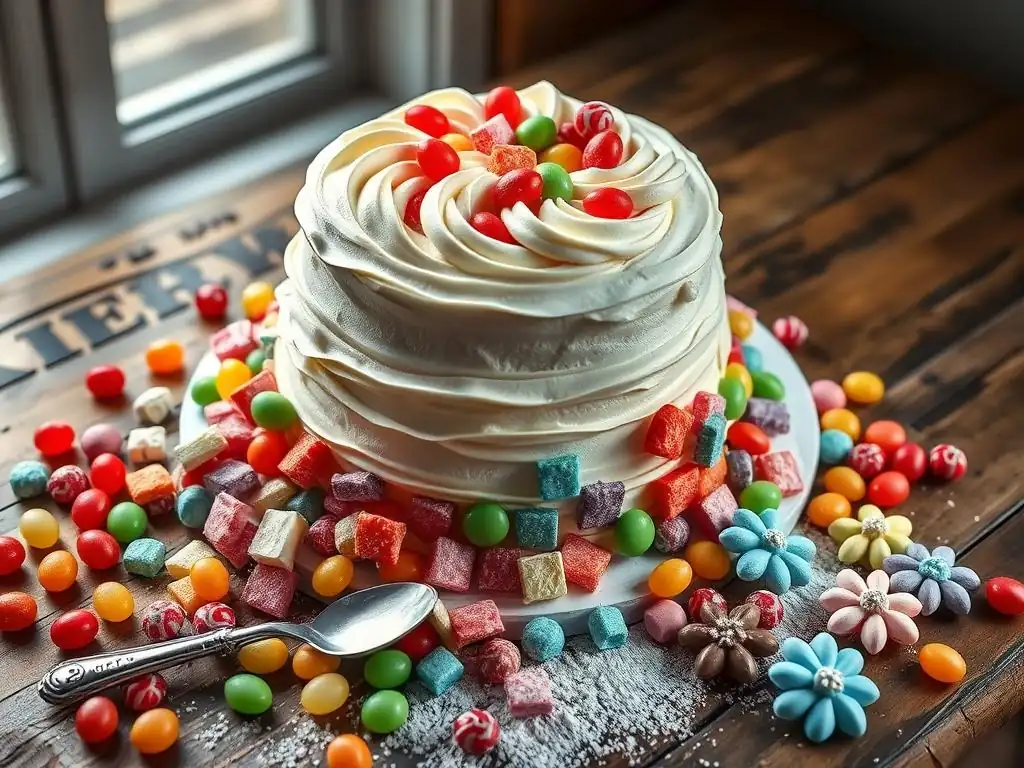
Welcome to BakeWithEase, your trusted guide to the delightful world of baking! Ever wondered how to elevate your creations with stunning, edible art? This week, we're diving deep into the enchanting realm of candy decorating buttercream frosting. Discover surprisingly simple techniques to transform ordinary cakes and cookies into masterpieces. Intrigued? Read on to unlock the secrets to perfectly piped frosting and dazzling candy embellishments!
- Easy Ways to Use Candy for Decoration: BakeWithEase Guide
- Introduction to Candy Decorating for Buttercream Frosting
- Simple Candy Decorating Ideas for Beginner Bakers
- Intermediate Candy Decorating Techniques for Buttercream Frosting
- Advanced Candy Decorating Techniques with Buttercream
- Candy Decorating Ideas by Candy Type
- Tips for Perfect Candy and Buttercream Harmony
- Troubleshooting Common Candy Decorating Issues
- Conclusion: Elevate Your Buttercream Cakes with Candy
-
Frequently Asked Questions
- How can I make buttercream frosting the right consistency for candy decorations?
- What types of candy work best for decorating buttercream frosting?
- How do I prevent candy decorations from sliding off my buttercream frosting?
- Can I use melted candy as a decoration on buttercream frosting?
- What are some creative ways to combine different candies for decorating buttercream frosting?
- Final Reflection: The Sweet Art of Candy-Decorated Buttercream
- Unleash Your Inner Candy Artist!
Easy Ways to Use Candy for Decoration: BakeWithEase Guide
Introduction to Candy Decorating for Buttercream Frosting
Unleash Your Creativity: Candy as Cake Decorating Elements
Candy offers a vibrant and accessible medium for transforming a simple buttercream-frosted cake into a festive masterpiece. From classic sprinkles to intricate molded shapes, the variety of candies available provides endless possibilities for adding color, texture, and personality to your baked goods. Using candy for decorating buttercream frosting is not just for professional bakers; it's a fun and engaging activity for home bakers of all skill levels, allowing you to express your unique style.
Think about the simple joy of a birthday cake covered in colorful M&M's or the elegant touch of rock candy crystals on a winter-themed creation. Candy decorations can be applied quickly for last-minute flair or meticulously placed for stunning visual effects. They are a fantastic way to introduce beginners to the world of cake decoration without requiring specialized tools, making candy decorating buttercream frosting a perfect starting point.
Why Candy is a Great Choice for Cake Decorating
One of the primary reasons candy is excellent for cake decorating, especially on buttercream, is its sheer variety. You can find candies in virtually every color, shape, and size imaginable, offering a palette far broader than traditional food coloring alone. This diversity allows for highly customized designs that can match any theme or occasion, from a whimsical unicorn cake adorned with rainbow twists to a sophisticated layer cake featuring chocolate pearls.
Furthermore, candy is readily available and often quite affordable compared to specialized cake decorating supplies. Most grocery stores carry a wide selection of candies suitable for decoration, making it easy to pick up supplies on a whim. The textures range from crunchy to chewy, smooth to crystalline, adding interesting dimensions to your cake's finish. Plus, let's be honest – adding edible decorations that taste good is a huge bonus for any cake! It simplifies the process of candy decorating buttercream frosting while maximizing visual and edible appeal.
BakeWithEase Tip: Choosing the Right Candy for Your Cake
Selecting the appropriate candy is crucial for successful cake decoration, particularly when working with buttercream frosting. Consider the temperature and humidity of your environment, as some candies (like gummies or certain chocolates) can soften or melt easily. Think about the consistency of your buttercream; a firm crusting buttercream is often best for heavier candies or intricate patterns, as it provides a stable surface.
For example, small, lightweight candies like nonpareils, jimmies (sprinkles), or small chocolate chips work well scattered or pressed lightly into fresh buttercream. Hard candies or larger gummies might require the buttercream to set slightly or be attached with a dab of extra frosting or edible glue for better adhesion. When planning your candy decorating buttercream frosting project, test a few candies on a small patch of frosting beforehand to see how they behave.
Simple Candy Decorating Ideas for Beginner Bakers
Classic Candy Placement on Buttercream
The simplest way to use candy for decoration is classic placement. This involves scattering candies over the surface of a frosted cake or cupcake, or gently pressing them into the sides. Sprinkles are the quintessential example, covering everything from funfetti cakes to elegant cupcakes. A standard 8-inch round cake might use anywhere from 1/2 cup to 1 cup of sprinkles for full top coverage, depending on density.
Beyond sprinkles, small candies like mini M&M's, Skittles, or even chopped candy bars can be scattered. For a neater look, you can pour sprinkles onto a baking sheet and roll the sides of a buttercream-frosted cake in them. This technique is incredibly forgiving and instantly adds color and texture, making it a go-to method for beginner candy decorating buttercream frosting projects.
Creating Candy Borders on Cakes and Cupcakes
Adding a candy border is an easy way to give your cake a polished look without needing advanced piping skills. This technique involves lining candies around the base or top edge of a cake, or along the rim of a cupcake. Small, uniform candies like M&M's, Reese's Pieces, or even unwrapped Rolos work well for this.
To create a border, simply press the candies gently into the buttercream along the desired line. For a crisp edge, you might use a ruler or the edge of a cake board as a guide. A 9-inch round cake might require roughly 100-150 standard-sized candies for a single border around the base, depending on the candy size and spacing. This method adds a clean, decorative finish to your candy decorating buttercream frosting.
BakeWithEase Project: Simple Sprinkle and Candy Cake
Let's try a simple project: decorating a small cake with sprinkles and a few feature candies. Bake and frost a 6-inch or 8-inch round cake with your favorite buttercream. While the frosting is still soft, gently press a mix of jimmies and nonpareils onto the top and sides. Aim for relatively even coverage, but don't worry about perfection!
Next, select a few larger, colorful candies like gumdrops, jelly beans, or individual wrapped candies (like Starbursts). Arrange these candies strategically on top of the sprinkle base. You could place them in a pattern, spell out initials, or just scatter them artfully. This project demonstrates basic candy decorating buttercream frosting techniques and is perfect for boosting beginner confidence.
Intermediate Candy Decorating Techniques for Buttercream Frosting
Mosaic Candy Patterns on Buttercream Cakes
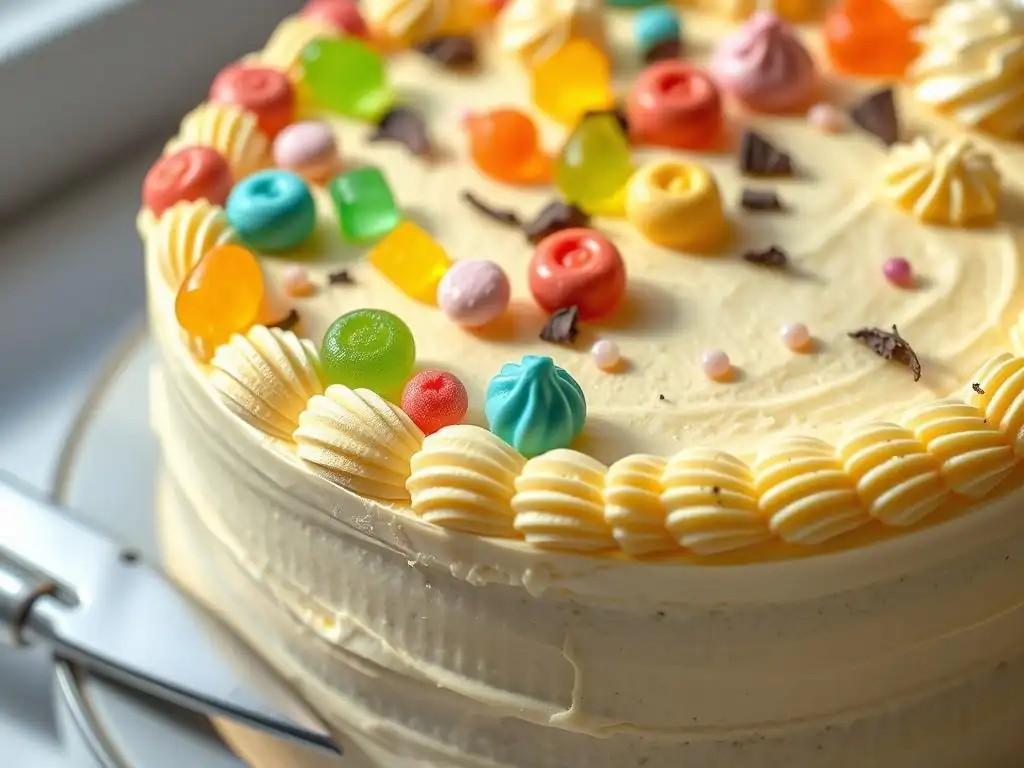
Creating mosaic patterns with candy on buttercream frosting involves arranging many small candies to form a larger design or picture. This technique requires more patience and precision than simple scattering but yields impressive results. Candies like M&M's, Skittles, or even uniform-sized gumdrops are excellent candidates due to their consistent shape and color variety.
To execute a candy mosaic, lightly sketch or mark your design onto the chilled, crusted buttercream surface. Then, carefully press individual candies into place, following your lines. For a complex design on an 8-inch cake top, you might use several hundred individual candies, meticulously placed. This method elevates candy decorating buttercream frosting from simple embellishment to edible art.
Creating Candy Flowers and Shapes
Candies can be used to build simple three-dimensional shapes directly on the buttercream surface. For example, you can create flowers using flat candies like Skittles or Sprees for petals and a contrasting candy like a mini M&M or sprinkle mix for the center. Arrange the "petals" in a circle and press them gently into the frosting.
Another approach is using slightly softer candies, like gumdrops or fruit slices, which can be flattened or shaped slightly with fingers before placing them. A dozen simple candy flowers on a cake might use 60-80 individual candies. This technique adds dimension and visual interest to your candy decorating buttercream frosting.
BakeWithEase Guide: How to Melt and Shape Candy for Decorations
Melting and shaping certain types of candy allows for more intricate and custom decorations. Chocolate or candy melts are the most common for this. Melt them carefully in a microwave or double boiler, stirring until smooth. Be cautious with temperature; overheating can cause chocolate to seize. A small amount, say 4 ounces, can create dozens of small shapes.
- For Chocolate/Candy Melts:
- Melt according to package directions (usually low power in microwave, stirring every 30 seconds).
- Pour into molds, pipe shapes onto parchment paper, or drizzle over chilled surfaces.
- Allow to cool and harden completely before handling.
- Attach to buttercream using a dab of fresh frosting or melted candy.
- For Hard Candy:
- Crush hard candies into small pieces.
- Melt in a heavy-bottomed saucepan over low heat, or in a heat-safe mold in a low oven (around 300°F / 150°C). Use extreme caution, as melted sugar is very hot.
- Pour into molds or onto parchment paper to create 'stained glass' effects or shapes.
- Allow to cool and harden completely. These are often best attached with melted candy or royal icing rather than just buttercream due to weight and potential temperature differences.
Using melted candy opens up a new realm for candy decorating buttercream frosting, allowing you to create custom toppers and embellishments.
Advanced Candy Decorating Techniques with Buttercream
Layered Candy Designs on Cakes
Layered candy designs involve building up patterns or images using multiple types or colors of candy, sometimes overlapping them to create depth and texture. This is an advanced technique that requires careful planning and execution. For instance, you might create a scene with a base layer of green sprinkles for grass, then add layers of small candies to represent flowers, stones, or other elements.
Another example is building a geometric pattern where different colors of candies are placed in overlapping or adjacent layers to create a complex visual effect. A detailed layered design on a cake side might use hundreds or even thousands of individual candies, requiring significant time and precision. This method pushes the boundaries of candy decorating buttercream frosting into intricate art forms.
3D Candy Sculptures on Buttercream
Creating three-dimensional candy sculptures on buttercream frosting is a challenging but rewarding technique. This involves using candies as building blocks or molding materials to construct figures, objects, or abstract shapes directly on the cake surface. Candies like gum paste (technically not just candy, but often used similarly), fondant (also similar), or even firm gummies and caramels can be used for sculpting or assembling.
For example, you might build a small house or a character using cut and shaped gumdrops or fondant pieces, attaching them to the cake and each other with a minimal amount of buttercream or edible glue. Larger structures might require internal supports (like toothpicks or skewers, ensuring they are clearly marked as non-edible). This level of candy decorating buttercream frosting is for experienced decorators looking to create truly unique edible art.
BakeWithEase Challenge: Intricate Candy Cake Designs
For those ready for an advanced challenge in candy decorating buttercream frosting, try creating a detailed scene or portrait using only small candies like nonpareils or tiny seed beads (edible sugar beads). This is similar to pointillism in painting, where individual dots of color build up an image. Choose a relatively simple image or pattern to start.
Outline your design very lightly on the chilled, crusted buttercream. Then, using tweezers or a toothpick dipped lightly in frosting, carefully place individual candies to fill in the areas, building color and detail piece by piece. A complex portrait on a 9-inch cake could take many hours and require tens of thousands of tiny candies. This challenge demands patience, precision, and a steady hand, resulting in a stunning edible mosaic.
Candy Decorating Ideas by Candy Type
Using Chocolate Candies for Cake Decoration
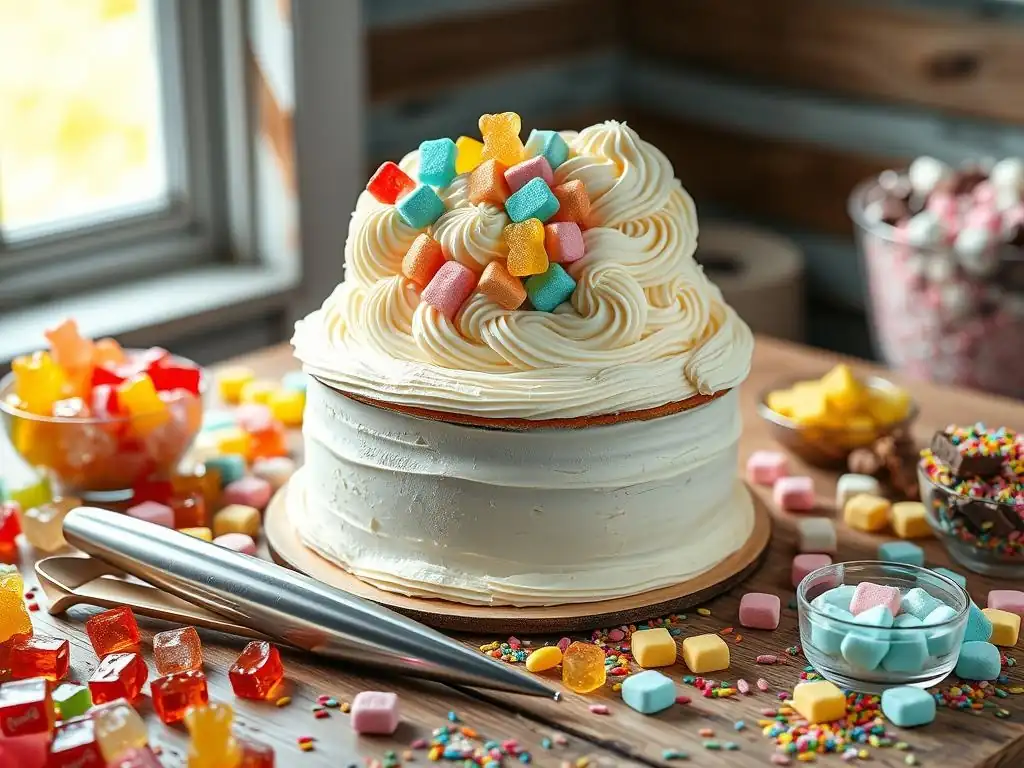
Chocolate candies are a perennial favorite for decorating buttercream frosting due to their delicious taste and versatility. M&M's, Reese's Pieces, chocolate chips, chocolate pearls, and even chopped chocolate bars can be used. They add a satisfying crunch and rich flavor contrast to sweet buttercream.
Small chocolate candies like mini chips or nonpareils are great for scattering or creating textured surfaces. Larger pieces like M&M's or chocolate squares can be arranged in patterns, borders, or used to create designs. For instance, a popular technique is creating a 'chocolate fence' around the side of a cake using chocolate fingers or wafers pressed into the buttercream. The possibilities with chocolate candy decorating buttercream frosting are vast and always crowd-pleasing.
Decorating with Hard Candies and Lollipops
Hard candies, like crushed Jolly Ranchers or Lifesavers, can add sparkle and vibrant, translucent color to buttercream. Crushed hard candy can be sprinkled over the frosting for a glittery effect or melted and poured into shapes or used to create 'stained glass' windows on cakes. Lollipops, with their sticks, make easy toppers or can be arranged to create whimsical designs.
To use crushed hard candy, simply sprinkle it onto soft or slightly crusted buttercream. For melted hard candy shapes, pour the melted sugar (use extreme caution!) onto parchment paper or into heat-safe molds and let cool completely before attaching to the cake. Hard candy decorating buttercream frosting adds shine and unique textures.
Creative Ideas with Gummy Candies on Buttercream
Gummy candies, such as gummy bears, worms, or fruit slices, offer vibrant colors and a chewy texture. They are easy to place and can be used to create fun, playful designs. Gummy bears can be lined up in rows, scattered, or used to create simple scenes. Flatter gummies, like fruit slices, can be overlapped to create scale-like patterns or arranged as petals for flowers.
Be mindful of the temperature when using gummies; they can soften in warm conditions. They adhere well to slightly tacky buttercream. Using gummy candies for candy decorating buttercream frosting is excellent for children's cakes or adding a burst of fun color.
BakeWithEase Recipe: Homemade Candy Decorations
Making your own simple candy decorations allows for complete control over color and shape. A basic recipe involves sugar, water, and corn syrup, boiled to the hard crack stage (around 300-310°F or 149-154°C). Flavoring and food coloring can be added carefully once the mixture is off the heat.
- Simple Sugar Candy Recipe:
- Combine 1 cup sugar, 1/4 cup water, and 1/4 cup light corn syrup in a saucepan.
- Heat over medium heat, stirring until sugar dissolves.
- Boil without stirring until temperature reaches 300°F (hard crack stage).
- Remove from heat, carefully stir in desired food coloring and flavoring.
- Carefully pour into molds or onto parchment paper to cool and harden.
- Caution: Melted sugar is extremely hot. Handle with care.
These homemade candies can be used as toppers, crushed for sparkle, or molded into custom shapes for your candy decorating buttercream frosting projects.
Tips for Perfect Candy and Buttercream Harmony
Ensuring Candy Adheres to Buttercream Frosting
Getting candy to stick securely to buttercream frosting is key to a successful decoration. For lightweight candies like sprinkles or nonpareils, applying them to freshly frosted, still-soft buttercream is usually sufficient; the frosting will set around them. For slightly heavier or larger candies like M&M's or gumdrops, you might need to gently press them firmly into the frosting.
If your buttercream has already crusted, you might need a little extra help. A tiny dab of fresh buttercream applied to the back of the candy before placing it can act as glue. Alternatively, a small amount of melted chocolate or edible glue can be used, especially for heavier or more rigid candy pieces. Proper adhesion is vital for durable candy decorating buttercream frosting.
Preventing Candy from Melting on Buttercream
Certain candies, particularly chocolates or gummies, can soften or melt when exposed to heat or moisture, which buttercream contains. To minimize this, work in a cool environment. Chill your frosted cake slightly before adding heat-sensitive candies, allowing the buttercream to firm up.
If using chocolate, consider using compound chocolate (candy melts) which is less prone to melting at room temperature than couverture chocolate. For gummies, add them closer to serving time if possible, especially in warm weather. Storing the finished cake in a cool place is also essential for maintaining the integrity of your candy decorating buttercream frosting.
BakeWithEase Pro Tip: Storing Candy-Decorated Cakes
Storing a cake decorated with candy and buttercream requires care to preserve both the frosting and the candy. Cakes decorated with buttercream are often best stored at cool room temperature if serving within 24 hours, or in the refrigerator for longer storage. However, refrigeration can sometimes affect the texture of certain candies (making hard candies sticky or causing some chocolates to bloom).
For short-term storage (a few hours before serving), a cool pantry is ideal. For longer storage, refrigerate the cake loosely covered in a cake box or plastic wrap, being careful not to touch the decorations. Allow the cake to come to room temperature for about 30-60 minutes before serving for the best flavor and texture. When storing candy decorating buttercream frosting creations, balance the needs of the cake and the candy.
Troubleshooting Common Candy Decorating Issues
Candy Sliding Off Buttercream Frosting
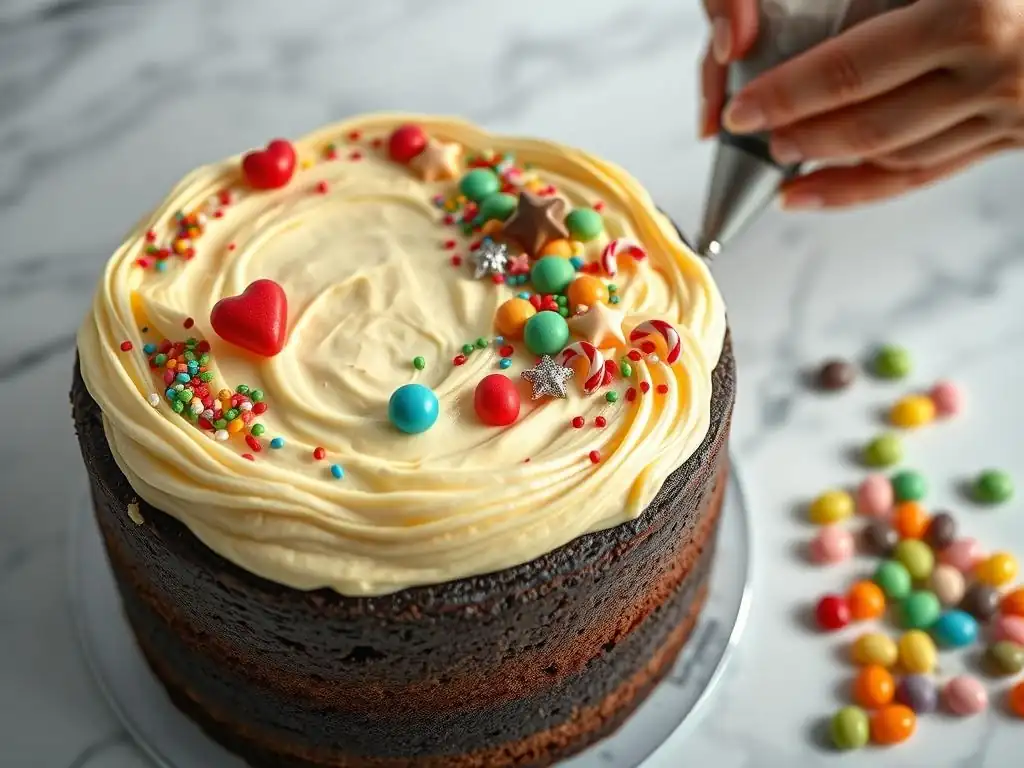
A common frustration when using candy for decorating buttercream frosting is having the candies slide off, especially on the sides of the cake or with heavier pieces. This often happens if the buttercream is too soft, too warm, or has formed too hard a crust without sufficient pressure applied when placing the candy.
- Solution: Ensure your buttercream is the right consistency – firm enough to hold the candy but still pliable enough for the candy to press into. If the buttercream has crusted, use a small dot of fresh buttercream or edible glue on the back of the candy. For side decorations, work with a slightly chilled cake, applying candies in sections, and returning the cake to the fridge briefly if needed to help the candies set in place.
Color Bleeding from Candy
Some candies, particularly those with intense artificial coloring, can bleed color into the buttercream frosting, especially if the frosting is moist or the environment is humid. This can smudge your design and stain the frosting. Bright red, blue, and green candies are often the culprits.
- Solution: If possible, choose candies known for minimal color bleeding (often natural or pastel colors are safer). If using vibrant candies, add them as close to serving time as possible. You can also create a barrier by dipping the bottom of the candy in melted white chocolate or candy melts and letting it harden before placing it on the buttercream. This creates a seal preventing direct contact between the candy color and the moist frosting, helping preserve your candy decorating buttercream frosting design.
BakeWithEase Solution: Fixing Common Candy Decorating Mistakes
Mistakes happen in baking and decorating! If candies slide off, don't panic. Simply reattach them using a bit of fresh buttercream or edible glue. If a pattern isn't perfect, remember that buttercream is forgiving; you can often gently scrape off the affected area, re-frost it minimally, and try again, or simply adjust the surrounding candies to make the imperfection look intentional.
For color bleeding, if it's minor and you can't add a barrier, sometimes embracing the watercolor effect is the best approach! If it's severe, you might need to carefully remove the offending candies and gently scrape off the stained buttercream, then touch up the area. Practice is key; the more you work with candy decorating buttercream frosting, the better you'll become at anticipating and fixing issues.
Conclusion: Elevate Your Buttercream Cakes with Candy
Recap of Easy Candy Decorating Techniques
We've explored numerous ways to use candy to enhance your buttercream-frosted cakes, from beginner-friendly scattering and simple borders to more advanced mosaics, molded shapes, and layered designs. We discussed how different types of candy – chocolates, hard candies, gummies – offer unique possibilities in terms of color, texture, and application.
Key simple techniques include classic scattering, creating easy borders by pressing candies into the frosting, and using candies to build basic shapes like flowers. These methods provide immediate visual impact and are perfect for anyone starting their journey with candy decorating buttercream frosting.
Further Resources for Cake Decorating with Candy
To continue expanding your skills in candy decorating buttercream frosting, look for online tutorials and videos specifically demonstrating techniques like melting candy, creating candy mosaics, or working with specific types of candy like fondant or gum paste (often used in conjunction with candy). Cake decorating books often have sections dedicated to using edible decorations.
Consider joining online baking communities where you can share your creations and ask for advice. Experimenting with different candies and combinations is the best way to discover new favorite techniques and unleash your full creative potential in candy decorating buttercream frosting.
BakeWithEase Encouragement: Keep Practicing and Experimenting!
The most important ingredient in learning candy decorating buttercream frosting is practice. Don't be discouraged if your first attempts aren't perfect. Each cake is an opportunity to try something new, refine your skills, and discover what works best for you.
Embrace the process, have fun with the colors and textures, and don't be afraid to experiment with different types of candy on your buttercream. With a little practice and creativity, you'll be transforming simple cakes into stunning, edible works of art using the versatile medium of candy. Keep baking, keep decorating, and most importantly, keep enjoying the sweet results!
Frequently Asked Questions
How can I make buttercream frosting the right consistency for candy decorations?
The consistency of your buttercream is crucial. You want it stiff enough to hold the candies in place, but soft enough to spread easily. Add powdered sugar gradually to achieve the desired stiffness.
What types of candy work best for decorating buttercream frosting?
Many candies work well! Consider size, shape, and color. Popular choices include sprinkles, chocolate shavings, small candies like M&Ms, and even broken candy canes for a festive touch. Avoid very heavy candies that might slide off.
How do I prevent candy decorations from sliding off my buttercream frosting?
Ensure your buttercream is firm enough and applied in an even layer. Gently press the candies into the frosting to help them adhere. Chilling the decorated cake or cupcakes briefly can also help set the frosting.
Can I use melted candy as a decoration on buttercream frosting?
Yes, melted candy can add a unique touch! Drizzle it over the buttercream for a glossy effect, or use it to create intricate designs. Be careful, as melted candy can be hot and may require a steady hand.
What are some creative ways to combine different candies for decorating buttercream frosting?
Consider color palettes and themes. Create a rainbow effect with colorful sprinkles, or a festive holiday design with red, green, and white candies. Experiment with different textures and sizes for a visually appealing result.
Final Reflection: The Sweet Art of Candy-Decorated Buttercream
The art of adorning buttercream frosting with candy is more than just a delicious trend; it's a vibrant expression of creativity that continues to evolve and inspire. From simple sprinkles to intricate candy mosaics, the possibilities are endless, transforming ordinary cakes and cupcakes into edible masterpieces. This accessibility, combined with the sheer joy of creating something beautiful and tasty, ensures its enduring appeal.
The impact of candy decorating on the culinary landscape is undeniable. It's moved beyond simple childhood treats, becoming a sophisticated art form showcased in professional bakeries and home kitchens alike. The ease of access to a vast array of candies, coupled with readily available online tutorials and inspiration, has democratized this skill, empowering anyone with a passion for baking to create stunning confections. The best things in life are sweet,
and this certainly applies to the satisfaction derived from transforming a simple cake into a work of art using candy.
Now, it's your turn. Consider the simple yet profound joy of adding a touch of sweetness – literally and figuratively – to your creations. Experiment with different candies, textures, and techniques. Don't be afraid to let your imagination run wild and create something uniquely yours. The beauty of candy-decorated buttercream lies not just in the final product, but in the process of creation itself; a journey of playful experimentation and delightful self-expression. Embrace the sweetness!
Unleash Your Inner Candy Artist!
Thanks for taking the time to explore the sweet world of candy decorating! We hope you're feeling inspired and ready to add a pop of playful color and texture to your creations. Now it's time to put those newfound skills to the test!
- Dive into your first candy-decorated masterpiece: Grab your favorite candies and try one of the techniques we discussed today. Even a simple project will boost your confidence and bring a smile to your face.
- Share your sugary creations: We'd love to see what you whip up! Snap a picture and tag us on social media – let's build a community of candy crafting enthusiasts.
- Explore our other decorating guides: Want to expand your candy decorating knowledge? Check out our other articles for even more tips and tricks.
Ready to transform your treats into edible works of art? What's the first candy-based design you’ll tackle?