
Choosing the Right Frosting Consistency for Piping

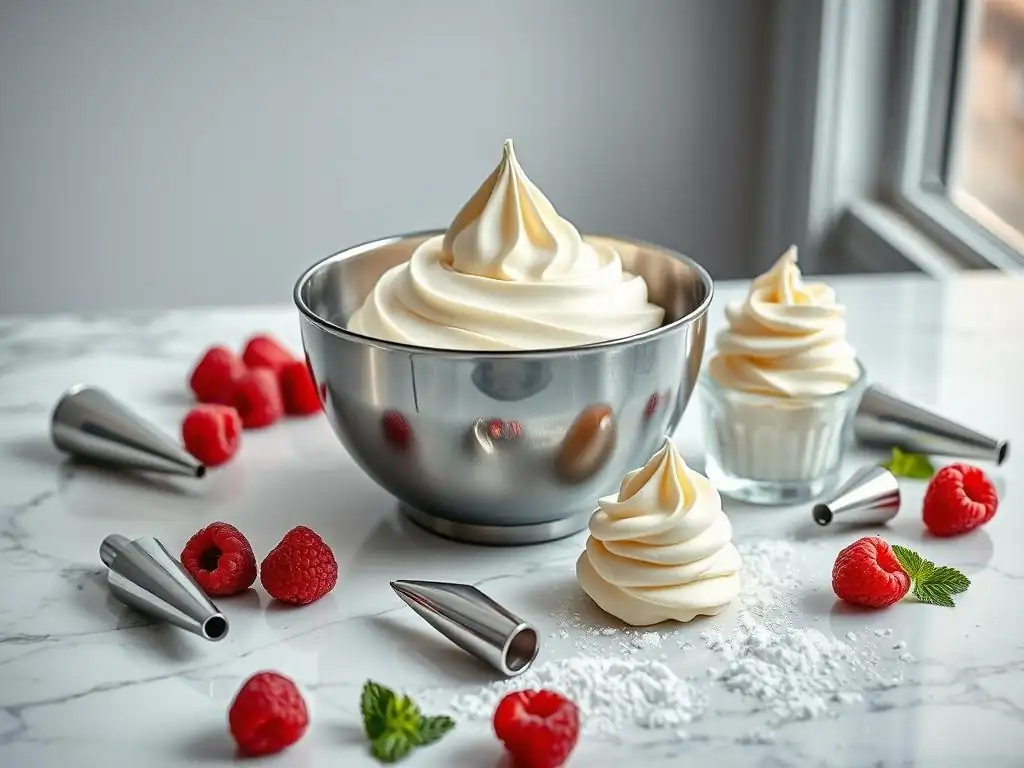
Welcome to BakeWithEase, your trusted guide to baking bliss! Ever wondered how to achieve that picture-perfect swirl or delicate floral design on your cupcakes? This article dives deep into achieving the perfect frosting consistency for piping, unlocking the secrets to stunning and professional-looking baked creations. Discover the techniques and tips that will transform your frosting skills and have you decorating like a pro in no time. Ready to elevate your baking game? Let's get started!
- Introduction: Achieving the Perfect Frosting Consistency for Cake Decorating
- Understanding Frosting Consistency: The Key to Successful Piping
- Different Frosting Consistencies for Piping: A Detailed Guide
- Testing Your Frosting Consistency: Practical Methods
- Adjusting Frosting Consistency: Troubleshooting Tips
- Frosting Recipes and their Impact on Piping Consistency
- Piping Techniques and Frosting Consistency: A Practical Correlation
- Common Mistakes to Avoid When Adjusting Frosting Consistency for Piping
- Tools and Equipment for Achieving Perfect Frosting Consistency
- Conclusion: Mastering Frosting Consistency for Beautiful Cake Decorating
-
Frequently Asked Questions
- How crucial is frosting consistency when piping?
- What are the different frosting consistencies suitable for piping?
- How do I adjust the consistency of my frosting?
- What happens if my frosting is too thick for piping?
- Can I re-whip frosting that has been sitting out for a while to restore its piping consistency?
- Final Reflection: Mastering the Art of the Perfect Pipe
- Unleash Your Inner Pastry Artist: Master Frosting Consistency!
Introduction: Achieving the Perfect Frosting Consistency for Cake Decorating
Welcome to BakeWithEase! Mastering cake decorating is a rewarding journey, and a fundamental skill is understanding how to achieve the perfect frosting consistency for piping. Whether you dream of creating elegant swirls, delicate flowers, or sharp lettering, the texture of your frosting is paramount. It's the difference between a beautiful design that holds its shape and a runny mess or a stiff, unmanageable buttercream. This article will guide you through the nuances of frosting consistency, helping you unlock your decorating potential and achieve stunning results every time you pipe.
Getting the perfect frosting consistency for piping is often cited by beginner and intermediate bakers as one of the most challenging aspects of cake decoration. It's not just about the flavor; the physical properties of the frosting dictate how well it performs under pressure from a piping bag. Too thin, and your details will collapse; too thick, and it will be difficult to pipe smoothly, potentially tearing your bag. Finding that sweet spot requires a bit of knowledge and practice, but with the right guidance, you'll be piping like a pro in no time.
Understanding Frosting Consistency: The Key to Successful Piping
Frosting consistency refers to the thickness and stiffness of your frosting. It describes how the frosting behaves when scooped, spread, or piped. Think of it like paint: you have thick, heavy body paints and thin, flowing watercolors. Each has a different purpose, and so too do different frosting consistencies in cake decorating. Understanding this concept is the bedrock upon which all successful piping techniques are built.
The perfect frosting consistency for piping is not a one-size-fits-all concept. It varies depending on the specific design you want to create and the type of frosting you are using. For example, a frosting perfect for piping delicate rose petals will be much stiffer than a frosting ideal for smoothly coating a cake. Recognizing these differences and knowing how to adjust your frosting accordingly is a crucial step in elevating your cake decorating skills.
What Does Frosting Consistency Mean for Cake Decorating?
In cake decorating, frosting consistency dictates its structural integrity and flow. A frosting with a high consistency (stiff) will hold sharp edges and stand up tall, making it suitable for intricate work like piping flowers that need to maintain their shape. Conversely, a frosting with a low consistency (soft) will be more spreadable and flow smoothly, making it excellent for crumb coating or filling layers. The texture also affects how easily the frosting comes out of the piping bag and through different tips.
Consider a simple star tip design. If your frosting is too soft, the points of the star will droop and merge, resulting in a blurry shape. If it's too stiff, you'll struggle to push the frosting through the tip smoothly, leading to jagged edges or even a burst piping bag. Achieving the perfect frosting consistency for piping means finding the balance where the frosting is firm enough to hold the desired shape but pliable enough to flow easily and consistently from the bag. This balance is learned through experience and careful observation of the frosting's behavior.
Why is Frosting Consistency Important for Piping Designs?
The consistency of your frosting directly impacts the quality and definition of your piped designs. For instance, if you're attempting to pipe a detailed border using a shell tip, a frosting that's too soft will cause the "shells" to sag and lose their definition, looking more like blobs. A frosting with the perfect frosting consistency for piping for this application – typically a medium consistency – will allow you to create clean, distinct shells that hold their shape beautifully around the cake's edge.
Furthermore, consistency affects how efficiently you can decorate. A frosting that is too thick will tire your hand quickly as you squeeze the bag, making it difficult to maintain consistent pressure and resulting in uneven designs. One that is too thin can drip or spread uncontrollably, requiring constant cleanup and potentially ruining your work. Getting the consistency right saves time, reduces frustration, and ensures your hard work results in the visually appealing finish you envisioned.
Different Frosting Consistencies for Piping: A Detailed Guide
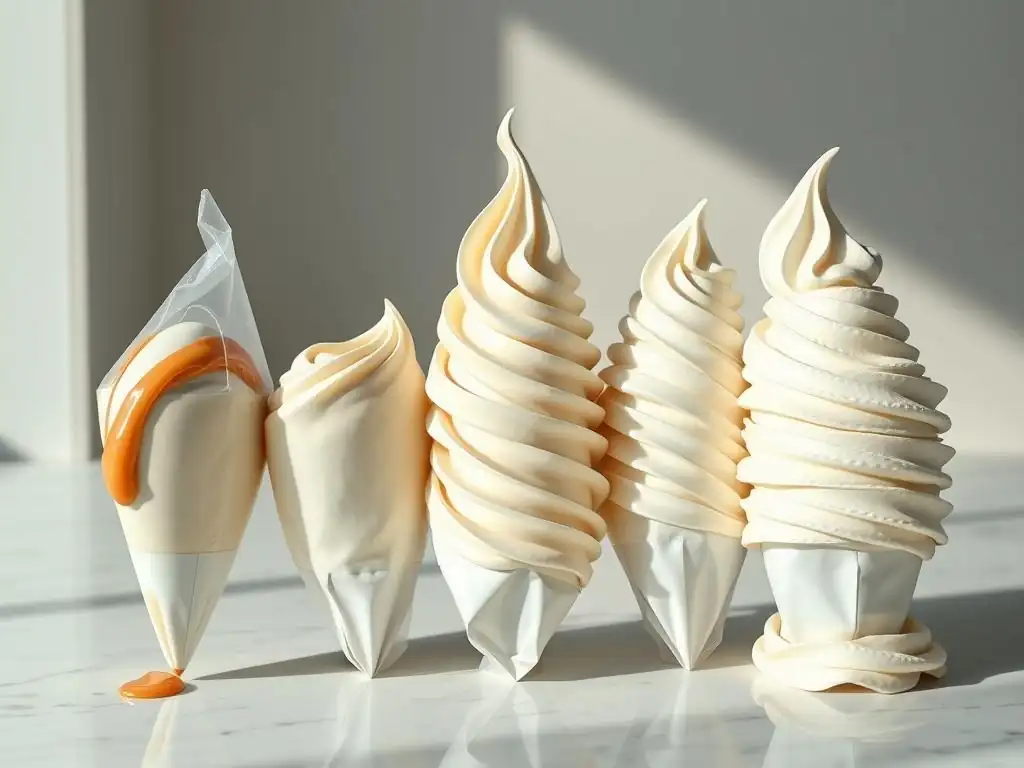
Understanding the three main categories of frosting consistency – stiff, medium, and soft – is fundamental to successful piping. Each serves a specific purpose and is suited for different types of decorations. Knowing which consistency to aim for based on your design plan is key to achieving professional-looking results. Let's delve into the characteristics and uses of each.
Think of these consistencies as a spectrum. There's a range within each category, and subtle adjustments can fine-tune the frosting for a particular task. Mastering the art of adjusting your frosting means you can tackle almost any piping challenge. The goal is always the perfect frosting consistency for piping the specific element you are working on at that moment.
Stiff Consistency Frosting: Ideal for Flowers and Intricate Details
Stiff consistency frosting is the firmest type. When you scoop it with a spoon or spatula, it should hold its shape without drooping at all, forming peaks that stand straight up. This density makes it perfect for decorations requiring significant structure and definition, such as realistic buttercream flowers like roses, chrysanthemums, or carnations, piped using tips like the petal tip (e.g., Wilton 104) or the closed star tip (e.g., Wilton 2D).
This consistency is achieved by using less liquid relative to the amount of powdered sugar (or butter/shortening, depending on the frosting type). A common application is piping royal icing details on cookies or intricate scrollwork on cakes, where clean lines and sharp points are essential. For example, piping a complex Lambeth method overlay often requires a very stiff royal icing to build up layers of detail that hold their structure against gravity. A typical stiff buttercream might contain approximately 6-8 cups of powdered sugar per cup of butter, with minimal added liquid.
Medium Consistency Frosting: The Versatile Choice for Borders and Writing
Medium consistency frosting is less stiff than the previous type but still holds its shape well. When scooped, it should form a peak that curls slightly at the tip, sometimes described as a "soft peak" or "medium peak" consistency. This is arguably the most versatile consistency and is ideal for a wide range of piping tasks, including piping borders (like shells, ropes, or stars), writing messages on cakes, and creating simple swirls or rosettes on cupcakes.
This consistency strikes a balance, being easy to pipe smoothly while still maintaining definition. It's the go-to for many decorators when they need a frosting that can do a bit of everything. For instance, piping a classic shell border around the base of an 8-inch cake requires a medium consistency frosting that flows easily but doesn't collapse on itself. This consistency is typically achieved with a slightly higher liquid-to-powdered sugar ratio than stiff frosting, perhaps around 5-6 cups of powdered sugar per cup of butter for a buttercream, with a touch more liquid added.
Soft Consistency Frosting: Best For Filling and Smoothing Cakes
Soft consistency frosting is the loosest of the three main types. It is very spreadable and flows easily. When scooped, it will not hold a peak but will instead slump back into the bowl. This consistency is primarily used for coating cakes (crumb coating and final layers), filling cake layers, and creating smooth, even finishes with an offset spatula or bench scraper. While not typically used for intricate piping designs, it can be used for simple dollops or swirls with large, open tips.
Using a soft consistency frosting for coating helps to trap crumbs effectively during the initial crumb coat, creating a smooth base for the final layer. It also makes it easier to achieve sharp edges when smoothing the final coat. For example, covering a 9-inch round cake smoothly requires a frosting that glides easily around the sides and top. This consistency is achieved by adding more liquid (milk, cream, or flavor extract) to the frosting base, resulting in a ratio perhaps closer to 4-5 cups of powdered sugar per cup of butter, with a generous amount of liquid incorporated.
Testing Your Frosting Consistency: Practical Methods
Knowing the descriptions of different consistencies is one thing; actually testing your frosting to see which category it falls into is another. Fortunately, there are several simple, practical methods you can use right in your kitchen to determine if your frosting has the perfect frosting consistency for piping your intended design. These tests are quick, require no special equipment beyond what you're already using, and provide valuable feedback on whether you need to adjust your frosting.
Regularly testing your frosting as you make or adjust it is a habit that will significantly improve your decorating outcomes. Don't just guess! A minute spent testing can save you a lot of frustration later when you try to pipe. Let's explore some reliable methods for assessing your frosting's consistency before it goes into the piping bag.
The Spoon Test: A Quick and Easy Check
The spoon test is perhaps the simplest method for assessing frosting consistency. Using a spoon, scoop up a small amount of frosting. Then, tilt the spoon or gently tap the side of the bowl to see how the frosting falls back into the bowl or holds its shape on the spoon. A stiff frosting will cling to the spoon and barely move, forming a firm peak. A medium consistency frosting will hold a peak that curls or bends slightly. A soft consistency frosting will readily slide off the spoon and flatten out in the bowl.
This test gives you a good initial idea of where your frosting stands on the consistency spectrum. It's particularly useful when you are making adjustments, allowing you to see how the frosting changes with the addition of powdered sugar or liquid. For instance, if you've added a tablespoon of milk to thicken frosting that was too stiff, perform the spoon test again to see if it now exhibits characteristics of a medium consistency before adding more liquid.
The Knife Test: Assessing Frosting Stiffness
The knife test provides another way to gauge the stiffness of your frosting. Dip a clean knife or offset spatula into the frosting and then pull it straight up. Observe how the frosting stands up on the knife. A stiff frosting will form a peak that holds rigidly upright. A medium consistency frosting will form a peak that curls over slightly or droops gently at the tip. A soft consistency frosting will barely form a peak, or it will immediately slump back down onto the knife or into the bowl.
This test is particularly good for evaluating how well the frosting will hold sharp edges, which is crucial for many piping techniques like shells or stars. For example, if you're aiming for a medium consistency for piping borders, the knife test should show a peak that holds its form but has a noticeable curl. If the peak is too rigid, your frosting is likely too stiff for easy piping of continuous borders.
The Piping Bag Test: Simulating Real-World Application
The most accurate test, though it requires a small amount of frosting and a piping bag, is the piping bag test. Fill a small piping bag fitted with the tip you plan to use (or a common tip like a star tip, e.g., Wilton 1M) with a small amount of frosting. Pipe a few practice shapes or lines onto a piece of parchment paper or a plate. Observe how easily the frosting comes out, how well it holds the shape of the tip, and whether the piped lines or shapes maintain their form.
If the frosting is difficult to squeeze, breaks frequently, or feels gritty, it might be too stiff. If it comes out too quickly, spreads out, or loses its definition almost immediately, it's likely too soft. The perfect frosting consistency for piping a specific design will flow smoothly and evenly, creating clean, well-defined shapes that hold their structure. Piping a few test swirls with a 1M tip, for instance, will quickly show if the frosting is too soft (swirls collapse) or too stiff (difficult to pipe smoothly).
Adjusting Frosting Consistency: Troubleshooting Tips
It's rare to get the perfect frosting consistency for piping on the first try, especially when trying a new recipe or working in different environmental conditions (like humidity). Knowing how to troubleshoot and adjust your frosting is a key skill. Fortunately, adjusting frosting consistency is straightforward: you either need to thicken it or thin it.
These adjustments should always be made gradually. Adding too much of any ingredient at once can quickly overshoot your desired consistency, requiring further adjustments that might alter the flavor or texture negatively. Patience and adding ingredients in small increments are crucial for success.
How to Thicken Frosting That's Too Thin
If your frosting is too soft or runny for piping, it needs to be thickened. The most common and effective way to do this is by adding more powdered sugar. This works particularly well for buttercreams and cream cheese frostings, which rely heavily on powdered sugar for structure.
Another option, less common but useful in specific situations, is using cornstarch, though this can slightly affect the flavor and texture. The choice depends on the type of frosting and how much thickening is needed.
Adding Powdered Sugar: A Step-by-Step Guide
To thicken frosting with powdered sugar, add it gradually, typically one tablespoon at a time for a standard batch of frosting (e.g., enough for a 2-layer cake). Sift the powdered sugar before adding it to prevent lumps. Add the sifted sugar to the frosting and mix on low speed until just combined, or mix by hand with a spatula. Avoid overmixing.
After each addition, perform a consistency test (like the spoon or knife test). If it's still too soft, add another tablespoon of powdered sugar and repeat the process. Continue adding and testing until you reach the desired perfect frosting consistency for piping. For example, a batch of buttercream that is slightly too thin for piping borders might require an additional 1/4 cup (4 tablespoons) of powdered sugar added incrementally to reach the correct medium consistency.
Cornstarch as a Thickening Agent: When to Use It
Cornstarch can also be used to thicken frosting, though it's less common for standard buttercreams and more often used in glazes or specific frosting types where adding more sugar might make it too sweet. If you choose to use cornstarch, mix one tablespoon of cornstarch with one tablespoon of milk or water to create a slurry before adding it to the frosting.
Add the slurry to the frosting and mix well. Test the consistency. If needed, you can add another tablespoon of cornstarch mixed with liquid. Be cautious with cornstarch, as too much can give the frosting a slightly powdery or gummy texture. It's a good option if you need to thicken a frosting that is already very sweet and you don't want to add more sugar, but it's not the primary method for adjusting the perfect frosting consistency for piping in most recipes.
If your frosting is too stiff to pipe smoothly or is breaking apart, it needs to be thinned. This is achieved by adding a small amount of liquid. The type of liquid you use can also impact the flavor of the frosting.
Again, the key here is to add liquid very gradually. It's much easier to add more liquid than to fix frosting that has become too thin. Go slow and test frequently.
Adding Liquid: Milk, Water, or Flavor Extracts
The most common liquids used to thin frosting are milk, water, or flavor extracts (like vanilla or almond extract). Milk or cream will add richness, while water will not affect the flavor. Flavor extracts are a good option if you want to slightly enhance the flavor while adjusting consistency. Start by adding liquid in very small amounts, such as a half teaspoon or one teaspoon at a time for a standard batch of frosting.
Mix the frosting on low speed or by hand until the liquid is just incorporated. Avoid overmixing, as this can incorporate too much air and affect the texture. For instance, if your American buttercream is too stiff for piping lettering, adding 1-2 teaspoons of milk might bring it to the perfect frosting consistency for piping readable letters.
The Importance of Small Increments When Thinning Frosting
Adding liquid in small increments is absolutely critical when thinning frosting. Frosting consistency can change dramatically with just a small amount of added liquid. Adding too much at once can quickly turn a slightly too-stiff frosting into a runny glaze that is unusable for piping.
After adding a small amount of liquid (say, 1/2 teaspoon), mix and immediately perform a consistency test (like the piping bag test). If it's still too thick, add another tiny amount (another 1/2 teaspoon) and repeat. Continue this process until you achieve the perfect frosting consistency for piping your intended design. This patient approach ensures you don't accidentally over-thin the frosting and have to go back to thickening it with powdered sugar, which can sometimes lead to a less desirable texture.
Frosting Recipes and their Impact on Piping Consistency
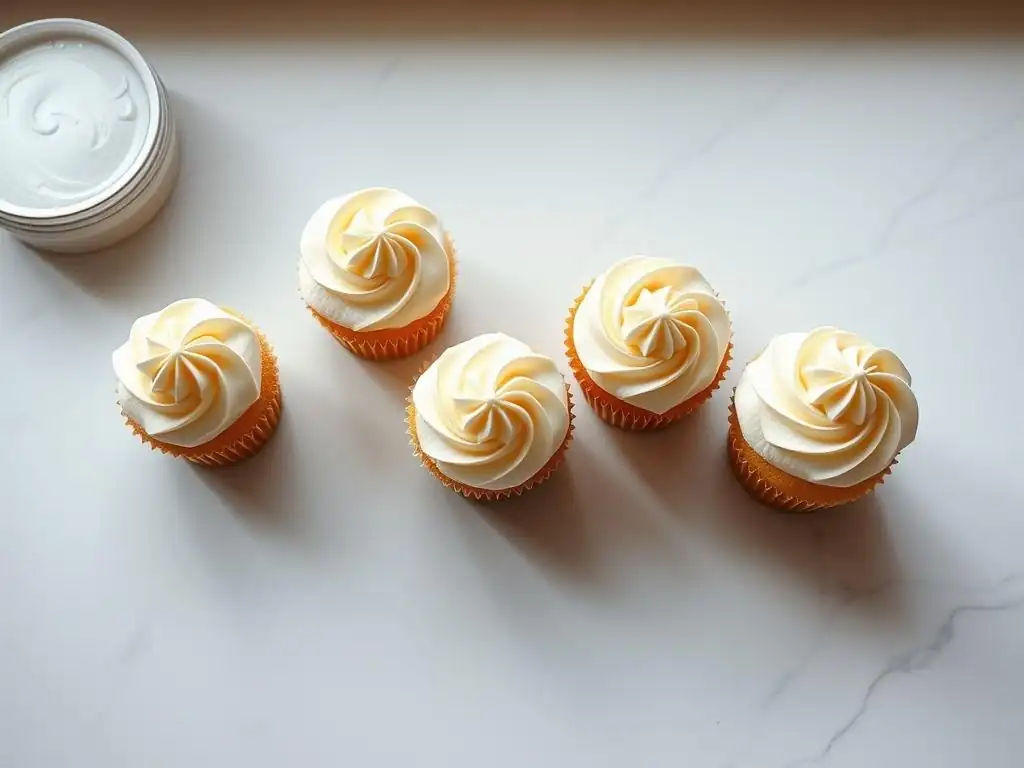
The type of frosting you choose fundamentally affects its potential consistency and how easily it can be adjusted for piping. Different frosting bases behave differently due to their core ingredients and structure. Understanding these differences will help you select the right frosting for your decorating needs and anticipate how to adjust its consistency.
While many frosting types can be adjusted for piping, some are inherently better suited for specific tasks than others. For example, a frosting that relies heavily on butter (like Swiss meringue buttercream) will react differently to temperature changes than one based mostly on powdered sugar and shortening (like some crusting buttercreams). Knowing these characteristics is key to achieving the perfect frosting consistency for piping.
American Buttercream: Adjusting for Piping
American buttercream, made from butter, powdered sugar, liquid (milk or cream), and flavorings, is one of the most common frostings and is highly adaptable for piping. Its consistency is primarily controlled by the ratio of powdered sugar to liquid. More powdered sugar means a stiffer frosting; more liquid means a softer frosting. It's relatively easy to adjust by adding more powdered sugar to thicken or more liquid to thin.
However, American buttercream can be sensitive to temperature. In warm conditions, it can become too soft quickly. Chilling it briefly can help stiffen it for piping. For piping flowers, you'd typically aim for a stiff consistency (high powdered sugar ratio). For borders or writing, a medium consistency works best. For example, a standard recipe might yield a medium consistency, requiring perhaps an extra 1/2 cup of powdered sugar per batch to achieve the stiff consistency needed for detailed rose petals.
Swiss Meringue Buttercream: Achieving the Right Texture
Swiss meringue buttercream is made by whipping a cooked sugar syrup into egg whites (meringue), then whipping in softened butter. This frosting is known for its smooth, silky texture and less sweet flavor compared to American buttercream. Its consistency is largely determined by the amount of butter and the temperature. It can be adjusted for piping, though it behaves differently than American buttercream.
To thicken Swiss meringue buttercream, chilling it slightly can help. You can also sometimes whip it longer to incorporate more air, which can stiffen it, or carefully add a very small amount of sifted powdered sugar (though this can change its characteristic texture). To thin it, gently warming it (perhaps by warming the bowl slightly) or mixing it longer until it becomes smooth can help. Achieving the perfect frosting consistency for piping with Swiss meringue often requires careful temperature control; if it's too cold, it's stiff and difficult to pipe; if too warm, it becomes greasy.
Cream Cheese Frosting: Considerations for Piping
Cream cheese frosting, a delicious mix of cream cheese, butter, powdered sugar, and flavorings, is popular for cakes like red velvet and carrot cake. Due to the cream cheese, it tends to be softer than buttercreams and can be more challenging to get a very stiff consistency suitable for intricate piping. It also softens quickly at room temperature.
To make cream cheese frosting suitable for piping borders or simple designs, you often need to use a higher ratio of powdered sugar to cream cheese and butter than you might for a spreading consistency. Some recipes also recommend using cold cream cheese and butter. Chilling the finished frosting significantly before piping is crucial for achieving the perfect frosting consistency for piping even basic shapes.
For detailed work like flowers, cream cheese frosting is generally not the best choice unless modified significantly or combined with other frostings. Using a recipe with a higher proportion of powdered sugar, perhaps 6 cups per 8 oz of cream cheese and 1/2 cup butter, compared to 4 cups for a spreading consistency, can help.
Piping Techniques and Frosting Consistency: A Practical Correlation
The specific piping technique you plan to use is directly linked to the ideal frosting consistency. Attempting a technique with the wrong consistency will lead to frustration and poor results. Understanding this correlation is vital for choosing or adjusting your frosting correctly.
Matching the perfect frosting consistency for piping to your chosen technique ensures that the frosting behaves as expected, allowing you to execute the design smoothly and achieve clean, professional-looking results. Let's look at how consistency impacts some common piping techniques.
Piping Borders: The Best Frosting for Clean Lines
For piping borders around the top or base of a cake (such as shells, ropes, or stars), a medium consistency frosting is generally the most effective. This consistency allows the frosting to flow smoothly and continuously from the piping tip, which is essential for creating neat, even borders.
A medium consistency frosting holds the shape of the border tip (like a star tip, e.g., Wilton 21, or a shell tip, e.g., Wilton 32) well enough to create definition, but it's pliable enough to maintain a consistent flow without tiring your hand. If the frosting is too stiff, the border will look choppy and uneven. If it's too soft, the border will sag and lose its shape, especially on the sides of the cake. Achieving the perfect frosting consistency for piping borders means finding that sweet spot where it flows easily but holds its form.
Piping Flowers: Achieving Realistic Petal Detail with Stiff Frosting
Piping realistic buttercream flowers, such as roses, peonies, or carnations, requires a stiff consistency frosting. This stiffness is necessary for the petals to stand up and maintain their delicate structure and shape. Petal tips (like Wilton 104) or closed star tips (like Wilton 2D) are commonly used for this, and they rely on the frosting holding a sharp edge.
A stiff frosting allows you to create thin, individual petals that don't collapse on each other. For example, piping a buttercream rose involves building up layers of petals; a soft frosting would cause the petals to merge into a blob. The perfect frosting consistency for piping these intricate flowers is one that holds a firm peak and extrudes cleanly through the tip, allowing for precise control over each petal's placement and shape. This often means adding extra powdered sugar to your standard buttercream recipe.
Piping Lettering: Using Medium Consistency for Legibility
Piping lettering on a cake requires a frosting that flows smoothly and evenly to create clean, legible lines. A medium consistency frosting is typically ideal for this purpose. It's soft enough to pipe continuously without breaking but stiff enough to hold a defined line and prevent the letters from spreading or blurring.
Using a round tip (like Wilton 3 or 4) is common for lettering, and the success of the writing depends heavily on a consistent flow of frosting. If the frosting is too stiff, the lines will be jagged or break frequently. If it's too soft, the letters will spread and become difficult to read. Achieving the perfect frosting consistency for piping text ensures that your message is clear and looks neat on the cake surface. A frosting that forms a slightly drooping peak in the spoon test is often just right for writing.
Common Mistakes to Avoid When Adjusting Frosting Consistency for Piping
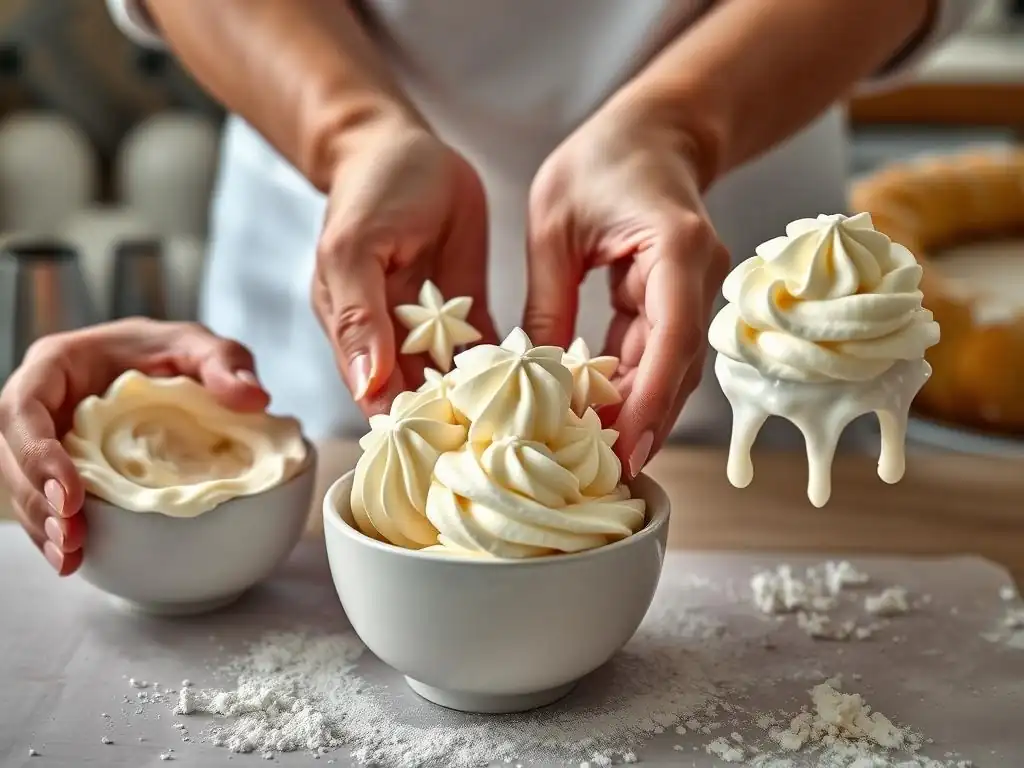
Adjusting frosting consistency might seem simple, but there are common pitfalls that can lead to less-than-ideal results. Being aware of these mistakes can help you avoid them and achieve the perfect frosting consistency for piping more consistently. Many issues stem from impatience or not fully understanding how ingredients interact.
Avoiding these errors will save you time, ingredients, and frustration. It's about being mindful of the process and making careful, measured adjustments rather than rushed, large ones.
Overmixing Frosting: The Impact on Texture
Overmixing frosting, especially after adding powdered sugar or liquid to adjust consistency, can negatively impact its texture. Overmixing can incorporate too much air, making the frosting light and fluffy but potentially less stable for piping intricate designs. It can also sometimes lead to a greasy texture, particularly with butter-based frostings, as the fat molecules can separate.
When adjusting consistency, mix only until the added ingredient is just incorporated and the desired consistency is reached. For example, if you add powdered sugar to thicken, mix just until no dry streaks remain and the frosting appears cohesive. Mixing for several minutes after reaching the right consistency can introduce excess air, making it harder to achieve sharp piping details. Aim for the perfect frosting consistency for piping with minimal mixing after the final adjustment.
Adding Too Much Liquid or Powdered Sugar: Avoiding Extremes
One of the most common mistakes is adding too much liquid when thinning or too much powdered sugar when thickening at once. As mentioned earlier, frosting consistency can change rapidly with the addition of even small amounts of ingredients. Adding a large splash of milk or a full cup of powdered sugar in one go can easily overshoot your target consistency, leaving you with frosting that is either too thin to use for piping or too stiff and dry.
Always add liquid or powdered sugar in small increments (teaspoon or tablespoon at a time) and mix thoroughly before assessing the consistency and deciding if more is needed. This controlled approach allows you to sneak up on the perfect frosting consistency for piping your specific design without accidentally ruining the batch. It takes a little longer but significantly increases your chances of success.
Not Testing the Frosting Enough: Patience is Key
Skipping or rushing the consistency tests (spoon, knife, piping bag) is another common error. It's easy to assume you've added enough liquid or sugar and proceed directly to filling your piping bag, only to discover the frosting is still not right when you try to pipe. This often means emptying the bag, adjusting the frosting, and refilling, which can be messy and time-consuming.
Make it a habit to perform a quick consistency test after every addition of liquid or powdered sugar. Piping a small test swirl or line on parchment paper is the most reliable way to see how the frosting will perform in action. Taking an extra minute to test ensures you have the perfect frosting consistency for piping before you commit to decorating your cake, leading to a smoother and more successful decorating experience. Patience in testing pays off immensely in the final result.
Tools and Equipment for Achieving Perfect Frosting Consistency
While the right ingredients and techniques are paramount, having the appropriate tools and equipment can make the process of achieving and working with the perfect frosting consistency for piping much easier and more efficient. From mixing the frosting to getting it into the piping bag, certain tools are indispensable.
Using the right tools helps ensure your frosting is properly mixed, at the right temperature, and easily handled, all of which contribute to successful piping. Let's look at some essential equipment for working with frosting.
Stand Mixers and Hand Mixers: Choosing the Right Tool
A stand mixer or a hand mixer is essential for making most types of frosting. They provide the power and speed needed to cream butter, incorporate powdered sugar smoothly, and whip in liquids or meringues to achieve the desired initial consistency. A stand mixer offers hands-free operation, allowing you to add ingredients gradually while mixing.
For adjusting consistency after the initial mixing, a hand mixer or even mixing by hand with a sturdy spatula can be sufficient, especially when adding small amounts of liquid or powdered sugar. However, for larger batches or significant adjustments, a mixer ensures that the added ingredients are fully incorporated without extensive manual effort. Using a mixer helps create a smooth, lump-free frosting base, which is crucial for achieving the perfect frosting consistency for piping through small tips.
Piping Bags and Tips: Selecting the Appropriate Equipment
Once you've achieved the perfect frosting consistency for piping, you need the right tools to apply it to your cake. Piping bags and tips are fundamental. Piping bags come in various materials (disposable plastic, reusable silicone, canvas) and sizes. Disposable bags are convenient for easy cleanup, while reusable bags are more environmentally friendly.
Piping tips come in countless shapes and sizes, each designed for a specific purpose (stars, rounds, petals, leaves, etc.). The size of the tip opening should also be considered in relation to your frosting consistency; a very stiff frosting might be difficult to push through a very small tip. Using the correct size and type of piping tip for your intended design, combined with the perfect frosting consistency for piping for that technique, is key to achieving clean, defined results. For instance, a large open star tip (like Wilton 1M) requires a medium consistency frosting to create beautiful swirls.
Spatulas and Bowls: Essential Tools for Frosting Preparation
Simple tools like spatulas and mixing bowls are also crucial. Sturdy rubber or silicone spatulas are ideal for scraping down the sides of the mixing bowl, ensuring all ingredients are fully incorporated and the frosting is uniformly mixed. They are also useful for hand-mixing small adjustments or filling piping bags.
Mixing bowls of various sizes are needed for making the frosting and for holding portions if you are coloring or adjusting the consistency of different batches. Having clean bowls readily available allows you to work efficiently. Using a flexible spatula to fill piping bags minimizes mess and ensures you get as much frosting as possible into the bag, ready to achieve that perfect frosting consistency for piping your beautiful decorations.
Conclusion: Mastering Frosting Consistency for Beautiful Cake Decorating
Achieving the perfect frosting consistency for piping is a fundamental skill that transforms homemade cakes into stunning edible art. It's not just about following a recipe; it's about understanding how frosting behaves and how to adjust it to meet the specific demands of your decorating techniques. We've explored the different consistencies – stiff, medium, and soft – and their ideal uses, from delicate piped flowers to smooth cake coatings.
By utilizing simple tests like the spoon, knife, and piping bag tests, you can accurately assess your frosting's consistency and make informed adjustments. Remember to add thickening agents (like powdered sugar) or thinning agents (like milk or extract) gradually, testing after each addition. Avoiding common mistakes like overmixing or adding too much at once will save you time and frustration. With practice and patience, you'll gain confidence in your ability to achieve the perfect frosting consistency for piping any design you can imagine, elevating your cake decorating skills to new heights. Happy piping!
Frequently Asked Questions
How crucial is frosting consistency when piping?
Frosting consistency is absolutely crucial for successful piping. It directly impacts the definition and stability of your piped designs, preventing drooping or a messy look.
What are the different frosting consistencies suitable for piping?
While there are variations, generally you'll want a stiff consistency for fine details, a medium consistency for borders and lettering, and a thin consistency for filling and covering.
How do I adjust the consistency of my frosting?
You can adjust frosting consistency by adding small amounts of liquid (milk or water) to thin it, or powdered sugar to thicken it. Add incrementally and mix well after each addition.
What happens if my frosting is too thick for piping?
Frosting that's too thick will be difficult to squeeze out of the piping bag, and the designs may be uneven and break easily. It can also clog your piping tips.
Can I re-whip frosting that has been sitting out for a while to restore its piping consistency?
Yes, you can usually re-whip frosting that has sat out. Re-whipping can help to re-emulsify the ingredients and restore a smoother, more pipeable consistency. However, be mindful of the temperature and prevent overheating.
Final Reflection: Mastering the Art of the Perfect Pipe
The quest for the perfect frosting consistency for piping is more than just a baking pursuit; it's a journey towards achieving culinary artistry. A seemingly small detail—the texture of your frosting—can dramatically impact the visual appeal and overall success of your baked creations. From delicate buttercream roses to bold, sharp lettering, the right consistency is the key that unlocks a world of possibilities.
The impact of mastering frosting consistency extends beyond the individual baker; it influences the entire landscape of cake decorating and pastry arts. The pursuit of perfection in this seemingly small detail reflects a larger cultural appreciation for precision and detail in food presentation. The details are not the details. They make the design.
– Charles Eames. This quote perfectly encapsulates the importance of seemingly minor elements like frosting consistency in creating truly exceptional baked goods. It's a testament to the power of dedication and practice in transforming a simple ingredient into a tool for artistic expression.
Now, consider your own baking journey. What have you learned about the delicate balance between fluidity and firmness in your frosting? I encourage you to experiment, to embrace the occasional imperfection, and to find the consistency that best suits your style and the designs you envision. Don't be afraid to adjust your recipe, to try different techniques, and to discover the unique magic that lies within the perfect pipe. The journey towards mastering this skill is a rewarding one, filled with delicious discoveries and the satisfaction of creating truly beautiful and delectable treats.
Unleash Your Inner Pastry Artist: Master Frosting Consistency!
Thanks for diving into the world of perfectly piped frosting! We hope you now feel confident in understanding the nuances of achieving the ideal consistency for your next baking masterpiece. Ready to put your newfound knowledge into practice?
- Try our Frosting Consistency Chart: Download our free, printable chart that breaks down the perfect consistency for different piping techniques – from delicate swirls to bold rosettes! (This chart is available on the BakeWithEase site - replace this with real details once the site is live)
- Share your piped creations: Show us your frosting artistry on social media using #BakeWithEaseFrosting – we'd love to see what you bake!
- Experiment with different recipes: Try adapting the techniques learned today to your favorite frosting recipes – what unexpected results will you discover?
What unique piping technique will you master first? Let's discuss in the comments below!