
Use Your Discard Smartly: Essential Sourdough Discard Guide

Welcome to BakeWithEase, your trusted guide in the delightful world of baking! Ever wonder what to do with that sourdough discard instead of tossing it? You're in the right place. Unleash the potential of your starter with our essential guide to easy sourdough discard recipes. Discover creative and delicious ways to minimize waste and maximize flavor, transforming what you thought was unusable into culinary masterpieces. Ready to bake smarter, not harder? Let's get started!
- Sourdough Discard Mastery: A Comprehensive Guide
- Understanding Sourdough Discard
- Baking with Sourdough Discard: Simple Recipes
- Sourdough Discard Techniques: Tips for Success
- Beyond the Basics: Creative Discard Recipes
- Advanced Applications: Expanding Discard Use
- Waste Reduction: Sustainable Discard Practices
- Quick & Easy: Sourdough Discard Recipes for Beginners
-
Frequently Asked Questions
- What exactly is sourdough discard?
- Can I use sourdough discard immediately, or does it need to be treated differently?
- What are some easy recipes that utilize sourdough discard?
- Does using sourdough discard change the taste or texture of baked goods?
- Is there anything I can't make with sourdough discard?
- Final Reflection: Unlocking the Potential of Sourdough Discard
- Unleash the Power of Your Discard!
Sourdough Discard Mastery: A Comprehensive Guide
Understanding Sourdough Discard
What is Sourdough Discard?
Sourdough discard refers to the portion of your active sourdough starter that you remove before feeding it. When you maintain a sourdough starter, you typically feed it regularly with fresh flour and water. This feeding process encourages the wild yeast and bacteria to multiply and stay active.
However, to keep the starter at a manageable volume and ensure it remains healthy and vigorous, you need to discard a significant amount of the existing culture before adding the new ingredients. This removed portion, which is still a living culture but less active than a recently fed starter, is what we call sourdough discard. It's essentially a mixture of flour and water fermented by wild yeast and bacteria, possessing a tangy flavor and a unique texture.
Unlike a peak-activity starter used for leavening, sourdough discard is generally not bubbly or active enough on its own to make bread rise significantly. Its primary components are dormant or less active microbes and the fermented flour-water base. A typical feeding ratio might involve keeping only 50-100 grams of the existing starter and discarding the rest before adding, say, 100 grams of flour and 100 grams of water.
Over time, this discarding process can generate a substantial amount of material, perhaps a cup or two per week for a regularly maintained starter, depending on feeding frequency and starter size. This accumulated discard is a treasure trove of flavor and potential, rather than waste.
Why Retain Sourdough Discard?
Retaining sourdough discard is a fantastic way to minimize food waste and unlock a world of unique flavors and textures in your baking. Instead of simply throwing away the portion you remove during feeding, you can collect and store it to use in a wide variety of recipes. This practice not only supports a sustainable approach to baking by utilizing a byproduct but also enriches your culinary repertoire.
The tangy, slightly acidic profile of the discard adds depth and complexity to baked goods that you can't achieve with commercial yeast or other leavening agents alone. It contributes a subtle chewiness and a pleasant aroma.
Beyond flavor, using sourdough discard allows you to bake more frequently without the pressure of maintaining a massive starter volume. It's an ingredient ready and waiting in your fridge, perfect for whipping up quick treats or savory snacks.
Many popular sourdough discard recipes easy to make require no additional leavening, relying on baking soda or powder reacting with the acid in the discard, while others might use a small amount of commercial yeast for lift, leveraging the discard primarily for flavor and texture. This versatility makes discard an invaluable ingredient for any home baker looking to explore simple sourdough discard recipes and reduce waste.
Starter vs. Discard: Key Distinctions
The key difference between an active sourdough starter and sourdough discard lies primarily in their leavening power and stage of fermentation. An active starter, often referred to as being at its 'peak,' is bubbly, has significantly increased in volume since its last feeding, and is capable of reliably leavening bread dough on its own. It's typically used within a few hours of being fed, when the yeast and bacteria are most vigorous and producing ample carbon dioxide gas. This is the powerhouse ingredient for classic sourdough bread loaves that require a significant rise.
Sourdough discard, on the other hand, is the portion of the starter that has passed its peak activity or hasn't been fed recently. While it still contains the same wild yeast and bacteria, they are less active and may not be producing enough gas to leaven dough effectively by themselves. Its texture might be denser, and the bubbles fewer.
This makes it unsuitable as the sole leavening agent for many traditional bread recipes but perfect as a flavor enhancer and structural component in recipes that use chemical leavening (like baking soda/powder) or commercial yeast for lift. Understanding this distinction is crucial for successfully incorporating discard into simple sourdough discard recipes.
Baking with Sourdough Discard: Simple Recipes
Sourdough Discard Pancakes: A Fluffy Start
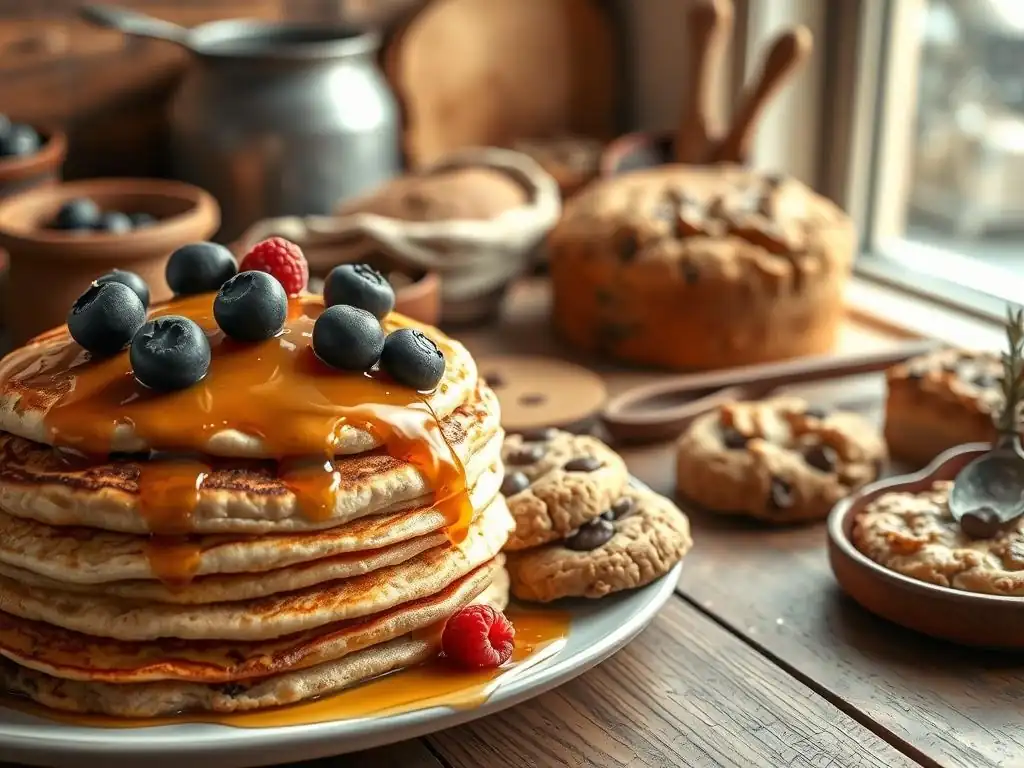
Sourdough discard pancakes are a breakfast revelation, offering a delightful tang that elevates them far beyond standard buttermilk pancakes. The discard adds a subtle complexity and contributes to a wonderfully tender crumb. Making them is incredibly straightforward, often involving whisking together discard with common ingredients like eggs, milk, a touch of sugar, flour, baking powder, and baking soda. The reaction between the acid in the discard and the baking soda provides a significant lift, resulting in beautifully fluffy pancakes. This is one of the most popular and easy sourdough discard recipes for beginners.
A typical recipe might call for about 1 cup (around 200-250g) of unfed sourdough discard. Combine this with one large egg, about a cup of milk, a tablespoon of melted butter or oil, and then whisk in dry ingredients like 1 cup of all-purpose flour, 2 teaspoons of baking powder, 1/2 teaspoon of baking soda, 1-2 tablespoons of sugar, and a pinch of salt. Mix just until combined; a few lumps are fine.
Cook on a hot, greased griddle until bubbles form on the surface and edges look set, then flip and cook until golden brown. These pancakes are a prime example of how simple sourdough discard recipes can transform your morning routine.
Sourdough Discard Crackers: Crispy and Savory
Sourdough discard crackers are incredibly addictive and surprisingly easy to make, turning a potential waste product into a gourmet snack. The discard's tang bakes into a crisp, savory cracker with a depth of flavor unmatched by store-bought versions. The basic process involves rolling out a simple dough made primarily from discard, flour, and fat (like olive oil or melted butter), seasoning it, and baking until golden and crisp. This is another fantastic entry point into easy sourdough discard recipes.
A common ratio involves mixing about 1 cup (200-250g) of discard with 1/2 cup of all-purpose or whole wheat flour and 1/4 cup of olive oil or melted butter. Add salt to taste, and any desired herbs or seeds (like rosemary, thyme, sesame seeds, or poppy seeds). Mix until a shaggy dough forms, then knead briefly. Roll the dough out very thinly, ideally to about 1/16th of an inch, on parchment paper.
Score into desired shapes, sprinkle with flaky salt, and bake at around 350°F (175°C) for 20-30 minutes, or until golden brown and crisp. Let them cool completely before breaking apart. This demonstrates how simple sourdough discard recipes can yield impressive results.
Sourdough Discard Pizza Dough: Tangy Crust
Using sourdough discard in pizza dough doesn't provide the primary rise (unless combined with active starter or commercial yeast), but it imparts a wonderful tangy flavor and improves the crust's texture, creating a delightful chewiness. It's a simple modification to many standard pizza dough recipes and a great way to use a larger quantity of discard. While not a quick process due to potential resting times, the hands-on part is minimal, making it an easy sourdough discard recipe modification.
To make a discard pizza dough, you can adapt your favorite recipe by substituting a portion of the flour and water with discard. A common approach is to use about 1 cup (200-250g) of discard per standard pizza dough recipe (which typically uses around 2-3 cups of flour). You might reduce the amount of added water slightly to account for the hydration in the discard. Combine the discard with the remaining flour, water, yeast (if using), salt, and a little oil.
Knead until smooth, then let it rest or cold ferment in the fridge for 24-72 hours for maximum flavor development. This cold fermentation is key to the tangy depth provided by the discard. Roll or stretch the dough, add toppings, and bake at a high temperature (450-500°F or 230-260°C) for 10-15 minutes.
Sourdough Discard Bread: Rustic Flavor
While pure sourdough bread requires an active starter for leavening, you can make delicious, rustic loaves that incorporate sourdough discard for flavor and texture, often with the help of commercial yeast or a small amount of active starter for rise. These "quick" discard breads bypass the multi-day fermentation process of traditional sourdough while still benefiting from the discard's unique characteristics. This makes them more approachable and fall under the umbrella of easy sourdough discard recipes.
A typical recipe might involve mixing 1-2 cups (200-400g) of sourdough discard with flour, water, salt, and a teaspoon or two of instant dry yeast. The yeast does the heavy lifting for the rise, while the discard adds that characteristic sourdough tang and improves the crumb structure. After mixing and a relatively short bulk fermentation (perhaps 1-2 hours until doubled), the dough is shaped and proofed for another hour or so before baking.
This method results in a loaf with a lovely flavor profile and a slightly chewy texture, perfect for sandwiches or toasting. It's a great way to enjoy a sourdough-like experience without the commitment of a full sourdough bake, showcasing the versatility of simple sourdough discard recipes.
Sourdough Discard Techniques: Tips for Success
Storing Discard: Maintaining Quality
Properly storing your sourdough discard is essential to keep it fresh and prevent it from becoming overly acidic or developing off-flavors. The best place to store discard is in the refrigerator. Use a clean glass jar or airtight container.
Simply pour or spoon your discard into the container each time you feed your starter. Labeling the container with the date you started collecting is helpful, although discard can typically be stored for 1-2 weeks in the fridge and still be perfectly fine for most recipes. Some sources even suggest it can last longer, but the flavor will become more intensely sour over time.
When adding fresh discard to your storage container, try to do so on top of the older discard. Keep the lid loosely covered initially if the discard is very fresh, as it might still produce a little gas, but an airtight lid is generally fine once it's cooled down in the fridge. If you accumulate a large amount and won't use it within a couple of weeks, you can freeze sourdough discard.
Thaw it in the refrigerator before using. Freezing can slightly alter the texture, but it's still excellent for baked goods where structure is less critical than flavor, expanding the possibilities for simple sourdough discard recipes year-round.
Recipe Adjustments: Incorporating Discard
Incorporating sourdough discard into existing recipes often requires minor adjustments, particularly regarding hydration and leavening. Discard is essentially a mix of flour and water (usually 1:1 ratio by weight, but check your starter's hydration), so when adding discard, you are adding both of these ingredients. If a recipe calls for 100g of flour and 100g of water, and you add 200g of discard (which is roughly 100g flour and 100g water), you might eliminate the need for added flour and water in that step.
However, discard is rarely a perfect substitute. Its hydration might vary slightly, and the presence of fermented material changes the dough's behavior. For recipes where discard is added for flavor and texture (like muffins or quick breads), you often just add the discard as an extra ingredient and make minimal changes, perhaps slightly reducing the liquid.
For recipes where discard replaces some flour/water (like crackers or pizza dough), you need to calculate the flour and water contribution from the discard and reduce the amounts of added flour and water accordingly. Always remember that discard adds acidity, which reacts with baking soda, so many simple sourdough discard recipes utilize this chemical reaction for leavening.
Troubleshooting Discard Baking
Baking with sourdough discard is generally forgiving, especially with easy sourdough discard recipes, but sometimes issues can arise. One common problem is a result that is too dense or lacks rise. This is often because the recipe relied too heavily on the discard for leavening when it wasn't active enough, or there wasn't enough chemical leavening (baking soda/powder) to react with the discard's acidity. Ensure your baking soda/powder is fresh, as expired leaveners are ineffective. If a recipe calls for baking soda and baking powder, use both; they serve different purposes.
Another potential issue is an overly sour flavor. While some tang is desired, excessive sourness can occur if the discard is very old or the recipe isn't balanced. Using fresher discard (less than a week old from the fridge) can help. Also, ensure you're not over-fermenting the dough if the recipe involves a rest period. If a recipe consistently turns out too sour, try reducing the amount of discard slightly or adding a pinch more sugar to balance the flavor. Remember, even with simple sourdough discard recipes, understanding the discard's characteristics helps ensure success.
Beyond the Basics: Creative Discard Recipes
Sourdough Discard Muffins: Sweet Morning Treat
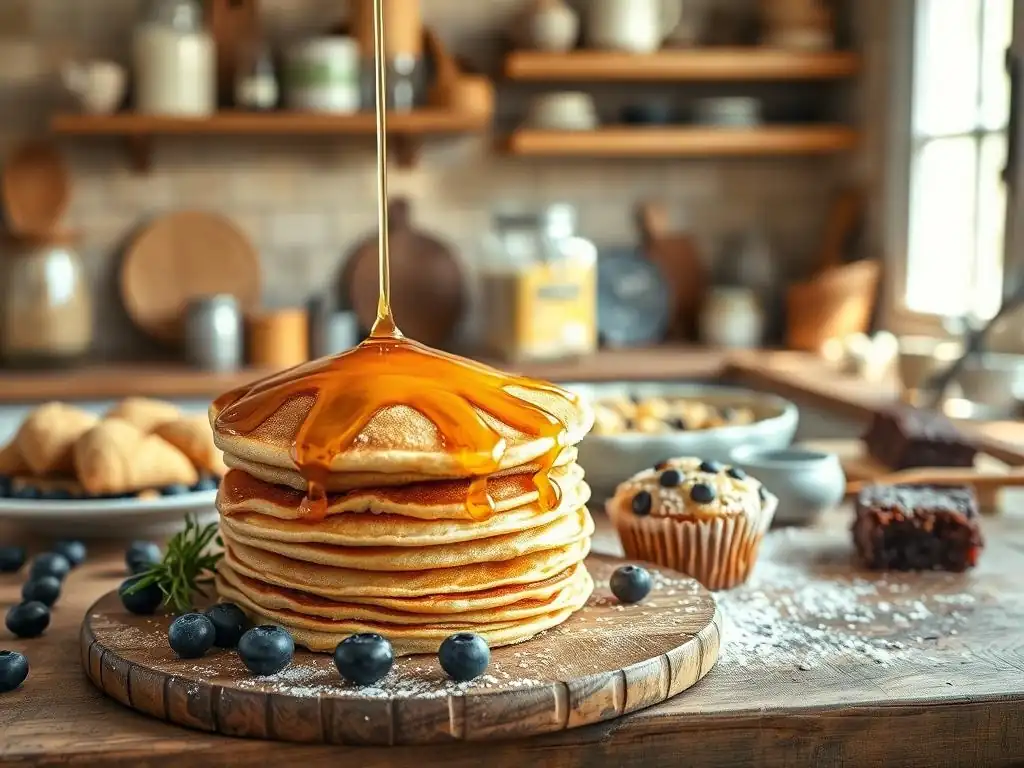
Sourdough discard muffins are a delightful way to use discard, resulting in incredibly moist and flavorful muffins with a subtle tang. The discard contributes to a tender crumb and pairs beautifully with various flavors, from classic blueberry or chocolate chip to more adventurous combinations like lemon-poppy seed or apple-cinnamon. These are generally quick to whip up, making them a staple among easy sourdough discard recipes for breakfast or snacking.
A typical muffin recipe incorporating discard might use 1/2 to 1 cup (100-200g) of discard. You'd combine wet ingredients (discard, eggs, milk, melted butter or oil, sugar, vanilla) in one bowl and dry ingredients (flour, baking powder, baking soda, salt, spices) in another. Fold the wet into the dry until just combined, then gently fold in any additions like fruit, nuts, or chocolate chips. The reaction between the discard's acid and the baking soda provides a good lift, resulting in lovely domes. Bake at around 375-400°F (190-200°C) for 20-25 minutes.
Adding sourdough discard to cookie recipes might seem unconventional, but it's a fantastic technique for adding chewiness and a subtle depth of flavor that complements both sweet and savory cookies. The discard's acidity can also react with baking soda in the recipe, contributing to a slightly different texture profile compared to standard cookies. Many popular cookie types, from chocolate chip to oatmeal or even shortbread-style cookies, can be adapted to use discard.
For a chewy chocolate chip cookie, you might add 1/2 cup (100g) of discard to your standard dough recipe. The discard replaces some of the liquid and a small amount of flour. The tang pairs surprisingly well with chocolate. For a more savory application, discard can be added to cheese cracker or savory biscuit doughs. The discard enhances the richness and adds a pleasant tang. These adaptations fall under the umbrella of easy sourdough discard recipes that offer a unique twist on familiar treats.
Sourdough Discard Biscuits: Light and Flaky
Sourdough discard biscuits are wonderfully tender, flaky, and boast a lovely tangy flavor. The discard contributes moisture and acidity, which reacts with baking soda to create lift, resulting in light layers. Unlike traditional biscuits made with buttermilk, the discard provides a unique flavor dimension. They are relatively quick to prepare and bake, making them a great option for a weekend breakfast or side dish.
A standard recipe might combine 1-1.5 cups (200-300g) of cold sourdough discard with 2 cups of all-purpose flour, 1-2 tablespoons of sugar, 1 teaspoon of salt, 2 teaspoons of baking powder, and 1/2 teaspoon of baking soda. Cut in cold butter (about 1/2 cup or 1 stick) until pea-sized crumbs form, then quickly mix in the discard until just combined.
Turn onto a floured surface, gently pat or roll to about 1 inch thickness, cut into shapes, and bake at a high temperature (425-450°F or 220-230°C) for 12-15 minutes until golden brown. These simple sourdough discard recipes yield delicious, flaky results.
Advanced Applications: Expanding Discard Use
Sourdough Discard Pretzels: Bavarian Style
Sourdough discard pretzels offer a delightful twist on the classic snack, incorporating the tang of fermentation into the chewy, malty crust. While traditional pretzels use lye or baking soda baths for their characteristic crust, the discard adds an extra layer of flavor complexity. Making pretzels involves a few specific steps, like shaping and the alkaline bath, but incorporating discard into the dough itself is a relatively straightforward adaptation.
The dough often combines discard with flour, a little yeast (for speed), salt, and water. After mixing and a brief rise, the dough is shaped into pretzel forms. The key step is the hot alkaline bath (usually baking soda dissolved in water), which gelatinizes the surface and promotes the deep brown color during baking. About 1 cup (200-250g) of discard can be incorporated into a dough using 3-4 cups of flour. These aren't the simplest of sourdough discard recipes due to the shaping and bath, but they are rewarding for those looking for an advanced project.
Sourdough Discard Pasta: Fresh and Flavorful
Using sourdough discard in fresh pasta dough adds a subtle tang and a lovely elasticity. The fermentation products in the discard contribute to the dough's workability and flavor profile, resulting in pasta with a unique depth. It's a simple substitution in many standard pasta dough recipes and a creative way to use discard.
A basic pasta dough uses flour and eggs, sometimes with a little water or olive oil. To incorporate discard, you can substitute about 1/4 to 1/2 of the flour and liquid components with discard. For example, in a recipe calling for 2 cups of flour and 3 eggs, you might use 1.5 cups of flour, 3 eggs, and 100-150g of discard, adjusting hydration slightly if needed.
Knead until smooth and elastic, then rest before rolling and cutting into desired pasta shapes. The tang is subtle but noticeable, particularly with lighter sauces. While rolling pasta requires some effort, the dough creation itself is an easy sourdough discard recipe adaptation.
Sourdough Discard Dumplings: Eastern European Inspiration
Sourdough discard can be incorporated into various dumpling doughs, from pierogi and varenyky to savory boiled dumplings served with stews. The discard adds a pleasant chewiness and a subtle fermented flavor that complements savory fillings beautifully. It's an interesting application that draws on traditional fermentation practices found in many cultures.
For a pierogi or dumpling dough, discard can replace a portion of the flour and liquid. A recipe using 2 cups of flour and an egg with some sour cream or water could incorporate 1/2 to 1 cup (100-200g) of discard, adjusting the other liquid components as needed to achieve a firm but pliable dough. Roll thin, fill, and boil or pan-fry. The discard adds elasticity and a slight tang that pairs wonderfully with fillings like potato and cheese, or sauerkraut and mushroom. While forming dumplings takes time, the dough itself is an easy sourdough discard recipe application.
Waste Reduction: Sustainable Discard Practices
Discard Composting: Eco-Friendly Disposal
Even with a repertoire full of easy sourdough discard recipes, you might occasionally have more discard than you can use. Composting is an excellent, eco-friendly way to dispose of excess discard. Sourdough discard is essentially fermented flour and water, making it a perfect addition to a compost pile. It breaks down readily and contributes organic matter.
Simply add the discard to your compost bin along with other food scraps and yard waste. Ensure you have a good balance of 'greens' (nitrogen-rich items like food scraps) and 'browns' (carbon-rich items like leaves or shredded cardboard) in your compost pile for efficient decomposition. While adding large quantities of discard at once might briefly attract pests or create a wet spot, mixing it in well with other materials prevents issues. This sustainable practice ensures that even unused discard contributes positively, enriching soil rather than ending up in a landfill.
Sharing your sourdough discard is a wonderful way to connect with fellow bakers and introduce friends or family to the world of sourdough without requiring them to start a starter from scratch. A jar of discard can be a thoughtful gift for someone interested in trying out easy sourdough discard recipes like pancakes or crackers. It's also a way to ensure less discard goes to waste if you find yourself with an abundance.
Offer discard to friends who bake or are curious about sourdough. You can provide a small container along with a simple recipe idea, like the discard cracker recipe or a note on how to make simple sourdough discard recipes for pancakes. This not only helps you manage your discard volume but also spreads the joy of baking and reduces potential waste. It's a community-oriented approach to sourdough maintenance.
Alternative Uses: Sourdough Discard Applications
Beyond baking, sourdough discard has a few interesting alternative uses. Its slightly acidic nature and fermented properties can be leveraged in unexpected ways. One such application is using it as a starter for lacto-fermented vegetables. The beneficial bacteria in the discard can help kickstart the fermentation process for pickles, sauerkraut, or other fermented vegetables, adding a unique depth of flavor.
Another less common but reported use is incorporating small amounts into marinades for meat. The acidity can help tenderize the meat, similar to buttermilk or yogurt marinades, while adding a subtle tangy note. While these aren't typically classified as sourdough discard recipes easy to execute, they represent creative explorations of this versatile ingredient. These alternative uses further highlight how sourdough discard can be a valuable resource rather than mere waste.
Quick & Easy: Sourdough Discard Recipes for Beginners
Simple Recipes: Getting Started with Discard
For those new to using sourdough discard, starting with simple, foolproof recipes is key to building confidence and enjoying delicious results right away. Recipes that primarily use discard for flavor and texture, relying on chemical leavening (like baking powder and soda) for rise, are ideal. These require minimal technique and deliver consistent results.
Excellent entry points include sourdough discard pancakes, waffles, and crackers. These recipes typically involve mixing wet and dry ingredients and cooking on a griddle or baking until crisp. The discard adds flavor without the complexity of managing sourdough leavening. Look for recipes with short ingredient lists and clear instructions. Mastering these simple sourdough discard recipes provides a foundation for exploring more complex uses later on.
Beginner Projects: Confidence Building Baking
Choosing beginner-friendly projects helps new bakers gain confidence in working with sourdough discard. Focusing on recipes that don't require precise timing or complex techniques is crucial. Quick breads, muffins, and certain types of cookies made with discard are perfect examples.
Making sourdough discard muffins or quick bread involves a standard muffin/quick bread method with the addition of discard. The process is familiar and the discard simply enhances the outcome. Similarly, discard crackers are forgiving; minor variations in thickness or baking time still yield a tasty snack. These easy sourdough discard recipes allow beginners to successfully create delicious baked goods and see the value in saving their discard. Successfully completing these projects encourages further exploration of sourdough discard baking.
Transforming Discard: Delicious and Easy Meals
Sourdough discard isn't just for snacks and breakfast; it can be transformed into components of delicious and easy meals. Using discard in recipes like pizza dough (with added yeast for a quicker rise) or savory pancakes/fritters demonstrates its versatility in main or side dishes.
Consider savory discard pancakes or fritters studded with corn, cheese, or herbs, served alongside a meal. Discard pizza dough allows for a quick, flavorful homemade pizza night. These applications showcase how easy sourdough discard recipes can fit into everyday cooking, turning a byproduct into a star ingredient for simple yet impressive meals. It’s about seeing the potential in discard to enhance flavor and texture in familiar dishes.
Frequently Asked Questions
What exactly is sourdough discard?
Sourdough discard is the portion of sourdough starter that you remove before feeding it. It's essentially a byproduct of the feeding process and contains flour and water.
Can I use sourdough discard immediately, or does it need to be treated differently?
While some recipes work with cold discard, others benefit from letting it sit at room temperature for a bit. Consider the recipe instructions for best results.
What are some easy recipes that utilize sourdough discard?
Many options exist, including pancakes, waffles, crackers, and even pizza dough. These recipes minimize waste and offer a unique sourdough flavor.
Does using sourdough discard change the taste or texture of baked goods?
Yes, it adds a subtle tang and can create a chewier texture. The sourdough flavor is generally milder than using active starter.
Is there anything I can't make with sourdough discard?
While versatile, discard isn't a direct substitute for active starter in all recipes. Recipes that rely heavily on leavening power might not work well.
Final Reflection: Unlocking the Potential of Sourdough Discard
The seemingly humble sourdough discard, often viewed as waste, is actually a treasure trove of flavor and functionality. Its potential, once understood, transforms from a discarded byproduct into a valuable ingredient, enriching our baking and reducing food waste in the process. This shift in perspective, from waste to resource, is crucial in today's increasingly conscious world.
The journey of exploring sourdough discard recipes has been a fascinating one, highlighting the interconnectedness of mindful baking and sustainable practices. It's a testament to the ingenuity of bakers throughout history, finding creative ways to utilize every part of the process. The simple act of transforming something discarded into something delicious is deeply satisfying. Waste not, want not,
an old adage, rings truer than ever when considering the possibilities offered by sourdough discard. This isn't just about saving money or reducing waste; it's about honoring the process and appreciating the full potential of our ingredients.
Now, it's your turn. Consider the possibilities that lie within your own sourdough starter. Don't just see discard; see opportunity. Experiment with the easy recipes outlined in this guide, and let your creativity flourish. Embrace the journey of transforming what was once considered waste into delicious treats, and in doing so, contribute to a more sustainable and flavorful baking experience. The world of sourdough discard awaits your exploration!
Unleash the Power of Your Discard!
Thanks for joining us on this sourdough discard adventure! You've now unlocked a world of delicious possibilities beyond just discarding that precious starter. Let's put those baking skills to the test and transform your discards into something amazing.
- Bake Your First Discard Recipe: Start with our easy-to-follow discard pancake recipe (available on the BakeWithEase website - not included here per instructions). It's the perfect way to experiment and see how versatile your discard really is!
- Share Your Creation: Show off your baking skills! Share a photo of your delicious discard creation on social media using #BakeWithEaseDiscard. Let's inspire each other!
- Explore More Discard Recipes: Dive deeper into the world of sourdough discard by exploring other unique recipes on our website (not included here per instructions). You might surprise yourself with what you discover!
What creative discard recipe will you bake first? Let us know in the comments below!