
Achieve the Perfect Shell: Tips for Baking Macarons Without Cracks

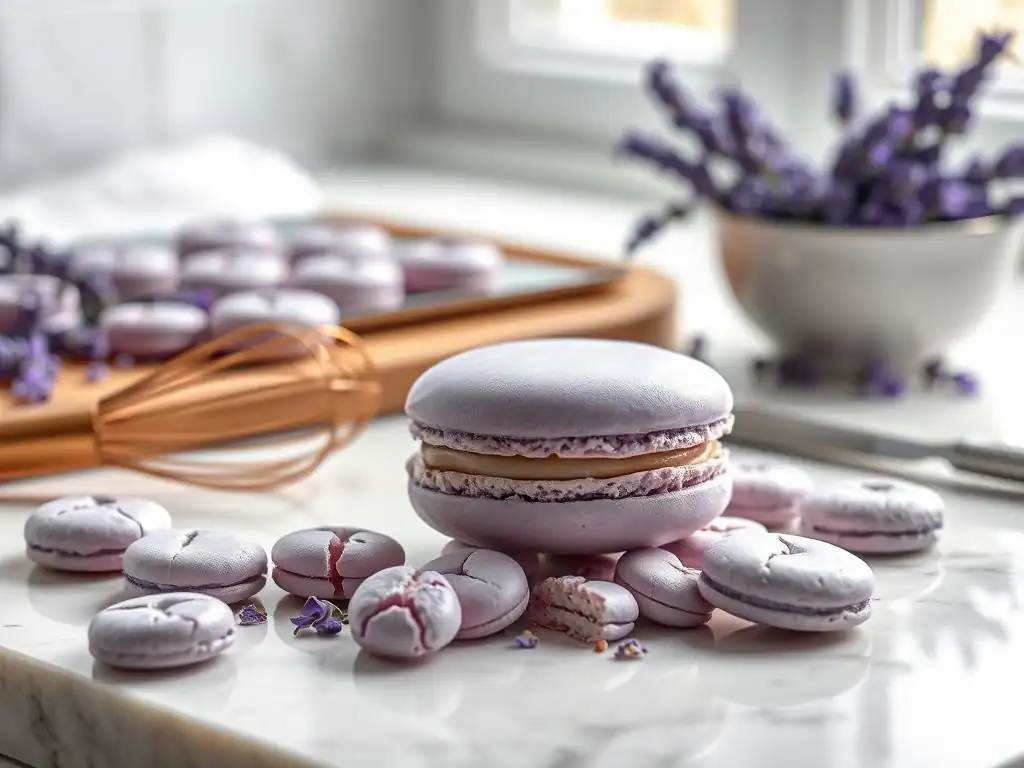
Welcome to BakeWithEase, your trusted guide to baking bliss! Are you ready to conquer the famously finicky macaron? Discover the secrets to achieving that coveted smooth shell and perfect "feet." Tired of cracked macarons? Dive into our expert advice on baking macarons without cracks and unlock the key to consistent, beautiful results. Prepare to impress with your newfound macaron mastery – let's get baking!
- Achieving Perfect Macarons: A Guide to Smooth Shells and Full Feet
- Introduction: The Art of Macaron Mastery
- Mastering Essential Macaron Techniques
- Ingredient Selection: The Foundation of Macaron Success
- Oven Management: Temperature and Timing for Macaron Perfection
- Troubleshooting Common Macaron Challenges
- Elevating Your Macarons: Exploring Flavorful Fillings
- Conclusion: Your Macaron Baking Journey
-
Frequently Asked Questions
- How crucial is the macaronage process in preventing cracked macaron shells?
- What role does oven temperature play in ensuring macarons bake without cracks?
- What type of meringue is best for baking macarons that resist cracking?
- Can humidity affect the outcome of macaron baking and increase the likelihood of cracks?
- Is there a specific rest time required before baking macarons to avoid cracks?
- Final Reflection: The Enduring Allure of the Crack-Free Macaron
- Unlock Your Inner Macaron Master!
Achieving Perfect Macarons: A Guide to Smooth Shells and Full Feet
Introduction: The Art of Macaron Mastery
Baking macarons is often described as a delicate dance between precision and patience. These elegant French cookies, with their characteristic smooth shell and ruffled "foot," are as delightful to eat as they are challenging to master. While the ingredient list seems simple – almond flour, egg whites, sugar – achieving that perfect, unblemished shell without cracks is the aspiration of every macaron baker. It's a journey that involves understanding the science behind the bake and refining your technique.
This guide is designed to demystify the process of baking macarons without cracks. We'll delve into the common pitfalls that lead to imperfections and equip you with the knowledge and techniques needed to consistently produce beautiful, crack-free shells with well-formed feet. Whether you're just starting out or looking to troubleshoot persistent issues, mastering the nuances of macaron baking will elevate your skills and confidence in the kitchen.
Understanding Macaron Imperfections: Causes and Solutions
Cracks on macaron shells are one of the most frustrating issues bakers face. These fissures can stem from a variety of factors, often working in combination. Common culprits include insufficient drying time, which means the shell doesn't form a proper skin before baking; oven temperature inconsistencies, leading to rapid expansion; over-mixing the batter (macaronage), resulting in a weak structure; and even air bubbles trapped within the piped batter. Addressing these issues requires a systematic approach, examining each step of the process from ingredient preparation to baking.
Solving these imperfections involves precise adjustments. For instance, if cracking is due to insufficient drying, extending the rest time in a draft-free environment is key. If uneven heat is suspected, using an oven thermometer to verify and adjust temperature, or rotating trays during baking, can help. Over-mixed batter can be avoided by carefully monitoring the macaronage stage, stopping when the batter flows like "molten lava." By identifying the specific cause of cracking or other issues like hollows or absent feet, bakers can implement targeted solutions to improve their results.
Your Path to Macaron Perfection: A Comprehensive Guide
Embarking on the path to macaron perfection requires attention to detail at every turn. From selecting the finest ingredients to mastering the delicate art of folding the batter and controlling the oven environment, each step plays a crucial role in the final outcome. This guide breaks down the macaron-making process into manageable sections, offering insights and actionable tips based on common baking challenges.
We will explore essential techniques like the macaronage, the critical step of mixing the meringue and dry ingredients, and the importance of drying the piped shells to form a protective skin. We'll also discuss how ingredient quality, particularly almond flour and egg whites, impacts the structure and appearance of your macarons. Finally, we'll tackle oven management and troubleshooting common problems, providing practical advice for achieving those coveted smooth shells and perfect feet, making baking macarons without cracks a consistent reality.
Mastering Essential Macaron Techniques
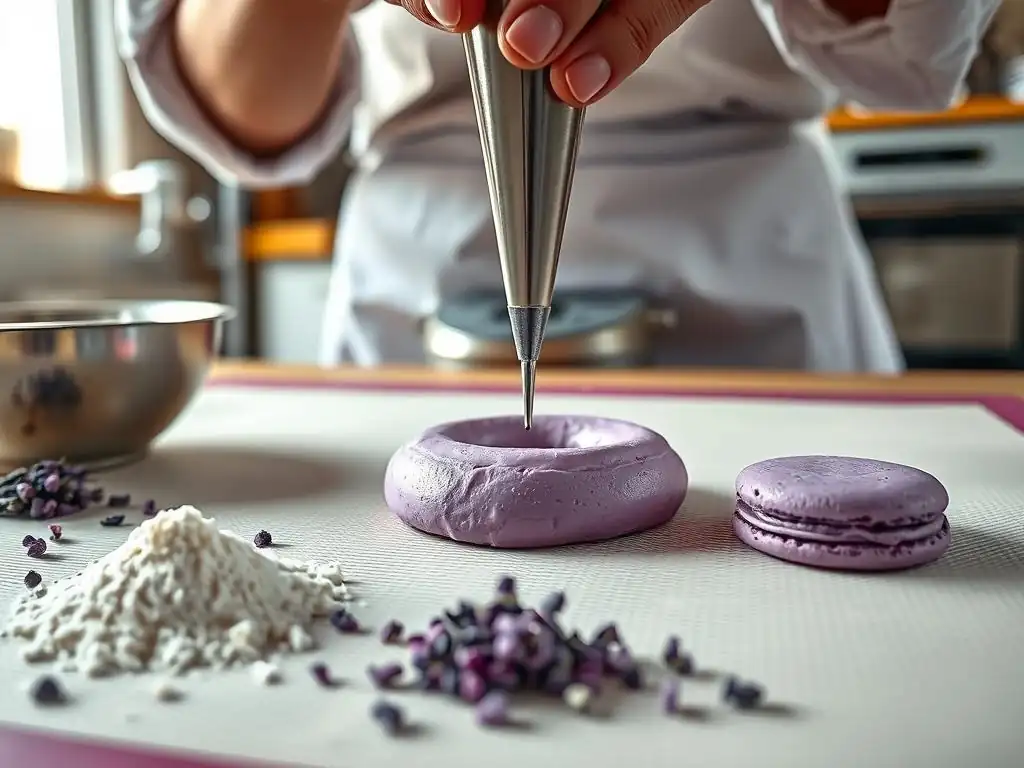
Achieving beautiful macarons hinges on mastering a few core techniques. Two of the most critical are the macaronage – the process of folding the dry ingredients into the meringue – and the drying time, which allows a skin to form on the piped shells. Getting these steps right is paramount for structural integrity and preventing issues like cracking during baking. Precision and patience are key in these stages.
These techniques directly influence the texture, shape, and appearance of the final macaron shell. An incorrectly performed macaronage can lead to flat, lumpy, or cracked shells, while insufficient drying time almost guarantees cracks and can prevent the formation of the characteristic foot. Understanding the 'why' behind each step empowers you to make necessary adjustments and achieve consistent success in baking macarons without cracks.
The Macaronage: Achieving the Ideal Batter Texture
The macaronage is arguably the most critical stage in macaron making. It involves folding the almond flour and powdered sugar mixture into the whipped egg whites (meringue). The goal is to deflate the meringue slightly while incorporating the dry ingredients, reaching a batter consistency that is neither too stiff nor too runny.
This specific texture allows the piped batter to settle into smooth circles and facilitates the formation of the foot during baking. Over-mixing will result in a thin batter that spreads too much and can lead to hollow or flat shells, while under-mixing leaves unincorporated dry spots and stiff batter that won't settle properly.
Achieving the ideal macaronage involves a series of controlled folds, often described as scraping around the bowl's edge and then cutting through the center. This technique helps to evenly distribute the dry ingredients and gently deflate the meringue. The process requires keen observation; you are looking for a batter that flows slowly and continuously off the spatula in a ribbon, eventually reincorporating into the mass within about 10-15 seconds. This "lava-like" consistency is the sweet spot for smooth shells and proper foot development, significantly contributing to successful baking macarons without cracks.
Folding Techniques for Optimal Macaron Batter Consistency
The folding technique used during macaronage is crucial for developing the right batter consistency. A common and effective method involves using a spatula to scrape the batter from the sides of the bowl towards the center, then pressing the spatula through the center of the batter to "cut" it. This motion is repeated, gently deflating the meringue and incorporating the dry ingredients. It's not a vigorous stirring or whisking action, but a controlled folding and pressing.
Typically, this folding process is performed anywhere from 50 to 70 strokes, depending on the volume of batter and the stiffness of the meringue. However, relying solely on a stroke count can be misleading. The focus should always be on the visual consistency of the batter. You want to reach a point where the batter flows smoothly and slowly, forming ribbons when dropped from the spatula. Over-folding beyond this point will break down the meringue's structure too much, leading to a runny batter that causes issues during piping and baking.
Identifying the Perfect Macaronage Stage
Recognizing the perfect macaronage stage is key to successful shells. The batter should flow off the spatula in a thick, continuous ribbon, similar to slow-moving lava or cake batter. If you lift the spatula and the batter breaks off in clumps, it's likely under-mixed. Continue folding gently. If the batter runs off the spatula very quickly and appears liquidy, it's likely over-mixed, and unfortunately, there's little that can be done to salvage it at that point.
A good test is the "figure eight" test. When you lift the spatula and let the batter fall back into the bowl, you should be able to form a figure eight with the ribbon of batter before it breaks. The batter should also gradually sink back into the main mass in the bowl within about 10 to 15 seconds, leaving a mostly smooth surface. This indicates sufficient deflation and incorporation, setting the stage for smooth shells and proper foot formation when baking macarons without cracks.
The Importance of Drying: Forming the Macaron Skin
After piping the macaron shells onto baking sheets, they must be left to rest and dry. This resting period allows a thin, dry skin to form on the surface of the shell. This skin is absolutely vital for successful macaron baking. As the macaron bakes, the moisture inside turns to steam and expands.
The dry skin acts as a cap, preventing the steam from escaping through the top. Instead, the steam is forced downwards, lifting the shell and creating the characteristic ruffled foot at the base. Without a proper skin, the steam will simply break through the surface, resulting in cracked shells.
The drying time can vary significantly depending on environmental conditions such as humidity and temperature. In a dry climate, shells might form a skin in as little as 30-60 minutes. In a humid environment, it could take two hours or even longer. Placing a fan nearby can help speed up the drying process, but ensure it's not blowing directly and forcefully on the shells, which could distort their shape. The goal is a shell surface that is dry to the touch and no longer sticky.
Factors Influencing Macaron Drying Time
Several factors influence how quickly macaron shells dry and form a skin. As mentioned, ambient humidity is a major player; higher humidity means longer drying times. Temperature also plays a role, with warmer air potentially speeding up the process, though excessive heat isn't beneficial. The size of the macarons also matters; smaller shells may dry faster than larger ones simply due to their surface area to volume ratio.
The consistency of the batter itself can also affect drying time. A batter that is slightly wetter due to insufficient macaronage or ingredients might take longer to dry. Conversely, a slightly stiffer batter might dry faster. Ensuring a draft-free environment is also helpful, as sudden gusts of air can disrupt the delicate surface. Patience is key here; resist the urge to rush this step. Properly dried shells are a fundamental requirement for baking macarons without cracks.
The Touch Test: Determining Macaron Readiness
The most reliable way to determine if your macaron shells are ready for baking is the touch test. Gently touch the surface of one of the piped shells with a fingertip. If it feels completely dry and smooth, and no batter sticks to your finger, the shells are ready. If it feels even slightly sticky or wet, they need more time to dry.
It's important to be gentle when performing the touch test to avoid denting or otherwise marring the surface of the shell. Test a few shells in different areas of the tray, as drying conditions can sometimes vary slightly. Don't bake until all shells on the tray pass the touch test. Skipping or shortening this crucial drying step is one of the most common reasons for cracked macaron shells.
Ingredient Selection: The Foundation of Macaron Success
The quality and preparation of your ingredients lay the groundwork for successful macaron baking. While the list is short – typically almond flour, powdered sugar, egg whites, and granulated sugar for the meringue – variations in these components can significantly impact the final texture, structure, and appearance of your shells. Using the right type of almond flour and properly preparing your egg whites are foundational steps towards achieving those smooth, crack-free surfaces and well-defined feet.
Paying attention to ingredient details might seem minor, but it makes a tangible difference. For instance, using coarse almond flour can lead to bumpy or grainy shells, while fresh, un-aged egg whites may not whip into a stable enough meringue. Selecting the right ingredients and preparing them correctly minimizes variables and sets you up for success in baking macarons without cracks.
Choosing the Right Almond Flour: Impact on Macaron Texture
The type of almond flour you use has a direct impact on the smoothness of your macaron shells. Macarons require a very fine, powdery almond flour. Coarser almond meals or flours that contain pieces of almond skin will result in shells with a rough, grainy, or bumpy texture. This not only affects the appearance but can also slightly alter the batter consistency and how it dries.
Look for "superfine" or "extra fine" blanched almond flour. Blanched means the skins have been removed, which is essential for smooth shells. Even with superfine flour, it's highly recommended to process it further with the powdered sugar in a food processor for a few seconds (pulse, don't run continuously to avoid creating almond butter) and then sift the mixture. This ensures there are no remaining large particles that could disrupt the smooth surface of the shells and contribute to issues during baking.
Superfine Almond Flour: Ensuring Smooth Macaron Surfaces
Superfine blanched almond flour is the gold standard for macaron making. Its fine texture integrates smoothly with the meringue, resulting in a homogenous batter that pipes cleanly and dries into a smooth, delicate surface. Using anything less fine will almost certainly compromise the desired aesthetic of a perfect macaron shell.
Even when using superfine flour, the step of processing it with powdered sugar and sifting is crucial. This process helps to break up any small clumps and ensures that the dry mixture is incredibly fine and uniform. Any larger particles left in the mixture can create bumps on the shell surface or even weak spots that could lead to cracking during baking. Aim for a powder consistency that is light and airy after sifting.
Egg White Preparation: Achieving Stable Macaron Structure
Egg whites are the backbone of the macaron meringue, providing the structure that allows the shells to rise and form their feet. The condition of the egg whites before whipping is surprisingly important. Many macaron recipes recommend using aged egg whites, meaning egg whites that have been separated from the yolks and left at room temperature for several hours (typically 12-24 hours), or even refrigerated for a few days.
Aging egg whites helps to break down some of the proteins, making them whip up into a more stable, voluminous, and less watery meringue. This stability is critical for the macaron structure. Using fresh, cold egg whites can result in a less stable meringue that is prone to weeping or collapsing, which can lead to flat shells, hollows, or cracks during baking.
The Benefits of Aging Egg Whites for Macarons
Aging egg whites offers several benefits for macaron success. Firstly, it allows some of the water content to evaporate, concentrating the proteins. This results in a stronger protein structure when whipped, yielding a more stable meringue that can hold stiff peaks without collapsing easily. A stable meringue is less likely to deflate during the macaronage, contributing to better structure and less risk of hollows.
Secondly, aged egg whites whip up more easily and reliably into stiff peaks. This ensures you achieve the correct meringue consistency needed to support the weight of the almond flour mixture. While some bakers find success with fresh egg whites, particularly if using the Italian meringue method, the French meringue method commonly benefits significantly from using aged egg whites for a more consistent and reliable result in baking macarons without cracks.
Oven Management: Temperature and Timing for Macaron Perfection
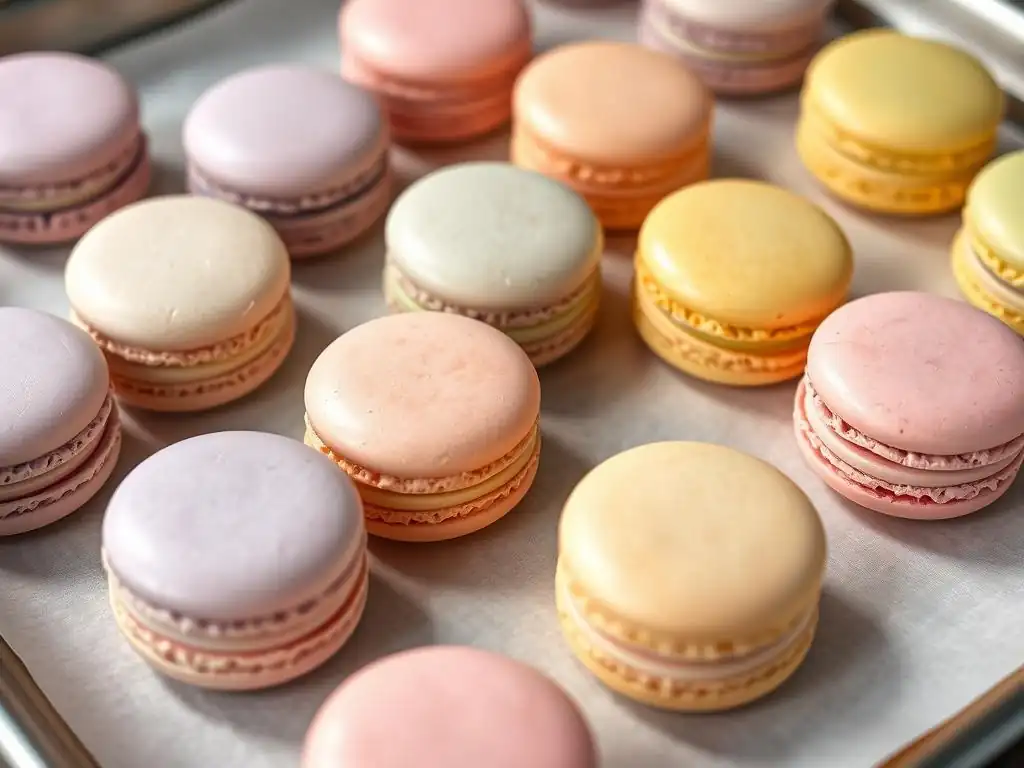
Even with perfect batter and drying, the oven can make or break your macarons. Inconsistent temperatures or incorrect baking times are frequent causes of issues like cracking, uneven feet, or hollow shells. Macarons are highly sensitive to heat, requiring a precise and stable environment to bake correctly. Understanding your oven's quirks and managing the baking process diligently are essential steps towards achieving consistent, perfect results.
Effective oven management involves more than just setting a temperature and timer. It includes ensuring the temperature is accurate, preheating properly, and potentially adjusting placement or baking time based on how your specific oven performs. Getting this right is fundamental for developing the proper foot and preventing the rapid, uneven expansion that leads to cracking when baking macarons without cracks.
Accurate Oven Calibration: Crucial for Consistent Results
Oven temperatures can vary significantly from what the dial indicates. An oven thermometer is an inexpensive but invaluable tool for baking macarons. Place a reliable oven thermometer inside your oven to verify the actual temperature. You might find your oven runs hotter or cooler than the set temperature, or that the temperature fluctuates.
Knowing your oven's true temperature allows you to adjust accordingly. If your oven consistently runs 25°F (about 14°C) hot, set it 25°F lower than the recipe calls for. If it fluctuates, some bakers use baking stones or steel placed on a rack below the macaron tray to help stabilize the temperature. Ensuring the oven is accurately calibrated and preheated thoroughly to a stable temperature (often between 285°F and 325°F, or 140°C and 160°C, depending on the recipe and oven) is a critical step for even baking and preventing cracks.
Optimizing Baking Time for Perfect Macaron Feet
Baking time is just as critical as temperature. Too short a time can result in soft, underbaked shells that stick to the mat and lack a fully developed foot. Too long can lead to dry, brittle shells or over-browning. The ideal baking time allows the macaron to develop a firm shell, a fully risen foot, and a slightly chewy interior.
Typical baking times for standard-sized macarons (about 1.5 inches or 4 cm in diameter) range from 12 to 18 minutes. However, this is just a guideline. The exact time will depend on your oven, the size of your macarons, and even the humidity on the day you baked them. You'll know they are done when they don't wiggle on their feet when gently nudged.
Adjusting Baking Time Based on Macaron Size and Oven Performance
Adjusting baking time is necessary based on the size of your piped shells and the specific performance of your oven. Smaller macarons will require less time, perhaps 10-14 minutes, while larger ones might need 15-20 minutes. It's always better to check for doneness periodically, starting a few minutes before the recipe's suggested minimum time.
Observe your macarons as they bake. Do they seem to be browning too quickly? Your oven might be hot or the time is too long. Are the feet rising but the shells still look wet or fragile after the recommended time? They likely need a few more minutes. If you bake multiple trays, you might find the tray on a different rack or position in the oven bakes differently, requiring rotation halfway through or slight time adjustments. Learning how your oven behaves with macarons through trial and error is key to consistent results when baking macarons without cracks.
Troubleshooting Common Macaron Challenges
Even with careful attention to technique and ingredients, macaron baking can present challenges. Cracking, hollows, lack of feet, or uneven shapes are common issues that can frustrate bakers. Understanding the potential causes behind these problems is the first step to fixing them. Macaron troubleshooting often involves reviewing each stage of the process to identify where things might have gone wrong.
This section addresses some of the most frequently encountered macaron problems, offering specific solutions to help you diagnose and correct issues. By learning to identify the symptoms and their likely causes, you can refine your process and move closer to consistently baking macarons without cracks and achieving those desired perfect results.
Preventing Macaron Cracking: A Checklist of Key Factors
Preventing macaron cracking is a primary goal for many bakers. While multiple factors can contribute, some are more common culprits than others. Here is a checklist of key areas to review if you are experiencing cracked shells:
- Insufficient Drying Time: Is the surface of the shell completely dry to the touch before baking? This is perhaps the most common reason for cracks.
- Oven Temperature Too High or Unstable: Is your oven temperature accurate? Is it fluctuating? High heat can cause the shell to set too quickly on top while the inside expands rapidly.
- Trapped Air Bubbles: Were the piped shells properly tapped on the counter to release air bubbles? Large bubbles can expand and burst through the surface.
- Over-mixed Batter (Macaronage): Is the batter too runny? Over-mixing weakens the structure and can lead to thin, fragile shells prone to cracking.
- Under-mixed Batter: Did you incorporate all the dry ingredients fully? Stiff batter can lead to uneven surfaces and cracks.
- Baking Surface Issues: Is the baking sheet warped? Are you using silicone mats or parchment paper? Uneven surfaces can cause uneven heating.
Reviewing these points systematically can help pinpoint the cause of cracking and guide your adjustments.
Addressing Common Macaron Issues and Solutions
Beyond cracking, other issues plague macaron bakers. Hollows are a common problem, where the shell appears perfect but the inside is empty. Lack of feet, or very small, uneven feet, is another frequent disappointment. Shells that are bumpy, sticky, or spread too much also indicate problems in the process.
Troubleshooting requires patience and experimentation. Keep a baking journal to note down conditions (humidity, temperature), ingredient details (egg white age, brand of almond flour), and process specifics (macaronage time, drying time, oven temperature). This helps you identify patterns and isolate variables. For instance, if you consistently get hollows, it might point to issues with meringue stability or oven temperature. If you lack feet, review your macaronage and drying time.
Troubleshooting Hollow Macarons: Causes and Remedies
Hollow macarons are a common frustration. They often appear perfect on the outside but lack the dense, chewy interior. Primary causes include:
- Oven Temperature Too High: If the oven is too hot, the shell can set before the interior has a chance to fully rise, creating a void. Try lowering the temperature slightly (e.g., from 325°F to 300°F or 160°C to 150°C).
- Under-mixed Batter (Slightly): If the macaronage is stopped just short of the ideal consistency, the batter might have too much air trapped, leading to hollows. Ensure you reach that slow-flowing lava stage.
- Insufficient Baking Time: Underbaking can result in a shell that doesn't fully cook through, leaving a hollow space as it cools. Ensure they pass the wiggle test and bake for the full recommended time, adjusting as needed.
- Meringue Stability: A weak or unstable meringue can collapse slightly during baking, creating hollows. Ensure your meringue reaches stiff peaks and consider using aged egg whites or the Italian meringue method for increased stability.
Experimenting with slight adjustments in oven temperature and baking time is often the first step in addressing hollows.
Achieving Uniform Macaron Feet: Tips and Techniques
The characteristic ruffled foot is a hallmark of a well-baked macaron. A lack of feet, or uneven feet, suggests issues that prevent the batter from rising correctly. Common causes include:
- Insufficient Drying Time: If the skin hasn't formed properly, steam escapes through the top instead of forcing the batter downwards to create the foot. This is a major reason for no feet alongside cracking. Ensure the shells are completely dry to the touch.
- Oven Temperature Too Low: If the oven is too cool, the batter might not get enough heat to expand and lift before the shell sets. Verify your oven temperature and try increasing it slightly if consistently getting no feet.
- Over-mixed Batter: A batter that is too runny might spread too much and not have the structure to rise vertically, resulting in flat shells with little to no foot. Ensure you stop the macaronage at the right consistency.
- Baking Surface/Heat Distribution: Uneven heat can cause feet to form unevenly. Ensure your oven temperature is stable and consider rotating trays or using baking stones.
Focusing on proper drying time and achieving the correct macaronage consistency are usually the most effective ways to improve foot development and achieve uniform feet when baking macarons without cracks.
Elevating Your Macarons: Exploring Flavorful Fillings
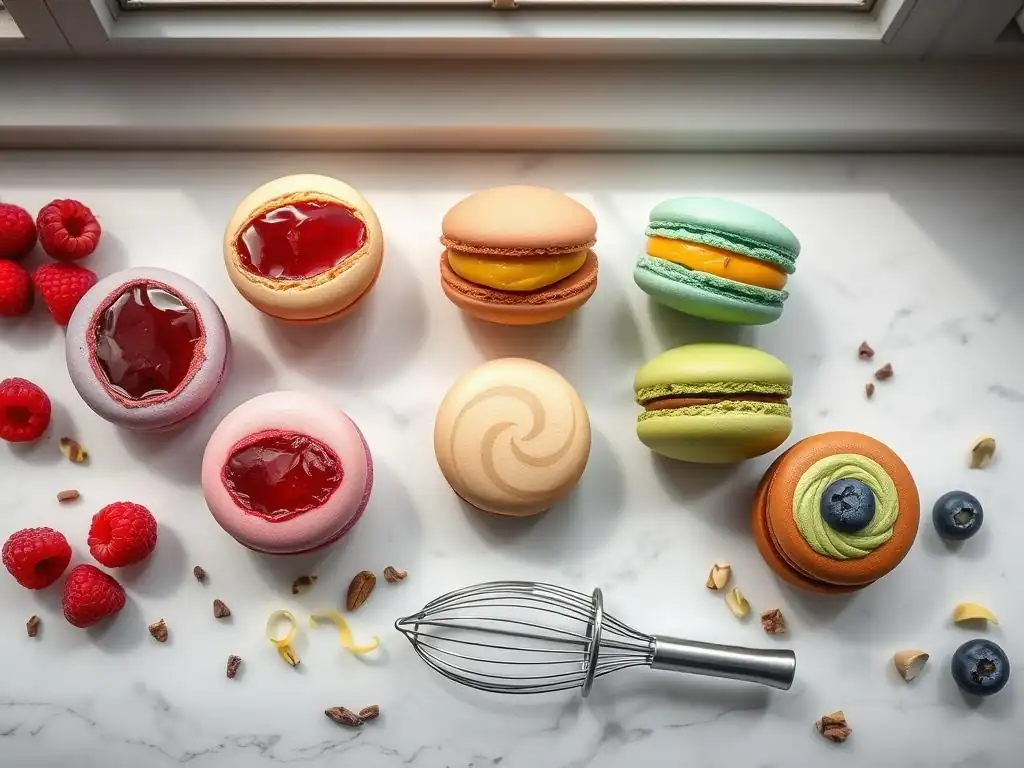
While achieving the perfect shell is a significant accomplishment, the filling is what truly completes the macaron experience. The right filling not only adds flavor and moisture but also complements the delicate texture of the shells. A well-filled macaron should have a balance of sweetness and flavor, creating a harmonious bite.
Exploring different types of fillings allows you to customize your macarons for any occasion or preference. From classic ganaches and buttercreams to fruit curds and caramels, the possibilities are vast. The filling also helps to soften the shells slightly as the macaron matures, resulting in that desirable chewy texture.
Complementing Perfect Macarons with Delicious Fillings
Selecting a filling that complements your perfectly baked shells is crucial. The filling should be flavorful but not overpowering, allowing the subtle almond taste of the shell to come through. Texture is also important; fillings like ganache or buttercream provide a smooth contrast to the slightly crisp shell and chewy interior.
Consider the flavor profiles. A tart lemon curd pairs wonderfully with a sweet shell, while a rich chocolate ganache offers a decadent contrast. For macarons destined to be aged for a day or two (which improves texture), a filling with sufficient moisture, like a jam or curd, helps soften the shell beautifully. Aim for fillings that are stable and won't make the shells too soggy too quickly.
Salted Caramel Macaron Filling: A Decadent Recipe
A popular and decadent filling is salted caramel. It offers a lovely balance of sweet and salty notes that pairs exquisitely with the almond shell. Here is a simple recipe approximation for a rich salted caramel filling:
Ingredients:
- 1 cup (approx. 200g) granulated sugar
- 1/2 cup (approx. 120ml) heavy cream, warmed
- 4 tablespoons (approx. 55g) unsalted butter, cut into pieces
- 1/2 teaspoon sea salt flakes (or to taste)
Instructions:
- Gently heat the sugar in a heavy-bottomed saucepan over medium heat. Do not stir initially. As the sugar around the edges starts to melt and turn amber, gently swirl the pan or stir carefully with a heatproof spatula to ensure even melting. Continue until all the sugar is melted and has reached a deep amber color. Be careful not to burn it.
- Carefully and slowly pour in the warmed heavy cream while stirring continuously. The mixture will bubble up vigorously. Stir until smooth.
- Remove from heat and stir in the butter, one piece at a time, until fully incorporated and the caramel is smooth and glossy.
- Stir in the sea salt flakes.
- Let the caramel cool completely before transferring to a piping bag. It will thicken as it cools. If it becomes too stiff, you can gently warm it slightly. This filling is best piped onto cooled macaron shells. This recipe makes enough filling for approximately 25-30 assembled macarons (50-60 shells).
Conclusion: Your Macaron Baking Journey
Baking perfect macarons, especially consistently baking macarons without cracks, is a skill that develops with practice and patience. While the process can seem daunting at first, breaking it down into its core components – understanding the ingredients, mastering the techniques, controlling the environment, and troubleshooting issues – makes it much more approachable. Every batch, successful or not, offers valuable learning opportunities.
Don't be discouraged by initial failures. Even experienced bakers have off days with macarons, particularly when environmental conditions are challenging. Embrace the process, learn from your mistakes, and celebrate your successes. With dedication and attention to detail, you can achieve those beautiful, smooth shells and perfect feet you've been striving for.
Key Takeaways: Achieving Smooth Shells and Perfect Feet
To consistently bake macarons without cracks and achieve smooth shells with perfect feet, remember these key takeaways:
- Precise Ingredient Preparation: Use superfine blanched almond flour (sifted! ), and consider aging your egg whites for a stable meringue.
- Master the Macaronage: Achieve the "lava-like" consistency where the batter flows slowly and continuously off the spatula, not too runny and not too stiff.
- Prioritize Drying Time: Ensure the piped shells are completely dry to the touch before baking. This skin is essential for preventing cracks and directing the rise of the foot.
- Know Your Oven: Verify your oven's true temperature with an oven thermometer and adjust accordingly. Preheat thoroughly for a stable baking environment.
- Tap Out Air Bubbles: Always firmly tap the piped trays on the counter to release trapped air that could cause cracks or hollows.
- Be Patient: Macarons require time – for aging egg whites, drying shells, and cooling completely before handling or filling.
By focusing on these crucial elements, you significantly increase your chances of macaron success.
Embrace the Process: Continuous Learning in Macaron Baking
Macaron baking is a journey of continuous learning. Each batch provides insights into how variables like humidity, oven performance, or subtle changes in technique affect the outcome. Don't be afraid to experiment with slight adjustments once you have a solid understanding of the basics. Try different oven racks, slightly vary the drying time, or experiment with different brands of almond flour to see what works best in your kitchen.
Keep practicing, pay attention to the details, and most importantly, enjoy the process. The satisfaction of achieving a batch of beautiful, crack-free macarons with perfect feet is immensely rewarding. Share your creations, learn from the experience, and continue refining your skills. Happy baking!
Frequently Asked Questions
How crucial is the macaronage process in preventing cracked macaron shells?
The macaronage is extremely crucial. It involves carefully folding the almond flour and icing sugar into the meringue to achieve the correct batter consistency. Under-mixed or over-mixed batter can both lead to cracking.
What role does oven temperature play in ensuring macarons bake without cracks?
Oven temperature is absolutely critical. Too high a temperature can cause the shells to rise too quickly, leading to cracks. Consistent and accurate oven temperature is key.
What type of meringue is best for baking macarons that resist cracking?
While both French and Italian meringue methods can work, Italian meringue is often preferred due to its stability. The cooked sugar syrup creates a more stable and robust meringue that is less prone to cracking.
Can humidity affect the outcome of macaron baking and increase the likelihood of cracks?
Yes, high humidity can significantly impact macaron baking. It can prevent the shells from drying properly before baking, leading to cracks. Consider using a dehumidifier or baking on a drier day.
Is there a specific rest time required before baking macarons to avoid cracks?
Yes, letting the piped macaron shells rest and form a skin before baking is essential. This skin prevents the macarons from rising too quickly and cracking. The rest time varies depending on humidity but is typically 30-60 minutes.
Final Reflection: The Enduring Allure of the Crack-Free Macaron
The pursuit of the perfect macaron, a delicate dance between science and artistry, remains as relevant today as ever. The seemingly simple cookie demands precision, patience, and a deep understanding of its finicky nature. Mastering the art of baking crack-free macarons isn't just about achieving a visually stunning result; it's about understanding the fundamental principles of baking and the rewarding satisfaction of overcoming a challenging culinary feat.
The quest for the flawless macaron shell reflects a broader cultural fascination with perfection and the meticulous attention to detail required in many aspects of life. The seemingly small cracks in a macaron can symbolize larger imperfections we strive to overcome, both in our culinary endeavors and beyond. Perfection is not attainable, but if we chase perfection we can catch excellence.
This quote, often attributed to Vince Lombardi, resonates deeply with the macaron baking experience. The journey, with its inevitable setbacks and triumphs, is as valuable as the final product.
Now, consider your own journey. Perhaps you've experienced frustration in the kitchen, battling stubborn batter or facing imperfect results. Remember the lessons learned in this article – the importance of precise measurements, the delicate balance of ingredients, and the patience required for success. Don't let the cracks discourage you; let them guide you. Embrace the process, learn from each attempt, and savor the sweet reward of a perfectly smooth, crack-free macaron, a testament to your dedication and skill. The perfect shell awaits – go create it!
Unlock Your Inner Macaron Master!
Thanks for taking the time to explore the art of crack-free macarons! You've now got the knowledge to create truly stunning treats. Ready to put your new skills to the test?
- Bake your perfect batch: Grab your ingredients and follow the steps outlined in the article—we're confident you'll achieve amazing results! Don't forget to share your creations on social media!
- Experiment with flavors: Once you master the basic technique, the world of macaron flavors is your oyster. Try substituting extracts or adding different fillings to create your signature macaron.
- Join our baking community: Share your successes (and even your mishaps!) in the comments below. Let's learn and grow together!
What unique flavor combination will you create with your newly acquired macaron expertise?