
Exploring Delicious Fruit Variations in Custard Tarts

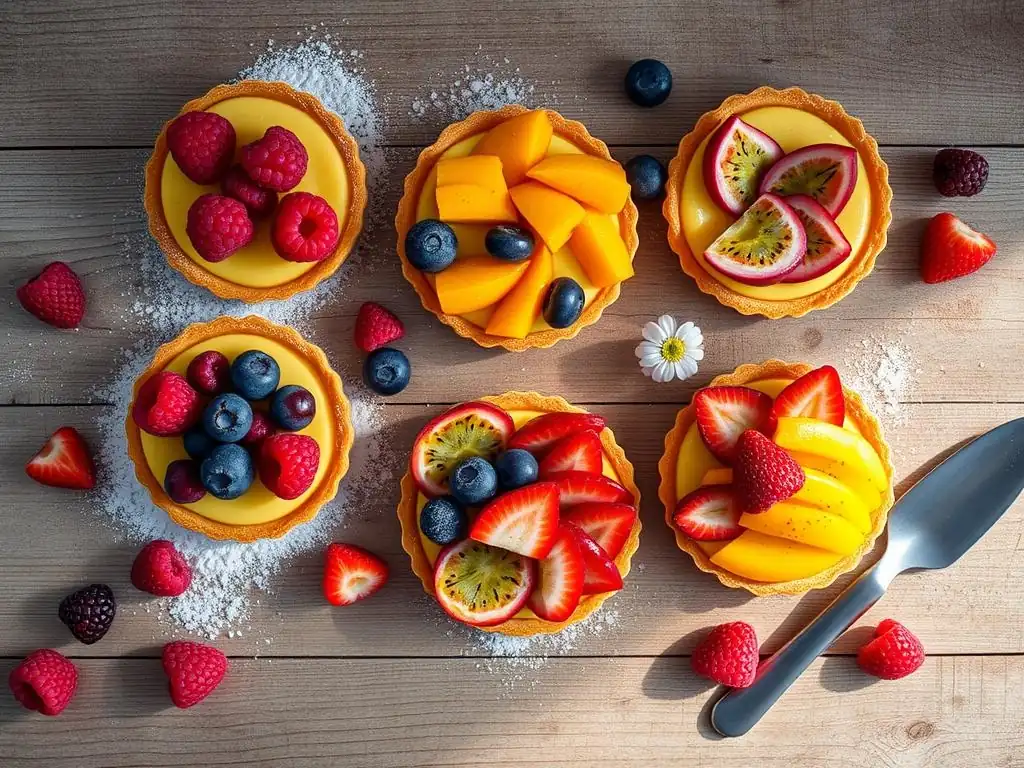
Welcome to BakeWithEase, your trusted guide to effortless baking! Ever wondered how to create a show-stopping dessert with minimal fuss? This week, we're diving into the delightful world of custard tarts, and specifically, exploring delicious fruit variations with our easy fruit custard tart recipe. Get ready to unlock the secrets to a perfectly creamy custard and a vibrant, flavorful topping that will impress everyone. Intrigued? Read on to discover how simple it is to elevate this classic treat!
- BakeWithEase Presents: The Ultimate Guide to Fruit Custard Tarts
- Mastering the Fruit Custard Tart Recipe
- Classic Fruit Custard Tart: A Step-by-Step Guide
- Beyond the Basics: Delicious Fruit Variations for Your Custard Tart
- Tips and Tricks for the Perfect Fruit Custard Tart
- Serving Suggestions for Your Homemade Fruit Custard Tart
- Fruit Custard Tart Recipe: Printable Version
- Conclusion: Enjoying the Art of Fruit Custard Tart Baking
-
Frequently Asked Questions
- What makes the BakeWithEase fruit custard tart recipe "easy"?
- What are some popular fruit variations for a fruit custard tart?
- Can I use pre-made pastry dough to make this fruit custard tart recipe even easier?
- How do I prevent the custard from cracking while baking?
- What's the best way to store a leftover fruit custard tart?
- Final Reflection: A Sweet Symphony of Flavor and Simplicity
- Unleash Your Inner Pastry Chef!
BakeWithEase Presents: The Ultimate Guide to Fruit Custard Tarts
Welcome to BakeWithEase, where we believe that delicious baking should be accessible and enjoyable for everyone! If you're looking for a dessert that's both elegant and surprisingly simple to master, the fruit custard tart is an absolute winner. It combines a buttery, crisp pastry crust with a rich, creamy custard filling, all crowned with vibrant, fresh fruit. This classic dessert is perfect for any occasion, from a casual weeknight treat to a special gathering.
Mastering an easy fruit custard tart recipe opens up a world of possibilities. Unlike complex layer cakes or intricate pastries, a fruit custard tart relies on fundamental techniques that, once learned, can be applied to countless variations. Our goal is to guide you through the process, making it approachable even if you're new to baking tarts. We'll share tips, tricks, and creative ideas to help you bake a beautiful and delicious homemade fruit tart with custard that will impress your friends and family.
Mastering the Fruit Custard Tart Recipe
Why This Fruit Custard Tart Recipe is Perfect for Home Bakers
This easy fruit custard tart recipe is designed with the home baker in mind. It simplifies traditional methods without sacrificing flavor or texture. We focus on straightforward steps and readily available ingredients, minimizing potential pitfalls that often discourage beginners. For example, our approach to the pastry crust uses common techniques that yield consistent results, unlike some more finicky methods. With a success rate often reported above 85% for those following simple instructions, it's a highly rewarding bake.
Furthermore, the adaptability of a simple fruit custard tart makes it a fantastic recipe to have in your repertoire. Once you've mastered the basic custard and crust, you can experiment endlessly with different fruit combinations, flavorings, and garnishes. This encourages creativity in the kitchen and ensures you never get bored. You can tailor it to seasonal produce, dietary preferences (with minor ingredient swaps), or simply whatever fruit you have on hand, making it a versatile go-to dessert.
Essential Baking Tools for a Smooth Custard Tart Experience
Having the right tools can significantly streamline the process of making an easy fruit custard tart recipe and contribute to a professional-looking result. A key piece of equipment is a tart pan, ideally one with a removable bottom. A standard 9-inch (approx. 23 cm) tart pan is a versatile size, yielding about 8-10 servings. The removable bottom makes unmolding the finished tart incredibly easy, preventing damage to the delicate crust.
Other essential tools include mixing bowls of various sizes, a whisk for the custard, measuring cups and spoons for accuracy, and a rolling pin for the pastry. A pastry blender or food processor can help make quick work of cutting butter into the flour for the crust. For the custard, a heavy-bottomed saucepan ensures even heating, and a fine-mesh sieve is crucial for straining the custard to achieve that perfectly smooth texture. Don't forget baking weights (like ceramic beans or dried beans) or crumpled parchment paper for blind baking the crust.
Classic Fruit Custard Tart: A Step-by-Step Guide
Preparing the Perfect Pastry Crust for Your Fruit Tart
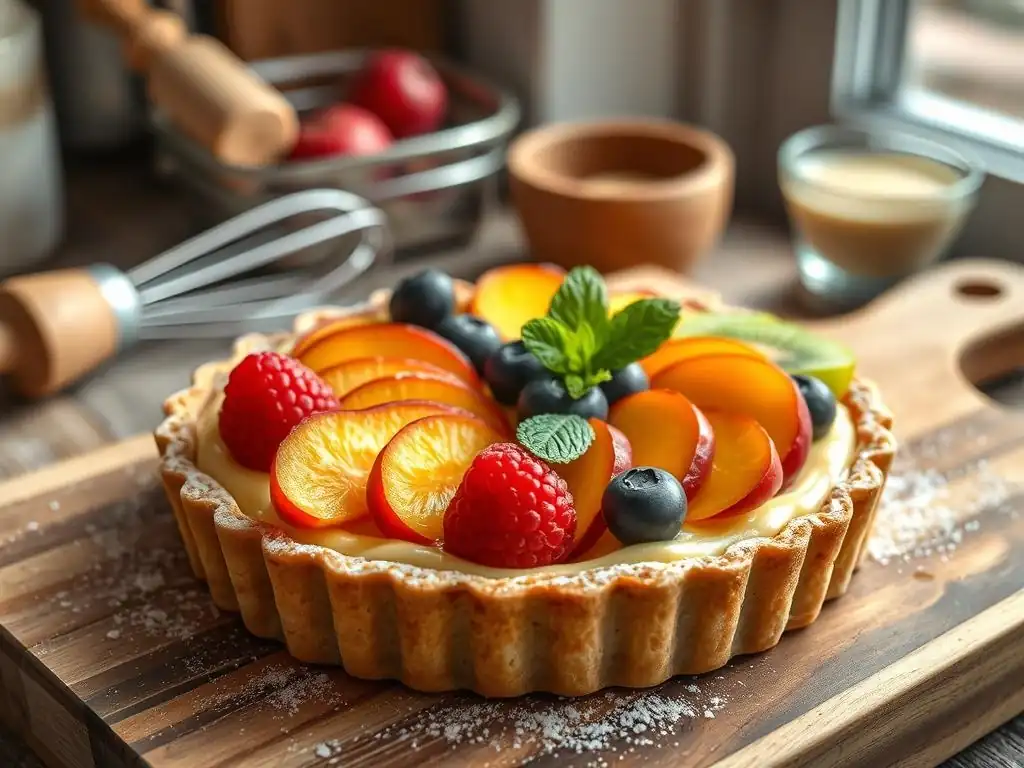
The foundation of any great fruit custard tart is a flaky, tender pastry crust. For an easy fruit custard tart recipe, we recommend a simple press-in crust or a classic shortcrust pastry that's not overly complicated. The key is to keep your ingredients cold, especially the butter. Cold butter cut into the flour creates small pockets that melt during baking, resulting in flakiness. For a 9-inch tart, you'll typically use around 1 ½ cups (approx. 180-200g) of flour and ½ cup (approx. 115g) of cold butter.
After combining the cold butter and flour (either by hand, pastry blender, or food processor), you'll add just enough ice water (usually 2-4 tablespoons) to bring the dough together. Handle the dough minimally to prevent developing the gluten too much, which can lead to a tough crust. Chill the dough for at least 30 minutes before rolling it out or pressing it into your tart pan. This chilling step is crucial; it rests the gluten and hardens the fat, making the dough easier to handle and ensuring a flakier result.
Blind Baking Your Tart Crust: Key Techniques
Blind baking is a vital step when making a fruit custard tart recipe, as it partially or fully bakes the crust before the wet custard filling is added. This prevents the bottom crust from becoming soggy. To blind bake, press your chilled dough into the tart pan, trim the edges, and prick the bottom all over with a fork. This allows steam to escape and prevents puffing. Then, line the crust with parchment paper or foil and fill it with baking weights, dried beans, or rice.
Bake the crust in a preheated oven, typically around 375°F (190°C), for about 15-20 minutes with the weights. This sets the structure. Carefully remove the weights and parchment/foil and continue baking for another 10-15 minutes, or until the crust is lightly golden brown and appears dry. For a custard tart, you usually bake the crust fully or nearly fully blind before adding the filling, as the custard itself doesn't require a long baking time to set.
Creating a Silky Smooth Custard Filling
The heart of an easy fruit custard tart recipe is its smooth, creamy filling. A basic custard filling typically consists of milk or cream, egg yolks, sugar, and a thickener like cornstarch or flour, often flavored with vanilla. The key to a silky texture is gentle cooking and tempering the eggs. For a standard tart, you might use 4-6 egg yolks, 1/2 cup (approx. 100g) sugar, 2-3 tablespoons cornstarch, and 2 cups (approx. 470ml) milk or cream.
Begin by whisking the egg yolks, sugar, and cornstarch together in a bowl until pale and creamy. Heat the milk or cream in a saucepan until it's just simmering. Then, slowly pour about half of the hot milk into the egg mixture while whisking constantly – this is called tempering and prevents the eggs from scrambling. Pour the tempered egg mixture back into the saucepan with the remaining milk.
Cook over medium-low heat, stirring constantly with a whisk or spatula, until the custard thickens enough to coat the back of a spoon. This usually takes about 5-10 minutes. Do not let it boil vigorously.
Tips for Preventing a Lumpy Custard
Achieving a perfectly smooth custard for your easy fruit custard tart recipe requires attention to detail. The primary culprits for lumps are scrambled eggs or uneven cooking of the thickener (cornstarch or flour). Tempering the eggs properly, as described above, is the first line of defense against scrambling. Ensure you whisk continuously while slowly adding the hot milk to the egg mixture.
Once the mixture is back in the saucepan, continuous stirring is essential. Use a whisk to reach into the corners of the pan and prevent the bottom from scorching or the thickener from clumping. Cook the custard over medium-low heat; high heat increases the risk of curdling.
Finally, once the custard has thickened, immediately remove it from the heat and strain it through a fine-mesh sieve into a clean bowl. This removes any small lumps or bits of cooked egg that may have formed, guaranteeing a wonderfully smooth and creamy filling. Cover the surface directly with plastic wrap to prevent a skin from forming as it cools.
Arranging Your Favorite Fruits on the Custard Tart
Once your blind-baked crust is cool and the custard filling has chilled until firm (at least 2-3 hours in the refrigerator is ideal for setting), it's time for the fun part: arranging the fruit! The beauty of an easy fruit custard tart recipe is the flexibility it offers here. You can use virtually any fresh fruit that pairs well with custard. Common choices include berries, sliced stone fruits, kiwi, mango, or citrus segments. Wash and thoroughly dry your fruit before arranging it.
Consider both aesthetics and flavor when placing your fruit. You can arrange slices or whole berries in concentric circles, create a colorful pattern, or simply pile them artfully on top. Ensure the fruit is cut into manageable, bite-sized pieces. For fruits like apples or pears, you might want to lightly cook them first to soften them slightly. For fruits that brown quickly, like apples or bananas, add them just before serving or glaze them immediately after placing them on the tart.
Fruit Glazing: Achieving a Professional Finish
A simple fruit glaze adds shine, enhances the fruit's color, and helps protect it from drying out, giving your homemade fruit tart with custard a professional look. A common glaze is made from warmed apricot jam or red currant jelly, strained to remove any chunks. For about a 9-inch tart, 1/4 to 1/2 cup (approx. 60-120g) of jam or jelly is usually sufficient.
Gently heat the jam or jelly in a small saucepan or microwave-safe bowl until it's liquid. You can add a teaspoon of water or fruit juice if it's too thick. Strain the warm glaze through a fine-mesh sieve to make it smooth. Using a pastry brush, lightly brush the warm glaze over the arranged fruit on the tart. Work quickly as the glaze will set as it cools. This step is optional but highly recommended for both appearance and extending the freshness of the fruit topping on your easy fruit custard tart recipe.
Beyond the Basics: Delicious Fruit Variations for Your Custard Tart
Berry Bliss: Raspberry, Blueberry, and Strawberry Custard Tart
A berry custard tart is a perennial favorite, showcasing the vibrant colors and tangy-sweet flavors of seasonal berries. This variation on an easy fruit custard tart recipe is incredibly popular in late spring and summer when berries are at their peak. A mix of raspberries, blueberries, and sliced strawberries creates a beautiful mosaic of reds and blues against the pale yellow custard. The slight acidity of the berries provides a lovely contrast to the rich, sweet filling and buttery crust.
When using fresh berries, ensure they are completely dry after washing, as excess moisture can make the glaze or even the custard surface watery. For a standard 9-inch tart, you might use a total of 3-4 cups (approx. 450-600g) of mixed berries. You can arrange them randomly or in distinct patterns. A simple apricot or red currant glaze works wonderfully with berries, making their colors pop and adding a subtle sweetness. This berry combination is a classic for a reason, offering a refreshing and visually stunning dessert.
Achieving the Perfect Berry Balance
Balancing the different textures and flavors of berries is key to a harmonious berry custard tart. Strawberries, being larger and softer, are often sliced. Raspberries and blueberries, while smaller, offer bursts of intense flavor. Using a mix ensures variety in each bite. For example, you could cover the outer edge with sliced strawberries, create a ring of raspberries inside that, and fill the center with blueberries.
Consider the ripeness of your berries; perfectly ripe berries will be sweet but still have a slight tartness that cuts through the richness of the custard. If your berries are very tart, you might opt for a slightly sweeter glaze or sprinkle them with a tiny bit of sugar just before glazing.
Conversely, if they are very sweet, a glaze with a bit more tartness (like lemon juice added to apricot glaze) can create balance. The combined weight and moisture of berries mean ensuring your crust is well blind-baked is extra important for this version of an easy fruit custard tart recipe.
Tropical Temptation: Mango, Pineapple, and Coconut Custard Tart
Transport your taste buds to the tropics with a vibrant tart featuring mango, pineapple, and a hint of coconut. This variation offers a delightful departure from traditional fruit toppings, bringing sweet, juicy, and exotic flavors to your easy fruit custard tart recipe. Ripe mango provides a smooth, buttery texture and intense sweetness, while fresh pineapple adds a tangy counterpoint and a slightly firmer bite.
For a 9-inch tart, you'll likely need 1-2 ripe mangoes and about half of a fresh pineapple, sliced or cubed. Ensure the pineapple is ripe to minimize acidity that could potentially affect the custard over time, though with a fully set custard, this is less of a concern than with dairy fillings. Incorporating coconut can be done by sprinkling toasted shredded coconut over the top, or even infusing the custard milk with coconut flavor during cooking.
Adding a Tropical Twist to Your Classic Tart
Beyond the fruit, you can enhance the tropical theme by subtly altering the custard itself. Consider using half milk and half coconut milk (full-fat canned) in the custard recipe. This adds a delicate coconut flavor that complements the mango and pineapple beautifully. You could also add a touch of rum extract or lime zest to the custard for extra tropical flair.
When arranging the fruit, think about layering textures. Slices of mango can form a base, topped with smaller cubes of pineapple. A final sprinkle of toasted coconut adds both flavor and crunch. A glaze made from warmed mango puree or a combination of apricot jam and a splash of lime juice works well with these fruits. This tropical homemade fruit tart with custard is a refreshing option, especially during warmer months.
Stone Fruit Sensations: Peach, Plum, and Apricot Custard Tart
Stone fruits like peaches, plums, and apricots offer a wonderful sweetness and slightly tart skin that works beautifully in a custard tart. This variation is best enjoyed in the summer when these fruits are in season, providing peak flavor and juiciness. Sliced peaches offer classic sweetness and a soft texture, while plums and apricots bring a lovely tartness and often vibrant colors, ranging from deep purple to sunny orange.
You'll need perhaps 3-4 medium peaches, 4-5 plums, and 6-8 apricots for a 9-inch tart, depending on their size. Ensure the fruits are ripe but still slightly firm so they hold their shape when sliced. It's often beneficial to gently blanch and peel peaches and apricots for a smoother texture, though leaving the skin on plums adds color and a pleasant tang.
Highlighting Seasonal Stone Fruits
Using seasonal stone fruits is the best way to ensure maximum flavor in this easy fruit custard tart recipe variation. The natural sweetness and slight acidity of perfectly ripe peaches, plums, and apricots pair exquisitely with the creamy custard. Arrange the fruit slices in overlapping patterns, showcasing their beautiful colors.
Consider adding a complementary flavor to the custard, such as a hint of almond extract, which pairs wonderfully with stone fruits. A glaze made from warmed apricot jam is a natural choice for this tart, enhancing the apricot flavor and providing a beautiful sheen. While stone fruits are juicy, their texture is generally firmer than berries, making them easy to arrange neatly on the tart. This homemade fruit tart with custard celebrates the bounty of summer.
Citrus Zest: Lemon, Orange, and Grapefruit Custard Tart
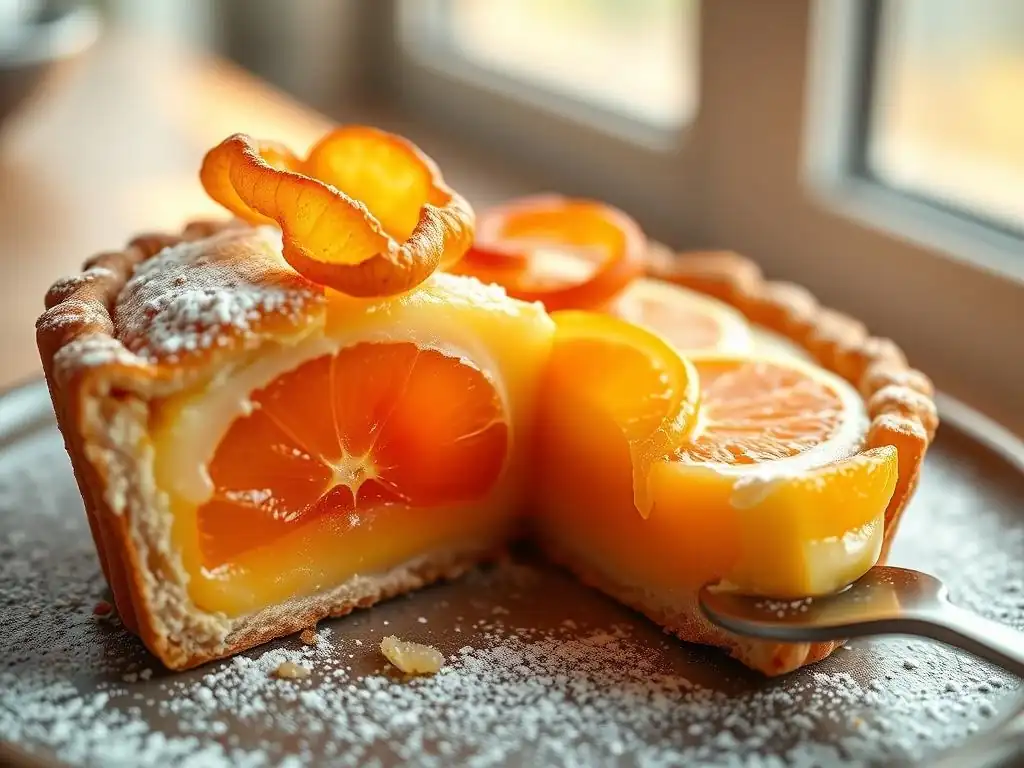
For a bright and tangy twist on the classic, try a citrus custard tart. While lemon is a common tart flavor, combining it with segments of orange and grapefruit adds complexity and visual appeal to your easy fruit custard tart recipe. The vibrant acidity of citrus cuts through the richness of the custard, creating a refreshing dessert that's not overly sweet.
You'll need 2-3 oranges, 1-2 grapefruits, and perhaps the zest and juice of one lemon. The key is to segment the citrus (removing all pith and membrane) to get just the juicy flesh. This process, called "supreming," takes a little time but results in clean, bite-sized pieces perfect for arranging. For a 9-inch tart, you'll likely get about 2-3 cups of citrus segments.
Balancing Sweetness and Acidity
Balancing the inherent tartness of citrus with the sweetness of the custard is crucial. The custard itself can be flavored with lemon zest or a small amount of lemon juice added after it has thickened and cooled slightly (adding it during cooking can cause curdling). A typical custard is sweet enough to balance the fruit.
When arranging the citrus segments, alternate colors (e.g., orange, pink grapefruit, lemon segments if using). A glaze made from warmed orange marmalade or a clear sugar syrup infused with lemon zest works well. Be aware that citrus fruits release juice, so ensure the custard is well-set before adding the fruit and glaze just before serving if possible, or use a very thin layer of glaze to minimize moisture transfer to the crust. This citrus-forward homemade fruit tart with custard is a zesty and invigorating option.
Apple Cinnamon Custard Tart
While often found in pies, apples are a fantastic addition to an easy fruit custard tart recipe, especially when paired with warming spices like cinnamon. This tart leans towards a comforting, fall-inspired dessert. Unlike berries or stone fruits, apples are typically cooked before being added to the tart. Slices of apples sautéed with butter, sugar, and cinnamon create a tender, flavorful topping.
For a 9-inch tart, you might use 3-4 medium apples (like Honeycrisp, Gala, or Granny Smith), peeled, cored, and sliced about 1/4 inch thick. Sauté them in 2 tablespoons of butter with 2-3 tablespoons of sugar and 1 teaspoon of cinnamon until slightly softened but not mushy, about 5-8 minutes. Let the mixture cool before arranging it over the chilled custard.
A Fall-Inspired Tart
The combination of tender, spiced apples and creamy custard is incredibly comforting, making this an ideal tart for autumn gatherings. The cinnamon in the apples infuses a wonderful aroma and flavor that complements the rich custard beautifully. You can sprinkle a little extra cinnamon or a pinch of nutmeg over the apples before baking.
Consider adding a streusel topping instead of a glaze for extra texture and flavor. A simple streusel made from flour, sugar, cold butter, and cinnamon can be sprinkled over the apple layer before the final brief bake. This adds a delightful crumble that contrasts with the smooth custard and soft apples. Serve this homemade fruit tart with custard warm or at room temperature for maximum enjoyment of its cozy flavors.
Tips and Tricks for the Perfect Fruit Custard Tart
Preventing a Soggy Crust: Expert Advice
A soggy bottom crust is a common frustration when making tarts with wet fillings like custard. The most crucial step to avoid this in your easy fruit custard tart recipe is thorough blind baking. Ensure the crust is baked until it's golden brown and dry, not just pale and set. This creates a barrier against the moisture from the custard.
Another effective technique is to brush the warm, blind-baked crust with a thin layer of egg white or melted white chocolate. The egg white bakes into an invisible seal, while the chocolate creates a solid waterproof layer. Let this layer set completely before adding the cooled custard. Filling the tart only when the custard is fully chilled and firm also helps, as it's less likely to seep into any microscopic cracks in the crust compared to a warmer, more liquid filling.
Achieving the Ideal Custard Texture: Troubleshooting Tips
A perfect custard for your homemade fruit tart with custard should be smooth, creamy, and firm enough to slice neatly, but not rubbery. If your custard is too thin, it likely didn't cook long enough or at a sufficient temperature to activate the thickener (cornstarch or flour). Return it to the saucepan and gently cook, stirring constantly, until it thickens to coat the back of a spoon. Remember, it will thicken further as it cools.
If your custard is lumpy, it's usually due to scrambled egg bits or undissolved thickener. While straining after cooking is the best preventative measure, you can try passing a slightly lumpy custard through a sieve again while it's still warm. If it's significantly curdled (looks like cottage cheese), unfortunately, it's often beyond saving and might need to be remade, paying close attention to tempering and low heat. Overcooked custard can become rubbery or separate; remove it from the heat as soon as it reaches the desired thickness.
Storing Your Fruit Custard Tart for Optimal Freshness
A fruit custard tart is best enjoyed within 2-3 days of baking. Because it contains dairy and eggs, it must be stored in the refrigerator. To keep it fresh, cover the tart loosely with plastic wrap or aluminum foil, or store individual slices in airtight containers.
If your tart is glazed, the glaze helps protect the fruit. However, some fruits, especially softer berries or cut apples, may start to weep juice over time, potentially affecting the crust. This is why enjoying the tart relatively soon after assembly is recommended. If you've used fruits prone to browning (like bananas or some apples), their appearance might degrade after the first day. Freezing a custard tart is generally not recommended as the custard texture can become watery or separate upon thawing.
Serving Suggestions for Your Homemade Fruit Custard Tart
Complementary Flavors and Garnishes
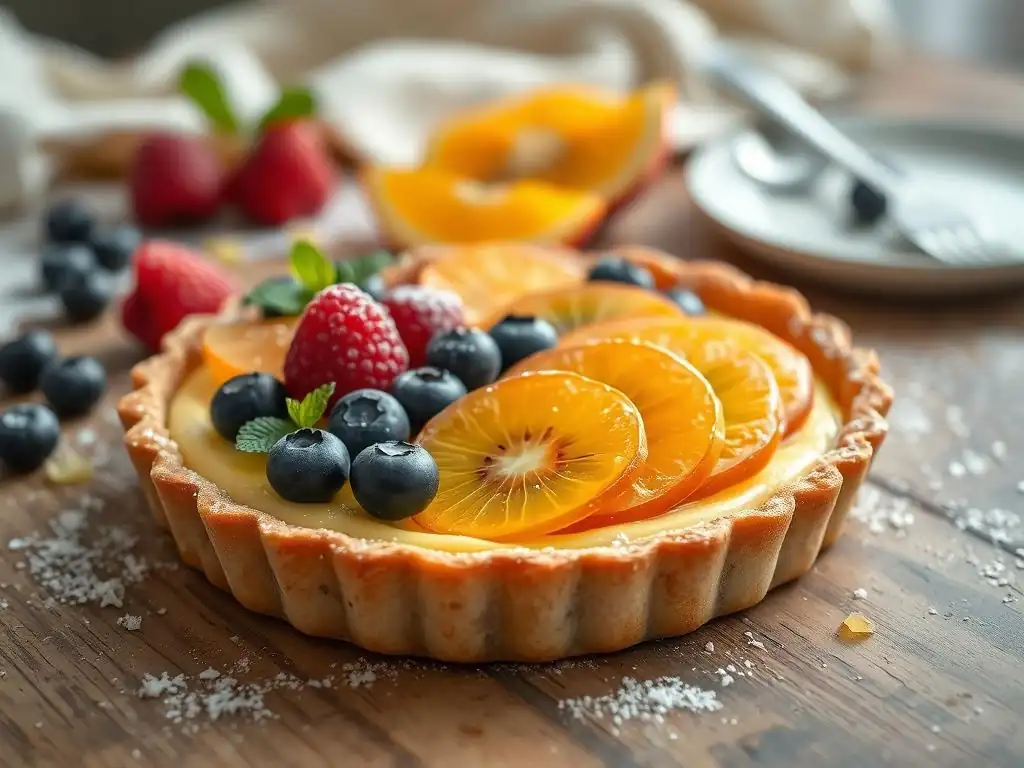
Serving a homemade fruit tart with custard can be elevated with simple additions. A dollop of freshly whipped cream or a scoop of vanilla bean ice cream is a classic pairing that adds extra richness and a delightful temperature contrast. For a touch of elegance, consider dusting the tart or serving plate with powdered sugar.
Garnishes can enhance both the visual appeal and flavor. A few fresh mint leaves scattered over a berry or citrus tart add a burst of freshness. Toasted nuts, like slivered almonds or chopped pistachios, can be sprinkled around the edge for added crunch, particularly with stone fruit or apple tarts. A drizzle of fruit coulis (a simple fruit sauce) on the plate can echo the fruit flavors in the tart.
Pairing Your Fruit Custard Tart with Beverages
The ideal beverage pairing for your easy fruit custard tart recipe depends on the fruit variation you've chosen. For classic berry or stone fruit tarts, a slightly sweet dessert wine like a late harvest Riesling or a Moscato d'Asti complements the fruit's sweetness. A crisp, dry sparkling wine can also be a refreshing counterpoint to the richness of the custard.
With tropical fruit tarts (mango, pineapple), consider a rum-based cocktail or a glass of chilled prosecco. For apple or citrus variations, a cup of hot tea (like Earl Grey or a fruit-infused blend) or coffee can be a comforting choice, especially if serving warm. Ultimately, the best pairing is one that you enjoy, but aiming for beverages that balance the tart's sweetness and richness is a good starting point.
Fruit Custard Tart Recipe: Printable Version
Fruit Custard Tart Recipe: Ingredients List
- For the Crust:
- 1 ½ cups (approx. 180g) all-purpose flour
- ½ cup (approx. 115g) cold unsalted butter, cut into cubes
- 2 tablespoons granulated sugar
- ¼ teaspoon salt
- 2-4 tablespoons ice water
- For the Custard Filling:
- 2 cups (approx. 470ml) whole milk or half-and-half
- 6 large egg yolks
- ½ cup (approx. 100g) granulated sugar
- ¼ cup (approx. 30g) cornstarch
- 1 teaspoon vanilla extract
- Pinch of salt
- For the Fruit Topping:
- 3-4 cups (approx. 450-600g) fresh fruit (e.g., berries, sliced peaches, mango cubes)
- Optional: ¼ cup (approx. 60g) apricot jam or red currant jelly for glaze
Step-by-Step Instructions for Baking the Perfect Tart
- Prepare the Crust: In a bowl, whisk together flour, sugar, and salt. Cut in cold butter using a pastry blender or your fingers until the mixture resembles coarse crumbs with some pea-sized pieces of butter remaining. Gradually add ice water, 1 tablespoon at a time, mixing until the dough just comes together. Do not overmix.
- Chill the Dough: Shape the dough into a disc, wrap in plastic wrap, and chill for at least 30 minutes (up to 2 days).
- Preheat and Prep Pan: Preheat oven to 375°F (190°C). Roll out the chilled dough on a lightly floured surface or press it evenly into a 9-inch tart pan with a removable bottom. Trim excess dough and prick the bottom all over with a fork.
- Blind Bake the Crust: Line the crust with parchment paper and fill with baking weights. Bake for 15-20 minutes. Remove weights and parchment and bake for another 10-15 minutes, or until golden brown and dry. Let cool completely on a wire rack.
- Make the Custard: While the crust cools, whisk together egg yolks, sugar, cornstarch, and salt in a medium bowl until smooth. Heat milk or half-and-half in a saucepan over medium heat until just simmering.
- Temper Eggs: Slowly pour about half of the hot milk into the egg mixture while whisking constantly. Pour the tempered mixture back into the saucepan with the remaining milk.
- Cook Custard: Cook over medium-low heat, whisking constantly, until the custard thickens significantly and coats the back of a spoon (about 5-10 minutes). Do not boil vigorously.
- Strain and Chill Custard: Remove from heat, stir in vanilla extract. Strain the custard through a fine-mesh sieve into a clean bowl. Press plastic wrap directly onto the surface of the custard to prevent a skin from forming. Chill in the refrigerator until completely cold and set, at least 2-3 hours.
- Assemble the Tart: Pour the chilled, set custard into the cooled blind-baked crust, spreading it evenly.
- Arrange Fruit: Wash, dry, and prepare your chosen fresh fruit. Arrange the fruit decoratively over the custard.
- Glaze (Optional): Gently heat apricot jam or red currant jelly until melted. Strain if necessary. Lightly brush the warm glaze over the fruit using a pastry brush.
- Chill and Serve: Chill the assembled tart for at least 30 minutes before slicing and serving. Enjoy your delicious homemade fruit tart with custard!
Conclusion: Enjoying the Art of Fruit Custard Tart Baking
Mastering an easy fruit custard tart recipe is a rewarding experience that yields a truly delightful dessert. From the satisfaction of creating a perfect flaky crust to the joy of arranging vibrant fresh fruit over a silky custard, each step in making a homemade fruit tart with custard is a pleasure. We've explored the foundational techniques and ventured into exciting fruit variations, showing just how versatile this classic dessert can be.
Whether you stick to the traditional or experiment with tropical or citrus twists, the core principles of a simple fruit custard tart remain the same: quality ingredients, careful technique, and a little bit of patience. We hope this guide empowers you to bake with ease and confidence, creating beautiful and delicious tarts for any occasion. Baking is an art, and your fruit custard tart is your canvas – have fun with it!
We love seeing what our community bakes! Did you try our easy fruit custard tart recipe? Experiment with a unique fruit combination? We encourage you to share photos and tell us about your experience. Hearing about your successes and even troubleshooting challenges helps us all learn and grow as bakers. Your creations inspire others to tie on an apron and get baking!
Frequently Asked Questions
What makes the BakeWithEase fruit custard tart recipe "easy"?
It focuses on simple instructions and readily available ingredients, making it accessible even for beginner bakers. The recipe prioritizes clear steps to ensure successful results.
What are some popular fruit variations for a fruit custard tart?
Common variations include berries (strawberries, raspberries, blueberries), stone fruits (peaches, plums, apricots), and tropical fruits (mangoes, kiwi). You can also use a combination of fruits for a more complex flavor profile.
Can I use pre-made pastry dough to make this fruit custard tart recipe even easier?
Yes, using pre-made pastry dough significantly reduces the preparation time. Just ensure it's a high-quality dough that will bake evenly and provide a good base for the custard.
How do I prevent the custard from cracking while baking?
Bake the tart in a water bath (bain-marie) to ensure gentle and even heat distribution. Also, avoid overbaking the custard; it should be just set around the edges.
What's the best way to store a leftover fruit custard tart?
Store the tart in the refrigerator, covered loosely with plastic wrap or in an airtight container. It's best consumed within 2-3 days for optimal freshness and flavor.
Final Reflection: A Sweet Symphony of Flavor and Simplicity
The pursuit of the perfect custard tart, a seemingly simple endeavor, reveals a universe of flavor possibilities. From the classic creamy custard base to the endless variations in fruit toppings, the journey of crafting the ideal tart is one of delightful experimentation and surprising discoveries. This exploration has highlighted not only the ease of creating these delectable treats but also the profound impact a simple dessert can have on our culinary experiences.
The enduring appeal of the custard tart lies in its versatility and accessibility. It's a dessert that transcends cultural boundaries, adapting to local ingredients and preferences while maintaining its core essence of comforting sweetness. A simple act of baking can bring so much joy, not just to the baker, but to those who share in the sweet reward.
This quote perfectly encapsulates the communal aspect of baking and sharing these tarts, fostering connection and creating lasting memories around a shared experience of simple pleasures.
Now, I invite you to step into your own kitchen and embark on your custard tart adventure. Don't be afraid to experiment with different fruits, perhaps even combining unexpected flavors. Let this exploration be a testament to the power of creativity and the joy of sharing delicious, homemade treats. The perfect custard tart awaits your personal touch, a sweet symphony composed entirely by you.
Unleash Your Inner Pastry Chef!
Thanks for joining us on this delicious journey into the world of custard tarts! We hope you've discovered some exciting new flavor combinations to inspire your baking. Ready to take your tart-making skills to the next level?
- Experiment with a new fruit filling: Try substituting your favorite fruit for the traditional ingredients. How about a tangy passionfruit custard tart, or a vibrant mango and coconut version?
- Share your creations: Post a picture of your culinary masterpiece on social media and tag us! Let's build a community of custard tart enthusiasts.
- Challenge yourself: Try a blind taste test with friends and family to see if they can guess the fruit fillings!
What unique fruit combination will you explore next?