
Simple Ganache Recipes for French Pastry Fillings and Glazes

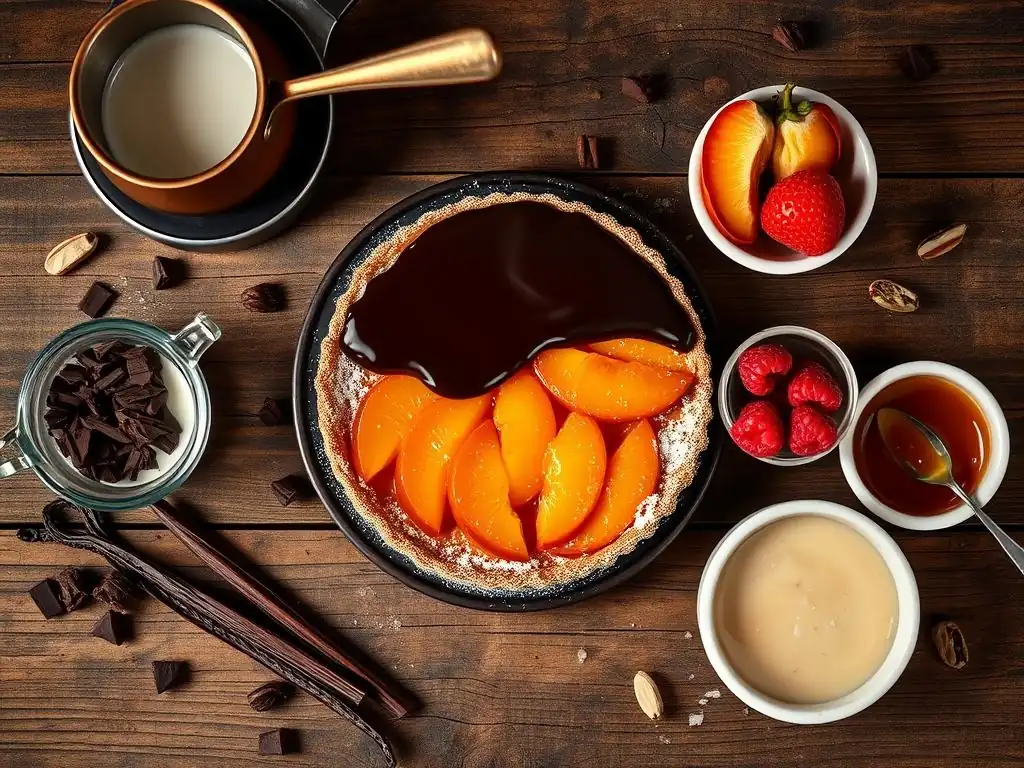
Welcome to BakeWithEase, your ultimate guide to unlocking the secrets of delicious baking! Ever wondered how professional pastry chefs achieve that perfect, silky-smooth finish on their creations? Dive in to discover our collection of Easy French Ganache Recipes and transform your desserts with rich, decadent fillings and glazes. Prepare to be amazed at how simple it is to elevate your baking game!
- Ganache Recipes for Pastry Fillings and Glazes
- Understanding Ganache
- Ganache Recipes: From Basic to Bold
- Using Ganache as a Pastry Filling
- Ganache as a Pastry Glaze
- Troubleshooting Ganache Problems
- Variations and Flavor Infusions
- Mastering Ganache
-
Frequently Asked Questions
- What exactly is ganache and what's it typically used for in baking?
- What makes a ganache recipe "easy" for a beginner baker?
- Can I adjust the ratio of chocolate to cream in a ganache recipe? And if so, what effect does it have?
- What types of chocolate are best suited for making ganache, and why?
- How should I store leftover ganache, and how long will it typically last?
- Final Reflection: The Enduring Allure of Simple Ganache
- Unlock Your Inner Pâtissier: Master Ganache Today!
Ganache Recipes for Pastry Fillings and Glazes
Understanding Ganache
What is Ganache?
Ganache, a fundamental element in French patisserie, is a luxurious mixture traditionally made from just two ingredients: chocolate and cream. Its origins are said to trace back to Paris in the 1850s, born from a happy accident. While simple in composition, the magic of ganache lies in the transformation that occurs when hot cream is poured over finely chopped chocolate, melting it into a smooth, glossy emulsion.
This versatile creation serves as a base for numerous desserts, from rich truffles to elegant glazes and luscious fillings for classic French pastries. Mastering easy French ganache recipes opens up a world of possibilities in baking.
This seemingly simple blend is more than just melted chocolate and cream; it's a stable emulsion where the fat from the chocolate (cocoa butter) and the cream are suspended together. The quality of both ingredients significantly impacts the final result. High-quality chocolate with adequate cocoa butter content is crucial for a smooth texture and rich flavor.
The type of cream, typically heavy cream with a fat content around 30-35%, provides the necessary liquid and fat to create the stable mixture. The process involves careful heating and mixing to ensure these components combine harmoniously, resulting in a silky, decadent mixture perfect for various applications in baking.
The Science of Ganache: Ratios and Emulsification
At its core, ganache relies on the principles of emulsification. When hot cream is poured over chocolate, the heat melts the cocoa butter and sugar crystals within the chocolate. The subsequent stirring or whisking process disperses the melted fat and water from the cream into tiny droplets, suspending them throughout the mixture. This creates a stable, homogeneous emulsion that has a smooth texture and beautiful sheen. The success of this emulsification depends heavily on temperature control and the ratio of chocolate to cream.
Heating the cream to just below boiling (around 185-195°F or 85-90°C) is essential. This temperature is hot enough to melt the chocolate thoroughly but not so hot that it burns the chocolate or causes the fat to separate too quickly. Pouring this hot cream over finely chopped chocolate allows the chocolate to melt evenly. Allowing the mixture to sit undisturbed for a few minutes before stirring helps the chocolate soften completely. Gentle stirring, starting from the center and working outwards, encourages the emulsion to form properly, creating that desirable smooth, glossy finish characteristic of a well-made easy French ganache.
Ganache Ratios: Achieving Consistency
The ratio of chocolate to cream is the most critical factor determining the consistency of your ganache, dictating whether it will be a pourable glaze, a scoopable truffle filling, or a firm pastry filling. Different types of chocolate also require different ratios due to their varying cocoa butter content. Dark chocolate, with its higher percentage of cocoa solids and cocoa butter (often 50-70% or more), provides structure and stability.
Milk chocolate contains less cocoa butter and more sugar and milk solids, making it softer. White chocolate, composed mainly of cocoa butter, sugar, and milk solids, is the softest and requires the highest proportion of chocolate to cream for firmness.
For a pourable glaze, a common ratio for dark chocolate is 1:1 (by weight) of chocolate to cream. This yields a fluid ganache that sets into a relatively soft coating. For a firmer filling, such as for macarons or tarts, a ratio of 2:1 (dark chocolate to cream) is often used. Milk chocolate ganache typically requires a ratio of 2.5:1 or 3:1 for a similar firmness to dark chocolate, while white chocolate ganache might need a ratio of 3:1 or even 3.5:1 to achieve a stable filling consistency. Understanding these ratios is key to mastering easy French ganache recipes for various baking projects.
Ganache Recipes: From Basic to Bold
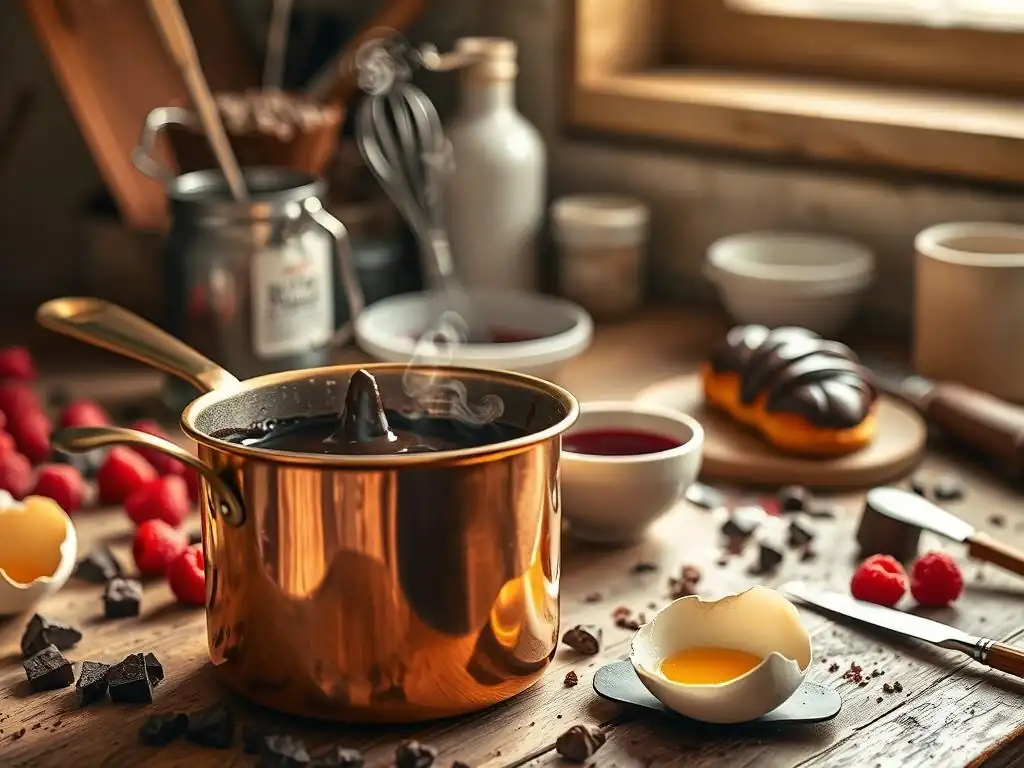
Dark Chocolate Ganache: Versatile Base
Dark chocolate ganache is perhaps the most classic and versatile easy French ganache recipe. It typically uses dark chocolate with a cocoa content ranging from 50% to 70%. Higher percentages will result in a less sweet, more intense chocolate flavor and a slightly firmer ganache. The basic method involves heating heavy cream until it's hot but not boiling, then pouring it over finely chopped dark chocolate. After letting it sit for a few minutes to melt the chocolate, gently stirring from the center outwards creates a smooth, glossy emulsion.
The ratio for dark chocolate ganache can vary based on application. A 1:1 ratio (100g chocolate to 100g cream) yields a lovely pourable glaze perfect for cakes. A 2:1 ratio (200g chocolate to 100g cream) produces a thicker ganache that sets up firmly enough to be piped as a filling for macarons or truffles. Using quality dark chocolate ensures the best flavor and texture. This simple recipe is a foundational skill for anyone exploring easy French ganache recipes.
Milk Chocolate Ganache: Sweet and Creamy
Milk chocolate ganache offers a sweeter, creamier alternative to its dark chocolate counterpart, though it requires a slightly different approach due to milk chocolate's lower cocoa solid content and higher sugar and milk solid content. This composition means milk chocolate ganache will be softer at room temperature than dark chocolate made with the same ratio. To achieve a stable filling or frosting consistency, you generally need a higher proportion of chocolate to cream.
A common ratio for milk chocolate ganache used as a filling might be 2.5:1 or 3:1 (chocolate to cream). For example, using 250g of milk chocolate to 100g of hot cream will result in a ganache that sets up well for piping into pastries. The process remains the same: heat the cream, pour over chopped milk chocolate, let sit, and stir gently. The resulting ganache is wonderfully smooth and sweet, making it ideal for those who prefer a milder chocolate flavor in their easy French ganache recipes.
White Chocolate Ganache: Delicate Flavor
White chocolate ganache provides a delicate, creamy flavor profile, distinct from dark or milk chocolate as it contains no cocoa solids, only cocoa butter, sugar, and milk solids. White chocolate is the trickiest to work with for ganache consistency because cocoa butter has a lower melting point and is softer than cocoa solids. Therefore, achieving a firm, stable white chocolate ganache requires the highest ratio of chocolate to cream.
For a stable white chocolate filling, a ratio of 3:1 or even 3.5:1 (white chocolate to cream) is often necessary. For example, 300g of quality white chocolate to 100g of hot cream. It's crucial to use high-quality white chocolate with a good percentage of cocoa butter (look for at least 20% cocoa butter) for the best results. The process follows the standard ganache method. This delicate ganache is perfect for pairing with fruits or lighter flavors, adding a touch of elegance to easy French ganache recipes.
Vegan Dark Chocolate Ganache: Dairy-Free
Creating a vegan dark chocolate ganache is surprisingly simple, relying on the properties of dark chocolate and a plant-based liquid with sufficient fat content. Full-fat canned coconut milk is a popular and effective substitute for heavy cream due to its high fat content (often 15-20% or more), which helps create a stable emulsion similar to traditional ganache. Other plant milks like soy or oat milk can be used, but results may vary depending on their fat content; they may require a higher chocolate-to-liquid ratio for firmness.
The ratio for vegan dark chocolate ganache is often similar to traditional dark chocolate ganache, around 1:1 for a glaze or 2:1 for a filling, using dark chocolate (ensure it's dairy-free) and full-fat canned coconut milk. Heat the coconut milk (just the solid part from the top of the can works well for a richer ganache, or use the whole can and adjust the ratio), pour over chopped vegan dark chocolate, let sit, and stir. This easy French ganache recipe is perfect for dairy-free diets, offering the same rich, chocolatey decadence.
Using Ganache as a Pastry Filling
Ganache for Macaron Filling
Ganache is an exquisite filling for macarons, providing a rich, smooth counterpoint to the crisp meringue shells. The ideal consistency for macaron filling is one that is firm enough to pipe neatly onto one shell and sandwich easily with another, yet soft enough to yield a clean bite without squishing out the sides. Achieving this requires a carefully chosen ratio and proper setting time.
For dark chocolate macaron filling, a ratio of 2:1 (chocolate to cream) is standard. For milk or white chocolate, you'll need higher ratios like 2.5:1 or 3:1 respectively, as discussed earlier, to ensure sufficient firmness. After making the ganache, it needs to cool completely at room temperature until it reaches a thick, spreadable or pipeable consistency. This can take several hours, or it can be briefly chilled, though chilling too much can make it too hard. Properly set ganache is key to successful easy French ganache recipes for macarons.
Ganache in Cream Puffs
Cream puffs (choux pastry) can be filled with various delights, and a smooth ganache is a particularly decadent option. Unlike macaron filling which needs to be quite firm, a ganache for cream puffs can be slightly softer, allowing it to flow easily when piped into the baked shells. This softer texture also provides a lovely contrast to the light, airy pastry.
A ratio around 1.5:1 or 2:1 (chocolate to cream, depending on the type of chocolate and desired richness) works well for filling cream puffs. For instance, a 1.5:1 dark chocolate ganache will be rich but pipeable. The ganache is typically made and allowed to cool until it's thick enough to hold its shape when piped but still relatively soft. It's then piped into the cooled cream puff shells, often through a hole poked in the bottom or side. This application highlights the versatility of easy French ganache recipes.
Ganache for Tarts
Ganache makes a classic, elegant filling for tart shells, especially when paired with fruit or caramel. A ganache tart typically involves pouring the warm, still-pourable ganache into a pre-baked tart shell (often blind-baked). The ganache then sets as it cools, creating a smooth, rich layer. For a tart filling, you want a ganache that sets firm enough to hold its shape when sliced, but not so hard that it's difficult to cut.
A ratio of 2:1 or 2.5:1 (chocolate to cream) is excellent for a dark chocolate tart filling. This ratio ensures the ganache sets up beautifully firm after chilling. For milk or white chocolate tarts, even higher ratios (e.g., 3:1 for milk, 3.5:1 for white) are needed for a stable sliceable filling. Once poured into the shell, the tart is usually chilled in the refrigerator for several hours to allow the ganache to set completely before slicing and serving. This method is a straightforward way to utilize easy French ganache recipes in sophisticated desserts.
Dark Chocolate Raspberry Macarons
One iconic use of ganache is as the filling for Dark Chocolate Raspberry Macarons. This pairing is a classic for a reason: the intense, slightly bitter notes of dark chocolate ganache provide a perfect balance to the bright, tart flavor of fresh raspberries or raspberry jam. The textural contrast between the crisp macaron shell and the smooth, rich ganache is also delightful.
To make the ganache for these macarons, a standard 2:1 dark chocolate ganache ratio is ideal for firmness. While the ganache is still warm, a small amount of high-quality raspberry puree or seedless raspberry jam can be stirred in carefully, or alternatively, fresh raspberries can be placed around the piped ganache filling before sandwiching the shells. Using an easy French ganache recipe as the base allows the vibrant raspberry flavor to shine through, creating a truly memorable pastry experience.
Ganache as a Pastry Glaze
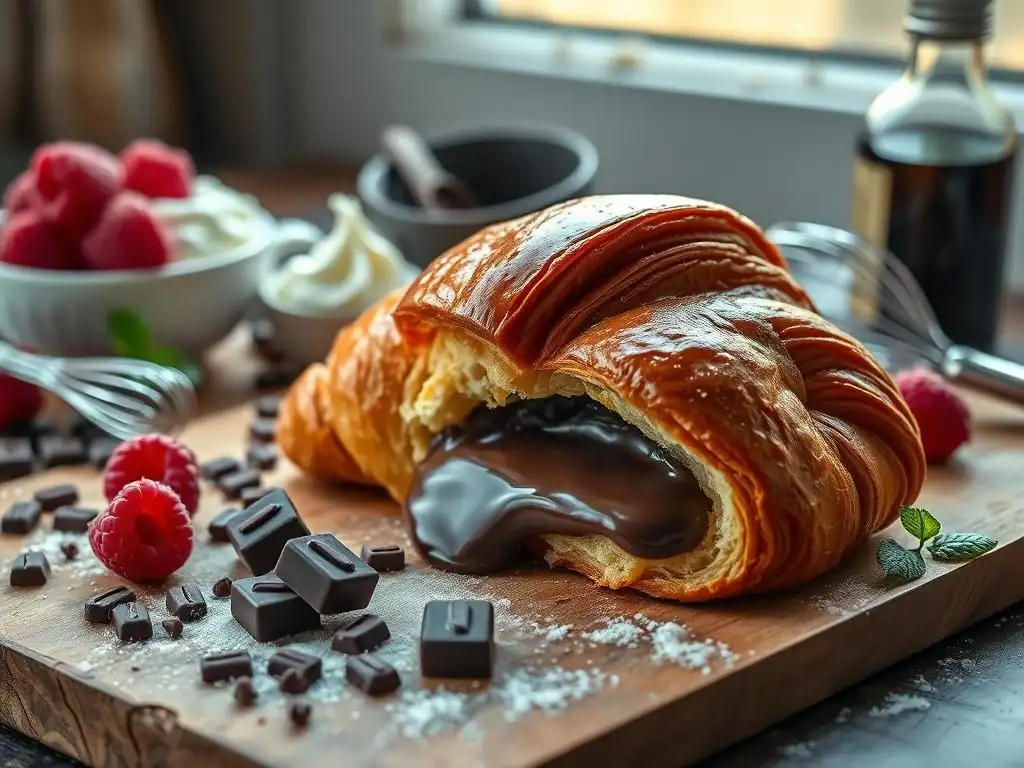
Ganache Glaze for Cakes
Applying a ganache glaze to a cake instantly elevates its appearance and flavor, providing a smooth, shiny, and decadent coating. The key to a successful glaze is achieving the right consistency: it needs to be pourable enough to coat the cake evenly but thick enough to cling to the sides without running off completely. The classic ratio for a pourable ganache glaze is 1:1 (chocolate to cream).
For a standard 8-inch or 9-inch cake, approximately 200-300g of chocolate and an equal amount of cream will yield enough glaze to cover the top and allow some to drip down the sides. The ganache should be made and then allowed to cool slightly until it reaches a pourable consistency – it should feel warm to the touch but not hot (around 90-100°F or 32-38°C). Pouring the glaze over a chilled cake helps it set quickly and creates sharper drips. This easy French ganache technique adds a professional touch to homemade cakes.
Ganache Glaze for Petit Fours
Petit fours, those delicate, bite-sized French pastries, are often finished with a smooth, elegant glaze. Ganache is a perfect choice, providing a rich chocolate coating that sets with a lovely sheen. For petit fours, you typically want a glaze that is thin enough for easy dipping or pouring, ensuring a smooth, even coat without excessive thickness that would overwhelm the small pastry.
A 1:1 ratio is generally suitable for petit fours, offering a balance between fluidity and coverage. Some bakers might even slightly increase the cream ratio (e.g., 1 part chocolate to 1.2 parts cream) for a very thin, dipping consistency, though 1:1 is a reliable easy French ganache recipe for glazing. The petit fours are often placed on a wire rack, and the warm ganache is poured generously over them, allowing the excess to drip off. Alternatively, chilled petit fours can be dipped directly into the warm ganache.
Tips for a Perfect Glaze
Achieving a perfect, mirror-like ganache glaze requires attention to a few key details. First, ensure your ganache is smooth and free of lumps before glazing. Straining the warm ganache through a fine-mesh sieve can help remove any stubborn pieces of chocolate or air bubbles. Second, temperature is crucial; the ganache should be warm enough to be pourable but not so hot that it melts the cake or is too thin.
Third, prepare your cake or pastries properly. For a cake, ensure it is level and, ideally, chilled. Place it on a wire rack set over a tray to catch drips. Pour the ganache steadily over the center of the cake and encourage it to flow over the sides using an offset spatula if needed, but avoid overworking it. For petit fours, ensure they are also chilled before dipping or pouring. Allowing the glazed items to set completely, usually in the refrigerator for 20-30 minutes, results in a firm, shiny finish. These easy French ganache tips help ensure professional-looking results.
Chocolate Cake with Dark Chocolate Ganache Glaze
A classic pairing that never fails to impress is a moist chocolate cake covered in a rich, dark chocolate ganache glaze. The intensity of the dark chocolate glaze complements the sweetness of the cake, creating a harmonious balance of flavors and textures. This dessert is a testament to how simple, easy French ganache recipes can transform a basic cake into a showstopper.
Using a 1:1 dark chocolate ganache ratio for the glaze ensures a beautiful, pourable consistency that sets into a smooth, shiny coating. The process involves baking and cooling your favorite chocolate cake, then preparing the ganache. Once the ganache is made and has cooled to the correct temperature, pour it over the chilled cake, allowing it to cascade down the sides. The result is a decadent, visually appealing dessert that is surprisingly simple to achieve with an easy French ganache.
Troubleshooting Ganache Problems
Ganache is Too Thick
Sometimes, despite following an easy French ganache recipe, your ganache might end up too thick for your intended use, perhaps becoming fudge-like when you wanted a pourable glaze, or too stiff for piping. This can happen if the ratio of chocolate to cream was too high, the chocolate used had a very high cocoa butter content, or it has simply cooled too much.
To remedy overly thick ganache, the solution is usually to gently warm it and incorporate a little more liquid. Place the ganache in a heatproof bowl set over a pot of barely simmering water (a double boiler), ensuring the bottom of the bowl doesn't touch the water. Stir gently until it softens. While warming, stir in a tablespoon or two of warm heavy cream or milk, a little at a time, until the desired consistency is reached. Alternatively, you can microwave it in very short bursts (5-10 seconds), stirring in between, being extremely careful not to overheat.
Conversely, your ganache might turn out too thin, running off your cake when you wanted a glaze to cling, or remaining too soft to pipe as a filling. This typically occurs if the ratio of chocolate to cream was too low, or if the ganache is too warm. Patience is often the first step – many thin ganaches will thicken considerably as they cool.
If the ganache is still too thin after cooling to room temperature or chilling briefly, you need to increase the proportion of chocolate. Gently rewarm the ganache using a double boiler or short microwave bursts. While warm, stir in a small amount of very finely chopped chocolate (use the same type you used initially). Stir gently until the new chocolate is melted and incorporated. Let the ganache cool again, checking the consistency as it cools. Adding chocolate this way helps increase the overall cocoa butter content, leading to a firmer set for your easy French ganache.
Ganache is Grainy
A grainy or split ganache is frustrating and usually indicates that the emulsion has broken. This can happen if the mixture was overheated, cooled too quickly, or stirred too vigorously initially, causing the fat and liquid components to separate. The ganache will look curdled or oily.
Don't despair if your easy French ganache looks grainy; it can often be rescued! The key is re-emulsification. Gently warm the ganache again using a double boiler, stirring constantly but gently. As it warms, add a tablespoon of warm milk or cream. Whisk vigorously with a small whisk or, for the best results, use an immersion blender directly in the bowl. Blend until the ganache becomes smooth and glossy again. This process helps bring the separated fat and liquid back together into a stable emulsion.
Storing Ganache
Proper storage ensures your easy French ganache remains fresh and ready for use in your baking projects. Once made and cooled, ganache should be stored in an airtight container to prevent it from drying out or absorbing odors from the refrigerator.
Refrigerated ganache will thicken significantly. It can be stored in the refrigerator for up to 1-2 weeks. Before using chilled ganache, let it come to room temperature. Depending on its consistency, you may need to stir it vigorously, whisk it, or even gently rewarm it over a double boiler or in short microwave bursts to make it smooth and workable again, especially if using it for dipping or glazing. Ganache can also be frozen for up to a few months; thaw it in the refrigerator before bringing it to room temperature and re-emulsifying if necessary.
Variations and Flavor Infusions
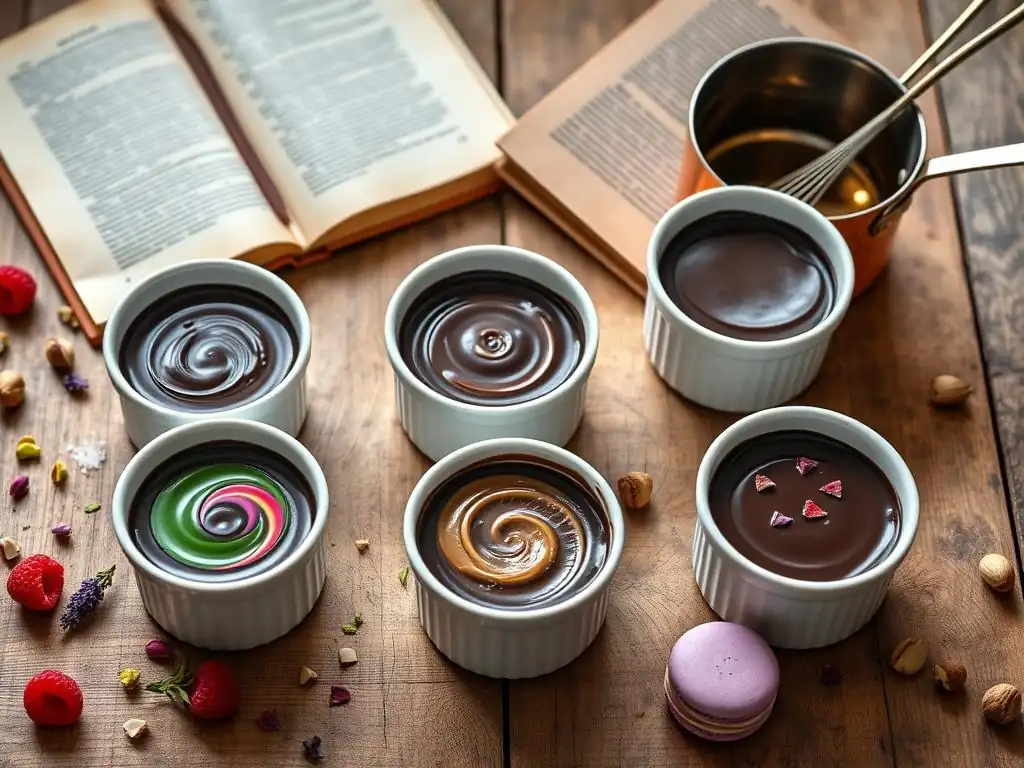
Adding Extracts to Ganache: Vanilla and Almond
Enhancing the flavor of your easy French ganache with extracts is a simple way to add complexity and depth. Vanilla extract is a classic addition that complements chocolate beautifully, bringing out its inherent flavors. Almond extract adds a lovely nutty note that pairs particularly well with dark or milk chocolate.
Extracts are typically added after the ganache has been made and has cooled slightly but is still warm and liquid. Adding them at this stage helps preserve their volatile flavor compounds. Start with a small amount, like 1 teaspoon per cup of cream used in the recipe, and taste, adding more if desired. Be cautious with potent extracts like almond, as too much can be overpowering. Stir the extract in gently until fully incorporated into the smooth ganache.
Infusing Ganache with Coffee or Tea
Infusing the cream component of your easy French ganache with coffee or tea adds a sophisticated layer of flavor. For coffee, you can steep coffee beans or grounds in the warm cream before pouring it over the chocolate. For tea, steep tea leaves (like Earl Grey orchai) in the warm cream.
Heat the cream with the coffee beans (about 1/4 cup per cup of cream) or tea leaves (about 1 tablespoon per cup of cream) over medium heat until it reaches a simmer. Remove from the heat, cover, and let steep for 10-15 minutes. Strain the cream through a fine-mesh sieve directly over the chopped chocolate, discarding the solids. Proceed with the standard ganache method. This technique creates wonderfully aromatic ganaches perfect for pairing with complementary flavors.
Spicing Up Ganache: Cinnamon and Chili
Adding spices to ganache introduces warmth and intriguing complexity. Cinnamon is a natural partner for chocolate, adding a comforting, aromatic note. A pinch of chili powder or cayenne pepper provides a subtle heat that enhances the richness of dark chocolate, a flavor combination rooted in the history of chocolate itself.
Spices can be added to the cream while it's heating, allowing their flavors to infuse. Stir in ground cinnamon (about 1/2 teaspoon per cup of cream) or a pinch of chili powder. Heat the cream and spices together, then pour over the chocolate as usual. Alternatively, a tiny pinch of spice can be stirred into the finished ganache. Experiment with different spices like cardamom, ginger, or even a blend like garam masala for unique easy French ganache variations.
Coffee Infused Ganache for Éclairs
Coffee-infused ganache is a superb filling or glaze for éclairs, complementing the light choux pastry and often paired with a coffee or chocolate glaze. The rich, slightly bitter notes of coffee enhance the chocolate flavor in the ganache, creating a sophisticated pastry.
Using a 2:1 dark chocolate ganache ratio is excellent for filling éclairs, providing a firm yet smooth texture. To infuse with coffee, steep coffee beans in the cream (about 1/4 cup beans per 100g cream) as described earlier, then strain the infused cream over the chopped dark chocolate. Allow the ganache to cool and thicken before piping it into split or poked éclairs. This easy French ganache variation elevates a classic pastry to new heights.
Mastering Ganache
Tips for Consistent Results
Achieving consistent results with your easy French ganache recipes relies on a few key practices. Always use high-quality chocolate, as the flavor and cocoa butter content significantly impact the final product. Chop your chocolate very finely and uniformly; this ensures it melts quickly and evenly when the hot cream is added, promoting a smooth emulsion.
Heat the cream until it is hot and just begins to simmer around the edges, but do not let it boil vigorously, as this can affect the emulsion. Pour the hot cream over the chopped chocolate and let it sit undisturbed for 5-10 minutes to allow the heat to melt the chocolate thoroughly before you begin stirring. When stirring, start gently in the center of the bowl and gradually work outwards, using a whisk or spatula, until the mixture is smooth and glossy. Be patient and avoid aggressive whisking, which can incorporate air bubbles or break the emulsion.
Experimenting with Ganache
Once you've mastered the basic easy French ganache recipes and techniques, don't hesitate to experiment! Try different types of chocolate – explore single-origin chocolates, varying cocoa percentages, or even flavored chocolates. Adjust the ratios slightly to achieve your desired consistency for specific applications, remembering that a little extra chocolate makes it firmer, and a little extra cream makes it softer.
Venture into flavor infusions beyond the basics. Steep different teas, add citrus zest to the cream, stir in fruit purees (like passion fruit or mango), or incorporate spirits like rum, whiskey, or liqueurs (added after emulsification). The world of ganache variations is vast and allows for endless creativity in developing your own signature easy French ganache recipes.
Armed with the knowledge of easy French ganache recipes, you are ready to create and share truly delightful pastries. From elegant glazed cakes and delicate petit fours to perfectly filled macarons and rich tarts, ganache is a versatile tool in any baker's repertoire. The simplicity of its base ingredients belies the sophisticated results it can achieve.
Whether you're baking for friends, family, or just for the joy of it, sharing your ganache creations is a rewarding experience. The smooth texture and intense chocolate flavor of a well-made ganache are sure to impress. So, dive into the world of easy French ganache, practice your technique, experiment with flavors, and enjoy the delicious journey!
Frequently Asked Questions
What exactly is ganache and what's it typically used for in baking?
Ganache is a simple yet elegant chocolate and cream mixture used in baking. It's commonly used as a filling for pastries, a glaze for cakes, and even as a base for truffles.
What makes a ganache recipe "easy" for a beginner baker?
An easy ganache recipe usually involves minimal ingredients, straightforward instructions, and readily available equipment. The focus is on achieving a smooth, consistent texture with little room for error.
Can I adjust the ratio of chocolate to cream in a ganache recipe? And if so, what effect does it have?
Yes, adjusting the ratio significantly impacts the ganache's consistency. More chocolate results in a thicker, firmer ganache, ideal for truffles, while more cream creates a softer, pourable glaze.
What types of chocolate are best suited for making ganache, and why?
High-quality chocolate, such as dark, milk, or white chocolate, is generally recommended. The choice depends on the desired flavor profile and application. Real chocolate with cocoa butter yields the best results.
How should I store leftover ganache, and how long will it typically last?
Leftover ganache should be stored in an airtight container in the refrigerator. It can typically last for up to a week or two, depending on the ingredients and storage conditions.
Final Reflection: The Enduring Allure of Simple Ganache
The art of French pastry, once perceived as an exclusive domain of culinary experts, is now surprisingly accessible, thanks to the humble ganache. This creamy, decadent mixture of chocolate and cream offers endless possibilities, transforming from a simple filling to an elegant glaze with minimal effort. Its versatility and ease of preparation make it a cornerstone of modern baking, democratizing the joy of creating exquisite desserts.
The impact of simple ganache recipes extends far beyond the kitchen; it represents a powerful connection to culinary tradition while simultaneously fostering creativity and experimentation. The ease with which one can master this technique empowers home bakers to explore their own unique flavor profiles and decorative styles. The simplest things are often the most beautiful,
a sentiment perfectly encapsulating the elegance and simplicity of ganache. This accessibility allows for a deeper appreciation of the artistry involved, bridging the gap between professional pastry chefs and enthusiastic home cooks.
Now, it's your turn. Consider the possibilities! Experiment with different types of chocolate, infuse your cream with unique flavors, and let your imagination run wild. Don't be afraid to deviate from the recipe; the beauty of ganache lies in its adaptability. Embrace the simplicity, savor the process, and discover the joy of creating your own signature ganache masterpiece. The world of delicious possibilities awaits.
Unlock Your Inner Pâtissier: Master Ganache Today!
Thanks for exploring the world of ganache with us! You've now got the tools to create decadent fillings and stunning glazes that will elevate your baking to the next level. Ready to put your new skills into practice?
- Craft your dream ganache: Experiment with different chocolate percentages and cream types to discover your perfect flavor profile. This is your chance to get creative!
- Share your creations: Show off your beautiful ganache creations on social media using #BakeWithEaseGanache – let's inspire each other!
- Dive deeper into chocolate: Explore our other recipes featuring chocolate – you might uncover your next favorite dessert!
What exciting ganache recipe will you tackle first?