
Troubleshooting Puff Pastry: Common Issues and Solutions

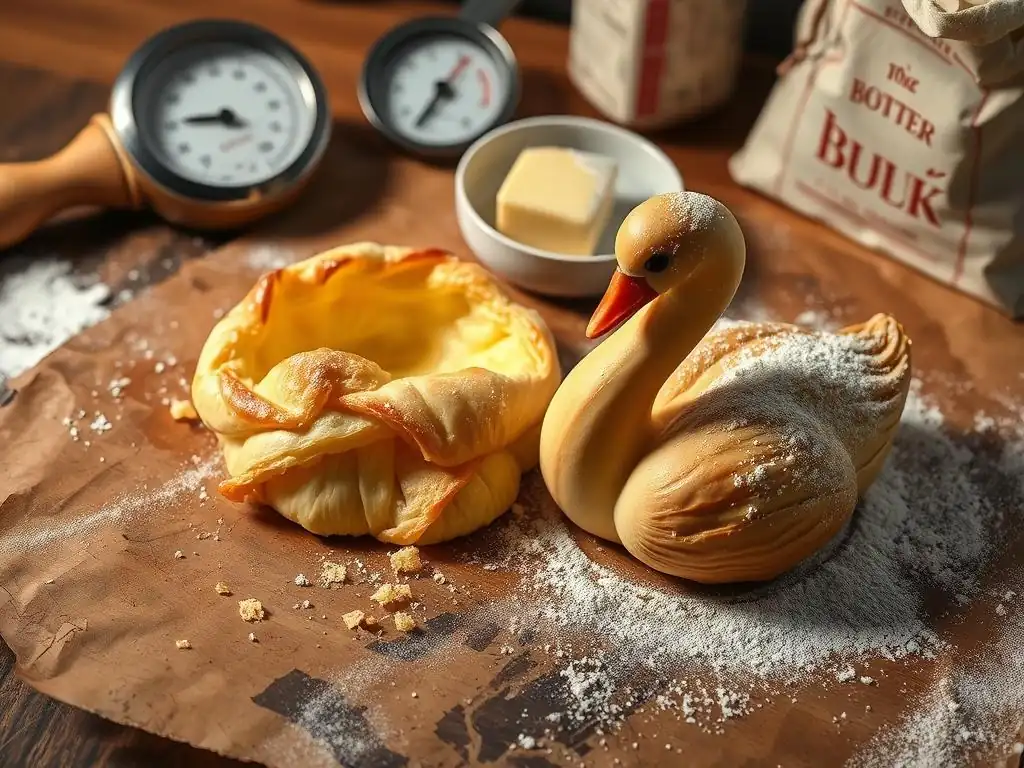
Welcome to BakeWithEase, your haven for all things baking! Are you ready to conquer the flaky, buttery world of pastry? Dive into our latest guide and discover solutions to common puff pastry problems. Unlock the secrets to achieving perfect layers and avoid the pitfalls that plague even experienced bakers. Curious to know how to rescue a soggy bottom or prevent uneven rising? Let's get started!
- Troubleshooting Puff Pastry: Common Issues and Solutions for Baking Perfection
- Bake Like a Pro: Solving Puff Pastry Problems
- Understanding Puff Pastry: A Foundation for Success
- Common Puff Pastry Baking Problems and How to Fix Them
- Puff Pastry Troubleshooting: Visual Cues and Solutions
- Advanced Puff Pastry Troubleshooting Techniques
- Preventing Puff Pastry Problems: Proactive Baking Tips
- Conclusion: Achieving Puff Pastry Perfection
-
Frequently Asked Questions
- What are the most common reasons why puff pastry doesn't rise properly?
- How can I prevent my puff pastry from shrinking during baking?
- Why is my puff pastry tough instead of flaky?
- What should I do if my puff pastry sticks to the baking sheet?
- How can I achieve a golden brown color on my puff pastry?
- Final Reflection: Mastering the Flaky Perfection of Puff Pastry
- Unlock Your Puff Pastry Potential!
Troubleshooting Puff Pastry: Common Issues and Solutions for Baking Perfection
Bake Like a Pro: Solving Puff Pastry Problems
Achieving perfectly flaky, airy puff pastry can feel like a baking Everest. It's a delicate dance of butter, dough, and temperature. Many home bakers encounter common puff pastry problems that can turn anticipation into frustration. But don't despair! Understanding the 'why' behind these issues is the first step to mastering this classic French pastry. This guide will walk you through the most frequent puff pastry common baking problems and provide practical, easy-to-follow solutions to help you achieve those coveted golden layers.
Understanding Puff Pastry: A Foundation for Success
Before we dive into troubleshooting, let's establish a solid understanding of what puff pastry is and what makes it unique. Knowing the fundamentals will give you insight into why certain issues arise and how to prevent them. It's all about creating hundreds, sometimes thousands, of paper-thin layers of dough and butter that expand dramatically when baked.
What is Puff Pastry and How is it Made?
Puff pastry, or pâte feuilletée, is a light, flaky pastry made from a laminated dough. This means the dough is repeatedly folded and rolled out with a block of butter encased within it. As the pastry bakes, the water in the butter turns to steam, forcing the layers of dough apart, creating its characteristic puff and flakiness.
The process typically involves mixing a simple dough of flour, water, salt, and sometimes a little fat (like butter or shortening), then preparing a separate block of butter (the beurrage). The dough is rolled out, the butter block is placed on it, and the dough is folded over the butter, creating a packet. This packet is then rolled out and folded multiple times (known as "turns" or "folds"), creating alternating layers of dough and butter.
A standard puff pastry recipe might involve 4 to 6 single or double folds, resulting in hundreds or even thousands of layers. For example, after just 6 single folds (folding the dough into thirds), you would have 3^6 = 729 layers of dough and 729 layers of butter, totaling 1458 layers! The magic happens in the oven when high heat causes the butter to melt and release steam, pushing the layers apart. Simultaneously, the dough layers crisp up, forming the delicate structure.
Key Ingredients for Perfect Puff Pastry
The beauty of puff pastry lies in its simplicity of ingredients, but their quality and interaction are paramount. The three main components are flour, butter, and water. Flour provides the structure; a medium-protein all-purpose flour is often recommended as it provides enough gluten for structure without making the dough tough. Too high in protein (like bread flour) can lead to excessive gluten development, while too low (like cake flour) may not provide enough structure to hold the layers.
Butter is arguably the most critical ingredient. It must be high-quality and have a relatively high melting point (around 82% fat content is ideal for European-style butter). The fat content is crucial because it determines how well the butter block holds its shape during rolling and folding and how much steam is produced during baking.
Water helps hydrate the flour to develop gluten and, importantly, provides the steam necessary for the puff. The amount of water can vary based on the flour used and humidity, but it's typically just enough to bring the dough together. Salt is also included for flavor and to strengthen the gluten network.
The Importance of Temperature Control in Puff Pastry
Temperature is the silent hero (or villain) in puff pastry making. Maintaining the correct temperature is crucial at every stage, from mixing the dough to baking. The ideal temperature for the dough and butter during rolling and folding is typically between 40°F and 55°F (4°C and 13°C). This range keeps the butter firm but pliable enough to roll out evenly without melting into the dough layers. If the dough or butter gets too warm, the butter will soften, leak out, and merge with the dough, destroying the distinct layers necessary for puffing.
Chilling the dough thoroughly between folds is non-negotiable. Each chilling period, often 30-60 minutes, allows the gluten in the dough to relax (preventing shrinkage) and, more importantly, re-hardens the butter layers. This ensures that when you roll the dough again, the butter remains in distinct sheets rather than integrating into the dough. The oven temperature is equally vital; puff pastry bakes best at a high initial temperature, typically around 400°F to 425°F (200°C to 220°C). This high heat provides the initial shock needed to create steam rapidly and set the layers before the butter melts completely.
Common Puff Pastry Baking Problems and How to Fix Them
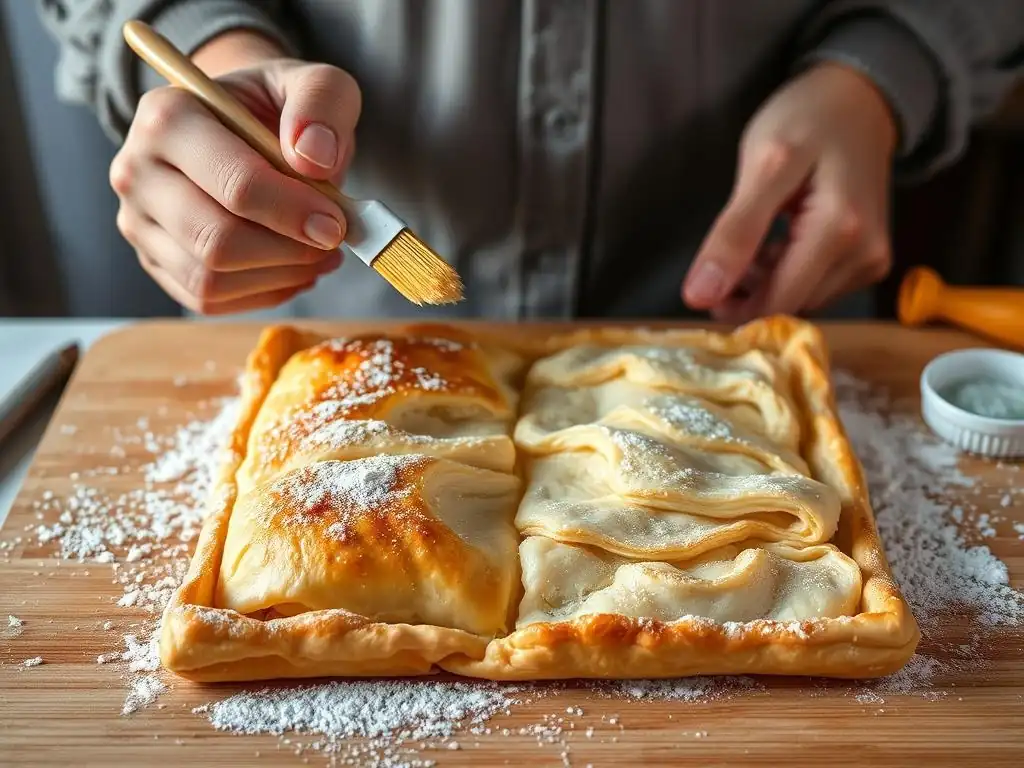
Despite your best efforts, you might encounter some common puff pastry problems. Let's address the most frequent issues and their solutions head-on.
Puff Pastry Not Puffing: Identifying the Causes
One of the most disappointing common puff pastry problems is when your pastry comes out flat instead of beautifully risen. Several factors can contribute to this failure.
Insufficient Lamination: Techniques for Proper Layering
The primary reason puff pastry doesn't puff is a lack of distinct layers of dough and butter, caused by insufficient or improper lamination. If the butter melts into the dough during folding, or if the folds aren't executed correctly, the layers won't separate during baking.
To ensure proper lamination, focus on keeping the butter cold and maintaining clean, even folds.
- Ensure the butter block (beurrage) is the correct consistency: It should be firm but pliable, similar to the dough. If it's too hard, it will break through the dough; if too soft, it will melt.
- Roll the dough evenly: Before enclosing the butter, roll the dough into a rectangle about twice the size of your butter block. This allows you to fold the dough neatly over the butter, creating a clean packet.
- Execute folds precisely: Whether performing single (folding into thirds) or double (folding into quarters) folds, ensure the edges are aligned and the dough is sealed. This prevents butter leakage. A standard recipe calls for 4-6 single folds or 3-4 double folds to create sufficient layers.
- Chill adequately between folds: This is crucial. Each chilling period (at least 30 minutes, preferably 60 minutes) re-hardens the butter and relaxes the gluten. Skipping or shortening chilling times is a common mistake leading to merged layers.
Dough Too Warm: Chilling for Optimal Rise
As mentioned earlier, warm dough is the enemy of flaky puff pastry. If the dough and butter are too warm during rolling and folding, the butter will melt into the dough, destroying the layers needed for puff. This is a very common puff pastry problem, especially in warm kitchens.
To prevent this, prioritize chilling.
- Keep ingredients cold: Start with cold butter and ice water for the detrempe (dough).
- Chill thoroughly between folds: After each fold, wrap the dough tightly in plastic wrap and refrigerate for at least 30-60 minutes. If your kitchen is warm, you might need longer chilling times.
- Work quickly: Minimize the time the dough is out of the refrigerator. Roll, fold, and chill promptly.
- Consider the environment: If your kitchen is very warm, consider placing a bag of ice on your work surface or working in a cooler room if possible. A marble surface can also help keep the dough cool.
Oven Temperature Too Low: Ensuring Adequate Heat
The initial high heat of the oven is what causes the water in the butter to rapidly turn to steam, creating the puff. If the oven temperature is too low, the butter will melt and leak out before enough steam is generated to lift the layers. This results in a flat, greasy pastry.
Ensure your oven is properly preheated and calibrated.
- Preheat thoroughly: Always preheat your oven for at least 20-30 minutes before baking puff pastry. Ovens often take longer than the indicator light suggests to reach the set temperature.
- Use an oven thermometer: Oven thermostats can be inaccurate. An inexpensive oven thermometer placed inside the oven will give you a true reading of the internal temperature. Adjust your oven dial accordingly if needed.
- Start with high heat: Most puff pastry recipes call for baking at 400°F to 425°F (200°C to 220°C) for the first 10-15 minutes to maximize the initial puff. Some recipes might then suggest lowering the temperature slightly to ensure the pastry bakes through without burning the edges. Follow the recipe's specific temperature instructions carefully.
Puff Pastry Dough Shrinking During Baking
Another frustrating issue is when your carefully cut puff pastry shapes shrink significantly in the oven. This is typically related to the dough's elasticity.
Gluten Overdevelopment: Avoiding Tough Dough
Overworking the dough during mixing or rolling can lead to excessive gluten development. Gluten is elastic, and if it's too developed and hasn't had time to relax, it will contract when heated in the oven, causing the pastry to shrink. This also contributes to a tough, rather than tender, texture.
To minimize gluten overdevelopment:
- Mix the detrempe minimally: Combine the flour, water, and salt just until they come together into a shaggy dough. Avoid kneading vigorously.
- Handle gently: Be firm but gentle when rolling the dough. Use even pressure and avoid stretching or tearing the dough.
- Use a medium-protein flour: As mentioned, all-purpose flour is usually suitable. Avoid high-gluten bread flour unless the recipe specifically calls for it and provides instructions for managing the resulting elasticity.
Insufficient Resting Time: Relaxing the Dough Before Baking
Even if you haven't overworked the dough, gluten needs time to relax after rolling and folding. Cutting and baking dough that hasn't rested sufficiently allows the elastic gluten network to contract when exposed to heat.
Proper resting is key to preventing shrinkage.
- Chill between folds: This resting time is crucial for gluten relaxation as well as chilling the butter.
- Rest before cutting: After the final fold and chilling period, let the dough rest for at least 30 minutes (or longer if it feels very elastic) before rolling it out to its final thickness and cutting shapes.
- Rest after cutting: For critical shapes like vol-au-vents or pastry lids, it's highly recommended to chill the cut shapes on the baking sheet for another 15-30 minutes before baking. This final rest allows the gluten to relax completely before hitting the hot oven.
Uneven Puffing and Baking
Sometimes puff pastry will puff beautifully in some areas but remain flat or underbaked in others. This unevenness affects both the appearance and texture of the final product.
Uneven Dough Thickness: Rolling for Uniformity
If the dough is rolled out to varying thicknesses, some areas will cook faster and puff differently than others. Thinner areas may burn, while thicker areas may remain doughy or not puff as much.
Achieving uniform thickness is essential.
- Roll evenly: Use a rolling pin with consistent pressure across the dough. Start from the center and roll outwards, rotating the dough periodically to ensure an even rectangle.
- Use rolling pin guides: If you struggle with even thickness, consider using rolling pin guides (strips of wood or plastic placed on either side of the dough) to help you roll to a consistent height.
- Trim edges: The very edges of the dough tend to have less distinct layers. Trimming a small strip off all sides before cutting shapes can help ensure more even puffing.
Hot Spots in the Oven: Rotating for Even Baking
Most ovens have hot spots, areas where the temperature is higher than others. Placing your baking sheet in a hot spot can lead to uneven baking and puffing, with one side browning faster or puffing more than the other.
Manage oven hot spots for even results.
- Know your oven: If you bake frequently, you likely know where your oven's hot spots are.
- Rotate the baking sheet: Midway through the baking time (e.g., after the initial strong puff has occurred), rotate the baking sheet 180 degrees. This ensures that all sides of the pastry are exposed to similar temperatures.
- Consider using a baking stone or steel: Placing a baking stone or steel on the rack below your baking sheet can help distribute heat more evenly and provide a consistent heat source.
Soggy or Doughy Puff Pastry
Puff pastry should be crisp and flaky all the way through. If it's soggy, heavy, or doughy, it hasn't baked properly. This is a common puff pastry problem when trying to rush the process.
Overcrowding the Baking Sheet: Allowing for Air Circulation
Placing too many pieces of puff pastry on a single baking sheet restricts airflow around each piece. Proper air circulation is necessary for the pastry to bake evenly and for moisture to escape, resulting in a crisp texture.
Give your pastry room to breathe.
- Use multiple baking sheets: If you have a large batch of pastry, use two or even three baking sheets instead of cramming everything onto one.
- Leave space between pieces: Arrange the cut pastry shapes on the baking sheet with ample space (at least 1-2 inches) between them.
- Use perforated baking sheets: Some bakers prefer perforated baking sheets or baking on wire racks set inside a baking sheet, as this allows for even better air circulation.
Baking Time Too Short: Ensuring Full Baking
Underbaking is a primary cause of soggy or doughy puff pastry. While the outside may look golden brown, the inner layers might not have fully cooked and dried out.
Bake until the pastry is fully done.
- Bake until deep golden brown: Puff pastry should bake to a rich, deep golden brown color, not just light yellow. This indicates that the layers have fully caramelized and crisped up.
- Check the underside: Lift a piece with a spatula and check the underside. It should also be golden brown and feel firm, not soft or doughy.
- Follow recipe times as a guide, but use visual cues: Baking times provided in recipes are estimates. Ovens vary, and the size/shape of your pastry affects baking time. Rely on visual cues (color, puff, firmness) to determine doneness. If the top is browning too quickly but the inside isn't done, you can loosely tent the pastry with foil and continue baking at a slightly lower temperature.
Puff Pastry Cracking or Tearing
Cracks or tears in the dough during rolling can disrupt the layers and lead to uneven puffing or butter leakage.
Dough Too Dry: Adding Moisture Carefully
If the initial detrempe dough is too dry, it will be difficult to roll without cracking, especially around the edges. A dry dough also makes it harder for the layers to stick together properly during folding.
Adjust the dough's hydration if necessary.
- Assess the dough consistency: The detrempe should be firm but not stiff or crumbly. It should feel relatively smooth after the initial mix.
- Add water judiciously: If the dough feels too dry during mixing, add a tiny amount of ice water (a teaspoon at a time) until it just comes together. Be careful not to add too much, as sticky dough presents its own problems.
- Ensure proper chilling: While chilling is crucial, over-chilling extremely dry dough can make it even more prone to cracking when you try to roll it out. Let it sit at room temperature for just a few minutes to become slightly more pliable before rolling.
Overhandling the Dough: Gentle Manipulation Techniques
Excessive handling or stretching the dough aggressively while rolling can cause it to tear, breaking the delicate layers you've worked to create.
Handle the dough with care and precision.
- Use even, firm pressure: Roll the dough with consistent pressure from the center outwards. Avoid pressing down too hard in one spot or stretching the dough sideways.
- Roll in one direction, then rotate: When rolling for a fold, roll in one direction (e.g., lengthwise) to elongate the dough. Then, rotate the dough 90 degrees before the next fold and roll again. This helps maintain an even shape and prevents tearing.
- Repair small tears immediately: If you notice a small tear, you can often patch it by pressing the dough back together gently or using a tiny bit of water as "glue." For larger tears, it might be necessary to fold the dough and chill it again before attempting to roll further.
Puff Pastry Troubleshooting: Visual Cues and Solutions
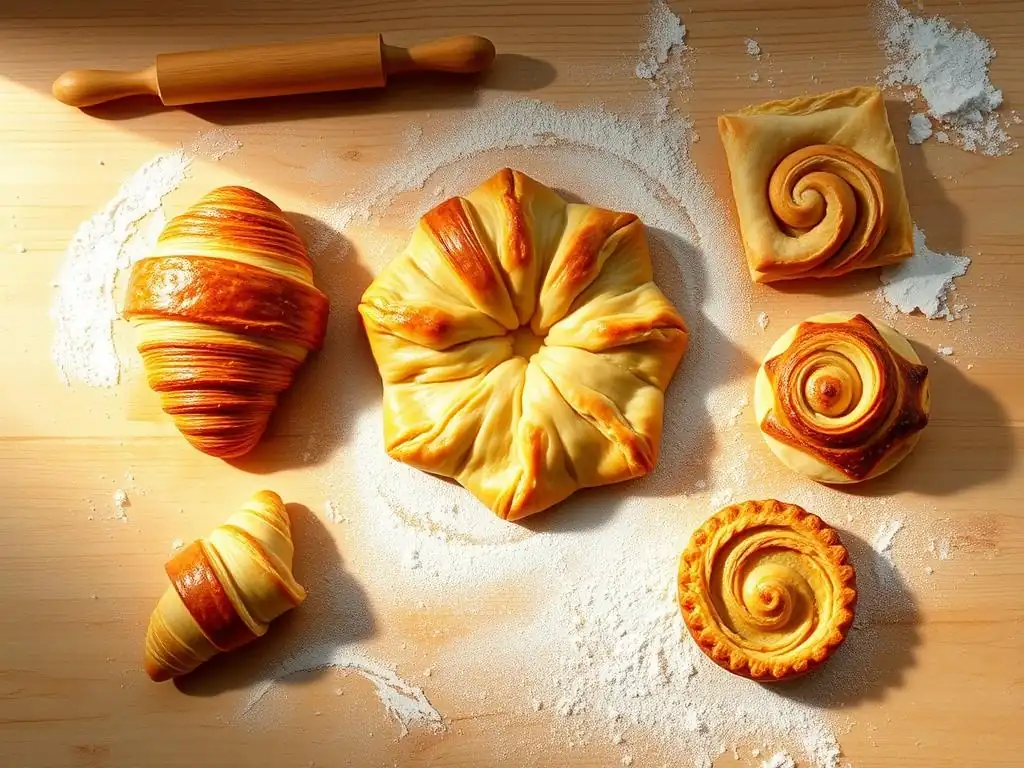
Sometimes, visual indicators during or after baking can signal what went wrong. Recognizing these cues is key to effective puff pastry troubleshooting.
Identifying Burnt Edges and Its Corresponding Solution
Burnt or excessively dark edges while the center is still pale often indicate that the oven temperature is too high, or the pastry is placed too close to a heating element. This is a classic sign of uneven heat distribution or incorrect baking temperature.
**Visual Cue:** Edges are dark brown or black, while the rest of the pastry is light golden or still pale.

**Solution:**
1.  **Check Oven Temperature:** Verify your oven's temperature with an oven thermometer. If it's running hot, reduce the temperature for future batches.
2.  **Adjust Rack Position:** Move the baking sheet to a lower rack in the oven, away from direct heat sources.
3.  **Tent with Foil:** If edges start browning too quickly during baking, loosely cover the pastry with aluminum foil to shield the edges while the center finishes baking.
Recognizing Sticky Dough and Addressing the Underlying Cause
Dough that is excessively sticky during rolling is difficult to work with, tears easily, and can lead to layers merging. Sticky dough is a common puff pastry problem that needs immediate attention.
**Visual Cue:** Dough clings excessively to the work surface and rolling pin; it feels wet and slack.

**Solution:**
1.  **Insufficient Flour in Detrempe:** The initial dough mix might have too much water relative to flour. Ensure you measure accurately using weight if possible.
2.  **Butter Too Soft/Melted:** If the butter block is too soft or has started melting during rolling/folding, it integrates into the dough, making it sticky and greasy. Ensure butter is cold and firm.
3.  **Kitchen Too Warm:** A warm environment softens both the dough and butter, leading to stickiness. Work in a cool area or take frequent chilling breaks.
4.  **Adding Too Much Flour During Rolling:** While dusting is necessary, excessive flour can dry out the dough surface, paradoxically making it harder to roll evenly and contributing to stickiness underneath. Use just enough flour to prevent sticking. If the dough is genuinely too wet, the solution lies in chilling and potentially adding a tiny bit more flour to the *outside* of the dough packet before rolling the next turn, but this is a last resort.
Addressing Flat Pastry and Its Remedy
As discussed earlier, flat pastry is perhaps the most disheartening result. It lacks the expected height and flakiness.
**Visual Cue:** Baked pastry is thin, dense, and lacks significant height or visible layers.

**Solution:**
1.  **Insufficient Lamination:** The most likely cause. Review your folding technique and ensure you complete the required number of turns (typically 4-6 single or 3-4 double).
2.  **Butter Melted During Lamination:** Butter must stay cold and in distinct layers. Ensure adequate chilling between folds and work in a cool environment.
3.  **Oven Temperature Too Low:** High heat is needed to create steam. Verify your oven temperature and preheat thoroughly.
4.  **Dough Rolled Too Thin Before Cutting:** While puff pastry expands, it still needs some initial thickness. Rolling the final sheet too thin (e.g., less than 1/8 inch or 3mm) will result in less puff.
5.  **Using Shortening Instead of Butter (or Low-Fat Butter):** Shortening doesn't contain enough water to create significant steam. Use high-quality butter with at least 80% fat content.
Advanced Puff Pastry Troubleshooting Techniques
For those aiming for truly exceptional results, understanding some advanced nuances can help overcome persistent common puff pastry problems.
Working with Different Types of Butter for Puff Pastry
The type of butter you use significantly impacts the flakiness and flavor of your puff pastry. Different butters have varying fat content and water percentages, which directly affect lamination and steam production. European-style butters, like those from France or Belgium, typically have a higher fat content (around 82-84%) and lower water content compared to American-style butters (usually 80% fat).
Using a higher-fat butter is often preferred for puff pastry because it remains more pliable when cold and is less likely to melt into the dough during lamination. It creates clearer distinctions between dough and butter layers. While American butter can work, you might find the dough slightly stickier, and the resulting puff potentially less dramatic due to the higher water content and lower melting point of the non-fat milk solids.
Experimenting with different brands and types of butter can help you find what works best in your kitchen environment and with your specific recipe. Some recipes even suggest using a combination of butter for flavor in the detrempe and a high-fat butter for the beurrage.
Adjusting Recipes for High Humidity
Humidity is a significant factor in baking, especially for doughs involving specific hydration levels like puff pastry. High humidity means there is more moisture in the air, which can be absorbed by the flour, affecting the dough's consistency and making it stickier. This can make rolling and folding more challenging, increasing the risk of butter leakage and merged layers, contributing to common puff pastry problems.
When baking in a humid environment, you may need to slightly reduce the amount of water in the initial detrempe dough. Start with a little less water than the recipe calls for and add more only if necessary to bring the dough together. You will also need to increase chilling times between folds and potentially work in shorter bursts to prevent the dough and butter from becoming too soft. Keeping your work surface and rolling pin lightly floured (but not excessively) is also crucial. Some professional bakers even use dehumidifiers in their pastry kitchens to maintain a consistent environment.
Mastering the Art of the Beurrage
The beurrage, or the butter block, is the heart of puff pastry. Mastering its preparation and incorporation is fundamental to success. The butter must be the correct temperature and consistency – firm but pliable, capable of bending without breaking. This is often achieved by beating or pounding cold butter with a rolling pin until it reaches the desired texture, then shaping it into a neat rectangle.
The size and shape of the beurrage must also be proportional to the detrempe dough. When enclosing the butter block, it should fit neatly within the rolled-out dough, allowing the dough to be folded securely around it without gaps or overlaps. Any imperfections in the beurrage (e.g., hard lumps, uneven thickness) will carry through the layers and can lead to uneven puffing. Ensuring the butter is evenly distributed within the dough packet before the first fold is critical for creating uniform layers during subsequent rolling and folding.
Preventing Puff Pastry Problems: Proactive Baking Tips
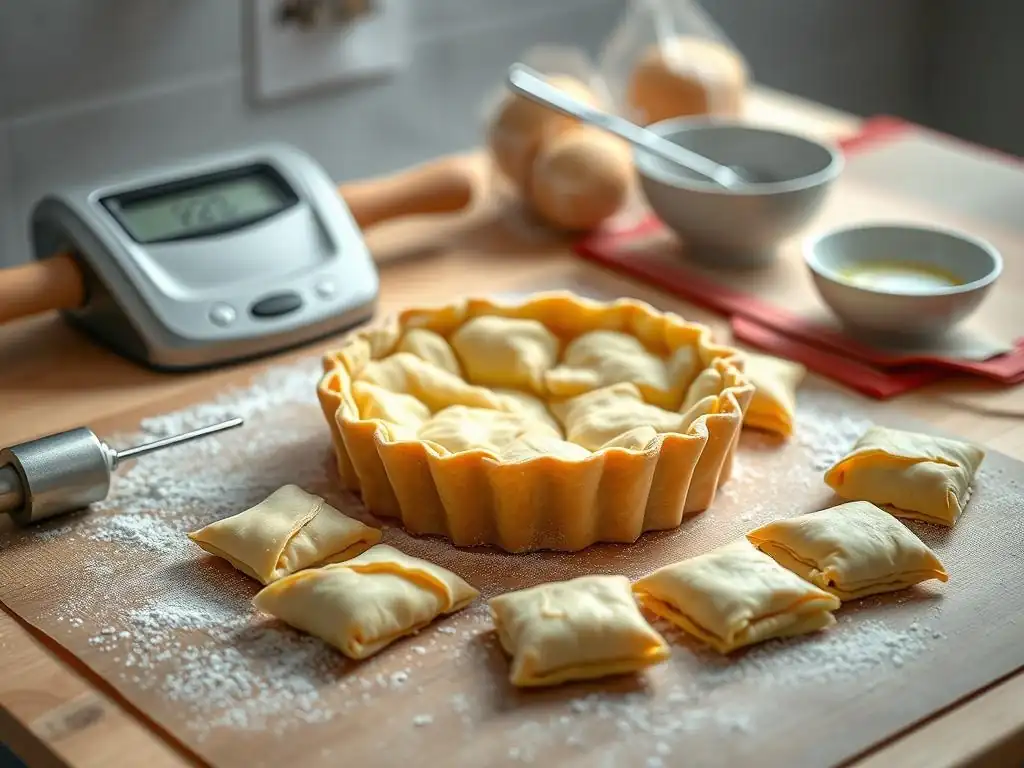
Prevention is always better than cure, especially when it comes to delicate puff pastry. Implementing these proactive tips can help you avoid many common puff pastry problems from the start.
Proper Dough Handling Techniques for Puff Pastry Success
How you handle the dough throughout the process significantly impacts the final result. Gentle yet firm handling is the key.
- Mix the detrempe minimally, just until it comes together.
- Use a consistent, even pressure when rolling the dough. Avoid stretching or pulling.
- Always roll away from the center outwards.
- Lift and rotate the dough frequently to prevent it from sticking to the work surface and to ensure even rolling.
- Use just enough flour on your work surface and rolling pin to prevent sticking – excessive flour can dry out the dough.
- Handle the dough as little as possible; minimize touching it with warm hands.
Maintaining Consistent Temperature Throughout the Process
Temperature control is non-negotiable for puff pastry. Being vigilant about temperature is the most effective way to prevent many common puff pastry problems.
- Ensure all ingredients, especially butter and water, are cold when you start.
- Work in the coolest area of your kitchen possible.
- Chill the dough thoroughly (at least 30-60 minutes) after every fold. Don't rush this step.
- If the dough or butter feels too soft at any point during rolling, stop immediately, wrap the dough, and return it to the refrigerator until it firms up.
- Ensure your oven is accurately calibrated and fully preheated to the correct temperature before baking.
Choosing the Right Flour for Flaky Layers
While recipes often call for all-purpose flour, understanding flour types can help you make the best choice for your puff pastry.
- Opt for a medium-protein all-purpose flour (typically around 10-12% protein). This provides enough structure for the layers without developing excessive, elastic gluten that causes shrinkage.
- Avoid high-protein bread flour unless the recipe specifically accounts for it.
- Avoid low-protein cake flour, as it may not provide enough structure to support the puff.
- Different brands of all-purpose flour can vary in protein content; you might find a specific brand works best for your puff pastry.
Conclusion: Achieving Puff Pastry Perfection
Mastering puff pastry takes practice and patience, but it is well within reach for any home baker. By understanding the fundamental principles of lamination, temperature control, and proper handling, you can anticipate and prevent many common puff pastry problems. When issues do arise, knowing the visual cues and troubleshooting steps provided in this guide will empower you to fix them. Don't be discouraged by initial setbacks. Each attempt is a learning opportunity. With attention to detail and a little perseverance, you'll be creating beautifully flaky, sky-high puff pastry that will impress everyone. Happy baking!
Frequently Asked Questions
What are the most common reasons why puff pastry doesn't rise properly?
The most common culprits are insufficient lamination (layers not distinct) and inadequate chilling of the dough. Warm butter will melt and prevent proper steam generation, hindering the rise.
How can I prevent my puff pastry from shrinking during baking?
Shrinkage is often caused by overworking the dough or insufficient resting time. Ensure the dough is properly relaxed between folds and chilling periods.
Why is my puff pastry tough instead of flaky?
Tough puff pastry usually indicates overmixing the dough, which develops too much gluten. Be gentle when combining ingredients and avoid excessive kneading.
What should I do if my puff pastry sticks to the baking sheet?
Always use parchment paper or a silicone baking mat to line your baking sheet. This prevents sticking and ensures easy removal of the baked pastry.
How can I achieve a golden brown color on my puff pastry?
Brushing the puff pastry with an egg wash (egg yolk and a little water or milk) before baking will promote a beautiful, golden brown color. Be sure to apply it evenly.
Final Reflection: Mastering the Flaky Perfection of Puff Pastry
The pursuit of flawlessly flaky puff pastry remains a culinary challenge for many, but understanding the common pitfalls is the key to unlocking its delicate magic. This article has explored the most frequent issues bakers encounter, from soggy bottoms to uneven layers, providing practical solutions to transform frustrating experiences into triumphant successes. The journey to mastering puff pastry is not about perfection, but about understanding the process and embracing the learning curve.
The delicate dance of butter and dough, the precise folding techniques, the careful attention to temperature – these are the elements that elevate puff pastry from a simple baked good to a culinary masterpiece. Its enduring appeal lies not only in its exquisite texture but also in the sense of accomplishment that comes with successfully creating it. As Julia Child wisely said, If you're afraid of butter, use cream.
This sentiment, while humorous, speaks to the heart of puff pastry baking: a willingness to embrace the richness and potential for imperfection. The journey itself, with its triumphs and setbacks, is a testament to the enduring allure of this classic technique.
Now, consider your own baking experiences. Have you encountered the challenges discussed here? What strategies have you found most effective? More importantly, remember that every failed attempt is a step closer to mastery. Don't be discouraged by imperfections; instead, use them as opportunities to refine your technique and deepen your understanding. Embrace the process, experiment with different approaches, and most importantly, enjoy the journey of creating something truly beautiful and delicious. The flaky, golden reward awaits you.
Unlock Your Puff Pastry Potential!
Thanks for taking the time to explore the world of puff pastry with us! We hope you now feel more confident tackling this delicious but sometimes tricky dough. Ready to put your newfound knowledge into action?
- Bake your masterpiece! Try out one of the recipes mentioned or experiment with your own creation, focusing on the techniques discussed to achieve perfectly layered, golden-brown results. Remember, practice makes perfect!
- Share your baking triumph (or even your funny pastry fails!) with us on social media! We'd love to see what you create and hear about your experiences.
- Dive deeper into pastry perfection: Explore our other articles on BakeWithEase.com for more baking tips and techniques, including recipes for amazing fillings and sweet treats to use with your puff pastry.
What unique puff pastry creation will you bake next? Let us know in the comments below!