
Beyond Granulated: Your Guide to Natural Sweeteners in Baking

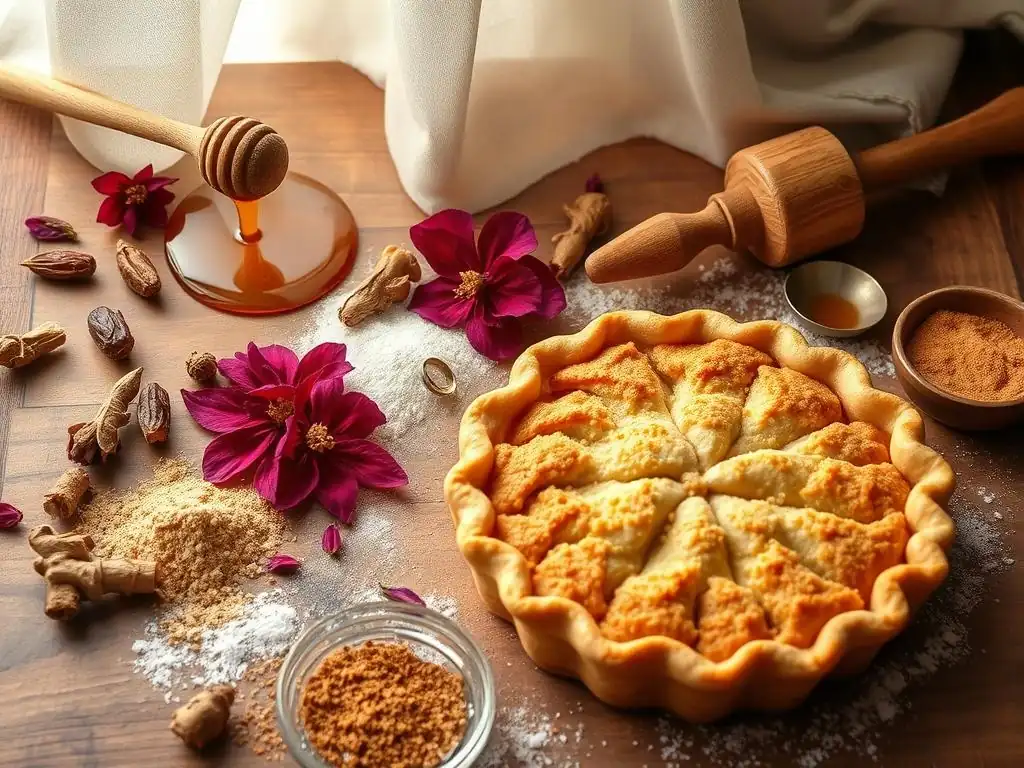
Welcome to BakeWithEase, your trusted companion on your baking journey! Are you ready to discover a world beyond granulated sugar? This week we're diving deep into the delicious possibilities of natural sweeteners baking recipes. Imagine crafting healthier, equally delightful treats using nature's own pantry. Intrigued? Join us as we explore the best alternatives and techniques for creating unforgettable baked goods, starting right now!
- Why Explore Natural Sweeteners in Baking?
- Understanding the World of Natural Sweeteners for Baking Recipes
- Choosing the Right Natural Sweetener for Your Baking Project: A Comparative Guide
- Mastering Natural Sweeteners in Baking Recipes: Key Considerations
- Troubleshooting Common Baking Problems with Natural Sweeteners
- Conclusion: Embrace the Flavor and Health Benefits of Natural Sweeteners in Your Baking Journey
-
Frequently Asked Questions
- What are some common natural sweeteners that can be used in baking?
- How do natural sweeteners affect the moisture content of baked goods?
- Can I substitute natural sweeteners directly for granulated sugar in any recipe?
- Do natural sweeteners impact the browning of baked goods?
- Where can I find "Natural sweeteners baking recipes" on BakeWithEase.com?
- Final Reflection: Rethinking Sweetness: A Journey Beyond Granulated Sugar
- Unleash Your Inner Baking Alchemist!
Why Explore Natural Sweeteners in Baking?
The Health Benefits of Natural Sweeteners vs. Refined Sugar in Baked Goods
Exploring natural sweeteners in baking recipes offers a pathway to potentially reducing the reliance on highly processed refined sugar. While all sweeteners, natural or otherwise, should be consumed in moderation due to their sugar content, many natural options provide additional nutritional benefits not found in refined white sugar. Refined sugar is essentially empty calories, offering sweetness without significant vitamins, minerals, or fiber. In contrast, natural sweeteners like honey, maple syrup, and date syrup contain trace amounts of minerals such as potassium, calcium, and iron, as well as antioxidants, depending on the source and processing.
Furthermore, some natural sweeteners, like those derived from dates, contain fiber, which can help slow down the absorption of sugar into the bloodstream compared to refined sugar. While the amounts of these beneficial compounds in a typical serving of baked goods might be small, opting for natural sweeteners contributes to a slightly more nutrient-dense product. This shift is part of a broader trend towards using wholesome ingredients in baking, appealing to those seeking alternatives for their favorite natural sweeteners baking recipes. It's about making conscious choices to incorporate ingredients that offer more than just sweetness to your baked creations.
Expanding Your Baking Repertoire: Delicious and Healthier Alternatives
Venturing beyond granulated sugar opens up a world of exciting flavors and textures in your baking. Natural sweeteners aren't just substitutes; they are ingredients in their own right, each contributing unique characteristics to baked goods. Honey imparts floral or earthy notes and retains moisture exceptionally well, leading to softer cakes and cookies. Maple syrup brings a distinct caramel-like depth and can add a lovely golden hue. Coconut sugar offers a subtle caramel flavor and functions similarly to brown sugar in many recipes.
Incorporating these alternatives into your natural sweeteners baking recipes allows you to experiment with complex flavor profiles that refined sugar cannot provide. Imagine a moist gingerbread sweetened with dark molasses-like date syrup, or a delicate scone with the subtle sweetness of maple syrup. This exploration enhances your skills as a baker and allows you to cater to different dietary preferences or health goals among friends and family. It's a creative journey that adds variety and depth to your baking repertoire, moving beyond the standard sweetness of granulated sugar to discover richer, more nuanced results.
Understanding the World of Natural Sweeteners for Baking Recipes
Honey: A Baking Staple With Nuance
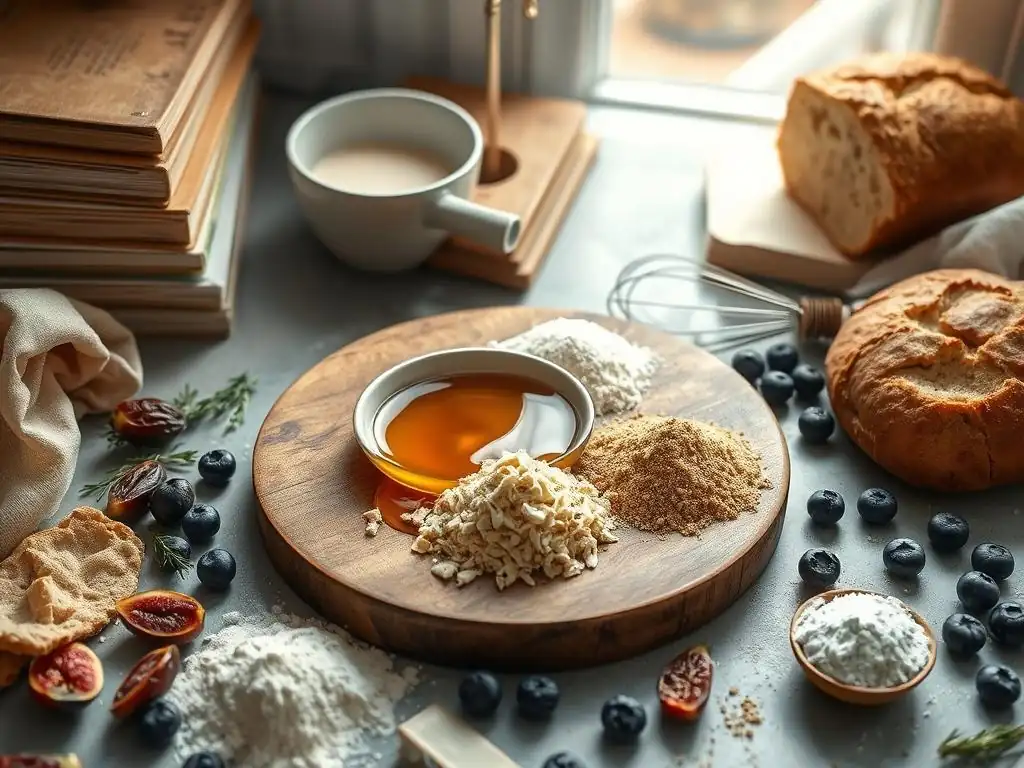
Honey has been used as a sweetener for centuries and is a popular choice when exploring natural sweeteners baking recipes. Its composition, primarily fructose and glucose, makes it sweeter than granulated sugar by volume, meaning you often need less. Honey also contains about 17-18% water, significantly more than refined sugar, which is virtually dry. This higher moisture content is crucial in baking, contributing to moist, tender crumbs and helping baked goods stay fresh longer. However, this also means recipes designed for granulated sugar may require adjustments when substituting with honey to balance the liquid content.
Beyond its sweetness and moisture, honey brings a unique flavor profile that varies significantly depending on the floral source the bees visited. This variability allows for creative pairing in baking. Honey's slight acidity can also interact with leavening agents like baking soda, sometimes requiring recipe modifications. Its natural enzymes and antioxidants are additional benefits, though their impact on health after baking at high temperatures is debated. Understanding these properties is key to successfully incorporating honey into your natural sweeteners baking recipes, ensuring delicious and moist outcomes.
The Different Types of Honey and Their Impact on Baked Goods (e.g., Clover, Manuka, Buckwheat)
The flavor and color of honey are directly influenced by the nectar source. Light-colored honeys, like Clover or Acacia, tend to have a mild, delicate flavor that won't overpower subtle baked goods like sponge cakes or light cookies. Clover honey, one of the most common, is a versatile choice that provides sweetness without dominant floral notes.
On the other hand, darker honeys, such as Buckwheat or Manuka, possess stronger, more robust, and sometimes slightly medicinal or malty flavors. These are excellent for adding depth to richly flavored items like gingerbread, fruitcakes, or dark bread recipes where their distinct profile can shine.
Manuka honey, specifically from the Manuka tree in New Zealand, is known for its potent flavor and unique non-peroxide activity (often measured by UMF or MGO ratings), believed to have antimicrobial properties. While some of these properties may be reduced by heat, its strong flavor can still impact baking. Using different honey types allows you to fine-tune the final taste of your natural sweeteners baking recipes. Experimenting with a local wildflower honey, for example, can add a unique regional touch to your baked goods, making each batch a distinct experience.
Best Honey Brands for Baking: Nature Nate's Raw & Unfiltered Honey
When selecting honey for natural sweeteners baking recipes, quality matters. A reputable brand ensures purity and consistency. Nature Nate's Raw & Unfiltered Honey is a popular choice often recommended for its quality. This brand focuses on providing honey that is minimally processed, retaining more of the natural pollens and enzymes. While filtering levels can vary by product, their raw and unfiltered varieties are typically less processed than conventional clear honey.
Using a consistent, high-quality honey like Nature Nate's helps achieve predictable results in your baking. The flavor profile of their honey is generally mild and pleasant, making it versatile for a wide range of baking applications, from sweetening simple muffins to enriching complex bread doughs. Opting for brands known for their commitment to quality and minimal processing can make a noticeable difference in the overall taste and texture of your baked goods when using honey as a natural sweetener.
Baking with Honey: Tips and Tricks for Moisture and Flavor
Baking with honey requires a few adjustments compared to using granulated sugar. Due to its higher moisture content, you may need to slightly reduce other liquids in your recipe. A common guideline is to reduce the total liquid by about 1/4 cup for every cup of honey used. Honey is also sweeter than sugar, so you might use about 1/2 to 2/3 cup of honey for every cup of sugar called for, adjusting to your sweetness preference. Be mindful that this substitution also adds more liquid and changes the sugar ratios.
Another crucial aspect is temperature. Honey caramelizes and browns faster than sugar. To prevent over-browning, especially on the crust, consider reducing your oven temperature by about 25°F (around 15°C). Covering your baked goods loosely with foil during the last part of baking can also help. Honey can make baked goods denser, so incorporating ingredients that promote tenderness, like extra fat or egg yolks, can help. When developing natural sweeteners baking recipes with honey, remember that its distinct flavor will be present in the final product, so ensure it complements the other ingredients.
Maple Syrup: Liquid Gold for Your Baking Creations
Maple syrup is another fantastic liquid natural sweetener, beloved for its unique flavor and versatility in natural sweeteners baking recipes. Produced from the sap of maple trees, it undergoes a boiling process that concentrates the sugars and develops its characteristic taste and color. Like honey, maple syrup contains water (around 34%), which affects the liquid balance in recipes. Its primary sugars are sucrose, glucose, and fructose. Maple syrup also contains minerals like manganese and zinc, and antioxidants, though in small amounts.
The rich, slightly earthy, caramel notes of maple syrup pair wonderfully with spices like cinnamon, nutmeg, and cloves, as well as ingredients like nuts, oats, and apples. It's a natural fit for pancakes and waffles, but its application in baking extends far beyond. Cakes, muffins, granola bars, and even certain breads can benefit from its distinctive flavor. When substituting maple syrup for granulated sugar in natural sweeteners baking recipes, consider its lower sweetness level compared to honey and its higher liquid content compared to sugar.
Grade A vs. Grade B (Now "Grade A with Color Classifications"): Choosing the Right Maple Syrup
The grading system for maple syrup was updated in North America to simplify categories and better reflect characteristics. The old "Grade B" is now encompassed within "Grade A" but with different color classifications: "Golden Color with Delicate Taste," "Amber Color with Rich Taste," "Dark Color with Robust Taste," and "Very Dark Color with Strong Taste." Generally, lighter syrups (Golden and Amber) have a more delicate, pure maple flavor, while darker syrups (Dark and Very Dark) have a more intense, pronounced maple flavor.
For baking, the choice of grade depends on how prominent you want the maple flavor to be. For subtle sweetness where maple is not the star (e.g., a light cake), an Amber or even Golden syrup might be suitable. However, for recipes where you want a strong maple presence (e.g., maple walnut muffins, maple-glazed pastries), a Dark or Very Dark syrup will provide that robust flavor.
These darker grades were formerly known as Grade B and are often preferred by bakers for their intensity. Using the right color classification is key to achieving the desired flavor profile in your natural sweeteners baking recipes.
Premium Maple Syrup Brand: Butternut Mountain Farm 100% Pure Maple Syrup
Selecting a high-quality, pure maple syrup ensures the best flavor and results in your baking. Butternut Mountain Farm 100% Pure Maple Syrup is a well-regarded brand known for its quality and commitment to sustainable practices. Located in Vermont, a region famous for its maple syrup production, they offer various grades (color classifications). Their syrup is typically pure maple syrup with no added ingredients, which is essential for consistent baking results.
Using a premium brand like Butternut Mountain Farm allows you to trust the flavor profile and consistency of the syrup across batches. Whether you choose their Amber, Dark, or Very Dark varieties, you can rely on getting genuine maple flavor. This consistency is important when developing and repeating natural sweeteners baking recipes, as variations in syrup quality can significantly impact the final taste and texture of your baked goods. Investing in quality ingredients like pure maple syrup enhances the overall enjoyment of your baking.
Maple Syrup Baking Recipes: Considerations for Texture and Sweetness
Incorporating maple syrup into natural sweeteners baking recipes involves managing its liquid content and sweetness. As with honey, you'll need to reduce other liquids when substituting maple syrup for sugar, often by about 1/3 cup per cup of sugar replaced, while also using slightly less maple syrup than sugar (perhaps 3/4 cup maple syrup per cup of sugar) due to its sweetness. Maple syrup tends to make baked goods moist and slightly denser than sugar.
Because maple syrup is less viscous than honey, it can sometimes lead to flatter baked goods if not balanced correctly with dry ingredients or leavening. Its unique sugar composition can also affect browning; maple syrup browns nicely, contributing to a lovely golden crust. When adapting recipes or creating new natural sweeteners baking recipes using maple syrup, consider its distinct flavor profile and moisture contribution. It works exceptionally well in quick breads, muffins, granola, and certain cookie recipes where its flavor is a welcome addition.
Agave Nectar: The Versatile Sweetener for Bakers
Agave nectar, or agave syrup, is a sweetener derived from the agave plant, the same plant used to make tequila. It is often perceived as a healthier alternative due to its low glycemic index compared to refined sugar, although this is a topic with some nuance. Agave is primarily composed of fructose, often more than 70%, which is sweeter than glucose. This high fructose content means agave is sweeter than table sugar, allowing bakers to use less to achieve the same level of sweetness in their natural sweeteners baking recipes.
Agave nectar has a relatively neutral flavor profile compared to honey or maple syrup, especially lighter varieties, making it versatile for baking where you want sweetness without a dominant flavor. It is also less viscous than honey and dissolves easily, making it suitable for liquid-based recipes or sauces within baking applications. Understanding its composition and properties is key to effectively using agave nectar as one of your go-to natural sweeteners in baking recipes.
Understanding Agave Nectar's Glycemic Index and Its Effect on Recipes
Agave nectar is often marketed based on its relatively low glycemic index (GI) compared to sucrose (table sugar) or glucose. The glycemic index measures how quickly a food raises blood sugar levels. Because agave is high in fructose, which has a lower GI than glucose, it typically causes a slower, less dramatic rise in blood glucose immediately after consumption. However, it's important to note that fructose is metabolized differently by the liver compared to glucose.
While the low GI might be appealing, the high fructose content in agave raises other health considerations when consumed in large quantities. For baking purposes, the key effect of agave's composition is its intense sweetness and its liquid form.
Its high fructose content also means it retains moisture well and can contribute to tenderness in baked goods. When using agave in natural sweeteners baking recipes, its sweetness means you'll likely use less volume than sugar, and its liquid form requires adjusting other liquids in the recipe, similar to honey or maple syrup, though perhaps to a slightly lesser extent depending on the recipe.
High-Quality Agave Nectar Brand: Madhava Organic Agave Nectar
Choosing a high-quality agave nectar ensures you are getting a pure product without unwanted additives. Madhava Organic Agave Nectar is a widely available and reputable brand known for producing organic, non-GMO agave sweeteners. They offer different varieties, including light and amber, with the light version having a more neutral flavor and the amber having a slightly more pronounced caramel note.
Opting for a brand like Madhava provides consistency in sweetness and viscosity, which is helpful when developing or adapting natural sweeteners baking recipes. Their organic certification also appeals to bakers looking for ingredients produced without synthetic pesticides or fertilizers. Using a reliable source for agave nectar helps ensure predictable results, whether you're sweetening a delicate cake or a batch of granola bars.
Agave Nectar in Baking: Tips for Replacing Refined Sugar
Substituting agave nectar for refined sugar in natural sweeteners baking recipes requires careful measurement and liquid adjustment. Because agave is sweeter, start by using about 2/3 cup of agave nectar for every cup of granulated sugar called for in a recipe. You may need to slightly reduce the total liquid in the recipe as well, perhaps by 1/4 cup for every cup of agave used, though this can vary depending on the original recipe's moisture level.
Agave nectar can cause baked goods to brown faster than sugar due to its high fructose content, similar to honey. Lowering the oven temperature by about 25°F (15°C) and potentially reducing baking time or covering the item can prevent over-browning. Agave also tends to make baked goods very moist and can sometimes result in a slightly softer or chewier texture. It works particularly well in recipes where a moist texture is desired, such as brownies, muffins, and some cookies. Experimentation is key to finding the perfect balance when using agave in your natural sweeteners baking recipes.
Other Natural Sweeteners to Consider:
Beyond the most common liquid options, several other natural sweeteners offer unique properties for baking. Exploring these expands the possibilities within natural sweeteners baking recipes, allowing for different textures, flavors, and nutritional profiles. These alternatives provide granular options, whole-food sweetness, or even zero-calorie choices, catering to a wide range of baking needs and dietary preferences.
Incorporating these less common natural sweeteners can introduce exciting new dimensions to your baked goods. Whether you're aiming for a specific flavor, texture, or nutritional benefit, there's likely a natural sweetener that fits the bill. Understanding the characteristics of each alternative helps you make informed choices for your next baking project, moving further away from refined sugar towards more wholesome ingredients.
Coconut Sugar: A Granular Option for Baking
Coconut sugar is a granular natural sweetener derived from the sap of the coconut palm tree. It has a brownish color and a flavor profile often described as similar to brown sugar, with notes of caramel. Unlike refined sugar, coconut sugar retains some nutrients found in the coconut sap, including small amounts of minerals like iron, zinc, calcium, and potassium, as well as some antioxidants and inulin, a type of fiber.
Functionally, coconut sugar behaves quite similarly to granulated or brown sugar in baking recipes. It can often be substituted on a 1:1 basis by volume for brown sugar or granulated sugar, though it may absorb slightly more liquid. Its glycemic index is often cited as lower than refined sugar, though research on this can vary and depends on the individual and the food it's consumed with. Its caramel flavor makes it an excellent choice for cookies, muffins, crumbles, and other baked goods where a warm, rich sweetness is desired.
Recommended Coconut Sugar Brand: Anthony's Goods Organic Coconut Sugar
For high-quality coconut sugar suitable for natural sweeteners baking recipes, Anthony's Goods Organic Coconut Sugar is a popular and reliable option. This brand is known for providing bulk organic ingredients, and their coconut sugar is typically minimally processed, retaining its natural color and flavor. It's usually non-GMO and often comes in resealable packaging, which is convenient for storage.
Using a reputable brand like Anthony's Goods ensures you're getting pure coconut sugar without additives. The consistency of their product helps achieve predictable results when substituting it for other sugars in your recipes. Its fine granular texture usually creamed well with butter or integrates smoothly into doughs and batters, making it a straightforward replacement in many natural sweeteners baking recipes.
Dates and Date Syrup: Naturally Sweet and Nutritious
Dates, in their whole form or as date syrup, offer a unique way to sweeten natural sweeteners baking recipes using whole fruit. Dates are rich in fiber, vitamins (like B6), and minerals (like potassium, magnesium, and copper). When blended into a paste or processed into syrup, they provide a rich, caramel-like sweetness and contribute moisture and chewiness to baked goods. Date sugar, made from dried and ground dates, is another option, though it doesn't dissolve like other sugars.
Date syrup is made by cooking down dates in water and then straining the liquid. It's a thick, dark syrup with an intense, molasses-like flavor profile that works well in hearty baked goods like bran muffins, dark cookies, and energy bars. Using date paste (simply blended dates) adds even more fiber and texture, making it ideal for no-bake treats or dense baked goods. Incorporating dates or date syrup into your natural sweeteners baking recipes adds not just sweetness but also significant nutritional value and a distinct depth of flavor.
Date Syrup Brand: Just Date Syrup
When choosing date syrup for natural sweeteners baking recipes, look for products made solely from dates and water, without added sugars or preservatives. Just Date Syrup is a brand specifically focused on date-based sweeteners and is known for its high-quality, pure date syrup. Their syrup is made from organic dates and contains no added ingredients, ensuring you get the natural sweetness and nutrients of the fruit.
Using a dedicated date syrup brand like Just Date Syrup provides confidence in the product's purity and flavor profile. Their syrup is versatile and can be used in various ways, from sweetening sauces and glazes to incorporating directly into batters for muffins, quick breads, or bars. It's an excellent way to add fiber and minerals while sweetening your natural sweeteners baking recipes.
Stevia and Monk Fruit: Zero-Calorie Options for Health-Conscious Bakers
Stevia and monk fruit are popular high-intensity sweeteners that are virtually calorie-free, making them attractive options for health-conscious bakers looking to significantly reduce sugar intake in their natural sweeteners baking recipes. Stevia is derived from the leaves of the Stevia rebaudiana plant, while monk fruit extract comes from the monk fruit. Both are significantly sweeter than sugar, often hundreds of times sweeter, and are typically used in very small amounts or blended with other ingredients like erythritol or allulose to provide bulk and make them easier to measure.
Because they provide sweetness without the bulk, moisture, or browning properties of sugar, baking with pure stevia or monk fruit extract alone can be challenging. They don't contribute to the structure, texture, or browning of baked goods. Therefore, they are often used in conjunction with other ingredients that provide these functions, or in blends that mimic sugar's volume and behavior. When using these in natural sweeteners baking recipes, understanding that they primarily provide sweetness and require careful handling is crucial for success.
Stevia/Monk Fruit Blend: Lakanto Monkfruit Sweetener
Baking with high-intensity sweeteners is often easier using blends that are designed to substitute for sugar more directly. Lakanto Monkfruit Sweetener is a popular blend that combines monk fruit extract with erythritol, a sugar alcohol. This blend is designed to measure cup-for-cup like sugar, making substitution in natural sweeteners baking recipes much simpler. The erythritol provides the necessary bulk and texture that pure monk fruit or stevia cannot.
Lakanto aims to provide a sweetness profile similar to sugar without the calories. While it doesn't caramelize or brown exactly like sugar, and some people may detect a cooling sensation from the erythritol, it is a convenient option for reducing sugar significantly in many baking applications, such as cookies, muffins, and cakes. Using a blend like this helps mimic the functional properties of sugar more closely than using pure high-intensity sweeteners alone when adapting natural sweeteners baking recipes.
Choosing the Right Natural Sweetener for Your Baking Project: A Comparative Guide
Selecting the best natural sweetener depends heavily on the specific type of baked good you are making and the desired outcome in terms of flavor, texture, and appearance. Each natural sweetener brings a unique set of properties to the table. For instance, a sweetener that works wonderfully in a moist cake might not be ideal for achieving a crispy cookie. Considering the inherent characteristics of honey, maple syrup, agave, coconut sugar, and dates is essential when planning your natural sweeteners baking recipes.
Think about the role sugar plays in your traditional recipe: Is it primarily for sweetness, moisture, structure, browning, or a combination? Then, look at how each natural sweetener fulfills those roles. For example, if browning is critical, honey or maple syrup might be better choices than agave or a stevia blend. If a neutral flavor is needed, light agave or certain stevia/monk fruit blends might be preferred over the robust taste of date syrup or dark maple syrup.
Natural Sweeteners for Cakes: Honey vs. Maple Syrup vs. Agave – Which Reigns Supreme?
When baking cakes, moisture and tenderness are often key goals, and liquid natural sweeteners like honey, maple syrup, and agave can contribute significantly to these qualities. Honey is excellent for moist cakes, providing a dense crumb and helping the cake stay fresh longer due to its hygroscopic nature (ability to absorb and retain moisture). Its distinct flavor pairs well with spices, nuts, and certain fruits. However, it can sometimes lead to a slightly heavier texture if not balanced properly.
Maple syrup also contributes moisture and a tender crumb, along with its signature flavor. It works beautifully in cakes with autumnal spices or those featuring apples or pears. Agave nectar, being primarily fructose, is very effective at retaining moisture, often resulting in exceptionally moist and tender cakes. Its neutral flavor profile makes it suitable for a wider range of cake flavors where you don't want the sweetener's taste to dominate. The "best" choice depends on the desired flavor and texture; for ultimate moisture, agave often excels, while honey and maple syrup add distinct flavors and good moisture.
Recipe Example: Honey Cake
A classic Honey Cake (like a Jewish New Year cake) exemplifies how honey works beautifully in a dense, moist cake. In such a recipe, honey is often the primary sweetener, contributing its rich flavor and significant moisture. The high proportion of honey results in a sticky, tender crumb that improves over time.
The honey's natural acidity can react with baking soda to aid in leavening, though baking powder is often used alongside it for structure. The dark color of the finished cake is largely due to the honey caramelizing during baking. This type of natural sweeteners baking recipe highlights honey's ability to provide intense moisture and a distinct flavor that defines the entire cake.
The type of natural sweetener used in cookies has a profound impact on their final texture, determining whether they are chewy, crispy, or soft. Granular sweeteners like coconut sugar behave similarly to brown sugar, contributing to a chewy texture and a slightly caramelized flavor. When creamed with butter, coconut sugar creates air pockets that help with spread and lift. Substituting coconut sugar 1:1 for brown sugar in a cookie recipe will often yield a cookie with a similar chewiness and a pleasant, mild caramel note, making it a straightforward swap in many natural sweeteners baking recipes.
Dates, used as a paste or syrup, introduce significant moisture and fiber, leading to very soft, dense, or chewy cookies, especially those with a more "wholesome" profile like oatmeal cookies or energy bars. Date paste adds bulk and chewiness, making it difficult to achieve a crisp texture. Date syrup contributes moisture and a rich, almost molasses-like flavor. If you're aiming for a crispy cookie, dates or date syrup are generally not the best choice. For crispiness, granular options like coconut sugar (used in moderation) or even certain blends designed for browning might be more suitable.
Recipe Example: Date-Sweetened Oatmeal Cookies
Date-Sweetened Oatmeal Cookies showcase how dates contribute moisture and chewiness. In this natural sweeteners baking recipe, date paste (often made by soaking and blending pitted dates) replaces traditional sugar. The fiber and natural sugars in the dates create a soft, dense, and very chewy cookie with a pronounced caramel-fruit flavor. The high moisture content from the date paste ensures the cookies stay soft for days. This example demonstrates that while dates don't produce a crispy cookie, they are excellent for achieving a wholesome, moist, and satisfyingly chewy result.
Natural Sweeteners for Breads: Maple Syrup's Secret to a Perfect Rise
Sweeteners play a role in bread baking beyond just flavor; they also feed yeast, which is essential for leavening in many bread recipes. Maple syrup is an excellent choice for sweetening enriched breads like challah, brioche, or quick breads like banana bread. The simple sugars in maple syrup (glucose and fructose, along with sucrose) are readily available for yeast fermentation, contributing to a good rise and a tender crumb in yeast breads.
In quick breads, where chemical leaveners (baking soda/powder) are used, maple syrup contributes moisture and flavor. Its liquid form integrates easily into batters. The minerals present in maple syrup can also potentially interact positively with gluten development or yeast activity, though the primary benefit in natural sweeteners baking recipes for bread is its readily fermentable sugars for yeast and its contribution to moisture and flavor in both yeast and quick breads. It adds a subtle richness that complements grains and fruits often found in bread recipes.
Recipe Example: Maple-Sweetened Banana Bread
Maple-Sweetened Banana Bread is a perfect example of using maple syrup in a quick bread. In this natural sweeteners baking recipe, maple syrup replaces granulated sugar, contributing both sweetness and moisture. The syrup's liquid form blends seamlessly with the mashed bananas and other wet ingredients. The maple flavor pairs wonderfully with the banana, creating a comforting, moist loaf. The natural sugars in the maple syrup also help the crust brown slightly, adding to the appeal. This recipe highlights maple syrup's ability to provide tender sweetness and moisture in a quick bread format.
Mastering Natural Sweeteners in Baking Recipes: Key Considerations
Successfully incorporating natural sweeteners into your baking involves understanding how they differ from refined sugar in fundamental ways. It's not always a simple 1:1 swap. The liquid content, sweetness intensity, effect on texture, and browning properties of each natural sweetener must be considered and accounted for. Mastering natural sweeteners baking recipes requires a willingness to experiment and adjust based on the specific sweetener and recipe.
Paying attention to these key considerations will help you avoid common pitfalls and achieve delicious results. It's about learning a new language of baking, where the nuances of honey, maple syrup, agave, and others become tools for creating unique and flavorful baked goods. Approach it with curiosity and patience, and you'll expand your baking skills significantly.
Adjusting Liquid Ratios: How Natural Sweeteners Affect Moisture Content
One of the most significant differences between refined sugar and most natural sweeteners (especially liquid ones like honey, maple syrup, and agave) is moisture content. Granulated sugar is virtually dry, typically less than 0.5% water. Honey is around 17-18% water, maple syrup is about 34% water, and agave nectar is roughly 25% water. Coconut sugar is also drier than liquid sweeteners but still contains slightly more moisture than refined sugar.
When substituting a liquid natural sweetener for granulated sugar in natural sweeteners baking recipes, you are introducing a significant amount of extra liquid into the batter or dough. This extra liquid affects the consistency, potentially making it too wet or dense.
Therefore, it is almost always necessary to reduce the amount of other liquids in the recipe (like milk, water, or oil) to compensate. A general guideline is to reduce other liquids by about 1/4 cup for every cup of honey or agave used, and by about 1/3 cup for every cup of maple syrup used, but this needs testing and adjustment based on the specific recipe.
Understanding Sweetness Levels: Converting Refined Sugar to Natural Sweeteners
Natural sweeteners vary in sweetness intensity compared to refined sugar, which is typically used as the baseline. Honey is generally sweeter than sugar due to its higher fructose content; it's often considered about 1.2 to 1.5 times sweeter. Agave nectar is also sweeter than sugar, often cited as 1.4 to 1.6 times sweeter, again due to its high fructose. Maple syrup is slightly less sweet than sugar, roughly 0.8 to 0.9 times as sweet. Coconut sugar is often considered a 1:1 substitute for sugar in terms of sweetness, though some find it slightly less sweet.
When converting natural sweeteners baking recipes from sugar, you generally need less honey or agave by volume to achieve the same sweetness, and slightly more maple syrup. For example, if a recipe calls for 1 cup of sugar, you might start with 2/3 to 3/4 cup of honey or agave, or 1 cup plus a tablespoon or two of maple syrup. Coconut sugar can often be substituted cup-for-cup.
However, sweetness is subjective, and the ideal conversion ratio will depend on your personal preference and the specific natural sweetener product you are using. Always taste and adjust if possible before baking, or be prepared to make notes for the next time.
Baking Temperatures and Times: Adapting Your Recipes for Optimal Results
Natural sweeteners, particularly those high in fructose like honey and agave, tend to caramelize and brown faster and at lower temperatures than sucrose (refined sugar). This means baked goods made with these sweeteners can darken on the outside before the inside is fully cooked, potentially leading to a burnt crust and a raw center. Maple syrup also contributes to browning, though perhaps not as intensely as honey or agave. Coconut sugar browns similarly to brown sugar.
To counteract this faster browning when using honey, agave, or darker maple syrups in natural sweeteners baking recipes, it is often recommended to reduce the oven temperature by about 25°F (around 15°C) compared to recipes using granulated sugar. You may also need to increase the baking time slightly at the lower temperature to ensure the inside cooks through. If the top or edges are browning too quickly, loosely covering the baked good with aluminum foil during the last portion of the baking time can help prevent over-browning while the rest of the item finishes cooking. Monitoring closely is key.
Troubleshooting Common Baking Problems with Natural Sweeteners
Switching to natural sweeteners in baking recipes can sometimes lead to unexpected results. Issues like overly moist textures, lack of browning, or dense crumbs are common challenges bakers face when adapting recipes or developing new ones with these alternatives. Understanding the properties of each sweetener helps in diagnosing and solving these problems. Patience and a willingness to experiment are your best tools when troubleshooting natural sweeteners baking recipes.
Don't be discouraged if your first attempt isn't perfect. Baking is a science, and changing a key ingredient like the sweetener requires recalibration. By understanding the common issues and their causes related to the specific natural sweetener you're using, you can make targeted adjustments to your ingredients, ratios, temperatures, or baking times to achieve better results in subsequent attempts.
Overly Moist Baked Goods: Tips for Balancing Liquid Ingredients
One of the most frequent issues when using liquid natural sweeteners like honey, maple syrup, or agave in natural sweeteners baking recipes is ending up with baked goods that are too moist, sometimes even gummy or dense. This is directly linked to the significant water content these sweeteners add compared to dry granulated sugar. The excess liquid prevents the structure from setting properly and can inhibit gluten development in certain recipes.
To correct overly moist results, the primary adjustment needed is to reduce the total amount of other liquids in the recipe. If you used 1 cup of honey or agave, try reducing milk, water, or oil by 1/4 cup next time. For maple syrup, reduce by about 1/3 cup per cup used.
If the recipe already has very little added liquid (e.g., some cookie recipes relying mostly on butter and eggs for moisture), you might need to slightly increase the dry ingredients, such as flour, by a tablespoon or two per cup of sweetener substitution. Ensure you are accurately measuring both the sweetener and the liquids.
Lack of Browning: Enhancing Color with Natural Sweeteners
While honey and agave can sometimes cause too much browning, other natural sweeteners or specific recipes might result in baked goods that are paler than desired, especially if using lighter syrups or blends. Browning contributes flavor (Maillard reaction, caramelization) and visual appeal. If your natural sweeteners baking recipes aren't achieving adequate browning, consider the type of sweetener used and potentially increasing ingredients that aid browning.
If using a lighter maple syrup or coconut sugar and finding insufficient browning, you might try using a darker grade of maple syrup or slightly increasing the baking time (while monitoring closely). Adding a small amount of molasses or date syrup (even just a tablespoon) can significantly boost both color and depth of flavor in many recipes. Ensuring adequate fat and protein in the recipe also helps with the Maillard reaction, which is responsible for non-sugar browning. Sometimes, a simple egg wash or milk wash applied before baking can help the surface brown more effectively.
Dense and Heavy Textures: Achieving Light and Airy Results
Natural sweeteners, particularly liquid ones and date paste, can sometimes lead to denser baked goods compared to those made with granulated sugar. This density can be due to the extra moisture weighing down the structure, or the sweetener interfering with leavening agents or gluten development. If your natural sweeteners baking recipes are turning out consistently heavy, adjustments to leavening and structure are needed.
Ensure you are using the correct amount of leavening (baking soda and/or baking powder) and that it is fresh. The acidity of the sweetener can interact with baking soda; if using a neutral sweetener like agave, ensure enough acidic ingredients (like buttermilk, yogurt, or vinegar) are present if baking soda is the primary leavener. Incorporating ingredients that tenderize the crumb, such as butter, oil, or egg yolks, can help counteract density.
Whipping eggs well until light and airy before adding other ingredients can also incorporate more air into the batter, leading to a lighter texture. For natural sweeteners baking recipes using denser sweeteners like date paste, embracing the inherent chewiness and density might be part of the desired outcome, but balancing with lighter ingredients can still help.
Conclusion: Embrace the Flavor and Health Benefits of Natural Sweeteners in Your Baking Journey
Embarking on the journey of using natural sweeteners in baking recipes is a rewarding experience that expands your culinary horizons. Moving beyond refined granulated sugar allows you to explore a spectrum of flavors, textures, and potential health benefits that these alternatives offer. From the floral notes of honey to the rich caramel of maple syrup and the subtle sweetness of agave, each natural sweetener brings its unique character to your baked goods, creating more complex and interesting results.
While mastering natural sweeteners baking recipes requires some learning and adjustment, the effort is well worth it. You gain a deeper understanding of how different ingredients interact in the baking process and develop the skills to adapt recipes creatively. By paying attention to liquid ratios, sweetness levels, and baking temperatures, and by troubleshooting common issues, you can successfully incorporate these wholesome alternatives into your favorite treats. So, dive in, experiment, and enjoy the delicious and often more nutritious world of baking with natural sweeteners!
Frequently Asked Questions
What are some common natural sweeteners that can be used in baking?
Common natural sweeteners include honey, maple syrup, and agave nectar. These offer different flavors and textures compared to granulated sugar.
How do natural sweeteners affect the moisture content of baked goods?
Natural sweeteners like honey and maple syrup are often more hygroscopic than granulated sugar. This means they can increase the moisture in your recipe.
Can I substitute natural sweeteners directly for granulated sugar in any recipe?
Generally, a direct 1:1 substitution isn't recommended. You may need to adjust liquid ingredients or oven temperature to achieve the desired results. Experimentation is key.
Do natural sweeteners impact the browning of baked goods?
Yes, many natural sweeteners, especially those with higher fructose content, can cause baked goods to brown more quickly. You may need to lower the oven temperature.
Where can I find "Natural sweeteners baking recipes" on BakeWithEase.com?
BakeWithEase.com offers a dedicated section with step-by-step guides and easy-to-find ingredients for various "Natural sweeteners baking recipes" within the baking section.
Final Reflection: Rethinking Sweetness: A Journey Beyond Granulated Sugar
The pursuit of healthier baking is no longer a niche interest; it's a mainstream movement. The rising awareness of the impact of refined sugar on our health has ignited a passionate search for delicious alternatives, and this exploration is reshaping the very landscape of our kitchens. We've moved beyond simply substituting one sweetener for another; we're learning to appreciate the unique nuances and complexities that natural sweeteners bring to the baking process.
This journey into the world of natural sweeteners has been a personal revelation. I've discovered not only healthier options but also a deeper appreciation for the artistry of baking. The subtle differences in texture, flavor profiles, and even the baking process itself have enriched my understanding of this craft. The best things in life are worth waiting for,
and the same can be said for the rewards of experimenting with natural sweeteners. The patience required to master these ingredients is repaid tenfold in the superior taste and health benefits of the final product.
Now, it's your turn. Consider the recipes and insights shared within this guide, and embark on your own exploration of natural sweeteners. Don't be afraid to experiment, to adjust, and to discover your own unique baking style. Each batch you bake is a step towards a healthier and more flavorful future, not just for you, but for the generations to come. Embrace the challenge, and let the sweetness of discovery guide your way.
Unleash Your Inner Baking Alchemist!
Thanks for taking the time to explore the world of natural sweeteners with us! We hope you discovered some delicious and healthy alternatives to refined sugar. Now it's time to put your newfound knowledge into practice!
- Bake a batch of naturally sweetened treats this week! Choose your favorite recipe (or try a new one!) and swap out the sugar for one of the healthier options we explored. Share your results with us!
- Experiment with different sweetener combinations to find your perfect balance of sweetness and flavor. Each sweetener has its own unique profile, so get creative!
- Tell us your favorite natural sweetener and why – leave a comment below and join the conversation!
What exciting flavor combinations will you create with your new baking knowledge?