
Unlock the Potential of Honey in Your Next Baking Project

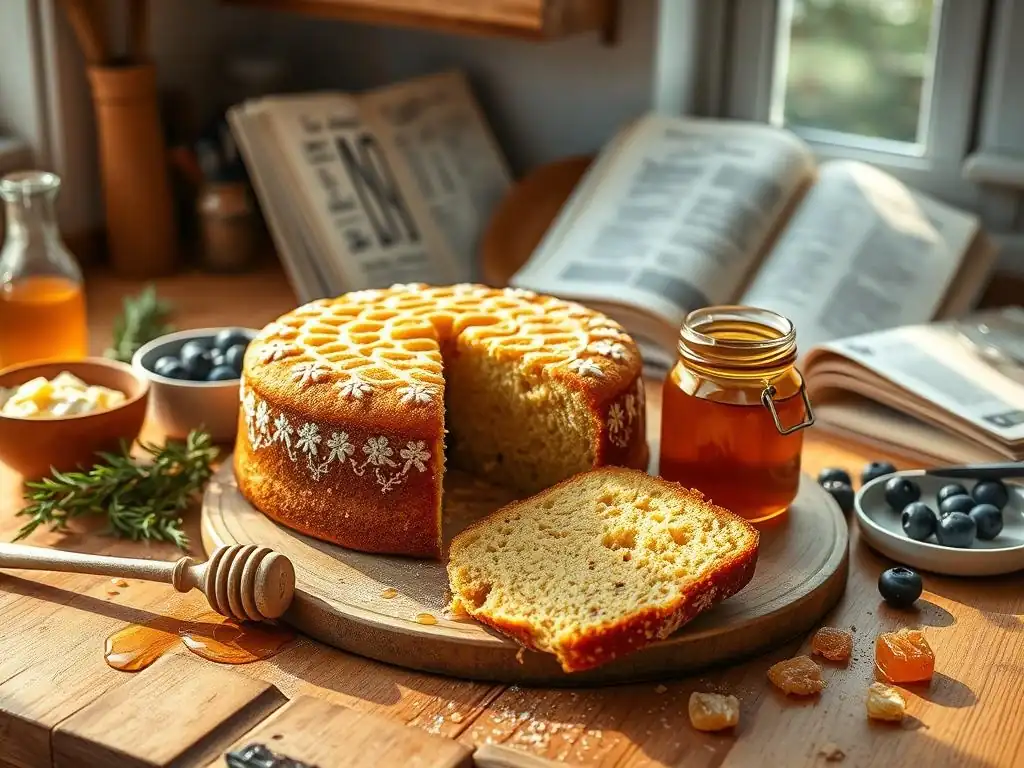
Welcome to BakeWithEase, your haven for all things baking! Are you ready to discover the golden touch that honey can bring to your creations? This article delves into the world of honey baking recipes, revealing easy and delicious ways to elevate your pastries, breads, and more. Prepare to unlock a new level of flavor and texture – what delightful secrets will you uncover next?
- Introduction: Elevate Your Baking with Honey
- Mastering Honey Baking: A Step-by-Step Guide
- Beyond Muffins: Exploring Other Options
- Maximizing Flavor and Texture: Tips for Baking with Honey
- Conclusion: Embrace the Sweetness of Honey in Your Baking Journey.
- Frequently Asked Questions
- Final Reflection: The Sweet Symphony of Honey in Baking
- Sweeten Your Baking Journey: Take the Next Step!
Introduction: Elevate Your Baking with Honey
Baking is an art form, and like any art, the quality of your ingredients significantly impacts the final masterpiece. While sugar is a staple, exploring alternative sweeteners can unlock new dimensions of flavor, texture, and aroma in your creations. Honey, nature's liquid gold, offers a unique profile that can transform familiar recipes into something truly special. Moving beyond basic sugar substitutes opens up a world of delicious possibilities for your kitchen adventures.
Embracing honey in your baking doesn't have to be complicated. Many classic desserts and breads can be easily adapted to incorporate this natural sweetener. Whether you're aiming for a richer flavor, a moister crumb, or simply want to experiment with different ingredients, understanding how honey behaves in the oven is the first step. This guide will walk you through the essentials, making it simple to integrate honey into your favorite honey baking recipes easy and expand your baking repertoire.
Why Choose Honey for Baking? A Natural Sweetener's Advantages
Choosing honey over traditional granulated sugar brings a host of benefits to your baked goods. Beyond just sweetness, honey contributes complex flavors that vary depending on its floral source, adding depth that sugar alone cannot provide. Its natural hygroscopic properties mean it attracts and retains moisture, resulting in cakes, muffins, and breads that stay soft and fresh for longer periods. This can be a game-changer for items prone to drying out quickly.
Furthermore, honey is typically sweeter than sugar by volume, meaning you often need less of it to achieve the desired level of sweetness. While it contains natural sugars, it also offers trace amounts of minerals and antioxidants, contributing a little extra nutritional value compared to refined sugar. Incorporating honey into your baking is a wonderful way to experiment with natural ingredients and discover how they can enhance both the taste and texture of your beloved honey baking recipes easy.
Mastering Honey Baking: A Step-by-Step Guide
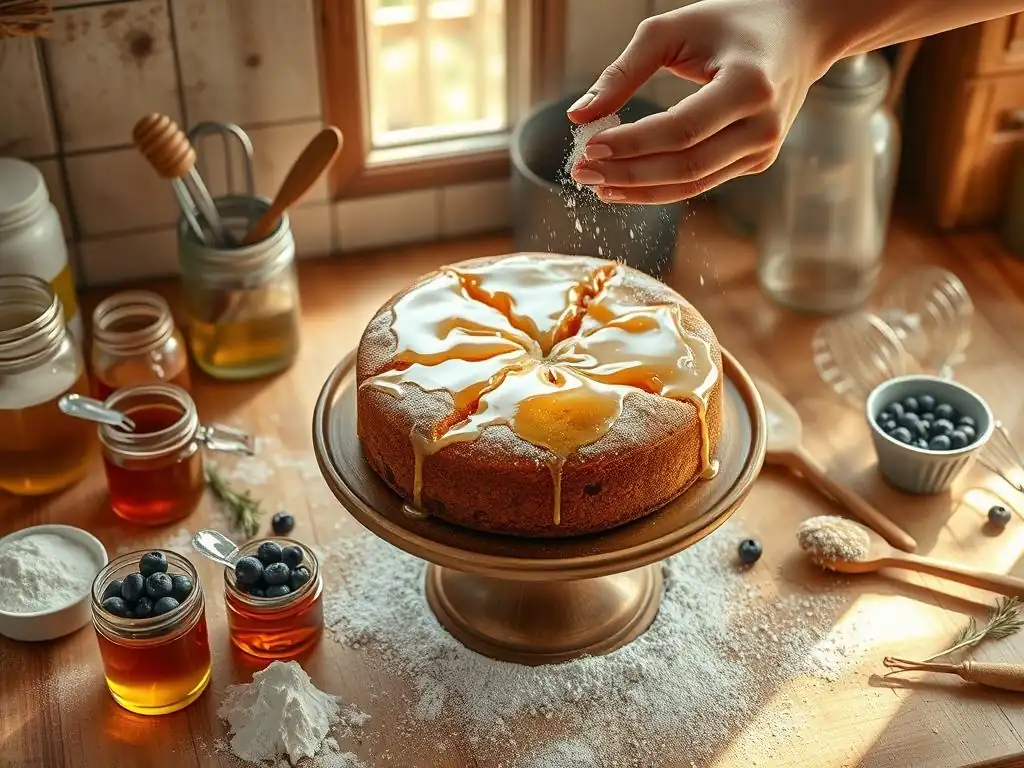
Transitioning from sugar to honey requires understanding a few key principles. Honey is a liquid, contains fructose and glucose in different proportions than sucrose (table sugar), and browns faster. By following a few simple steps, you can confidently adapt existing recipes or tackle new honey baking recipes easy with excellent results. It's about making slight adjustments to account for honey's unique characteristics.
This section breaks down the process into manageable steps, covering everything from selecting the right honey to troubleshooting common issues. With a little practice and attention to detail, you'll find that baking with honey can be incredibly rewarding, adding a distinct touch to everything from quick breads to elaborate cakes. Get ready to unlock the full potential of this versatile sweetener in your kitchen.
Step 1: Understanding Honey Varieties for Optimal Baking Results
The world of honey is vast and diverse, with flavors ranging from mild and floral to bold and robust, all depending on the nectar collected by the bees. Selecting the right honey variety is crucial because its distinct flavor will directly impact the final taste of your baked goods. For delicate pastries or recipes where you want the primary flavor to shine through, a light, mild honey like clover, acacia, or orange blossom is often preferred. These types offer sweetness without overpowering other ingredients.
On the other hand, darker, more strongly flavored honeys such as buckwheat, wildflower, or manuka can add wonderful complexity to heartier bakes like gingerbread, spice cakes, or whole wheat breads. Buckwheat honey, for example, has a distinctive, almost molasses-like flavor that pairs beautifully with warm spices. Experimenting with different varieties in your honey baking recipes easy is part of the fun, allowing you to tailor the flavor profile precisely to your liking. Consider keeping a couple of different types on hand to suit various baking projects.
Step 2: Substituting Honey for Sugar in Baking Recipes
Substituting honey for granulated sugar isn't a simple one-to-one swap due to differences in sweetness, moisture content, and acidity. A common guideline is to substitute 1/2 cup to 3/4 cup of honey for every 1 cup of sugar called for in a recipe, adjusting based on desired sweetness. Because honey is liquid, you'll also need to reduce the amount of other liquids in the recipe. A general rule is to reduce the total liquid by about 1/4 cup for every cup of honey used.
Honey is also slightly acidic, which can react with baking soda. If your recipe uses baking soda but not baking powder, you might consider adding about 1/4 teaspoon of baking soda for every cup of honey used to ensure proper leavening. Finally, honey causes baked goods to brown faster. To prevent over-browning, especially on the exterior before the interior is cooked, reduce your oven temperature by 25°F (about 15°C). These adjustments are key to successful honey baking recipes easy.
Step 3: Recipe Spotlight: Honey-Sweetened Pumpkin Muffins
Let's put the principles into practice with a simple honey baking recipes easy example: Honey-Sweetened Pumpkin Muffins. This recipe demonstrates how honey adds moisture and a lovely depth of flavor that complements the pumpkin and spice.
Here’s a simplified look at how you might adapt a standard pumpkin muffin recipe:
- Instead of 1 cup granulated sugar, use about 2/3 cup honey.
- Reduce the milk or other liquid by about 1/4 cup.
- Ensure the recipe includes baking soda, possibly adding a little extra if it doesn't already.
- Bake at 350°F (175°C) instead of the usual 375°F (190°C).
The resulting muffins will be incredibly moist, with a tender crumb and a subtle, warm sweetness from the honey that perfectly enhances the pumpkin and autumnal spices like cinnamon and nutmeg. This approach makes adapting many quick bread and muffin honey baking recipes easy.
Step 4: Troubleshooting Common Honey Baking Challenges
While baking with honey is rewarding, you might encounter a few common issues. One frequent challenge is preventing baked goods from becoming too dense or moist. This often happens if you don't adequately reduce the other liquids in the recipe or if you use too much honey. If your results are consistently too moist, try slightly decreasing the honey amount further or increasing the dry ingredients by a tablespoon or two in future attempts.
Another issue is over-browning. As mentioned, honey caramelizes faster than sugar. If reducing the oven temperature isn't enough, you can try covering the top of your baked good loosely with foil partway through the baking time. Finally, honey can sometimes cause baked goods to spread more than sugar. If you're making cookies and they're spreading too much, chilling the dough thoroughly before baking can help maintain their shape. Adjusting leavening slightly can also impact spread and texture in honey baking recipes easy.
Beyond Muffins: Exploring Other Options
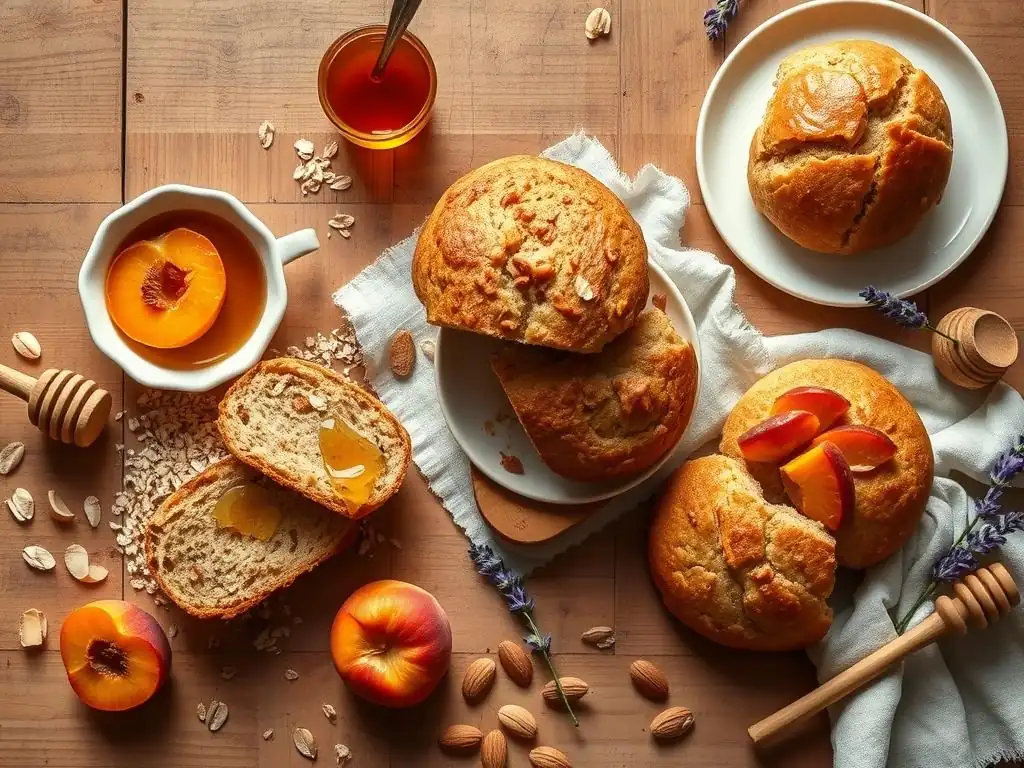
Honey's versatility extends far beyond simple muffins or quick breads. Its unique properties make it an excellent ingredient for a wide range of baked goods, each benefiting from the moisture, flavor, and texture it imparts. Exploring different types of honey baking recipes easy allows you to appreciate how this natural sweetener interacts with various ingredients and baking methods.
From rich cakes to chewy cookies and flavorful breads, honey can elevate the humble into the extraordinary. Let's look at how honey performs in some other popular baking categories and what benefits it brings to each.
Honey Cake: A Moist and Flavorful Delight
Honey cakes are renowned for their incredible moisture and rich, complex flavor profile. The hygroscopic nature of honey is particularly beneficial in cakes, helping to keep them soft and fresh for several days, unlike many sugar-sweetened cakes that can dry out quickly. Honey's natural acidity can also contribute to a tender crumb structure when paired with baking soda.
Traditional honey cakes, like the Russian Medovik or Jewish Honey Cake often served during Rosh Hashanah, rely heavily on honey for their signature taste and texture. These recipes often use significant amounts of honey, sometimes even heating it to develop deeper caramel notes. The result is a cake that is not just sweet, but deeply flavorful, often spiced with cinnamon, ginger, or cloves, creating a warm and comforting dessert. Incorporating honey into your favorite pound cake or sponge cake honey baking recipes easy can yield similarly delightful results.
Baking cookies with honey can lead to wonderfully chewy textures. Honey's liquid form and its specific sugar composition (higher in fructose) influence how cookies spread and set. Fructose retains moisture effectively, contributing to that desirable chewiness. However, this also means honey cookies can sometimes spread more than those made with granulated sugar alone.
To manage spread in honey baking recipes easy for cookies, ensure your dough is adequately chilled before baking. Recipes specifically developed for honey often balance the wet and dry ingredients carefully to account for the extra liquid. Honey also contributes to a lovely golden-brown color on cookies, enhancing their visual appeal. Consider adding honey to oatmeal cookies, ginger snaps, or shortbread variations for a unique twist.
Honey Breads: A Naturally Sweet Loaf
Adding honey to yeast breads offers several advantages. While sugar is often added to yeast doughs to provide food for the yeast and aid fermentation, honey serves this purpose equally well while also contributing its distinct flavor and moisture. A touch of honey in a bread dough can result in a softer crumb and a beautifully browned crust.
Honey is commonly used in whole wheat breads, challah, and other enriched doughs where its natural sweetness complements the other ingredients. It can also be brushed onto the crust of a loaf after baking for a glossy finish and extra touch of sweetness. While not all bread honey baking recipes easy require significant amounts of honey, even a small addition can noticeably improve texture and flavor, creating a more nuanced and appealing loaf.
Maximizing Flavor and Texture: Tips for Baking with Honey
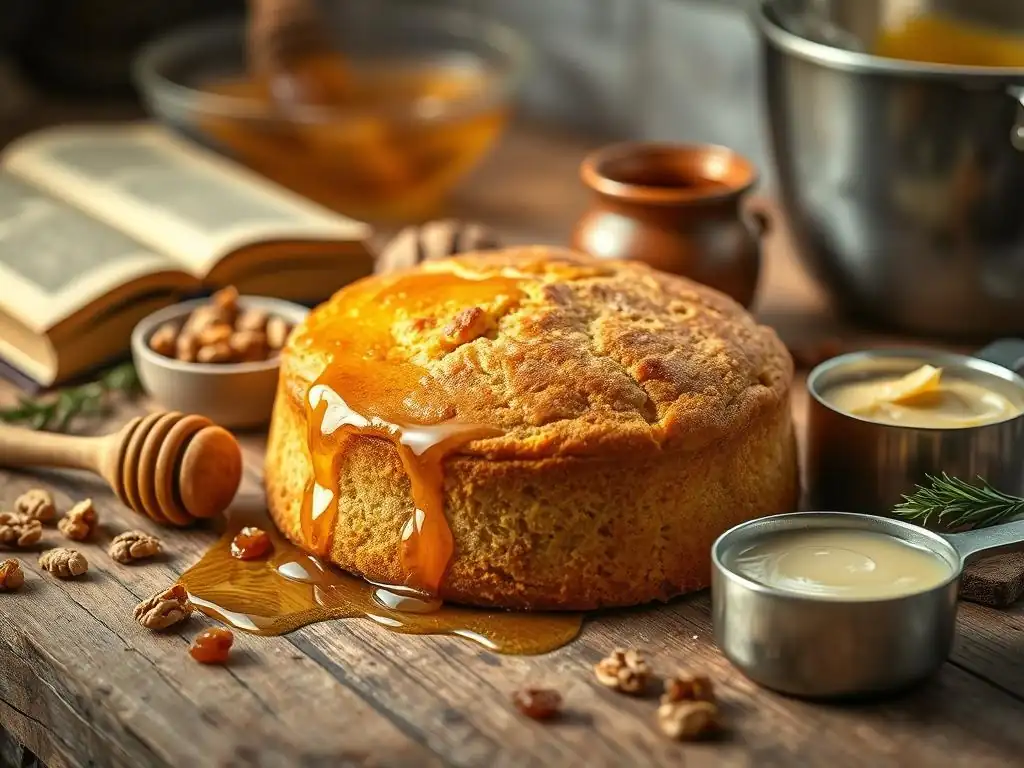
Beyond basic substitution, mastering baking with honey involves understanding how to enhance its natural qualities and ensure the best possible outcome for your baked goods. It's about pairing honey with complementary flavors and utilizing techniques that highlight its unique textural contributions. These tips will help you get the most out of your honey baking recipes easy.
Paying attention to details like ingredient pairings and mixing methods can elevate your honey-sweetened creations from good to truly exceptional. It's these small nuances that make a big difference in the final taste and texture.
Honey and Spice Pairings: Elevate Your Baking
Honey has a natural affinity for warm spices, creating comforting and aromatic flavor combinations. Cinnamon, nutmeg, ginger, cloves, and cardamom are classic partners that enhance honey's sweetness and complexity without overpowering it. For example, a honey cake flavored with ginger and cinnamon is a timeless pairing that evokes warmth and coziness.
Other ingredients that pair beautifully with honey include citrus zest (lemon, orange), vanilla extract, nuts (walnuts, pecans, almonds), and fruits like apples, pears, and figs. Darker honeys stand up well to stronger spices and ingredients, while lighter honeys are best paired with more delicate flavors. Experimenting with these combinations in your honey baking recipes easy allows you to create truly memorable flavor experiences. A honey-sweetened scone with orange zest or a batch of honey cookies with a hint of cardamom can be delightful.
Achieving the Perfect Crumb: Honey Baking Techniques
Honey's impact on texture, particularly the crumb structure, is significant due to its moisture-retaining abilities. To achieve a tender, moist crumb in honey baking recipes easy, it's crucial to balance the liquid content correctly, as discussed in the substitution step. Overmixing batters can also lead to a tough crumb, especially with honey's influence on gluten development. Mix just until ingredients are combined.
Another technique is to consider the leavening agents. Honey's acidity can activate baking soda, contributing to lift. If a recipe uses both baking powder and baking soda, the honey will work in harmony with the soda. Ensuring your oven temperature is accurate and reduced slightly helps prevent the exterior from setting and browning too quickly, allowing the interior crumb to cook evenly and remain moist. Proper cooling is also key; allowing baked goods to cool gradually on a wire rack helps distribute internal moisture for a better final texture.
Conclusion: Embrace the Sweetness of Honey in Your Baking Journey.
Stepping into the world of baking with honey is a rewarding experience that adds natural sweetness, depth of flavor, and wonderful moisture to your favorite treats. From understanding the nuances of different honey varieties to mastering the art of substitution and troubleshooting common issues, you now have the tools to confidently incorporate this incredible ingredient into your kitchen.
Whether you're trying a new honey baking recipes easy or adapting an old favorite, the unique properties of honey promise delicious results. Embrace the opportunity to experiment with its versatility, explore exciting flavor pairings, and enjoy the moist, tender textures it creates. Happy baking, and may your journey with honey be sweet and successful!
Frequently Asked Questions
What are the benefits of using honey in baking instead of sugar?
Honey offers several advantages, including added moisture, a distinct flavor profile, and natural antioxidant properties. It also can help to keep baked goods fresher for longer.
Can I substitute honey directly for sugar in any baking recipe?
Generally, you can substitute honey, but it requires adjustments. Reduce the liquid in the recipe by about 1/4 cup for every cup of honey and lower the oven temperature slightly to prevent over-browning.
Does honey affect the texture or rise of baked goods?
Yes, honey can affect texture. It tends to create a softer, more tender crumb. Regarding rise, it might be slightly affected, so consider adding a touch more baking soda to compensate.
What types of honey are best for baking?
Different honey types offer different flavors. Mild honeys like clover or wildflower are versatile. Stronger flavored honeys, like buckwheat or manuka, can add a more pronounced taste to your baked goods.
How should honey be stored to maintain its quality for baking?
Store honey in an airtight container at room temperature. Avoid direct sunlight. Properly stored, honey can last for an extended period without spoiling, though it may crystallize, which can be easily reversed.
Final Reflection: The Sweet Symphony of Honey in Baking
The enduring appeal of honey in baking isn't just a nostalgic trend; it's a testament to nature's versatile sweetness. From ancient civilizations to modern kitchens, honey's unique flavor profile and inherent properties continue to elevate baking projects, offering both ease of use and exceptional results. This simple ingredient holds the key to unlocking a world of delicious possibilities, far beyond the basic honey cake.
The subtle nuances of honey—its floral notes, its varying textures, its natural sweetness—have profoundly shaped culinary traditions across cultures. It's more than just a sweetener; it's a story woven into the fabric of our food heritage. Honey is the only food that never spoils,
a testament to its enduring quality and the timeless appeal of its use in baking. This enduring quality, coupled with its ease of use in recipes, makes it a truly accessible ingredient for bakers of all skill levels.
Now, consider your next baking adventure. Will you embrace the simplicity and richness that honey offers? I invite you to experiment, to explore the diverse varieties of honey, and to discover the unique magic it brings to your creations. Don't be afraid to substitute honey for sugar in your favorite recipes; you might just unlock a whole new level of flavor and texture. Let the sweet symphony of honey begin!
Sweeten Your Baking Journey: Take the Next Step!
Thanks for exploring the amazing world of honey in baking with us! We hope you’ve discovered new ways to elevate your creations. Ready to put your newfound knowledge into practice?
- Craft your dream honey-infused recipe: Take what you've learned and experiment! Try substituting honey for sugar in your favorite recipe or explore one of the delicious ideas we’ve shared.
- Share your honey-baking masterpiece: Show us your creations! Post a photo on social media with #BakeWithHoney and tag @BakeWithEase (fictional social media handle).
- Explore our honey-centric recipe collection: Dive deeper into the possibilities by browsing our extensive library of honey-based recipes on BakeWithEase.
What unique honey flavor will you unleash in your next baking adventure?