
Easy Recipe for Classic French Pain d'Epices (Spice Bread)

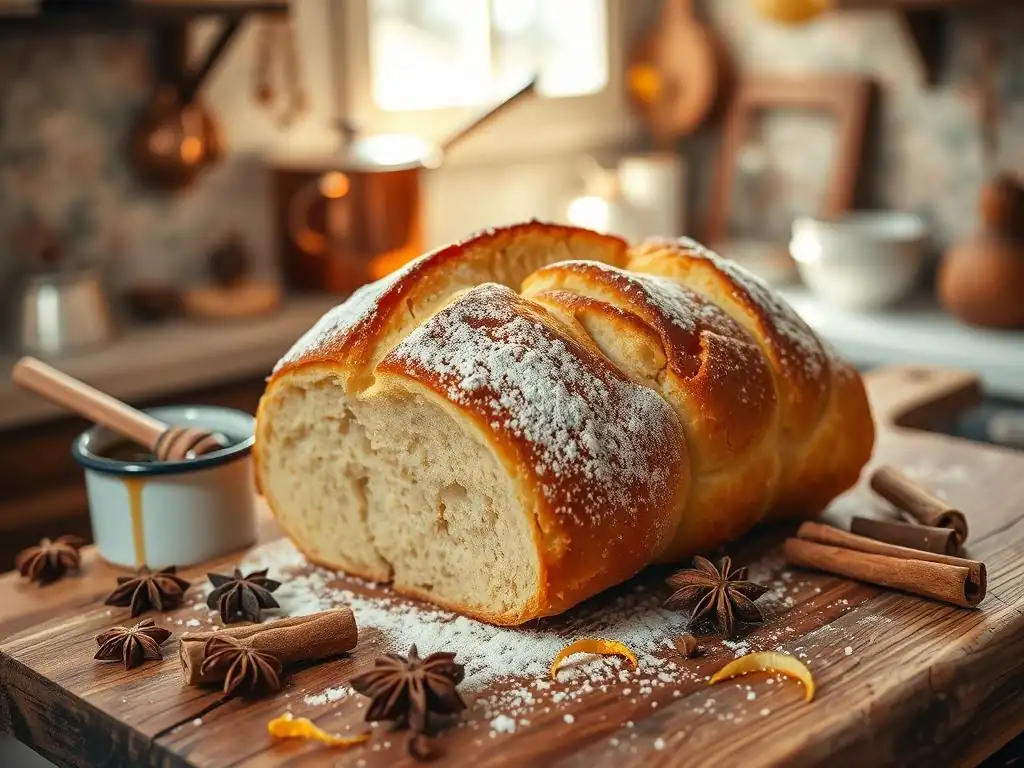
Welcome to BakeWithEase, your guide to confident baking! Ever dreamt of effortlessly recreating authentic flavors at home? Dive in and discover the secrets to our Easy French Pain d'Epices (Spice Bread) – a taste of France simpler than you think. This classic recipe from our Regional & Cultural Baking category is just the beginning. What aromas and spices await you in this surprisingly straightforward bake? Let's find out!
- Easy Recipe for Classic French Pain d'Épices (Spice Bread)
- Introduction to Baking Pain d'Épices
- Understanding Pain d'Épices
- Easy Pain d'Épices Recipe: Step-by-Step Guide
- Tips & Tricks
- Serving and Enjoying
- Conclusion: Mastering Pain d'Épices at Home
- Frequently Asked Questions
- Final Reflection: The Enduring Allure of Simple Pleasures
- Unlock the Secrets of Perfect Pain d'Epices!
Easy Recipe for Classic French Pain d'Épices (Spice Bread)
Introduction to Baking Pain d'Épices
Discover the Warmth of Pain d'Épices
Stepping into the world of French baking offers a delightful journey, and one of its most comforting stops is Pain d'Épices. This classic French spice bread, translating literally to "spice bread," is a fragrant, moist loaf traditionally enjoyed throughout the cooler months, though its comforting aroma is welcome any time of year. Its rich history dates back centuries, making it a true staple of French culinary heritage.
Baking an easy French spice bread at home fills your kitchen with an incredible scent of honey and warm spices, creating an inviting atmosphere that store-bought versions simply can't replicate. It's a simple pleasure that brings a touch of French tradition right to your table.
This particular loaf is incredibly forgiving, making it an ideal project even for novice bakers. Unlike delicate pastries or complex breads, the structure of Pain d'Épices relies on readily available ingredients and straightforward techniques. The magic lies in the blend of spices and the generous use of honey, which not only sweetens but also contributes significantly to its signature moist crumb.
Learning to bake this easy French spice bread provides a foundational skill in working with spiced doughs and liquid sweeteners, skills that can be applied to many other baking endeavors. It's a rewarding experience that culminates in a delicious, versatile loaf perfect for various occasions.
Benefits of Baking Your Own Pain d'Épices
Baking your own easy French spice bread offers numerous advantages over purchasing it. Firstly, you have complete control over the quality and freshness of the ingredients. You can select high-quality honey, organic flour, and freshly ground spices, which significantly impact the flavor profile. A commercially produced loaf might use cheaper ingredients or artificial flavorings, whereas your homemade version guarantees pure, authentic taste. This control extends to dietary needs as well; you can adjust sweetness levels slightly or ensure no unwanted additives are present, making it a healthier option for your family.
Furthermore, the cost of baking an easy French spice bread from scratch is generally lower than buying a comparable loaf from a bakery, especially a specialty French bakery. While the initial purchase of spices might seem like an investment, they last for many batches.
A typical loaf might use around 200-300 grams of honey, 250-300 grams of flour, and a few tablespoons of spices, costing just a fraction of the price of a store-bought equivalent which could easily cost €5-€10 depending on the location and quality. Beyond the economic benefits, the process of baking itself is incredibly rewarding, providing a sense of accomplishment and filling your home with a wonderful aroma that store-bought bread simply cannot deliver.
Understanding Pain d'Épices
History and Characteristics
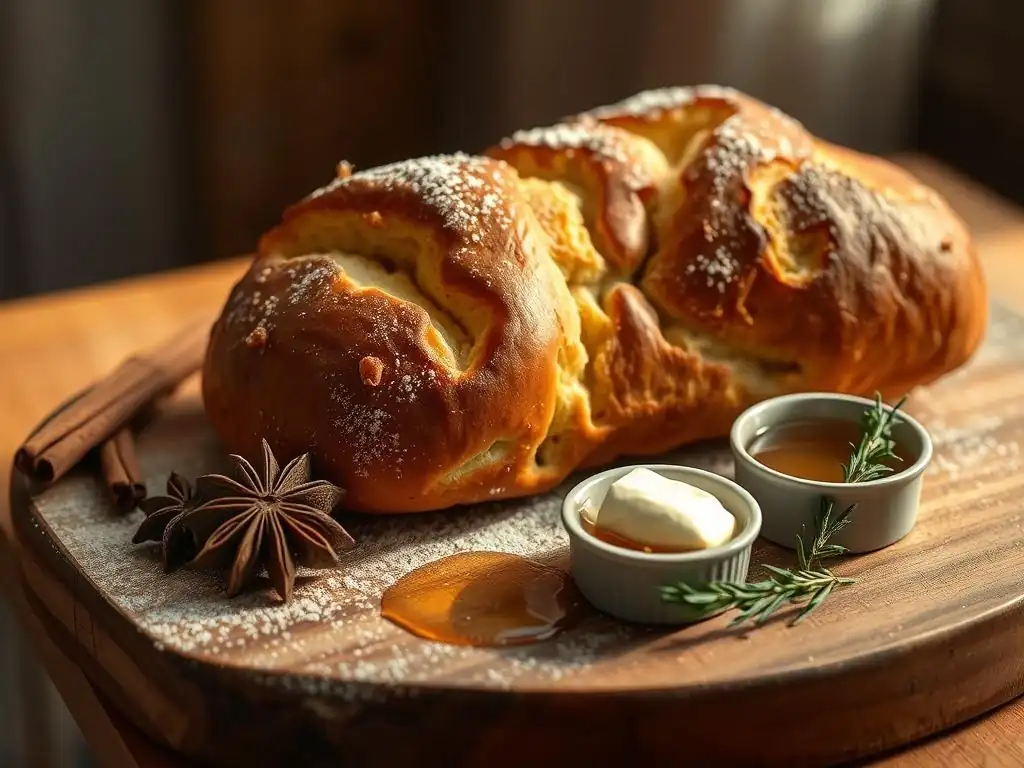
The origins of Pain d'Épices can be traced back to medieval times, with influences from China where spiced honey cakes were known. Crusaders brought spices back to Europe, and the concept of spiced bread spread. Dijon, in Burgundy, France, became particularly famous for its Pain d'Épices production, with records indicating its presence there as early as the 14th century.
For centuries, it was considered a luxury due to the cost of spices like ginger, cinnamon, and cloves. Originally, it was made without any leavening agent, resulting in a very dense, cake-like texture, but over time, recipes evolved to include baking soda or powder for a slightly lighter crumb, making an easy French spice bread more accessible and appealing to modern palates.
Characteristically, Pain d'Épices is a loaf or sometimes a small cake known for its intense aroma and flavor derived from a blend of warm spices and, crucially, a high proportion of honey. Unlike many cakes that rely on butter and sugar, honey is the primary sweetener and fat source, contributing to its unique moistness and slightly chewy texture.
It's typically dark brown, dense yet tender, and develops its best flavor after resting for a day or two, allowing the spices to meld. The classic spice blend often includes ginger, cinnamon, cloves, and star anise, though variations exist, and exploring them is part of the fun of baking an easy French spice bread.
Key Ingredients
The success of an easy French spice bread hinges on a few key ingredients, each playing a vital role in its texture, flavor, and aroma. Flour, typically all-purpose or rye flour (or a blend), forms the structure. Leavening, usually baking soda activated by the acidity in honey or a touch of milk/yogurt, provides lift.
However, the stars are undoubtedly the sweetener and the spices. Traditional recipes rely almost exclusively on honey, distinguishing it from many other types of spice cake or bread that use granulated sugar and butter. This reliance on honey is fundamental to achieving the authentic taste and texture of Pain d'Épices.
Beyond the base ingredients, the specific types and quantities of honey and spices are what truly define an easy French spice bread. The choice of honey significantly impacts the final flavor; a darker, more robust honey like buckwheat or chestnut will yield a more intense flavor than a milder acacia or wildflower honey. Similarly, the spice blend is highly personal.
While a classic mix of cinnamon, ginger, cloves, and sometimes nutmeg or star anise is common, variations are encouraged. Some recipes might include white pepper or even a touch of coriander for complexity. Getting these ratios right is key to a balanced, aromatic loaf that truly captures the essence of this French classic.
The Role of Honey
Honey is not just a sweetener in Pain d'Épices; it's a foundational ingredient that contributes to its unique characteristics. Its high moisture content helps create a moist, tender crumb that stays fresh longer compared to cakes made primarily with granulated sugar. Unlike sugar, honey is an inverted sugar, which means it inhibits crystallization, further contributing to the bread's soft texture over time. The natural acidity in honey can also react with baking soda, providing leavening without the need for baking powder in some traditional recipes.
Furthermore, the flavor profile of honey adds depth and complexity that sugar simply cannot. Different types of honey impart varying notes, from floral and fruity to earthy and slightly bitter. For an easy French spice bread, choosing a honey with a distinct flavor that complements the spices is crucial. For instance, a robust gingerbread-like flavor can be achieved with a strong, dark honey, while a lighter loaf might benefit from a milder variety. Using a generous amount of honey, often equal to or exceeding the weight of the flour, is a signature of authentic Pain d'Épices recipes.
Spice Selection
The selection and proportion of spices are paramount to creating a truly delicious easy French spice bread. A typical blend includes warm spices like cinnamon, ground ginger, ground cloves, and sometimes nutmeg or star anise. The quality and freshness of the spices make a significant difference; freshly ground spices are always preferred for maximum aroma and flavor impact. Using stale spices will result in a flat, uninspiring loaf. It's often recommended to buy whole spices and grind them just before baking for the best results.
While there's a classic combination, don't hesitate to experiment with your spice blend to find what you love. Some bakers add a pinch of cardamom for brightness, a touch of white pepper for a subtle kick, or even a hint of allspice. The total amount of spices used is usually quite generous, perhaps 1-2 tablespoons for a standard loaf, ensuring the distinct spicy character of Pain d'Épices comes through. Balancing the sweetness of the honey with the intensity of the spices is key to a harmonious flavor profile in your easy French spice bread.
Easy Pain d'Épices Recipe: Step-by-Step Guide
Ingredients
- 250g all-purpose flour
- 50g rye flour (optional, can substitute with all-purpose)
- 1.5 tsp baking soda
- 1 tsp ground cinnamon
- 1 tsp ground ginger
- ½ tsp ground cloves
- ¼ tsp ground nutmeg
- ¼ tsp ground star anise (optional)
- Pinch of salt
- 300g liquid honey
- 150ml milk (whole milk recommended)
- 1 large egg
- 1 tbsp orange zest (optional)
Equipment
- Large mixing bowl
- Whisk
- Spatula
- Measuring cups and spoons
- Kitchen scale (for accuracy)
- 9x5 inch loaf pan
- Parchment paper
- Wire cooling rack
Instructions
Preparing the Spice Mixture
Start by thoroughly whisking together all the dry ingredients in your large mixing bowl. This includes the all-purpose flour, optional rye flour, baking soda, ground cinnamon, ground ginger, ground cloves, ground nutmeg, optional ground star anise, and a pinch of salt. Using a whisk helps to evenly distribute the leavening agent and spices throughout the flour, preventing clumps and ensuring a uniform flavor and texture in your finished easy French spice bread. Make sure to whisk for about 30 seconds to a minute to ensure everything is well combined.
Combining Ingredients
In a separate smaller bowl or jug, gently warm the honey and milk together until just warm, not hot. This helps the honey become more liquid and easier to incorporate. In the large bowl with the dry ingredients, create a well in the center. Pour the warm honey-milk mixture into the well. Crack in the large egg and add the optional orange zest.
Using your spatula, begin to gently fold the wet ingredients into the dry ingredients. Mix just until no dry streaks of flour remain. Be careful not to overmix, as this can develop the gluten too much and result in a tough loaf. The batter will be quite liquid, similar to a thick cake batter, which is characteristic of an easy French spice bread.
Baking the Loaf
Preheat your oven to 160°C (320°F). Grease your 9x5 inch loaf pan and line it with parchment paper, leaving some overhang on the sides to easily lift the finished loaf out. Pour the Pain d'Épices batter evenly into the prepared pan. Tap the pan gently on the counter a couple of times to remove any large air bubbles. Place the loaf pan in the preheated oven. The baking time will typically be between 50 to 65 minutes.
To check for doneness, insert a long skewer or toothpick into the center of the loaf. It should come out clean or with just a few moist crumbs attached, but no wet batter. If the top starts to brown too quickly before the center is cooked, you can loosely tent the loaf with aluminum foil. Baking at a slightly lower temperature for a longer time helps ensure the dense batter cooks through evenly without drying out the edges of your easy French spice bread.
Cooling and Storing
Once baked, remove the Pain d'Épices from the oven. Let it cool in the loaf pan for about 10-15 minutes before using the parchment paper overhang to lift it out onto a wire cooling rack. Allow the loaf to cool completely on the rack. This is a crucial step, as the internal structure sets as it cools. For optimal flavor and texture, Pain d'Épices actually benefits from resting.
The best way to enjoy this easy French spice bread is often after letting it rest for at least 24 hours, or even 48 hours, wrapped tightly in plastic wrap or stored in an airtight container at room temperature. This resting period allows the flavors of the honey and spices to meld and deepen, and the texture to become perfectly moist and tender. Properly stored, it will remain wonderfully moist and fragrant for up to a week.
Tips & Tricks
Achieving Ideal Texture
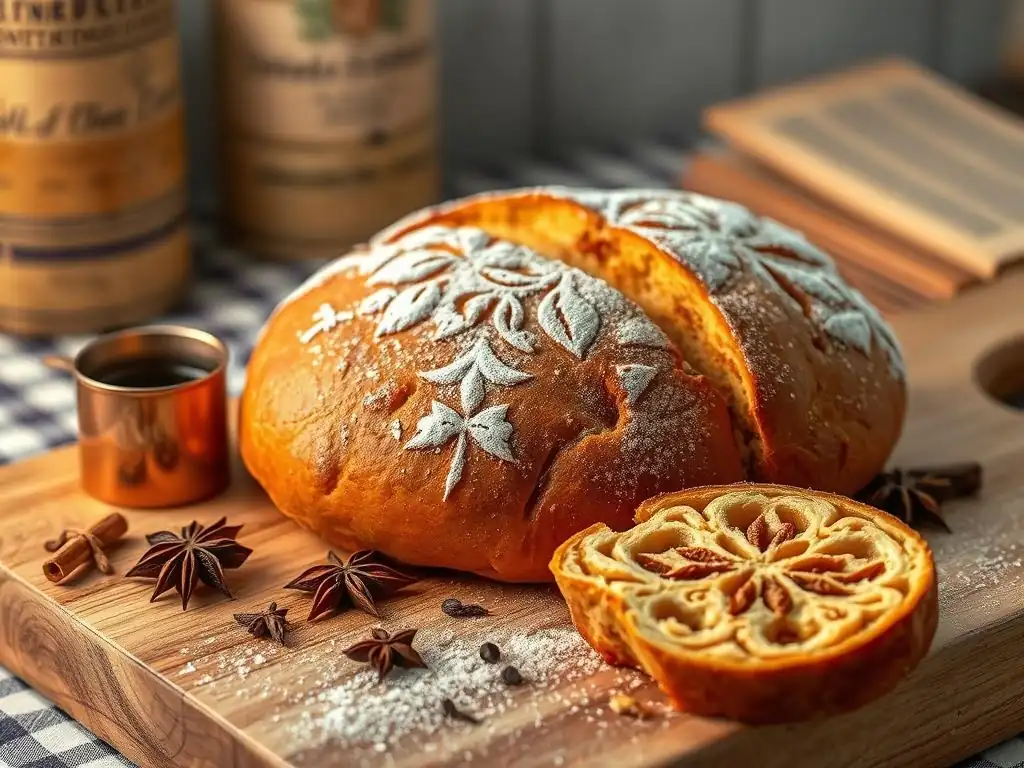
Achieving the perfect moist and tender texture in an easy French spice bread is key to its enjoyment. The high proportion of honey is the primary factor contributing to its moistness, but technique also plays a role. Ensure you don't overmix the batter once the wet and dry ingredients are combined; mixing just until the flour disappears prevents excessive gluten development, which can lead to a tough crumb. The batter should be relatively liquid, not thick like standard bread dough.
Baking at a lower temperature (160°C/320°F) for a longer duration is also vital. This allows the heat to penetrate the dense loaf slowly and evenly, cooking the center without drying out the edges or creating a hard crust. If you notice the top browning too quickly, loosely tenting the loaf with foil around the 30-40 minute mark can help.
Another tip is to ensure your ingredients, especially the honey and milk, are at room temperature or slightly warmed; this helps them emulsify better with the dry ingredients. Finally, allowing the loaf to cool completely and rest for 1-2 days before slicing significantly improves the texture, allowing moisture to distribute evenly throughout the loaf.
Troubleshooting
Baking can sometimes present challenges, but most issues with an easy French spice bread are easily fixable or preventable in future attempts.
Avoiding Dryness
Dryness is often the result of overbaking or using too much flour. Ensure you measure ingredients accurately, preferably using a kitchen scale for flour and honey. Overbaking can happen quickly with dense loaves; use the skewer test towards the end of the recommended baking time. If the skewer comes out clean, it's done. Baking at the correct, lower temperature is also essential. If your loaf still turns out a bit dry, it can often be revived by slicing it and gently warming pieces, or serving it toasted.
Preventing Soggy Center
A soggy or undercooked center, while the edges are done, usually indicates that the loaf didn't bake long enough or the oven temperature was too high, causing the outside to set before the inside cooked. Make sure your oven temperature is accurate (an oven thermometer can help). Stick to the recommended lower temperature (160°C/320°F) and bake for the full duration or until the skewer test is clean from the very center of the loaf.
Tent with foil if the top is browning too fast. A very dense batter, typical of an easy French spice bread, simply takes longer to cook through evenly.
Recipe Variations
Once you've mastered the basic easy French spice bread, feel free to experiment with variations to customize its flavor and texture.
Adding Nuts and Dried Fruits
Incorporating nuts and dried fruits is a popular variation that adds delightful texture and bursts of flavor. About 50-100 grams of chopped walnuts, pecans, almonds, or hazelnuts can be folded into the batter just before pouring it into the pan. Similarly, 50-100 grams of dried fruits like raisins, currants, chopped figs, or candied orange peel work wonderfully. Toss nuts and fruits with a tablespoon of flour before adding them to the batter; this helps prevent them from sinking to the bottom during baking.
Experimenting with Spices
While the classic spice blend is delicious, you can tailor it to your preference. Increase the ginger for more warmth, add more cinnamon for sweetness, or include a pinch of white pepper for a subtle heat. Consider adding other spices like cardamom, allspice, or even a very small amount of ground anise seed for a different aromatic profile.
You can also enhance the spice flavor by infusing the milk with whole spices (like star anise pods, cinnamon sticks, or cloves) before warming it with the honey, then straining them out before adding the liquid to the batter. This allows for a deeper extraction of flavor.
Serving and Enjoying
Serving Suggestions
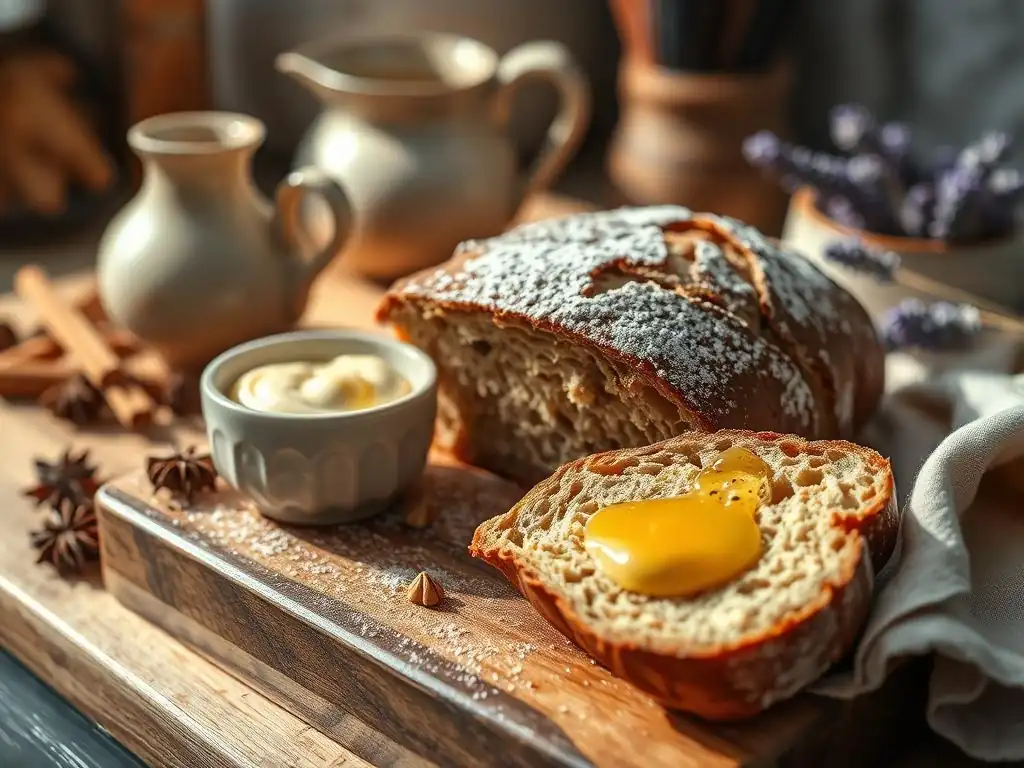
Pain d'Épices is incredibly versatile and can be enjoyed in numerous ways. Its classic pairing is with a simple spread of butter, which melts beautifully into the moist crumb. For a more decadent treat, serve slices lightly toasted and spread with jam, marmalade, or a dollop of créme fraîche or mascarpone. It also makes a wonderful accompaniment to hot beverages like tea, coffee, or mulled wine, especially during the cooler months. The aromatic spices complement warm drinks perfectly.
Another traditional French way to enjoy an easy French spice bread is alongside savory elements.
Pairing with Cheese and Wine
One of the most surprising and delightful ways to serve Pain d'Épices is alongside a cheese board. The sweetness of the honey and the warmth of the spices provide a fantastic contrast to various cheeses. It pairs particularly well with strong, pungent cheeses like blue cheese (Roquefort is a classic French pairing), aged cheddar, or goat cheese. The bread's texture and flavor cut through the richness of the cheese, creating a balanced bite. This makes it a sophisticated addition to an appetizer spread or a light dessert course.
When it comes to wine, the sweetness and spice profile can be tricky. A sweet wine is often the best match. Consider serving it with a Sauternes, a late-harvest Riesling, or even a fortified wine like Port or Banyuls. For a less sweet option, some dry sparkling wines can also work, providing a refreshing contrast. The key is to find a wine that complements, rather than clashes with, the intense flavors of the easy French spice bread.
Using in Desserts
Beyond slicing and serving, Pain d'Épices can be incorporated into other desserts. Its moistness and spice make it excellent for bread pudding; cubed and soaked in a custard, it creates a rich, flavorful dessert. Thin slices can be used as a base for individual tarts or layered in a trifle. It can also be crumbled and used as a topping for fruit crumbles or baked apples, adding a spicy, crunchy element. The robust flavor of an easy French spice bread stands up well to other strong flavors like chocolate, caramel, and various fruits.
Storing for Freshness
To maintain the characteristic moisture and flavor of your easy French spice bread, proper storage is essential. After cooling completely, wrap the loaf tightly in plastic wrap, ensuring no air pockets. Then, place the wrapped loaf in an airtight container or a resealable plastic bag. Stored this way at room temperature, it will remain moist and delicious for about 5-7 days. In fact, the flavor often improves after the first day as the spices deepen and meld with the honey.
Avoid storing it in the refrigerator, as this can actually dry out the bread faster. If you won't finish the loaf within a week, Pain d'Épices freezes exceptionally well. Wrap individual slices or the entire loaf tightly in plastic wrap, then wrap again in aluminum foil or place in a freezer-safe bag. It can be frozen for up to 2-3 months. Thaw slices or the loaf at room temperature when ready to enjoy.
Conclusion: Mastering Pain d'Épices at Home
Embrace French Baking
Baking an easy French spice bread is a wonderful way to connect with the rich traditions of French baking. It's a recipe that is both simple in execution and complex in flavor, offering a rewarding experience for bakers of all levels. By following this guide, you can confidently create a loaf that rivals those found in the finest French patisseries, filling your home with its irresistible aroma. This journey into Pain d'Épices is just one step into the vast and delightful world of French culinary arts, proving that mastering classics is within reach.
The joy of baking an easy French spice bread is amplified when you share it. Slice it for friends and family, bring it to a gathering, or simply enjoy a quiet moment with a slice and a cup of tea. Don't hesitate to share your experiences, tips, and variations with other baking enthusiasts. The community at BakeWithEase.com loves seeing your successes and learning from your experiments. So, bake that beautiful, fragrant loaf of Pain d'Épices and share the warmth and flavor of this timeless French classic!
Frequently Asked Questions
What exactly is Pain d'Epices?
Pain d'Epices is a French spice bread that's similar to gingerbread. It's traditionally made with honey and a blend of spices, giving it a unique flavor.
Is this Pain d'Epices recipe difficult to make?
No, this recipe is designed to be easy and accessible, even for beginner bakers. We provide step-by-step instructions for a successful bake.
What kind of spices are typically used in Pain d'Epices?
Common spices include cinnamon, ginger, cloves, and nutmeg. You can customize the spice blend to your liking, but these are the most traditional choices.
Can I substitute any of the ingredients in this Easy French spice bread recipe?
While substitutions are possible, they may affect the final product. Using honey is crucial for the characteristic flavor and texture, but you can experiment with different flours.
How should I store Pain d'Epices to keep it fresh?
Store it in an airtight container at room temperature. Pain d'Epices actually improves in flavor after a day or two!
Final Reflection: The Enduring Allure of Simple Pleasures
The humble spice bread, a seemingly simple creation, holds within it a potent blend of history, tradition, and pure, unadulterated deliciousness. This recipe, designed for ease of access and execution, aims to unlock the joy of baking this classic French treat for a wider audience. It's a testament to the power of accessible recipes to connect us to culinary traditions across cultures and time.
The enduring appeal of Pain d'Epices lies not just in its warm, comforting flavors, but in its ability to transport us. Each bite is a journey, a whisper of ancient markets and cozy kitchens. The best things in life are simple.
This simple adage rings particularly true when considering the profound satisfaction derived from creating something delicious and meaningful from readily available ingredients. The process itself, from measuring spices to the intoxicating aroma filling the kitchen, becomes a meditative experience, a welcome respite from the everyday rush.
Now, I invite you to consider the possibilities. Don't just bake this bread; experience it. Share it with loved ones, savor each slice, and let the warmth of the spices and the satisfaction of creation linger. Perhaps this recipe will inspire you to explore other simple, yet deeply rewarding, culinary traditions. The world of baking, and indeed, of simple pleasures, awaits your discovery.
Unlock the Secrets of Perfect Pain d'Epices!
Thanks for taking the time to explore the wonderful world of Pain d'Epices with us! We hope you’ve gained some delicious inspiration and confidence in tackling this classic recipe. Now it's time to put your newfound knowledge to the test.
- Bake your own Pain d'Epices: Grab those ingredients, preheat your oven, and let the warm, spicy aromas fill your kitchen! This is your chance to create something truly special.
- Share your baking journey: Post a picture of your finished loaf on social media and tag us – we’d love to see your creations! Use #BakeWithEasePainDEpices.
- Experiment with flavors: Try adding different spices or glazes to personalize your Pain d'Epices. What unique twist will you discover?
What unexpected spice combination will you try in your next Pain d'Epices adventure?