
Artisan vs. Commercial Flour: Understanding the Key Differences for Bakers

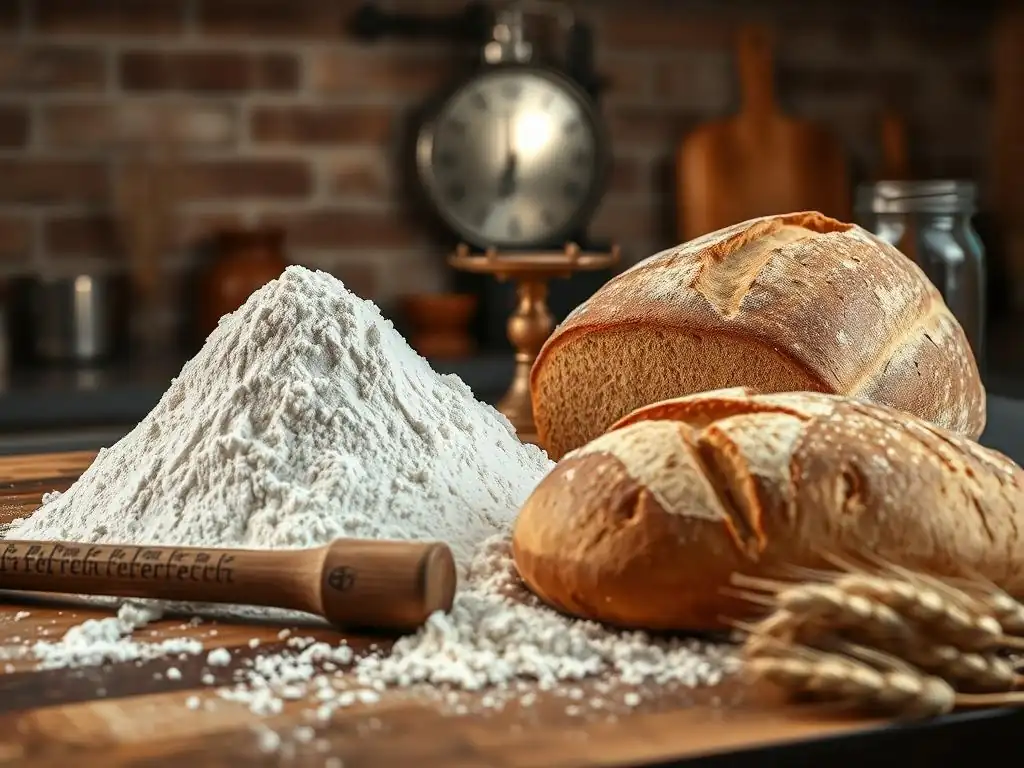
Welcome to BakeWithEase, your trusted guide to unlocking the secrets of the baker's art! Ever wondered what truly sets apart a perfectly rustic loaf from its commercially produced counterpart? Dive in as we explore the nuanced world of Artisan Flour Baking Tips, and discover how choosing the right flour can elevate your creations from simple treats to unforgettable culinary experiences. Get ready to unravel the key differences between artisan and commercial flours and transform your baking today!
- Artisan vs. Commercial Flour: Understanding the Key Differences for BakeWithEase.com
- Unlocking Baking Success: Artisan Flour vs. Commercial Flour Explained
- Artisan Flour Baking Tips: Achieving Superior Results
- Key Differences: A Deep Dive into Artisan vs. Commercial Flour
- Mastering Artisan Flour Baking: Essential Tips and Techniques
- Commercial Flour Baking: When It's the Right Choice
- Choosing the Right Flour for Your Bake: A Practical Guide
- Conclusion: Embracing the Art of Flour Selection for Baking Excellence
-
Frequently Asked Questions
- What is the main difference between artisan and commercial flour according to BakeWithEase?
- How does using artisan flour impact the flavor of baked goods?
- Is artisan flour more difficult to work with than commercial flour?
- Where can I find reliable sources for purchasing artisan flour, as recommended by BakeWithEase?
- What are some key "Artisan flour baking tips" to consider when using artisan flour for the first time?
- Final Reflection: The Flour Power of Choice: Shaping Your Baking Future
- Unleash Your Inner Baker: Take the Flour Power Challenge!
Artisan vs. Commercial Flour: Understanding the Key Differences for BakeWithEase.com
Unlocking Baking Success: Artisan Flour vs. Commercial Flour Explained
Why Flour Choice Matters for Exceptional Baking
The type of flour you choose is arguably the single most important ingredient in baking, acting as the structural foundation for everything from airy cakes to crusty loaves of bread. It dictates the texture, rise, flavor, and overall success of your baked goods. Understanding the nuances between different flours allows you to tailor your ingredient selection to the specific demands of a recipe, ensuring you achieve the desired outcome every time. Selecting the right flour empowers you to move beyond simply following instructions and truly master the art of baking.
Choosing the correct flour isn't just about following a recipe; it's about understanding the science behind baking. Different flours contain varying levels of protein, which directly impacts gluten development, the network that gives dough its structure and elasticity. This protein content, along with how the flour is milled and processed, influences how the flour absorbs liquid, how it behaves during mixing and kneading, and ultimately, the final texture and crumb of your bake.
For instance, using a low-protein flour for a high-hydration sourdough will yield vastly different results than using a high-protein bread flour. Making informed decisions about your flour is a fundamental step in elevating your baking skills.
Understanding the Core Differences: Artisan vs. Commercial Flour Composition
Artisan and commercial flours differ significantly in their composition and characteristics, primarily due to the milling process and the types of wheat used. Artisan flours often use traditional milling methods, like stone grinding, which can retain more of the wheat kernel – including the germ and bran – resulting in higher ash content and a more complex flavor profile. They might also be milled from heritage or specific wheat varieties known for unique baking properties. This approach often leads to flours with varying protein levels and absorption rates, requiring bakers to adapt techniques.
In contrast, commercial flours are typically milled using roller mills, a process that efficiently separates the endosperm from the germ and bran, producing a fine, consistent, and shelf-stable product. These flours are often blended from different wheat sources to achieve specific, consistent protein levels, such as 10-12% for all-purpose flour or 12-14% for bread flour. While this consistency is convenient for standardized recipes, it can sometimes result in a less complex flavor and potentially different handling characteristics compared to artisan alternatives. Understanding these foundational differences is key to mastering artisan flour baking tips and techniques.
Artisan Flour Baking Tips: Achieving Superior Results
What is Artisan Flour? Exploring the Unique Characteristics
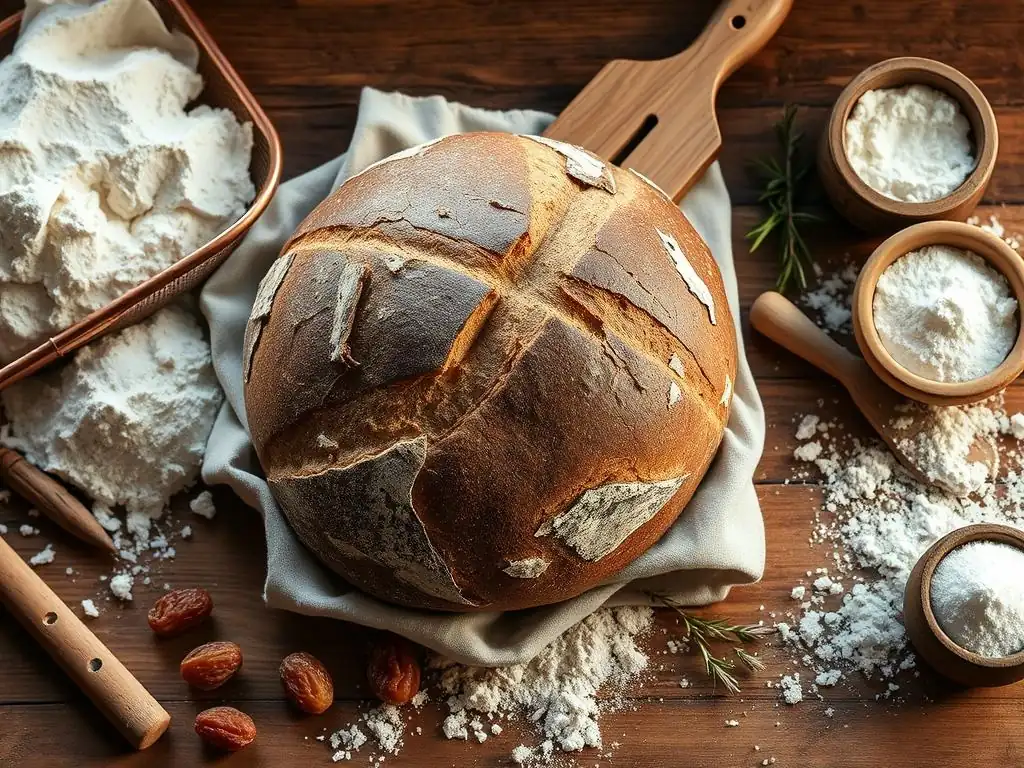
Artisan flour is generally characterized by its connection to traditional milling methods, specific wheat varieties, and often, a focus on retaining more of the whole grain's character. It's not just about the protein percentage; it's about the quality of that protein, the mineral content (ash), the particle size variation from milling, and the unique flavor compounds present. These flours are often less refined than their commercial counterparts, leading to flours that can be more absorbent and require different handling during mixing, kneading, and fermentation.
One key characteristic of many artisan flours is their variability. Because they are often milled in smaller batches or from specific regional wheat varieties, slight differences can occur from batch to batch depending on the harvest and milling specifics. This variability, while requiring a baker to be more attentive and adaptable, also contributes to the unique character and depth of flavor found in baked goods made with these flours. Mastering artisan flour baking tips involves learning to read your dough and adjust your process based on the flour's specific behavior.
Stone-Ground Flour: A Cornerstone of Artisan Baking
Stone grinding is a traditional milling process where wheat kernels are ground between large, rotating stones. This method grinds the entire wheat berry simultaneously, incorporating the germ and bran fragments into the flour. While modern sifting might remove some of these components to produce lighter flours, stone grinding generally results in flour with a higher ash content and larger particle sizes compared to roller-milled flour.
The presence of the germ and bran in stone-ground flour contributes significant flavor and nutritional value. These components also affect the flour's absorption rate and the dough's handling properties. Dough made with stone-ground flour might feel different, potentially requiring slightly more water and offering a more rustic texture. This milling method is often associated with whole wheat or heritage grain flours, producing products with rich, complex flavors that are highly prized in artisan baking.
King Arthur Baking Company Artisan Flour: A Review & Baking Applications
King Arthur Baking Company offers a popular "Artisan Bread Flour" that is roller-milled but specifically formulated with a high protein content, typically around 12.7%, and a specific gluten quality designed for artisan-style loaves. While not stone-ground, it embodies the spirit of artisan flour by focusing on performance for rustic breads. It's known for its consistent quality, strong gluten development, and ability to produce loaves with excellent structure and a chewy crumb.
This flour is ideal for recipes requiring a strong gluten network, such as lean doughs for baguettes, boules, and country loaves, particularly those involving long fermentation or high hydration. It performs well in sourdough baking, providing the necessary strength to capture gas produced by the starter. Bakers using King Arthur Artisan Bread Flour often find it reliable for achieving good oven spring and a satisfying crust, making it a staple for many attempting artisan flour baking tips at home.
What is Commercial Flour? A Look at Mass-Produced Options
Commercial flour refers to the highly refined and standardized flours commonly found in supermarkets, such as all-purpose, bread, cake, or pastry flour. These flours are produced on a massive scale using efficient roller milling technology. The primary goal is consistency, predictability, and long shelf life. They are typically milled from specific wheat classes (like hard red winter wheat for bread flour or soft white wheat for cake flour) and then often bleached or bromated, although unbleached varieties are also widely available.
The key advantage of commercial flour is its reliability. When a recipe calls for "all-purpose flour," a bag from any major brand will likely perform very similarly, making recipe development and replication straightforward. This consistency is achieved through precise blending and processing, which removes most of the germ and bran, resulting in a flour composed primarily of the endosperm. While this leads to a more neutral flavor and less nutritional complexity than whole-grain or some artisan flours, it provides the predictable results many home bakers rely on for everyday baking.
The Milling Process: How Commercial Flour Differs From Artisan
The roller milling process used for commercial flour is a multi-stage system. Wheat kernels are passed through a series of steel rollers that gradually break them down and separate the different components. Corrugated rollers crack the kernel, and then smooth rollers grind the endosperm into fine flour. Sieves and purifiers are used at various stages to separate the endosperm particles from the bran and germ. This process is highly efficient and produces a very fine, consistent flour with most of the non-endosperm components removed.
This contrasts with traditional stone grinding, which is a simpler, single-pass process that integrates more of the kernel's components into the final flour. The finer particle size and removal of germ and bran in roller-milled commercial flour affect its absorption rate, shelf life (germ contains oils that can go rancid), and nutritional profile compared to stone-ground or whole-grain artisan flours. Understanding this difference helps explain why doughs behave differently depending on the flour used.
Gold Medal All-Purpose Flour: Versatility and Limitations
Gold Medal All-Purpose Flour is a prime example of a widely available commercial flour, typically milled from a blend of hard and soft wheat to achieve a moderate protein content, usually around 10.5%. This makes it incredibly versatile, suitable for a broad range of baked goods, from cookies and cakes to biscuits and pie crusts, and even some types of bread. Its consistent performance makes it a reliable choice for everyday baking and a standard reference point for many recipes.
However, the moderate protein content that provides its versatility also represents its limitations, particularly when attempting specific artisan flour baking tips that rely on high gluten development. While you can make bread with Gold Medal AP, it might not achieve the same chewy texture, open crumb structure, or strong rise as a dedicated bread flour or high-protein artisan flour. For delicate cakes or pastries, its protein level might be slightly higher than ideal compared to a specialized cake or pastry flour, potentially leading to a tougher result if overmixed.
Key Differences: A Deep Dive into Artisan vs. Commercial Flour
Protein Content: The Impact on Gluten Development and Bread Structure
Protein content is perhaps the most discussed difference between flours, and it profoundly impacts gluten development. When flour is mixed with liquid, two proteins – glutenin and gliadin – hydrate and form gluten, a strong, elastic network. Flours with higher protein content (like bread flour, typically 12-14%, or some artisan flours exceeding 14%) develop more gluten, resulting in doughs that are strong, elastic, and capable of trapping gas produced by yeast or sourdough starter. This strength is crucial for achieving good volume and a chewy crumb in breads.
Conversely, flours with lower protein content (like cake flour, around 7-9%, or pastry flour, around 9-10%) develop less gluten. This is desirable for baked goods where tenderness is key, such as cakes, cookies, biscuits, and pastries. Excessive gluten development in these applications would lead to a tough or dense result. The protein content is a primary factor determining how a flour will perform in different baking scenarios and is a key consideration when applying artisan flour baking tips.
High-Protein Artisan Flour for Sourdough: Achieving That Perfect Rise
Many artisan flours, particularly those marketed as "bread flour" or specifically for sourdough, boast high protein levels, often in the 13-14% range or even higher. This elevated protein content is essential for sourdough baking. Sourdough fermentation, which can be long and slow, relies on the gluten network to hold the gases produced by wild yeast and bacteria. A strong network prevents the dough from collapsing during proofing and allows for significant oven spring.
Using a high-protein artisan flour provides the robust structure needed to support the often higher hydration levels used in artisan sourdough recipes (sometimes 75% hydration or more). The gluten develops into a resilient framework that can withstand the acidic environment of sourdough and stretch to create that desirable open, airy crumb structure. Selecting a flour with adequate protein is a fundamental artisan flour baking tip for achieving a successful sourdough loaf with excellent volume and texture.
Low-Protein Commercial Flour for Cakes: Tender Crumbs Guaranteed?
Commercial cake flour, with its low protein content (typically 7-9%), is specifically milled to create tender, fine-crumbed cakes. The reduced amount of gluten-forming proteins means that even with mixing, minimal gluten develops. This allows the other ingredients, like fat and sugar, to shorten the gluten strands effectively, resulting in a delicate, soft texture that is characteristic of many cakes, muffins, and scones.
While cake flour is designed for tenderness, using it doesn't automatically guarantee a tender crumb. Proper mixing technique is still crucial. Overmixing low-protein flour can still develop enough gluten to make the cake slightly tough. However, starting with a flour specifically formulated for low gluten development provides a significant advantage in achieving that desired melt-in-your-mouth texture. It's a reliable choice when tenderness is the priority over structure.
Ash Content: Flavor and Nutritional Value in Artisan Flours
Ash content refers to the mineral content remaining after a flour sample is incinerated. While this sounds technical, it's a simple measure that indicates how much of the outer layers of the wheat kernel (the bran and germ, which are rich in minerals) were included in the flour. Highly refined white flours, like most commercial all-purpose, have low ash content (typically below 0.5%).
Whole wheat flours, which contain all parts of the kernel, have high ash content (often 1.5% or more). Artisan flours, especially those stone-ground or less finely sifted, often fall in between, with ash content ranging from 0.6% to over 1%.
Higher ash content is directly correlated with more robust flavor and increased nutritional value. The minerals and other compounds present in the bran and germ contribute complex, earthy, and sometimes slightly nutty flavors that are often sought after in artisan breads. They also add dietary fiber, vitamins, and minerals.
While a higher ash content can sometimes affect gluten development (bran particles can cut gluten strands), millers balance this to create flours suitable for baking while retaining more of the grain's inherent character. This is a key reason why artisan breads often taste more complex than those made with standard white flour.
Janie's Mill Whole Wheat Artisan Flour: Rustic Flavor and Enhanced Nutrition
Janie's Mill, an Illinois-based mill, offers a range of stone-ground organic flours, including a Whole Wheat Artisan Flour. Stone grinding the entire wheat berry ensures that the flour retains 100% of the germ, bran, and endosperm. This results in a high ash content and a flour rich in the natural oils, vitamins, minerals, and fiber found in the whole grain.
Using a flour like Janie's Mill Whole Wheat Artisan Flour imparts a deep, rustic flavor and a slightly coarser texture to baked goods. It's excellent for hearty loaves, rustic muffins, or adding a nutritional boost and flavor depth to any recipe calling for whole wheat. Working with 100% whole wheat flour requires adapting techniques, as the bran can impede gluten development. Often, longer autolyse periods or increased hydration are used to soften the bran and allow for better gluten formation, which is a crucial artisan flour baking tip for whole grain loaves.
Gluten Strength and Elasticity: Mastering Dough Handling
Gluten strength and elasticity are critical dough properties influenced by flour protein quality and quantity. Strength refers to the dough's ability to resist stretching and hold its shape, while elasticity refers to its ability to stretch without tearing and then snap back. Flours with high protein and good quality protein develop strong, elastic gluten networks that can withstand vigorous mixing, prolonged fermentation, and capture significant amounts of gas, leading to well-risen, structured loaves.
Commercial flours designed for specific purposes, like bread flour, are milled and blended to have predictable gluten strength and elasticity. Artisan flours, especially those from specific wheat varieties or stone-ground, might have unique gluten characteristics. Some heritage wheat flours, for example, might have lower overall protein but the quality of the gluten allows for good extensibility, crucial for shaping certain breads. Mastering artisan flour baking tips involves learning to assess the dough's development through feel and visual cues – is it strong and elastic, or weak and tearing? – and adjusting kneading or resting times accordingly.
Developing Strong Gluten with Artisan Bread Flour: Techniques and Tips
Developing strong gluten with high-protein artisan bread flour is key to achieving a beautiful crumb and rise in your bread. Techniques like kneading (by hand or mixer) and stretching and folding help align the protein strands and build the gluten network. For manual kneading, aim for 10-15 minutes until the dough is smooth and passes the windowpane test (you can stretch a small piece thin enough to see light through it).
For high-hydration doughs common in artisan baking, a series of stretch and folds performed over 1-3 hours during bulk fermentation is often more effective than intensive kneading. This gentle handling builds strength without tearing the delicate network. Autolyse, resting the flour and water mixture for 20-60 minutes before adding salt and starter/yeast, also helps hydrate the proteins and kickstart gluten development, making the dough easier to work with. These are fundamental artisan flour baking tips for maximizing your flour's potential.
Compensating for Weaker Gluten in Commercial Flour: Additives and Methods
When working with commercial flours that have weaker gluten potential (like all-purpose or pastry flour), you can employ methods to improve dough structure if needed for certain applications. One common technique is adding Vital Wheat Gluten, a concentrated protein powder, to boost the overall protein percentage and gluten strength. Adding 1-2 tablespoons per cup of flour can significantly increase the dough's elasticity and strength, making it better suited for chewier breads or doughs requiring more structure.
Another method is adjusting hydration levels. Using slightly less water can make a weaker dough easier to handle. Longer resting periods (autolyse) can also help hydrate the flour more fully, even with lower protein, improving manageability. While you won't replicate the strength of high-protein flour entirely, these techniques can help compensate when using a more versatile commercial flour for a task that ideally calls for more gluten development.
Flavor Profiles: Enhancing Your Baked Goods with Flour Choice
The flavor of flour is often overlooked, but it plays a significant role in the final taste of baked goods. Commercial white flours tend to have a very neutral flavor profile, allowing other ingredients to shine. This is desirable in many recipes where the focus is on sweetness, chocolate, or fruit flavors. However, relying solely on neutral flour can result in baked goods that lack complexity or depth, particularly in simpler recipes like bread where flour is a primary component.
Artisan flours, especially those that are less refined, stone-ground, or milled from specific wheat varieties, offer more distinct and complex flavors. These can range from subtly sweet and nutty to earthy, tangy, or robustly wheaty. Choosing an artisan flour with a complementary flavor profile can significantly enhance the character of your baked goods, adding layers of taste that are impossible to achieve with standard white flour. Exploring different artisan flours is one of the most rewarding artisan flour baking tips for elevating your results.
The Nuances of Flavor in Different Artisan Flour Varieties
The flavor of artisan flour is influenced by the wheat variety, the soil it was grown in, the climate, and the milling process. For example, flour milled from hard red spring wheat might have a slightly different flavor than that from hard red winter wheat. Heritage grains like Einkorn, Spelt, or Emmer have unique, often sweeter or nuttier flavors compared to modern wheat. Stone grinding, by including the germ and bran, introduces mineral and lipid compounds that contribute to a richer, more complex taste than roller-milled white flour.
Consider a bread made with a stone-ground whole wheat artisan flour compared to one made with commercial white bread flour. The artisan loaf will likely have notes of nuttiness, sweetness, and earthiness from the bran and germ, along with the specific character of the wheat variety. The commercial white loaf will taste primarily of fermented starch, with the flavor coming more from the fermentation process itself than the flour. Experimenting with different artisan flours allows you to discover these subtle but impactful flavor nuances.
Achieving Depth of Flavor Even with Commercial Flour: Tips and Tricks
While commercial flour has a more neutral flavor, you can still enhance the depth of taste in your baked goods. For bread, the primary way to build flavor is through fermentation. Using a longer, slower fermentation process (like a cold proof in the refrigerator for 12-48 hours) allows enzymes in the flour to break down starches into sugars and provides time for yeast or sourdough cultures to produce flavorful compounds. Autolysing the flour and water also helps activate enzymes that contribute to flavor development.
For other baked goods, incorporating ingredients that complement the flour's base can add complexity. Using brown butter, toasted nuts, spices, or high-quality extracts can provide layers of flavor. Employing techniques like tangzhong or yudane (heating a portion of the flour with liquid) can not only improve texture but also enhance moisture and perceived richness. Even with commercial flour, thoughtful technique and ingredient pairing can significantly elevate the final taste.
Mastering Artisan Flour Baking: Essential Tips and Techniques
Sourdough Starters and Artisan Flour: A Perfect Match
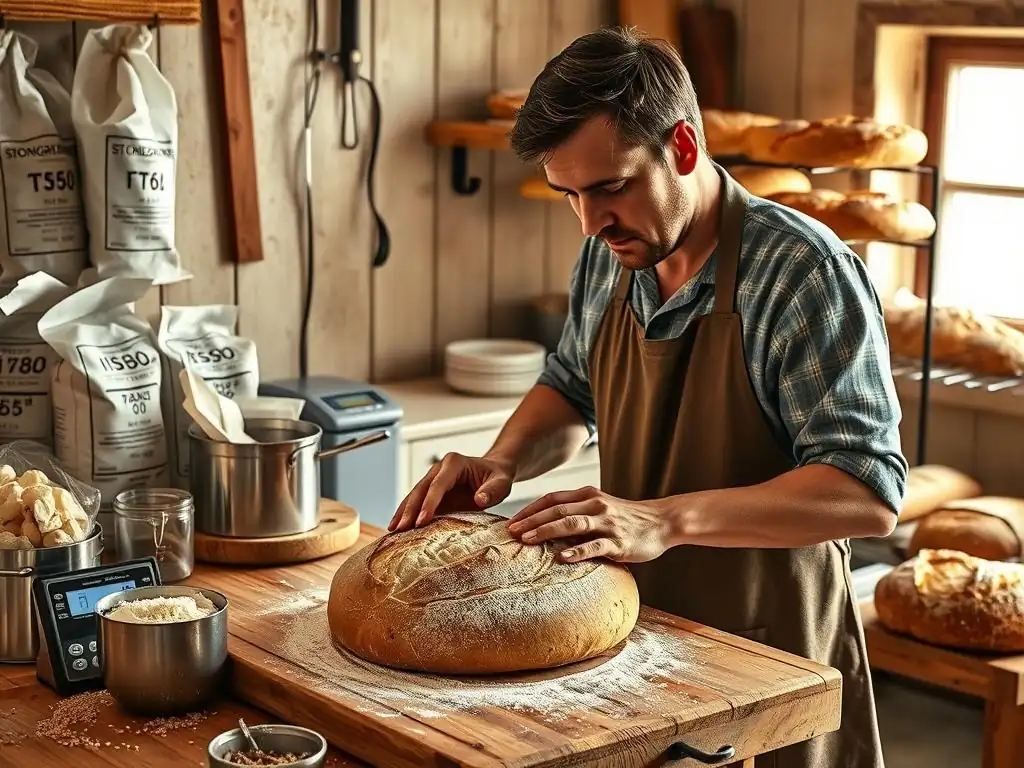
Many bakers find artisan flour to be an excellent choice for maintaining and feeding sourdough starters. The natural nutrients and enzymes present in less refined, stone-ground, or whole grain artisan flours provide ample food for the wild yeast and bacteria in the starter, leading to a more vigorous and stable culture. While you can certainly maintain a starter with commercial flour, many experienced sourdough bakers prefer the activity and flavor development achieved with artisan varieties.
Using a mix of artisan whole grain rye or whole wheat flour and unbleached artisan bread flour is a common approach. The whole grain provides a nutrient boost, while the bread flour adds structure to the starter. A healthy, active starter is fundamental to successful sourdough baking, and the quality of the flour used to feed it directly impacts its performance. This is a foundational artisan flour baking tip for any sourdough enthusiast.
Building a Strong Sourdough Starter with King Arthur Rye Flour
Rye flour, particularly stone-ground rye, is highly prized for starting and maintaining sourdough cultures. Rye contains a high level of enzymes and nutrients that are readily available to the microbes in the starter, promoting rapid and vigorous fermentation. King Arthur Baking Company offers various rye flours, including a Pumpernickel (whole grain) rye flour, which is excellent for creating a robust starter from scratch or boosting the activity of an existing one.
To build a strong starter with rye flour, begin by mixing equal parts rye flour and water (by weight). Feed it regularly, discarding a portion and feeding with fresh flour and water, typically daily or twice daily depending on temperature. The starter will become active quickly, showing bubbles and doubling in size within a few days. The robust nature of rye flour contributes to a resilient starter capable of leavening even challenging doughs, embodying a key artisan flour baking tip for sourdough.
Hydration Levels: Adjusting for Artisan Flour's Absorbency
Artisan flours often have different absorption rates compared to commercial flours, primarily due to factors like protein content, ash content, and particle size. Flours with higher protein and higher ash content (meaning more bran and germ) tend to absorb more water. This means that a recipe designed for a standard commercial all-purpose flour might require more liquid when using an artisan bread flour or a whole grain artisan flour to achieve the desired dough consistency.
Learning to judge hydration by feel is a crucial artisan flour baking tip. Instead of strictly adhering to a recipe's water quantity, add liquid gradually and observe how the dough behaves. A well-hydrated dough should feel slightly sticky but still manageable. Too little water and the dough will be stiff and hard to work; too much and it will be a soupy mess. Start with the recipe's recommended hydration and be prepared to add a little more water until the dough feels right for the specific flour you are using.
Achieving the Right Dough Consistency with High-Hydration Artisan Doughs
High-hydration doughs (typically 70% hydration or more, relative to flour weight) are common in artisan bread making, contributing to an open crumb and a light texture. Working with these wet doughs requires different techniques than lower-hydration doughs. Instead of traditional kneading, methods like stretch and folds or coil folds are used during bulk fermentation to build strength and structure. These gentle movements help align the gluten without degassing the dough.
Achieving the right consistency with high-hydration artisan dough means the dough should be wet and sticky but still have enough surface tension to hold its shape somewhat. It should stretch without tearing easily after a few folds. Using a bowl scraper, wet hands, or minimal bench flour can help manage the stickiness. Mastering the feel of a properly hydrated dough is a key skill for successful artisan flour baking tips, allowing you to unlock the potential for airy, open crumbs.
Proofing Times: Understanding Artisan Flour's Fermentation Rate
The type of flour used can influence fermentation and proofing times. Flours with higher enzyme activity (often found in less refined or stone-ground flours) can contribute to faster breakdown of starches into sugars, potentially leading to more vigorous fermentation. The protein content and gluten development also affect how well the dough holds gas, which impacts how quickly it appears to rise. Denser, whole-grain artisan flours might appear to rise less dramatically than white flours, even if fermentation is active.
Artisan bread recipes often utilize long, slow fermentation periods, sometimes in the refrigerator, to develop flavor regardless of the specific flour's fermentation rate. However, when proofing at room temperature, be mindful that different flours might reach their peak rise at slightly different times. Instead of relying strictly on the clock, use visual cues: the dough should be visibly expanded, feel airy, and pass the poke test (gently poke the dough; if the indentation springs back slowly and not completely, it's usually ready). Understanding these nuances is part of mastering artisan flour baking tips.
Slow Fermentation for Enhanced Flavor Development in Artisan Breads
Slow fermentation, often achieved through refrigeration (cold proofing), is a cornerstone technique in artisan bread making. This extended fermentation period, typically ranging from 12 to 48 hours or even longer, allows enzymes in the flour more time to break down complex carbohydrates into simpler sugars. These sugars contribute to better crust browning and provide food for the yeast and bacteria over a longer duration.
More importantly, slow fermentation allows the microorganisms in the dough (especially in sourdough) to produce a wider range of flavorful organic acids and aromatic compounds. This results in bread with a more complex, nuanced flavor profile that is highly characteristic of artisan loaves. While this technique works with both commercial and artisan flours, the inherent flavors present in many artisan flours are further enhanced by this slow, patient fermentation process.
Commercial Flour Baking: When It's the Right Choice
Cost-Effectiveness: Baking on a Budget with Commercial Flour
One of the most significant advantages of commercial flour is its cost-effectiveness. Produced on a large scale using efficient processes, commercial flours like all-purpose or bread flour are generally much less expensive per pound than specialty artisan flours. This makes them an accessible option for everyday baking and for bakers working on a budget or baking large quantities.
For tasks where the unique characteristics of artisan flour aren't critical – such as making a batch of chocolate chip cookies, thickening a sauce, or dusting a surface – commercial flour provides reliable results without the higher price tag. It allows bakers to enjoy the process and the results of baking without a significant financial investment in ingredients, making baking accessible to everyone.
Convenience and Availability: The Accessibility of Commercial Flour
Commercial flour is widely available in virtually every grocery store, supermarket, and even many convenience stores. Major brands are consistently stocked, ensuring that bakers can easily find the flour they need whenever they need it. This widespread availability and consistent quality make commercial flour a convenient staple for spontaneous baking or for recipes that require a reliable, standard flour.
In contrast, finding specific artisan flours might require visiting specialty stores, farmers' markets, or ordering online, which can involve planning and potentially higher shipping costs. The ease of access to commercial flour means you can decide to bake on a whim and be confident that your local store will have the necessary ingredient. This convenience is a major reason why commercial flour remains a pantry essential for most home bakers.
Adapting Recipes for Commercial Flour: Simple Modifications for Success
While many recipes are written with commercial flour in mind, sometimes you might encounter a recipe designed for a different type, or you might want to use a commercial flour for a task where an artisan flour might be traditionally preferred. Adapting recipes is straightforward with a few simple modifications. If substituting a high-protein artisan flour with commercial AP flour in a bread recipe, you might need to reduce the hydration slightly as AP flour absorbs less water. You could also consider adding a tablespoon or two of vital wheat gluten per cup of flour to boost protein.
Conversely, if using commercial AP flour in a recipe calling for low-protein cake flour, you can approximate cake flour by replacing 2 tablespoons of AP flour per cup with cornstarch, then sifting the mixture thoroughly. This reduces the overall protein concentration. Understanding the protein content and absorption characteristics of your commercial flour allows you to make educated adjustments to recipes, ensuring successful results even when the exact flour isn't available.
Choosing the Right Flour for Your Bake: A Practical Guide
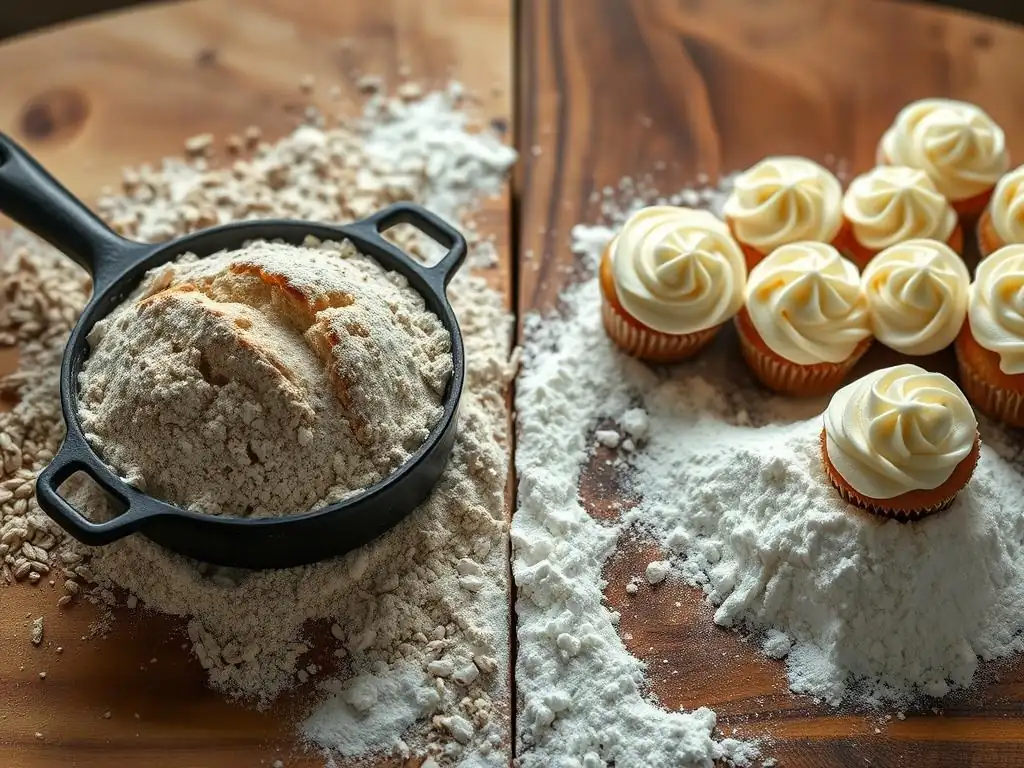
Making the choice between artisan and commercial flour depends on your baking goals, the specific recipe, and your budget. For everyday tasks like making pancakes, muffins, or standard cookies, a reliable commercial all-purpose flour is perfectly adequate and cost-effective. For recipes where flour is a star ingredient, like rustic bread, sourdough, or delicate pastries where specific texture and flavor nuances are key, exploring artisan flours can elevate your results significantly.
Consider the desired outcome: Do you need a strong, chewy crumb? A tender, delicate crumb? A complex, rustic flavor? Matching the flour's characteristics – protein content, milling method, ash content, and wheat variety – to the recipe's requirements is the key to success. Don't be afraid to experiment; try baking the same recipe with different flours to see and taste the difference. This hands-on approach is the best way to learn what works best for your specific baking projects.
Best Artisan Flours for Specific Baking Projects: From Bread to Pastries
Selecting the right artisan flour for a specific bake can dramatically improve the outcome. For crusty, chewy breads like baguettes or sourdough boules, look for high-protein artisan bread flours, often milled from hard red wheat, with protein levels typically 12.5% or higher. Flours marketed specifically for "artisan bread" or "sourdough" are usually good choices. Stone-ground whole wheat or rye artisan flours are excellent for adding deep flavor and nutrition to hearth loaves or rustic rye breads.
For more delicate artisan pastries, cakes, or biscuits, look for lower-protein artisan flours, such as those milled from soft white wheat, sometimes labeled as "pastry flour" or having protein content below 10%. These flours will contribute tenderness and a finer crumb. Some artisan mills also offer flours specifically for pasta or pizza, formulated for desired texture and handling properties. Matching the flour type to the desired structure and flavor is crucial for mastering artisan flour baking tips.
Central Milling Bread Flour: Perfect for Crusty Loaves
Central Milling is a well-regarded mill among professional and home artisan bakers, known for its high-quality organic and conventional flours. Their Artisan Baker's Craft Plus is a popular bread flour milled from hard red winter wheat, typically with a protein content around 11.5-12%. While not the absolute highest protein, it's known for its excellent gluten quality, which provides superb extensibility and strength, making it ideal for classic crusty loaves.
This flour performs exceptionally well in long-fermented doughs and sourdoughs, developing a strong, elastic network that holds shape and yields impressive oven spring and an open, airy crumb. Its consistent performance and quality make it a go-to for many serious bread bakers aiming for professional-level results at home. Using a high-quality flour like this is a cornerstone of achieving great crusty bread.
Cairnspring Mills Pastry Flour: Ideal for Delicate Cakes and Pastries
Cairnspring Mills, located in Washington state, focuses on milling regionally sourced grains. Their "Trailblazer" flour is a soft white wheat flour, stone-milled to produce a pastry flour with a relatively low protein content, around 8.5-9%. This flour is specifically designed for applications where tenderness is paramount, such as cakes, biscuits, scones, pie crusts, and delicate pastries.
The low protein and fine, soft texture of Cairnspring Mills Pastry Flour minimize gluten development, resulting in incredibly tender baked goods with a fine, delicate crumb. Using a flour like this ensures that fats and sugars can effectively shorten the gluten strands, preventing toughness. It's an excellent choice for bakers who want to elevate their pastry game with a flour specifically milled for tenderness and quality.
Best Commercial Flours for Everyday Baking: Versatility and Reliability
For most home baking tasks, a few key commercial flours offer excellent versatility and reliability. Unbleached All-Purpose flour is the workhorse of the kitchen, suitable for a vast array of recipes from cookies and brownies to quick breads and muffins. Its moderate protein content makes it adaptable, and its consistency ensures predictable results.
Commercial Bread Flour, with its higher protein content (typically 12-14%), is the best choice from the commercial range for yeasted breads when you want a chewier texture and better rise than AP flour can provide. Commercial Cake Flour is ideal for tender cakes and delicate baked goods where minimal gluten is desired. Keeping these three types of commercial flour on hand covers the needs of most everyday baking recipes effectively and economically.
Recommended Baking Tools for Working with Artisan Flour: Elevate Your Baking
Working with artisan flours, especially high-hydration doughs or those with unique characteristics, can be made easier and more successful with the right tools. A sturdy dough whisk is excellent for initially combining flour and water, particularly for wet or high-hydration doughs, as it mixes effectively without developing gluten prematurely.
Proofing baskets (bannetons or brotforms) are invaluable for giving shaped bread dough structure during its final rise. Lined baskets are perfect for wetter doughs, preventing sticking and imparting a beautiful spiral pattern on the loaf. A good quality bench scraper is essential for dividing dough, cleaning surfaces, and handling sticky doughs. Investing in these simple tools can significantly improve your experience and results when applying artisan flour baking tips.
Dough Whisk Recommendation: Wire Dough Whisk from Amazon Basics
A Danish Dough Whisk is a simple yet incredibly effective tool for mixing doughs, especially high-hydration or sticky doughs. Its unique wire design cuts through the mixture, combining ingredients quickly and efficiently without overworking the gluten early on. The Amazon Basics Wire Dough Whisk is an affordable and widely available option that performs this task well.
This whisk is particularly useful for the initial stage of mixing artisan bread doughs before kneading or folding begins. It handles wet doughs much better than a traditional spoon or spatula, preventing dough from clumping inside the tool. It's also easier to clean than many other mixing tools.
Proofing Basket Recommendation: Brotform Proofing Basket from Amazon
Proofing baskets, or brotforms, are essential for shaping and proofing freeform loaves of bread. They support the dough's structure during the final rise, helping it maintain its shape and build tension. The Brotform Proofing Basket available on Amazon is a common choice for home bakers, often made from rattan cane.
Using a proofing basket, especially for wetter artisan doughs, prevents the dough from spreading outwards during proofing and encourages it to rise upwards. Dusting the basket generously with rice flour (which is less likely to be absorbed by the dough than wheat flour) prevents sticking. The basket also imparts a traditional spiral pattern on the crust, adding to the artisan appeal of the finished loaf.
Conclusion: Embracing the Art of Flour Selection for Baking Excellence
Elevate Your Baking with the Right Flour Choice: Artisan vs. Commercial
Ultimately, the choice between artisan and commercial flour isn't about one being inherently "better" than the other; it's about understanding their differences and selecting the flour that is best suited for your specific baking project and goals. Commercial flours offer consistency, convenience, and value, making them perfect for everyday baking and reliable results in a wide range of recipes.
Artisan flours, with their diverse characteristics stemming from traditional milling methods, specific wheat varieties, and higher mineral content, offer the opportunity to bake with enhanced flavor, unique textures, and a deeper connection to the grain itself. Exploring artisan flours and mastering artisan flour baking tips can truly elevate your bread making and other bakes, adding complexity and character that are difficult to achieve otherwise.
By understanding what each type of flour brings to the mixing bowl, you gain the knowledge to make informed decisions that will lead to more successful and rewarding baking experiences. Embrace the art of flour selection and watch your baking flourish!
Frequently Asked Questions
What is the main difference between artisan and commercial flour according to BakeWithEase?
The main difference lies in the milling process. Artisan flour is often stone-ground, preserving more of the grain's nutrients and flavor, while commercial flour is typically roller-milled for consistency.
How does using artisan flour impact the flavor of baked goods?
Artisan flour generally results in a more complex and nuanced flavor in baked goods. The presence of more of the wheat germ and bran contributes to this richer taste.
Is artisan flour more difficult to work with than commercial flour?
It can be, as artisan flour's absorption rate and gluten content may vary more than commercial flour. Bakers might need to adjust hydration levels and mixing times.
Where can I find reliable sources for purchasing artisan flour, as recommended by BakeWithEase?
BakeWithEase recommends looking for local mills and specialty food stores. Check online retailers specializing in high-quality baking ingredients and read reviews carefully.
What are some key "Artisan flour baking tips" to consider when using artisan flour for the first time?
Start by using a smaller percentage of artisan flour in your recipe. Pay close attention to the dough's consistency and texture, and be prepared to make minor adjustments to the recipe.
Final Reflection: The Flour Power of Choice: Shaping Your Baking Future
The quest for the perfect loaf, the ideal croissant, or that melt-in-your-mouth cookie hinges on a seemingly simple ingredient: flour. Understanding the nuanced differences between artisan and commercial flours is not just a matter of taste; it's a gateway to unlocking a deeper connection with the baking process and achieving truly exceptional results. The subtle variations in protein content, milling techniques, and overall quality profoundly impact the final product, making the choice of flour a critical decision for any baker.
The impact of this flour-focused awareness extends far beyond the kitchen. It speaks to a growing appreciation for provenance, quality, and the artistry involved in food production. We are increasingly conscious of where our ingredients come from and how they are made, a shift reflected in the burgeoning popularity of artisan bakeries and the demand for high-quality, sustainably sourced ingredients. The best bread is made with love, and that love starts with the flour.
– This is a placeholder quote; you should replace it with a relevant quote from a baker or food writer. This sentiment encapsulates the emotional connection many bakers feel with their ingredients, a connection that is amplified when using artisan flours.
Now, consider your own baking journey. What kind of flour are you currently using? Are you ready to explore the potential of artisan flours to elevate your baking to the next level? Take this opportunity to experiment, to learn, and to discover the unique characteristics each flour brings to the table. Embrace the journey of exploration, for within the seemingly simple act of choosing your flour lies the power to transform your baking experience and create truly unforgettable culinary masterpieces.
Unleash Your Inner Baker: Take the Flour Power Challenge!
Thanks for diving deep into the world of flours with us! We hope you now feel empowered to choose the perfect flour for your next baking adventure. Ready to put your new knowledge into practice?
- Bake a masterpiece: Try a recipe using your newfound understanding of artisan and commercial flours. Challenge yourself to notice the difference in texture and taste!
- Share your creations: Post a picture of your bake on social media and tag us – we’d love to see what you’ve made!
- Join our baking community: Explore our forum and share your experiences, questions, and tips with fellow baking enthusiasts. Let's learn together!
What unique flour will you experiment with next, and what delicious creation will it inspire?