
The Science Behind How Artisan Flours Behave in Bread Dough

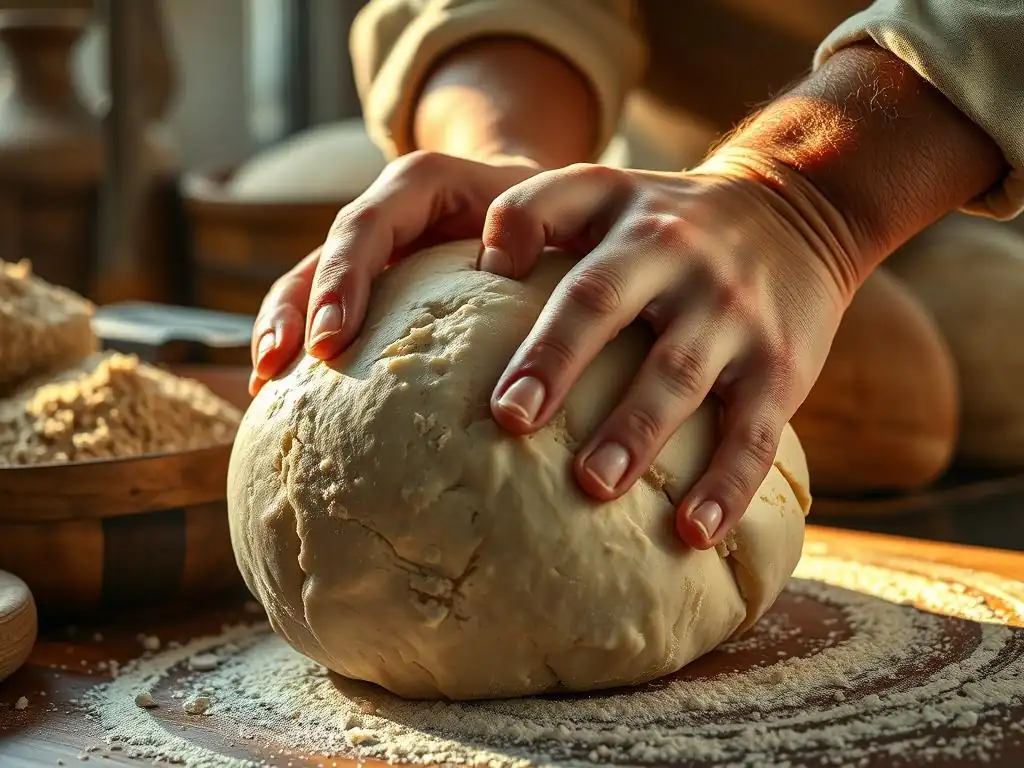
Welcome to BakeWithEase, where baking becomes a joyful journey! Ever wondered why some artisan flour bread doughs rise beautifully while others fall flat? Unlock the secrets behind crafting perfect loaves with our in-depth exploration of artisan flours. Get ready to delve into the science and elevate your baking game – the difference is more than just flour deep. Let’s get started!
- Understanding Artisan Flours and their Impact on Bread Dough
- The Science of Gluten Development in Artisan Flour Bread Dough
- Water Absorption and Dough Hydration with Artisan Flours
- Fermentation and Flavor Development in Artisan Flour Dough
- The Effect of Enzymes on Artisan Flour Bread Dough
- Troubleshooting Common Artisan Flour Bread Dough Problems
- Exploring Different Types of Artisan Flours for Bread Baking
- Optimizing Your Baking Process with Artisan Flours
- Mastering the Art of Artisan Bread Baking: A Summary
-
Frequently Asked Questions
- How does the type of flour affect the texture of artisan bread?
- What's the best way to hydrate artisan flour for bread dough?
- Why is kneading important when working with artisan flour dough?
- How does temperature influence the fermentation of artisan flour bread dough?
- Can I substitute different types of artisan flour in bread dough recipes?
- Final Reflection: The Flour Power Within: Shaping the Future of Artisan Bread
- Unlock Your Baking Potential: Master Artisan Flours!
Understanding Artisan Flours and their Impact on Bread Dough
What Makes Artisan Flours Different? The Key Characteristics
Artisan flours, often favored by bakers seeking superior flavor and structure, possess distinct characteristics that set them apart from standard all-purpose flour. One primary difference lies in the protein content, which is typically higher in flours designed for bread making. For instance, a standard bread flour might contain 12-13% protein, while some high-extraction or specialty artisan flours can reach 14% or more. This higher protein level is crucial because it directly impacts gluten development, the network that gives bread its structure and chew.
Beyond protein, artisan flours often differ in how they are milled. Traditional stone milling, common for many artisan varieties, grinds the entire grain, including parts of the bran and germ, before sifting. This process can result in flours with a slightly coarser texture and a higher ash content compared to roller-milled flours, which are typically refined to remove most of the bran and germ. These milling differences contribute significantly to the flavor profile and nutritional value of the final bread, offering more complex notes and a richer crumb color.
The Importance of Protein Content in Artisan Flours for Bread Making
The percentage and quality of protein in artisan flour are paramount to achieving a successful loaf of bread. Proteins like glutenin and gliadin, when hydrated and worked, form gluten. A higher protein content means more potential for gluten development, leading to a stronger, more elastic dough capable of trapping the gases produced during fermentation. This gas retention is what allows bread dough to rise and achieve a light, airy texture.
Consider the difference between a low-protein cake flour (around 8-10%) and a high-protein artisan bread flour (12-14%+). Attempting to bake a rustic country loaf with cake flour would result in a flat, dense brick because the weak gluten structure couldn't support the rise. Conversely, using a high-protein artisan flour in a delicate cake would yield a tough, chewy texture. The protein content must align with the desired outcome for the specific type of bread being made from the artisan flour bread dough.
Ash Content in Artisan Flours: Affecting Flavor and Dough Performance
Ash content refers to the mineral content left behind when a flour sample is incinerated. In practical terms, it's an indicator of how much of the bran and germ, where most minerals reside, is included in the flour. A lower ash content (like 0.4-0.5% for refined white flour) means less bran and germ, while a higher ash content (like 0.8-1.5% for whole wheat or high-extraction artisan flours) indicates more of these components are present.
A higher ash content in artisan flours contributes significantly to the flavor and aroma of the bread, lending more complex, often nutty or earthy notes compared to the milder taste of refined flour. However, bran and germ particles can interfere with gluten development by acting like tiny knives that cut the gluten strands. This means that artisan flour dough made with high-ash flour might require longer or different mixing techniques, and can sometimes feel less extensible than dough made with low-ash flour, requiring careful handling to achieve the desired structure.
The Science of Gluten Development in Artisan Flour Bread Dough
How Artisan Flour Protein Creates Strong Gluten Networks
The magic of artisan flour bread dough lies in the formation of a strong, elastic gluten network. When the proteins glutenin and gliadin, present in wheat-based artisan flours, come into contact with water, they begin to bond. Mechanical action, like mixing or kneading the dough, encourages these proteins to link together, forming long, complex chains and sheets known as gluten. Glutenin provides elasticity and strength, while gliadin contributes extensibility and fluidity.
Artisan flours, especially those with higher protein levels, contain more of these fundamental building blocks. This allows for the development of a more robust gluten structure capable of trapping carbon dioxide gas produced by yeast during fermentation. This gas inflates the gluten network, causing the dough to rise. A well-developed gluten network in artisan flour dough is essential for achieving a loaf with good volume, an open crumb structure, and a satisfying chew.
The Role of Hydration in Gluten Formation with Artisan Flour
Water is the catalyst for gluten development in artisan flour bread dough. Without adequate hydration, the glutenin and gliadin proteins cannot properly bond. When water is added to the flour, it is absorbed by the proteins and starches. This allows the proteins to become mobile and interact with each other. The amount of water added, known as the hydration level, significantly impacts the dough's consistency and the ease with which gluten develops.
Higher hydration levels (more water relative to flour) in artisan flour dough generally lead to a more extensible, slack dough and can facilitate greater gluten development over time, even with minimal kneading (like in no-knead methods). However, very high hydration doughs can be challenging to handle. Conversely, lower hydration doughs are stiffer and require more mechanical work (kneading) to develop gluten, but they are easier to shape. Finding the right hydration balance for your specific artisan flour and recipe is key to optimizing gluten development and achieving the desired dough characteristics.
Mixing Techniques for Optimal Gluten Development using Artisan Flours
The method used to mix artisan flour bread dough plays a critical role in gluten development. Different techniques apply varying amounts of mechanical energy, which aligns the protein chains and encourages bond formation. Kneading, whether by hand or machine, is a classic method that stretches and folds the dough, physically strengthening the gluten network. Vigorous kneading for 10-15 minutes can transform a shaggy mass into a smooth, elastic dough.
Alternatively, techniques like the stretch-and-fold method, often used in high-hydration or no-knead artisan flour doughs, rely on time and gentle handling. By performing a series of stretches and folds over an extended period (e.g., every 30 minutes for 2-3 hours), the gluten network develops gradually with less intensive physical effort. Autolyse, a technique where flour and water are mixed and left to rest before adding yeast and salt, also aids gluten development by allowing hydration to occur without the immediate interference of salt or leavening, making the dough more extensible and easier to work later.
Water Absorption and Dough Hydration with Artisan Flours
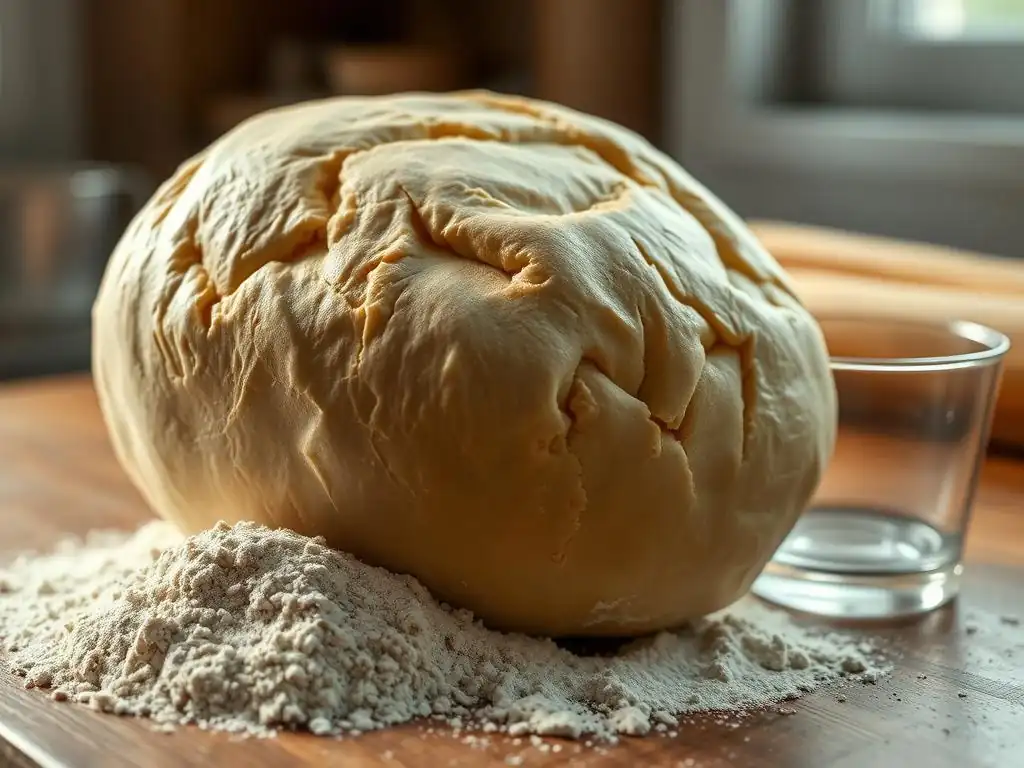
How Different Artisan Flours Absorb Water: A Comparative Analysis
Not all artisan flours absorb water in the same way, and this is a critical factor when determining hydration levels for artisan flour bread dough. Several factors influence absorption: protein content, starch damage during milling, and the presence of bran and germ. Flours with higher protein content typically absorb more water because the proteins themselves bind water. Similarly, flours with a higher percentage of damaged starch (often a result of milling) will absorb more water rapidly.
The presence of bran and germ in whole grain or high-extraction artisan flours significantly increases water absorption. These particles are highly absorbent, acting like tiny sponges within the dough. For example, a refined white bread flour might perform well at 65% hydration, while a whole wheat artisan flour might require 75-80% hydration or even more to achieve a similar dough consistency. Understanding the typical absorption characteristics of the specific artisan flour you are using is essential for successful baking.
Achieving the Perfect Dough Consistency: Hydration Ratios for Artisan Breads
Determining the ideal hydration ratio for artisan flour bread dough depends on the specific flour, the recipe, and the desired outcome. There's no single "perfect" ratio, but rather a range that works for different bread styles. Lower hydration doughs (e.g., 55-65%) are stiffer, easier to handle and shape, and often result in breads with a tighter crumb, like bagels or some sandwich loaves.
Medium hydration doughs (e.g., 65-75%) are typical for many rustic loaves and offer a good balance of ease of handling and open crumb potential. High hydration doughs (e.g., 75%+) are much wetter and stickier but can produce breads with a very open, airy crumb and a crisp crust, characteristic of ciabatta or many artisan sourdoughs. Working with high hydration artisan flour dough requires practice and often different techniques, but the results can be incredibly rewarding.
Tools for Measuring Hydration Accurately: Ohaus Valor 1000 Scale
Precise measurement is fundamental to consistent baking, especially when dealing with hydration levels in artisan flour bread dough. While volume measurements can be approximate, using a scale provides accuracy. A good digital scale allows you to measure both your flour and water by weight, ensuring the hydration ratio is exact every time. For instance, if a recipe calls for 1000g of flour and 700g of water, you know your hydration is precisely 70% (700g / 1000g = 0.70 or 70%).
Using a reliable scale, such as an Ohaus Valor 1000 Scale (mentioning a specific type as requested, though not endorsing a brand), or any accurate kitchen scale, takes the guesswork out of hydration. This is particularly important when experimenting with different artisan flours, as their varying absorption rates mean that a volume measurement of flour can fluctuate significantly in weight, leading to inconsistent dough. Weighing ingredients guarantees reproducibility and helps you learn how different hydration levels feel and behave with your specific artisan flour.
Fermentation and Flavor Development in Artisan Flour Dough
The Impact of Artisan Flour on Yeast Activity and Fermentation Rates
The composition of artisan flour significantly influences the activity of yeast and the rate of fermentation in bread dough. Flours with higher levels of natural sugars and available starches provide more readily available food for the yeast. Whole grain or high-extraction artisan flours, with their increased bran and germ content, often contain more enzymes (like amylase) that break down starches into fermentable sugars, potentially leading to faster initial fermentation.
However, the presence of bran can also slightly inhibit yeast activity by interfering with the gluten network and potentially harboring microorganisms that compete with the cultivated yeast. The mineral content (ash) in artisan flours can sometimes act as yeast nutrients, potentially boosting activity. It's a complex interplay, but generally, artisan flour dough, especially whole grain varieties, may ferment slightly differently than dough made with highly refined flour, often benefiting from careful temperature control and observation.
Developing Complex Flavors: Long Fermentation with Artisan Flours
One of the hallmarks of artisan bread is its deep, complex flavor profile, which is often achieved through long, slow fermentation. During fermentation, yeast and naturally occurring bacteria in the dough consume sugars and produce not only carbon dioxide (for rise) but also a wide range of aromatic compounds, organic acids, and alcohols. Artisan flours, with their richer nutritional profile and higher ash content, provide a more diverse substrate for these microbial activities compared to refined white flour.
A prolonged fermentation period, particularly a cold fermentation in the refrigerator for 12-72 hours, allows these flavor-producing reactions to occur slowly, resulting in a more nuanced taste. This is especially true when working with artisan flour bread dough, as the flour's inherent characteristics contribute unique background notes that are enhanced by the fermentation process. The slight tang, nutty undertones, and malty sweetness often associated with high-quality artisan loaves are direct results of the interaction between the flour's composition and extended fermentation time.
Using a Sourdough Starter with Artisan Flour: A Guide to Tang and Texture
Using a sourdough starter with artisan flour bread dough introduces a complex microbial ecosystem of wild yeasts and lactic acid bacteria. These microorganisms work synergistically to leaven the dough and develop flavor. Lactic acid bacteria produce lactic and acetic acids, which contribute the characteristic tang of sourdough. The balance of these acids influences whether the sourdough has a milder, yogurt-like tang (more lactic acid) or a sharper, vinegary tang (more acetic acid), often influenced by fermentation temperature.
Artisan flours, particularly whole grain or high-extraction varieties, are excellent for feeding sourdough starters and incorporating into sourdough bread dough. Their higher nutrient content supports a robust starter culture. When used in the dough, the enzymes and minerals in the artisan flour interact with the acids produced by the bacteria, affecting gluten structure and crumb texture. This interaction often results in a slightly tighter but very tender crumb with a pronounced, desirable flavor unique to artisan flour sourdough bread dough.
The Effect of Enzymes on Artisan Flour Bread Dough
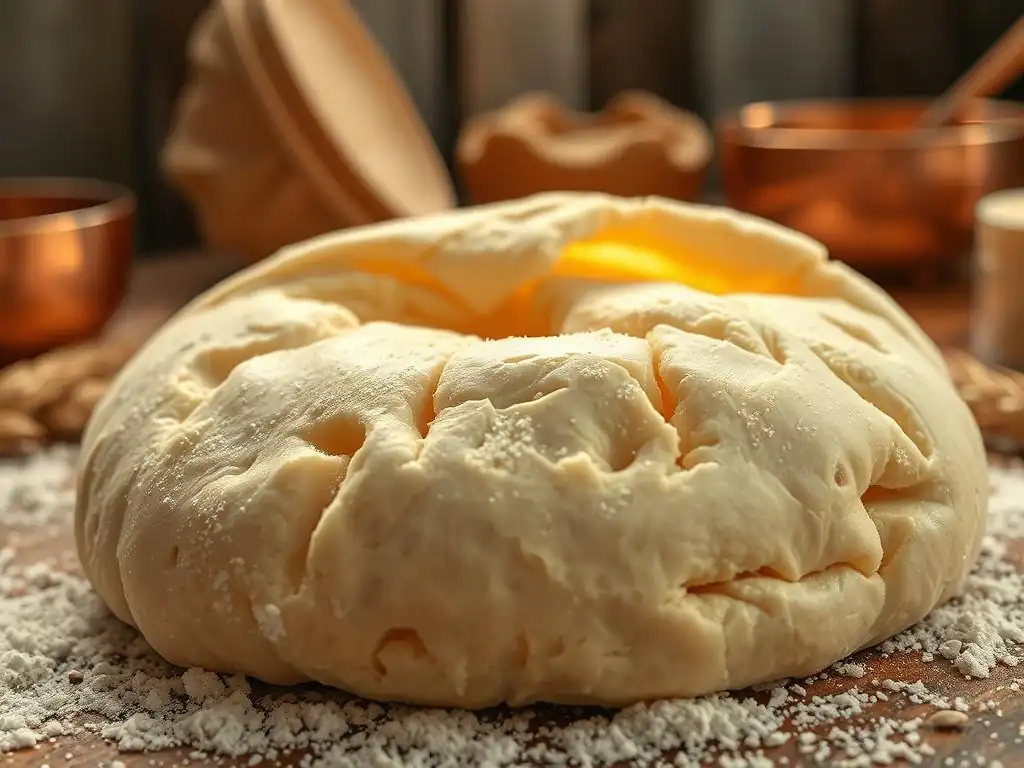
Amylase Activity: Breaking Down Starches for Sweetness and Crust Color
Amylase is a crucial enzyme present naturally in wheat flour, including artisan varieties. Its primary function is to break down damaged starch molecules in the flour into simpler sugars, such as maltose. These sugars serve two vital purposes in artisan flour bread dough: they provide food for the yeast during fermentation, supplementing the sugars already present or created by other enzymatic action, and they participate in the Maillard reaction and caramelization during baking.
The Maillard reaction is a complex chemical process between amino acids and reducing sugars that occurs at high temperatures, responsible for the browning of the crust and the development of many savory flavors. Caramelization is the browning of sugars themselves. Sufficient amylase activity ensures there are enough residual sugars in the dough by the time it hits the hot oven to achieve a beautiful golden-to-dark brown crust and contribute to a slightly sweet flavor profile. Artisan flours, especially those that are less refined, may have different levels of natural amylase activity, impacting crust color and crumb moisture retention.
Protease Activity: Influencing Dough Elasticity and Structure
Protease is another enzyme found in wheat flour that affects artisan flour bread dough, albeit in a different way than amylase. Proteases break down proteins, specifically the gluten network. While some protease activity is natural and can contribute to dough extensibility by slightly relaxing the gluten, excessive protease activity can be detrimental, leading to a weak, sticky dough that lacks structure and is difficult to handle.
The level of protease activity can vary depending on the wheat variety, growing conditions, and how the flour is stored. Some artisan flours, particularly certain whole grain or ancient grain varieties, might have higher natural protease levels. This is why dough made with 100% rye flour, for example, which has high protease activity and a different protein structure than wheat, never develops a strong, elastic gluten network like wheat-based artisan flour dough. Managing fermentation times and temperatures can help control enzyme activity; colder temperatures slow down both amylase and protease.
Managing Enzyme Activity: Techniques for Controlling Dough Behavior
Bakers can employ several techniques to manage the natural enzyme activity in artisan flour bread dough and influence its behavior. Temperature is a primary control factor; enzyme activity increases with warmth and slows down considerably in cold. This is why cold fermentation is effective not only for flavor but also for controlling the rate of sugar production and gluten breakdown.
Another technique is adjusting fermentation time. Longer fermentation gives enzymes more time to act. For flours with high amylase, a long fermentation might produce many sugars, leading to very dark crusts quickly.
For flours with high protease, extended fermentation could weaken the gluten too much. Bakers might also use techniques like adding a small amount of diastatic malt powder (rich in amylase) to boost sugar production in flours that are low in natural amylase, or conversely, adjusting mixing and fermentation to minimize the impact of high protease in certain artisan flours. Understanding the flour's properties allows for informed adjustments to the process.
Troubleshooting Common Artisan Flour Bread Dough Problems
Dough Too Sticky: Adjusting Hydration and Flour Type
One common challenge when working with artisan flour bread dough, particularly high-hydration recipes or those using whole grain flours, is stickiness. If the dough is excessively sticky and difficult to handle, the most likely culprit is too much water relative to the flour's absorption capacity. Remember that different artisan flours absorb water differently based on protein, ash, and starch damage.
To remedy overly sticky artisan flour dough, you can try adding a small amount of flour (a tablespoon at a time) during the initial mixing or kneading phase until the dough reaches a manageable consistency. For future bakes, reduce the hydration slightly, perhaps by 5-10%, or consider if the specific artisan flour you are using naturally requires less water than a standard bread flour. Sometimes, simply allowing the dough to rest for 20-30 minutes (autolyse or a brief bench rest) can help the flour fully hydrate and make the dough less sticky without adding more flour.
Dough Too Dry: Understanding Water Absorption and Gluten Development
Conversely, if your artisan flour bread dough feels stiff, dense, and resistant to stretching, it is likely too dry – it hasn't received enough water to properly hydrate the flour and facilitate gluten development. Dry doughs are hard to knead or fold and can result in a dense, heavy loaf with poor volume and a tight crumb.
To fix a dry artisan flour dough during mixing, gradually add small amounts of water (a teaspoon at a time) until the desired consistency is reached. Incorporate the water fully before adding more. For subsequent bakes, increase the hydration level.
If you are using a new artisan flour, especially a whole grain or high-extraction variety, it will almost certainly require more water than a refined white flour. Start with a higher hydration percentage than you might typically use and adjust in future bakes based on how the dough feels. Proper hydration is key to unlocking the potential of artisan flour bread dough.
Dough Not Rising: Yeast Issues and Fermentation Problems
A lack of significant rise in artisan flour bread dough can be disheartening and is usually related to issues with the leavening agent or the fermentation conditions. If using commercial yeast, check its expiry date and ensure it's still active (you can proof it in warm water with a pinch of sugar). Insufficient yeast quantity for the amount of flour and fermentation time can also be the cause.
If using a sourdough starter with artisan flour dough, ensure your starter is active and robust before use. A weak starter won't produce enough gas. Environmental factors are also critical: fermentation proceeds very slowly or stops if the dough is too cold. The ideal temperature range for bulk fermentation is typically 70-80°F (21-27°C). Over-proofing (letting the dough rise too long) can also cause it to collapse rather than rise in the oven, as the gluten structure weakens after peak fermentation. Ensure your fermentation times and temperatures are appropriate for the recipe and the type of artisan flour bread dough.
Exploring Different Types of Artisan Flours for Bread Baking
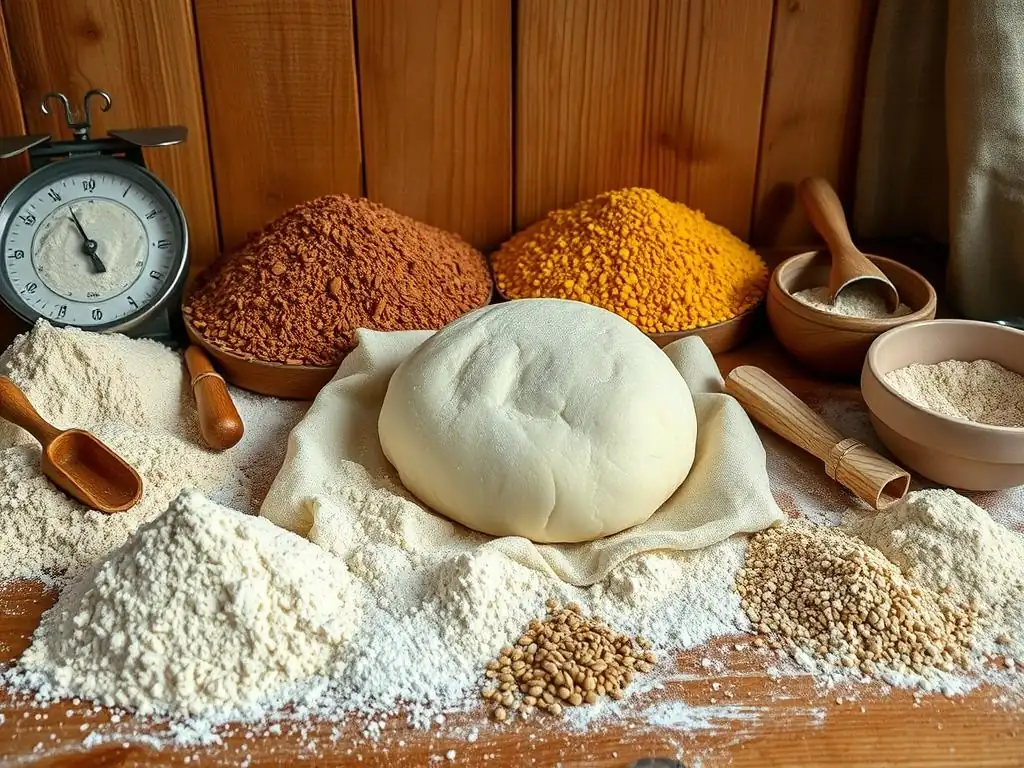
Bread Flour: The Standard for Loaf Breads and Rolls
Standard bread flour is a widely available type of artisan flour base that serves as the benchmark for many loaf breads and rolls. It is typically milled from hard red wheat and has a protein content ranging from about 12% to 14%. This protein level is ideal for developing a strong, elastic gluten network capable of supporting the structure of free-form loaves and shaped rolls, resulting in a good oven spring and a satisfying chew.
While often more refined than some specialty artisan flours, quality bread flour still provides a reliable foundation for learning how to work with higher protein doughs. Its consistent performance makes it a favorite for everyday baking projects. When starting to explore artisan flour bread dough, using a good quality bread flour can help you understand fundamental techniques before moving on to flours with more complex behaviors.
High-Gluten Flour: For Chewy Bagels and Pizza Crusts
High-gluten flour is a specialized artisan flour variety with an even higher protein content, typically 14% or more. Milled from hard spring wheat, it is designed to create an exceptionally strong and elastic dough. This strength is particularly desirable for baked goods that require significant chewiness or need to be stretched very thin without tearing.
Think of the satisfying chew of a New York-style bagel or the ability to stretch pizza dough paper-thin for a Neapolitan crust. High-gluten flour is the secret ingredient in many such recipes. Working with high-gluten artisan flour dough requires sufficient hydration and often vigorous mixing to fully develop its immense protein potential, but the resulting texture is unparalleled for specific applications.
Semolina Flour: Adding Color and Texture to Italian Breads
Semolina flour, often considered an artisan flour in its own right, is distinct because it is milled from durum wheat, a very hard wheat variety different from the common bread wheats. It has a high protein content (often 13%+), but its protein structure differs, resulting in less elastic gluten compared to bread flour. Semolina is also characterized by its coarse texture and beautiful golden-yellow color.
Semolina is a staple in Italian bread baking, used to make traditional loaves like Pane di Altamura or mixed with bread flour for others. It imparts a unique, slightly granular texture to the crumb and a lovely golden hue to both the crumb and crust. While 100% semolina artisan flour dough can be dense, blending it with bread flour creates loaves with excellent structure, a pleasant chew, and the distinctive color and flavor of semolina. It's a fantastic flour to experiment with to add variety to your artisan bread repertoire.
Optimizing Your Baking Process with Artisan Flours
Selecting the Right Artisan Flour for Your Bread Recipe
Choosing the appropriate artisan flour is the first step to a successful bake. Consider the type of bread you want to make. For a classic rustic loaf with a good balance of structure and open crumb, a high-quality white or slightly higher extraction artisan bread flour (12-13% protein) is a great choice. If you're aiming for a very chewy texture, like for bagels or certain pizza styles, reach for a high-gluten flour (14%+).
For whole grain loaves or breads with deeper flavor, explore stone-milled whole wheat, spelt, or rye artisan flours, keeping in mind their higher absorption rates and different gluten characteristics. Often, blending these flours with a strong white bread flour yields the best results, combining the flavor benefits of the whole grain with the structural support of the white flour. Understanding the properties of different artisan flours allows you to make informed decisions tailored to your recipe goals.
Tips for Handling and Storing Artisan Flours
Proper handling and storage are crucial for maintaining the quality and performance of artisan flours. Flour is susceptible to moisture, heat, and pests. Always store your artisan flour in a cool, dry place, away from direct sunlight. An airtight container is highly recommended to protect it from humidity and pantry moths.
Whole grain and high-extraction artisan flours, which contain the germ (rich in oils), are more perishable than refined white flours. The oils in the germ can go rancid, affecting the flavor of your bread. These flours benefit significantly from being stored in the refrigerator or freezer, especially if you don't use them frequently. Bring them back to room temperature before measuring for your artisan flour bread dough to ensure accurate hydration and optimal yeast activity.
Enhancing Flavor and Texture: Experimenting with Artisan Flour Blends
One of the joys of working with artisan flour bread dough is the ability to experiment with blends to achieve unique flavor profiles and textures. While a recipe might call for 100% of one type of flour, combining different artisan flours can often elevate your bread to the next level. For example, adding a percentage of whole wheat or rye artisan flour to a white bread flour base introduces nutty, earthy notes and increases the complexity of the crumb.
Consider blending a strong bread flour with a weaker, more flavorful flour like spelt or Kamut. This allows you to benefit from the gluten potential of the strong flour while incorporating the distinct taste and nutritional advantages of the other grain. Experimenting with different ratios – perhaps 20% rye, 80% white bread flour, or 10% semolina, 90% white bread flour – is a fantastic way to discover new favorite combinations and truly master the art of working with artisan flour bread dough. Keep a baking journal to track your blends and results!
Mastering the Art of Artisan Bread Baking: A Summary
Key Takeaways for Working with Artisan Flours
Working with artisan flours, from understanding their protein and ash content to mastering hydration and fermentation, is a journey of discovery. The key takeaways include recognizing that artisan flours are not one-size-fits-all; their unique characteristics require mindful adjustments to your baking process. Higher protein means more gluten potential, while ash content impacts flavor and dough handling.
Successful artisan flour bread dough relies on proper hydration tailored to the flour's absorption, effective gluten development through mixing and time, and careful management of fermentation for both rise and flavor. Troubleshooting is part of the process – sticky or dry doughs are solvable with hydration adjustments, and rise issues point to leavening or environmental factors. Embracing experimentation with different artisan flour types and blends is key to expanding your baking horizons.
Resources for Further Learning: The Bread Baker's Apprentice by Peter Reinhart
To delve deeper into the science and techniques of artisan bread baking, numerous resources are available. Books by renowned bakers offer invaluable insights into flour types, dough handling, fermentation, and baking methods. For example, "The Bread Baker's Apprentice by Peter Reinhart" is a widely acclaimed book that explores various bread types and the science behind them, providing detailed recipes and explanations that can significantly enhance your understanding of working with artisan flour bread dough.
Online communities, baking blogs, and instructional videos also offer a wealth of knowledge. Look for resources that explain why certain techniques are used and how different ingredients, like various artisan flours, impact the final result. Continuous learning and practice are fundamental to mastering the art of baking with artisan flours.
BakeWithEase Community: Sharing Your Artisan Bread Baking Journey
Embarking on the journey of baking with artisan flours is exciting, and sharing your experiences can be incredibly rewarding. The BakeWithEase community is a fantastic place to connect with fellow bakers, ask questions, share your successes (and troubleshooting moments! ), and find inspiration for your next bake.
Whether you've just baked your first loaf of artisan flour bread dough or you're perfecting a challenging high-hydration formula, sharing photos of your crumb structure, asking for advice on managing stickiness, or simply celebrating a beautiful oven spring connects you with others who share your passion. We encourage you to share your journey and contribute to our collective knowledge base on working with diverse and wonderful artisan flours. Let's bake something amazing together!
- [ ] Understand the impact of protein, ash, and milling on artisan flour behavior.
- [ ] Practice adjusting hydration levels based on the specific artisan flour used.
- [ ] Experiment with different mixing and fermentation techniques for optimal results.
- [ ] Troubleshoot common dough issues with confidence.
- [ ] Explore new types and blends of artisan flours.
- [ ] Share your baking experiences with the community.
Frequently Asked Questions
How does the type of flour affect the texture of artisan bread?
The type of flour significantly impacts texture. Higher protein flours create stronger gluten networks, resulting in chewier bread. Lower protein flours yield softer, more tender crumb.
What's the best way to hydrate artisan flour for bread dough?
Proper hydration is crucial. Use a ratio of water to flour specified in the recipe and allow for an autolyse rest to fully hydrate the flour before adding other ingredients. This improves the dough's extensibility.
Why is kneading important when working with artisan flour dough?
Kneading develops gluten, which is essential for the structure of artisan bread. Sufficient kneading creates a strong gluten network that traps gases produced by yeast, leading to a well-risen and airy loaf.
How does temperature influence the fermentation of artisan flour bread dough?
Temperature greatly affects fermentation. Warmer temperatures accelerate yeast activity, leading to faster rising. Cooler temperatures slow down fermentation, developing more complex flavors over a longer time.
Can I substitute different types of artisan flour in bread dough recipes?
While possible, substitutions require adjustments. Different flours have varying protein and hydration needs. Adjust hydration levels and monitor the dough's consistency closely to ensure successful results.
Final Reflection: The Flour Power Within: Shaping the Future of Artisan Bread
The science of artisan flour's behavior in bread dough isn't just a niche interest; it's the key to unlocking a world of flavor and texture in the loaves we bake today. Understanding the nuances of protein content, hydration levels, and enzymatic activity allows bakers to create breads that are not only visually stunning but also possess a depth of flavor and a satisfying chew that mass-produced loaves simply cannot match. This knowledge empowers us to move beyond simple recipes and truly understand the artistry involved in bread making.
The impact of this understanding extends far beyond the kitchen. It connects us to a long history of bread making, a tradition passed down through generations, each baker subtly refining the techniques and understanding of their craft. Bread is the staff of life,
a simple phrase, yet it encapsulates the profound role bread has played in human history and culture. The science behind artisan flour helps us appreciate the artistry and skill involved in transforming simple ingredients into something so fundamental and deeply satisfying. It allows us to connect with our food on a deeper level, understanding the processes that create the textures and flavors we enjoy.
Consider the flour you use next time you bake. Think about the protein content, the hydration, the way the dough behaves in your hands. Embrace the science, but don't lose sight of the art.
Experiment, explore, and discover the unique characteristics of different flours. By understanding the science behind artisan flour, you can unlock your own potential as a baker, creating breads that are not only delicious but also deeply personal and meaningful. The journey of understanding flour is a journey of self-discovery in the kitchen, a testament to the power of simple ingredients and the boundless creativity of the human spirit.
Unlock Your Baking Potential: Master Artisan Flours!
Thanks for diving into the fascinating world of artisan flours! You've now gained valuable insights into how these unique ingredients behave in your bread dough. Ready to put this knowledge to work?
- Bake your own artisan loaf: Use your newfound knowledge to experiment with a new flour type – perhaps spelt, rye, or kamut – and see how it transforms your bread. This is your chance to put theory into practice!
- Share your baking journey: Post a picture of your creation on social media and tag us @BakeWithEase – we'd love to see your results!
- Join our baking community: Leave a comment below sharing your favorite artisan flour and why. Let's inspire each other!
What unexpected flavor or texture will you discover in your next artisan bread bake?