
Mastering Eastern European Baking: Essential Tips & Tricks

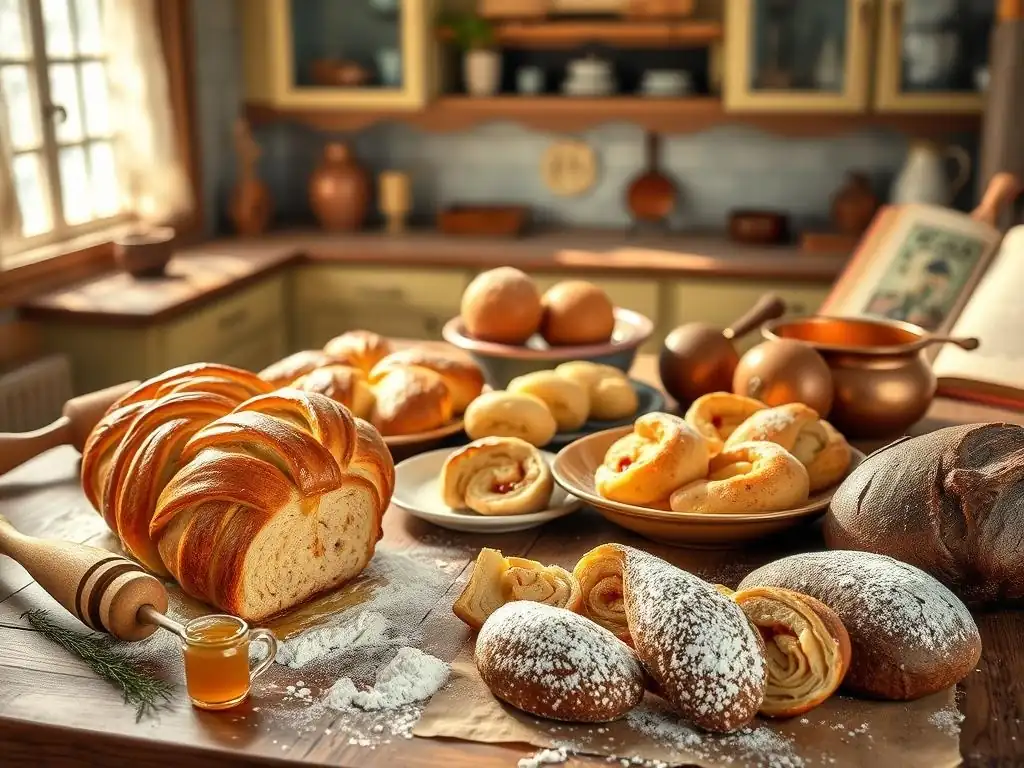
Welcome to BakeWithEase, your passport to a world of delicious possibilities! Ever dreamed of mastering the comforting, rustic flavors of Eastern European baking? Uncover the secrets to creating authentic breads, pastries, and treats, all with our easy-to-follow guides. Dive into our collection of Eastern European baking recipes easy and discover how simple it is to bring these time-honored traditions to your kitchen. Curious to learn more? Your baking adventure starts now...
- Introduction to Eastern European Baking
- Essential Ingredients for Authentic Eastern European Baking
- Mastering Key Techniques in Eastern European Baking
- Easy Eastern European Baking Recipes to Get Started
- Tips and Tricks for Baking Like a Pro
- Exploring Regional Variations in Eastern European Baking
- Storing and Serving Your Eastern European Baked Goods
- Conclusion: Embrace the Art of Eastern European Baking
- Frequently Asked Questions
- Final Reflection: The Enduring Charm of Eastern European Baking
- Unlock Your Inner Eastern European Baker!
Introduction to Eastern European Baking
Eastern European baking offers a delightful journey through rich history and heartwarming traditions. It's a cuisine deeply rooted in celebrating seasons, holidays, and family gatherings, with recipes passed down through generations. From hearty rye breads to delicate pastries filled with fruit or cheese, the variety is immense and incredibly rewarding to explore. Whether you're a seasoned baker or just starting out, delving into Eastern European baking recipes can open up a world of new flavors and techniques.
This region's baking is characterized by its use of simple, wholesome ingredients transformed into comforting and often visually stunning creations. Think of the intricate braids of challah-like breads, the delicate layers of strudel, or the comforting simplicity of potato-filled pierogi. Many traditional recipes, while sounding complex, are surprisingly accessible, making Eastern European baking recipes easy to adapt for home kitchens. Let's embark on this delicious exploration!
A World of Flavors: Exploring Eastern European Baking Traditions
Eastern European baking traditions are incredibly diverse, reflecting the many countries and cultures within the region, including Poland, Ukraine, Russia, Hungary, Czech Republic, Slovakia, and the Balkan states, among others. Each country boasts its unique specialties, yet common threads tie them together: a love for yeast-leavened doughs, generous use of dairy and eggs, and fillings often featuring fruit, cheese, nuts, or poppy seeds. This rich tapestry of flavors means there's an Eastern European baking recipe for every palate and occasion.
Consider the sheer variety: Paska (Easter bread) across many countries, pierogi (dumplings) in Poland, varenyky (similar dumplings) in Ukraine, pirozhki (small filled buns) in Russia, kürtőskalács (chimney cake) in Hungary, and kolaches (filled pastries) in the Czech Republic and Slovakia. These are just a few examples, highlighting the region's focus on both everyday sustenance and celebratory treats. Exploring these traditions offers a delicious way to connect with history and geography, one bake at a time.
Why Eastern European Baking Recipes are Perfect for Home Bakers
Many Eastern European baking recipes are surprisingly well-suited for home bakers, including beginners. They often rely on fundamental techniques like kneading dough, working with yeast, and simple shaping methods. While some recipes might seem intimidating at first glance due to their traditional nature, they are often quite forgiving and adaptable. The emphasis is on wholesome ingredients and straightforward processes, making them less reliant on specialized equipment compared to some other baking styles.
Furthermore, successfully mastering a classic Eastern European baking recipe, like a simple rye bread or a batch of fruit-filled kolaches, provides a great sense of accomplishment. These are recipes meant to be shared, bringing warmth and comfort to friends and family. With readily available ingredients and clear instructions, finding and executing easy Eastern European baking recipes is a rewarding way to expand your baking repertoire and enjoy delicious, authentic treats.
Essential Ingredients for Authentic Eastern European Baking
To truly capture the essence of Eastern European baking, understanding the role of key ingredients is crucial. While many recipes use standard pantry staples, certain types of flour, dairy, and specific flavorings are fundamental to achieving authentic taste and texture. Using high-quality ingredients makes a noticeable difference in the final product, enhancing the depth of flavor and ensuring the desired consistency.
Focusing on these essential components will elevate your baking from good to great. For instance, the type of flour dictates the structure of breads and pastries, while fresh, rich dairy contributes moisture and tenderness. Unique spices and flavorings add that signature regional touch that makes Eastern European baking so distinctive and beloved.
Key Flour Types for Eastern European Breads and Pastries
Flour is the backbone of most Eastern European baking recipes. While all-purpose flour is commonly used, many traditional recipes call for specific types that impart unique characteristics. Rye flour, for example, is central to the dark, dense, and flavorful breads found across countries like Russia, Poland, and Germany. Light rye, medium rye, and dark rye flours offer varying levels of flavor and gluten content.
Another important flour is strong bread flour, with a higher protein content (typically 12-14%), essential for developing the gluten structure needed for chewy yeasted breads like chałka or certain types of paska. For lighter pastries and cakes, a softer cake or pastry flour might be preferred. Sometimes, a blend of flours is used, like combining all-purpose with a portion of rye or whole wheat to achieve a desired texture and flavor profile in easy Eastern European baking recipes. Understanding these flour types helps ensure your results are authentic and delicious.
The Importance of Fresh Dairy in Eastern European Baking
Dairy plays a vital role in enriching many Eastern European baking recipes, contributing to moisture, tenderness, and flavor. Fresh, full-fat milk and butter are staples, used generously in doughs, fillings, and glazes. The richness of butter, often unsalted, is key to the flakiness of pastries and the tenderness of sweet breads. Using good quality butter with at least 82% fat content is recommended for best results.
Beyond milk and butter, other dairy products are frequently used. Sour cream is a common ingredient, adding tanginess and moisture to cakes, doughs, and fillings, such as those for pierogi. Farmer's cheese or quark (a type of fresh, unaged cheese) are essential for many sweet and savory fillings for pastries like kolaches or cheesecakes ( sernik in Polish). The high moisture and creamy texture of these cheeses make them perfect for creating rich, flavorful fillings. Using fresh, high-quality dairy is paramount for achieving the authentic taste and texture in your Eastern European baking.
Unique Spices and Flavorings in Eastern European Baking Recipes
Eastern European baking is characterized by its distinct aromatic profile, often achieved through the use of specific spices and flavorings. Poppy seeds are perhaps one of the most iconic, appearing in countless rolls, cakes, and pastries, often as a thick, sweet filling ( makowiec in Polish, makovník in Slovak/Czech). They offer a unique nutty flavor and pleasant texture.
Cardamom is another prominent spice, particularly in sweet breads and rolls, providing a warm, slightly floral note. Vanilla (often in the form of vanilla sugar or extract), lemon zest, and orange zest are frequently used to brighten flavors in cakes and sweet doughs. Other common flavorings include rum or brandy, often added to fruit or nut fillings, and almond extract. Caraway seeds are prevalent in rye breads, adding a distinct savory aroma. Incorporating these specific spices and flavorings is key to mastering authentic Eastern European baking recipes easy to recreate at home.
Mastering Key Techniques in Eastern European Baking
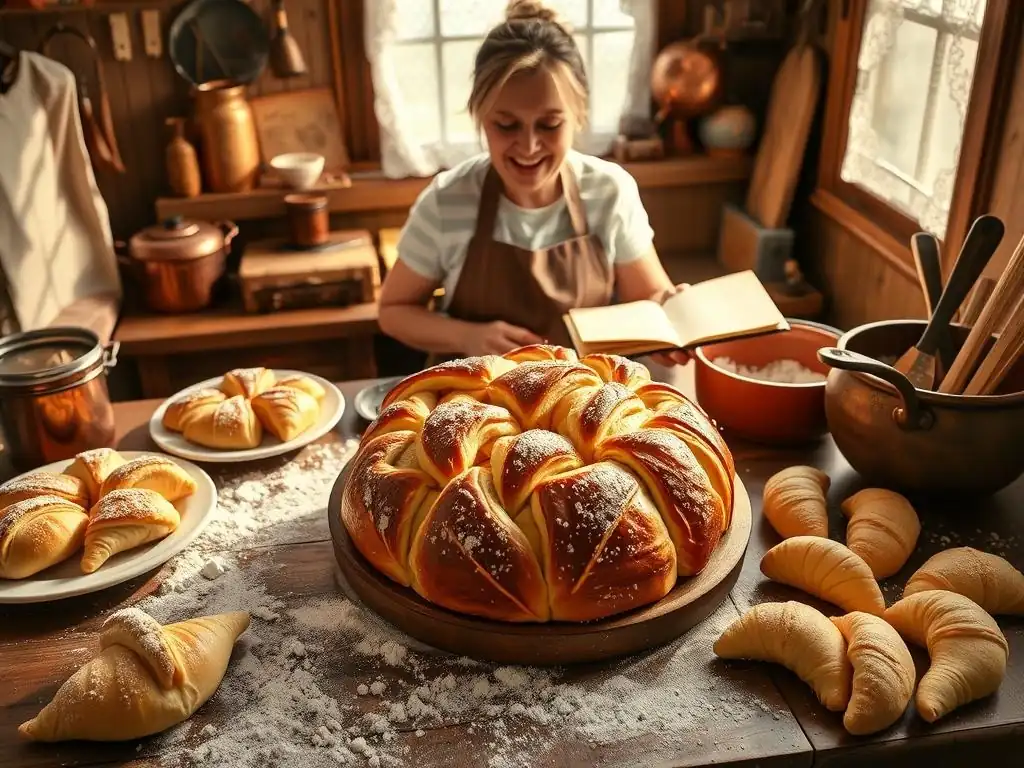
While the ingredients are crucial, mastering specific techniques is equally important for successful Eastern European baking. Many recipes, especially those involving yeast-leavened doughs, rely on proper handling, shaping, and baking methods to achieve the desired rise, texture, and crust. Don't be intimidated; these techniques are often simpler than they appear and can be learned with practice.
Understanding the nuances of working with yeast, perfecting shaping methods for traditional breads, and controlling baking temperatures are foundational skills. Once you grasp these core techniques, you'll find that many Eastern European baking recipes become much more approachable and enjoyable to make.
Working with Yeast in Eastern European Breads: A Beginner's Guide
Many classic Eastern European breads and sweet pastries rely on yeast for leavening. Active dry yeast and instant yeast are common choices for home bakers. Active dry yeast typically needs to be proofed in warm liquid (around 105-115°F or 40-46°C) with a pinch of sugar for about 5-10 minutes until frothy. Instant yeast can often be mixed directly into the dry ingredients, as it activates quickly upon contact with liquid.
Proper kneading is essential for developing gluten, which gives yeast doughs structure and elasticity. Whether kneading by hand or with a stand mixer, the goal is to create a smooth, pliable dough that springs back when gently poked. Fermentation (rising) is also key.
Most Eastern European bread doughs require at least one, often two, rises in a warm, draft-free place. The first rise allows the dough to double in size, while the second rise (after shaping) helps the loaf achieve its final volume and texture. Pay attention to the dough's feel and appearance rather than strict timing, as room temperature affects rising speed.
Shaping and Proofing Techniques for Iconic Eastern European Breads
Shaping is where the artistry of Eastern European baking often shines. Many breads feature beautiful braids, twists, or knots. For a simple braided loaf like chałka or paska, dividing the dough into equal strands (three, four, or even six are common) and braiding them evenly creates an attractive pattern. Ensure the ends are tucked neatly underneath.
After shaping, the dough needs a second proofing, or 'final rise'. This is crucial for the bread to achieve a light texture. Place the shaped loaf on a baking sheet, cover it loosely, and let it rise until it looks puffy and has increased significantly in size, but not so much that it risks collapsing (often called being 'over-proofed'). This can take anywhere from 30 minutes to over an hour, depending on the dough and temperature. Proper shaping and proofing are vital steps in making authentic and visually appealing Eastern European baking recipes.
Achieving the Perfect Crust: Baking Temperatures and Methods
The crust is often considered the soul of a good loaf of bread, and achieving the right crust is important in Eastern European baking. Many traditional breads are baked at relatively high temperatures, often starting around 400-450°F (200-230°C), sometimes decreasing the temperature partway through baking. This initial high heat helps the loaf rise quickly and develop a crisp crust.
Creating steam in the oven is a technique often used to promote a thin, crisp crust and good oven spring (the final burst of rising in the oven). This can be achieved by placing a pan of hot water on the bottom rack of the oven when preheating, or by carefully pouring water into a hot pan just as the bread goes in.
For richer doughs, like brioche-style sweet breads, an egg wash or milk wash applied before baking helps create a beautiful golden-brown, slightly softer crust. Baking time varies greatly depending on the size and type of loaf, but a properly baked loaf will have an internal temperature of around 195-210°F (90-99°C).
Easy Eastern European Baking Recipes to Get Started
Ready to put these techniques into practice? Here are three classic Eastern European baking recipes that are relatively easy for beginners and incredibly rewarding to make. These recipes showcase different types of doughs and fillings, offering a great introduction to the breadth of the region's baking. Mastering these will give you confidence to tackle more complex Eastern European baking recipes.
- Babka: A sweet, enriched yeast bread often swirled with chocolate or cinnamon.
- Pierogi: Savory or sweet dumplings, a comfort food staple.
- Kolaches: Individual pastries with a variety of delicious fillings.
These examples provide a fantastic starting point for exploring authentic flavors and textures without requiring advanced skills.
Babka: A Step-by-Step Guide to this Sweet Braided Bread
Babka, a sweet braided bread, has gained popularity worldwide, but it originates from the Jewish communities of Eastern Europe. Traditionally, it was often baked for holidays. The dough is rich, similar to brioche, and the key is the generous filling swirled throughout before braiding. While it looks impressive, the process of making babka is quite manageable for home bakers.
A typical babka dough includes flour, yeast, sugar, eggs, milk, and a significant amount of butter, often 1/2 cup (1 stick or 113g) or more per loaf. The filling is usually a mix of melted butter, sugar, cocoa powder or cinnamon, and sometimes nuts or chocolate chips. The dough is rolled flat, spread with filling, rolled into a log, and then cut lengthwise and twisted or braided before baking. This creates the signature swirled pattern.
Preparing the Babka Dough: Tips for a Light and Fluffy Texture
Creating a light and fluffy babka dough starts with proper mixing and kneading. Since it's an enriched dough with lots of butter and eggs, it can be quite sticky. Using a stand mixer with a dough hook makes this process much easier. Add the butter gradually, piece by piece, after the other ingredients have come together. This allows the gluten to develop before the fat inhibits it too much. Knead until the dough is smooth, elastic, and pulls away from the sides of the bowl, which might take 10-15 minutes in a mixer.
Allow the dough to rise slowly, preferably in a slightly cool place (like the refrigerator overnight) after an initial brief rise at room temperature. This slow fermentation develops flavor and makes the dough easier to handle when rolling and shaping due to the chilled butter. A typical recipe might call for 1-2 hours at room temperature followed by 8-12 hours in the fridge. This technique is beneficial for many rich Eastern European baking recipes.
Shaping and Baking Your Babka: Achieving a Golden-Brown Finish
Once the chilled dough has had its long rise, roll it out into a large rectangle, usually about 1/4 inch thick. Spread your chosen filling evenly over the surface, leaving a small border. Roll the dough tightly into a log from one of the long sides. To create the swirl, cut the log lengthwise down the center using a sharp knife. Turn the cut sides up and twist the two halves together, trying to keep the cut surfaces exposed. Place the twisted dough into a greased loaf pan.
Let the shaped babka rise again in the pan until it nearly reaches the top edge, which could take 1-2 hours at room temperature. Bake in a preheated oven, often around 350-375°F (175-190°C), until deeply golden brown and a skewer inserted into the center comes out clean. This usually takes 40-60 minutes, depending on the size. Brushing with a simple sugar syrup immediately after baking adds shine and moisture, a common finishing touch in many sweet Eastern European baking recipes.
Pierogi: Mastering the Art of Eastern European Dumplings
Pierogi (or varenyky in Ukrainian) are arguably one of the most recognizable and beloved Eastern European baking recipes. While often boiled, the dough itself is a simple, unleavened pastry dough. They consist of small pockets of dough filled with a variety of sweet or savory ingredients, then boiled, and often pan-fried afterwards for extra flavor and texture.
The beauty of pierogi lies in their versatility. Savory fillings can include potato and cheese (a classic), sauerkraut and mushroom, meat, or spinach. Sweet fillings often feature fresh fruits like blueberries, cherries, or plums, or sweet farmer's cheese. Making pierogi from scratch is a fun, hands-on process, often done communally in Eastern European households.
Making the Perfect Pierogi Dough: A Simple and Versatile Recipe
A basic pierogi dough is incredibly simple, typically made with flour, water (often hot or warm), a pinch of salt, and sometimes an egg or a little butter/oil. The key is to mix the ingredients until they form a shaggy dough, then knead it until it is smooth and elastic, but not overly developed like a bread dough. Aim for a dough that is soft and pliable, easy to roll thinly without tearing.
Many recipes suggest using hot water, as it helps create a softer, more relaxed dough that is easier to work with. After kneading, the dough should rest for at least 30 minutes, covered, to allow the gluten to relax. This makes rolling much easier. The dough is then rolled out thinly (about 1/16 to 1/8 inch thick) and cut into circles using a round cutter or even a glass rim, ready to be filled and sealed. This simple dough is a staple in many easy Eastern European baking recipes.
Pierogi Fillings: Sweet and Savory Options for Every Taste
The filling possibilities for pierogi are nearly endless. For a classic savory potato and cheese filling, mashed potatoes are combined with sautéed onions and farmer's cheese or cheddar cheese, seasoned with salt and pepper. Sauerkraut filling is made by cooking drained sauerkraut with onions and sometimes mushrooms until tender. Meat fillings often use cooked ground meat, perhaps leftover from a roast, mixed with onions and seasonings.
Sweet fillings are equally popular. Fresh berries or pitted cherries are often simply mixed with a little sugar and sometimes a touch of starch (like cornstarch or potato starch) to help thicken the juices. Sweet farmer's cheese filling is made by mixing the cheese with sugar, egg yolk, and vanilla, creating a creamy, slightly tangy center. When filling, use about a tablespoon of filling per circle of dough, fold the dough over, and crimp the edges tightly to seal, ensuring no filling leaks out during boiling.
Kolaches: A Delicious Eastern European Pastry
Kolaches (or koláče in Czech/Slovak) are delightful individual pastries, popular in the Czech Republic and Slovakia, and also brought to places like Texas by Czech immigrants. They consist of a slightly sweet, enriched yeast dough with a depression in the center, filled with various ingredients. They are typically round and relatively small, making them perfect individual treats.
The dough is similar to a brioche or sweet roll dough, containing flour, yeast, milk, sugar, eggs, and butter. The fillings are placed in the center indentation before baking. Traditional fillings include poppy seed, farmer's cheese (often called tvaroh), fruit (like prune, apricot, or cherry), and sometimes nuts. They are often topped with a posypka or drobenka, a crumbly streusel topping made from butter, flour, and sugar. Kolaches are a wonderful example of easy Eastern European baking recipes that are both beautiful and delicious.
Creating a Tender Kolache Dough: Secrets to Success
A tender kolache dough is achieved through the right balance of ingredients and proper handling. Using milk instead of water and incorporating eggs and butter makes the dough rich and soft. As with babka, adding softened or melted butter gradually after the initial mixing helps with gluten development, resulting in a lighter texture.
Kneading the dough until it's smooth and elastic is important, followed by an adequate first rise until doubled in size. After the first rise, the dough is typically divided into small balls (around 2-3 ounces or 60-85g each). These balls are placed on a baking sheet, and then an indentation is made in the center of each ball, either by pressing with your fingers or the bottom of a glass. This indentation holds the filling. Allowing the shaped kolaches to have a second rise before filling and baking contributes to their light texture.
Fruity and Creamy Kolache Fillings: A Variety of Flavors
Kolache fillings offer a vibrant spectrum of flavors. The farmer's cheese filling is a classic, made by mixing the cheese with sugar, egg yolk, vanilla, and sometimes lemon zest and raisins. It bakes up creamy and slightly tangy. Poppy seed filling is made from ground poppy seeds cooked with milk, sugar, and sometimes honey or rum until thick. Prune filling, another traditional choice, uses stewed or dried prunes, often spiced with cinnamon.
Fresh fruit fillings, like cherry or apricot, are made by cooking down the fruit slightly with sugar and perhaps a thickening agent like cornstarch. The key is to ensure the filling isn't too wet, which could make the bottom of the kolache soggy. The versatility of fillings makes kolaches a favorite among easy Eastern European baking recipes, allowing bakers to experiment with different flavors depending on the season or preference.
Tips and Tricks for Baking Like a Pro
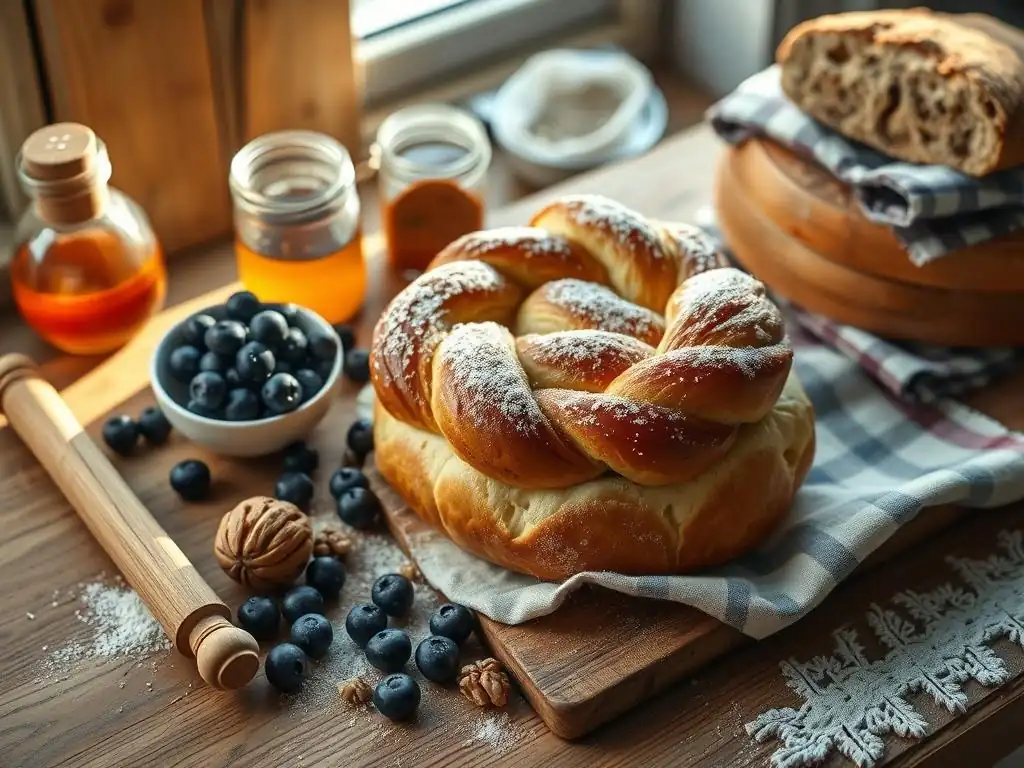
Even with simple recipes, a few expert tips can make a significant difference in your results when exploring Eastern European baking. Paying attention to details like ingredient temperature, avoiding common pitfalls, and understanding how to adapt recipes can elevate your baking from good to truly exceptional.
Baking is a science as well as an art, and a little knowledge about the "why" behind certain steps can greatly improve your success rate. Let's look at some common challenges and how to overcome them, as well as how to make these traditional recipes work seamlessly in a modern kitchen.
Common Mistakes to Avoid in Eastern European Baking
One common mistake is not allowing yeast doughs to rise properly. Rushing the proofing process results in dense, heavy baked goods. Ensure your rising environment is warm (ideally 75-80°F or 24-27°C) and draft-free. Another pitfall is adding too much flour when kneading or shaping. This can make the dough tough. Use just enough flour to prevent sticking, relying more on technique and resting the dough.
Overworking pastry doughs, like those for pierogi or strudel, is another error. Over-developed gluten in these doughs leads to toughness rather than the desired tender or flaky texture. Mix and knead only until the dough comes together smoothly. Lastly, not weighing ingredients, especially flour, can lead to inconsistencies. Volume measurements can vary significantly, so using a kitchen scale for accuracy is highly recommended for reliable results in your Eastern European baking recipes.
Adapting Eastern European Baking Recipes for Modern Kitchens
Many traditional Eastern European baking recipes were developed before the widespread availability of stand mixers, consistent ovens, and standardized ingredients. Adapting them for a modern kitchen often involves utilizing these tools to save time and ensure consistency. A stand mixer with a dough hook is invaluable for kneading enriched doughs like babka or kolache dough thoroughly and efficiently.
Modern ovens are generally more consistent than traditional wood-fired ovens, but using an oven thermometer is still a good idea to ensure your oven is heating accurately. Recipes that call for "baking until golden brown" might need temperature or time adjustments based on your specific oven. Also, ingredient substitutions can be made if certain traditional items aren't available; for example, using ricotta cheese mixed with sour cream might approximate farmer's cheese in a pinch, though it's best to seek out authentic ingredients when possible for true Eastern European baking flavor.
Scaling Recipes Up or Down with Confidence
Whether you want to bake a smaller batch for just one or two people or scale up a recipe for a large gathering, understanding how to adjust quantities is a useful skill for Eastern European baking recipes. For most recipes, you can simply multiply or divide all ingredient quantities by the same factor (e.g., halve everything for a half batch, double for a double batch).
However, there are a few considerations. Yeast quantity might need slight adjustment; in a larger batch, yeast reproduces more effectively, so you might not need to perfectly double the amount. Also, baking times might need adjustment; a larger loaf or multiple items on a baking sheet will take longer to bake than a single, smaller one. Pay attention to visual cues (like browning) and internal temperature rather than relying solely on the original recipe's timing when scaling. Liquids and flour ratios are critical, so measure carefully, preferably by weight.
Exploring Regional Variations in Eastern European Baking
Eastern European baking is not monolithic; it's a mosaic of regional styles and specialties. While some recipes, like pierogi or babka, have variations across multiple countries, others are strongly associated with a specific culture. Exploring these regional differences offers fascinating insights into local ingredients, history, and culinary preferences.
From the hearty, dark breads of the north to the delicate, fruit-filled pastries of the south, each region adds its unique stamp. Let's take a brief look at the distinct characteristics of baking in a few prominent Eastern European countries.
Polish Baking: Classic Recipes and Techniques
Polish baking is renowned for its rich, comforting, and often celebratory nature. Yeast-leavened goods feature prominently, from the everyday chałka (braided sweet bread) to the elaborate paska baked for Easter. Poppy seed cakes ( makowiec) and cheesecakes ( sernik) are national favorites, often made with generous amounts of filling. Doughnuts ( pączki) are a must-have for Fat Thursday before Lent.
Polish baking often utilizes ingredients like farmer's cheese, poppy seeds, sour cream, and fruit preserves. Techniques include intricate braiding for breads and careful handling of rich doughs. The emphasis is on flavor and often a visually appealing presentation. Many classic Polish dishes fall under the umbrella of Eastern European baking recipes easy to find and follow.
Hungarian Baking: Sweet and Savory Delights
Hungarian baking showcases a love for both sweet and savory pastries, often characterized by richness and flavor. Kürtőskalács (chimney cake), a sweet dough wrapped around a spit and roasted, is a unique street food. Layered cakes like Dobos Torta (with chocolate buttercream and caramel) are famous examples of elaborate Hungarian patisserie.
Savory pastries often feature cheese, potato, or meat fillings. Lard is sometimes used in doughs for flakiness, alongside butter. Paprika, a staple in Hungarian cuisine, can even find its way into savory baked goods. Hungarian baking often involves precise techniques for creating thin layers or rich, stable fillings, contributing to the diverse world of Eastern European baking recipes.
Russian Baking: Breads, Pastries, and Cakes
Russian baking traditions include a wide array of breads, from dark rye loaves ( Borodinsky bread) to lighter white breads. Pirozhki, small filled buns (either baked or fried), are incredibly popular snacks with various fillings, both sweet (like fruit or farmer's cheese) and savory (like meat, potato, or cabbage).
Cakes and pastries are also significant. Medovik (honey cake), a multi-layered cake with sour cream frosting, is a classic. Blini (thin pancakes or crepes) are a versatile base for both sweet and savory accompaniments. Russian baking often features ingredients like sour cream, farmer's cheese ( tvorog), honey, and poppy seeds. The techniques range from rustic bread making to more refined cake assembly, adding depth to the category of Eastern European baking recipes easy to explore.
Storing and Serving Your Eastern European Baked Goods
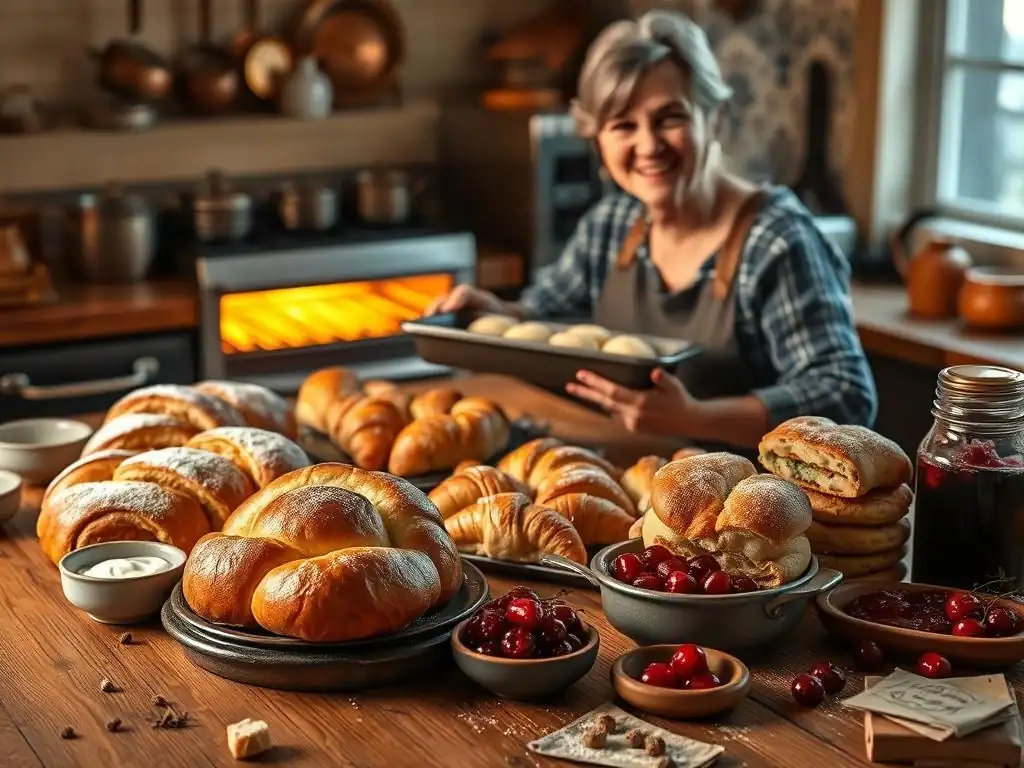
You've put in the effort to bake delicious Eastern European treats! Now, how do you keep them fresh, and what are the best ways to enjoy them? Proper storage is key to maintaining the texture and flavor of your homemade goods, ensuring they taste great for as long as possible.
Serving your baked goods in traditional ways or with complementary pairings can enhance the overall experience and truly showcase the flavors of Eastern European baking.
Keeping Your Breads and Pastries Fresh for Longer
Yeast breads, like babka or paska, are best stored at room temperature. Once cooled completely, wrap them tightly in plastic wrap or place them in an airtight bread bin. Avoid refrigerating yeast breads, as this can actually make them go stale faster. Most yeast breads will stay fresh for 2-3 days. For longer storage, they freeze exceptionally well; slice the cooled bread before freezing in a freezer-safe bag or wrap, and you can thaw slices as needed.
Pastries like kolaches or pierogi (after boiling) can often be stored in the refrigerator due to their fillings, usually for 2-3 days in an airtight container. Pierogi intended for later use can be frozen raw on a baking sheet until solid, then transferred to a freezer bag. Baked pastries like kolaches also freeze well. Cakes like Medovik, especially those with dairy-based frostings, must be refrigerated and are often best enjoyed within 3-4 days. Always ensure baked goods are completely cool before storing to prevent condensation and sogginess.
Serving Suggestions and Pairing Ideas
Eastern European baked goods are often best enjoyed simply, perhaps with a cup of tea or coffee. Hearty rye breads are excellent with butter, cheese, or cured meats. Sweet breads like chałka or babka are delicious on their own, or lightly toasted and spread with butter or jam.
Pierogi are traditionally served with a dollop of sour cream, fried onions, or melted butter. Sweet pierogi might be served with sour cream and sugar, or even a fruit sauce. Kolaches are perfect as a breakfast pastry or afternoon snack. Fruit fillings pair well with a glass of milk, while cheese or poppy seed kolaches are lovely with coffee. Many Eastern European baking recipes are designed to be shared, making them perfect for family brunches, holiday tables, or potlucks.
Conclusion: Embrace the Art of Eastern European Baking
Exploring Eastern European baking is a rewarding journey filled with comforting aromas, delicious flavors, and rich cultural history. From mastering simple yeast doughs to creating intricate fillings and shapes, there's a wealth of knowledge and skill to acquire. Whether you're drawn to the savory satisfaction of pierogi, the sweet swirls of babka, or the rustic charm of traditional breads, there's an Eastern European baking recipe waiting for you.
These recipes, often passed down through generations, are more accessible than you might think, making Eastern European baking recipes easy for home bakers of all levels. By understanding the key ingredients, practicing fundamental techniques, and embracing the regional variations, you can bring the authentic taste of Eastern Europe into your own kitchen. So, gather your ingredients, tie on your apron, and get ready to bake some truly special treats. Happy baking!
Frequently Asked Questions
What makes Eastern European baking recipes unique?
Eastern European baking often features rich, flavorful ingredients like sour cream, farmer's cheese, and poppy seeds. Many recipes emphasize traditional techniques passed down through generations, resulting in unique textures and flavors.
Are Eastern European baking recipes difficult to make?
Not necessarily! While some recipes may seem intimidating, many are surprisingly easy to adapt and execute, especially with clear instructions. "BakeWithEase" focuses on providing accessible recipes for all skill levels.
What are some essential ingredients for Eastern European baking?
Common ingredients include farmer's cheese, sour cream, poppy seeds, and yeast. Depending on the recipe, you might also need ingredients like walnuts, dried fruits, and a variety of flours.
Where can I find easy-to-follow Eastern European baking recipes?
"BakeWithEase" provides a collection of simple and delicious Eastern European baking recipes. Our website offers step-by-step guides and easy-to-find ingredients to help you succeed.
What are some popular Eastern European baked goods to try?
Popular choices include Babka (sweet bread), Pierogi (filled dumplings), Kolaches (fruit-filled pastries), and Medovik (honey cake). These are all great options to get started with exploring Eastern European baking.
Final Reflection: The Enduring Charm of Eastern European Baking
The enduring flavors and traditions of Eastern European baking are more relevant than ever. In a world increasingly focused on global cuisine, the unique and often surprisingly simple recipes from this region offer a comforting counterpoint to the fast-paced modern lifestyle. These aren't just recipes; they're stories, passed down through generations, carrying with them the warmth of family and the richness of cultural heritage.
The influence of Eastern European baking extends far beyond the kitchen. It's a testament to the power of simple ingredients transformed into extraordinary treats. The comforting aroma of freshly baked babka or the delicate sweetness of pierogi evoke powerful memories and a sense of belonging. As the renowned food writer, Michael Pollan, once said, Food is symbolic of love when words are inadequate.
This sentiment perfectly captures the emotional connection we forge with the food of our heritage, and the recipes shared in this article aim to help you build those same connections, whether you're exploring your own roots or discovering new culinary adventures.
Now, it's your turn. I invite you to explore the recipes shared within this article, not just as instructions, but as opportunities for connection and creativity. Try your hand at a new pastry, invite friends and family to share in the experience, and discover the joy of bringing these timeless traditions into your own kitchen. Let the simple act of baking become a bridge to understanding and appreciation of a rich and vibrant culinary culture. The flavors await; the memories are waiting to be made.
Unlock Your Inner Eastern European Baker!
Thanks for joining us on this delicious journey through the heart of Eastern European baking! We hope you've discovered some inspiring techniques and tempting recipes to try. Now it's time to put your newfound knowledge into practice.
- Bake your first Eastern European masterpiece! Choose a recipe that excites you – whether it's a babka, a pierogi, or a kolach – and get baking! The satisfaction is unbeatable.
- Share your baking journey! Post a photo of your creation on social media and tag us – we'd love to see your results!
- Explore our extensive recipe index for even more inspiration. You might discover a hidden gem you never knew existed!
What unique Eastern European treat will you create first? Let us know in the comments below!