
The Science Behind Baking with Liquid Sweeteners: What Changes?

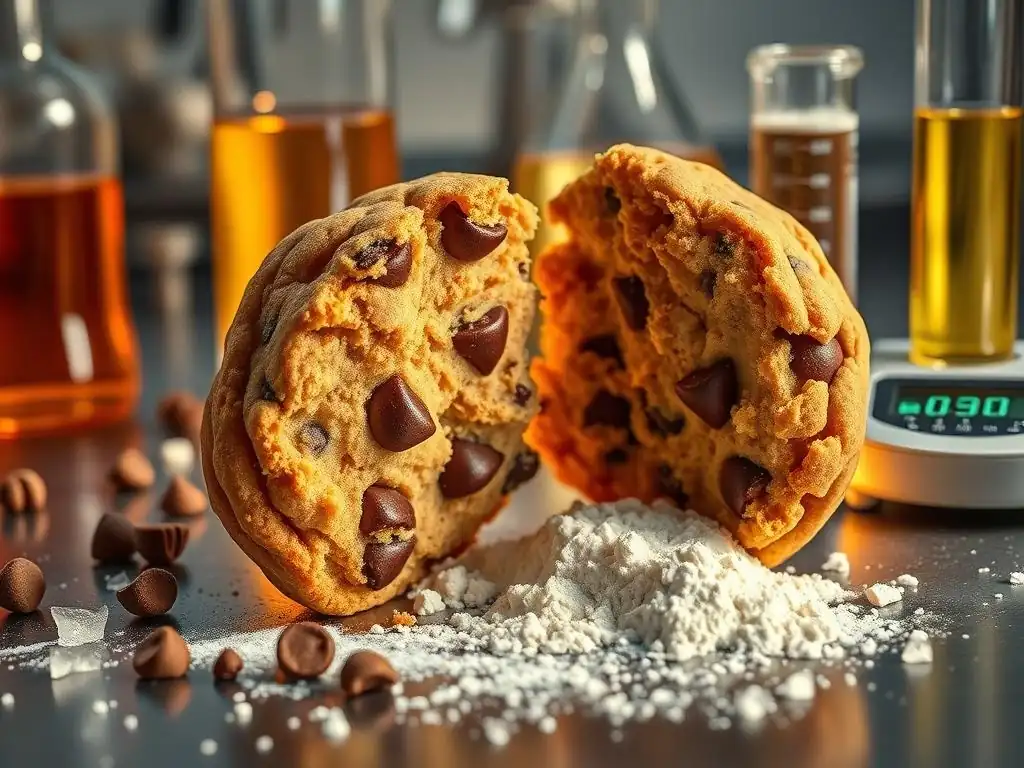
Welcome to BakeWithEase, your guide to unlocking baking brilliance! Ever wondered what happens when you swap granulated sugar for honey or maple syrup? Delve into the fascinating science behind baking with liquid sweeteners and discover how these delicious alternatives impact texture, flavor, and overall results. Get ready to elevate your baking game with insights that will transform the way you approach your favorite recipes!
- Understanding Liquid Sweeteners in Baking: A Scientific Approach
- The Chemistry of Baking with Honey: Flavor, Moisture, and Texture
- Maple Syrup in Baking: Unlocking Flavor and Functionality
- Molasses in Baking: A Deep Dive into Rich Flavor and Texture
- How Liquid Sweeteners Affect Baking Science: Key Considerations
- Troubleshooting Liquid Sweetener Baking Problems: Common Issues and Solutions
- Advanced Techniques: Elevating Your Baking with Liquid Sweeteners
- Conclusion: Mastering the Art and Science of Baking with Liquid Sweeteners
-
Frequently Asked Questions
- What are the main differences between using liquid sweeteners and granulated sugar in baking?
- How does the moisture content of liquid sweeteners affect baking outcomes?
- What types of liquid sweeteners are commonly used in baking, and what are their unique characteristics?
- How does using liquid sweeteners impact the browning of baked goods?
- Are there any specific recipes where liquid sweeteners are particularly beneficial, and why?
- Final Reflection: The Sweet Science of Baking's Future
- Unlock Your Sweetest Baking Success!
Understanding Liquid Sweeteners in Baking: A Scientific Approach
Why Bake with Liquid Sweeteners? Exploring Flavor, Moisture, and Healthier Options
Baking with liquid sweeteners offers a fascinating departure from traditional granulated sugar, primarily due to their unique contributions to flavor, moisture, and perceived health benefits. Unlike the neutral sweetness of refined sugar, liquid sweeteners like honey, maple syrup, and molasses bring complex flavor profiles to baked goods. Honey, for instance, can impart floral or earthy notes depending on its source, while molasses delivers a deep, slightly bitter richness essential for classics like gingerbread.
This adds depth and character that simple sucrose cannot replicate, transforming a basic recipe into something more nuanced. The appeal also extends to moisture retention; liquid sweeteners are hygroscopic, meaning they attract and hold onto water molecules. This quality helps baked goods stay soft and moist for longer periods compared to those made solely with granulated sugar, significantly impacting shelf life and texture.
Beyond flavor and moisture, many bakers turn to liquid sweeteners seeking alternatives perceived as "healthier" or less processed than white sugar. While they are still concentrated sources of sugar, some liquid sweeteners contain trace minerals or antioxidants not found in refined sugar. For example, blackstrap molasses is noted for containing iron and calcium, although the quantities consumed in baking are relatively small. Maple syrup contains some antioxidants and minerals like manganese and zinc.
Honey has been traditionally valued for its potential antibacterial properties. For those managing specific dietary needs, agave nectar offers a lower glycemic index than sucrose, although its high fructose content is a consideration. Exploring liquid sweeteners baking science reveals not just functional differences but also opportunities to align baking practices with specific flavor goals and ingredient preferences.
Liquid Sweeteners vs. Granulated Sugar: A Head-to-Head Comparison in Baking Science
The fundamental difference between liquid sweeteners and granulated sugar lies in their physical state and chemical composition, which profoundly impacts their behavior during baking. Granulated sugar, or sucrose, is a crystalline solid. When mixed into dough or batter, its crystals must dissolve, a process that requires moisture.
As heat is applied, sucrose melts and undergoes caramelization at relatively high temperatures, around 320°F (160°C). It contributes to structure by providing bulk and, upon cooling, helps create crisp textures in items like cookies. In terms of moisture, granulated sugar competes for water with other ingredients like flour, potentially leading to drier results if not balanced correctly.
Liquid sweeteners, conversely, are aqueous solutions of various sugars, including fructose, glucose, and sucrose, depending on the type. Honey, for example, is primarily fructose and glucose (around 70-80%) with about 17-20% water. Maple syrup is mostly sucrose and water (around 32-34% water). This inherent moisture content is a critical factor in liquid sweeteners baking science; it adds liquid to the recipe, requiring adjustments to other liquid components.
Furthermore, the presence of fructose, especially in honey and agave, leads to faster and more intense browning (Maillard reaction and caramelization) at lower temperatures than sucrose. This means baked goods with high liquid sweetener content can brown quickly, sometimes before the interior is fully cooked. Their liquid state also affects structure, contributing to softer, chewier textures rather than crispness, and they can interfere with gluten development and sugar crystallization.
The Chemistry of Baking with Honey: Flavor, Moisture, and Texture
Honey's Impact on Gluten Development: A BakeWithEase Experiment
Honey's unique chemical makeup significantly influences gluten development in baked goods. Gluten forms when proteins in flour, glutenin and gliadin, combine with water and are agitated. Honey, being acidic (with a typical pH range of 3.2 to 4.5), can affect this process.
The acidity tends to weaken the gluten network. In a simple BakeWithEase experiment, if you were to make two identical bread doughs, one sweetened with granulated sugar and the other with honey (adjusted for liquid content), you would likely observe differences. The dough with honey would feel slightly stickier and less elastic compared to the sugar-sweetened dough after the same amount of kneading.
This weakening effect means that while honey contributes excellent moisture and flavor, it requires careful handling in recipes relying heavily on gluten structure, like lean bread doughs. The sugars in honey (fructose and glucose) also interfere with gluten strands, potentially leading to a more tender crumb.
For yeast-leavened goods, the simple sugars in honey are readily available food for yeast, which can sometimes lead to faster initial fermentation compared to sucrose, which must first be broken down. Understanding these interactions is key to successfully incorporating honey into yeasted breads or cakes where a delicate crumb is desired, balancing its moisture-retaining benefits with its impact on structure.
Mastering Honey-Based Baking: Recipes and Techniques for Optimal Results
Successfully baking with honey involves understanding its properties and making appropriate recipe adjustments. A common substitution ratio when replacing granulated sugar with honey is to use about 2/3 to 3/4 cup of honey for every cup of sugar called for. However, this isn't a simple 1:1 swap due to honey's moisture content and sweetness level (fructose is sweeter than sucrose).
For every 1/4 cup of honey used, you should generally decrease other liquids in the recipe by about 1 tablespoon. This helps prevent the final product from becoming too wet or dense. Additionally, because honey promotes faster browning, especially in ovens, consider reducing your oven temperature by about 25°F (around 15°C) and potentially increasing the baking time slightly to ensure the interior cooks thoroughly without the exterior burning.
Honey's acidity also means you might need to adjust leavening agents. If a recipe uses baking soda, honey's acidity will react with it, producing carbon dioxide gas and aiding lift. If the recipe relies solely on baking powder, which contains its own acid, you might need to add a pinch of baking soda (perhaps 1/4 teaspoon per cup of honey) to react with honey's acidity and enhance leavening.
This is particularly important in cakes and muffins. Mastering the use of liquid sweeteners baking science, specifically with honey, requires careful measurement and temperature control to achieve the desired texture, color, and flavor balance.
Recipe Example: Honey-Sweetened Oatmeal Cookies - A Step-by-Step Guide
Here's a brief outline for a simple recipe using honey as the primary sweetener:
- Cream softened butter with honey until smooth.
- Beat in egg and vanilla extract.
- In a separate bowl, whisk together flour, baking soda, salt, and cinnamon.
- Gradually add dry ingredients to wet ingredients, mixing until just combined.
- Stir in rolled oats and any desired add-ins like raisins or nuts.
- Chill the dough for at least 30 minutes to firm up (helps prevent excessive spread due to honey's moisture).
- Drop spoonfuls onto a baking sheet.
- Bake at a slightly reduced temperature (e.g., 325°F or 160°C) until edges are golden brown.
Honey Varieties and Their Baking Applications: Clover, Wildflower, and Buckwheat
The type of honey used in baking can dramatically influence the final flavor profile, thanks to the diverse nectar sources bees utilize. Clover honey, one of the most common varieties, is known for its mild, sweet, and slightly floral flavor. Its subtle taste makes it highly versatile in baking, suitable for delicate cakes, muffins, and cookies where you want sweetness without overpowering other ingredients. It provides moisture and tenderness without dominating the flavor landscape, allowing vanilla, fruit, or spice notes to shine. For many everyday baking tasks, clover honey is a reliable choice that integrates smoothly into recipes.
Wildflower honey, gathered from a variety of blossoms, offers a flavor that is more complex and varies based on regional flora. It can range from light and fruity to robust and earthy. This variability makes it exciting for experimental bakers; a light wildflower honey might be lovely in scones or bread, while a darker, more assertive one could pair beautifully with whole grains or strong spices in muffins or bars.
Buckwheat honey, originating from buckwheat flowers, stands in stark contrast with its dark color, strong molasses-like flavor, and pungent aroma. This powerful honey is best suited for hearty baked goods where its intense flavor is an asset rather than a distraction, such as dark bread, gingerbread, or certain types of fruitcakes.
Its robust profile means it can stand up to strong spices and whole wheat flours, adding depth and moistness that complements these ingredients. Understanding the spectrum of flavors in liquid sweeteners baking science allows bakers to select the perfect honey to enhance their creations.
Maple Syrup in Baking: Unlocking Flavor and Functionality
The Science of Maple Syrup's Moisture Content: Avoiding Soggy Bakes
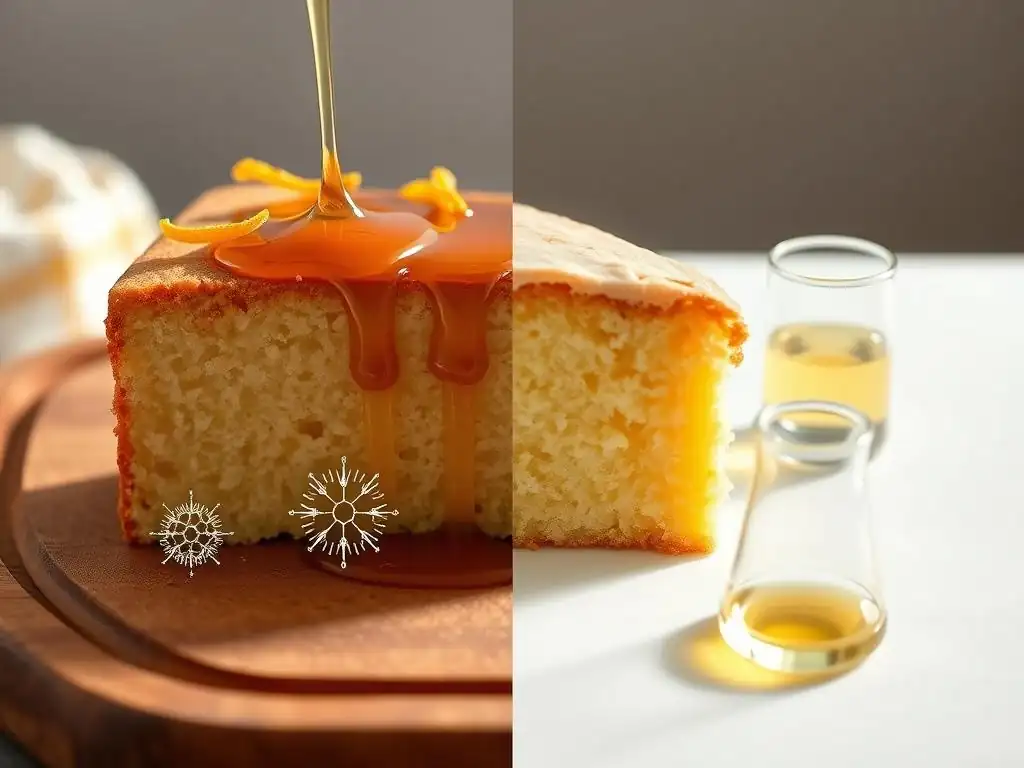
Maple syrup is a delicious natural sweetener, but its significant water content (typically around 32-34%) is a key factor to manage in baking. This high percentage of liquid means that simply substituting maple syrup 1:1 for granulated sugar will introduce a large amount of extra moisture into your batter or dough. In cakes, this can lead to a dense, heavy crumb that fails to rise properly.
In cookies, it often results in excessive spread and a soft, sometimes even gummy texture, rather than the desired crispness or chewiness. The science here is straightforward: excess liquid dilutes structural components like gluten and starch, prevents proper protein coagulation, and hinders the formation of a stable structure during baking.
To counteract maple syrup's moisture, recipe adjustments are crucial. A common practice is to reduce other liquids in the recipe when using maple syrup. For every cup of maple syrup used to replace a cup of granulated sugar, decrease the amount of other liquids (like milk, water, or even eggs) by about 2-4 tablespoons.
Alternatively, you can slightly increase the amount of dry ingredients, such as flour, though this requires careful balancing to avoid a dry or tough result. Some recipes specifically formulated for maple syrup might also include ingredients like cornstarch or extra flour to absorb the additional moisture. Successfully integrating maple syrup into baking requires acknowledging its liquid contribution and adjusting the overall wet-to-dry ingredient ratio to maintain proper structure and texture.
Using Maple Syrup as a Natural Sweetener: Achieving Balanced Flavors
Maple syrup offers a distinct flavor profile – warm, slightly caramel-like, with earthy undertones – that goes far beyond simple sweetness. This complex flavor makes it an excellent natural sweetener when paired thoughtfully with other ingredients. It complements spices like cinnamon, nutmeg, cloves, and ginger wonderfully, making it a natural fit for autumnal bakes like pumpkin pie, spiced muffins, or gingerbread variations. The warmth of the spices enhances the inherent notes in the maple syrup, creating a harmonious blend.
Beyond spices, maple syrup pairs well with nuts (pecans, walnuts), fruits (apples, pears, cranberries), and dairy (butter, cream cheese). In baked goods, its flavor can range from subtle to pronounced depending on the grade used (darker grades have stronger flavors). When developing recipes or adapting existing ones, consider how the maple flavor will interact with other components.
For instance, a light maple syrup might enhance the delicate flavor of a vanilla cake, while a dark syrup would be better suited for robust whole-grain muffins or rich brownies. Achieving balanced flavors with liquid sweeteners baking science means selecting the right type and amount of sweetener to complement, not overpower, the other ingredients.
Product Spotlight: Vermont Gold Maple Syrup - Perfect for Baking
Vermont Gold Maple Syrup, a hypothetical example, is renowned for its pure, rich flavor and quality, making it an excellent choice for baking. Its consistent profile ensures reliable results in your favorite recipes.
Maple Syrup Grades and Their Impact on Baked Goods: From Golden to Dark
Maple syrup is graded based on its color and flavor intensity, and understanding these grades is essential for predicting their impact on baked goods. The current North American grading system includes four main categories: Grade A Golden Color, Delicate Taste; Grade A Amber Color, Rich Taste; Grade A Dark Color, Robust Taste; and Grade A Very Dark Color, Strong Taste. These grades reflect when the syrup was harvested during the sugaring season, with lighter syrups coming earlier and darker ones later.
Grade A Golden is the lightest in color and has the most delicate flavor, often described as subtly sweet and floral. It's ideal for baking where a hint of maple flavor is desired without being dominant, such as in light cakes, custards, or glazes.
Grade A Amber is slightly darker with a richer, more traditional maple flavor; this is the versatile "all-purpose" grade that works well in most baking applications, from cookies to pancakes. Grade A Dark has a more pronounced, robust maple flavor that stands up well to other strong ingredients, making it suitable for gingerbread, baked beans, or glazes on savory items.
Grade A Very Dark, previously known as Grade B or C, has the strongest, most intense maple flavor and is often used commercially or in recipes where a powerful maple presence is needed, like in barbecue sauces or very dark rye bread. Choosing the appropriate grade is a key element of liquid sweeteners baking science, ensuring the maple flavor contributes exactly as intended to the final product.
Molasses in Baking: A Deep Dive into Rich Flavor and Texture
Molasses' Unique Properties: Understanding its Sweetness and Viscosity
Molasses is a thick, dark syrup produced during the processing of sugar cane or sugar beets into sugar. Unlike refined sugar, it's a byproduct that retains many of the original nutrients and compounds, giving it a unique character. Its composition varies depending on how many times the sugar syrup has been boiled; lighter molasses comes from the first boiling, darker from the second, and blackstrap from the third.
Blackstrap is the darkest, most viscous, and least sweet type. Molasses contains a mix of sucrose, glucose, and fructose, but also includes various minerals (like iron, calcium, magnesium in blackstrap), organic acids, and other non-sugar compounds that contribute to its distinct flavor and color.
Compared to granulated sugar or even honey and maple syrup, molasses is less sweet pound for pound. Its sweetness is often accompanied by a slightly bitter or tangy undertone, particularly in darker varieties. Its high viscosity is also a defining trait; it's considerably thicker and stickier than honey or maple syrup.
This viscosity, combined with its sugar content and other compounds, significantly impacts the texture of baked goods. It helps create a moist, chewy crumb and contributes to a darker color and robust flavor profile that is characteristic of many traditional recipes. Understanding these unique properties is fundamental to successful liquid sweeteners baking science when working with molasses.
Baking with Molasses: Tips for Achieving Perfect Gingerbread and More
Baking with molasses requires embracing its strong flavor and texture-altering properties. It's not a direct substitute for other sweeteners in most recipes due to its intensity and lower relative sweetness. Molasses is the signature ingredient in gingerbread, where its deep, spicy flavor is essential. It also contributes to the dark color and chewy texture of gingerbread cookies and cakes. When using molasses, especially darker varieties like blackstrap, start with recipes specifically developed for it or use it in combination with other sweeteners like granulated sugar to temper its intensity.
In recipes like dark rye bread or certain fruitcakes, molasses adds moisture, color, and a depth of flavor that enhances the overall profile. Its humectant properties help keep these baked goods moist and extend their shelf life. When measuring molasses, its stickiness can be a challenge.
Greasing your measuring cup with a little oil or non-stick spray beforehand will help the molasses slide out easily. Remember that molasses contains some acidity, which reacts with baking soda to provide lift, making it a crucial component in leavening for recipes like gingerbread. Mastering liquid sweeteners baking science with molasses means leveraging its unique profile for specific baking outcomes, particularly those requiring richness, chewiness, and a dark hue.
Consider: Using Molasses with Whole Wheat Flour for Hearty Treats
Molasses pairs exceptionally well with whole wheat flour, as its robust flavor complements the nuttiness of the flour, creating hearty and flavorful baked goods like whole wheat molasses bread or dark muffins.
Potential Drawbacks of Molasses in Baking: Addressing Bitterness and Strong Flavors
While molasses brings wonderful richness and color, its strong, sometimes bitter flavor can be a drawback if not used appropriately. Darker molasses, particularly blackstrap, has a very assertive taste that can easily overpower other flavors in a recipe. If you use too much blackstrap molasses in a delicate cake or cookie, the result might be unpleasantly bitter or simply taste only of molasses, masking other intended flavors like spice or vanilla. This intensity means it's less versatile than milder sweeteners like honey or maple syrup and works best in recipes designed to accommodate its robust profile.
Another potential issue is its impact on overall sweetness. Since molasses is less sweet than granulated sugar, substituting it directly can result in a less sweet final product than expected. This requires adjusting the total amount of sweetener or combining molasses with a sweeter option.
Furthermore, the dark color of molasses can make it difficult to judge doneness by visual browning cues alone, especially in already dark batters. Bakers need to rely more on internal temperature or toothpick tests. Navigating these potential drawbacks is part of the learning curve in liquid sweeteners baking science, requiring careful recipe selection and thoughtful application to harness the benefits of molasses while mitigating its intensity.
How Liquid Sweeteners Affect Baking Science: Key Considerations
Moisture Content: Adjusting Recipes for Liquid Sweetener Additions
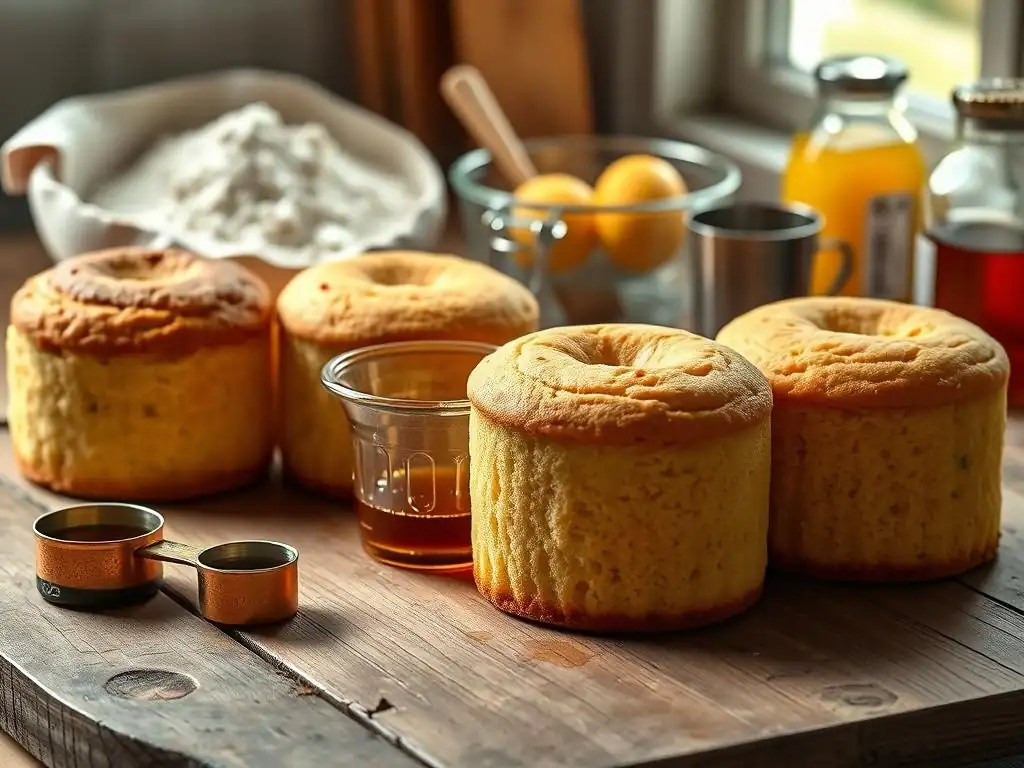
One of the most significant ways liquid sweeteners alter baking science is through their inherent moisture content. Unlike granulated sugar, which is dry crystals, honey contains about 17-20% water, maple syrup about 32-34%, and molasses varies but is also significantly wet. When you substitute a cup of granulated sugar with a cup of a liquid sweetener, you're not just adding sweetness; you're adding a considerable amount of liquid to your recipe. This extra moisture affects the consistency of the batter or dough, the hydration of flour proteins, and the overall wet-to-dry ratio.
To compensate for this added moisture, bakers must adjust other liquid components in the recipe. A general guideline is to reduce other liquids (milk, water, oil, or even egg whites) by about 1/4 cup for every cup of liquid sweetener used. Failing to make this adjustment often leads to overly wet batters, resulting in baked goods that are dense, gummy, or spread too much (as seen in flat cookies).
In some cases, especially when substituting large amounts, you might need to slightly increase the dry ingredients (flour) to absorb the extra moisture and maintain the correct consistency for proper structure development. Mastering liquid sweeteners baking science involves accurately assessing the impact of their moisture and rebalancing the recipe accordingly.
Browning and Caramelization: The Science Behind Liquid Sweeteners' Color
Liquid sweeteners play a crucial role in the browning and caramelization of baked goods, often leading to faster and more intense coloration than granulated sugar. This is largely due to their composition, which typically includes a higher proportion of simple sugars like fructose and glucose compared to granulated sugar (sucrose). Fructose, in particular, participates readily in both the Maillard reaction (the browning of proteins and sugars) and caramelization (the browning of sugars themselves). Fructose caramelizes at a lower temperature (around 220°F or 104°C) than sucrose (around 320°F or 160°C).
The presence of these reactive sugars, combined with the inherent moisture and sometimes the presence of amino acids (especially in molasses), accelerates browning during baking. This means a cake or cookie made with honey or maple syrup will likely achieve a golden-brown crust faster than one made with granulated sugar, even at the same oven temperature. While desirable for crust development and flavor complexity, this faster browning requires vigilance.
Bakers using liquid sweeteners often need to reduce the oven temperature or cover the baked good during the later stages of baking to prevent the exterior from burning before the interior is fully cooked. Understanding this aspect of liquid sweeteners baking science helps achieve the perfect color and texture balance.
Texture and Structure: Understanding How Liquid Sweeteners Change the Final Product
The impact of liquid sweeteners on the texture and structure of baked goods is significant, often resulting in softer, chewier, and more tender outcomes compared to using granulated sugar. Several factors contribute to this. Firstly, the inherent moisture in liquid sweeteners contributes to a moist crumb and inhibits the formation of large sugar crystals upon cooling, which would otherwise lead to crispness. Instead, the sugars remain dissolved or form smaller, less rigid structures.
Secondly, liquid sweeteners, particularly those high in fructose and glucose, can interfere with the development of the gluten network in flour. These smaller sugar molecules get between the protein strands, hindering their ability to form strong, elastic bonds. This weakening of the gluten structure contributes to tenderness. In cakes and muffins, this can result in a finer, more delicate crumb.
In cookies, it often leads to a chewier texture rather than a crisp snap. The viscosity of some liquid sweeteners, like molasses, also adds to chewiness. Adjusting leavening and baking times is often necessary to achieve the desired structure and texture when incorporating liquid sweeteners baking science into recipes.
Shelf Life and Preservation: How Liquid Sweeteners Impact Longevity
One of the notable benefits of using liquid sweeteners in baking is their ability to improve the shelf life and preservation of baked goods. This property stems from their hygroscopic nature – their strong tendency to attract and hold onto moisture from the environment. When incorporated into baked goods, liquid sweeteners help retain moisture, preventing the product from drying out and becoming stale as quickly as those made with only dry sugar.
Furthermore, the high sugar concentration in liquid sweeteners, combined with their relatively low water activity (even with inherent moisture), creates an environment less hospitable to microbial growth (bacteria, mold, yeast). While not a complete preservative on their own, they contribute to extending freshness and inhibiting spoilage compared to baked goods with lower sugar content or those made with less hygroscopic sweeteners. This makes items like honey cakes, molasses cookies, and maple-sweetened muffins excellent candidates for making ahead or shipping. Understanding this aspect of liquid sweeteners baking science highlights their functional role beyond just providing sweetness and flavor.
Troubleshooting Liquid Sweetener Baking Problems: Common Issues and Solutions
Flat cookies are a common frustration when adapting recipes to use liquid sweeteners. If your cookies spread into thin, greasy discs instead of holding their shape, the liquid sweetener is likely a major factor. The primary culprit is the extra moisture introduced by the liquid sweetener compared to granulated sugar.
This excess liquid causes the dough to be too wet and soft. When heated in the oven, the butter melts rapidly before the structure has a chance to set, leading to excessive spread. Additionally, the simple sugars in liquid sweeteners melt at lower temperatures and interfere with the formation of a stable sugar-fat matrix that contributes to cookie structure.
To fix flat cookies when using liquid sweeteners, try these solutions: First, ensure you've reduced other liquids in the recipe to compensate for the sweetener's moisture. Second, chill the dough thoroughly before baking (at least 30-60 minutes, or even overnight). Chilling solidifies the fat, allowing the cookie to set slightly before the fat melts.
Third, consider slightly increasing the flour amount (perhaps by 1-2 tablespoons per cup of liquid sweetener used) to absorb some of the extra moisture. Lastly, ensure your baking soda is fresh, as it provides crucial lift to counteract the spread. Applying principles of liquid sweeteners baking science helps diagnose and correct this common issue.
Dense Cakes and Breads: Balancing Moisture and Dry Ingredients
Another frequent problem encountered when baking with liquid sweeteners is a dense or heavy texture in cakes and breads. This issue, like flat cookies, is often rooted in an imbalance of moisture and dry ingredients. Liquid sweeteners add significant water, and if this isn't balanced by reducing other liquids or increasing dry components, the resulting batter or dough will be too wet. Excess moisture weighs down the product, inhibits proper gluten or protein structure formation, and can interfere with the action of leavening agents, preventing the cake or bread from rising sufficiently.
To combat density, revisit your liquid-to-dry ratios. Ensure you've reduced other liquids appropriately (e.g., milk, water, oil). For every cup of liquid sweetener, reduce other liquids by roughly 1/4 cup. If the batter still seems too wet, a slight increase in flour might be necessary, but add it cautiously to avoid toughness.
Also, verify your leavening is active and used in the correct proportion; the acidity of some liquid sweeteners reacts with baking soda, so ensure enough is present if needed. Baking at the correct temperature is also vital; too low a temperature can hinder the setting of the structure. Careful adjustments based on liquid sweeteners baking science are key to achieving a light, airy crumb.
Sticky or Gummy Textures: Achieving the Perfect Balance
A sticky or gummy texture in the interior of baked goods is another sign that the interaction between liquid sweeteners, moisture, and structure isn't quite right. This can happen when there's too much moisture relative to the structural components (flour, eggs, leavening) or when the product hasn't been baked thoroughly enough to set properly. Liquid sweeteners, being hygroscopic, retain moisture very effectively, which is usually a benefit for tenderness and shelf life, but in excess, it can lead to a slightly wet or gummy interior.
To avoid sticky or gummy textures, ensure your recipe is properly balanced for the liquid sweetener being used, paying close attention to the moisture adjustments mentioned previously. Baking time and temperature are also critical. Because liquid sweeteners cause faster external browning, you might pull the product from the oven before the interior is fully cooked.
Use visual cues like a toothpick test (it should come out clean or with a few moist crumbs, not wet batter) and potentially an internal thermometer (cakes are typically done around 200-210°F or 93-99°C) to ensure the interior is cooked through. Reducing the oven temperature slightly and baking for a longer time can help ensure the inside is done by the time the outside is perfectly browned, achieving the perfect balance in liquid sweeteners baking science.
Advanced Techniques: Elevating Your Baking with Liquid Sweeteners
Fermentation and Liquid Sweeteners: Exploring Sourdough and Other Breads
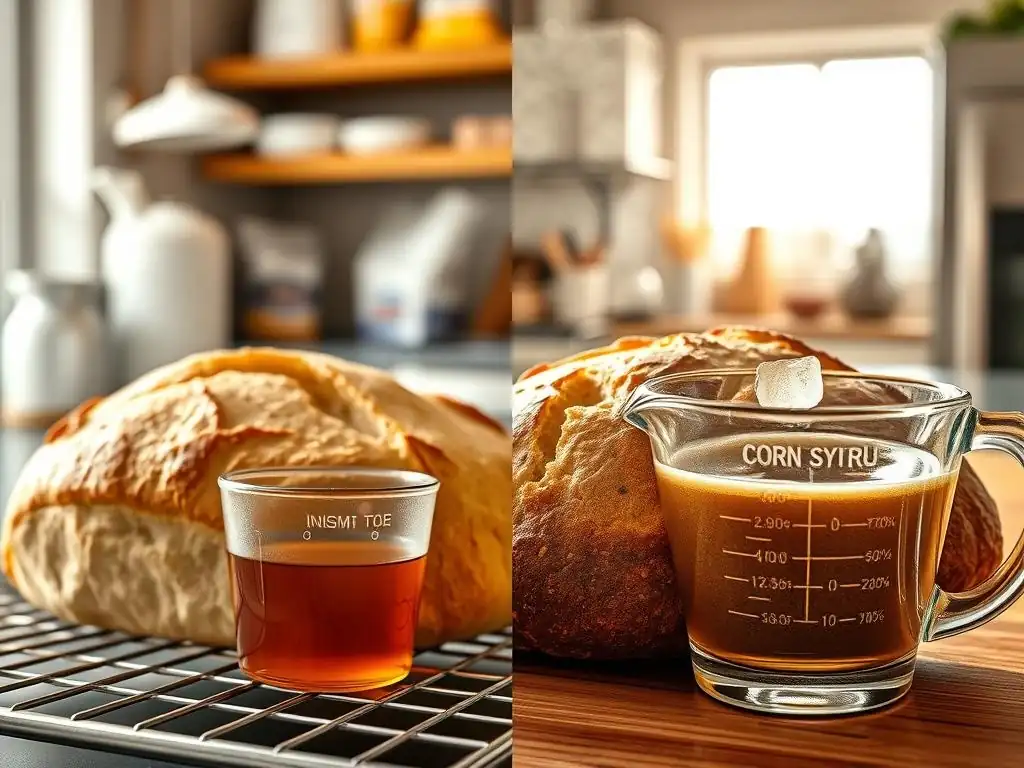
Liquid sweeteners can interact uniquely with yeast and sourdough cultures, influencing the fermentation process. Yeast primarily feeds on simple sugars (glucose and fructose). Since liquid sweeteners like honey and maple syrup contain significant amounts of these monosaccharides, they are readily available food sources for yeast. Adding a small amount of honey or maple syrup to yeast dough can sometimes kickstart fermentation more quickly than granulated sugar (sucrose), which must first be broken down into glucose and fructose by the yeast's enzymes.
In sourdough baking, incorporating liquid sweeteners can affect both the rate of fermentation and the flavor profile. The acidity of honey, for example, might interact with the wild yeasts and bacteria in a sourdough starter.
While large amounts could potentially inhibit activity due to low pH, small additions can provide readily available fuel, potentially leading to a more vigorous rise or subtly altering the tangy flavor profile. Experimenting with different liquid sweeteners in pre-ferments or the main dough allows bakers to explore variations in crumb structure, rise time, and the complex flavors developed during fermentation, adding another layer to liquid sweeteners baking science.
Pairing Liquid Sweeteners with Spices and Flavors: Creating Unique Profiles
One of the joys of baking with liquid sweeteners is the opportunity to create complex and unique flavor profiles by pairing them thoughtfully with spices, extracts, and other ingredients. The inherent flavors of honey, maple syrup, and molasses offer a rich base to build upon. Honey's floral or earthy notes pair beautifully with warm spices like cinnamon, ginger, cardamom, and nutmeg, as well as vanilla, lemon zest, or almonds. Think honey-lavender scones or honey-gingerbread cookies.
Maple syrup's caramel-like and earthy tones are a natural fit for spices like cinnamon, cloves, and allspice, and it complements flavors like pecan, walnut, apple, pumpkin, and bourbon exceptionally well. Maple-pecan muffins or maple-glazed apple cake are classic examples. Molasses, with its deep, robust, and slightly bitter profile, is best friends with strong spices like ginger, cloves, cinnamon, and black pepper, and pairs wonderfully with dark chocolate, coffee, and whole grains like rye or buckwheat.
Molasses-spiced cookies or dark chocolate-molasses cake utilize this pairing effectively. Understanding how these distinct flavors interact is a creative application of liquid sweeteners baking science, allowing bakers to design truly memorable treats.
Partnering Cinnamon and Honey for a Sweet and Warm Baking Experience
The combination of cinnamon and honey is a classic for a reason. Cinnamon's warmth and spice beautifully complement honey's natural sweetness and subtle floral or earthy notes, creating a comforting and aromatic flavor profile perfect for items like honey-cinnamon rolls, spiced muffins, or simple tea cakes.
Creating Vegan Baked Goods with Liquid Sweeteners: Egg Replacements and More
Liquid sweeteners are valuable ingredients in vegan baking, where they not only provide sweetness but can also contribute to moisture and binding, helping to compensate for the absence of eggs and dairy. Eggs typically provide structure, moisture, and leavening. Liquid sweeteners' hygroscopic nature helps retain moisture, which is often a challenge in vegan recipes that can sometimes turn out dry. Their viscosity, particularly in syrups like agave or darker honey (if not strictly vegan), can also aid in binding ingredients together, working in conjunction with common vegan egg replacers.
Ingredients like applesauce, mashed banana, flax eggs (ground flaxseed mixed with water), or commercial egg replacers often rely on their gelling or binding properties. Liquid sweeteners can enhance the effectiveness of these replacers by contributing to the overall moistness and slightly sticky texture of the batter, which helps hold everything together. For instance, a vegan muffin recipe using maple syrup and applesauce benefits from the combined moisture and binding power. When developing vegan recipes using liquid sweeteners baking science, consider how the sweetener interacts with specific egg and dairy substitutes to achieve the desired texture and rise.
Conclusion: Mastering the Art and Science of Baking with Liquid Sweeteners
Baking with liquid sweeteners is a rewarding journey that blends culinary artistry with scientific understanding. As we've explored, honey, maple syrup, and molasses each bring distinct flavors, moisture levels, and chemical properties to the oven.
Understanding how these liquid forms of sugar interact with flour, leavening, fat, and other ingredients – from their impact on gluten development and browning to their role in moisture retention and shelf life – is key to unlocking their full potential. The science behind liquid sweeteners baking science isn't just academic; it's practical knowledge that empowers you to troubleshoot common issues like flat cookies or dense cakes and to confidently adapt recipes.
Moving beyond simple substitutions, mastering the art of baking with liquid sweeteners involves selecting the right type and grade for your desired flavor profile, adjusting moisture levels precisely, and controlling baking temperatures to achieve perfect color and texture. Whether you're exploring the nuances of different honey varieties, balancing maple syrup's moisture, or harnessing the richness of molasses, each liquid sweetener presents unique opportunities.
By embracing the principles of liquid sweeteners baking science, you can elevate your baked goods, creating treats that are not only delicious but also boast superior moisture, texture, and complex flavors. So, grab your measuring cup and embark on your own experiments – your next favorite baked good might just be sweetened with liquid gold.
Frequently Asked Questions
What are the main differences between using liquid sweeteners and granulated sugar in baking?
Liquid sweeteners like honey or maple syrup introduce additional moisture into your recipes, impacting the final texture. They can also affect browning and overall sweetness differently compared to granulated sugar.
How does the moisture content of liquid sweeteners affect baking outcomes?
The added moisture can lead to a softer, chewier texture in baked goods. However, it might also require adjusting other liquid ingredients to maintain the right consistency and prevent a soggy result.
What types of liquid sweeteners are commonly used in baking, and what are their unique characteristics?
Common options include honey, maple syrup, molasses, and agave nectar. Each has a distinct flavor profile and varying levels of sweetness, influencing the final taste of your baked goods.
How does using liquid sweeteners impact the browning of baked goods?
Liquid sweeteners often promote faster browning due to their higher sugar content and the presence of reducing sugars. Careful monitoring is crucial to prevent over-browning or burning.
Are there any specific recipes where liquid sweeteners are particularly beneficial, and why?
Recipes where a moist and chewy texture is desired, such as brownies or certain types of cookies, can benefit. The unique flavor profiles of sweeteners like honey or molasses can also enhance the overall taste of these treats.
Final Reflection: The Sweet Science of Baking's Future
The impact of liquid sweeteners on baking is not merely a matter of taste; it's a fundamental shift in the very science of creating baked goods. Understanding the nuanced interactions of these sweeteners with other ingredients is crucial for bakers of all levels, from home cooks to professional pastry chefs, to achieve consistent and delicious results. The future of baking hinges on this knowledge.
The exploration of liquid sweeteners' role in baking has profoundly altered my own approach to recipe development and execution. I've learned to appreciate the subtle yet significant differences in texture, browning, and overall flavor profiles that different liquid sweeteners impart. This journey has reinforced the importance of scientific understanding in a seemingly simple craft. The best bakers are scientists in disguise, constantly experimenting and refining their techniques.
This quote, though not directly about liquid sweeteners, perfectly encapsulates the spirit of mindful baking that this exploration has ignited.
Now, it's your turn. Consider the recipes you already know and love. How might substituting a different liquid sweetener alter the final product? Experiment, explore, and don't be afraid to embrace the unexpected results. The world of baking is a vast and delicious landscape, and understanding the science behind it is the key to unlocking its full potential. Embrace the challenge, and discover the sweet science within!
Unlock Your Sweetest Baking Success!
Thanks for diving deep into the science of baking with liquid sweeteners! You now have the knowledge to create truly amazing treats. Ready to put your newfound expertise to the test?
- Experiment with different liquid sweeteners: Try substituting honey for maple syrup in your next recipe and observe the changes in texture and flavor. Document your results!
- Share your baking creations and experiences: Post pictures of your liquid-sweetener baking adventures on social media using #BakeWithEaseLiquidSweeteners. Let's inspire each other!
- Dive deeper into our recipe collection: We've curated a selection of recipes specifically designed to highlight the unique qualities of various liquid sweeteners. Find your next baking project there.
What unexpected flavor combinations are you eager to try now that you understand the science behind liquid sweeteners?