
Making Sense of the Butter Aisle: Our Simple Taste Test Helps You Choose

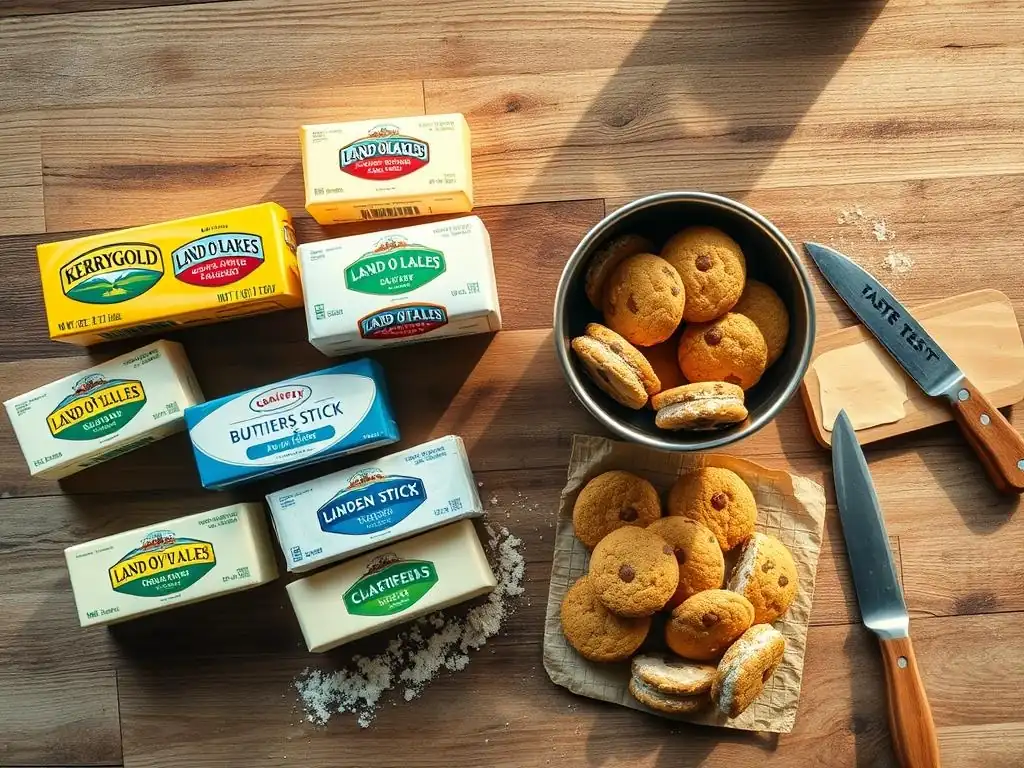
Welcome to BakeWithEase, your kitchen companion for all things baking! Ever stood bewildered in the butter aisle, wondering which one truly reigns supreme? Our latest article, "Making Sense of the Butter Aisle," dives deep into the world of butter, offering a simple taste test to help you discover the best butter for baking. Unlock the secrets to richer flavors and flakier crusts – let's get baking!
- Finding the Best Butter for Baking: A BakeOff Bliss Taste Test
- The Contenders: Comparing Top Butter Brands for Baking
- The Bake-Off: Butter Performance in Specific Baking Recipes
- Understanding Butterfat Content & Its Impact on Baking
- Choosing the Right Butter for Your Baking Needs: A Summary
- Where to Buy the Best Butters for Baking: Our Recommendations
- Elevate Your Baking with the Right Butter: Our Final Thoughts.
-
Frequently Asked Questions
- What exactly makes one butter better than another for baking?
- BakeWithEase recommends unsalted butter for most recipes. Why is that?
- Is there a significant difference between European and American butter when baking?
- Can I substitute margarine for butter in baking recipes?
- What should I consider when choosing butter for a specific baking project, like sourdough bread versus a delicate cake?
- Final Reflection: The Golden Standard of Baking – It's More Than Just Butter
- Unlock Your Inner Butter Connoisseur!
Finding the Best Butter for Baking: A BakeOff Bliss Taste Test
Understanding Butter's Role in Baking & Why Quality Matters
Butter is far more than just a fat in baking; it's a foundational ingredient that impacts everything from texture and flavor to leavening and structure. At its core, butter is an emulsion of fat, water, and milk solids. The proportions of these components, particularly the butterfat content, dramatically influence how a recipe turns out.
For example, butter provides richness and tenderness in cakes, contributes to flakiness in pastries through steam created by its water content, and helps spread and crisp cookies as the fat melts during baking. Using the right butter, and understanding its properties, is crucial for achieving consistent and delicious results in your kitchen.
The quality of butter, often reflected in its ingredients and processing, directly correlates with the quality of your baked goods. High-quality butters, especially those with higher butterfat percentages, offer superior flavor due to less water and more concentrated dairy goodness.
They also perform better structurally; more fat means less water, which can lead to less gluten development (resulting in tender cakes) and better fat distribution for flakiness in laminated doughs. Investing in a good quality butter tailored to your specific baking need can truly elevate your creations from good to outstanding, making the search for the best butter for baking a worthwhile endeavor.
Our Methodology: How We Tested Different Butters for Baking Performance
To help you navigate the crowded butter aisle, we conducted a simple, home-kitchen taste test comparing several popular butter types readily available to most home bakers. Our goal was to assess their performance across different baking applications and evaluate their flavor profiles both raw and baked. We focused on unsalted varieties primarily, as recommended for most baking, but included a salted option for comparison.
For each butter, we evaluated its raw taste and texture straight from the fridge and at room temperature. Then, we incorporated each butter into three classic recipes: a simple vanilla butter cake (to assess tenderness and crumb), chocolate chip cookies (to evaluate spread and texture - chewy vs. crispy), and an all-butter pie crust (to test flakiness and richness).
We used identical weights of butter in each test recipe, controlled other variables carefully, and had a small panel of home bakers taste and compare the results side-by-side, noting differences in flavor, texture, appearance, and overall performance to determine the best butter for baking various treats.
The Contenders: Comparing Top Butter Brands for Baking
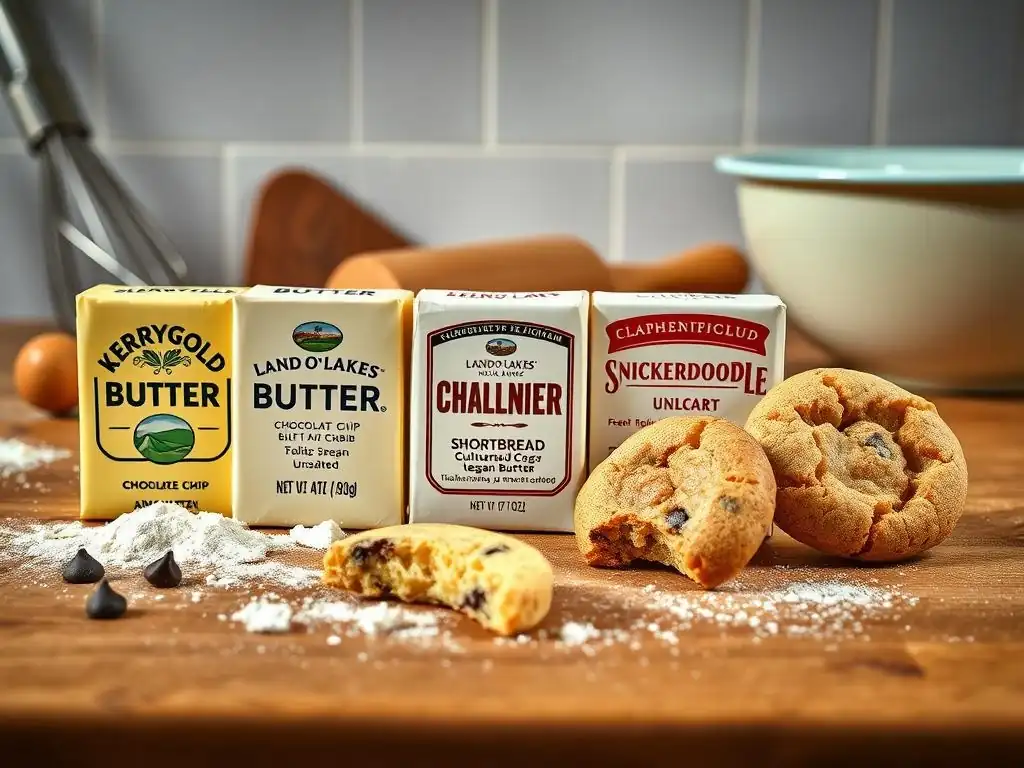
Kerrygold: Unsalted Butter - A Classic Choice for Baking
Often hailed by bakers, Kerrygold unsalted butter is produced in Ireland from the milk of grass-fed cows. This gives it a distinct golden hue and a rich, slightly tangy flavor compared to standard American butters. While standard American butter typically contains around 80% butterfat and 18% water, Kerrygold boasts approximately 82% butterfat and a lower water content, around 16%. This higher fat percentage contributes significantly to its performance and reputation as a strong contender for the best butter for baking.
In our tests, Kerrygold's flavor came through pleasantly in baked goods without overpowering other ingredients. Its texture is firm when cold but softens beautifully at room temperature, making it easy to cream with sugar. The higher fat content resulted in cakes with a slightly more tender crumb and cookies that spread a little less than those made with standard butter, retaining a pleasant chewiness. For pastries, it delivered good flakiness, though perhaps slightly less than butters with even higher fat.
Taste Profile & Texture Analysis
Kerrygold unsalted butter has a notably creamy texture and a rich, clean dairy flavor with subtle grassy undertones that distinguish it from many other brands. When sampled raw, it melts smoothly on the tongue. This pleasant taste translates well into baked goods, adding a depth of flavor that enhances rather than competes with other ingredients.
Its texture is relatively firm straight from the refrigerator, a sign of its lower water content. However, it softens nicely and evenly at room temperature, reaching that ideal pliable state perfect for creaming into butter and sugar for cakes and cookies within about 30-60 minutes, depending on ambient temperature. This reliable texture makes it a favorite for many bakers seeking consistency.
Performance in Baking: Cakes, Cookies & Pastries
In our vanilla butter cake test, Kerrygold produced a cake with a moist, tender crumb and a lovely golden color, likely influenced by the grass-fed milk. The cake had a pleasant, well-rounded butter flavor. For chocolate chip cookies, the Kerrygold batch exhibited less spread than expected, resulting in slightly thicker, chewier cookies with crispy edges – a texture profile many bakers appreciate.
When used in pie crust, Kerrygold performed admirably, yielding flaky layers and a rich flavor. The higher butterfat content compared to standard butter certainly contributed to this flakiness. While not reaching the extreme flakiness achievable with butters specifically designed for lamination (like some European styles), it provided a very satisfying result for everyday pies and tarts, solidifying its place as a versatile candidate for the best butter for baking across multiple applications.
Price Point & Availability
Kerrygold butter is generally priced in the mid-to-high range, typically costing more per pound than standard American supermarket butters but less than ultra-premium or specialty cultured butters. Its price reflects its quality and imported status.
Availability for Kerrygold is quite good in most areas. It can be found in major supermarket chains, health food stores, and even many smaller grocery outlets across the United States and other countries. This widespread availability, combined with its consistent quality, makes it a convenient and reliable choice for bakers looking to upgrade from basic butter without searching for highly specialized products.
Plugra: European-Style Butter - Richness & High Fat Content
Plugra is a popular American-made butter crafted in the European style, meaning it has a higher butterfat content than typical American butter. Plugra specifies a minimum of 82% butterfat, significantly more than the 80% minimum for standard butter. This higher fat percentage and lower water content (around 16% water) are key to its distinct characteristics and make it a prime candidate when considering the best butter for baking applications requiring maximum richness and flakiness.
The name "Plugra" itself is derived from the French words "plus gras," meaning "more fat." This butter is known for its smooth, creamy texture and pure, sweet cream flavor. Its composition makes it particularly well-suited for specific types of baking where the fat content plays a critical structural role, such as in laminated doughs for croissants and puff pastry, or for achieving incredibly tender scones and biscuits.
Taste Profile & Texture Analysis: The Key to Flaky Crusts
Plugra boasts a pure, sweet cream flavor that is exceptionally clean and rich, without the tangy notes sometimes found in cultured or grass-fed butters. This neutral yet intense dairy flavor allows it to blend seamlessly into recipes, providing richness without altering the intended taste profile.
Its texture is noticeably different from standard butter. Due to the higher fat content, it feels denser and creamier, even when cold. This density and lower water content are precisely what bakers seek for pastries. When incorporated into dough, the higher proportion of fat creates more distinct layers during rolling and folding, leading to superior flakiness compared to butters with more water. It also creams beautifully, contributing to smooth batters and doughs.
Performance in Baking: Scones, Croissants & Pie Dough
In baking applications where fat structure is paramount, Plugra truly shines. Our pie crust test demonstrated this clearly; the crust made with Plugra was exceptionally flaky, tender, and had a rich, melt-in-your-mouth quality. The layers were more defined, and the overall texture was superior to crusts made with lower-fat butters.
While excellent in cakes and cookies, its real advantage lies in pastries. For laminated doughs like croissants or puff pastry, the higher fat content facilitates better separation of layers as the water turns to steam, resulting in maximum lift and flakiness. Similarly, in scones and biscuits, using Plugra helps achieve a tender interior and a crisp exterior. If your goal is achieving professional-level flakiness, Plugra is arguably the best butter for baking pastries.
Price Point & Availability: Is the Extra Cost Worth It?
Plugra is positioned as a premium butter and is typically priced higher than both standard American butter and often slightly more than Kerrygold, placing it firmly in the higher price tier. Its cost reflects its higher butterfat content and specialized production process.
Availability for Plugra is generally good in larger supermarkets and specialty food stores across the US. While not as ubiquitous as Land O'Lakes, it's widely distributed enough that most serious home bakers can find it. Whether the extra cost is "worth it" depends on the application; for everyday cookies, perhaps not significantly, but for crucial recipes like croissants, puff pastry, or a special pie, the performance difference often justifies the higher price point for bakers seeking optimal results.
Vermont Creamery: Cultured Butter - Tangy Flavor for Unique Bakes
Vermont Creamery offers a range of high-quality dairy products, including a cultured butter that stands out due to its unique production process. Cultured butter is made by adding live bacterial cultures to the cream before churning, allowing it to ferment slightly. This process develops a more complex, slightly tangy flavor profile compared to sweet cream butters like Land O'Lakes or Plugra. Vermont Creamery's cultured butter typically contains around 82-84% butterfat, placing it in the European-style category regarding fat content but differing significantly in flavor.
This butter's distinct flavor and high fat content make it an intriguing option for bakers looking to add a subtle tang and richness to specific recipes. While not ideal for every bake, its unique characteristics can elevate certain dishes, particularly those where a slightly acidic note complements other flavors. It represents a specialty choice for those exploring variations of the best butter for baking.
Taste Profile & Texture Analysis: Adding Depth to Your Baking
Vermont Creamery's cultured butter has a rich, creamy texture and a sophisticated flavor profile. When tasted raw, it has a pronounced tanginess reminiscent of crème fraîche or high-quality yogurt, alongside a deep, buttery richness. This cultured flavor is its defining characteristic.
The texture is smooth and pliable, similar to other high-fat European-style butters. It softens readily at room temperature and creams beautifully. The tanginess is less noticeable once baked, but it imparts a subtle complexity and depth of flavor that can be quite appealing, especially in recipes that benefit from a slight counterpoint to sweetness or richness.
Performance in Baking: Breads & Savory Dishes
Due to its distinct flavor, Vermont Creamery's cultured butter isn't a direct substitute for sweet cream butter in all recipes. However, it performs exceptionally well in certain applications. In our tests, it added a wonderful depth to quick breads like biscuits and scones, and its high fat content contributed to a tender texture.
It truly shines in bread baking, particularly in enriched doughs like brioche or challah, where the slight tang complements the yeast flavor and adds complexity. It's also fantastic in savory applications, such as pan sauces, mashed potatoes, or simply spread on crusty bread, where its unique flavor can be fully appreciated. While not the go-to for delicate cakes or cookies where a pure butter flavor is desired, it's a superb, high-fat option for breads and savory bakes.
Price Point & Availability: A Specialty Butter Option
Vermont Creamery's cultured butter is typically priced at the higher end of the spectrum, often comparable to or slightly more expensive than Plugra, reflecting its specialty status and high quality.
Availability is more limited than mainstream brands like Land O'Lakes or even Kerrygold. It is usually found in larger supermarkets with a good dairy selection, specialty food stores, health food stores, and sometimes farmers' markets. While not as widely available as other options, it's worth seeking out if you're interested in experimenting with different butter flavors and textures in your baking, particularly if you're searching for a unique candidate for the best butter for baking specific items.
Land O'Lakes: Salted Butter - Convenience vs. Control in Baking
Land O'Lakes is one of the most widely recognized and available butter brands in the United States, known for its standard American-style butter. Their salted butter is a staple in many kitchens, primarily used for spreading on toast or finishing dishes. Standard American butter, including Land O'Lakes, typically contains a minimum of 80% butterfat and a higher water content, around 18%, compared to European styles. The key difference in their salted version is the addition of salt, usually around 1.5% to 2% by weight.
While incredibly convenient and budget-friendly, using salted butter in baking can be tricky because the amount of salt varies between brands and even batches. This makes it difficult to control the overall salt level in your recipe, which is critical for balancing sweetness and enhancing other flavors. For this reason, unsalted butter is almost universally recommended for baking, allowing the baker to add the precise amount of salt required by the recipe.
Taste Profile & Texture Analysis: When to Use Salted Butter
Land O'Lakes salted butter has the classic sweet cream flavor typical of American butter, combined with noticeable saltiness. The salt crystals are usually evenly distributed, providing a consistent salty taste.
Its texture is typical of standard butter: firm when cold, but it softens relatively quickly at room temperature due to its slightly higher water content compared to European styles. It creams well and melts predictably. While the taste is familiar and pleasant for general use, the added salt makes it less suitable for delicate baking where precise flavor balance is needed. However, in applications where a bit of extra salt isn't detrimental, or where the recipe specifically calls for it, it performs adequately.
Performance in Baking: Quick Breads & Muffins
Using Land O'Lakes salted butter in baking means introducing an unknown quantity of salt into your recipe. This can lead to baked goods that are either too salty or not salty enough, throwing off the intended flavor profile. In our tests using the vanilla cake and chocolate chip cookie recipes designed for unsalted butter, the versions made with Land O'Lakes salted butter were noticeably saltier, sometimes unpleasantly so, depending on the amount of added salt in the original recipe.
However, for recipes like quick breads, muffins, or some savory baked goods where the exact salt level is less critical, or where you are careful to omit any additional salt from the recipe, Land O'Lakes salted butter can be a functional choice. Its baking performance in terms of texture (crumb, spread) is typical of 80% butterfat butter – it creates a standard tender cake crumb and cookies with moderate spread. While not the top contender for the best butter for baking finesse, its convenience and price make it accessible.
Price Point & Availability: A Budget-Friendly Option
Land O'Lakes salted butter is typically one of the most affordable options available, priced significantly lower per pound than premium European-style or cultured butters.
Its availability is virtually universal across the United States, found in every type of grocery store imaginable, from corner markets to large supermarkets and warehouse clubs. This widespread availability and lower price point make it a go-to for many households, though for serious baking, opting for unsalted butter (either Land O'Lakes unsalted or another brand) is generally recommended for better control over flavor.
The Bake-Off: Butter Performance in Specific Baking Recipes
Best Butter for Cakes: Achieving a Light & Tender Crumb
Creating a cake with a perfectly light and tender crumb relies heavily on the creaming method – beating butter and sugar together to incorporate air, which acts as a leavening agent. The type of butter used affects how well it creams and how the fat interacts with other ingredients, influencing the final texture and moisture. A butter with good creaming ability and a balanced fat-to-water ratio is key here.
In our tests, butters with slightly higher fat content (like Kerrygold and Plugra) tended to produce cakes with a marginally more tender crumb and richer flavor than those made with standard 80% butterfat butter. The way the fat coats the flour particles and inhibits gluten development, combined with effective air incorporation during creaming, makes these butters excellent choices for cakes.
Recipe 1: Vanilla Butter Cake - Comparing Textures
Our test recipe was a standard vanilla butter cake, relying on the creaming method for leavening. We used identical ingredient weights across batches, varying only the brand of unsalted butter. After baking, we compared crumb structure, moisture level, and flavor.
The cakes made with Kerrygold and Plugra both exhibited a finer, more tender crumb and stayed moist longer than the cake made with standard 80% butter. The Plugra cake had a pure, rich buttery flavor, while the Kerrygold cake had a slightly more complex, almost nutty undertone. The standard butter cake was good but lacked the subtle nuances and superior tenderness of the cakes made with higher-fat butters.
Recommended Butters: Kerrygold vs. Plugra
Based on our vanilla butter cake test, both Kerrygold and Plugra performed exceptionally well, delivering superior texture and flavor compared to standard butter.
- Kerrygold: An excellent all-around choice, providing a tender crumb, good moisture, and a pleasant, slightly nuanced flavor from the grass-fed milk. It's widely available and a reliable performer, making it a strong contender for the best butter for baking cakes.
- Plugra: Produced a cake with a very fine, tender crumb and a pure, rich buttery flavor. If maximum tenderness and richness are your goal, Plugra's high fat content makes it a top recommendation.
While standard unsalted butter will certainly make a good cake, opting for Kerrygold or Plugra can elevate your cake's texture and flavor profile noticeably.
The type of butter used is a major factor in determining a cookie's final texture – whether it's chewy, crispy, or soft. Butter's melting point, water content, and how it's creamed with sugar all play a role. Butter with higher water content tends to spread more as it melts, resulting in thinner, crispier cookies. Butter with lower water content and higher fat melts slower, leading to less spread and thicker, chewier cookies.
Furthermore, the temperature of the butter matters significantly. Using cold, cubed butter cut into flour creates tender, crumbly cookies (like shortbread), while using softened, creamed butter results in spread and chewiness (like classic chocolate chip). The best butter for baking cookies depends on the desired outcome.
Recipe 2: Chocolate Chip Cookies - Exploring Different Butter Profiles
We used a classic chocolate chip cookie recipe that calls for softened butter, designed to produce a balance of chewiness and crisp edges. We swapped out the unsalted butter brand while keeping all other ingredients and steps consistent.
The cookies made with standard 80% butter spread the most, resulting in thinner cookies with crispier edges and a moderately chewy center. The Kerrygold cookies, with slightly higher fat, spread less, yielding thicker cookies that were chewier throughout. Plugra cookies spread even less, resulting in the thickest, chewiest cookies, almost cakey in the center. The flavor differences were subtle but present, with Kerrygold offering a slight richness.
Recommended Butters: Kerrygold vs. Land O'Lakes
For a classic chocolate chip cookie aiming for a balance of chewiness and crispness, standard unsalted butter (like Land O'Lakes unsalted) performs reliably and is a budget-friendly choice.
- Land O'Lakes (Unsalted): Provides the classic cookie texture – good spread, crispy edges, and a chewy center. It's widely available and affordable, making it a practical choice for everyday cookie baking.
- Kerrygold: If you prefer a thicker, chewier cookie with less spread and a slightly richer flavor, Kerrygold is an excellent option. Its higher fat content delivers a different, often preferred, texture profile.
While Plugra makes a very thick, chewy cookie, its higher price might not be justified for this application unless that specific texture is paramount. For versatility and classic results, standard unsalted or Kerrygold are strong contenders for the best butter for baking cookies.
Price Point & Availability
Kerrygold butter is generally priced in the mid-to-high range, typically costing more per pound than standard American supermarket butters but less than ultra-premium or specialty cultured butters. Its price reflects its quality and imported status.
Availability for Kerrygold is quite good in most areas. It can be found in major supermarket chains, health food stores, and even many smaller grocery outlets across the United States and other countries. This widespread availability, combined with its consistent quality, makes it a convenient and reliable choice for bakers looking to upgrade from basic butter without searching for highly specialized products.
Best Butter for Pastries: Creating Flaky Layers & Rich Flavor
Achieving truly flaky pastries like croissants, puff pastry, or even simple pie crusts relies on creating distinct layers of butter within the dough. As the pastry bakes, the water in the butter turns to steam, forcing the layers apart and creating that desirable airy, flaky texture. A butter with a higher butterfat content and lower water content is ideal for this process because there's more fat to create barriers between dough layers and less water to promote gluten development, which can make pastry tough.
Furthermore, the consistency of the butter is important. It needs to be firm enough when cold to be rolled and folded without melting into the dough, yet pliable enough to spread into thin layers. European-style butters, with their higher fat percentage (typically 82% or more) and lower water content (around 16% or less), are specifically designed for this purpose and are widely considered the best butter for baking pastries.
Recipe 3: All-Butter Pie Crust - The Importance of Fat Content
We tested butter performance in a classic all-butter pie crust recipe, using the cut-in method where cold, cubed butter is incorporated into flour. This method relies on pea-sized pieces of butter remaining intact until baking to create flakiness. We compared crusts made with standard 80% butter, Kerrygold (approx. 82% fat), and Plugra (minimum 82% fat).
The crust made with standard 80% butter was tender but less flaky, with smaller air pockets. The Kerrygold crust showed improved flakiness and richness. However, the Plugra crust was the clear winner in terms of flakiness and tenderness. The higher fat content and lower water allowed the butter pieces to stay more distinct during mixing and handling, resulting in superior layering and expansion during baking.
Recommended Butter: Plugra
For achieving the flakiest, most tender pie crusts and laminated pastries like croissants and puff pastry, Plugra is our top recommendation.
- Plugra: Its high butterfat content (minimum 82%) and lower water content are perfectly suited for creating defined layers in doughs that puff and flake during baking. While other high-fat butters like Kerrygold are also good, Plugra consistently delivers outstanding results in pastry applications, making it arguably the best butter for baking demanding pastries.
While you can certainly make decent pastries with standard butter, upgrading to a European-style butter like Plugra will yield a noticeable improvement in texture and richness, truly elevating your pastry game.
Understanding Butterfat Content & Its Impact on Baking
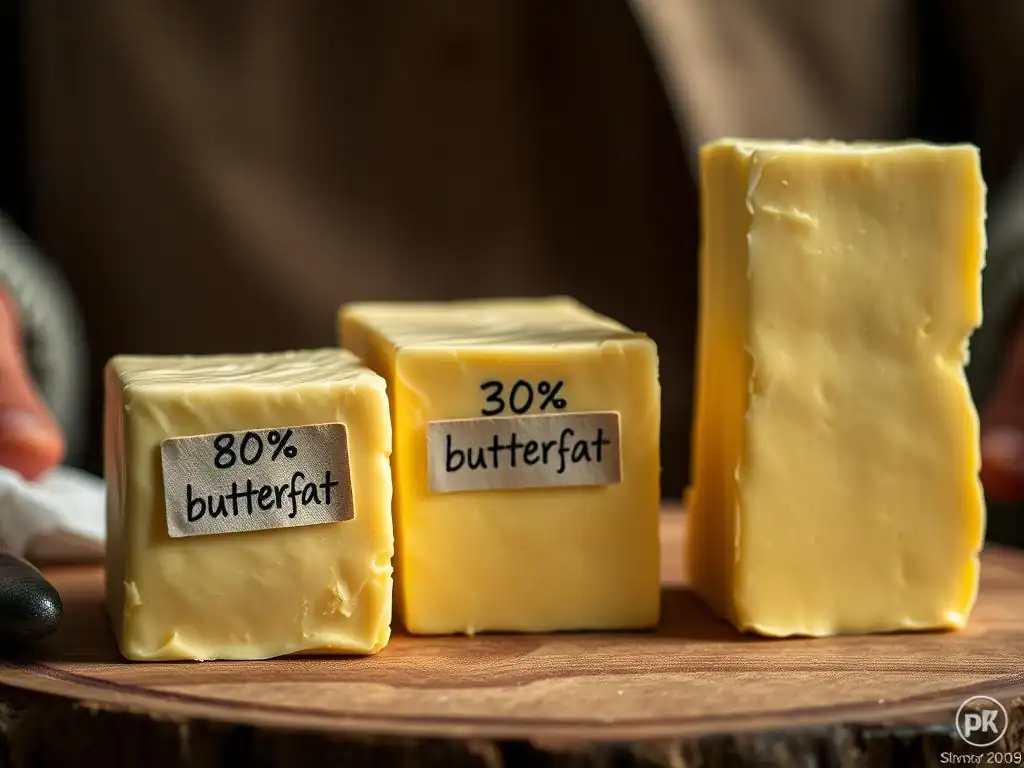
Butterfat is the pure fat component of butter, and its percentage varies between different types of butter. Standard American butter is legally required to contain a minimum of 80% butterfat. European-style butters, on the other hand, typically contain 82% butterfat or more, with some specialty butters reaching even higher percentages (e.g., 84-86%). This seemingly small difference of 2-4% has a significant impact on how butter behaves in baking.
The higher the butterfat content, the lower the water content. This ratio is critical. More fat means more pure dairy flavor and less liquid to interfere with gluten development or create excessive steam where not desired (like in cookies). Less water also means the butter is typically firmer when cold and softens more slowly and evenly, which is advantageous for techniques like creaming or cutting into dough for pastries. Understanding butterfat is key to selecting the best butter for baking specific items.
Butterfat vs. Water Content: The Secret to Baking Success
The inverse relationship between butterfat and water content is the fundamental difference between butter types from a technical baking perspective. Standard American butter (around 80% fat, 18% water) is perfectly adequate for many recipes and is the type most recipes written in the US are calibrated for. The 18% water contributes to steam leavening in cakes and helps distribute moisture.
However, in applications where maximizing flakiness or minimizing spread is crucial, the lower water content of European-style butter (82%+ fat, 16%- water) is beneficial. The extra fat creates more distinct layers and richness, while the reduced water means less gluten development (leading to tenderness) and less steam expansion (good for controlling cookie spread, excellent for pastry lift). Choosing the best butter for baking often comes down to considering this essential fat-to-water ratio relative to the desired outcome of your recipe.
How Different Butterfat Percentages Affect Texture and Flavor
The percentage of butterfat directly influences both the texture and flavor of baked goods. Higher butterfat means a richer, more intense dairy flavor because there's less water diluting it. This is why European-style butters often taste "more buttery" both raw and baked.
Texturally, higher butterfat leads to:
- Increased tenderness: More fat interferes more effectively with gluten development in batters and doughs.
- Improved flakiness: In pastries, more fat means more distinct layers that separate during baking.
- Reduced spread in cookies: Less water means the butter melts slower, causing cookies to hold their shape better and result in a chewier texture.
- Creamier texture: Higher fat contributes to a smoother mouthfeel in finished products like frostings or ganaches.
Conversely, standard 80% butterfat butter, with its higher water content, will produce cakes with a slightly more open crumb, cookies that spread more and are crispier, and pastries that are less dramatically flaky. Neither is inherently "bad," but understanding these effects helps you choose the best butter for baking the specific result you desire.
Choosing the Right Butter for Your Baking Needs: A Summary
Selecting the best butter for baking ultimately depends on your recipe, desired outcome, and budget. There's no single "best" butter for everything, but rather butters that are best suited for specific tasks. For everyday baking like standard cakes, muffins, and cookies, a good quality unsalted American-style butter (around 80% fat) is perfectly adequate and what most recipes assume you'll use.
However, if you're aiming for specific results – like incredibly flaky pastries, rich and tender cakes, or thick and chewy cookies – investing in a higher-fat, European-style butter can make a noticeable difference. Consider what you're baking and what characteristics are most important for that particular recipe when making your choice from the butter aisle.
When to Splurge: High-Quality Butters for Special Occasions
Splurging on a high-quality, high-fat butter (like Plugra or a premium cultured butter) is particularly worthwhile for recipes where butter is a primary ingredient and its characteristics significantly impact the final product.
Consider using premium butters for:
- Laminated doughs (croissants, puff pastry)
- All-butter pie crusts
- Brioche or other enriched breads
- Recipes with minimal ingredients where the butter flavor will shine (e.g., shortbread, simple butter cookies)
- Buttercreams or ganaches where a rich, smooth texture is desired
For these applications, the extra cost often translates directly into superior texture, flavor, and overall quality, making the finished product truly special. It's an investment in the outcome of your most important bakes.
Budget-Friendly Baking: Affordable Butter Options That Still Deliver
You don't need to use the most expensive butter for every single recipe to get good results. Standard unsalted butter, such as Land O'Lakes unsalted, is a perfectly capable ingredient for a vast majority of home baking projects. It's widely available, consistently performs according to standard recipe expectations, and is significantly more affordable than premium options.
For quick breads, muffins, standard layer cakes, and classic drop cookies, using a reliable, budget-friendly unsalted butter will yield delicious results that most people will be perfectly happy with. Save the premium butters for the recipes where their unique properties truly make a difference. The key is to use unsalted butter for better control over the final flavor profile.
Tips for Using Different Butters Interchangeably in Baking Recipes
While using the exact butter specified in a recipe is ideal, you can often substitute different types if you understand their properties. If a recipe calls for standard unsalted butter and you use a higher-fat European-style butter:
- You might need slightly less flour or liquid to achieve the same dough consistency, though often the difference is negligible for typical recipes.
- Expect slightly less spread in cookies and potentially a more tender cake crumb.
- Be aware that creaming time might differ slightly due to the texture.
If substituting salted butter for unsalted, be sure to omit the salt called for in the recipe entirely, or reduce it significantly (e.g., reduce by 1/4 teaspoon per stick of salted butter used). Using unsalted butter gives you maximum control over the salt level, which is essential for balancing sweetness and enhancing flavors in baking. When in doubt, unsalted is always the safest bet for the best butter for baking versatility.
Where to Buy the Best Butters for Baking: Our Recommendations
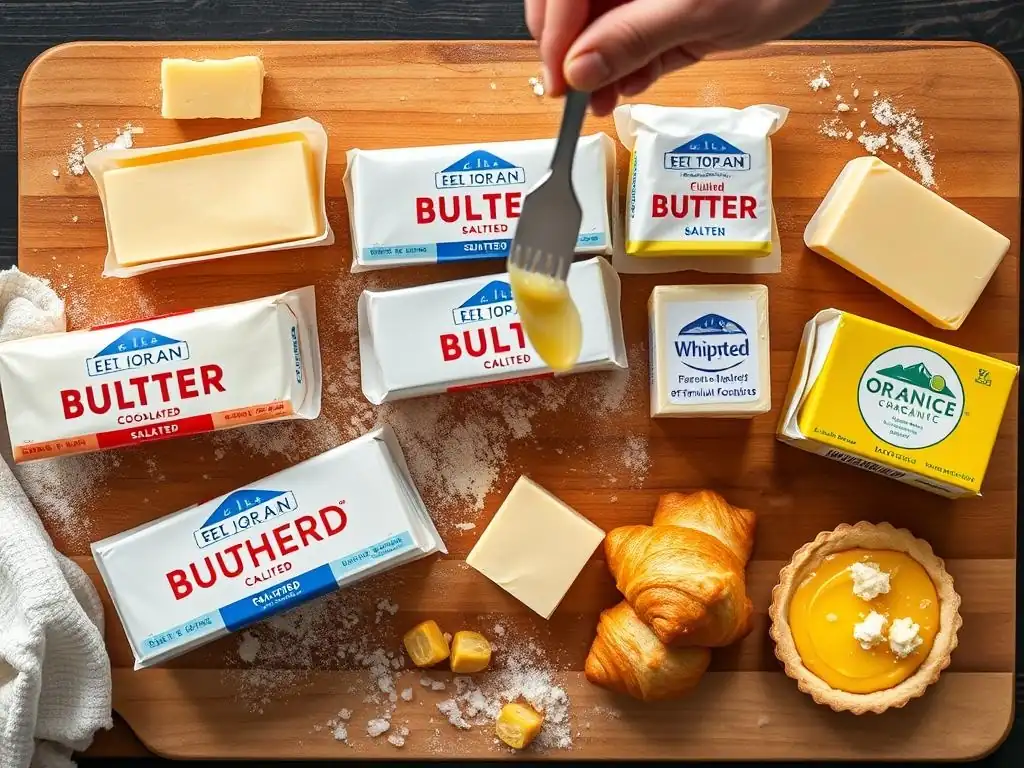
Finding the best butter for baking involves knowing where to look. While standard butters are everywhere, specialty and high-quality options might require a trip to a different aisle or even a different store.
Online Retailers: Purchasing Specialty Butters & Bulk Options
For hard-to-find specialty butters or for buying in bulk to save money if you bake frequently, online retailers can be a great resource. Websites specializing in gourmet foods, cheese shops with online stores, or even large online marketplaces sometimes offer a wider selection of imported, cultured, or artisan butters than your local store.
Buying butter online often means purchasing in larger quantities and factoring in shipping costs, especially for perishable items that require insulated packaging. However, for access to unique options or specific high-fat butters not sold locally, it can be a convenient, though sometimes more expensive, route to finding the best butter for baking your specific recipes.
Local Grocery Stores: Finding Everyday Butters at Competitive Prices
Your local supermarket is the most common place to find a variety of butters. Most standard grocery stores carry major brands like Land O'Lakes, Challenge, and often premium options like Kerrygold and sometimes Plugra or a regional European-style equivalent.
Prices at local grocery stores can vary significantly, and sales on butter are frequent, especially around holidays. Shopping sales is a great way to stock up on your preferred unsalted butter at a lower price point. Check different stores in your area, including larger chains and smaller markets, as their selections and prices for the best butter for baking can differ.
Supporting Local Dairies: Exploring Artisan Butter Options
Many regions have local dairies that produce high-quality, often artisan, butters. These butters might be made from pasteurized or raw cream, sometimes cultured, and can have unique flavors influenced by local pastures and production methods.
Checking out local farmers' markets or specialty food shops is the best way to find these local gems. While they might be more expensive and have limited availability, supporting local producers can introduce you to exceptional butters with unique characteristics that might become your new favorite for specific baking projects, adding a special touch to your search for the best butter for baking.
Elevate Your Baking with the Right Butter: Our Final Thoughts.
Choosing the best butter for baking is a simple step that can have a profound impact on your results. While standard unsalted butter is a reliable workhorse, understanding the differences in butterfat content, water percentage, and flavor profiles of various butters opens up a world of possibilities for improving your baked goods.
Whether you opt for the reliable richness of Kerrygold, the pastry power of Plugra, the unique tang of Vermont Creamery's cultured butter, or stick with the everyday practicality of Land O'Lakes unsalted, making an informed choice will help you achieve the textures and flavors you desire. Don't be afraid to experiment with different types in your favorite recipes to discover how the right butter can truly elevate your baking. Happy baking!
Frequently Asked Questions
What exactly makes one butter better than another for baking?
The key differences lie in butterfat content and water content. Higher butterfat generally leads to richer, more tender baked goods. Lower water content prevents excessive spreading.
BakeWithEase recommends unsalted butter for most recipes. Why is that?
Unsalted butter gives you complete control over the salt content in your recipe. Using salted butter can lead to inconsistent results, as salt levels vary between brands.
Is there a significant difference between European and American butter when baking?
Yes, there is! European butter typically has a higher butterfat content than American butter. This results in richer flavor and a flakier texture, especially in pastries.
Can I substitute margarine for butter in baking recipes?
While possible, margarine often produces a different texture and flavor profile compared to butter. Results can vary significantly depending on the specific recipe.
What should I consider when choosing butter for a specific baking project, like sourdough bread versus a delicate cake?
For sourdough, the flavor of the butter matters less, focusing on quality. For cakes, a butter with a high butterfat content and neutral flavor will enhance the overall experience.
Final Reflection: The Golden Standard of Baking – It's More Than Just Butter
The seemingly simple act of choosing butter has far-reaching consequences for the success of your baked goods, impacting everything from texture to flavor. A seemingly small detail, the type of butter you select can elevate a recipe from good to extraordinary, or conversely, lead to disappointing results. This exploration into the world of butter, and our taste test rankings, highlights the often-overlooked importance of ingredient selection in baking.
Our journey through the butter aisle revealed more than just differences in taste and texture; it unveiled a deeper connection between our culinary choices and the overall experience of baking. The subtle nuances in each butter, from its creamy mouthfeel to its rich aroma, profoundly impact the final product. As the renowned chef Julia Child once said, Find something you're passionate about and keep tremendously interested in it.
This passion, applied to even the smallest details like butter selection, can transform the ordinary into something truly special.
Now, consider your own baking journey. What have you learned about the ingredients you use? I encourage you to take a closer look at your pantry staples, to experiment with different brands and types of butter, and to discover the unique qualities that each brings to your baking.
The next time you stand before the butter aisle, armed with the knowledge gained from this exploration, you'll approach the selection process with a newfound appreciation for the crucial role this seemingly simple ingredient plays in the art of baking. Embrace the journey of discovery, and let your passion for baking guide you to new heights of culinary excellence.
Unlock Your Inner Butter Connoisseur!
Thanks for taking the time to explore the wonderful world of butter with us! We hope you now feel more confident in navigating the dairy aisle and finding the perfect butter for your baking needs. Ready to put your newfound knowledge to the test?
- Bake something amazing! Use your favorite new butter discovery to create a delicious treat. Share your creation with us on social media – we'd love to see it!
- Try a blind taste test. Gather friends and family, blindfold yourselves, and put your butter-choosing skills to the ultimate test. Who can guess which butter is which?
- Leave a comment below! Share your own butter preferences and baking tips – what are your favorite butter brands and recipes?
Ready to upgrade your baking game? What's your next butter-based masterpiece?