
Beyond Egg Wash: Other Glazes for Your Croissants

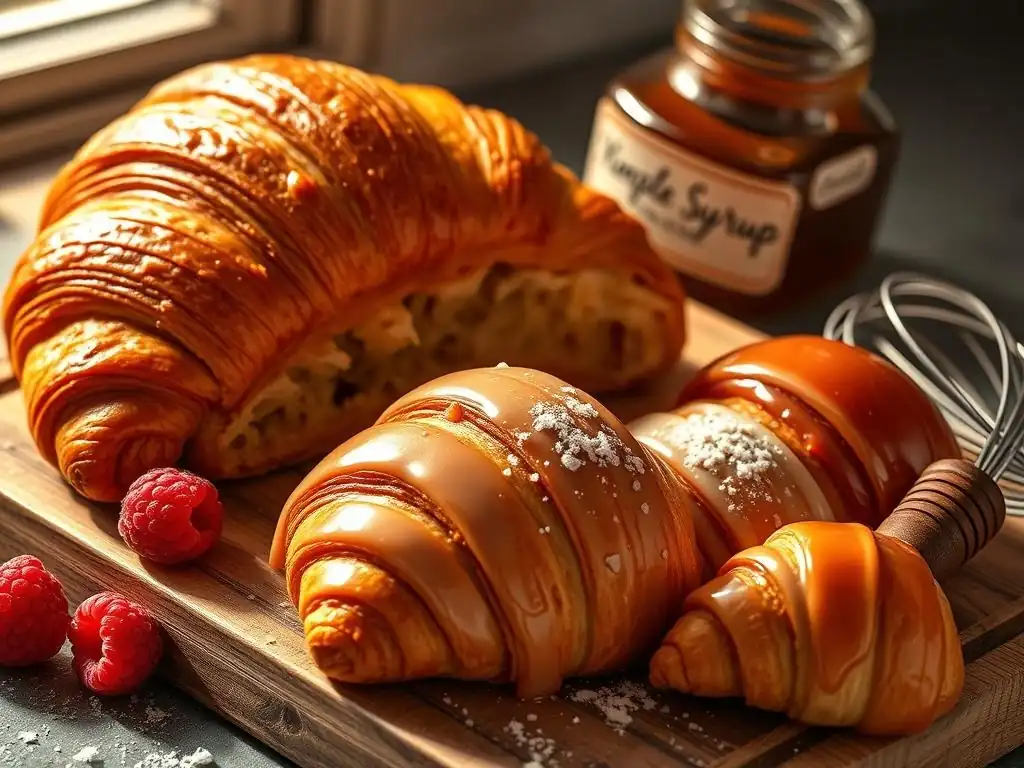
Welcome to BakeWithEase, your trusted guide to baking bliss! Ever wondered if there's more to a perfect croissant than just a simple egg wash? Dive into our exploration of easy croissant glaze recipes and discover how a simple glaze can elevate your pastries from delicious to dazzling. Prepare to unlock new levels of flavor and shine – the secrets await within!
- Introduction: Elevating Your Homemade Croissants with Flavorful Glazes
- Understanding the Basics of Croissant Glazes
- Easy Croissant Glaze Recipes: Step-by-Step Guide
- Advanced Croissant Glaze Techniques
- Troubleshooting Common Croissant Glaze Issues
- Storing and Serving Glazed Croissants
- Conclusion: Mastering Croissant Glazes for Baking Success
- Frequently Asked Questions
- Final Reflection: The Sweet Symphony of Croissant Glazes
- Unleash Your Inner Pastry Chef: Elevate Your Croissants!
Introduction: Elevating Your Homemade Croissants with Flavorful Glazes
Making croissants at home is a rewarding journey, culminating in those flaky, buttery layers. While the classic egg wash provides a beautiful golden sheen, the world of glazes offers an exciting opportunity to add extra flavor, texture, and visual appeal to your creations. Moving beyond the traditional can transform a simple pastry into a truly unique treat, surprising your taste buds with delightful sweetness, tanginess, or even savory notes.
Exploring different finishes allows you to customize your croissants for various occasions or preferences. Whether you're aiming for a glossy, sweet finish for a morning pastry or a rich, decadent coating for a dessert croissant, the right glaze can make all the difference. This guide will walk you through several easy croissant glaze recipes, perfect for enhancing your baking skills and impressing anyone lucky enough to try your homemade delights.
Why Experiment with Croissant Glazes?
Experimenting with different glazes goes beyond just appearance; it's about enhancing the overall sensory experience of your croissant. A well-chosen glaze can introduce complementary flavors – imagine a hint of citrus on a buttery pastry or the rich depth of chocolate contrasting with the crisp layers. It also impacts texture, adding anything from a delicate sugar shell to a chewy, caramel layer.
Furthermore, exploring various glazes allows for personalization and creativity in your baking. Instead of a uniform batch of egg-washed croissants, you can offer a variety, each with its own distinct character. This not only makes baking more fun but also provides options for different palates, making your homemade pastries a highlight of any breakfast table or dessert spread. These simple croissant glaze recipes open up a world of possibilities right in your kitchen.
Guide to Perfecting Croissant Glazes
Achieving the perfect glaze involves understanding the balance between ingredients and application technique. The goal is often a smooth, even coating that adheres well without being overly thick or runny. Temperature is crucial; applying a glaze to a warm (not hot) croissant often allows it to set beautifully, creating that desirable glossy finish.
Consistency is key when mixing your glaze ingredients. Too thin, and it might soak into the pastry rather than coating it; too thick, and it can become clumpy or difficult to spread. Simple adjustments, like adding a touch more liquid or powdered sugar, can often fix the consistency. Practice with a few easy croissant glaze recipes, and you'll quickly develop an intuition for getting it just right, ensuring your croissants look as good as they taste.
Understanding the Basics of Croissant Glazes
Before diving into specific easy croissant glaze recipes, it's helpful to understand the fundamental elements that contribute to a successful glaze. Unlike an egg wash, which primarily provides color and shine through protein coagulation, many glazes rely on sugar and other ingredients to create a distinct coating. This coating can range from transparent and shiny to opaque and flavorful, depending on the components used.
The interaction between the glaze and the warm croissant is also important. As the pastry cools, the glaze sets, forming a layer that seals in some moisture and adds a new dimension to the crust. Understanding these basics helps in troubleshooting common issues and adapting recipes to achieve your desired result, whether it's a simple sugar syrup or a more complex chocolate ganache.
What Makes a Good Croissant Glaze? (Shine, Flavor, and Adhesion)
A truly great croissant glaze possesses a trifecta of qualities: excellent shine, complementary flavor, and reliable adhesion. Shine is often the first visual indicator of a successful glaze, giving the croissant a professional, appealing look. This is typically achieved through sugar-based glazes that set with a smooth, reflective surface, or fat-based glazes like butter that melt slightly into the surface and provide a natural luster.
Flavor is paramount; the glaze should enhance, not overpower, the delicate taste of the croissant itself. A good glaze adds a layer of sweetness, tanginess, richness, or spice that harmonizes with the buttery pastry. Finally, adhesion is critical. The glaze needs to stick to the croissant's surface without flaking, cracking excessively, or sliding off, ensuring every bite includes both the pastry and its flavorful coating. Simple croissant glaze recipes are designed to balance these elements effectively.
Key Ingredients for Achieving the Ideal Croissant Glaze
The foundation of many easy croissant glaze recipes is powdered sugar, mixed with a liquid like milk, water, or juice. Powdered sugar dissolves easily and sets into a smooth, opaque or semi-opaque finish. The liquid component controls the consistency; less liquid yields a thicker glaze, while more creates a thinner, often more translucent one.
Beyond this basic pairing, other ingredients introduce flavor and texture. Butter adds richness and a beautiful sheen, especially when melted. Cream provides a silky texture and decadent feel. Fruit purees or jams bring tanginess and vibrant color. Cocoa powder or melted chocolate create a rich, dark glaze. Extracts like vanilla, almond, or citrus zest infuse subtle aromas and flavors. Understanding how these components interact is key to mastering homemade croissant glazes.
Easy Croissant Glaze Recipes: Step-by-Step Guide
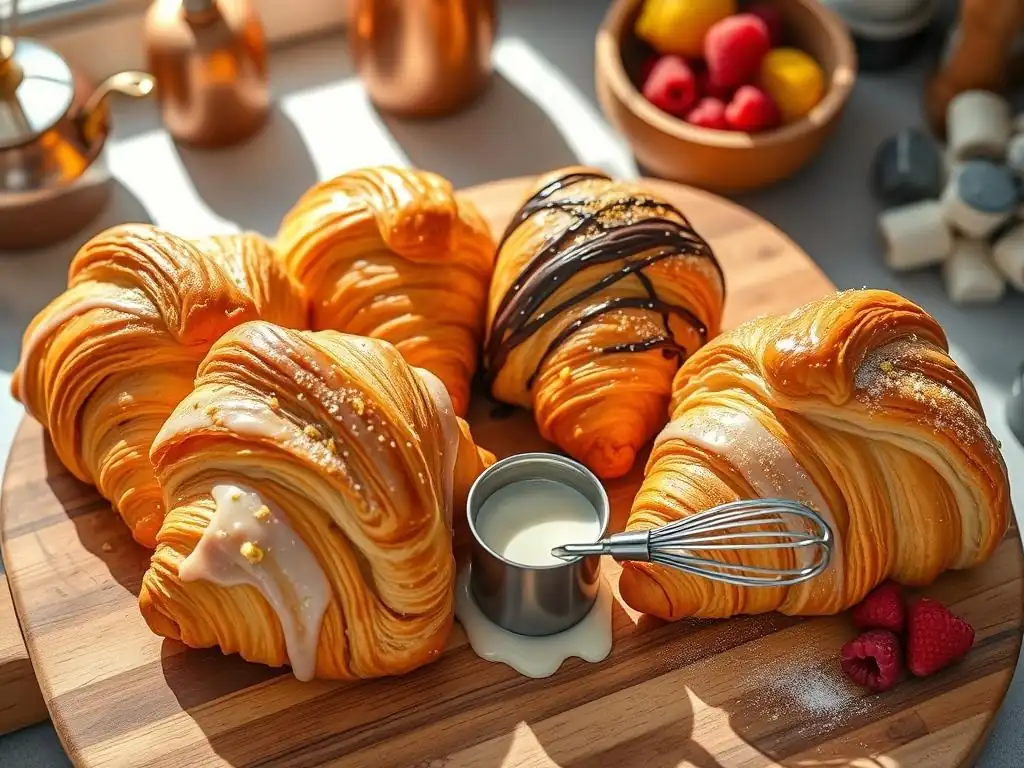
Ready to go beyond the basics? Here are several easy croissant glaze recipes to try at home. Each offers a different flavor profile and finish, allowing you to customize your croissants for any occasion. These recipes are designed to be simple and quick, perfect for adding that final touch after your croissants have baked and cooled slightly.
Whether you prefer something sweet, savory, or fruity, there's a glaze here to suit your taste. We'll cover classic options and a few more adventurous ones, providing step-by-step instructions to make the process straightforward. Get ready to transform your already delicious homemade croissants into something truly extraordinary with these simple techniques.
Butter Glaze: A Rich and Savory Option
While many glazes lean sweet, a simple butter glaze offers a wonderful savory richness that complements the inherent buttery flavor of the croissant. It provides a subtle shine and enhances the aroma of the freshly baked pastry. This glaze is incredibly easy to make and apply, requiring minimal ingredients and time, making it a perfect starting point for exploring beyond egg wash.
A butter glaze works particularly well on croissants intended for savory fillings or simply enjoyed with coffee where excessive sweetness isn't desired. It adds moisture to the crust surface without making it soggy and highlights the flaky texture. It's a minimalist approach that lets the quality of your croissant shine through, adding just a touch more indulgence.
Recipe: Butter Croissant Glaze
This recipe is incredibly simple, focusing on pure butter flavor.
Ingredients:
- 4 tablespoons unsalted butter
Instructions:
- Melt the butter completely in a small saucepan over low heat or in a microwave-safe bowl.
- Once melted, remove from heat.
- Immediately brush the warm, baked croissants generously with the melted butter using a pastry brush.
- Allow the butter to soak in slightly and set as the croissants cool.
This process takes mere minutes for a batch of croissants. About 4 tablespoons of butter is typically sufficient for glazing 6-8 standard-sized croissants, providing a light but noticeable coating. The butter should be warm enough to brush easily but not so hot it fries the surface of the pastry.
Tips for Achieving a Perfect Butter Glaze
For the best results with a butter glaze, timing is crucial. Apply the glaze while the croissants are still warm from the oven, ideally within 5-10 minutes of coming out. This warmth helps the butter melt slightly into the surface layers of the pastry, enhancing the flavor and providing a natural, inviting sheen as it cools.
Using high-quality unsalted butter will yield the best flavor. Avoid using salted butter unless you specifically desire a salty note, as it can sometimes be overpowering. Ensure the butter is fully melted but not browned, as browned butter can add a nutty flavor that might not be desired unless intended. Brush evenly to ensure a consistent finish across all your homemade croissants.
Cream Glaze: A Silky Smooth Sweetness
A cream glaze provides a delicate sweetness and a beautifully smooth, almost ethereal finish to croissants. Unlike a thick icing, it's often translucent or semi-translucent, allowing the golden color of the pastry to show through while adding a subtle layer of richness. It's a wonderfully versatile glaze that can be customized with various flavorings.
This type of glaze sets with a gentle firmness, providing a pleasant contrast to the flaky interior. It's less prone to cracking than some thicker sugar glazes and offers a softer texture. Cream glazes are excellent for standard sweet croissants, providing just enough sweetness without being cloying, making them a staple among easy croissant glaze recipes.
Recipe: Cream Croissant Glaze
This recipe uses heavy cream and powdered sugar for a smooth, sweet finish.
Ingredients:
- 1 cup powdered sugar
- 2-3 tablespoons heavy cream (or milk)
- 1/2 teaspoon vanilla extract (optional)
Instructions:
- In a medium bowl, whisk together the powdered sugar, 2 tablespoons of heavy cream, and vanilla extract (if using).
- Add more cream, a teaspoon at a time, until the glaze reaches a smooth, pourable, but not too runny consistency. It should coat the back of a spoon.
- Once the croissants have cooled slightly (warm to the touch), drizzle or brush the glaze over the tops.
- Let the glaze set for about 15-20 minutes at room temperature.
This quantity is typically sufficient for glazing 8-10 croissants, providing a moderate coating. The key is to find the right balance of liquid to powdered sugar to achieve the desired thickness. Start with less liquid and add gradually.
Variations: Infusing Cream Glaze with Citrus
One of the easiest ways to add a refreshing twist to a cream glaze is by infusing it with citrus flavor. Replace the heavy cream partially or entirely with fresh citrus juice, such as lemon, orange, or lime juice. For example, use 1 tablespoon of heavy cream and 1-2 tablespoons of lemon juice to achieve a tangy lemon glaze.
Alternatively, you can add finely grated citrus zest to the basic cream glaze recipe. About 1 teaspoon of lemon or orange zest per cup of powdered sugar imparts a wonderful aroma and subtle flavor. Whisk the zest directly into the glaze mixture. These variations offer simple ways to create delightful, flavored easy croissant glaze recipes.
Fruit Jam Glaze: A Tangy and Vibrant Finish
For a burst of color and tangy sweetness, a fruit jam glaze is an excellent choice. It utilizes the natural flavors and colors of fruit preserves to create a vibrant coating. This glaze works particularly well on croissants that might be enjoyed as a dessert or alongside fruit.
A jam glaze adds a slightly chewy texture and a concentrated fruit flavor that pairs beautifully with the buttery pastry. It's also a great way to use up small amounts of jam and offers endless flavor possibilities depending on the type of jam used – from classic apricot or raspberry to more unique fig or cherry. It's a simple yet effective method for adding significant flavor.
Recipe: Fruit Jam Croissant Glaze
This recipe uses your favorite fruit jam, thinned slightly for easy application.
Ingredients:
- 1/4 cup fruit jam (apricot, raspberry, strawberry, etc.)
- 1-2 teaspoons hot water or fruit juice
Instructions:
- In a small saucepan, heat the jam over low heat, stirring constantly until it becomes liquid and smooth.
- Add 1-2 teaspoons of hot water or fruit juice to thin the jam to a brushable consistency. It should be fluid but not watery.
- Press the warm mixture through a fine-mesh sieve into a clean bowl to remove any seeds or large fruit pieces for a smoother glaze.
- Brush the warm, baked croissants with the warm, strained jam glaze.
- Let the glaze set as the croissants cool.
This amount of jam is typically sufficient for a light glaze on 6-8 croissants. The key is straining the jam to get a smooth consistency that won't clump when brushed onto the pastry.
Adjusting Jam Consistency for Desired Glaze Thickness
The consistency of a fruit jam glaze is crucial for proper application and finish. If the jam is too thick after heating, it will be difficult to brush evenly and may result in a patchy coating. Add hot water or fruit juice (like apple or orange) a half-teaspoon at a time, stirring well after each addition, until the glaze is smooth and easily brushable.
Conversely, if the glaze seems too thin, continue to heat it gently over low heat for a minute or two, stirring, to allow some of the liquid to evaporate. Be careful not to scorch the jam. The ideal consistency is like a thin syrup – it should coat the back of a spoon but drip off relatively quickly. This ensures an even, vibrant coating on your homemade croissants.
Chocolate Glaze: For a Decadent Treat
For chocolate lovers, a rich chocolate glaze turns a simple croissant into a truly indulgent dessert. This glaze provides deep flavor and a beautiful, often glossy, dark finish. It's perfect for special occasions or when you want to offer a truly decadent option among your homemade pastries.
Chocolate glazes can range from simple melted chocolate to a more complex ganache-style coating. They pair wonderfully with the buttery layers of a croissant, creating a delightful contrast in textures and flavors. While seemingly fancy, many chocolate glazes are surprisingly easy to prepare, fitting well within the category of easy croissant glaze recipes.
Recipe: Chocolate Croissant Glaze
This recipe uses melted chocolate and a touch of butter for a smooth, glossy finish.
Ingredients:
- 1/2 cup chocolate chips (semi-sweet or dark)
- 1 teaspoon unsalted butter
- 1-2 teaspoons milk or cream (optional, for thinning)
Instructions:
- In a heatproof bowl set over a saucepan of simmering water (or in a microwave in 30-second intervals, stirring), melt the chocolate chips and butter together, stirring until smooth.
- If the glaze is too thick, stir in milk or cream, a teaspoon at a time, until it reaches a pourable or brushable consistency.
- Dip the tops of the slightly cooled croissants into the warm chocolate glaze, or drizzle it over them.
- Place glazed croissants on a wire rack set over parchment paper to catch drips and allow the glaze to set, about 30-60 minutes at room temperature, or faster in the refrigerator.
This quantity should be enough to generously dip or glaze 6-8 croissants. Using high-quality chocolate will significantly impact the final flavor. Ensure the chocolate is fully melted and smooth before application.
Pairing Chocolate Glaze with Different Toppings
A chocolate glaze serves as an excellent base for additional toppings, adding extra texture and flavor. Immediately after glazing the croissants, while the chocolate is still wet, you can sprinkle them with various additions. Chopped nuts, such as almonds, hazelnuts, or pistachios, provide a delightful crunch.
Other popular toppings include shredded coconut, colorful sprinkles for a festive look, or even a light dusting of sea salt to enhance the chocolate's depth. For an extra layer of decadence, drizzle a contrasting white chocolate glaze or a caramel sauce over the set dark chocolate glaze. These simple additions turn your easy croissant glaze recipes into showstopping desserts.
Nutella Glaze: A Hazelnut-Infused Indulgence
For those who adore the combination of chocolate and hazelnut, a Nutella glaze is a dream come true. This glaze leverages the popular spread to create a rich, flavorful coating that is both easy to prepare and incredibly satisfying. It adds a distinct nutty profile that complements the buttery croissant beautifully.
A Nutella glaze typically sets with a soft, slightly chewy texture and a rich brown color. It's a fan favorite, especially among younger eaters, but equally appreciated by adults. It's proof that easy croissant glaze recipes can deliver complex and beloved flavors using readily available ingredients.
Recipe: Nutella Croissant Glaze
This simple glaze uses Nutella, thinned slightly for easy application.
Ingredients:
- 1/2 cup Nutella
- 1-2 tablespoons milk (or cream)
Instructions:
- In a small bowl, combine the Nutella and 1 tablespoon of milk.
- Heat gently in a microwave (in 15-second bursts, stirring) or over a warm water bath until the mixture is warm and becomes easily stirrable.
- Add more milk, a teaspoon at a time, if needed to achieve a smooth, pourable consistency.
- Dip the tops of the slightly cooled croissants into the warm Nutella glaze or drizzle it over them.
- Place glazed croissants on a wire rack and allow the glaze to set slightly.
This amount should be sufficient for glazing 6-8 croissants. Be careful not to overheat the Nutella, as it can seize or become oily. Gentle warming is key to achieving the right consistency.
Tips for a Smooth and Even Nutella Glaze
Achieving a smooth and even Nutella glaze requires gentle heating and proper thinning. Heat the Nutella just enough to make it fluid – it shouldn't be hot, just warm enough to stir easily. Overheating can cause the oils to separate.
Adding milk or cream helps to thin the Nutella to a glaze consistency. Start with a small amount (like 1 tablespoon for 1/2 cup of Nutella) and add more only if necessary, stirring thoroughly after each addition. The goal is a consistency that drips smoothly off a spoon. Apply the glaze to croissants that are warm but not hot to prevent it from melting too much and running off the sides.
Salted Caramel Glaze: A Sweet and Salty Delight
The combination of sweet and salty is undeniably addictive, and a salted caramel glaze brings this perfect balance to your homemade croissants. This glaze offers a rich, buttery flavor with a hint of salt that cuts through the sweetness, creating a sophisticated and deeply satisfying finish.
A salted caramel glaze sets with a slightly chewy texture and a beautiful amber color. It's a step up in flavor complexity from simpler glazes but remains relatively easy to execute at home. It transforms a standard croissant into a gourmet treat, proving that easy croissant glaze recipes can still feel luxurious.
Recipe: Salted Caramel Croissant Glaze
This recipe involves making a simple caramel and adding cream and salt.
Ingredients:
- 1/4 cup granulated sugar
- 2 tablespoons unsalted butter
- 2 tablespoons heavy cream
- 1/4 teaspoon sea salt (or to taste)
Instructions:
- In a small heavy-bottomed saucepan, heat the granulated sugar over medium heat, stirring occasionally.
- Once the sugar starts to melt and turn amber, stop stirring and gently swirl the pan until all the sugar is melted and a deep amber color (be careful not to burn it).
- Remove from heat and carefully whisk in the butter until melted and combined (it will bubble vigorously).
- Slowly pour in the heavy cream, whisking constantly until smooth.
- Whisk in the sea salt.
- Allow the glaze to cool slightly until warm but still pourable.
- Drizzle or brush the glaze over the warm, baked croissants. Let set.
This quantity is sufficient for glazing 6-8 croissants. The caramel-making step requires attention to prevent burning, but the process is quick once the sugar starts to melt.
Achieving the Perfect Salted Caramel Consistency
The consistency of salted caramel glaze is key for proper application. After making the caramel and whisking in the butter, cream, and salt, the glaze will be quite hot and thin. Allow it to cool for several minutes at room temperature, stirring occasionally. As it cools, it will thicken.
The ideal consistency is thick enough to coat the back of a spoon but still able to drizzle smoothly. If it becomes too thick as it cools, you can gently warm it again over low heat or a warm water bath, stirring until it reaches the desired flow. If it's still too thin after cooling sufficiently, you may have added too much cream; unfortunately, this is harder to fix without starting over or adding a tiny bit more sugar cooked down, which is tricky. Aim for a consistency that drizzles beautifully over your homemade croissants.
Advanced Croissant Glaze Techniques
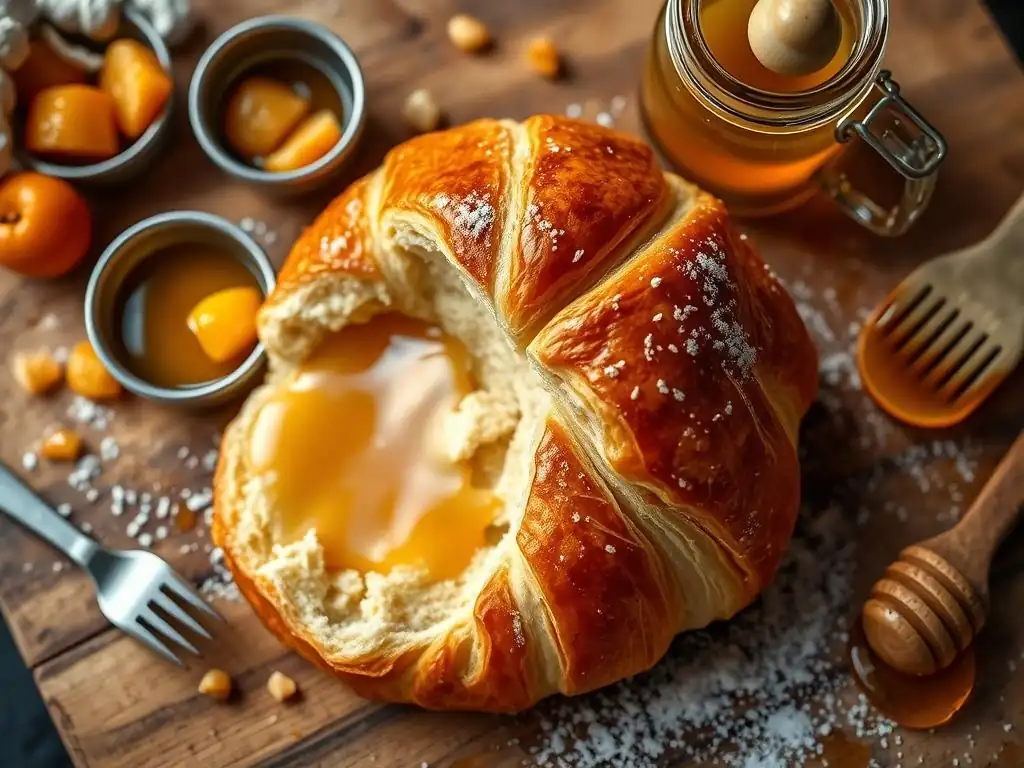
Once you've mastered basic easy croissant glaze recipes, you might want to explore techniques that add complexity or visual flair. These methods often involve layering different glazes, incorporating more volatile flavorings, or using tools for decorative finishes. They require a bit more precision but can result in stunning and uniquely flavored pastries.
These advanced techniques are perfect for taking your homemade croissants to the next level, making them suitable for special occasions or showcasing your growing baking skills. They move beyond simple coatings to create artistic and multi-dimensional finishes that impress both the eyes and the palate.
Layered Glazing: Creating Visual Appeal and Complex Flavors
Layered glazing involves applying more than one type of glaze to a single croissant, either letting one set before applying the next or applying them simultaneously in patterns. This technique creates visual depth and allows for the combination of complementary flavors. For example, you could apply a thin vanilla bean glaze first, let it set, and then drizzle a contrasting chocolate glaze over the top.
Another approach is to apply stripes or swirls of two different glazes side-by-side while they are still wet, using a piping bag or spoon. A classic combination might be a plain powdered sugar glaze striped with a coffee-flavored variation. This technique requires glazes with similar consistencies and setting times to prevent them from running into each other completely, allowing distinct layers or patterns to form.
Incorporating Extracts and Liqueurs into Your Croissant Glaze
Adding extracts and liqueurs is a simple way to infuse significant flavor into basic glazes, particularly powdered sugar or cream-based ones. Vanilla extract is common, but consider almond, peppermint, maple, or even a hint of spice extract like cinnamon or ginger. For example, a simple powdered sugar glaze mixed with milk can be transformed by adding 1/4 teaspoon of almond extract per cup of sugar.
Liqueurs offer a more sophisticated flavor profile and a touch of booziness that evaporates during setting. Replace some or all of the liquid component in a glaze recipe with a liqueur like rum, Grand Marnier (orange), or frangelico (hazelnut). For a basic glaze, start by replacing 1 tablespoon of milk with 1 tablespoon of liqueur per cup of powdered sugar and adjust consistency as needed. This adds depth and complexity not found in simple easy croissant glaze recipes.
Creating a Decorative Croissant Glaze Finish
Beyond simple dipping or brushing, you can use glazes to create decorative patterns. A piping bag fitted with a small round tip is excellent for drizzling fine lines back and forth across the croissant top, perhaps using a contrasting color like white glaze on a chocolate base.
Another technique is marbling. Prepare two glazes of slightly different colors (e.g., white and pink powdered sugar glazes). Drizzle spoonfuls of each alternately onto the croissant top, then use a toothpick or skewer to gently swirl the colors together before the glaze sets. This creates unique, artistic patterns on each pastry, elevating the visual appeal of your homemade croissants.
Troubleshooting Common Croissant Glaze Issues
Even with easy croissant glaze recipes, sometimes things don't go exactly as planned. Glazes can crack, look dull, or have an uneven texture. Understanding the common causes of these issues can help you fix them or prevent them from happening in the first place, ensuring your finished croissants look and taste their best.
Many problems stem from temperature issues, incorrect consistency, or improper application. Taking a moment to diagnose the problem can save your batch of beautifully baked croissants from a less-than-perfect finish. Here are some common issues and their straightforward solutions.
Glaze Cracking: Causes and Solutions
Glaze cracking is a common issue, especially with thicker, sugar-based glazes. It often occurs when the glaze sets too quickly or is applied too thickly to a pastry that continues to contract slightly as it cools. A primary cause is applying a very cold glaze to a warm or still-cooling croissant; the glaze sets rigidly while the pastry shrinks.
To prevent cracking, ensure the glaze is at the right consistency – not too thick. Apply the glaze when the croissant is warm, not hot, allowing both to cool and set together more naturally. If a glaze starts cracking, sometimes a very light second coat applied gently can help fill the cracks, though it might make the glaze thicker overall. For future batches, try thinning the glaze slightly or letting the croissants cool just a bit longer before glazing.
Glaze Dullness: Prevention Tips
A dull glaze lacks the desirable sheen and can make the croissants look less appealing. This is often caused by insufficient sugar in the glaze, incorporating too much air during mixing, or applying the glaze to croissants that are too hot, causing the sugar to crystallize unevenly. Using milk or cream instead of just water can sometimes help achieve a glossier finish due to the fat content.
To ensure a glossy finish, make sure your powdered sugar is properly dissolved and the glaze is smooth before applying. Avoid over-whisking, which can introduce excess air bubbles. Most importantly, apply the glaze when the croissants are warm but not straight-from-the-oven hot; letting them cool for 5-10 minutes is often ideal. This allows the glaze to set smoothly as the pastry cools completely, resulting in a beautiful shine.
Achieving a Uniform Glaze Texture
An uneven glaze texture can manifest as lumps, streaks, or thin spots. This usually results from improperly mixed ingredients, a glaze that is too thick, or inconsistent application. Powdered sugar that hasn't been sifted can cause lumps, while insufficient liquid makes the glaze difficult to spread evenly.
To achieve a uniform texture, always sift your powdered sugar before mixing the glaze. Ensure all ingredients are thoroughly combined into a smooth consistency; if using a whisk, mix gently to avoid incorporating too much air. Use a pastry brush or dip the croissants smoothly and consistently. If brushing, apply strokes in the same direction. If dipping, ensure the entire surface is submerged evenly before lifting and allowing excess to drip off. These steps help create flawless easy croissant glaze recipes.
Storing and Serving Glazed Croissants

Once your beautiful, glazed croissants are ready, proper storage is important to maintain their freshness and the integrity of the glaze. The method of storage can vary depending on the type of glaze used, as some glazes are more sensitive to moisture than others. Proper storage ensures your hard work pays off and the croissants remain delicious.
Serving is also key to enjoying your glazed creations. While they are often best enjoyed fresh, knowing how to present and pair them can enhance the experience. Consider complementary beverages or accompaniments that highlight the flavors of your chosen easy croissant glaze recipes.
Best Practices for Storing Glazed Croissants
Most glazed croissants are best stored at room temperature in an airtight container for 1-2 days to maintain their crispness. Placing them in the refrigerator can sometimes make the pastry tough and cause condensation, which can dissolve or make the glaze sticky, especially for sugar-based glazes.
If your glaze contains ingredients that require refrigeration (like fresh cream or fruit fillings under the glaze), or if you live in a very humid climate, refrigeration might be necessary. In this case, store them in an airtight container and bring them back to room temperature for about 15-20 minutes before serving for the best texture. Layer parchment paper between croissants if stacking to prevent sticking.
Serving Suggestions to Complement Your Glazed Croissants
Glazed croissants are often delicious on their own, but pairing them with the right beverages or accompaniments can elevate the experience. Croissants with sweet glazes, like cream, chocolate, or caramel, pair wonderfully with coffee, tea, or a glass of milk. A classic cafe au lait is a perfect companion to a buttery, glazed pastry.
For croissants with fruit jam or citrus glazes, consider serving them with fresh fruit, a side of yogurt, or a lighter tea. Savory-glazed croissants, like those with a butter glaze, are excellent alongside scrambled eggs, bacon, or smoked salmon. Offering a variety of glazed croissants on a platter makes for a stunning presentation at brunch or a gathering, showcasing your mastery of easy croissant glaze recipes.
Conclusion: Mastering Croissant Glazes for Baking Success
Moving beyond the standard egg wash opens up a world of creative possibilities for your homemade croissants. From simple butter brushes to decadent chocolate dips and tangy fruit glazes, there are countless ways to add flavor, texture, and visual appeal to your pastries. These easy croissant glaze recipes provide a solid foundation for experimentation, allowing you to customize your baking to your personal taste or for specific occasions.
Mastering these techniques not only enhances the final product but also adds another layer of enjoyment to the baking process itself. Each glaze offers a different challenge and reward, encouraging you to refine your skills and explore new flavor combinations. With a little practice, you'll be creating beautifully glazed croissants that are as delightful to look at as they are to eat.
Elevate Your Croissant Baking with These Glaze Techniques.
You've baked the perfect flaky layers; now it's time to give them a show-stopping finish. By incorporating these simple croissant glaze recipes and techniques into your routine, you can consistently produce pastries that stand out. Remember the key principles: use quality ingredients, pay attention to glaze consistency, apply at the right temperature, and don't be afraid to experiment.
Whether you opt for the subtle elegance of a butter glaze, the smooth sweetness of cream, the vibrant tang of fruit jam, or the rich indulgence of chocolate or caramel, each glaze offers a unique way to enhance your homemade croissants. Continue exploring, practicing, and enjoying the process of adding these final, flavorful touches to your baking masterpieces. Your journey with easy croissant glaze recipes is just beginning!
Frequently Asked Questions
What are some alternatives to egg wash for glazing croissants?
Besides egg wash, you can use milk, simple syrup, or even a honey-water mixture to achieve a beautiful shine and color on your croissants. Each offers a slightly different finish.
Does the type of glaze affect the taste of the croissant?
Yes, the glaze can subtly affect the taste. For instance, honey-water glaze adds a slight sweetness, while milk provides a softer, less pronounced flavor compared to egg wash.
How do I prevent my croissant glaze from burning in the oven?
To prevent burning, apply the glaze thinly and watch the croissants carefully during the last few minutes of baking. You can also lower the oven temperature slightly.
Can I use a glaze with sugar on my croissants?
Absolutely! Simple syrup is a great choice for a sugary glaze. It will create a glossy finish and add a touch of sweetness to your croissants.
When is the best time to apply the glaze to croissants?
Apply the glaze right before baking for the best results. This allows the glaze to bake evenly and create a beautiful, even shine. Applying it too early can cause it to dry out.
Final Reflection: The Sweet Symphony of Croissant Glazes
The seemingly simple act of glazing a croissant transcends mere aesthetics; it's the final flourish that elevates a buttery masterpiece to a truly unforgettable experience. From the classic egg wash to the more adventurous options explored in this article, the right glaze can transform a good croissant into something extraordinary, impacting both the taste and visual appeal. This is more than just a recipe guide; it's a celebration of culinary creativity and the power of simple ingredients.
This exploration of diverse croissant glazes has highlighted not only the variety of flavors and textures achievable, but also the surprising ease with which these enhancements can be made. The process itself, I've found, is as rewarding as the final product. It's a testament to the beauty of accessible culinary artistry. The simplest things are often the most beautiful,
a sentiment that rings true when considering the transformative power of a well-chosen glaze on a perfectly baked croissant.
Now, I invite you to step beyond the familiar and experiment with the glazes discussed. Don't be afraid to get creative, to adapt the recipes to your own tastes, and to discover your own signature croissant glaze. The journey of culinary exploration is a personal one, and your next perfect croissant awaits – a testament to your own newfound expertise and a delicious reward for your efforts. Embrace the possibilities, and enjoy the sweet symphony of flavors!
Unleash Your Inner Pastry Chef: Elevate Your Croissants!
Thanks for joining us on this buttery journey into croissant glazing! You've now unlocked a world of flavor possibilities beyond the classic egg wash. Ready to take your baking to the next level?
- Master a new glaze: Try one of the delicious glazes we explored today—from honey to apricot—and experience the difference! This is your chance to experiment and find your new favorite.
- Share your creations: Show us your glazed masterpieces! Snap a picture and share it on social media using #BakeWithEaseGlazes. We can't wait to see what you bake!
- Explore further: Dive deeper into our croissant recipe archive to discover even more baking secrets.
What unexpected glaze will you try on your next batch of croissants?