
How to Reheat Croissants to Restore Flakiness

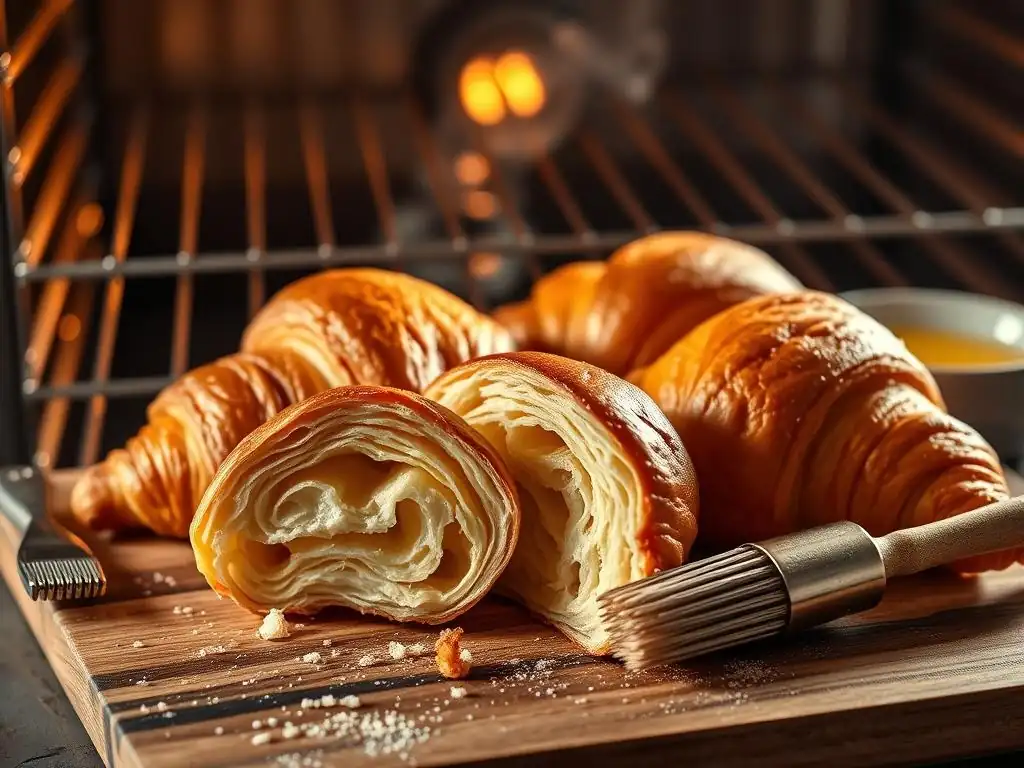
Welcome to BakeWithEase, your trusted guide to baking brilliance! Ever wonder how to recapture that perfect, flaky texture in yesterday's croissants? Our detailed article dives deep into the secrets of how to reheat croissants for flakiness, transforming them back into a warm, delightful treat. Discover the techniques used by seasoned bakers, and learn how to avoid common pitfalls that lead to soggy results. Ready to unlock the secrets? Let's get started!
- Introduction: Reviving Your Croissants for Ultimate Flakiness
- Understanding the Science of Croissant Flakiness
- The Best Methods to Reheat Croissants for Maximum Flakiness
- Comparing Reheating Methods: Oven vs. Toaster Oven vs. Air Fryer
- Pro Tips for Reheating Croissants
- Avoiding Common Mistakes When Reheating Croissants
- Serving Suggestions: Enjoying Your Perfectly Reheated Croissants
- Conclusion: Reheat Croissants for a Delightful Experience
- Frequently Asked Questions
- Final Reflection: The Enduring Quest for the Perfect Reheated Croissant
- Rediscover Perfectly Flaky Croissants: Your Next Bite Awaits!
Introduction: Reviving Your Croissants for Ultimate Flakiness
There's nothing quite like a perfectly flaky croissant, with its delicate layers shattering with every bite. But what happens when you have leftovers? A day-old croissant can lose its initial crispness and become a bit soft or even chewy.
The good news is that you don't have to settle for a less-than-perfect pastry. With the right technique, you can absolutely reheat croissants for flakiness, bringing them back to a state remarkably close to fresh from the oven. Mastering the art of how to reheat croissants for flakiness means you can enjoy that delightful texture and rich buttery flavor even hours or a day later.
This guide will walk you through the science behind croissant flakiness and provide you with the best methods and tips to successfully reheat your croissants, ensuring they regain that coveted crisp exterior and tender interior. Whether you have a single croissant or a batch, we'll cover the most effective ways to reheat croissants for flakiness, from the recommended oven method to quicker alternatives, helping you avoid common pitfalls and enjoy your pastry to the fullest.
Understanding the Science of Croissant Flakiness
Why Croissants Lose Flakiness: The Moisture Factor
Croissants achieve their incredible flakiness through a precise lamination process, creating dozens of thin layers of dough separated by butter. During baking, the water in the butter and dough turns to steam, which forces these layers apart, resulting in that airy, crisp structure. However, once the croissant cools, moisture begins to migrate. It moves from the inner, softer parts of the pastry towards the drier outer crust, and also evaporates into the surrounding air. This loss and redistribution of moisture causes the crisp outer layers to soften and the overall structure to become less brittle and flaky.
This process is known as staling, and it significantly impacts the texture. The starch molecules within the flour also play a role; as the croissant cools, these molecules recrystallize, making the bread-like parts tougher. A fresh croissant might have a moisture content distribution that strongly favors the interior, but overnight, this balances out, leading to a less dramatic contrast between the crisp shell and the soft inside. Effectively, to reheat croissants for flakiness, we need a method that can quickly dry out the exterior again without making the interior tough.
The Role of Butter in Creating Flaky Layers
Butter is arguably the most critical ingredient for achieving those signature flaky layers in a croissant. It's not just about flavor; the solid fat content of butter is essential for the lamination process. During dough preparation, cold butter is folded into the dough repeatedly, creating alternating layers of dough and butter. A well-made croissant can have over 50 distinct layers. When the croissant is baked at a high temperature, the butter melts, and the water within the butter turns into steam.
This steam is trapped between the layers of dough, acting as a leavening agent that pushes the layers apart. As the dough bakes, these separated layers cook and crisp up. The residual fat from the melted butter also contributes to the tenderness and richness of the final product. When you reheat croissants for flakiness, the goal is to reactivate some of this process, using heat to crisp up the butter-infused layers again without drying out the dough entirely or burning the delicate pastry.
The Best Methods to Reheat Croissants for Maximum Flakiness
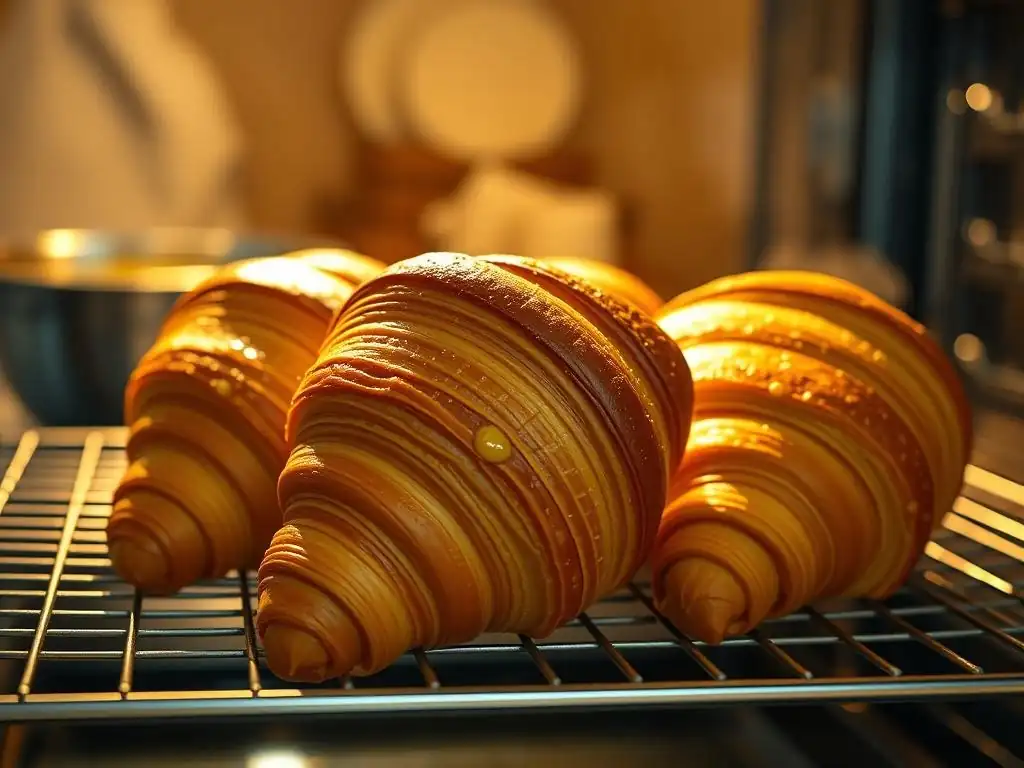
Reheating Croissants in the Oven: The Recommended Method
Using a conventional oven is widely considered the superior method to reheat croissants for flakiness, especially if you have a few minutes to spare. The even, dry heat of an oven is perfect for crisping up the exterior layers without making the inside rubbery. It mimics the original baking environment more closely than other methods. This allows the trapped fats and remaining moisture to heat up gradually, restoring some of that delicate structure.
While it takes slightly longer than a microwave or air fryer, the results are consistently the best for achieving that sought-after crackle. The key is using a moderate temperature and keeping a close eye on the pastry. This method works well for single croissants or multiple pastries at once, making it versatile for any situation where you need to reheat croissants for flakiness.
Preheating for Optimal Results
Preheating your oven is a non-negotiable step when you want to reheat croissants for flakiness using this method. Placing a croissant into a cold oven that gradually heats up will result in a pastry that becomes tough and dry before the exterior has a chance to crisp. A preheated oven ensures that the moment the croissant enters, it is exposed to the target temperature, promoting rapid crisping of the outer layers.
A temperature of around 350°F (175°C) is generally ideal for reheating croissants. This temperature is hot enough to quickly crisp the exterior but not so hot that it will burn the delicate pastry before the inside is warmed through. Allow your oven to fully preheat to this temperature before placing the croissants inside. This typically takes 10-15 minutes, depending on your oven model.
How to Reheat Croissants in the Oven: Step-by-Step Guide
To effectively reheat croissants for flakiness in the oven, follow these simple steps:
- Preheat your oven to 350°F (175°C).
- Place the croissant(s) directly on the oven rack or on a baking sheet lined with parchment paper. If using multiple croissants, ensure they are not touching.
- Heat for approximately 5-7 minutes. The exact time will depend on the size of the croissant and your oven's calibration.
- Check for crispness: The exterior should feel firm and appear slightly darker golden.
- Carefully remove from the oven and let cool for just a minute before enjoying.
- [x] Preheat oven to 350°F (175°C)
- [x] Place croissant on rack or baking sheet
- [x] Bake for 5-7 minutes
- [x] Check for desired crispness
- [x] Carefully remove and cool briefly
Following these steps will help you successfully reheat croissants for flakiness, bringing them back to a delicious state.
Achieving the Perfect Crisp: Time and Temperature Considerations
Finding the perfect balance of time and temperature is crucial when you reheat croissants for flakiness in the oven. While 350°F (175°C) for 5-7 minutes is a standard guideline, you may need to adjust based on your specific circumstances. Smaller croissants might only need 4-5 minutes, while larger ones could require up to 8 minutes. It's always better to start with the lower end of the time range and add more time if needed.
Keep a close eye on the croissants as they reheat. They can go from perfectly crisp to burnt very quickly due to their high butter and sugar content. The goal is a visibly crisper exterior and a warm, not hot, interior. If the outside is browning too fast but the inside isn't warm, you might try slightly lowering the temperature to 325°F (160°C) and increasing the time by a minute or two, though 350°F is generally preferred for maximum crispness.
Reheating Croissants in a Toaster Oven: A Convenient Alternative
A toaster oven offers a convenient and energy-efficient way to reheat croissants for flakiness, especially if you're only warming one or two pastries. It operates on the same principle as a conventional oven, using dry heat to crisp the exterior. Toaster ovens typically heat up much faster than full-sized ovens, making this a quicker option for a single serving.
While compact, toaster ovens can sometimes have hot spots or heat unevenly. However, with a few simple adjustments and careful monitoring, you can achieve excellent results and successfully reheat croissants for flakiness using this appliance. It's a great go-to method for a quick breakfast fix.
Adjusting Time and Temperature for Toaster Ovens
Because toaster ovens are smaller and often heat more intensely and quickly than conventional ovens, you'll usually need to use a slightly lower temperature and shorter time frame when you reheat croissants for flakiness in one. A good starting point is around 325°F to 350°F (160°C to 175°C).
The reheating time will typically be shorter than in a conventional oven, often just 3-5 minutes. As with a regular oven, it's vital to preheat the toaster oven fully before adding the croissant. Due to the smaller space, the radiant heat can be more intense, so constant vigilance is required to prevent burning.
Tips for Even Heating in a Toaster Oven
To combat potential uneven heating in a toaster oven when you reheat croissants for flakiness, consider placing the croissant on a small piece of foil or parchment paper on the toaster oven's tray. This can help shield the bottom from direct contact with the hot tray.
Positioning the croissant in the center of the rack can also help ensure it receives heat as evenly as possible from the heating elements. Avoid placing it too close to the top or bottom elements. Check the croissant frequently, perhaps every 1-2 minutes, especially the first time you use your toaster oven for reheating pastries, to gauge how quickly it's crisping up.
Air Fryer Croissant Reheating: The Quick and Easy Method
The air fryer has become popular for reheating many foods, and it can be a surprisingly effective tool to reheat croissants for flakiness quickly. Air fryers work by circulating hot air rapidly around the food, which is similar to a convection oven but on a smaller, more intense scale. This rapid circulation is excellent for creating a crisp exterior.
While it's perhaps not quite as perfect as a conventional oven for replicating that delicate, shattering bake, it's incredibly fast and convenient, making it a strong contender when time is of the essence. It's particularly good for reheating a single croissant or two.
Air Fryer Temperature and Time for Reheating Croissants
To reheat croissants for flakiness in an air fryer, you'll use a relatively low temperature for a very short duration. A temperature between 300°F and 320°F (150°C to 160°C) is usually sufficient. Higher temperatures can quickly lead to burning before the inside is adequately warmed.
The time needed is significantly less than an oven – typically just 2-4 minutes. Always preheat your air fryer for a couple of minutes before adding the croissant. Because air fryers vary greatly in power and efficiency, start with the lowest suggested time (e.g., 2 minutes at 300°F) and check the croissant. You can always add another minute or two until it reaches your desired level of crispness.
Achieving Crispy Perfection with an Air Fryer
The key to success when you reheat croissants for flakiness in an air fryer is preventing them from flying around in the basket due to the strong air circulation and ensuring even heating. Place the croissant in the basket in a single layer; do not stack them.
You might need to place a small, heatproof ramekin or even a metal skewer across the top of the croissant if it's very light and prone to moving. Check the croissant frequently. The high heat and rapid air flow mean they can go from perfectly reheated to burnt in seconds. Look for a visibly crisper exterior and a warm feel when gently squeezed (with caution, it will be hot! ).
Comparing Reheating Methods: Oven vs. Toaster Oven vs. Air Fryer
Choosing the best method to reheat croissants for flakiness depends on your priorities: achieving the absolute best texture, speed, or energy efficiency. Each appliance has its strengths and weaknesses when it comes to reviving day-old pastries. Understanding these differences can help you select the right tool for the job, ensuring you get the most enjoyment out of your leftover croissants.
Let's break down how the conventional oven, toaster oven, and air fryer stack up against each other in key areas.
Flakiness and Texture Comparison
When it comes to maximizing flakiness, the conventional oven typically reigns supreme. Its large cavity and even heat distribution allow the croissant to heat through gently while the exterior crisps evenly. This method best replicates the original baking environment, resulting in a truly delicate, shattering crust.
The toaster oven comes in a close second. While its smaller size can sometimes lead to slight unevenness, it still uses dry radiant heat effectively to crisp layers. The air fryer, while fast, uses forced convection which can sometimes result in a slightly tougher or unevenly browned crust compared to the gentle baking in a full-sized oven. However, it still produces a significantly better texture than methods like microwaving.
Time Efficiency and Convenience
If speed is your primary concern, the air fryer is the clear winner for how to reheat croissants for flakiness. It requires minimal preheating (often just 1-2 minutes) and reheats the croissant in 2-4 minutes. The toaster oven is also quite fast, preheating in 5-10 minutes and reheating in 3-5 minutes.
The conventional oven is the slowest, requiring 10-15 minutes to preheat and then 5-7 minutes for reheating. However, it's the most convenient if you need to reheat multiple croissants at once, as most air fryer and toaster oven baskets are limited in capacity.
Energy Consumption Considerations
For energy efficiency, the toaster oven and air fryer are generally better than a conventional oven, especially when reheating just one or two croissants. Heating a large conventional oven uses significantly more energy than heating a small appliance for a short period.
An air fryer, with its rapid heating and short cook time, is likely the most energy-efficient option for single servings. A toaster oven is also energy-efficient for small batches. So, if you're mindful of energy use while looking to reheat croissants for flakiness, opting for the smaller appliances is a good choice.
Pro Tips for Reheating Croissants
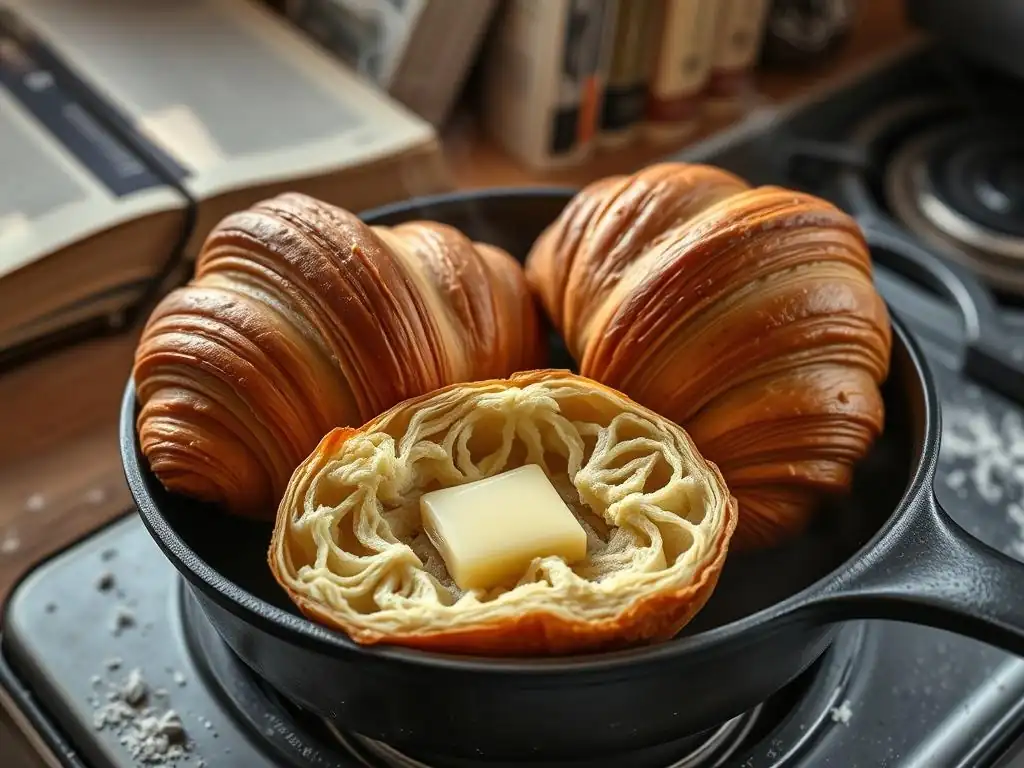
Beyond the basic methods, a few clever tricks can further enhance your success when you reheat croissants for flakiness. These tips often address specific challenges like dryness or uneven heating, helping you achieve a result even closer to bakery-fresh quality. Incorporating these simple steps can elevate your reheating game significantly.
Let's explore some expert advice that can make a real difference in the final texture and appeal of your reheated croissants.
The Water Trick: Adding Moisture for Enhanced Flakiness
This might sound counterintuitive since losing moisture makes croissants stale, but adding a tiny bit of moisture before reheating can actually help. The idea is not to make the croissant soggy, but to introduce just enough surface moisture that, when heated, turns into steam, helping to re-puff the layers slightly and prevent the exterior from becoming too brittle or hard.
Before placing the croissant in the oven or air fryer, you can lightly mist it with water from a spray bottle. Lightly is the key word – we're talking a fine mist, not a drenching. Alternatively, you can place a small, oven-safe dish of water in the oven alongside the croissant. This creates a slightly humid environment that can help the layers expand slightly as the butter melts and steams, contributing to better flakiness. This trick is particularly useful when you reheat croissants for flakiness that are a couple of days old.
Wrapping Croissants in Foil: Preventing Burning
While the goal is crispness, sometimes the delicate tips or edges of a croissant can start to burn before the rest of the pastry is perfectly reheated, especially in hotter spots of an oven or air fryer. Wrapping the croissant loosely in aluminum foil for the initial part of the reheating time can help prevent this.
Wrap the croissant completely but loosely in foil. Place it in the preheated oven or air fryer for about half of the total reheating time (e.g., 3 minutes in an oven). Then, remove the foil and continue heating for the remaining time (e.g., another 3-4 minutes in the oven) directly exposed to the heat.
This allows the inside to warm gently while the foil protects the outside from burning, then the foil is removed to allow the exterior to crisp up beautifully. This is a smart technique when you reheat croissants for flakiness that have particularly delicate or pointy ends.
Using a Baking Stone or Sheet for Even Heat Distribution
For oven reheating, placing your croissant directly on a preheated baking stone or a heavy baking sheet can significantly improve heat distribution and result in a more evenly crisped bottom crust. A cold baking sheet will draw heat away from the bottom of the croissant initially, potentially leading to a less crisp base.
If you have a baking stone, let it preheat in the oven along with the oven itself. Then, place the croissant directly on the hot stone (carefully!). If using a baking sheet, use a heavier gauge one and let it preheat in the oven for a few minutes before placing the croissant on it. This provides a consistent heat source from below, helping you to reheat croissants for flakiness with improved bottom crispness.
Avoiding Common Mistakes When Reheating Croissants
While reheating croissants to restore flakiness is relatively simple, there are a few common pitfalls that can turn your potentially perfect pastry into a disappointment. Knowing what not to do is just as important as knowing the right techniques. Avoiding these mistakes will ensure your efforts to reheat croissants for flakiness pay off with a delicious result.
Let's look at the most frequent errors people make and how to steer clear of them.
Overheating: The Enemy of Flakiness
One of the most common mistakes is simply reheating the croissant for too long or at too high a temperature. While you want the exterior to be crisp, excessive heat or time will dry out the interior completely and can also lead to a hard, brittle, or even burnt crust. The delicate layers can become fused and tough rather than flaky.
Monitor your croissant closely, especially the first time you use a particular method or appliance. Look for visual cues like a slight darkening of the crust and feel for crispness (carefully!). It's far better to err on the side of slightly under-reheating and add another minute than to overheat and ruin the texture entirely. Remember, the goal is to reheat croissants for flakiness, not turn them into croutons.
Reheating Frozen Croissants
Attempting to reheat a croissant directly from frozen using the quick methods (toaster oven, air fryer, or even the standard oven method) will likely result in a poor texture. The outside will burn before the inside has a chance to thaw and warm properly. The ice crystals within the frozen pastry can also disrupt the delicate layers when heated too quickly.
If you need to reheat frozen croissants, the best approach is to thaw them first. Place the frozen croissant in the refrigerator overnight or on the counter for 1-2 hours until fully thawed. Once thawed, you can proceed with one of the recommended methods (oven, toaster oven, or air fryer) to reheat croissants for flakiness as you would for a day-old pastry. Some bakeries recommend a slightly lower oven temperature (e.g., 300°F/150°C) for a bit longer (8-10 minutes) for thawed croissants to ensure the center is warm.
Preventing Soggy Croissants
The microwave is the biggest culprit for creating soggy croissants. Microwaves heat food by exciting water molecules. While this is fast, it essentially steams the croissant from the inside out, collapsing the delicate layers and turning the crisp exterior into a soft, often chewy or rubbery mess. You will never successfully reheat croissants for flakiness in a microwave.
Avoid using the microwave altogether if your goal is to restore crispness. Stick to the dry heat methods: conventional oven, toaster oven, or air fryer. These methods focus on heating the exterior and melting the butter to re-crisp the layers without steaming the entire pastry. Proper preheating also helps prevent sogginess by ensuring the exterior starts crisping immediately.
Serving Suggestions: Enjoying Your Perfectly Reheated Croissants

You've successfully used the right techniques to reheat croissants for flakiness – congratulations! Now comes the enjoyable part: savoring your revitalized pastry. A perfectly reheated croissant is a versatile treat that can be enjoyed in many ways, whether simply on its own or as part of a larger meal.
Here are some ideas to make the most of your perfectly reheated croissants.
Pairings: Coffee, Tea, and Beyond
The classic pairing for a warm, flaky croissant is a hot beverage. Coffee, particularly a rich espresso, a creamy latte, or a simple black coffee, complements the buttery richness beautifully. The slight bitterness of the coffee provides a lovely contrast to the sweet, savory pastry.
Tea is another excellent companion. A strong black tea, a delicate green tea, or even a herbal infusion can be a delightful pairing. Beyond beverages, reheated croissants are wonderful served with jams, jellies, honey, or fruit preserves. A dollop of clotted cream or mascarpone can add extra indulgence. For a savory twist, they pair well with cheese, ham, or smoked salmon. The possibilities are vast once you have successfully used a method to reheat croissants for flakiness.
Creative Ways to Use Reheated Croissants
While delicious on their own, perfectly reheated croissants can also be the base for creative dishes. Cut one horizontally and use it as a substitute for toast or a bun. A warm, flaky croissant makes an exquisite breakfast sandwich, perhaps with scrambled eggs, cheese, and bacon.
You could also use them for a decadent dessert. Slice a reheated croissant and layer it with berries and whipped cream, or use pieces in a quick bread pudding. Even slightly less-than-perfectly reheated croissants can be transformed into croissant croutons for salads or soup by cubing them and crisping them further in a pan with butter. The key is that you started by trying to reheat croissants for flakiness, and now have a warm, usable pastry.
Conclusion: Reheat Croissants for a Delightful Experience
Don't let a day-old croissant go to waste or settle for a soft, disappointing texture. By understanding the science behind flakiness and employing the right techniques, you can easily reheat croissants for flakiness and enjoy that wonderful crisp exterior and tender, buttery interior again. The oven method at 350°F (175°C) for 5-7 minutes is generally the most recommended for achieving the best texture, while toaster ovens and air fryers offer quicker, convenient alternatives.
Remember to always preheat your chosen appliance, keep an eye on the pastry to prevent burning, and avoid the microwave at all costs. With a little care, you can revive your leftover pastries and savor the simple pleasure of a perfectly flaky croissant anytime. So go ahead, reheat croissants for flakiness and treat yourself!
Frequently Asked Questions
How do I reheat croissants to make them flaky again?
To restore flakiness to croissants, the best method is to reheat them in a preheated oven at a low temperature (around 350°F/175°C) for a few minutes. This allows the butter to melt and steam, recreating the layers.
What's the best oven setting for reheating croissants?
The ideal oven setting is conventional or bake. Avoid using the broiler, as it can burn the outside of the croissant before the inside is heated through and becomes flaky.
Can I reheat croissants in the microwave?
While you can reheat croissants in the microwave, it's generally not recommended. Microwaving often results in a soggy and chewy texture, rather than the desired flaky consistency.
How long should I reheat a croissant in the oven?
The reheating time depends on the size and temperature of your croissant, but typically 3-5 minutes is sufficient. Watch closely to prevent burning and check for warmth and flakiness.
Is it necessary to add moisture when reheating croissants?
Adding a small amount of moisture can help revive day-old croissants. Lightly spritz the croissant with water before placing it in the oven to help create steam and restore flakiness.
Final Reflection: The Enduring Quest for the Perfect Reheated Croissant
The seemingly simple act of reheating a croissant is, in reality, a culinary quest for the restoration of a delicate, ephemeral perfection. Many dismiss the leftover croissant, accepting its fate as a sad, chewy shadow of its former glory. But as we've explored, with a little knowledge and the right techniques, that chewy disappointment can be transformed back into a flaky, buttery delight.
The pursuit of the perfect reheated croissant speaks to a larger cultural appreciation for the simple pleasures in life. We strive for that initial crispness, that melt-in-your-mouth texture, because it represents more than just a pastry; it represents a moment of indulgence, a small luxury. It's about savoring the experience, not just consuming the food. The best things in life are simple,
a well-worn adage reminds us, and the perfect reheated croissant is a testament to that truth. The effort, the attention to detail, elevates the experience beyond mere sustenance.
Now, consider your own culinary adventures. What seemingly insignificant details do you overlook? What seemingly impossible tasks could be mastered with a little research and the right approach? I encourage you to apply the principles outlined in this article – patience, precision, and a respect for the ingredients – to other areas of your life. Don't settle for the chewy, the dull, the disappointing. Seek out the methods that will restore the flaky, the vibrant, the truly satisfying. The journey towards perfection, even in the reheating of a croissant, is a rewarding one.
Rediscover Perfectly Flaky Croissants: Your Next Bite Awaits!
Thanks for taking the time to learn how to perfectly reheat your croissants! We hope you now feel confident in bringing back that delightful flakiness. Ready to put your new skills to the test?
- Master the Art of Reheating: Try out the method you found most appealing from the article – whether it's the oven, the skillet, or even the microwave with a clever trick! See which one works best for your kitchen and preferences.
- Share Your Success (or Challenges!): Let us know in the comments which method produced the flakiest, most delicious results. We love hearing your feedback and sharing tips with fellow baking enthusiasts!
- Experiment with Other Pastries: Apply this new knowledge to other flaky pastries, like pain au chocolat or palmiers. What other baked goods can you revive to their former glory?
What's your favorite trick for reheating pastries? Let's discuss!