
Is Maple Syrup the Healthier Baking Alternative? What Experts Say

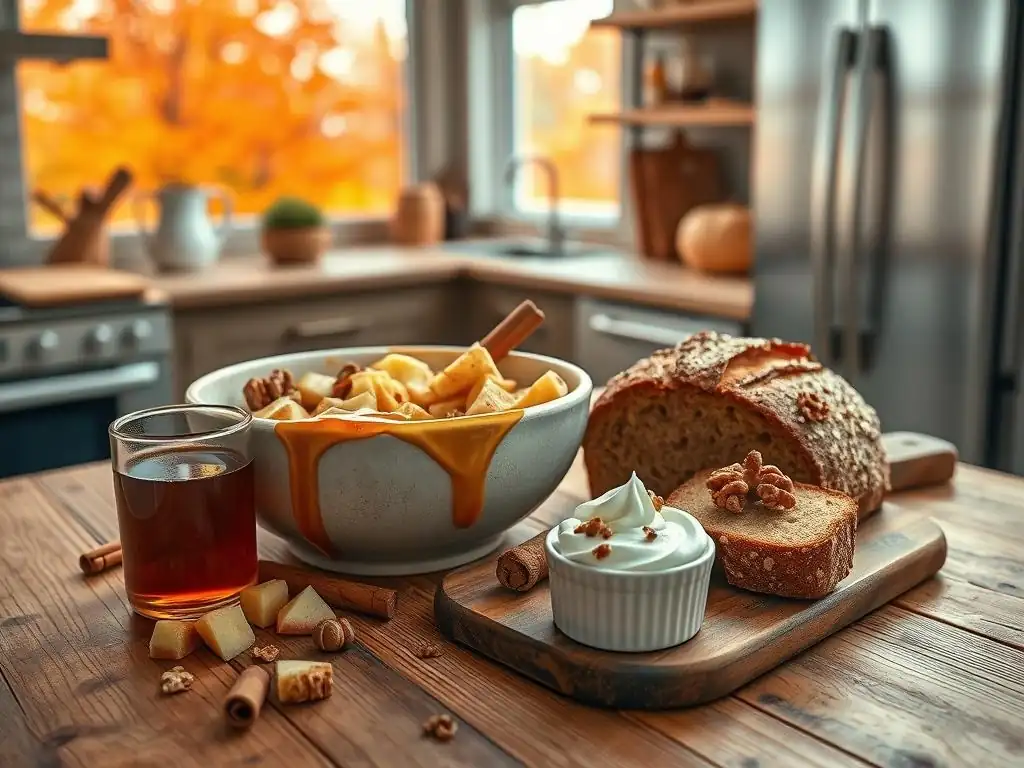
Welcome to BakeWithEase, your trusted guide to unlocking the secrets of delightful baking! Are you curious about healthier baking alternatives? Dive into our latest article and discover whether maple syrup truly lives up to the hype as a better-for-you sweetener. We'll explore the expert opinions and break down everything you need to know about incorporating this golden nectar into your favorite recipes. Intrigued? Read on to find out if maple syrup is the key to guilt-free indulgence!
- Maple Syrup in Baking: Unveiling the Truth About its Health Benefits
- Myth #1: Maple Syrup is Pure Sugar, No Different Than White Sugar
- Myth #2: All Maple Syrup is Created Equal
- Myth #3: Maple Syrup is a Low-Calorie Baking Option
- Reality: The Impact of Maple Syrup on Gluten-Free Baking
- Reality: The Added Value of Organic Maple Syrup
- Reality: Maple Syrup as a Natural Flavor Enhancer
- Conclusion: Maple Syrup as a Healthier Baking Alternative - Informed Choices
-
Frequently Asked Questions
- Is maple syrup really a healthier alternative to refined sugar in baking?
- How does maple syrup affect the texture of baked goods compared to granulated sugar?
- Can I substitute maple syrup one-to-one for sugar in any baking recipe?
- Does maple syrup impart a strong maple flavor to everything I bake?
- Are there any specific baked goods where maple syrup works particularly well as a sweetener?
- Final Reflection: The Sweet Truth About Maple Syrup in Baking
- Unlock Your Baking's Sweet Potential!
Maple Syrup in Baking: Unveiling the Truth About its Health Benefits
Baking is a beloved pastime, a way to create delicious treats that bring joy. As we become more mindful of our diets, many home bakers seek alternatives to refined white sugar. Maple syrup often enters this conversation, touted as a more natural and potentially healthier sweetener. But is this sweet sap truly a superior choice for your baked goods? Let's explore what nutritional experts and culinary science tell us about incorporating maple syrup into your baking repertoire.
Understanding the nuances of different sweeteners is key to making informed choices in the kitchen. While maple syrup certainly offers a distinct flavor and origin story compared to granulated sugar, evaluating its health benefits requires a look beyond marketing claims. We need to examine its nutritional composition, how it behaves in recipes, and its overall impact on our bodies when consumed as part of a baked treat.
Is Maple Syrup a Healthier Sweetener Than Refined Sugar for Baking? The Expert Opinion
From a purely caloric perspective, maple syrup and refined sugar are quite similar. A tablespoon of granulated sugar contains roughly 48 calories and 12.6 grams of sugar, while a tablespoon of pure maple syrup contains about 52 calories and 13.4 grams of sugar. So, calorie-wise, they are nearly identical, and both are concentrated sources of sugar. Experts emphasize that moderation is crucial regardless of which sweetener you choose when baking.
However, the discussion around whether maple syrup is a healthier baking alternative often extends beyond just calories and total sugar. Nutritionists point out that maple syrup contains trace amounts of minerals and antioxidants that are completely absent in refined white sugar. While these amounts are small relative to the total sugar content, their presence contributes to a slightly different nutritional profile, which some consider a modest advantage. The key takeaway from experts is that while maple syrup isn't a "health food," it may offer marginal benefits over refined sugar due to these minor components.
Myth #1: Maple Syrup is Pure Sugar, No Different Than White Sugar
Many people assume that because maple syrup is primarily sucrose and water, it's nutritionally identical to white table sugar. While it is mostly sugar, this myth overlooks the other compounds present in pure maple syrup that distinguish it from highly processed sweeteners.
Refined white sugar is essentially 99.9% sucrose, with all other components removed during processing. Maple syrup, on the other hand, is the concentrated sap of maple trees. This natural origin means it retains some of the beneficial compounds found in the tree sap, albeit in small quantities relative to its sugar content.
Reality: Maple Syrup Contains Antioxidants and Minerals Absent in Refined Sugar
Pure maple syrup contains various phenolic compounds, which are known antioxidants. Researchers have identified over 60 different compounds in maple syrup, some of which have antioxidant and anti-inflammatory properties. While you wouldn't rely on baked goods for your primary source of antioxidants, these compounds are simply not present in refined sugar. A study published in the Journal of the American Dietetic Association in 2011 highlighted the presence of several antioxidants in maple syrup, including Quebecol, a unique compound named after the region that produces the majority of the world's supply.
Beyond antioxidants, maple syrup also provides trace amounts of essential minerals. For example, a typical 1/4 cup serving of maple syrup (about 60ml) can contain approximately 33% of the recommended daily intake of manganese and about 7% of the daily intake of zinc. It also contains small amounts of potassium, calcium, and riboflavin. Refined sugar contains none of these. While these mineral amounts aren't massive, they contribute to the overall nutritional profile that differentiates maple syrup as a slightly more complex sweetener compared to the nutritional emptiness of white sugar.
How Maple Syrup's Nutrient Profile Impacts Your Baked Goods
From a purely nutritional standpoint, the minerals and antioxidants in maple syrup don't drastically change the overall health impact of a baked good, which will still be high in sugar and likely fats. However, these compounds can subtly influence the flavor profile, adding complexity and depth that refined sugar lacks. The natural minerals can also interact with other ingredients in interesting ways during the baking process, sometimes affecting browning and texture.
While the health benefits from the trace nutrients in maple syrup baked goods are minimal, understanding this difference is key to appreciating why some consider maple syrup a slightly better choice as a maple syrup baking healthier alternative. It's not a magic bullet, but it offers a touch more than empty calories. For instance, the zinc content might offer a tiny contribution to immune function, or the manganese could support bone health, though these effects are negligible in the context of a typical serving size of a sweet treat.
Myth #2: All Maple Syrup is Created Equal
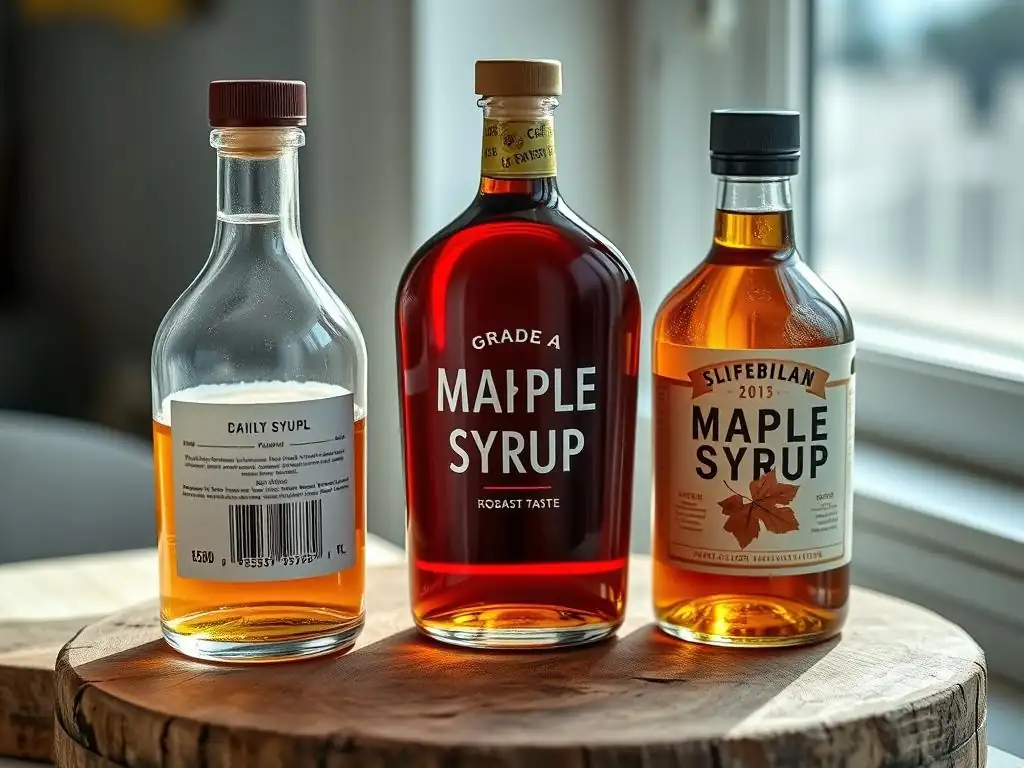
Walk down the syrup aisle, and you'll see various colors and grades of maple syrup. It's a common misconception that these differences are purely cosmetic or relate only to brand. In reality, the grading system for maple syrup reflects distinct characteristics that impact flavor, color, and even subtle nutritional nuances.
The flavor and color of maple syrup are directly related to when the sap is harvested during the spring season. Earlier in the season, the sap tends to be lighter and produces syrup with a more delicate, subtle maple flavor. As the season progresses and temperatures rise, the sap changes, resulting in darker syrup with a stronger, more robust flavor profile. Understanding these differences is crucial for selecting the best maple syrup for your specific baking needs.
Reality: Maple Syrup Grades Affect Flavor, Color, and Potential Health Benefits
The international grading system categorizes maple syrup primarily by color and transparency, which correlate strongly with flavor intensity. The grades are:
- Golden Color, Delicate Taste: Lightest color, mildest flavor. Often used for pouring over pancakes.
- Amber Color, Rich Taste: Medium color and flavor. Versatile for both table use and baking.
- Dark Color, Robust Taste: Darker color, stronger maple flavor. Good for baking where a distinct maple flavor is desired.
- Very Dark Color, Strong Taste: Darkest color, most intense flavor. Often used in commercial food processing or for very specific, strongly flavored recipes.
Interestingly, studies have shown that darker grades of maple syrup tend to contain slightly higher concentrations of the beneficial antioxidant compounds compared to lighter grades. This means that using a darker maple syrup in your baking might offer a marginally greater amount of these non-sugar components, further supporting its position as a maple syrup baking healthier alternative relative to sugar.
Understanding Maple Syrup Grades: Choosing the Right One for Your Recipe
Selecting the appropriate maple syrup grade is essential for successful baking. For recipes where you want a subtle sweetness without an overwhelming maple flavor, like delicate cakes or pastries, an Amber Color, Rich Taste syrup is often a good choice. It provides sweetness and moisture without dominating other flavors.
If you're making something like maple-pecan pie, maple walnut muffins, or a maple glaze where you want that distinctive maple flavor to shine through, a Dark Color, Robust Taste syrup is usually preferred. Its intense flavor stands up well to other strong ingredients and high baking temperatures. Using the wrong grade can lead to a disappointing outcome – a delicate cake overwhelmed by strong maple flavor, or a maple-centric recipe where the flavor is barely noticeable. Consider the desired outcome and flavor profile when choosing your syrup grade.
Affiliate Product Recommendation
(Note: This section would typically contain specific product recommendations. As per instructions, no specific product names or links can be included here. This serves as a placeholder to indicate where such content would be placed in a live article.)
Finding high-quality, pure maple syrup is key to enjoying its benefits in baking. Look for products labeled "100% Pure Maple Syrup" and consider the grade that best suits your typical baking needs. Many reputable brands offer a range of grades, allowing you to experiment and find your favorites.
Myth #3: Maple Syrup is a Low-Calorie Baking Option
While maple syrup might sound "healthier" or more natural than refined sugar, it is by no means a low-calorie ingredient. Replacing sugar with maple syrup in a recipe typically results in a similar, or even slightly higher, calorie count per serving.
Both maple syrup and sugar are concentrated sources of carbohydrates, specifically sugars, and therefore contribute significantly to the calorie density of baked goods. Simply swapping sugar for maple syrup without adjusting quantities or considering other ingredients won't magically make your cookies or cakes low-calorie treats.
Reality: Maple Syrup Still Contains Calories, But Offers a Different Metabolic Response
As mentioned earlier, a tablespoon of maple syrup has roughly 52 calories compared to about 48 in white sugar. This slight difference means that a direct volume-for-volume substitution might even increase the calorie count slightly, although recipes often require adjusting the liquid content when using syrup instead of granulated sugar, which can affect overall yield and per-serving calories. The primary sugars in maple syrup are sucrose, glucose, and fructose, similar to many other sweeteners, though the exact ratio can vary slightly.
One area where maple syrup differs from refined sugar is its glycemic index (GI). The GI measures how quickly a food raises blood sugar levels. Refined white sugar (sucrose) has a glycemic index of around 65. Pure maple syrup typically has a glycemic index closer to 54. While this is still considered a medium-GI food, it's lower than table sugar. A lower GI means it may cause a slightly slower and less dramatic spike in blood sugar levels compared to white sugar, which some consider a modest benefit for managing blood sugar fluctuations.
The Importance of Moderation: Using Maple Syrup Judiciously in Your Recipes
Given that maple syrup is still high in calories and sugar, the most crucial factor when using it in baking for health is moderation. Even if it's a maple syrup baking healthier alternative in some aspects, consuming large quantities will still contribute to excess calorie and sugar intake, which can have negative health consequences.
When adapting recipes to use maple syrup, you'll often use about 3/4 cup of maple syrup for every 1 cup of granulated sugar, and you'll need to slightly reduce the other liquids in the recipe (by about 2-4 tablespoons per cup of syrup used) to maintain the correct moisture balance. This substitution ratio often keeps the total sugar content roughly similar, but the liquid adjustment is vital for texture. Regardless of the substitution, remember that baked goods made with maple syrup are still treats that should be enjoyed as part of a balanced diet, not consumed in unlimited quantities.
Reality: The Impact of Maple Syrup on Gluten-Free Baking
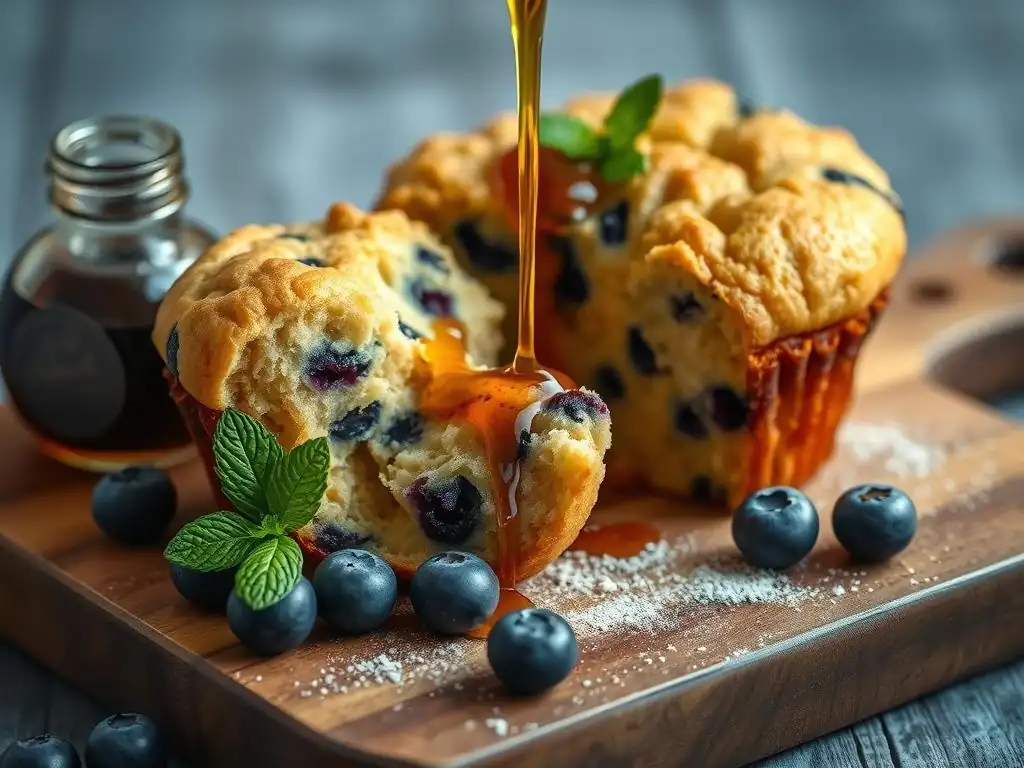
Gluten-free baking often requires alternative ingredients to provide structure, moisture, and binding properties that gluten typically offers. Maple syrup can play a valuable role in gluten-free recipes, offering benefits beyond just sweetness.
Many gluten-free flours tend to absorb more liquid than wheat flour, potentially leading to dry or crumbly results. Liquid sweeteners like maple syrup can help counteract this tendency, contributing much-needed moisture to the dough or batter.
Maple Syrup's Role in Gluten-Free Baked Goods: Binding and Moistening
Maple syrup is a liquid sweetener, and this liquid component is particularly beneficial in gluten-free baking. It helps to hydrate gluten-free flours and starches more effectively than granulated sugar, contributing to a more tender crumb structure. The moisture it provides helps prevent baked goods from becoming dry and dense, a common challenge in gluten-free formulations.
Furthermore, the natural stickiness of maple syrup can assist in binding gluten-free ingredients together. While it doesn't replace the structural network provided by gluten, its viscous texture helps to hold alternative flours, starches, and leaveners in place, improving the overall texture and preventing excessive crumbling. This binding quality makes it a functional ingredient, not just a sweetener, when aiming for a well-structured gluten-free baked product.
Recipes Enhanced by Maple Syrup
Maple syrup is excellent in a variety of gluten-free recipes. Consider using it in:
- Gluten-Free Muffins: It adds moisture and a lovely subtle flavor.
- Gluten-Free Quick Breads: Helps keep loaves like banana bread or pumpkin bread tender.
- Gluten-Free Granola or Energy Bars: Acts as a binder and adds natural sweetness.
- Gluten-Free Cookies: Can contribute to chewiness and spread.
When using maple syrup in gluten-free baking, remember to adjust other liquids as needed to maintain the right consistency. Its ability to add moisture and aid in binding makes it a valuable asset for those exploring gluten-free alternatives, reinforcing its versatility as a maple syrup baking healthier alternative in specific dietary contexts.
Reality: The Added Value of Organic Maple Syrup
For those seeking the purest ingredients, the question of organic maple syrup often arises. While all pure maple syrup comes from trees, the "organic" label signifies adherence to specific production standards that can offer additional peace of mind regarding environmental impact and processing.
Organic certification for maple syrup typically involves practices that protect the health of the maple forest, avoid the use of synthetic pesticides and fertilizers, and ensure that the processing methods meet organic standards, such as using approved defoaming agents.
Exploring the Benefits of Using Organic Maple Syrup in Baking
Choosing organic maple syrup means supporting farming practices that prioritize ecological balance and sustainability. Organic maple forests are managed in a way that promotes biodiversity and soil health. While the nutritional difference between conventional and organic pure maple syrup is likely negligible in terms of sugar, calories, or even trace nutrients, the organic label assures consumers that the product was produced without synthetic chemicals and with environmental considerations in mind.
From a baking perspective, using organic maple syrup ensures that your baked goods are made with an ingredient produced under strict quality and environmental controls. It aligns with a preference for ingredients grown and processed using methods considered more natural and sustainable. For many bakers, this added value comes from knowing they are using a product that meets higher standards for purity and environmental stewardship, enhancing its appeal as a maple syrup baking healthier alternative choice that extends beyond just personal nutrition.
Affiliate Recommendation
(Note: This section would typically feature recommendations for organic maple syrup brands. As per instructions, no specific product names or links can be included.)
When sourcing organic maple syrup for your baking, look for certification labels from recognized organic authorities. Many producers offer organic options across different grades, ensuring you can find a sustainable choice that fits your recipe's flavor requirements.
Reality: Maple Syrup as a Natural Flavor Enhancer
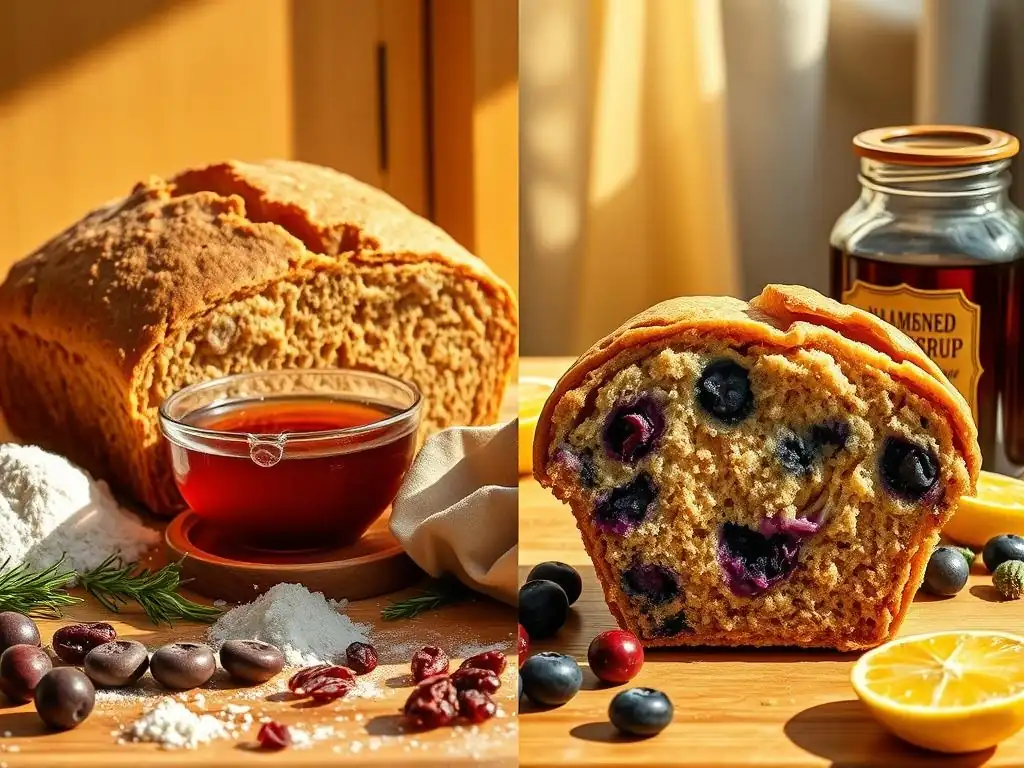
Beyond its role as a sweetener, maple syrup possesses a complex flavor profile that can significantly enhance the taste of baked goods. Its natural notes of caramel, vanilla, and wood add depth and complexity that refined sugar cannot replicate.
This inherent flavor makes maple syrup a functional ingredient that contributes to the overall sensory experience of a baked item, rather than just providing sweetness. It can complement and elevate other flavors in a recipe.
How to use Maple Syrup to Enhance Natural Flavors
Maple syrup's unique flavor profile pairs exceptionally well with certain ingredients, amplifying their natural tastes. It has a particular affinity for:
- Nuts: Pecans, walnuts, and almonds are classic pairings. The maple flavor deepens the nuttiness.
- Spices: Cinnamon, nutmeg, cloves, and ginger are wonderful complements, especially in autumnal or warming recipes.
- Fruits: Apples, pears, and berries benefit from maple's sweetness and complex notes.
- Dairy: Butter, cream, and cheese (like in cheesecakes or cream cheese frostings) are beautifully enhanced by maple syrup.
Using maple syrup allows you to potentially use slightly less overall sweetener because its distinct flavor provides satisfaction beyond just sweetness. This makes it a strategic choice for adding layers of flavor while still serving as a maple syrup baking healthier alternative compared to relying solely on the bland sweetness of refined sugar.
Recipes with Maple Syrup
Maple syrup shines in recipes where its flavor is allowed to contribute meaningfully:
- Maple-Glazed Doughnuts
- Maple Pecan Scones
- Pumpkin Pie with Maple Whipped Cream
- Maple Walnut Bread
- Baked Apples with Maple Syrup and Cinnamon
- Oatmeal Cookies sweetened with Maple Syrup
These recipes leverage maple syrup not just for sweetness, but for its ability to infuse the baked good with its characteristic rich and warm notes, creating a more complex and satisfying flavor experience.
Conclusion: Maple Syrup as a Healthier Baking Alternative - Informed Choices
After examining the facts, it's clear that calling maple syrup a "healthier baking alternative" to refined sugar requires nuance. While it's not a low-calorie or low-sugar option, pure maple syrup does offer trace minerals and antioxidants absent in white sugar and has a slightly lower glycemic index. These minor nutritional differences, combined with its unique flavor profile and utility in gluten-free baking, position it as an alternative worth considering for specific purposes and preferences.
The real benefit of using maple syrup in baking often lies in its ability to provide complex flavor, potentially allowing for a slightly reduced overall amount of sweetener in some recipes, and its functional properties in certain baking contexts like gluten-free. However, the most significant factor for health remains moderation, regardless of whether you choose sugar or maple syrup.
Making Informed Decisions: Integrating Maple Syrup into a Balanced Baking Lifestyle
Integrating maple syrup into your baking lifestyle is about making informed choices based on your goals. If you're looking for a magical low-calorie solution, maple syrup isn't it. But if you value ingredients with a slightly more complex nutritional profile, appreciate natural flavors, support sustainable practices (especially with organic options), or need a liquid sweetener that aids in gluten-free textures, then maple syrup is an excellent option.
Remember to adjust recipes appropriately when swapping sugar for syrup, considering both the liquid content and the intensity of the maple flavor. Experiment with different grades to find the best fit for your creations. By understanding its benefits and limitations, you can confidently use maple syrup as a delicious and perhaps marginally healthier alternative in your baking endeavors.
BakeWithEase Recommendations: Recipes and Techniques for Using Maple Syrup Effectively
At BakeWithEase, we encourage you to explore the versatility of maple syrup. Start with simple swaps in recipes like muffins or quick breads. Our website features recipes specifically developed to highlight maple syrup's unique qualities, from glazes to main sweeteners. We also provide guides on how to substitute liquid sweeteners for granulated sugar, offering tips on adjusting other wet and dry ingredients to ensure perfect results.
- Learn Substitution Ratios: Master the
3/4 cup syrup per 1 cup sugarguideline and how to reduce other liquids. - Match Grade to Flavor: Choose Golden for subtle sweetness, Amber for versatility, and Dark for robust maple flavor.
- Combine Sweeteners: Don't be afraid to use maple syrup in combination with other sweeteners for balanced flavor and texture.
By following our guides and trying our recipes, you can successfully incorporate maple syrup into your baking, enjoying its unique flavor and subtle advantages while still practicing mindful moderation.
Frequently Asked Questions
Is maple syrup really a healthier alternative to refined sugar in baking?
Yes, maple syrup offers some advantages. It contains antioxidants and minerals, making it a slightly more nutritious option than refined sugar. However, it's still sugar, so moderation is key.
How does maple syrup affect the texture of baked goods compared to granulated sugar?
Maple syrup adds moisture to baked goods, resulting in a softer texture. You may need to adjust the liquid ingredients in your recipe to compensate.
Can I substitute maple syrup one-to-one for sugar in any baking recipe?
No, a direct 1:1 substitution isn't always successful. Reduce the liquid in the recipe, and consider using less maple syrup than the amount of sugar called for. Experimentation is key!
Does maple syrup impart a strong maple flavor to everything I bake?
The intensity of the maple flavor depends on the grade and quantity of maple syrup used. Lighter grades have a more subtle flavor, while darker grades are more pronounced.
Are there any specific baked goods where maple syrup works particularly well as a sweetener?
Maple syrup shines in recipes where its flavor complements the other ingredients, like oatmeal cookies, muffins, and quick breads. It also works well in glazes and frostings.
Final Reflection: The Sweet Truth About Maple Syrup in Baking
The search for healthier baking alternatives is more relevant than ever, and the debate surrounding maple syrup's role in this quest is far from over. While offering a natural sweetness and intriguing flavor profile, maple syrup's nutritional value compared to refined sugars requires careful consideration. This article has explored the complexities of this debate, weighing the benefits and drawbacks based on expert opinions and scientific evidence.
The impact of maple syrup, and indeed all sweeteners, on our cultural landscape is profound. Our relationship with sugar is deeply ingrained, influencing everything from our culinary traditions to our collective health. The sweetness of life is not in the things we have, but in the things we have to overcome.
This quote, while not directly about maple syrup, speaks to the larger challenge of making conscious choices about the foods we consume and how those choices impact our well-being. The ongoing conversation around healthier alternatives reflects a growing awareness of this responsibility.
Now, consider your own baking habits. Are you ready to make informed choices about the sweeteners you use? This article isn't about eliminating sweetness entirely, but rather about understanding the nuances of different options and making conscious decisions that align with your health goals. Take a moment to reflect on your own baking practices and explore ways to incorporate more mindful sweetener choices into your kitchen. The journey towards healthier baking is a personal one, and every step you take towards greater awareness is a step in the right direction.
Unlock Your Baking's Sweet Potential!
Thanks for diving into the world of healthier baking with us! We hope you gained valuable insights into the benefits and drawbacks of maple syrup. Ready to put this new knowledge into action?
- Bake a healthier treat today! Experiment with maple syrup in your favorite recipe – you might be surprised by the delicious results. Start small, maybe swapping it in for half the sugar in your next batch of muffins.
- Share your maple syrup baking creations! Show us your delicious results on social media using #MapleSyrupMagic #BakeWithEase.
- Join our community! Head over to the BakeWithEase forum and share your thoughts, tips, and recipes using maple syrup. Let’s create a sweeter, healthier baking experience together!
What surprising flavor combinations will you try with maple syrup in your next baking adventure?