
What Goes Best with Chocolate? Expert Pairing Ideas

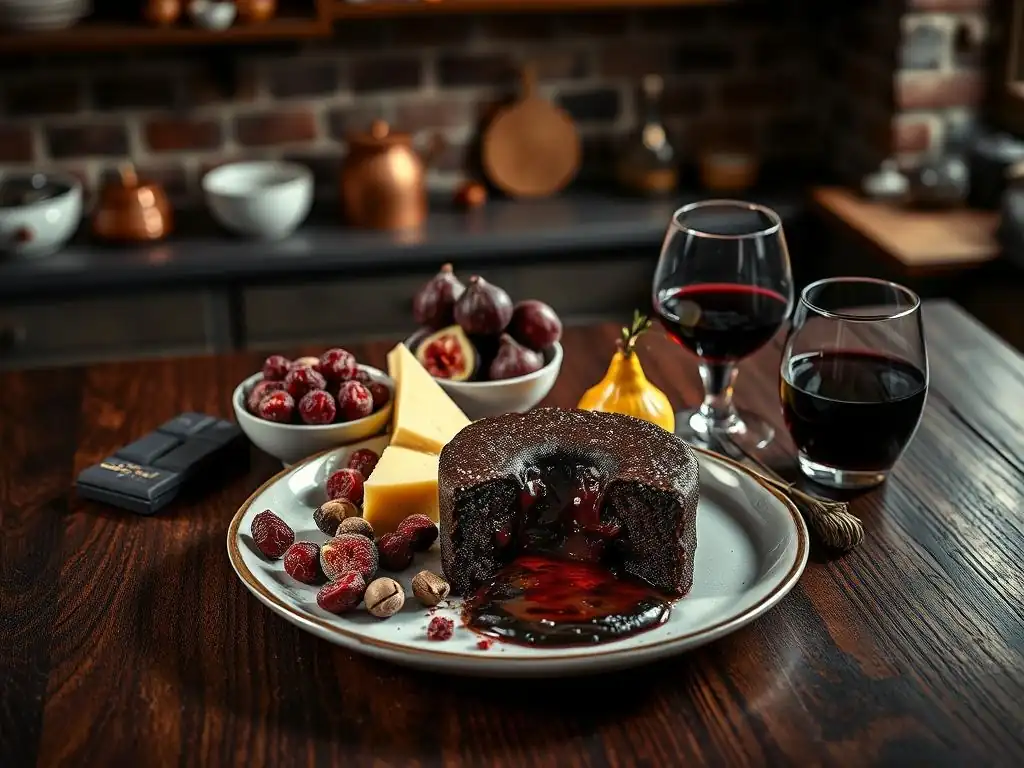
Welcome to BakeWithEase, your guide to unlocking baking brilliance! Ever wondered how to elevate your chocolate creations from delicious to divine? Get ready to explore the fascinating world of chocolate pairing dessert recipes. Discover expert-approved combinations that will tantalize your taste buds and impress your friends. Intrigued? Let's uncover the secrets to perfect pairings and transform your next dessert into a masterpiece!
- Elevating Chocolate Desserts: Expert Pairing Ideas
- Exploring Delicious Chocolate Pairing Recipes
- Fruit Pairings: Complementing Chocolate Flavors
- Nut Pairings: Adding Texture and Depth
- Spice Pairings: Warming and Aromatic
- Beverage Pairings: Complementing Sweet Treats
- Cheese Pairings: Unexpected Complements
- Mastering Chocolate Dessert Recipes: Pairing Tips
- Conclusion: Elevate Baking with Creative Chocolate Pairings
-
Frequently Asked Questions
- What are some common flavor pairings that complement chocolate well?
- How does the type of chocolate affect the pairing choices?
- Can savory ingredients be paired with chocolate desserts?
- Where can I find easy-to-follow chocolate pairing dessert recipes?
- What are some unexpected pairings that can elevate a chocolate dessert?
- Final Reflection: The Enduring Symphony of Chocolate
- Unlock Your Chocolate Pairing Potential!
Elevating Chocolate Desserts: Expert Pairing Ideas
Exploring Delicious Chocolate Pairing Recipes
Why Chocolate Pairing Enhances Baking
Pairing ingredients with chocolate isn't just about mixing flavors; it's an art that elevates simple ingredients into complex, memorable chocolate dessert recipes. Just as a chef pairs wine with food to bring out specific notes, a baker uses thoughtful chocolate pairing to create a symphony of taste and texture. A well-chosen companion can balance chocolate's richness, introduce contrasting textures, or highlight subtle undertones that might otherwise be missed.
Consider how a sprinkle of sea salt on a dark chocolate chip cookie intensifies the chocolate flavor, or how the tartness of raspberries cuts through the sweetness of a milk chocolate ganache. These deliberate combinations transform ordinary baked goods into extraordinary culinary experiences.
Furthermore, understanding how different flavors interact with chocolate allows bakers to tailor their creations to specific palates and occasions. For instance, pairing warming spices like cinnamon with chocolate creates a cozy, comforting dessert perfect for cooler months, while combining chocolate with bright citrus fruits yields a refreshing treat ideal for spring or summer.
Mastering chocolate pairing techniques expands your baking repertoire significantly, enabling you to move beyond basic recipes and craft sophisticated chocolate dessert recipes that surprise and delight. It's about creating balance, contrast, and harmony on the palate, making each bite of a chocolate creation more dynamic and interesting.
Understanding Chocolate Flavor Profiles
To truly excel at chocolate pairing, it's crucial to understand the distinct flavor profiles of the different types of chocolate you'll encounter in baking. Each type has its own unique characteristics, influenced by factors like cacao content, processing methods, and added ingredients like milk and sugar. Recognizing these profiles is the first step in selecting the perfect partners for your chocolate dessert recipes.
Whether you're working with intense dark chocolate, creamy milk chocolate, or sweet white chocolate, knowing its inherent qualities helps predict how it will interact with other ingredients. This foundational knowledge is key to successful chocolate pairing, ensuring that your chosen complements enhance, rather than overpower, the star ingredient.
Dark Chocolate: Intense and Complex
Dark chocolate is characterized by a high percentage of cocoa solids, typically ranging from 50% to over 90%. The higher the percentage, the less sugar and milk it contains, resulting in a more intense, sometimes bitter flavor. Its profile can include notes of fruit (like cherry or plum), earth, coffee, nuts, or even floral aromas, depending on the origin of the cocoa beans. This complexity makes dark chocolate incredibly versatile for pairing.
Because of its depth and intensity, dark chocolate stands up well to bold flavors. It pairs wonderfully with tart fruits, robust spices, and rich nuts. For example, a dark chocolate brownie with a 70% cacao content pairs beautifully with tart raspberries, while a dark chocolate bar with an 85% cacao content can be surprisingly delightful alongside a strong blue cheese.
Milk Chocolate: Sweet and Balanced
Milk chocolate contains cocoa solids, cocoa butter, milk solids, and sugar, resulting in a sweeter, creamier, and milder flavor compared to dark chocolate. The cocoa content is usually lower, often between 30% and 40%. Its flavor profile is typically dominated by notes of caramel, vanilla, and of course, milk.
Its inherent sweetness and creamy texture make milk chocolate a comforting and approachable option for many chocolate dessert recipes. It pairs well with less acidic fruits, lighter nuts, and classic dessert flavors like caramel and vanilla. Think of the classic combination of milk chocolate and strawberries, or the beloved pairing of milk chocolate and hazelnuts found in many confections.
White Chocolate: Buttery and Vanilla
Technically not a "chocolate" in the traditional sense as it contains no cocoa solids (only cocoa butter, sugar, milk solids, and vanilla), white chocolate offers a distinctly sweet, creamy, and buttery flavor profile. Its primary notes are vanilla and milk, with a rich, smooth texture derived from the cocoa butter.
White chocolate's sweetness and creamy nature make it a fantastic base for showcasing brighter, tangier, or more delicate flavors. It pairs beautifully with citrus fruits, berries, and aromatic spices like ginger or cardamom. The contrast between its sweetness and the slight tartness of fruits like lime or the warmth of ginger creates delightful chocolate pairing dessert recipes.
Fruit Pairings: Complementing Chocolate Flavors
Berries and Chocolate: A Classic Harmony
Berries and chocolate are perhaps one of the most universally loved chocolate pairing combinations, and for good reason. The natural sweetness and slight tartness of berries provide a perfect counterpoint to the richness of chocolate, creating a balanced and refreshing taste experience. Whether fresh, frozen, or in jam form, berries add a burst of juicy flavor that complements various types of chocolate.
This classic harmony is evident in countless chocolate dessert recipes. The vibrant acidity of raspberries cuts through the intensity of dark chocolate, while the sweetness of strawberries enhances the creaminess of milk chocolate. Even the subtle tartness of blueberries finds a delightful partner in the buttery notes of white chocolate, proving that this pairing category offers versatility for any chocolate preference.
Raspberry Dark Chocolate Tart
Strawberry Milk Chocolate Brownies
Blueberry White Chocolate Scones
Citrus Fruits and Chocolate: Zesty and Bright
Pairing citrus fruits with chocolate introduces a vibrant, zesty element that can dramatically brighten and lift the richness of chocolate. The acidity and aromatic oils found in fruits like oranges, lemons, and limes provide a refreshing contrast, preventing the chocolate from feeling too heavy or cloying. This unexpected combination can result in truly dynamic chocolate dessert recipes.
The specific type of citrus and chocolate used can yield different results. Blood oranges with their slightly berry-like notes pair wonderfully with dark chocolate's complexity. The sharp tang of lime provides a crisp counterpoint to the sweetness of white chocolate. Even candied lemon peel, with its intense aroma and chewy texture, becomes a sophisticated treat when coated in chocolate, showcasing the versatility of this bright pairing.
Blood Orange Dark Chocolate Cake
Lime White Chocolate Cheesecake Bars
Candied Lemon Peel with Chocolate
Stone Fruits and Chocolate: Rich and Decadence
Stone fruits like cherries, peaches, and plums offer a unique sweetness and often a slightly tart or almond-like undertone that pairs beautifully with chocolate, particularly during their peak season. Their juicy flesh and inherent richness create decadent chocolate dessert recipes that highlight seasonal flavors.
Cherries, with their balance of sweetness and tartness, are a quintessential partner for dark chocolate, as seen in classic Black Forest creations. Peaches, with their fuzzy skin and sweet, fragrant flesh, can add a summery lightness to white chocolate crumbles. Plums, with their deep color and slightly tannic skin, offer a more complex sweetness that complements the creamy nature of milk chocolate galettes, demonstrating the rich potential of this pairing.
Cherry Dark Chocolate Clafoutis
Peach White Chocolate Crumble
Plum Milk Chocolate Galette
Nut Pairings: Adding Texture and Depth
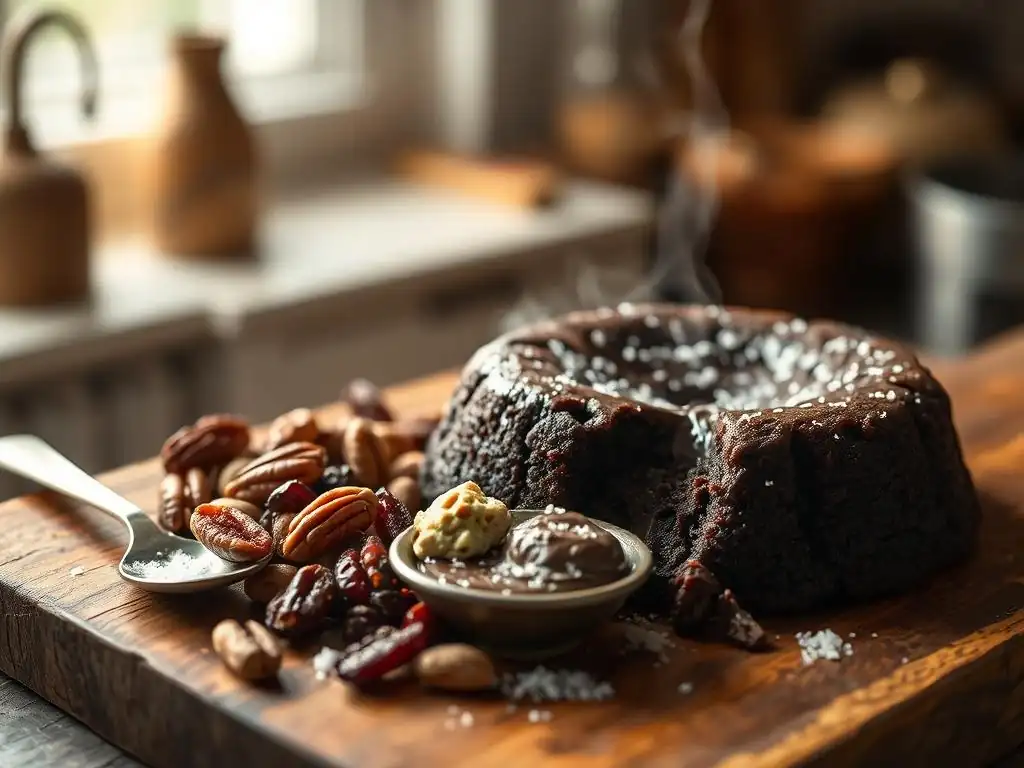
Almonds and Chocolate: A Nutty Perfection
Almonds and chocolate are a pairing celebrated for both their complementary flavors and textures. The firm crunch of almonds provides a delightful contrast to the smooth melt of chocolate, while their slightly sweet, nutty flavor harmonizes beautifully with all chocolate types. This classic combination creates satisfying and often sophisticated chocolate dessert recipes.
Whether whole, slivered, ground into flour, or transformed into almond butter, almonds lend a unique depth and richness. Dark chocolate almond bark, for instance, is a simple yet addictive treat relying on this pairing. Chocolate almond butter cups offer a creamy, nutty filling encased in chocolate, showcasing the versatility of almonds in various forms within chocolate creations.
Almond Chocolate Biscotti
Chocolate Almond Butter Cups
Hazelnuts and Chocolate: A Classic Indulgence
Hazelnuts and chocolate are practically synonymous with indulgence, thanks to iconic confections and spreads that feature this beloved pairing. The distinctively rich, slightly toasted flavor of hazelnuts is a perfect match for chocolate, especially milk and dark varieties. Their natural oiliness contributes to a luxurious mouthfeel in chocolate dessert recipes.
The classic combination, often highlighted in Italian and French pastries, leverages the deep, earthy notes of roasted hazelnuts. Think of the smooth, creamy texture of a hazelnut gianduja or the satisfying crunch of whole hazelnuts enrobed in chocolate. Nutella-swirled brownies or a sophisticated hazelnut chocolate torte exemplify how this pairing delivers pure decadence.
Nutella Swirled Brownies
Hazelnut Chocolate Torte
Walnuts and Chocolate: Earthy and Robust
Walnuts offer an earthy, slightly bitter, and robust flavor profile that creates a more complex and mature chocolate pairing. Their craggy texture provides a welcome chewiness in baked goods, contrasting with smooth chocolate elements. This pairing is a staple in many comforting chocolate dessert recipes.
Often found in classic baked goods, walnuts bring a hearty element that stands up well to the richness of chocolate. Walnut chocolate chunk cookies are a prime example, where the slightly bitter walnuts balance the sweet chocolate. Walnut chocolate fudge uses the nuts to add texture and a grounding flavor to the dense confection, proving the enduring appeal of this earthy combination.
Walnut Chocolate Chunk Cookies
Walnut Chocolate Fudge
Pecans and Chocolate: Sweet and Buttery
Pecans contribute a sweet, buttery flavor and a tender crunch that makes them an excellent partner for chocolate. Their richness complements the creaminess of milk and white chocolate particularly well, while also adding a layer of complexity to dark chocolate creations. This pairing is a hallmark of many beloved American chocolate dessert recipes.
From classic pecan pies studded with chocolate chips to chocolate-covered pecan brittle, this combination is synonymous with comforting indulgence. The natural sweetness of pecans enhances the overall dessert, while their buttery texture provides a delightful contrast to the chocolate. This pairing is a go-to for adding richness and a touch of Southern charm to chocolate baked goods.
Pecan Chocolate Pie
Chocolate Covered Pecan Brittle
Spice Pairings: Warming and Aromatic
Cinnamon and Chocolate: Cozy and Comforting
Cinnamon and chocolate are a classic, comforting pairing that evokes warmth and coziness. The sweet, woody aroma and flavor of cinnamon enhance the richness of chocolate, adding a layer of spice without being overtly 'hot'. This combination is a staple in many traditional and modern chocolate dessert recipes.
Often used together in beverages like hot chocolate and baked goods, cinnamon adds a familiar, inviting note. A cinnamon chocolate babka, with its swirls of spiced chocolate filling, is a perfect example of this pairing's appeal. Mexican spiced chocolate truffles, often incorporating cinnamon along with other warming spices, showcase how cinnamon can contribute to a more complex and aromatic chocolate experience.
Cinnamon Chocolate Babka
Mexican Spiced Chocolate Truffles
Chili and Chocolate: A Spicy Kick
Pairing chili with chocolate introduces an exciting, spicy kick that creates a fascinating contrast with chocolate's sweetness and depth. The capsaicin in chili peppers provides a warming sensation that lingers on the palate, highlighting the chocolate flavors that follow. This bold chocolate pairing is a favorite for those seeking adventurous chocolate dessert recipes.
Inspired by ancient traditions (like the Aztec use of chili in cocoa drinks), this combination adds a surprising element. Chili chocolate cupcakes might feature a hint of cayenne in the batter or frosting. Chipotle chocolate bark leverages the smoky heat of chipotle peppers to create a sophisticated and memorable treat, proving that a touch of heat can wonderfully enhance chocolate.
Chili Chocolate Cupcakes
Chipotle Chocolate Bark
Ginger and Chocolate: Aromatic and Invigorating
Ginger, with its pungent, spicy, and slightly sweet profile, offers an invigorating contrast to chocolate. Whether fresh, ground, or crystallized, ginger adds an aromatic warmth that pairs beautifully with both dark and white chocolate. This pairing results in chocolate dessert recipes that are both comforting and complex.
Crystallized ginger pieces provide a chewy texture and intense burst of flavor within chocolate cookies. A ginger chocolate layer cake might incorporate ginger into the cake batter or a complementary frosting, creating a sophisticated flavor profile. Ginger's ability to be both warm and slightly sharp makes it a dynamic partner in chocolate pairing.
Crystallized Ginger Chocolate Cookies
Ginger Chocolate Layer Cake
Vanilla and Chocolate: Classic Harmony
Vanilla is arguably the most fundamental and harmonious pairing for chocolate. Its sweet, aromatic profile enhances chocolate's natural flavors without overpowering them, acting as a bridge between different notes. Vanilla is a near-universal ingredient in chocolate dessert recipes, often used to deepen the chocolate flavor itself.
From a simple dash of vanilla extract in chocolate chip cookies to the use of real vanilla bean in a rich chocolate pudding, vanilla amplifies chocolate's inherent sweetness and complexity. A vanilla chocolate marble cake visually and tastefully represents this classic harmony, where the two flavors intertwine seamlessly to create a beloved dessert.
Vanilla Chocolate Marble Cake
Vanilla Bean Chocolate Pudding
Beverage Pairings: Complementing Sweet Treats
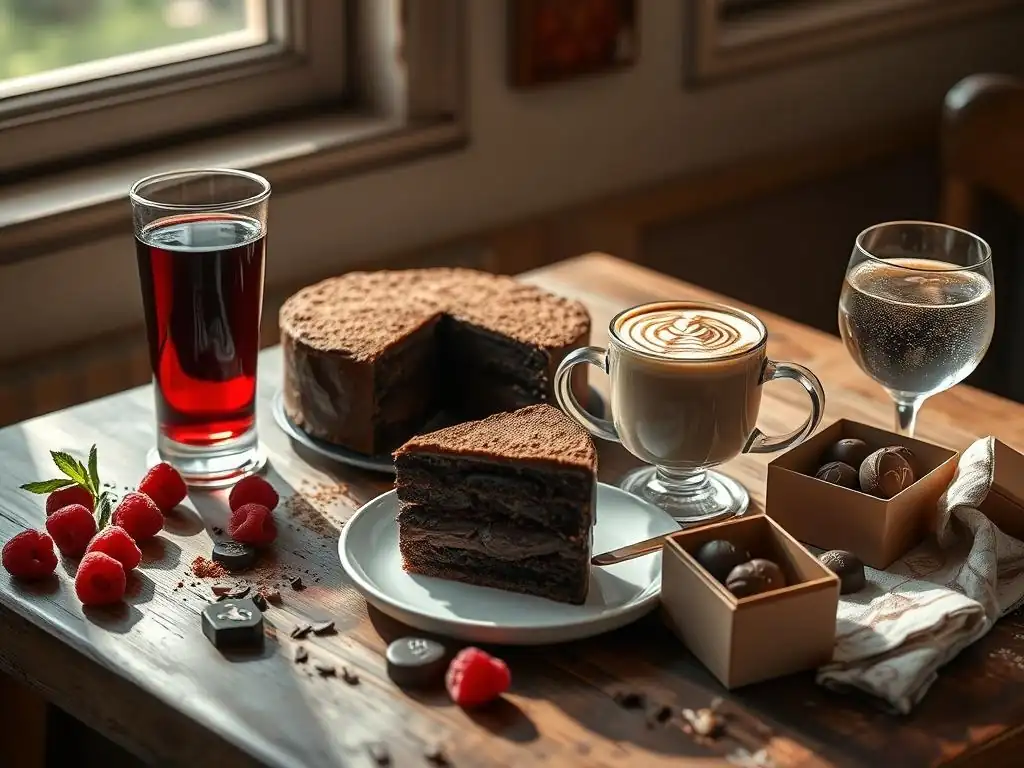
Coffee and Chocolate: A Rich and Bold Combination
Coffee and chocolate share many aromatic compounds, making them a natural and incredibly popular pairing. The slight bitterness and robust flavor of coffee provide a perfect counterpoint to chocolate's sweetness and richness. This combination is a staple in both drinks and chocolate dessert recipes.
From mocha lattes to tiramisu (which often includes both), the synergy between coffee and chocolate is undeniable. An espresso chocolate mousse leverages the intense flavor of espresso to cut through the richness of the chocolate. Simple chocolate-covered espresso beans offer a delightful jolt of both caffeine and cocoa, highlighting how well these two bold flavors work together.
Espresso Chocolate Mousse
Chocolate Covered Espresso Beans
Wine and Chocolate: An Elegant Pairing Guide
Pairing wine with chocolate can be a sophisticated experience, though it requires careful consideration as the wrong combination can clash. Generally, the key is to match the intensity of the wine with the intensity of the chocolate. Sweeter wines often pair better with chocolate than dry ones, as dry wines can taste bitter against chocolate's sweetness.
For intense dark chocolate (70% cacao and above), a bold, tannic red wine like a Cabernet Sauvignon can work, or a sweet fortified wine like Port. Milk chocolate, with its creaminess and moderate sweetness, pairs well with richer, fruitier reds like Merlot or a sweet Port. White chocolate, being very sweet and creamy, is best paired with lighter, sweeter wines like Moscato d'Asti or a dessert wine. Understanding these nuances allows for elegant chocolate pairing experiences beyond just baking.
Cabernet Sauvignon and Dark Chocolate
Moscato d'Asti and White Chocolate
Port Wine and Milk Chocolate
Tea and Chocolate: A Soothing Combination
Tea offers a more subtle and nuanced pairing for chocolate compared to coffee or wine, providing a soothing complement that cleanses the palate and highlights different notes in the chocolate. The wide variety of teas available allows for diverse chocolate pairing options.
Black teas like Earl Grey, with their malty or citrusy notes, pair well with the intensity of dark chocolate. Green teas, particularly those with grassy or slightly sweet profiles like Jasmine tea, can be a refreshing contrast to the richness of white chocolate. Spiced teas like Chai, with their blend of warming spices, complement the creaminess of milk chocolate, creating comforting chocolate dessert recipes or simply a pleasant afternoon treat.
Earl Grey Tea and Dark Chocolate
Jasmine Tea and White Chocolate
Chai Tea and Milk Chocolate
Cheese Pairings: Unexpected Complements
Stilton Cheese and Dark Chocolate
While it might sound unusual, pairing strong, savory cheeses with chocolate is a gourmet practice that can translate surprisingly well into dessert contexts or as a sophisticated ending to a meal. The saltiness and pungent notes of certain cheeses provide a fascinating contrast to chocolate's sweetness and bitterness.
Stilton, a famous English blue cheese known for its strong flavor and creamy texture, creates a remarkable pairing with dark chocolate. The saltiness of the cheese enhances the sweetness of the chocolate, while the cheese's savory notes interact with the complex flavors in high-cacao dark chocolate (e.g., 70-80% cacao). This combination is often enjoyed as a simple bite, showcasing a bold and unexpected chocolate pairing.
Mascarpone Cheese and Milk Chocolate
Mascarpone is a smooth, creamy Italian cheese that is already a popular ingredient in many desserts, including tiramisu and cheesecakes. Its mild, slightly sweet, and buttery flavor makes it a natural and less surprising partner for milk chocolate.
When paired with milk chocolate, Mascarpone adds a layer of luxurious creaminess without the tanginess of other cheeses like cream cheese. This pairing is excellent in fillings, frostings, or mousses, creating rich and smooth chocolate dessert recipes where the cheese enhances the chocolate's texture and sweetness rather than contrasting sharply with it.
Chevre and White Chocolate
Chevre, or goat cheese, is known for its distinct tangy and sometimes earthy flavor. While seemingly counterintuitive, the bright acidity of fresh chevre can provide a refreshing counterpoint to the sweetness and richness of white chocolate, creating a sophisticated and balanced flavor profile.
The slight tang of goat cheese (often with notes described as "citrusy" or "grassy") cuts through the buttery sweetness of white chocolate, preventing it from being cloying. This pairing works well in tarts, cheesecakes, or even simple truffles, offering an unexpected but delightful chocolate pairing that highlights both the creamy texture of the cheese and the sweet vanilla notes of the chocolate.
Mastering Chocolate Dessert Recipes: Pairing Tips
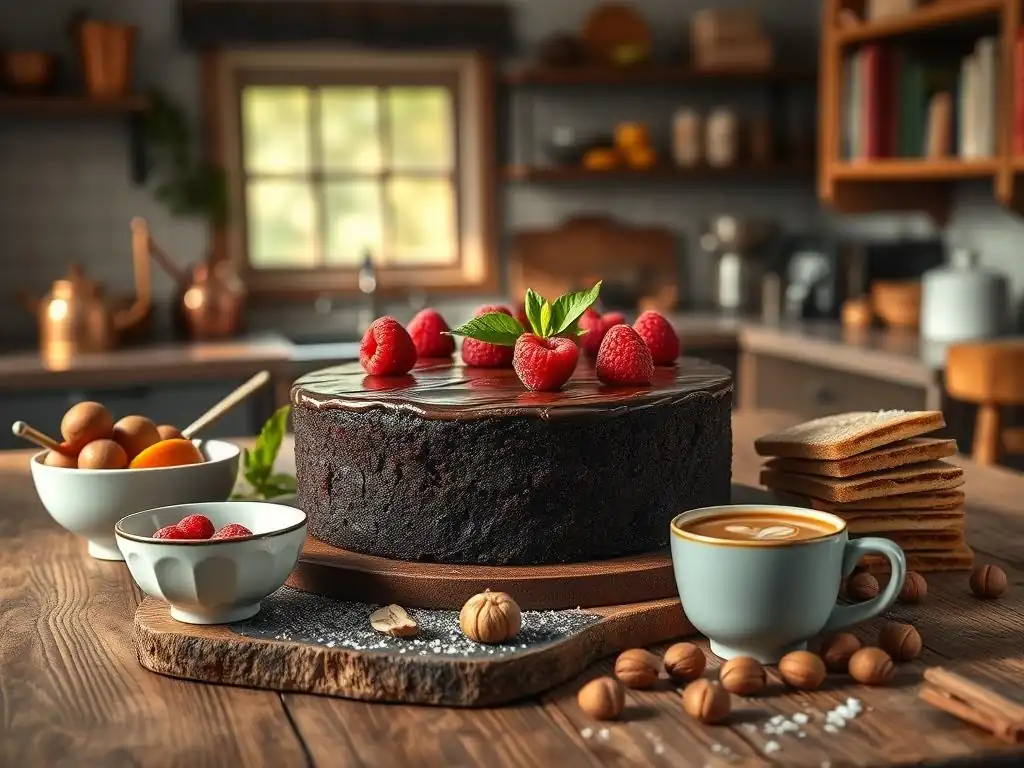
Selecting High-Quality Chocolate
The foundation of any truly great chocolate dessert recipe lies in the quality of the chocolate itself. High-quality chocolate, often referred to as couverture chocolate, contains a higher percentage of cocoa butter and fewer additives compared to standard baking chips or candy bars. This results in a smoother texture, better melting properties, and, most importantly, superior flavor.
When choosing chocolate for pairing, look for information about the cacao percentage and origin, if possible. A chocolate with 60% cacao from a specific region might have distinct fruity notes, while another 60% from a different region could taste more earthy or nutty. Using chocolate with complex, well-developed flavors ensures that it can stand up to or beautifully complement the ingredients you pair it with, leading to more successful and delicious chocolate pairing dessert recipes.
Balancing Flavors in Dessert Creation
Successful chocolate pairing is all about achieving balance. When combining chocolate with other ingredients, consider how their primary flavor profiles (sweet, sour, bitter, salty, umami) and textures will interact. The goal is not for one flavor to dominate completely, but for them to harmonize or provide pleasing contrast.
For example, if you're working with intensely bitter dark chocolate (like 85% cacao), pairing it with something sweet and slightly tart, like cherries or a raspberry coulis, helps to balance the bitterness. Conversely, if using very sweet white chocolate, pairing it with something acidic like lime or something slightly salty like macadamia nuts prevents it from being overly sweet. Taste components individually and together in small amounts before incorporating them into your final chocolate dessert recipes.
Experimentation and Personal Preferences
Ultimately, the most enjoyable chocolate pairing dessert recipes are often discovered through experimentation. While classic pairings provide a great starting point, don't be afraid to try new combinations based on your own palate and preferences. What works for one person might not be the favorite of another, and that's part of the fun of baking and flavor exploration.
Keep a baking journal to note down successful (and less successful) pairings. Did that chili-infused dark chocolate ganache work well in brownies? Did the ginger overpower the white chocolate in those cookies? Paying attention to these details will help you refine your chocolate pairing skills over time. Trust your taste buds and enjoy the process of discovering your own favorite chocolate dessert recipes.
Conclusion: Elevate Baking with Creative Chocolate Pairings
Frequently Asked Questions
What are some common flavor pairings that complement chocolate well?
Many flavors enhance chocolate, but some popular choices include fruits like berries and citrus, nuts, and even spices such as cinnamon and chili. Consider what kind of chocolate you're pairing with for best results.
How does the type of chocolate affect the pairing choices?
The bitterness and sweetness of the chocolate significantly impact pairings. Dark chocolate pairs well with bold flavors, while milk chocolate complements sweeter and lighter options. White chocolate is often paired with tart fruits.
Can savory ingredients be paired with chocolate desserts?
Yes! Savory-sweet pairings are becoming increasingly popular. Think of adding sea salt to chocolate desserts or pairing chocolate with cheese for a unique and sophisticated flavor profile.
Where can I find easy-to-follow chocolate pairing dessert recipes?
Websites like BakeWithEase.com offer a variety of chocolate pairing dessert recipes suitable for all skill levels. Look for recipes that provide step-by-step instructions and clear ingredient lists.
What are some unexpected pairings that can elevate a chocolate dessert?
Don't be afraid to experiment! Try pairing chocolate with unexpected flavors like lavender, balsamic vinegar, or even beer. These unconventional pairings can create a memorable and delicious experience.
Final Reflection: The Enduring Symphony of Chocolate
The art of chocolate pairing transcends mere culinary skill; it's a journey of sensory exploration that continues to captivate palates worldwide. From the simplest pairings to the most elaborate creations, the possibilities are endless, and the impact on our enjoyment of this beloved treat is undeniable. This exploration into the best dessert pairings for chocolate has revealed a world of surprising harmonies and delightful contrasts, proving that the perfect complement is often found in the most unexpected places.
The influence of chocolate on our cultural landscape is profound, extending far beyond simple indulgence. It's woven into celebrations, traditions, and personal memories, often acting as a symbol of comfort, luxury, and shared joy. Chocolate is a gift from the gods,
a sentiment echoed across cultures and centuries, speaks to its enduring power. This article has only scratched the surface of the countless ways chocolate can be enhanced, highlighting the importance of considering texture, flavor profiles, and even the emotional context of the pairing.
Now, consider your own relationship with chocolate. What are your go-to pairings? What unexpected combinations have surprised and delighted you? I encourage you to experiment, to explore the vast landscape of flavors, and to discover your own personal symphony of chocolate. Don't be afraid to break the rules, to push boundaries, and to create your own unique and unforgettable dessert experiences. The world of chocolate awaits your exploration – and your palate will thank you for it.
Unlock Your Chocolate Pairing Potential!
Thanks for exploring the delicious world of chocolate pairings with us! We hope you've discovered some exciting new flavor combinations to try. Ready to elevate your chocolate experience?
- Experiment with your favorite chocolate and one of our suggested pairings: Grab that bar of dark chocolate and try it with the surprising fruit or spice we mentioned – you might just find your new signature treat! This is your chance to become a chocolate pairing expert.
- Share your discoveries with fellow chocolate lovers: Tell us (and others!) what you think of the pairings you've tried. What unexpected combinations worked best? Let's build a community of chocolate enthusiasts!
- Explore our other articles on baking and flavor combinations: We’ve got plenty more delicious adventures waiting for you on BakeWithEase.com – you might discover your next favorite recipe!
What unexpected flavor will you pair with your chocolate tonight?