
Rustic Swedish Limpa: Sweet & Sour Rye Bread

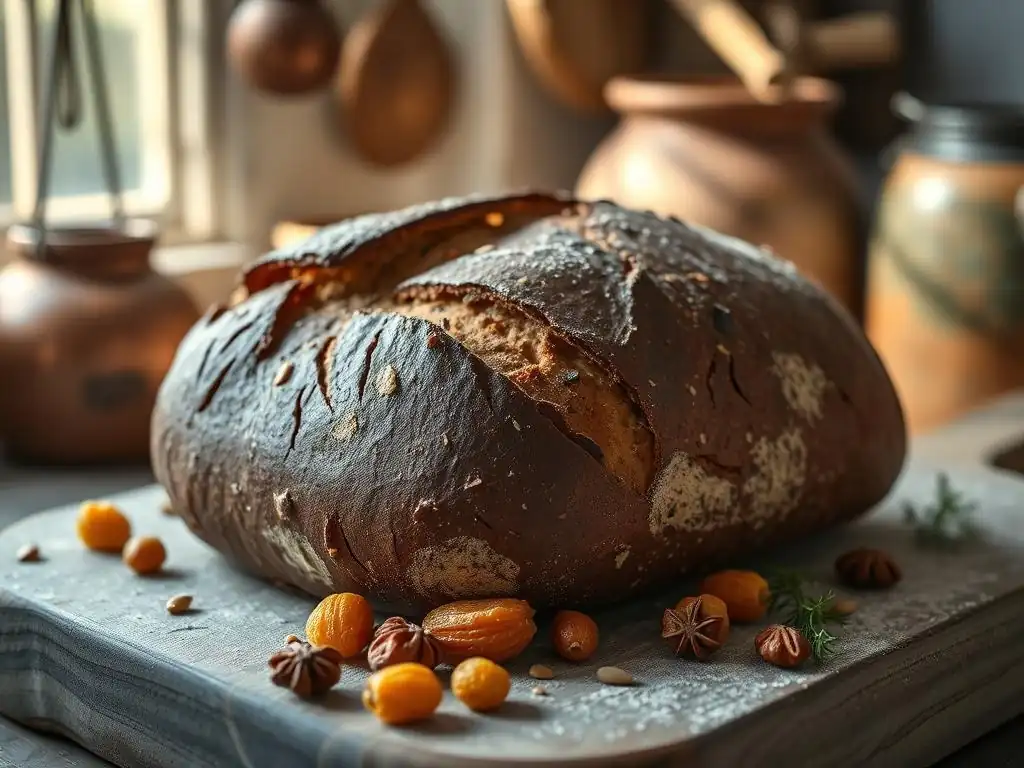
Welcome to BakeWithEase, where the joy of baking meets accessible expertise! Ever dreamt of creating that perfectly textured, aromatic loaf that fills your kitchen with warmth? Then you've come to the right place. Dive into our latest article and discover the secrets to baking a truly exceptional Rustic Swedish Limpa bread recipe. But be warned, this sweet and sour rye bread is so good, you might just find yourself baking it every week! Intrigued? Let's get started...
- Rustic Swedish Limpa: Sweet & Sour Rye Bread Recipe
- Bake Authentic Swedish Limpa Bread at Home
- What is Swedish Limpa Bread? A Rustic Rye Delight
- Key Ingredients for Your Rustic Swedish Limpa Bread
-
Step-by-Step Guide to Baking Rustic Swedish Limpa
- Preparing the Dough: Mixing and Kneading for Perfect Texture
- First Rise: Allowing the Dough to Develop Flavor
- Shaping the Loaf: Creating the Classic Limpa Form
- Second Rise: Achieving the Ideal Bread Height
- Baking Your Swedish Limpa: Temperature and Time
- Cooling and Slicing: Enjoying Your Homemade Rye Bread
- Tips for Perfecting Your Rustic Swedish Limpa Recipe
- Serving Suggestions: Enjoying Your Homemade Limpa Bread
- Storing Your Rustic Swedish Limpa for Freshness
- Mastering Rye Bread Baking: Expanding Your Skills
- Rustic Swedish Limpa Bread Recipe: Printable Version
-
Frequently Asked Questions
- What makes Rustic Swedish Limpa bread rustic?
- What gives Limpa bread its distinctive sweet and sour flavor?
- Is rye flour essential for making Rustic Swedish Limpa?
- Can I substitute any ingredients in the Rustic Swedish Limpa bread recipe?
- How should I store leftover Rustic Swedish Limpa bread to keep it fresh?
- Final Reflection: The Enduring Charm of Rustic Swedish Limpa
- Unleash Your Inner Baker: Craft Your Own Limpa!
Rustic Swedish Limpa: Sweet & Sour Rye Bread Recipe
Bake Authentic Swedish Limpa Bread at Home
Embark on a delightful baking journey to create your very own rustic Swedish Limpa bread recipe right in your kitchen. This traditional loaf, known for its unique balance of sweet and sour notes, is a staple in Swedish households and a beloved treat for bread enthusiasts worldwide. Mastering the art of baking Swedish Limpa offers a rewarding experience, filling your home with the warm, inviting aroma of spices and rye. Whether you're new to rye bread or looking to perfect your technique, this guide provides the steps to achieve a truly authentic Rustic Swedish Limpa bread recipe.
Baking this particular type of rye bread involves understanding the interplay of specific ingredients that contribute to its distinctive character. Unlike many other bread varieties, Limpa relies on a blend of rye flour, sweeteners like molasses, citrus zest, and warming spices. Each component plays a crucial role in developing the complex flavor profile that makes this bread so special. Following a detailed Rustic Swedish Limpa bread recipe ensures that you capture the essence of this traditional bake, resulting in a moist, flavorful loaf with a satisfying crust.
What is Swedish Limpa Bread? A Rustic Rye Delight
Exploring the Flavors of Swedish Limpa: Sweetness and Sourness
Swedish Limpa bread is celebrated for its intriguing balance of flavors, primarily a harmonious blend of sweetness and a subtle, tangy sourness. This dual profile is achieved through the careful selection and combination of ingredients. The sweetness typically comes from sweeteners like molasses, brown sugar, or sometimes maple syrup, which not only provide sweetness but also contribute moisture and a rich, dark hue to the crumb.
A common recipe might include around 1/4 to 1/2 cup of molasses per loaf, depending on the desired intensity of sweetness and color. This sweetness is balanced by the inherent tang of rye flour, which naturally has a slightly sour or earthy note, and often by the addition of citrus zest, typically from an orange, adding a bright, acidic lift that cuts through the richness.
The sourness in Swedish Limpa isn't usually from a long fermentation or sourdough starter, as in some other rye breads, but rather from the natural characteristics of the rye flour itself and the acidic components introduced. For instance, the zest of one whole orange is a common addition, providing enough acidity and aromatic oils to create that signature tangy counterpoint to the sweetness.
This interplay prevents the bread from being overly sweet, grounding the flavors and making it an excellent companion for both sweet and savory toppings. The combination of these elements results in a complex, layered flavor profile that is both comforting and surprisingly vibrant.
The History and Origins of Traditional Swedish Limpa
Swedish Limpa, also known simply as "Limpa," holds a significant place in Swedish culinary history, particularly around holidays like Christmas and Easter. Its origins are deeply rooted in Swedish farmhouse baking traditions, where rye was a more readily available grain than wheat in many regions.
The bread evolved as a way to make rye flour more palatable and moist, as rye flour behaves differently than wheat flour due to its lower gluten content and higher levels of pentosans, which absorb more water. Early versions likely varied greatly from one household to another, incorporating locally available sweeteners like beet syrup or honey, and spices that were common or affordable.
Over time, the recipe for Swedish Limpa became more standardized, incorporating ingredients that are now considered essential, such as molasses, orange zest, and the distinctive spice blend of caraway, anise, and fennel. These spices were not only used for flavor but also traditionally believed to aid digestion, a practical consideration when baking with denser rye flour.
The bread's popularity spread beyond farmhouses, becoming a staple in urban bakeries and eventually making its way to other countries, particularly those with Swedish immigrant populations, like the United States, where it remains a cherished ethnic bread. The rustic Swedish Limpa bread recipe we know today is a delicious testament to this rich history, preserving the traditional flavors and textures.
Key Ingredients for Your Rustic Swedish Limpa Bread
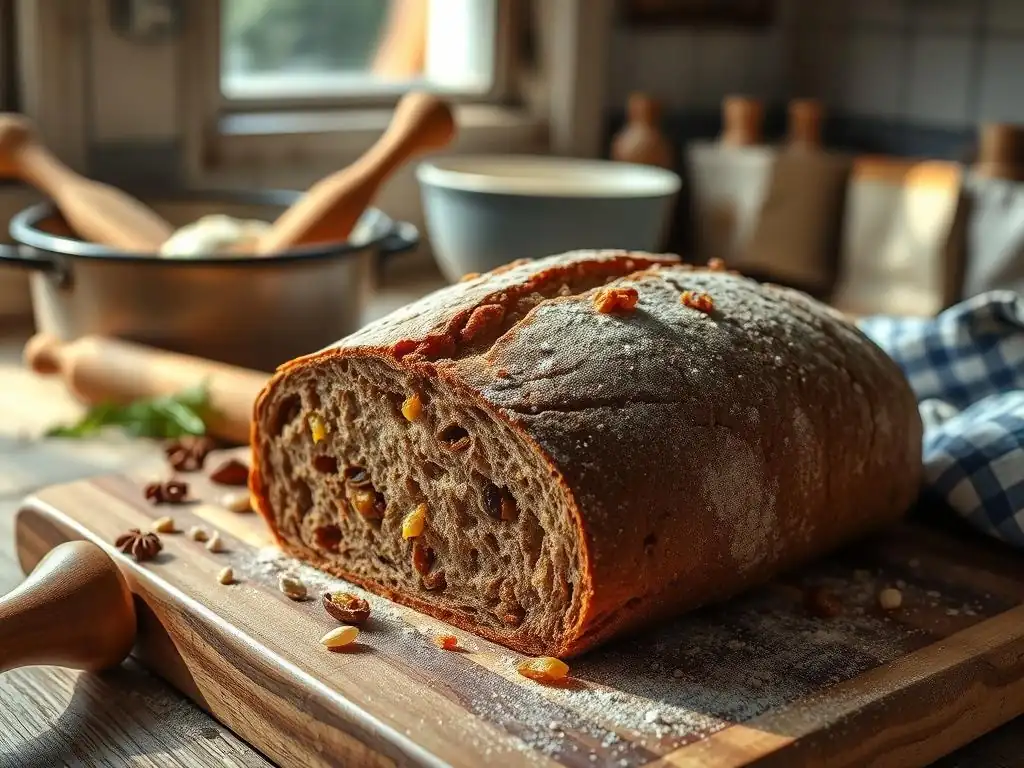
Rye Flour: The Heart of Swedish Limpa
Rye flour is the fundamental ingredient that defines Swedish Limpa bread, giving it its characteristic dense texture, moist crumb, and earthy flavor. Unlike wheat flour, rye flour contains less gluten-forming protein. This means that rye dough is stickier and doesn't develop the same elastic structure as wheat dough.
The type of rye flour used can significantly impact the final bread. Light rye flour, which contains less of the rye kernel, will produce a lighter-colored and slightly less dense loaf, while medium or dark rye flour, containing more of the bran and germ, will result in a darker, denser, and more intensely flavored bread. A typical Rustic Swedish Limpa bread recipe often calls for a combination of rye and wheat flour (usually bread flour or all-purpose flour) to provide just enough gluten structure to help the loaf rise and prevent it from being too heavy.
The unique properties of rye flour also contribute to the bread's excellent keeping qualities. Rye dough contains complex carbohydrates called pentosans, which are highly water-absorbent. These pentosans help to keep the bread moist and fresh for several days after baking, a valuable trait in historical contexts where bread was baked less frequently.
When working with rye flour for your Rustic Swedish Limpa bread recipe, expect the dough to be stickier than wheat dough and require less kneading to avoid overworking the limited gluten. Understanding how rye flour behaves is key to achieving the desired texture and moisture in your homemade Limpa.
Sweeteners: Molasses and Maple Syrup in Limpa Bread
Sweeteners are vital components in a Rustic Swedish Limpa bread recipe, providing not only sweetness but also contributing to the bread's color, moisture, and unique flavor profile. Molasses is a traditional choice, particularly dark molasses, which imparts a rich, slightly bitter sweetness and a deep brown hue to the bread. Its robust flavor pairs wonderfully with the rye and spices.
A common amount used in a standard loaf recipe is around 1/4 cup to 1/3 cup, which provides noticeable sweetness without making the bread taste like a dessert. The type of molasses matters; blackstrap molasses is very strong and less sweet, while regular or dark molasses is more commonly used for its balanced flavor.
Maple syrup is another sweetener sometimes used in Swedish Limpa, either in combination with molasses or as a substitute. Maple syrup offers a different kind of sweetness – more delicate and with its own distinct earthy undertones that complement the rye flour. Using maple syrup tends to result in a slightly lighter-colored crumb compared to molasses.
Some recipes might use a blend of molasses and maple syrup to achieve a specific balance of color and flavor. Brown sugar is also occasionally included for added sweetness and moisture. The choice and amount of sweetener significantly influence the final taste and appearance of your Rustic Swedish Limpa bread recipe, making it crucial to measure accurately.
Citrus Zest: Adding a Zesty Touch to Your Rye Bread
Citrus zest, most commonly orange zest, is a seemingly small but incredibly impactful ingredient in a traditional Rustic Swedish Limpa bread recipe. Its purpose is twofold: it introduces a bright, slightly acidic note that balances the richness of the rye and molasses, and it infuses the bread with a wonderful, fresh aroma. The essential oils contained within the zest are highly aromatic and volatile, meaning they release their fragrance and flavor powerfully during baking. Using the zest of one medium to large orange is typical for a single loaf, providing enough citrus punch without overwhelming the other flavors.
Beyond just balancing sweetness, the citrus zest adds complexity and a refreshing counterpoint to the warm, earthy spices like caraway and fennel. Without the zest, the bread can sometimes taste a bit flat or heavy. It lifts the overall flavor profile, making the bread more vibrant and interesting. When preparing the zest, it's important to only grate the colored part of the peel, avoiding the bitter white pith underneath. This ensures you get pure citrus flavor without any unwanted bitterness, contributing to the perfect sweet and sour balance that is characteristic of a great Rustic Swedish Limpa bread recipe.
Spices: The Secret to Authentic Limpa Flavor (Caraway, Anise, Fennel)
The unique and defining flavor of a Rustic Swedish Limpa bread recipe comes largely from its specific blend of spices. The most traditional spices are caraway, anise, and fennel seeds, often used in combination. Caraway seeds provide a slightly pungent, earthy, and subtly peppery flavor that is classic in many rye breads.
Anise seeds offer a distinct licorice-like sweetness and aroma, which pairs surprisingly well with the citrus and molasses. Fennel seeds are similar to anise but have a slightly milder, sweeter, and more aromatic profile. These spices are often lightly crushed before being added to the dough to help release their essential oils and maximize their flavor contribution during baking.
The typical amount of spices used can vary, but a common starting point for a single loaf might be 1 to 2 teaspoons of caraway seeds, and perhaps 1/2 to 1 teaspoon each of anise and fennel seeds. Some recipes might slightly adjust these ratios based on preference, perhaps emphasizing caraway or leaning more towards the sweetness of anise and fennel.
Ground spices can also be used, but whole or lightly crushed seeds tend to retain their flavor better during the longer fermentation and baking process. This aromatic blend is what truly sets a Rustic Swedish Limpa bread recipe apart, creating a warm, complex, and incredibly inviting aroma and taste.
Step-by-Step Guide to Baking Rustic Swedish Limpa
Preparing the Dough: Mixing and Kneading for Perfect Texture
The first step in baking a Rustic Swedish Limpa bread recipe is accurately measuring and combining your ingredients. Begin by warming the liquid (usually water or milk, or a combination) to the temperature recommended by your yeast, typically around 105-115°F (40-46°C). Dissolve the yeast and a pinch of sugar in the warm liquid and let it sit for 5-10 minutes until foamy, indicating the yeast is active.
In a large mixing bowl, combine your rye flour, wheat flour, salt, spices, citrus zest, and any dry sweeteners like brown sugar. In a separate bowl, whisk together the activated yeast mixture with the molasses or maple syrup and any other liquid sweeteners or fats called for in your specific Rustic Swedish Limpa bread recipe.
Gradually add the wet ingredients to the dry ingredients, mixing with a sturdy spoon or a stand mixer fitted with a dough hook. Rye dough is notoriously sticky, so don't be alarmed by the consistency; it won't form a smooth, elastic ball like wheat dough. Mix until all the flour is incorporated and the dough comes together in a shaggy mass.
Kneading for this Rustic Swedish Limpa bread recipe is usually minimal, often just 5-8 minutes by hand or 3-5 minutes in a stand mixer. The goal is to develop the limited gluten from the wheat flour and ensure all ingredients are well combined, not to create a highly elastic dough. The dough will remain somewhat sticky and soft even after kneading.
First Rise: Allowing the Dough to Develop Flavor
After the initial mixing and minimal kneading, the dough for your Rustic Swedish Limpa bread recipe needs time to undergo its first fermentation, also known as the bulk rise. This is a crucial stage where the yeast produces carbon dioxide, causing the dough to expand, and where flavor compounds begin to develop. Lightly grease a large bowl with oil or cooking spray and transfer the sticky dough into it. Turn the dough to coat the surface with oil, then cover the bowl tightly with plastic wrap or a clean kitchen towel.
Place the covered bowl in a warm, draft-free place. The ideal temperature for rising is typically between 75-80°F (24-27°C). The first rise for a Rustic Swedish Limpa bread recipe usually takes about 1 to 1.5 hours, or until the dough has visibly increased in size, though it may not double like a pure wheat dough due to the rye content.
The exact time will depend on the temperature of your kitchen and the activity of your yeast. You're looking for a significant puffing up and a slightly softer texture. This stage is vital for developing the characteristic slightly tangy flavor of the limpa.
Shaping the Loaf: Creating the Classic Limpa Form
Once the first rise is complete, gently turn the dough out onto a lightly floured surface. Rye dough tends to be stickier than wheat dough, so use flour sparingly or work with lightly oiled hands if preferred. Traditional Swedish Limpa is often shaped into a round, slightly flattened loaf. To achieve this shape for your Rustic Swedish Limpa bread recipe, gently deflate the dough by pressing down on it. Then, gather the edges towards the center, tucking them underneath to form a taut ball.
Once you have a round shape, you can gently flatten it slightly to about 1.5 to 2 inches thick. Some bakers like to place the shaped loaf directly onto a baking sheet lined with parchment paper or cornmeal, while others prefer to proof it in a floured basket or bowl before transferring it to the baking surface. The goal is to create a compact, even shape that will rise predictably during the second proof and baking.
Avoid overworking the dough at this stage, as it can lead to a tougher crumb. Handle the dough gently to maintain the airy structure developed during the first rise.
Second Rise: Achieving the Ideal Bread Height
After shaping, the loaf for your Rustic Swedish Limpa bread recipe needs a second rise, also known as proofing. This shorter rise allows the dough to relax, expand further, and become lighter before baking. Place the shaped loaf on your prepared baking surface (parchment-lined baking sheet, baking stone/steel) or in its proofing basket. If proofing on a baking sheet, cover the loaf loosely with plastic wrap or a clean kitchen towel to prevent the surface from drying out.
Allow the loaf to proof in a warm, draft-free location for about 30 to 45 minutes. The dough should look noticeably puffed up and feel light, but it won't necessarily double in size like a pure wheat loaf. You can perform the "poke test" to check if it's ready: gently press a finger into the side of the loaf; if the indentation slowly springs back only halfway, it's ready to bake.
If it springs back quickly, it needs more time; if it stays indented completely, it's likely over-proofed. This second rise is crucial for achieving a good volume and tender crumb in your baked Rustic Swedish Limpa bread recipe.
Baking Your Swedish Limpa: Temperature and Time
Baking is the final transformation for your Rustic Swedish Limpa bread recipe, turning the proofed dough into a fragrant, flavorful loaf. Preheat your oven to the recommended temperature, typically around 375°F to 400°F (190°C to 200°C).
Many bakers benefit from creating steam in the oven during the initial baking phase, as steam helps the crust stay pliable longer, allowing for better oven spring and a thinner, crispier crust. This can be achieved by placing a pan of hot water on the bottom rack when you preheat the oven, or by carefully pouring hot water into a preheated cast iron pan just as you load the bread.
Carefully transfer the proofed loaf into the preheated oven. If desired, you can score the top of the loaf with a sharp knife or lame just before baking; a simple cross or a few parallel lines are common for Limpa. Bake the bread for approximately 30 to 45 minutes.
The exact time will depend on your oven and the size of your loaf. The bread is done when the crust is a deep golden brown and the internal temperature reaches 200-210°F (93-99°C) when measured with an instant-read thermometer inserted into the center of the loaf. Tapping the bottom of the loaf should also produce a hollow sound.
Cooling and Slicing: Enjoying Your Homemade Rye Bread
Once your beautiful Rustic Swedish Limpa bread recipe loaf is baked to perfection, it's essential to let it cool properly before slicing. Immediately transfer the hot loaf from the baking sheet or stone to a wire cooling rack. Cooling on a rack allows air to circulate around the entire loaf, preventing the bottom crust from becoming soggy from trapped steam. While it's tempting to slice into a warm loaf, especially one as aromatic as Limpa, slicing too early can result in a gummy or dense texture inside, as the internal structure is still setting and moisture is redistributing.
Allow the Swedish Limpa to cool completely, which can take at least 1 to 2 hours. As the bread cools, the steam inside dissipates, and the starches gelatinize and set, creating the final crumb structure. Once fully cooled, use a serrated knife to slice the bread. A serrated knife works best for cutting through the dense, moist crumb and crust without crushing the loaf. Now your homemade Rustic Swedish Limpa bread recipe is ready to be enjoyed!
Tips for Perfecting Your Rustic Swedish Limpa Recipe
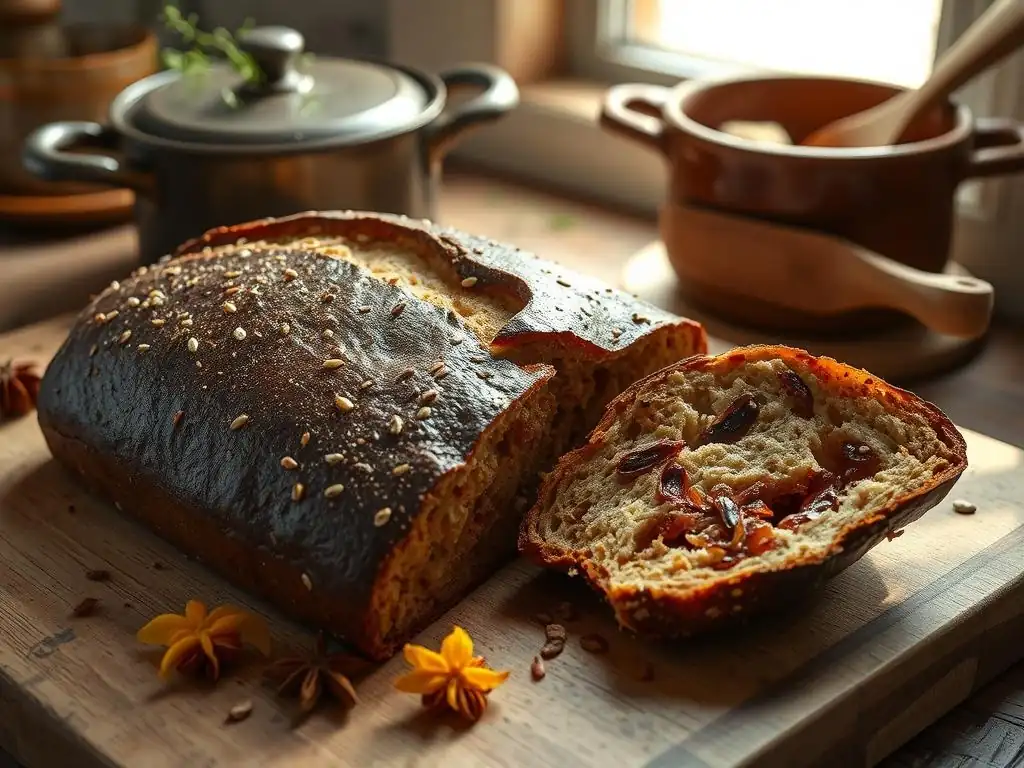
Achieving the Right Dough Consistency
Mastering the dough consistency is key to a successful Rustic Swedish Limpa bread recipe. Rye dough is naturally stickier and less elastic than wheat dough due to its lower gluten content. When mixing, aim for a dough that is soft and tacky but not so wet that it's impossible to handle.
If your dough seems too dry and crumbly after mixing, add a tablespoon of warm water at a time until it just comes together. Conversely, if it's excessively sticky and resembles batter, you may need to incorporate a little more rye or wheat flour, adding it gradually until the dough is manageable, though still sticky.
The amount of flour absorbed can vary based on humidity, the type of flour used (especially the grind of the rye), and even the temperature of your kitchen. Pay attention to how the dough feels rather than strictly adhering to flour measurements, especially if using volume measurements. A good test during mixing is whether the dough pulls away from the sides of the bowl while mixing, even if it still clings to the bottom.
When kneading (if your recipe calls for it), use minimal flour on your hands and surface to avoid drying out the dough. A properly mixed and kneaded Limpa dough will be cohesive but soft, setting the stage for a moist and flavorful loaf from your Rustic Swedish Limpa bread recipe.
Troubleshooting Common Baking Issues
Even with a great Rustic Swedish Limpa bread recipe, sometimes things don't go exactly as planned. One common issue is a loaf that is too dense. This can often be attributed to inactive yeast, insufficient rising time (either the first or second rise), or overworking the dough, which can toughen the limited gluten structure. Ensure your yeast is fresh and active by proofing it in warm water first.
Give the dough ample time to rise in a warm environment, even if it doesn't double in size. Handle the dough gently during shaping to preserve air bubbles. If your crust gets too dark before the interior is cooked, try covering the loaf loosely with aluminum foil for the last 10-15 minutes of baking.
Another potential issue is a lack of flavor or aroma. This might happen if your spices are old and stale, or if you haven't used enough citrus zest. Ensure your spices are relatively fresh and measure them accurately, perhaps even slightly increasing the amount if you prefer a stronger flavor.
Using fresh orange zest is crucial for that bright, aromatic note. If the bread seems dry, it could be due to baking at too high a temperature or for too long, or perhaps not using enough sweetener or liquid in the dough, as these contribute moisture. Adjusting baking time and temperature, and ensuring accurate measurements of liquid and sweeteners, can help achieve a moist crumb in your Rustic Swedish Limpa bread recipe.
Variations: Experimenting with Different Spices and Ingredients
While the traditional spice blend is classic, one of the joys of baking your own Rustic Swedish Limpa bread recipe is the ability to experiment with variations. Beyond the standard caraway, anise, and fennel, you might consider adding other warming spices like ground ginger, cloves, or cardamom. A pinch of ground ginger (perhaps 1/4 to 1/2 teaspoon per loaf) can add a subtle warmth, while a tiny amount of ground cloves (just an eighth of a teaspoon) offers a deeper, spicier note. Cardamom, a staple in many Swedish baked goods, can lend a wonderfully aromatic and slightly floral hint.
You can also explore adding different mix-ins to your Rustic Swedish Limpa bread recipe. Dried fruits like raisins, currants, or chopped dates (perhaps 1/2 to 1 cup total) can add pockets of sweetness and moisture, though they might make slicing a bit trickier. Chopped nuts, such as walnuts or pecans, can provide texture and a rich, nutty flavor.
Some variations might also incorporate different types of citrus zest, like lemon or grapefruit, for a slightly different tangy profile, though orange is most traditional. Experimenting with these additions allows you to personalize your Rustic Swedish Limpa bread recipe and discover new favorite flavor combinations.
Serving Suggestions: Enjoying Your Homemade Limpa Bread
Classic Pairings: Cheese, Smoked Salmon, and More
Rustic Swedish Limpa bread recipe yields a loaf with a complex flavor profile that pairs beautifully with a variety of foods, making it versatile for different meals and occasions. One classic pairing is with cheese. The sweet and sour notes of the bread complement both mild and sharp cheeses exceptionally well. Try it with a creamy Havarti, a tangy cheddar, or even a pungent blue cheese. Spreading butter on a slice of Limpa is also a simple yet delicious way to appreciate its unique flavor.
Another popular pairing, particularly in Scandinavian tradition, is with smoked fish. Smoked salmon, trout, or herring on a slice of Limpa bread creates a delightful combination of flavors – the smoky, rich fish contrasting with the slightly sweet, spiced bread. It's also excellent served alongside pickled herring. For a lighter option, enjoy Limpa with cream cheese, perhaps topped with fresh dill or chives. Its robust flavor also stands up well to hearty spreads like liver pâté. These classic pairings highlight the versatility and deliciousness of a freshly baked Rustic Swedish Limpa bread recipe.
Creative Uses: Limpa Bread Croutons and Bread Pudding
While delicious when simply sliced and served, any leftover Rustic Swedish Limpa bread recipe loaf can be repurposed into other culinary delights. Its dense, flavorful crumb makes it an excellent candidate for croutons. Simply cube stale Limpa bread, toss with olive oil or melted butter and perhaps a pinch of salt and pepper or extra caraway seeds, then bake at a moderate temperature (around 350°F or 175°C) until golden brown and crispy. These Limpa croutons are fantastic in salads, especially those with a Scandinavian twist, or added to soups.
Another creative use for leftover Limpa is in bread pudding or French toast. The sweetness and spice of the bread infuse the custard base with wonderful flavor. A Limpa bread pudding, perhaps incorporating apples or raisins and extra cinnamon or cardamom, makes for a comforting dessert or brunch item. Similarly, thick slices can be dipped in an egg and milk mixture and pan-fried for a uniquely flavored French toast. Don't let any of your delicious Rustic Swedish Limpa bread recipe go to waste; get creative with leftovers!
Storing Your Rustic Swedish Limpa for Freshness
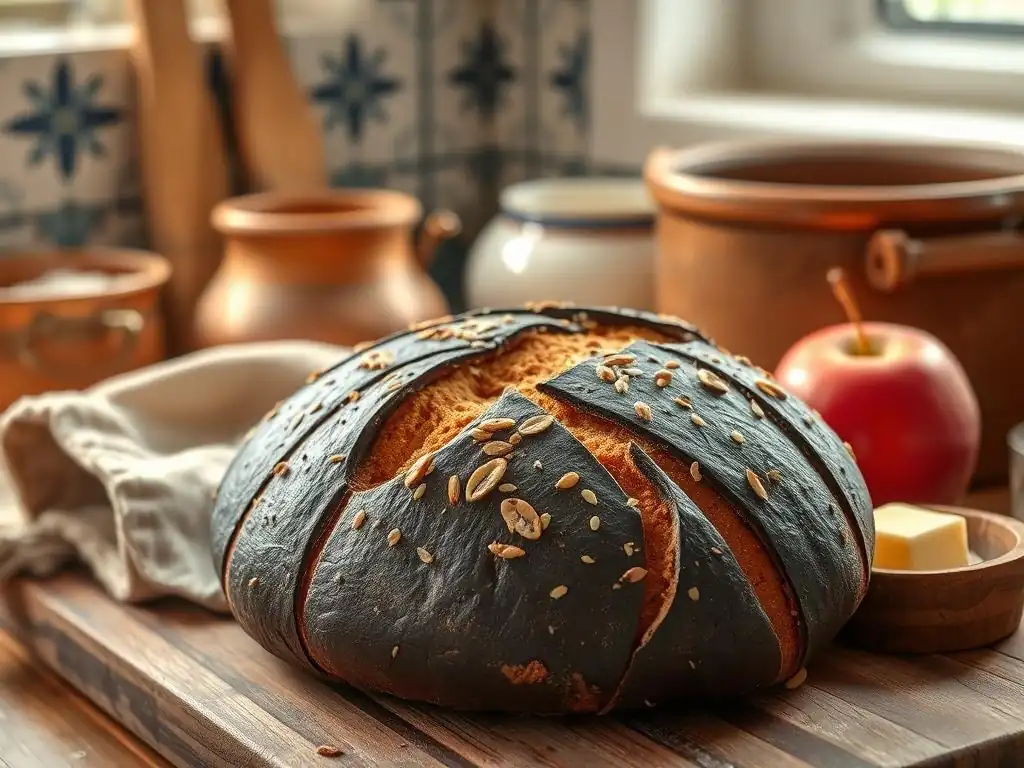
Proper Storage Techniques to Maintain Flavor and Texture
Properly storing your homemade Rustic Swedish Limpa bread recipe loaf is essential to keep it fresh and flavorful for as long as possible. Once the bread has completely cooled (this is crucial! ), wrap it tightly to prevent it from drying out. Storing the whole loaf is generally better than slicing it all at once, as slicing exposes more surface area to the air. You can wrap the loaf in plastic wrap, beeswax wrap, or place it in a clean plastic bag, ensuring as little air as possible is trapped inside.
For storage at room temperature, which is suitable for 2-3 days, keep the wrapped loaf in a bread box or a cool, dry place away from direct sunlight. Avoid storing it in the refrigerator, as this can actually cause bread to stale faster due to a process called starch retrogradation. If you won't be eating the entire loaf within a few days, freezing is an excellent option for preserving your Rustic Swedish Limpa bread recipe.
Wrap the cooled loaf tightly in plastic wrap, then again in aluminum foil or place it in a freezer-safe bag. Frozen Limpa can last for several months. To thaw, simply remove from the freezer and let it sit at room temperature in its wrapping until fully defrosted.
Mastering Rye Bread Baking: Expanding Your Skills
Other Rye Bread Recipes to Explore: Pumpernickel and Sourdough Rye
Baking a Rustic Swedish Limpa bread recipe is a fantastic entry point into the world of rye bread. Once you've mastered Limpa, you might be interested in exploring other delicious rye varieties, each with its own unique characteristics. Pumpernickel is another classic rye bread, traditionally a very dark, dense loaf made with coarse rye meal or chopped rye, often baked for a long time at a low temperature, sometimes with added coloring like coffee or cocoa. It has a distinct, often slightly sweet and malty flavor.
Sourdough rye bread offers a different experience, leveraging a rye sourdough starter for leavening and flavor. The natural fermentation process develops a pronounced tanginess that complements the earthy flavor of rye. Sourdough rye loaves can range from light to dark depending on the percentage of rye flour used. Exploring recipes for breads like German Roggenbrot (pure rye bread), or different types of sourdough rye will deepen your understanding of working with this fascinating grain and further hone your rye baking skills beyond the Rustic Swedish Limpa bread recipe.
Understanding Rye Flour and Its Properties
Working with rye flour requires a different approach than working solely with wheat flour, and understanding its properties is key to success in recipes like a Rustic Swedish Limpa bread recipe. Rye flour is richer in soluble fiber, particularly pentosans, than wheat flour. These pentosans are highly water-absorbent and form a gel-like matrix in the dough. This high water absorption contributes to the moist, dense crumb characteristic of rye breads and helps them stay fresh longer. However, it also makes rye dough stickier and less elastic.
The gluten network that forms in wheat dough, providing structure and trapping gases for rise, is much weaker in rye dough because rye proteins don't form the same strong, elastic network. This is why pure rye breads are very dense and don't rise as much as wheat breads.
Recipes like Rustic Swedish Limpa bread recipe often combine rye with some wheat flour to provide just enough gluten for a better rise and structure. Understanding these fundamental differences – the stickiness from pentosans and the weaker gluten structure – helps you anticipate how rye dough will behave and adjust your handling techniques accordingly, leading to better results with all your rye baking endeavors.
Rustic Swedish Limpa Bread Recipe: Printable Version
Frequently Asked Questions
What makes Rustic Swedish Limpa bread rustic?
The rustic aspect comes from the simplicity of the ingredients and the slightly imperfect shaping of the loaf. It's about embracing a homemade, less polished aesthetic.
What gives Limpa bread its distinctive sweet and sour flavor?
The sweet and sour flavor profile is achieved through a combination of molasses or brown sugar for sweetness and rye flour and often citrus zest for sourness.
Is rye flour essential for making Rustic Swedish Limpa?
Yes, rye flour is absolutely essential for achieving the characteristic flavor and texture of Limpa bread. It provides a slightly tangy and dense crumb.
Can I substitute any ingredients in the Rustic Swedish Limpa bread recipe?
While some substitutions are possible, it's best to follow the recipe closely. Substituting wheat flour for rye will drastically change the flavor and texture.
How should I store leftover Rustic Swedish Limpa bread to keep it fresh?
Store leftover Limpa bread in an airtight container at room temperature. It's best consumed within a few days for optimal freshness, but can be sliced and frozen for longer storage.
Final Reflection: The Enduring Charm of Rustic Swedish Limpa
The enduring appeal of Rustic Swedish Limpa lies not just in its complex, satisfying flavor, but in its connection to a rich culinary heritage and the simple pleasures of homemade bread. This recipe, passed down through generations, offers a tangible link to the past, a comforting tradition in a rapidly changing world. The process itself, from the careful mixing of the sourdough starter to the satisfying thud of the loaf hitting the baking stone, is a meditative experience that connects us to something deeper than just sustenance.
The influence of this simple bread extends far beyond the kitchen table. It represents a connection to Swedish culture, a testament to the ingenuity of utilizing readily available ingredients to create something truly special. Bread is the staff of life,
a proverb often repeated, but rarely felt as deeply as when kneading the dough and inhaling the aroma of baking rye. The act of baking Limpa becomes a ritual, a way to honor tradition and share a piece of cultural heritage with others.
Now, I invite you to consider the possibilities. Don't just bake this bread; experience it. Embrace the slow process, savor the unique flavor, and share the resulting loaf with loved ones. Let the rustic charm of Swedish Limpa transport you, even for a moment, to a simpler time, and remind you of the enduring power of tradition and the simple joys found in the kitchen. The recipe is a starting point; let your own creativity and passion guide you in creating your own perfect loaf.
Unleash Your Inner Baker: Craft Your Own Limpa!
Thanks for joining us on this delicious journey into the world of rustic Swedish Limpa! We hope you’ve gained a new appreciation for this sweet and sour rye bread masterpiece. Now it's time to put your newfound knowledge to the test.
- Bake your own Limpa: This is your chance to experience the incredible aroma and taste firsthand. Don't be intimidated—our recipe makes the process surprisingly straightforward!
- Share your creation: Post a picture of your finished Limpa on social media and tag us! Let's build a BakeWithEase Limpa community!
- Explore more rye bread recipes: Discover other amazing variations on rye bread that you might love – maybe a classic pumpernickel is next on your list?
Ready to transform your kitchen into a fragrant bakery? What unique twist will you add to your Limpa recipe?