
From Beginner to Pro: Confidently Bake with Honey, Maple, and Agave

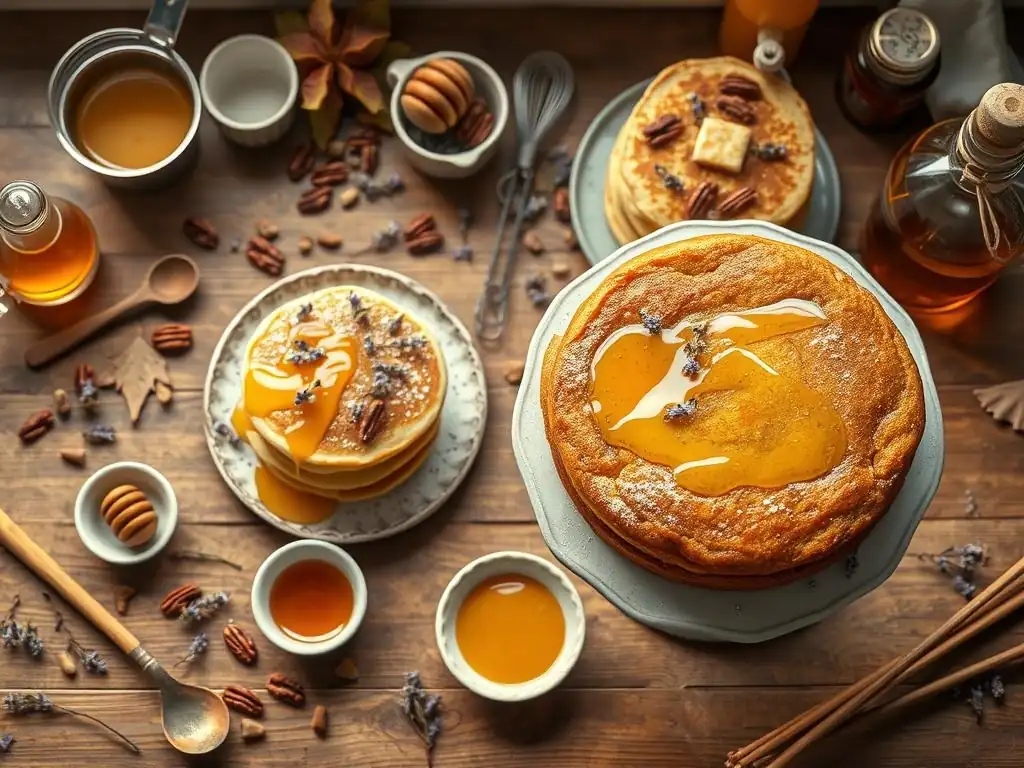
Welcome to BakeWithEase, your trusted guide to a sweeter, simpler baking experience! Are you ready to elevate your creations using nature's finest sweeteners? Honey, maple syrup, and agave can transform your baked goods, adding unique flavor profiles and textures. But how do you use them effectively? Dive in to discover our honey maple agave baking tips and unlock the secrets to delicious, naturally sweetened treats. Prepare to be amazed by the possibilities!
- Unlock Natural Sweetness: Your Guide to Honey, Maple, and Agave Baking
- Mastering Honey in Baking: Tips and Tricks
-
Baking with Maple Syrup: Achieving the Perfect Balance
- The Allure of Maple Syrup in Baked Treats
- Maple Syrup Grades Explained: Choosing the Right One for Your Recipe
- How to Adapt Recipes for Maple Syrup: Achieving Optimal Texture
- Maple Syrup Baking Recipes: From Pancakes to Cakes
- Recommended Product: Coombs Family Farms Organic Maple Syrup - The Authentic Taste
-
Agave Nectar in Baking: A Low-Glycemic Option
- Exploring the Benefits of Agave Nectar in Baking
- Light vs. Dark Agave: Which is Best for Your Baking Needs?
- Agave Substitution Guide: Baking without Refined Sugar
- Recipes that Shine with Agave Nectar: Healthy and Delicious Treats
- Recommended Product: Madhava Organic Agave Nectar - A Healthier Choice
- Honey, Maple, and Agave Baking: Combining Flavors for Unique Results
- Advanced Honey, Maple, and Agave Baking Techniques
- Elevate Your Baking with Natural Sweeteners: A Final Word
-
Frequently Asked Questions
- What are the key differences between using honey, maple syrup, and agave as sweeteners in baking?
- How do I adjust liquid ingredients when substituting honey, maple syrup, or agave for granulated sugar in a recipe?
- Can I substitute honey, maple syrup, or agave in any baking recipe?
- What are some tips for preventing honey from burning during baking?
- How do I store baked goods that contain honey, maple syrup, or agave to maintain their freshness?
- Final Reflection: The Sweet Symphony of Natural Sweeteners
- Unlock Your Inner Pastry Chef: Sweeten Your Baking Journey!
Unlock Natural Sweetness: Your Guide to Honey, Maple, and Agave Baking
Baking is a beautiful blend of art and science, and choosing the right sweetener is fundamental to achieving delicious results. While refined sugar is a staple, exploring natural alternatives like honey, maple syrup, and agave nectar can open up a world of complex flavors, unique textures, and potentially different nutritional profiles in your baked goods. These liquid sweeteners offer distinct characteristics that can elevate everything from simple cookies to intricate cakes, providing wonderful honey maple agave baking tips for your culinary journey.
Moving beyond granulated sugar allows you to experiment with sweetness that carries its own personality. Honey brings floral or earthy notes depending on its source, maple syrup offers a rich, woodsy depth, and agave provides a clean, mild sweetness. Each requires slightly different handling in recipes due to their liquid nature and varying sweetness levels, but mastering their use is a rewarding step for any home baker looking to expand their repertoire and confidently bake with these delightful natural ingredients.
Discover the Art of Baking with Natural Sweeteners
Baking with natural sweeteners isn't just about substituting ingredients; it's about understanding how these alternatives interact with other components in your recipe. Unlike granulated sugar, which primarily provides sweetness and structure, honey, maple syrup, and agave introduce moisture and often acids, which can affect everything from the dough's consistency to the final texture and rise of your baked goods. This requires a mindful approach to recipe adaptation and offers exciting opportunities for flavor development.
Embracing honey maple agave baking tips means learning how their unique properties influence outcomes. For example, honey tends to make baked goods softer and helps them retain moisture longer, potentially extending shelf life. Maple syrup, with its lower water content than honey, can contribute to a slightly crisper edge in cookies but still keeps interiors moist. Agave, being highly soluble, blends seamlessly and can prevent crystallization, making it excellent for sauces, glazes, and certain batters where a smooth texture is desired. Understanding these nuances is key to successful baking with these versatile options.
Mastering Honey in Baking: Tips and Tricks
Understanding Honey's Unique Properties for Baking
Honey is a fascinating ingredient with properties that significantly impact baking. It's primarily composed of fructose and glucose, typically around 80% sugars, with the remaining percentage being water, minerals, vitamins, pollen, and enzymes. This composition makes it sweeter than granulated sugar by weight (fructose is sweeter than sucrose) and introduces significant moisture into a recipe, which is a key consideration when substituting.
Furthermore, honey is naturally acidic, usually having a pH between 3.2 and 4.5. This acidity can react with leavening agents like baking soda, contributing to the rise of baked goods. It also contributes to honey's ability to brown more quickly than sugar due to its fructose content, which caramelizes at a lower temperature. These characteristics mean that simply swapping sugar for honey cup-for-cup isn't always a direct exchange; careful adjustments are necessary to achieve desired results, forming essential honey baking tips.
Best Honey Varieties for Baking: A Taste Test
The flavor profile of honey varies wildly depending on the flowers the bees visited, offering a spectrum of possibilities for baking. Light-colored honeys, like Clover or Acacia, tend to have a milder, more delicate flavor that won't overpower subtle baked goods such as light cakes, scones, or shortbread. These are often good starting points when you want sweetness without a dominant honey taste.
Darker honeys, such as Buckwheat or Manuka, possess stronger, more robust, and sometimes even slightly bitter or earthy notes. These are excellent choices for recipes where you want the honey flavor to shine through, like gingerbread, hearty bread, barbecue sauces for savory applications, or dense fruitcakes. Experimenting with different varieties in simple recipes, like honey muffins or granola bars, is a great way to discover your favorites and refine your honey baking tips based on taste.
How to Substitute Honey for Sugar in Baking: A Simple Conversion Guide
Substituting honey for granulated sugar requires more than just a simple volume swap because honey is sweeter and contains more liquid. A common guideline is to use about 3/4 cup of honey for every 1 cup of granulated sugar called for in a recipe. This adjustment accounts for honey's higher sweetness level.
Equally important is adjusting the liquid content in the recipe. Since honey adds moisture, you should typically reduce the amount of other liquids (like milk, water, or juice) by about 1/4 cup for every 1 cup of sugar being replaced by honey.
For example, if a recipe uses 1 cup of sugar and 1 cup of milk, and you substitute with 3/4 cup of honey, you would then use only 3/4 cup of milk. Additionally, because honey causes faster browning, it's often recommended to reduce the oven temperature by about 25°F (around 15°C) to prevent the outside from burning before the inside is cooked through.
Honey Baking Troubleshooting: Avoiding Common Pitfalls
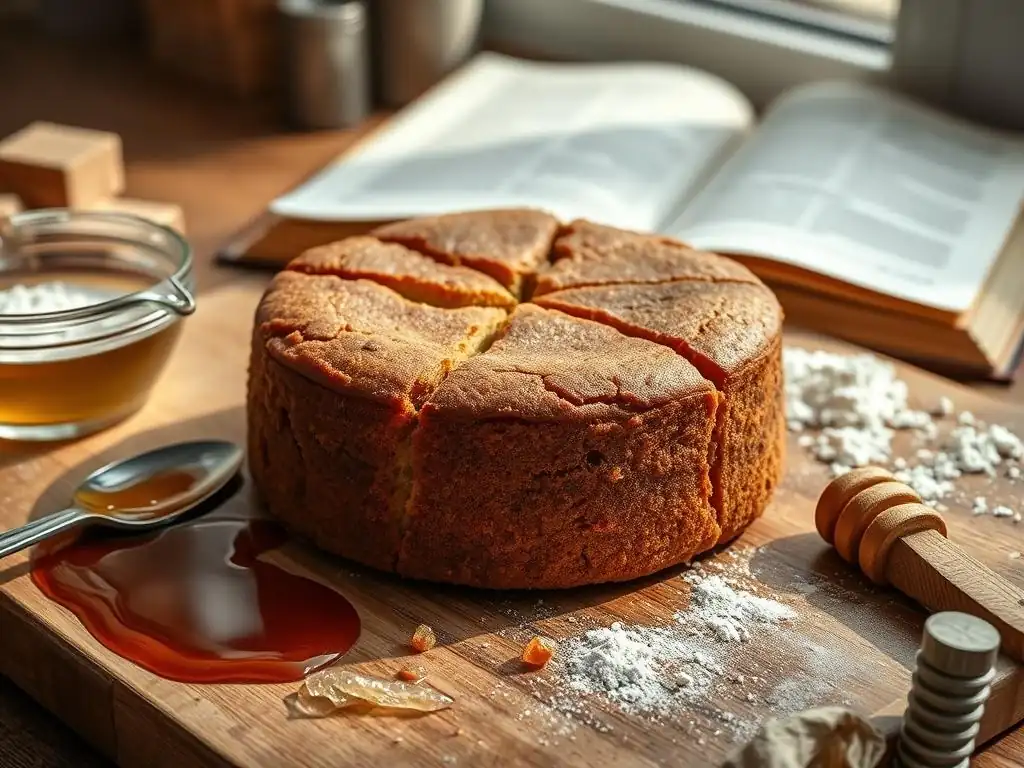
One common challenge when baking with honey is controlling the browning. As mentioned, honey caramelizes faster than sugar due to its fructose. If your cakes or cookies are browning too quickly on the outside while remaining undercooked inside, try reducing the oven temperature as suggested (by approximately 25°F/15°C) and potentially increasing the baking time slightly. Tent the top of cakes or muffins with foil if they are browning excessively before the rest is done.
Another issue can be the texture. Honey-baked goods are often very moist, which is usually a benefit, but sometimes they can become too dense or gummy if the liquid reduction isn't sufficient or if too much honey is used. Ensure you are correctly reducing other liquids in the recipe.
Also, because honey is acidic, if your recipe uses baking soda, the reaction will be vigorous. If it uses baking powder, which contains its own acid, the acidity of the honey might affect the final pH and rise; sometimes a small amount of extra baking powder or soda is needed depending on the specific recipe and other acidic ingredients present. These are crucial honey baking tips for success.
Recommended Product: Savannah Bee Company Raw Honey - Elevate Your Baking
Savannah Bee Company Raw Honey is a popular choice among bakers for its quality and flavor variety. Their Tupelo honey, for instance, is known for its mild, buttery flavor and slow crystallization rate, making it excellent for liquids and sauces. Other varieties like Wildflower offer a more complex taste that can add depth to bread or muffins.
Using a high-quality, raw honey like those from Savannah Bee Company can truly make a difference in the final taste of your baked goods. Raw honey retains more of its natural enzymes and subtle flavor nuances compared to highly processed or filtered honeys. This means the distinct floral or regional characteristics of the honey will come through more clearly in your cakes, cookies, and pastries, adding an extra layer of deliciousness.
Baking with Maple Syrup: Achieving the Perfect Balance
The Allure of Maple Syrup in Baked Treats
Maple syrup brings a unique, earthy, and slightly caramelized flavor profile that is instantly recognizable and deeply comforting. This natural sweetener, derived from the sap of maple trees, is not just for pancakes; it's a wonderful addition to a wide range of baked goods, from muffins and quick breads to pies and even certain types of cookies. Its distinctive taste pairs exceptionally well with nuts, spices like cinnamon and nutmeg, and fruits like apples and pumpkins, offering delightful maple baking tips for seasonal treats.
Beyond its flavor, maple syrup also contributes moisture and tenderness to baked goods. It typically contains about 67% sugar (primarily sucrose) and 33% water, giving it a slightly lower water content than many honeys. This balance of sugar and moisture helps create a tender crumb in cakes and muffins while also contributing to a lovely golden-brown crust, making it a valuable ingredient in your natural sweetener arsenal.
Maple Syrup Grades Explained: Choosing the Right One for Your Recipe
Maple syrup is graded based on its color and flavor intensity, which is crucial for selecting the best type for your baking application. In the United States, the current grading system uses color classes (Golden Color, Delicate Taste; Amber Color, Rich Taste; Dark Color, Robust Taste; and Very Dark Color, Strong Taste). Canadian grades are similar but use slightly different terminology (e.g., Grade A Golden, Delicate Taste).
For most baking, Amber Color, Rich Taste (formerly Grade A Medium Amber) or Dark Color, Robust Taste (formerly Grade A Dark Amber) are excellent all-rounders. Amber provides a noticeable maple flavor without being overwhelming, perfect for general recipes like maple walnut muffins or sweetening whipped cream. Dark Color offers a stronger maple presence, ideal for recipes where you want the maple flavor to be prominent, such as maple pecan pie, glazes, or barbecue sauces.
Very Dark Color, Strong Taste is often used as a commercial ingredient or for very specific, intensely flavored applications, not typically for general home baking. Understanding these grades is key to successful maple baking tips.
How to Adapt Recipes for Maple Syrup: Achieving Optimal Texture
Substituting maple syrup for granulated sugar requires similar considerations as using honey, primarily adjusting for liquid content and sweetness. Maple syrup is generally about as sweet as granulated sugar by volume, though slightly less sweet by weight due to its water content. A common substitution ratio is to use 3/4 cup to 1 cup of maple syrup for every 1 cup of granulated sugar. Starting with 3/4 cup per cup of sugar is a good baseline, adjusting up to 1 cup if you prefer a sweeter result, but remember this adds more liquid.
When substituting maple syrup, you typically need to reduce the amount of other liquids in the recipe. For every cup of maple syrup used, reduce other liquids by about 3 to 4 tablespoons (around 1/4 cup is a good estimate, similar to honey, but slightly less reduction might be needed due to its lower water content compared to some honeys).
As with honey, maple syrup can cause faster browning, so consider reducing the oven temperature by about 25°F (15°C) and extending the baking time slightly to ensure even cooking. These adjustments are vital maple baking tips for texture and doneness.
Maple Syrup Baking Recipes: From Pancakes to Cakes
Maple syrup shines in a variety of baked goods, offering a distinct flavor that complements many ingredients. Beyond the classic use in pancake syrup, it's a fantastic sweetener for quick breads like banana bread or pumpkin bread, adding moisture and a warm, comforting flavor. Try using it in a simple sponge cake or a loaf cake for a subtle hint of maple goodness.
Cookies can also benefit from maple syrup. While it can make cookies spread more due to the added liquid, recipes specifically designed for maple syrup often produce a chewy, delicious result, such as maple-oatmeal cookies or maple-glazed shortbread. For pies, maple syrup can replace some or all of the sugar in fillings, like in a classic pecan pie or a sweet potato pie, providing that signature rich flavor. Exploring recipes specifically developed for maple syrup is a great way to see these maple baking tips in action.
Recommended Product: Coombs Family Farms Organic Maple Syrup - The Authentic Taste
Coombs Family Farms Organic Maple Syrup is a widely available and respected brand known for its quality and authentic flavor. Sourced from organic maple trees, their syrup offers the pure, clean taste of maple without additives. They offer various grades, making it easy to choose the right intensity for your baking needs.
Using an organic, high-quality maple syrup like Coombs ensures you're getting the best possible flavor into your baked goods. Their Amber Color, Rich Taste is a versatile choice for general baking, providing a pleasant maple note that enhances rather than dominates. For recipes where you want a stronger maple presence, their Dark Color, Robust Taste is an excellent option. The consistency and flavor of a reputable brand like this help achieve reliable results in your maple-infused creations.
Agave Nectar in Baking: A Low-Glycemic Option
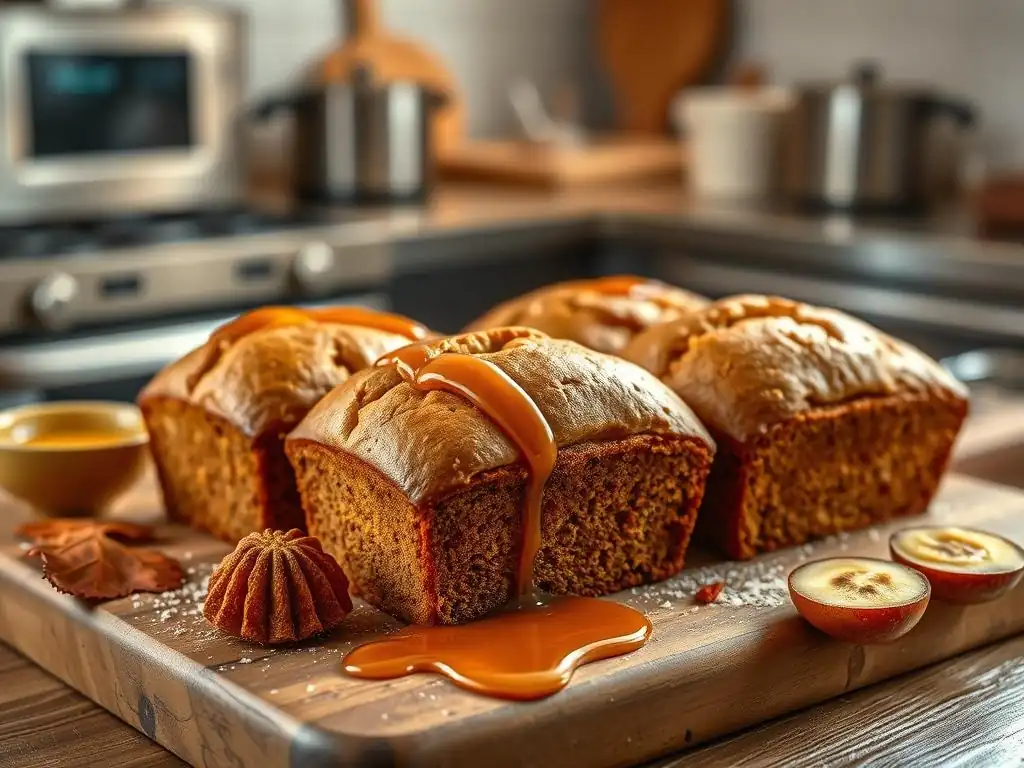
Exploring the Benefits of Agave Nectar in Baking
Agave nectar, or agave syrup, is derived from the core of the agave plant. It is primarily composed of fructose, often ranging from 75% to 95% fructose depending on the processing method. This high fructose content makes agave nectar significantly sweeter than granulated sugar, typically about 1.4 to 1.5 times sweeter. It also has a relatively low glycemic index compared to sucrose or glucose, meaning it may cause a slower rise in blood sugar levels, which is a key benefit for some individuals.
In baking, agave nectar is valued for its neutral flavor profile, especially the light varieties, which allows the other ingredients in your recipe to shine. Its liquid form integrates easily into batters and doughs, and its high solubility helps prevent crystallization, making it excellent for smooth sauces, glazes, and custards. These characteristics make agave a versatile sweetener for those seeking alternatives to traditional sugar, providing useful agave baking tips.
Light vs. Dark Agave: Which is Best for Your Baking Needs?
Agave nectar is available in different varieties, primarily categorized as light, amber, or dark. The difference lies in the filtering process and the heat applied during production, which affects both color and flavor intensity. Light agave nectar is the most filtered and heated the least, resulting in a very mild, almost neutral flavor and a pale color. This is the most versatile type for baking, as it provides sweetness without imparting any noticeable agave taste. It's ideal for delicate cakes, cookies, or anywhere you want pure sweetness.
Amber and dark agave are less filtered and heated more, giving them a more pronounced flavor that can range from caramel-like to somewhat earthy. Dark agave has the strongest flavor profile. These varieties are less commonly used in general baking where a neutral sweetness is desired, but they can be interesting in specific applications where their unique flavor complements other ingredients, such as in certain types of bread or savory glazes. For most agave baking tips focused on substitution, light agave is the go-to choice.
Agave Substitution Guide: Baking without Refined Sugar
Substituting agave nectar for granulated sugar requires adjusting for its higher sweetness and liquid content. Since agave is about 1.4 to 1.5 times sweeter than sugar, you'll need less of it. A common substitution ratio is to use about 2/3 cup of light agave nectar for every 1 cup of granulated sugar called for. This accounts for the increased sweetness.
Because agave is a liquid, you also need to reduce other liquids in the recipe. For every cup of sugar you replace with 2/3 cup of agave, reduce the amount of other liquids by about 1/4 cup. Agave also causes baked goods to brown faster, similar to honey and maple syrup, so it's prudent to reduce the oven temperature by about 25°F (15°C) and potentially increase the baking time slightly to ensure the interior cooks properly without the exterior burning. These are crucial agave baking tips for successful substitution.
Recipes that Shine with Agave Nectar: Healthy and Delicious Treats
Agave nectar works wonderfully in recipes where a neutral sweetness is desired and where its liquid form is an advantage. It's excellent in recipes for muffins, quick breads, and some cakes, providing moisture and tenderness. For instance, substituting agave in a lemon poppy seed muffin recipe allows the bright citrus flavor to be the star, with the agave providing sweetness without competing.
It is also particularly well-suited for no-bake desserts, raw treats, and recipes where ingredients aren't exposed to high heat for long periods. Its high solubility makes it perfect for sweetening cold drinks, smoothies, or creating smooth sauces and glazes that won't crystallize. While it can be used in cookies, its liquid nature might require recipe adjustments to prevent excessive spreading; looking for recipes specifically developed for agave is often best for cookies and similar items. Mastering these applications is part of developing your agave baking tips.
Recommended Product: Madhava Organic Agave Nectar - A Healthier Choice
Madhava Organic Agave Nectar is a widely recognized brand known for its quality and commitment to organic practices. Their light agave nectar is a popular choice for baking due to its mild flavor and consistent sweetness, making it a reliable substitute for sugar in many recipes.
Choosing an organic brand like Madhava ensures you are using a product produced without synthetic pesticides or fertilizers. Their light agave is filtered to achieve that desirable neutral taste, which is perfect when you want the sweetness to enhance, not alter, the core flavors of your baked goods. Using a trusted product like this helps ensure consistent results as you incorporate agave baking tips into your baking routine.
Honey, Maple, and Agave Baking: Combining Flavors for Unique Results
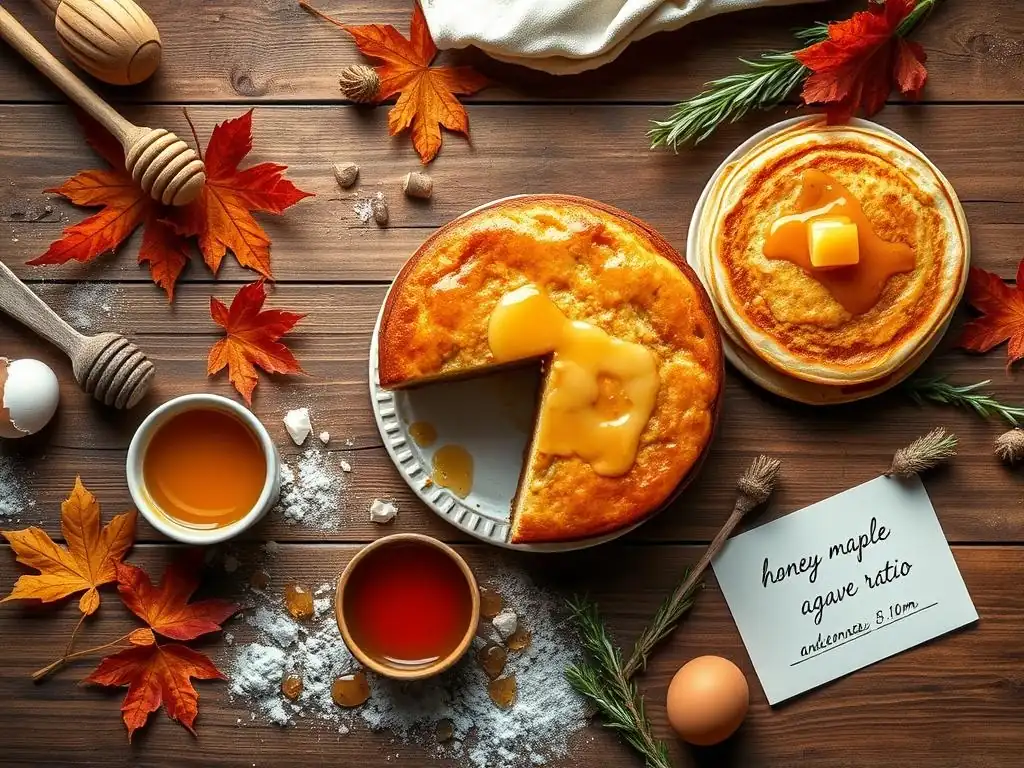
The Symphony of Natural Sweeteners: Blending Honey, Maple, and Agave
One of the most exciting aspects of baking with natural sweeteners is the ability to combine them to create unique flavor profiles. Blending honey, maple syrup, and agave nectar allows you to leverage the distinct characteristics of each – the floral notes of honey, the rich depth of maple, and the neutral sweetness of agave – in a single recipe. This approach can add layers of complexity and interest to your baked goods that are simply not possible with a single sweetener.
For example, a blend of maple syrup and honey can create a wonderfully complex sweetness for glazes on roasted vegetables or in a rustic apple pie filling. Adding a touch of neutral agave to a honey-maple blend can temper the intensity of the stronger flavors while still providing the desired sweetness and moisture. Experimenting with different ratios of these natural sweeteners is a fantastic way to discover new and exciting flavor combinations, providing advanced honey maple agave baking tips.
Recipe Inspiration: Honey-Maple Glazed Apple Crisp
A Honey-Maple Glazed Apple Crisp is a perfect example of how blending natural sweeteners can elevate a classic dessert. Instead of using just sugar in the apple filling and the crisp topping, you can use a combination. For the apple filling, a mix of honey and a touch of maple syrup can enhance the fruit's natural sweetness while adding subtle floral and woodsy notes. A typical ratio might be 1/2 cup honey and 1/4 cup maple syrup for 6-8 cups of sliced apples, along with spices and a bit of flour or cornstarch.
For the crisp topping, a blend of melted butter, oats, flour, spices, and a mix of honey and maple syrup can create a chewy, flavorful texture that caramelizes beautifully. A ratio like 1/4 cup honey and 1/4 cup maple syrup could work well for a topping designed for a standard 9x13 inch pan, replacing the usual brown and white sugar. Baking at a slightly lower temperature (around 350°F or 175°C) will help prevent the topping from browning too quickly while the apples soften underneath. This recipe showcases effective honey maple agave baking tips in practice.
Tips for Creating Your Own Sweetener Blends
When creating your own blends of honey, maple syrup, and agave for baking, start with a specific sweetness target in mind based on the original recipe's sugar content. Remember the relative sweetness: agave is sweetest (approx. 1.4-1.5x sugar), honey is slightly sweeter (approx. 1.2-1.4x sugar), and maple syrup is roughly equivalent to sugar by volume but less by weight (approx. 0.85-1x sugar by volume). If a recipe calls for 1 cup of sugar, you might aim for a blend that provides equivalent sweetness using these ratios.
Consider the flavor profiles you want to achieve. If you want a prominent maple flavor with just a hint of honey, use more maple and less honey. If you want a complex sweetness without one flavor dominating, use roughly equal parts of two or all three, adjusting the total volume based on their combined sweetness relative to sugar.
Always remember to reduce other liquids in your recipe based on the total volume of liquid sweetener blend you are using, typically by about 1/4 cup for every 1 cup of the blend replacing 1 cup of sugar. Taste your blend (if appropriate for the recipe stage) and make small adjustments as needed.
Advanced Honey, Maple, and Agave Baking Techniques
Achieving Perfect Caramelization with Natural Sweeteners
Natural sweeteners like honey, maple syrup, and agave nectar excel at caramelization, often browning more readily and at lower temperatures than sucrose due to their high fructose content. This property can be leveraged to create beautiful golden crusts on cakes, chewy edges on cookies, and rich, caramelized sauces or glazes. To achieve perfect caramelization, monitor your baked goods closely, especially towards the end of the baking time.
Using a slightly reduced oven temperature (as previously recommended, around 25°F or 15°C lower than a sugar-only recipe) is key to allowing the interior to cook through before the exterior over-caramelizes or burns. For glazes or sauces cooked on the stovetop, pay careful attention to temperature; these natural sweeteners can go from perfectly golden to burnt very quickly. Cooking them gently over medium-low heat and stirring continuously helps control the process, yielding delicious caramelized notes. These are advanced honey maple agave baking tips for texture and flavor.
Honey, Maple, and Agave in Bread Making: Enhancing Flavor and Texture
Incorporating honey, maple syrup, or agave into bread dough can significantly enhance both flavor and texture. These liquid sweeteners contribute to a softer crumb and help the crust achieve a beautiful golden-brown color during baking. The sugars also provide readily available food for yeast, which can help with fermentation and rise, although too much can sometimes inhibit yeast activity.
In a standard loaf of bread (e.g., a 2-pound loaf), using just 1-2 tablespoons of honey or maple syrup can add a subtle sweetness and improve crust color. For richer doughs, like brioche or challah, larger amounts can be used, contributing to a tender texture. Agave's neutral flavor is less common in traditional bread but can be used in whole grain or specialty loaves where a mild sweetness is desired without a distinct flavor. When using these in bread, ensure your liquid measurements are adjusted accordingly, and note that the dough might feel slightly stickier.
Creating Unique Glazes and Frostings with Natural Sweeteners
Honey, maple syrup, and agave nectar are excellent bases for creating unique and flavorful glazes and frostings that move beyond simple powdered sugar and water. Their liquid nature makes them easy to whisk into other ingredients, and their distinct flavors can complement a wide range of baked goods. A simple glaze can be made by warming maple syrup or honey and whisking in a small amount of butter or cream cheese, then drizzling over cakes, muffins, or quick breads.
For a thicker frosting, you can create a cooked base similar to a traditional cooked frosting, using milk, flour, and then whisking in a significant amount of warmed honey, maple syrup, or agave off the heat. Alternatively, they can be incorporated into cream cheese frostings or buttercreams, though their liquid content requires careful balancing with powdered sugar or other thickeners to achieve the desired consistency. For instance, a cream cheese frosting using maple syrup might use less liquid or require slightly more powdered sugar than one using milk, providing useful honey maple agave baking tips for finishing touches.
Elevate Your Baking with Natural Sweeteners: A Final Word
Embrace the Versatility of Honey, Maple, and Agave
Exploring the world of honey, maple syrup, and agave nectar in baking is a rewarding journey that adds depth, complexity, and unique characteristics to your creations. From understanding their basic properties and how to substitute them for sugar to mastering advanced techniques like caramelization and flavor blending, these natural sweeteners offer incredible versatility. They allow you to tailor the sweetness and moisture of your baked goods, while also introducing delightful new flavor dimensions that can elevate even the simplest recipes.
Don't be afraid to experiment! Start with recipes specifically designed for these sweeteners, then gradually try substituting them in your favorite traditional recipes, making small adjustments to liquid and oven temperature as you go. Pay attention to how each sweetener affects the texture, flavor, and appearance of your baked goods. With practice and a willingness to learn, you'll confidently incorporate these wonderful natural options into your baking repertoire, applying these valuable honey maple agave baking tips to create truly exceptional treats.
Resources for Further Learning
To deepen your understanding and expand your skills in baking with honey, maple syrup, and agave, seek out reliable resources. Cookbooks dedicated to baking with natural sweeteners often provide specific recipes developed with these ingredients in mind, offering precise ratios and techniques that account for their unique properties.
Many reputable baking websites and blogs also feature articles and recipes focused on these alternatives, sharing valuable honey maple agave baking tips and successful substitution strategies. Look for resources that provide detailed explanations of how these sweeteners behave in different types of recipes, from cakes and cookies to breads and pastries, to continue refining your approach.
Frequently Asked Questions
What are the key differences between using honey, maple syrup, and agave as sweeteners in baking?
Honey adds a distinctive floral flavor and moisture. Maple syrup offers a caramel-like taste and subtle sweetness. Agave is intensely sweet with a neutral flavor profile, making it a versatile option.
How do I adjust liquid ingredients when substituting honey, maple syrup, or agave for granulated sugar in a recipe?
Reduce the other liquid ingredients in the recipe by about 1/4 cup for every cup of liquid sweetener used to compensate for the added moisture. This prevents overly wet baked goods.
Can I substitute honey, maple syrup, or agave in any baking recipe?
While generally yes, some recipes rely on the structural properties of granulated sugar. Experimentation might be needed, especially with recipes like meringues or certain types of cookies.
What are some tips for preventing honey from burning during baking?
Lower the oven temperature slightly and keep a close eye on the baking process. Also, consider using darker baking pans, which can help distribute heat more evenly and prevent burning.
How do I store baked goods that contain honey, maple syrup, or agave to maintain their freshness?
Store them in airtight containers at room temperature. Due to the moisture content of these sweeteners, baked goods may become sticky if not properly stored.
Final Reflection: The Sweet Symphony of Natural Sweeteners
The art of baking with honey, maple syrup, and agave is more than just a culinary skill; it's a journey towards mindful sweetness. These natural sweeteners offer unique flavor profiles and textures, moving beyond the limitations of refined sugar and opening up a world of creative possibilities for both novice and experienced bakers. The increasing awareness of health and sustainability makes mastering these alternatives more relevant than ever.
The shift towards natural sweeteners reflects a broader cultural movement towards conscious consumption. We're becoming more aware of the impact of our food choices, not just on our bodies but on the environment. This conscious approach extends beyond simply choosing healthier options; it's about appreciating the nuanced flavors and textures that honey, maple, and agave bring to the table. The best things in life are the simple things.
This simple truth applies beautifully to baking with these natural ingredients, where the focus shifts from artificial perfection to the genuine delight of natural flavors.
Now, it's your turn. Consider the recipes and techniques you've learned. Experiment with different combinations of these sweeteners, explore new flavor profiles, and most importantly, enjoy the process. Don't be afraid to fail; every imperfectly risen cake or slightly sticky cookie is a step closer to mastering your own unique style. Embrace the journey, savor the sweetness, and share your creations with those you love. The world of natural baking awaits – let your creativity bloom!
Unlock Your Inner Pastry Chef: Sweeten Your Baking Journey!
Thanks for joining us on this delicious journey into the world of honey, maple, and agave baking! We hope you've gained the confidence to experiment with these natural sweeteners and create stunning, flavourful treats. Ready to take your baking to the next level?
- Master a new recipe: Choose one of the honey, maple, or agave recipes mentioned in the article and bake it today! Taste the difference natural sweeteners make.
- Share your baking triumphs: Post a picture of your creation on social media and tag #BakeWithEase – let's inspire each other!
- Explore our other guides: Dive deeper into the world of natural baking by browsing our other articles on BakeWithEase.com for even more tips and recipes.
What's the first delicious creation you'll be tackling with your newfound honey, maple, or agave baking expertise? Let us know in the comments!