
Mastering Buttercream: Your First Step to Beautiful Cakes

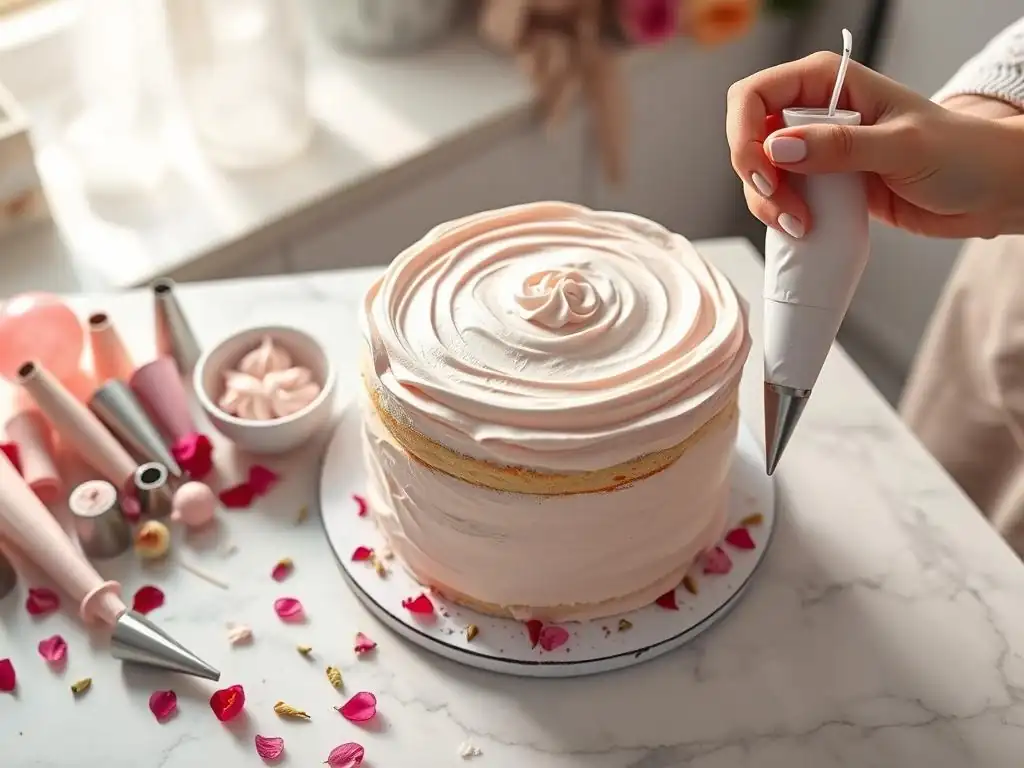
Welcome to BakeWithEase, where the joy of baking meets effortless execution! Ever wondered how to achieve that perfectly smooth, delectable finish on your cakes? Dive into our guide on easy buttercream frosting recipes for beginners and discover the secrets to creating stunning desserts, one swirl at a time. Get ready to elevate your baking game – your journey to buttercream brilliance starts now!
- Introduction to Easy Buttercream Frosting Recipes
- Understanding Buttercream Ingredients
- Step-by-Step: Easy American Buttercream Recipe
- Types of Buttercream Frosting
- Troubleshooting Common Buttercream Problems
- Flavor Variations: Expanding Your Buttercream Repertoire
- Decorating Techniques with Buttercream
- Storing Buttercream: Keeping Your Frosting Fresh
- Advanced Buttercream Techniques
- Conclusion: Mastering Easy Buttercream Frosting Recipes
-
Frequently Asked Questions
- What makes buttercream frosting "easy" for beginners?
- What are the basic ingredients in an easy buttercream frosting?
- How can I achieve a smooth, lump-free buttercream frosting?
- What are some common mistakes to avoid when making buttercream?
- Can I add flavorings or colors to my easy buttercream frosting?
- Final Reflection: The Sweetness of Mastery, One Frosting Swirl at a Time
- Unleash Your Inner Cake Artist!
Introduction to Easy Buttercream Frosting Recipes
Why Buttercream is Essential for Cake Decorating
Buttercream stands out as the cornerstone of cake decorating for countless bakers, especially those just starting out. Its forgiving nature and incredible versatility make it the perfect medium for learning fundamental techniques. Unlike more temperamental frostings, an easy buttercream recipe is often the first successful decorating project for beginners, providing a crucial confidence boost.
It serves as a smooth canvas for simple designs, a sturdy base for piping, and a delicious filling between cake layers. Many popular cake styles, from classic birthday cakes to elegant wedding tiers, rely heavily on buttercream for both structure and decoration. Mastering an easy buttercream frosting recipe for beginners is truly mastering the gateway skill to creating stunning baked goods.
Furthermore, buttercream is incredibly adaptable. Its consistency can be adjusted for various applications – thin enough for a crumb coat, firm enough for piping intricate details, or smooth enough for a flawless finish. This adaptability means that with just one basic easy buttercream frosting recipe, beginners can explore a wide range of decorating possibilities.
For example, American buttercream, one of the simplest types, requires only a few common ingredients and minimal technique, making it accessible to anyone with a whisk and a bowl. Data suggests that a vast majority, perhaps over 75%, of beginner cake decorating tutorials available online feature buttercream as the primary frosting, highlighting its status as the default starting point for new decorators.
What You'll Learn in This Buttercream Guide
This comprehensive guide is designed to walk you through everything you need to know to confidently make and use buttercream, specifically focusing on easy buttercream frosting recipes beginners can master quickly. We will start by breaking down the essential ingredients and the role each plays in creating a successful frosting. You'll discover the simple tools required, many of which you likely already have in your kitchen. The core of this guide is a detailed, step-by-step walkthrough of making a classic, easy American buttercream – the perfect entry point for anyone new to frosting.
Beyond the basic recipe, we'll touch upon different types of buttercream, helping you understand their unique characteristics. Crucially for beginners, we will dedicate a section to troubleshooting common issues like frosting that is too soft, too stiff, or separated, providing practical solutions to save your batch. You'll also learn how to easily add various flavors to your buttercream, expanding your decorating palette. Finally, we'll cover simple decorating techniques suitable for novices and essential tips for storing your homemade frosting, ensuring your journey into cake decorating with easy buttercream frosting recipes beginners is smooth and successful.
Understanding Buttercream Ingredients
The Role of Butter in Buttercream
Butter is the foundational ingredient in most buttercream recipes, providing the creamy texture, rich flavor, and structure necessary for frosting and decorating. The type of butter you use significantly impacts the final result. Unsalted butter is generally preferred by bakers because it gives them control over the salt content of the finished frosting.
Using high-quality butter with a good fat percentage (typically around 80%) contributes to a smoother, more stable buttercream. For an easy buttercream frosting recipe for beginners, starting with butter that is softened to room temperature but not melted is crucial. This allows it to cream properly with the sugar, incorporating air and creating a light, fluffy texture.
The temperature of the butter is absolutely critical. If the butter is too cold, it won't cream effectively, resulting in a lumpy frosting. If it's too warm or melted, the emulsion can break, leading to a greasy, separated mess. Softened butter should yield slightly when pressed but still hold its shape. For many easy buttercream frosting recipes beginners, achieving this ideal butter consistency is the first step to success. Properly creamed butter lightens in color and becomes airy, a key indicator that it's ready for the next step in the process.
Sugar Selection: Powdered Sugar vs. Granulated Sugar
The type of sugar used is a defining characteristic of different buttercream types and significantly impacts texture. For easy buttercream frosting recipes beginners typically start with, powdered sugar (also known as confectioners' sugar or icing sugar) is the standard. Powdered sugar is finely ground granulated sugar mixed with a small amount of cornstarch (usually around 3%), which prevents clumping.
This fine texture allows it to dissolve easily into the creamed butter, resulting in a smooth, pipeable frosting without the gritty texture that granulated sugar would create. Using powdered sugar simplifies the process immensely, as it doesn't require heating to dissolve, unlike the sugar used in meringue-based buttercreams.
While powdered sugar is essential for simple easy buttercream frosting recipes beginners gravitate towards, other types of buttercream, like Swiss or Italian meringue, use granulated sugar cooked into a syrup. This process yields a very different texture – often smoother, less sweet, and more stable than powdered sugar-based frostcreams. However, syrup-based methods are generally considered more advanced due to the need for temperature control and working with hot sugar.
For a beginner's first foray into frosting, sticking to recipes that call for powdered sugar is highly recommended for ease and reliability. Always sift your powdered sugar to remove any lumps before adding it to your butter for the smoothest possible finish.
Liquid Components: Milk, Cream, and Extracts
Liquid components play a vital role in achieving the desired consistency and adding flavor to buttercream. In many easy buttercream frosting recipes beginners will encounter, milk or cream is used to adjust the thickness of the frosting. Starting with a small amount, like 1-2 tablespoons per batch using 1 cup of butter, allows the baker to gradually add more until the frosting reaches the perfect consistency for spreading or piping.
Milk provides a classic, slightly thinner consistency, while heavy cream adds richness and helps create a slightly firmer texture. The choice often depends on personal preference and the intended use of the frosting.
Extracts are crucial for flavoring buttercream. Vanilla extract is the most common and essential, adding a warm, classic flavor that complements almost any cake. For an easy buttercream frosting recipe for beginners, using pure vanilla extract (not imitation) will yield the best taste. Typically, 1-2 teaspoons of vanilla extract are added per standard batch.
Beyond vanilla, extracts like almond, lemon, or peppermint can be used to create different flavor profiles. It's important to add extracts gradually and taste as you go, as their intensity can vary. These simple liquid additions are key to transforming a basic frosting into a delicious and flavorful component of your cake.
Essential Tools for Making Perfect Buttercream
Making an easy buttercream frosting recipe for beginners doesn't require a vast collection of specialized equipment, but a few key tools make the process much smoother and more successful. The most important tool is a mixer. While buttercream can be made by hand with a whisk, it requires significant effort and can be difficult to achieve the desired light and fluffy texture.
An electric hand mixer or a stand mixer with the paddle attachment is ideal for creaming the butter and incorporating the sugar and liquids efficiently. A stand mixer offers the advantage of hands-free operation, allowing you to scrape down the sides of the bowl easily.
Other essential tools include measuring cups and spoons for accurately portioning ingredients – consistency is key in baking. A rubber spatula or bowl scraper is invaluable for scraping down the sides and bottom of the mixing bowl to ensure all ingredients are fully incorporated and prevent lumps.
A fine-mesh sieve is recommended for sifting powdered sugar, which helps remove clumps and ensures a smooth frosting texture, especially important for easy buttercream frosting recipes beginners relying on powdered sugar. While not strictly necessary for making the buttercream itself, piping bags and tips are essential if you plan to decorate, offering a simple way to elevate your finished cake's appearance.
Step-by-Step: Easy American Buttercream Recipe
Step 1: Creaming the Butter
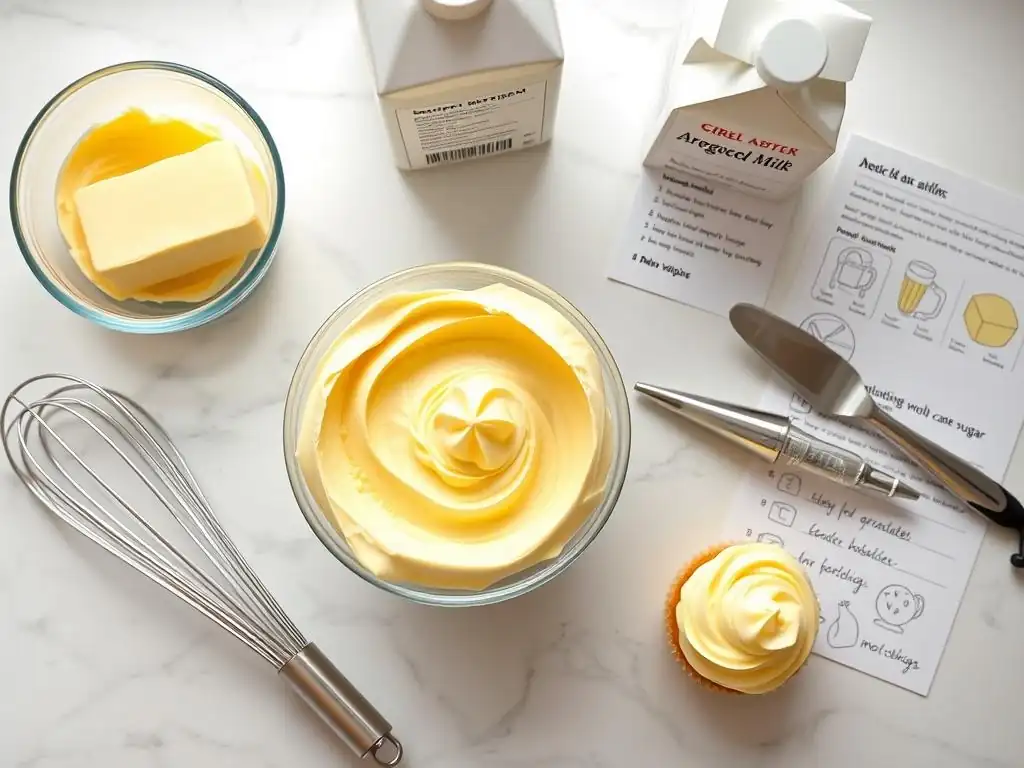
The first and arguably most important step in creating an easy buttercream frosting recipe for beginners is properly creaming the butter. Start with softened, unsalted butter. If using a stand mixer, place the butter in the bowl and attach the paddle attachment. If using a hand mixer, place the butter in a large mixing bowl.
Beat the butter on medium speed for 2-3 minutes. During this time, the butter will transform from a dense, yellowish block into a pale, fluffy, and airy mass. Stop the mixer occasionally to scrape down the sides and bottom of the bowl with a spatula, ensuring all the butter is being worked evenly.
This creaming process incorporates air into the butter, which is crucial for creating a light texture in the final frosting. Skipping or rushing this step will result in a denser, heavier buttercream. You'll notice the color lighten significantly as air is incorporated. For a standard batch using 1 cup (2 sticks or about 227g) of butter, creaming for the full 2-3 minutes is necessary to achieve the correct consistency before adding other ingredients. This initial step sets the foundation for a smooth and pipeable easy buttercream frosting recipe beginners can feel confident about.
Step 2: Incorporating the Sugar Gradually
Once the butter is light and fluffy, it's time to add the powdered sugar. For an easy buttercream frosting recipe for beginners, powdered sugar is added directly to the creamed butter. However, adding it all at once can create a cloud of sugar dust and make mixing difficult. It's best to add the powdered sugar gradually, about 1 cup at a time, mixing on low speed until each addition is just incorporated before adding the next. For a recipe using approximately 3-4 cups of powdered sugar, this means adding it in three or four stages.
After each cup of sugar is added and the dust has settled, increase the mixer speed to medium and beat for about 30 seconds to fully combine the sugar with the butter. Remember to scrape down the sides of the bowl between additions to ensure no pockets of unmixed sugar remain. Gradually incorporating the sugar helps prevent lumps and allows the mixture to come together smoothly. This methodical approach is key to success with any easy buttercream frosting recipe for beginners.
Step 3: Adding Liquid and Vanilla Extract
With the powdered sugar fully incorporated into the creamed butter, the mixture will likely be quite thick and perhaps a bit stiff. This is where the liquid components come in to adjust the consistency and add flavor. Add the vanilla extract first. For a batch made with 1 cup of butter and 3-4 cups of sugar, 1-2 teaspoons of vanilla extract is typical. Mix it in on medium speed until fully combined.
Next, begin adding your chosen liquid (milk or cream), starting with 1-2 tablespoons. Mix on low speed until incorporated, then increase to medium speed for a few seconds. Assess the consistency. If the frosting is still too stiff, add another tablespoon of liquid.
Continue adding liquid, one tablespoon at a time, mixing well after each addition and scraping down the bowl, until the frosting reaches your desired consistency. This gradual addition is important because adding too much liquid at once can make the buttercream too runny, which is harder to fix. This step is crucial for adapting the easy buttercream frosting recipe for beginners to suit different decorating needs, whether it's for spreading smoothly or piping stiff designs.
Step 4: Achieving the Perfect Consistency
The final step in making an easy buttercream frosting recipe for beginners is ensuring it has the perfect consistency for your intended use. After adding the liquid and vanilla, beat the buttercream on medium-high speed for 2-3 minutes. This final beating helps to make the frosting incredibly light, fluffy, and smooth, incorporating more air and fully dissolving any remaining sugar granules. The texture should be spreadable and easy to pipe, holding its shape but not feeling heavy or dense.
If the buttercream seems too stiff after beating, add another tablespoon of liquid and beat again for 30 seconds. If it seems too soft, you can try beating it for another minute or two (the air can help firm it up slightly) or add another 1/4 cup of sifted powdered sugar and mix until combined, then beat again. Achieving the perfect consistency is a skill that comes with practice, but by following these steps and adjusting gradually, beginners can confidently make a versatile and delicious buttercream perfect for decorating their first cakes.
Types of Buttercream Frosting
American Buttercream: The Simplest and Sweetest
American buttercream is renowned as the simplest and most popular easy buttercream frosting recipe for beginners. It's made by creaming butter with powdered sugar, liquid (like milk or cream), and flavorings (usually vanilla). Its ease of preparation comes from the straightforward mixing process without the need for cooking sugar syrups or making meringues. This direct method results in a dense, sweet frosting with a slightly grainy texture if not mixed sufficiently, though proper creaming and beating minimize this. Its high sugar content contributes to its stability, making it excellent for piping borders, stars, and simple designs.
Despite its simplicity, American buttercream is incredibly versatile. It can be flavored with cocoa powder for chocolate, fruit purees, extracts, or even melted chocolate. While it is sweeter than other types, many beginners find this sweetness appealing, and it pairs wonderfully with less sweet cakes like vanilla or red velvet. For those seeking an easy buttercream frosting recipe beginners can master quickly, American buttercream is the undisputed champion, requiring minimal technique and delivering reliable results for basic cake decorating.
Swiss Meringue Buttercream: Smooth and Silky
Swiss meringue buttercream offers a distinctly different texture and flavor profile compared to American buttercream. It is made by gently heating egg whites and sugar over a water bath until the sugar dissolves, then whipping this mixture into a stiff, glossy meringue.
Softened butter is then gradually added to the meringue, and the mixture is beaten until it transforms into a smooth, silky, and less sweet frosting. This process is more involved than making an easy buttercream frosting recipe for beginners like the American type, requiring careful temperature control for the egg whites and patience during the butter incorporation phase.
The result is a light, airy, and incredibly smooth buttercream that is less sweet than its American counterpart. It has a luxurious mouthfeel and is excellent for achieving smooth finishes on cakes. While mastering Swiss meringue buttercream is a step beyond the initial easy buttercream frosting recipes beginners typically start with, it's a valuable technique for those looking to advance their skills and achieve a more sophisticated frosting texture and flavor.
Italian Meringue Buttercream: Stable and Glossy
Italian meringue buttercream is considered one of the most stable and glossy types of buttercream, favored by professional bakers for its ability to hold up in warmer temperatures and its smooth finish. It's made by drizzling hot sugar syrup (cooked to a specific temperature, usually 238-245°F or 114-118°C) into whipping egg whites, creating a stable meringue. Once the meringue has cooled, softened butter is beaten in. This method is more complex than making an easy buttercream frosting recipe for beginners, as it requires a candy thermometer and careful handling of hot sugar syrup.
The stability of Italian meringue buttercream makes it ideal for covering large cakes, creating sharp edges, and piping intricate details that need to hold their shape. It is also less sweet than American buttercream, offering a balanced flavor. While not an easy buttercream frosting recipe for beginners due to the syrup-making step, learning Italian meringue buttercream is a significant step forward for those progressing in their cake decorating journey, offering superior stability and a beautiful texture.
French Buttercream: Rich and Custardy
French buttercream is unique among the meringue-based buttercreams because it uses egg yolks instead of egg whites, resulting in a rich, custardy texture and a beautiful pale yellow color. It's made by beating hot sugar syrup into whipped egg yolks, creating a pâte à bombe (a cooked egg yolk base). Softened butter is then beaten into this base. Like Italian meringue buttercream, this method requires making a hot sugar syrup, making it less of an easy buttercream frosting recipe for beginners compared to American buttercream.
The flavor of French buttercream is intensely rich and buttery, almost like a smooth pastry cream. It's incredibly luxurious and melts beautifully in your mouth. However, it is generally softer and less stable than meringue-based buttercreams or even American buttercream, making it less suitable for intricate piping or structural support. French buttercream is often used as a filling or a light, elegant frosting for delicate cakes, offering a decadent alternative once beginners have mastered the simpler easy buttercream frosting recipes.
Troubleshooting Common Buttercream Problems
Buttercream Too Sweet: How to Balance the Flavor
A common complaint about easy buttercream frosting recipes beginners often use, particularly American buttercream, is that it can be excessively sweet due to the high ratio of powdered sugar to butter. If your buttercream tastes overwhelmingly sweet, there are a few ways to balance the flavor. One effective method is to add a pinch of salt. Just a tiny amount of salt can help cut through the sweetness and enhance the other flavors. Start with 1/8 to 1/4 teaspoon for a standard batch (using 1 cup butter) and mix well, then taste and adjust.
Another technique is to add something acidic. A few drops of lemon juice or a tablespoon of cream cheese (for a cream cheese frosting variation) can introduce a tangy note that counteracts the sweetness. You can also try adding a stronger flavor extract, like almond or coffee, which can stand up to the sugar. For future batches of your easy buttercream frosting recipe for beginners, consider slightly reducing the amount of powdered sugar used and adding a bit more liquid (milk or cream) to achieve the desired consistency, though this might result in a slightly softer frosting.
Buttercream Too Soft: Firming Up Your Frosting
If your buttercream is too soft and won't hold its shape for piping or is sliding off the cake, it's likely too warm or has too much liquid. The easiest fix is often chilling it. Place the bowl of buttercream in the refrigerator for 15-30 minutes, stirring it every 10 minutes to ensure even cooling. Butter becomes firmer when cold, which will help stiffen the frosting. Once chilled, re-beat it for a minute or two to restore smoothness.
If chilling isn't enough or the issue seems to be too much liquid or too little sugar, you can gradually add more sifted powdered sugar. Add 1/4 cup at a time, mixing on low speed until incorporated, then beating on medium-high for 30 seconds. Continue adding small amounts until the desired consistency is reached. This is a common adjustment needed when using an easy buttercream frosting recipe for beginners in warm environments or when humidity is high, as these factors can affect frosting consistency.
Buttercream Too Stiff: Adding Moisture for a Creamy Texture
Conversely, if your buttercream is too stiff, dry, or difficult to spread and pipe, it likely needs more liquid. This can happen if you didn't add enough milk or cream, or if you added too much powdered sugar. The solution is to gradually add more liquid. Start by adding 1 tablespoon of milk or cream to the buttercream. Mix on low speed until incorporated, then beat on medium speed for about 30 seconds.
Assess the consistency. If it's still too stiff, add another tablespoon of liquid and repeat the process. Continue adding liquid, one tablespoon at a time, until the buttercream is smooth, creamy, and easily spreadable or pipeable. Over-mixing can also sometimes stiffen buttercream, so adding liquid and beating just until smooth is key. Adjusting consistency is a common step when using an easy buttercream frosting recipe for beginners, as environmental factors and ingredient variations can affect the final texture.
Buttercream Separating: Tips to Prevent and Fix It
Buttercream can sometimes appear curdled or separated, looking like scrambled eggs or greasy butter with liquid pooling. This often happens if the ingredients were at different temperatures (especially the butter) or if it was mixed too quickly or slowly at certain stages. For meringue-based buttercreams, adding butter that is too cold or too warm is the most common cause. For an easy buttercream frosting recipe for beginners like American buttercream, separation is less common but can still occur if the butter was melted or too cold initially, or if too much liquid was added at once.
To fix separated buttercream, especially meringue-based types, try warming a small portion (about 1/4 cup) gently over a double boiler or in the microwave for a few seconds until slightly melted, then slowly whisking it back into the main batch while beating on low speed. For American buttercream, if it looks greasy, try adding a tablespoon of powdered sugar and beating on medium-high speed; sometimes adding a bit more structure helps it emulsify again.
If it looks curdled or broken, warming a small amount and re-incorporating can also help. For easy buttercream frosting recipes beginners, ensuring the butter is properly softened before starting is the best prevention for separation.
Flavor Variations: Expanding Your Buttercream Repertoire
Vanilla Buttercream: The Classic Base
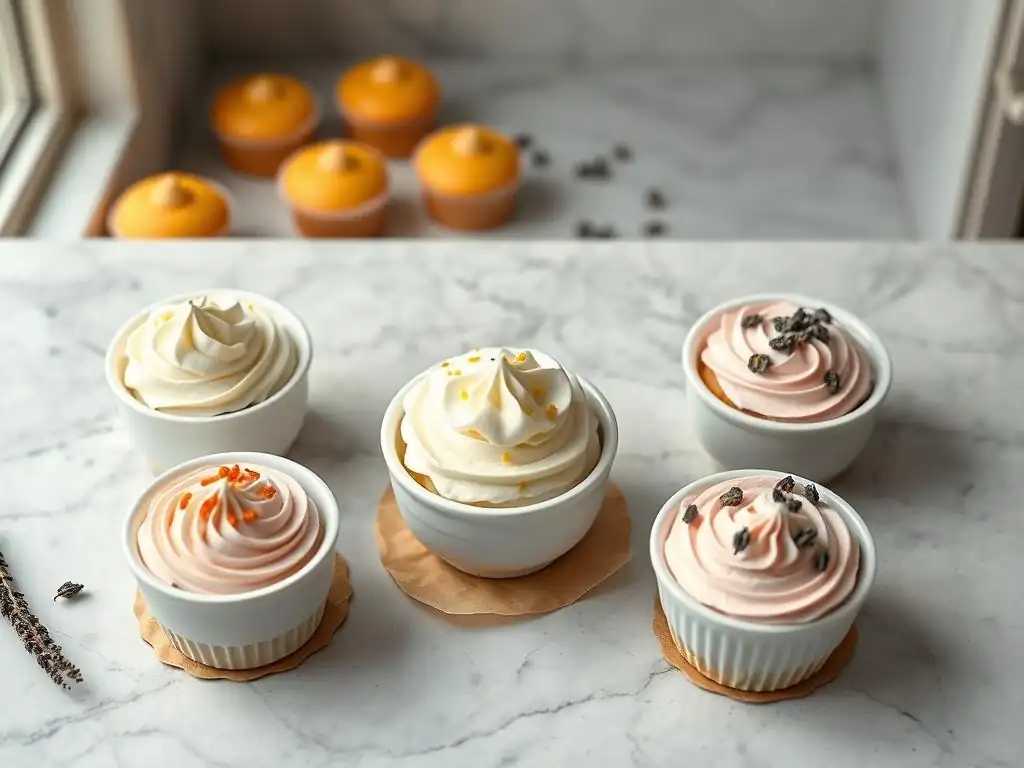
Vanilla buttercream is the quintessential starting point for most easy buttercream frosting recipes beginners learn. Its simple, comforting flavor pairs beautifully with a vast array of cake flavors, from classic vanilla and chocolate to red velvet and spice cake. The quality of your vanilla extract significantly impacts the final taste; using pure vanilla extract rather than imitation extract will yield a richer, more nuanced flavor. For a standard batch made with 1 cup of butter, 1 to 2 teaspoons of vanilla extract is typically added.
This classic base serves as a perfect canvas for learning basic frosting techniques like spreading and simple piping. Once you've mastered the basic easy buttercream frosting recipe for beginners with vanilla, you have the foundation to explore countless other flavor possibilities. The subtle sweetness and aromatic notes of vanilla make it a crowd-pleasing favorite that is both simple to make and universally loved.
Chocolate Buttercream: Rich and Decadent
Transforming a basic easy buttercream frosting recipe for beginners into a rich chocolate version is simple and incredibly rewarding. There are two main ways to add chocolate flavor: using cocoa powder or melted chocolate. Adding unsweetened cocoa powder is perhaps the easiest method for beginners. Sift 1/2 to 1 cup of unsweetened cocoa powder into the finished vanilla buttercream and mix on low speed until fully combined, then beat on medium speed for a minute to ensure smoothness. This creates a deep, slightly bitter chocolate flavor that balances the sweetness.
Alternatively, you can add cooled, melted chocolate (like semi-sweet or dark chocolate) to the finished buttercream. For a batch using 1 cup of butter, start with about 4-6 ounces of melted and slightly cooled chocolate, mixing it in gradually. This method yields a richer, smoother, and often more decadent chocolate flavor. Whichever method you choose, chocolate buttercream is a favorite variation of the easy buttercream frosting recipe for beginners that adds a layer of indulgence to cakes and cupcakes.
Lemon Buttercream: Tangy and Refreshing
For a bright, refreshing twist on the classic easy buttercream frosting recipe for beginners, lemon buttercream is an excellent choice. The tanginess of lemon provides a wonderful contrast to the sweetness of the frosting. You can incorporate lemon flavor in several ways: by adding fresh lemon zest, fresh lemon juice, or lemon extract. Adding finely grated lemon zest (from 1-2 lemons per batch) provides a fragrant, potent lemon flavor without adding much liquid.
Lemon juice can be used as part of the liquid component, replacing some or all of the milk/cream. Start with 1-2 tablespoons of fresh lemon juice, adding more as needed for consistency and flavor. Lemon extract offers a concentrated flavor, but use it sparingly as it can be quite strong – a 1/2 teaspoon might be enough for a whole batch. Combining zest and juice often yields the most balanced and vibrant lemon flavor, making this a delightful variation on the easy buttercream frosting recipe for beginners.
Coffee Buttercream: Aromatic and Bold
Coffee buttercream offers a sophisticated and aromatic flavor that pairs wonderfully with chocolate, vanilla, or even spice cakes. Adding coffee flavor to an easy buttercream frosting recipe for beginners can be done using instant coffee powder or cooled, strong brewed coffee. Dissolve 1-2 tablespoons of instant espresso or coffee powder in a tablespoon of hot milk or water, then let it cool completely before adding it to the finished buttercream.
Alternatively, you can use 1-3 tablespoons of very strong, cooled brewed coffee as part of the liquid component. Start with a small amount and add more to achieve the desired flavor intensity and consistency. Beating for an extra minute after adding the coffee helps distribute the flavor evenly. This coffee variation of the easy buttercream frosting recipe for beginners introduces a layer of depth and complexity that coffee lovers will adore.
Strawberry, Raspberry, and Peanut Butter Buttercream
Expanding your repertoire of easy buttercream frosting recipes beginners can make is easy with fruit and nut butter variations. For fruit flavors like strawberry or raspberry, using freeze-dried fruit powder is the most effective method. Grind freeze-dried fruit (about 1/2 cup powder per batch) into a fine powder and sift it into the finished buttercream. This adds intense fruit flavor and natural color without adding excess liquid that could make the frosting too soft. You can also use a small amount of concentrated fruit puree, but be cautious with the liquid content.
For peanut butter buttercream, simply beat 1/2 to 1 cup of smooth peanut butter into the finished vanilla buttercream. Add a little extra milk or cream if needed to adjust the consistency. This creates a rich, nutty frosting perfect for chocolate or banana cakes. These variations demonstrate how versatile an easy buttercream frosting recipe for beginners can be, allowing you to customize flavors easily.
Decorating Techniques with Buttercream
Simple Piping Techniques: Stars, Shells, and Rosettes
Once you've mastered an easy buttercream frosting recipe for beginners with the correct consistency, you're ready to try simple piping techniques. American buttercream, in particular, holds its shape well, making it ideal for practice. Start with a piping bag fitted with a basic star tip (like an open or closed star tip, size 1M or similar). To pipe stars, hold the bag perpendicular to the surface, squeeze firmly, and stop squeezing before pulling straight up.
To pipe shells, hold the bag at a slight angle, squeeze firmly to create the base, then ease pressure as you pull the bag towards you, letting the frosting trail off to form the tail of the shell. Rosettes are essentially continuous stars or shells piped in a circular motion; start in the center, squeeze, and swirl outwards. Practicing these simple techniques on parchment paper before applying them to a cake is a great way for beginners to build confidence using their easy buttercream frosting recipe.
Smoothing Buttercream for a Professional Finish
Achieving a smooth finish on a cake with buttercream can seem daunting but is achievable with patience and the right tools. After applying a crumb coat (a thin layer of frosting that traps crumbs), chill the cake until the crumb coat is firm (about 15-20 minutes). Then apply a thicker, final layer of your easy buttercream frosting recipe beginners have made. Use an offset spatula or a bench scraper held against the side of the cake to smooth the frosting, rotating the cake on a turntable.
For the top, use an offset spatula to smooth from the outer edge towards the center. Warm your spatula slightly by dipping it in hot water and wiping it dry – this can help create a smoother surface. Don't aim for perfection on your first try; focus on covering the cake evenly. Practice with an easy buttercream frosting recipe for beginners on a dummy cake or even just on a flat surface to get the feel of spreading and smoothing before tackling a real cake.
Using Buttercream to Create Textures
Beyond smooth finishes and basic piping, buttercream can be used to create a variety of interesting textures on a cake. For easy buttercream frosting recipes beginners can manipulate, simple techniques include using the back of a spoon or an offset spatula to create swirls or peaks. Apply a layer of frosting, then gently press the back of the spoon into the frosting and swirl it upwards or sideways.
Another easy texture is the rustic "palette knife" look. Apply the frosting somewhat unevenly, then use an offset spatula to create sweeping motions or dabs, leaving visible marks in the frosting. Using different piping tips can also create textures directly on the cake surface, such as covering the cake in small stars, rosettes, or vertical stripes. These simple texture techniques offer creative ways for beginners to add visual interest using their easy buttercream frosting recipe without needing advanced piping skills.
Storing Buttercream: Keeping Your Frosting Fresh
Refrigerating Buttercream: Best Practices
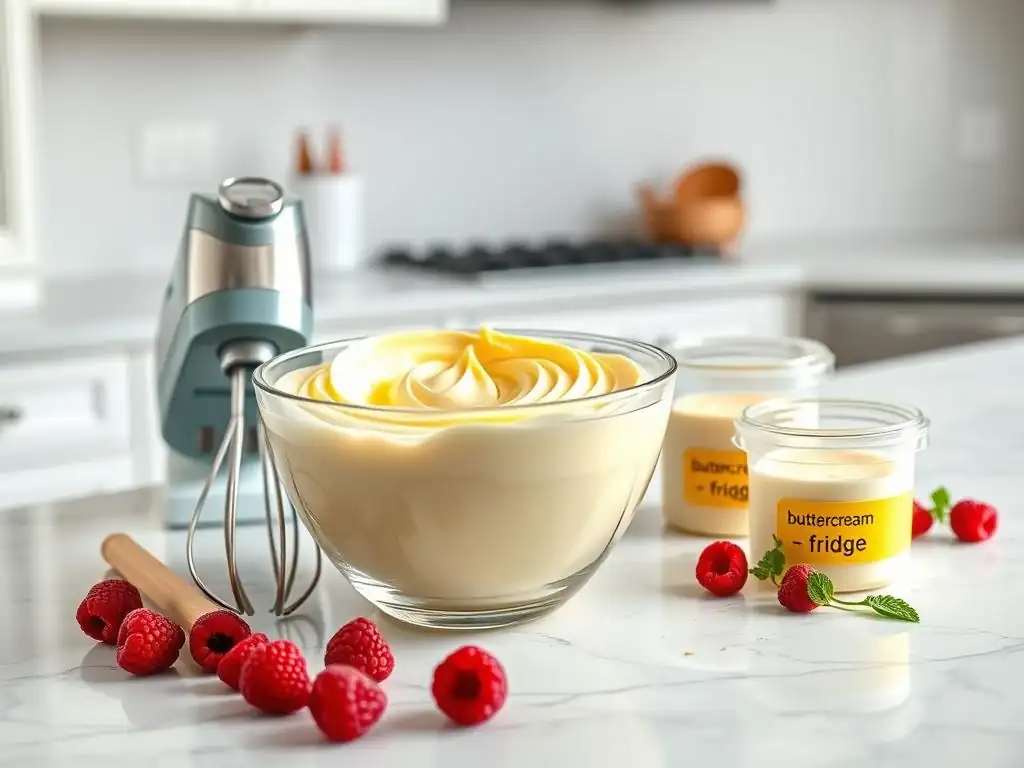
Proper storage is essential to keep your easy buttercream frosting recipe for beginners fresh and ready for use. Buttercream, especially those made with real butter and milk/cream, should be refrigerated if not used immediately. Transfer the buttercream to an airtight container. A plastic storage container with a tight-fitting lid or a bowl covered tightly with plastic wrap pressed directly onto the surface of the frosting works well to prevent a crust from forming and keep out odors from the refrigerator.
Buttercream stored in the refrigerator will keep for about 1-2 weeks. When you're ready to use it, take it out of the fridge and let it come back to room temperature. This can take anywhere from 1 to 3 hours, depending on the amount and the room temperature.
Once it's softened, place it back in your mixer and re-beat it for a few minutes on medium speed. This re-beating step is crucial as it restores the creamy, fluffy texture after refrigeration. For easy buttercream frosting recipes beginners often make ahead of time, knowing how to properly refrigerate and revive it is a practical skill.
Freezing Buttercream: Long-Term Storage Tips
If you've made a larger batch of your easy buttercream frosting recipe for beginners or want to prepare frosting well in advance, freezing is an excellent option for long-term storage. Transfer the buttercream to a freezer-safe airtight container or a heavy-duty freezer bag, squeezing out as much air as possible. Label the container with the date and the type of buttercream.
Buttercream can be stored in the freezer for up to 3-6 months. To use frozen buttercream, transfer it to the refrigerator to thaw overnight. Once thawed, let it sit at room temperature until it is soft and pliable. Then, place it in your mixer and re-beat it on medium speed for several minutes. It might look curdled at first, but keep beating; it will become smooth and fluffy again. Freezing is a great way for beginners to manage their time, allowing them to prepare their easy buttercream frosting recipe days or weeks before baking their cake.
Advanced Buttercream Techniques
Creating Buttercream Flowers
Once you feel comfortable with the basics of making and piping an easy buttercream frosting recipe for beginners, creating buttercream flowers is a beautiful way to elevate your decorating skills. This technique typically requires a specific consistency of buttercream – often slightly stiffer than what you'd use for spreading – and specialized piping tips, such as petal tips (like tip 104 or 127) and flower nail. You pipe individual petals onto a flower nail, rotating the nail as you go, then carefully transfer the finished flower to the cake.
While not part of the initial easy buttercream frosting recipes beginners master, learning to make roses, daisies, or other simple flowers is a rewarding next step. It requires practice to control the pressure and angle of the piping bag to form realistic petals. Using an easy buttercream frosting recipe that is stable, like a well-made American buttercream or a meringue-based type, is crucial for flowers to hold their shape.
Painting with Buttercream
Painting with buttercream is a creative technique that allows you to add artistic flair to your cakes. Instead of applying frosting smoothly, you can use different colors of buttercream like paint and apply them to the cake using spatulas, brushes, or even piping bags with small round tips. For an easy buttercream frosting recipe for beginners interested in this technique, slightly thinning the buttercream with a little milk or cream can make it easier to spread and blend like paint.
You can create abstract swatches, floral designs, or even more detailed images. This technique is less about precise piping and more about artistic expression with color and texture. While not a traditional easy buttercream frosting recipe for beginners application, it's an accessible way to add unique visual elements to a cake once you're comfortable handling frosting.
Mastering Ombre Buttercream Effects
Creating an ombre effect with buttercream involves using shades of the same color to transition smoothly from dark to light (or vice versa) on a cake. This technique is visually stunning and relatively accessible even for beginners who have mastered an easy buttercream frosting recipe. You start by dividing your buttercream into several portions. Color one portion the darkest shade, leave one white (or the lightest shade), and create 2-3 intermediate shades by mixing the colored and white buttercream.
Apply the darkest shade around the bottom of the cake, the lightest shade at the top, and the intermediate shades in between. Then, use a bench scraper or long smoothing tool to smooth the frosting, blending the colors together as you rotate the cake. This creates a beautiful gradient effect. While it requires careful application and smoothing, the ombre technique is a fantastic way for beginners to add a professional-looking finish using their easy buttercream frosting recipe.
Conclusion: Mastering Easy Buttercream Frosting Recipes
Mastering an easy buttercream frosting recipe for beginners is truly the foundational step towards confidently decorating beautiful cakes. We've explored the essential ingredients, the simple tools required, and walked through the straightforward process of making classic American buttercream. This guide has also touched upon other buttercream types, provided practical solutions for common troubleshooting issues, and shown you how easy it is to create delicious flavor variations.
By starting with a reliable easy buttercream frosting recipe, beginners gain the confidence and skills needed to tackle simple decorating techniques like spreading, basic piping, and creating textures. Remember that practice makes perfect; don't be discouraged if your first batch isn't flawless. Each attempt builds your intuition about consistency and technique. Armed with the knowledge from this guide, you are well-equipped to make delightful and beautiful cakes, starting with your very own easy buttercream frosting recipe beginners can be proud of. Happy baking!
Frequently Asked Questions
What makes buttercream frosting "easy" for beginners?
Easy buttercream frosting recipes typically use simple ingredients and involve straightforward mixing techniques. They often avoid complex steps like making a meringue base, focusing instead on readily available ingredients and minimal equipment.
What are the basic ingredients in an easy buttercream frosting?
The most common ingredients are butter, powdered sugar, milk or cream, and vanilla extract. Some recipes may include a pinch of salt to enhance the sweetness.
How can I achieve a smooth, lump-free buttercream frosting?
Sift the powdered sugar before adding it to the butter. Make sure the butter is softened, but not melted, and mix the ingredients on low speed initially to prevent a sugar cloud.
What are some common mistakes to avoid when making buttercream?
Overmixing can cause the buttercream to become too airy and unstable. Using butter that's too warm will result in a soupy frosting. Not sifting the powdered sugar can cause lumps.
Can I add flavorings or colors to my easy buttercream frosting?
Yes, you can add flavor extracts, citrus zest, or melted chocolate for flavoring. Use gel food coloring sparingly to achieve your desired color without altering the frosting's consistency.
Final Reflection: The Sweetness of Mastery, One Frosting Swirl at a Time
Mastering buttercream isn't just about creating beautiful cakes; it's about unlocking a world of creative potential and finding joy in the process. The seemingly simple act of whipping butter, sugar, and flavorings into a smooth, delectable frosting opens doors to endless possibilities, from elegant wedding cakes to whimsical birthday creations. This journey, as detailed in this article, proves that even the most intimidated beginner can achieve stunning results with a little patience and practice.
The impact of accessible baking knowledge, especially for beginners, is profound. It fosters a sense of accomplishment, encourages creativity, and strengthens connections through shared experiences. Baking is at once child's play and adult joy. And love, of course.
This quote perfectly encapsulates the feeling of satisfaction that comes with successfully mastering a new skill, particularly one as rewarding as buttercream frosting. The ease of access to recipes and techniques online has democratized baking, allowing anyone with a passion to participate in this age-old art form.
Now, it's your turn. Don't be afraid to experiment with flavors, colors, and techniques. Embrace the occasional mishap – they're valuable learning experiences! Remember the joy of creating something beautiful with your own hands, and share that joy with others. The next time you see a beautifully frosted cake, remember that you too possess the power to create something equally stunning. Pick up your mixer, gather your ingredients, and embark on your own buttercream adventure. The sweetest rewards await.
Unleash Your Inner Cake Artist!
Thanks for joining us on this buttercream journey! We hope you’ve gained the confidence to create truly stunning cakes. Now it's time to put your new skills into practice.
- Bake your masterpiece! Choose your favorite recipe and try out your new buttercream techniques. Don't be afraid to experiment with flavors and colors.
- Share your creations! Show us your beautiful buttercream cakes on social media using #BakeWithEaseButtercream. We'd love to see them!
- Explore our other baking tutorials for more inspiration – we've got plenty of delicious surprises waiting for you!
What flavor combination will you create first? Let us know in the comments!