
Why Your Cake Edges Burn Before the Center is Done

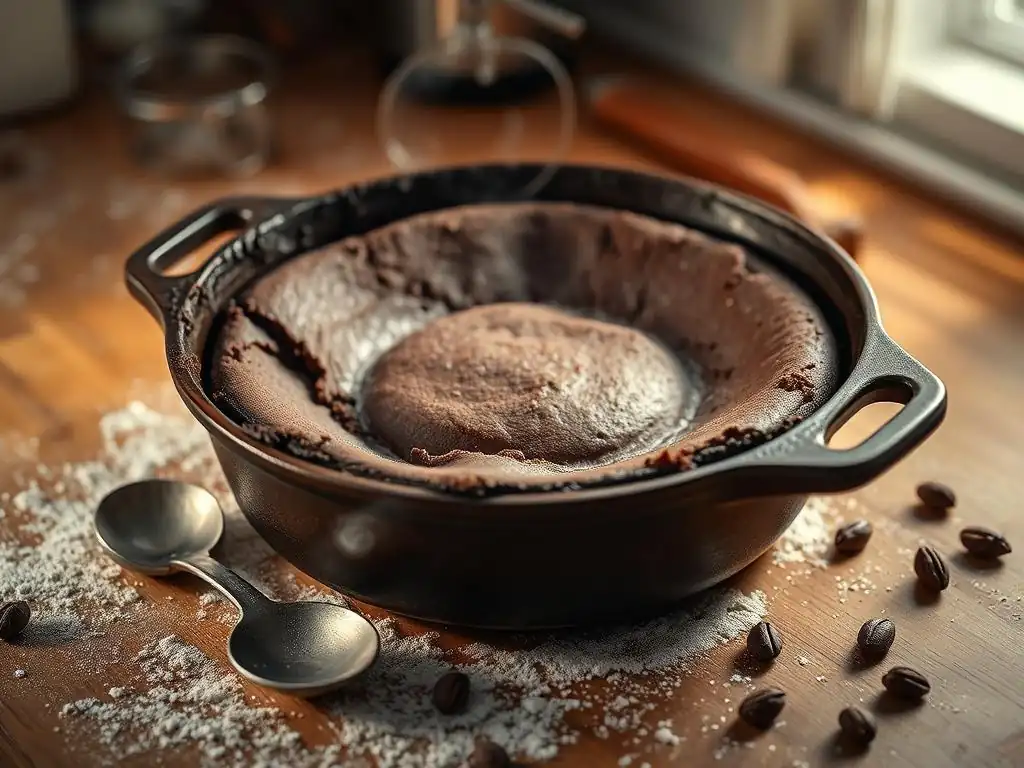
Welcome to BakeWithEase, where mastering the art of baking becomes, well, easy! Ever wondered why your cake edges burn quickly while the center remains stubbornly gooey? You're not alone! We've delved into the science and secrets behind perfectly baked cakes. Discover the common culprits and surprisingly simple solutions to achieving golden-brown perfection, every single time. Let's unlock the secrets to even baking and banish those burnt edges forever!
- Why Your Cake Edges Burn Before the Center is Done (And How to Fix It)
- Introduction: Understanding Uneven Cake Baking
- The Problem: Cake Edges Burning, Undercooked Center
- Common Causes of Cake Edges Burning Too Fast
-
Solutions: Preventing Burnt Edges and Perfectly Baked Cakes
- Calibrating Your Oven for Accurate Temperature
- Using an Oven Thermometer for Precise Baking
- Rotating Your Cake During Baking: Ensuring Even Heat Distribution
- Baking with Cake Strips: The Solution to Even Baking
- Adjusting Rack Position for Optimal Heat Exposure
- Choosing the Right Baking Pan: Material and Size Matters
- Reducing Oven Temperature and Extending Baking Time
- Properly Preparing Your Baking Pan: Greasing and Flouring Techniques
- Adjusting Batter Consistency for Improved Baking
- Advanced Techniques for Even Cake Baking
- Troubleshooting Specific Cake Types
- Summary: Achieving Perfectly Baked Cakes Every Time
- Frequently Asked Questions
- Final Reflection: The Humble Cake and the Art of Patience
- Unlock Perfectly Baked Cakes: Let's Get Baking!
Why Your Cake Edges Burn Before the Center is Done (And How to Fix It)
Introduction: Understanding Uneven Cake Baking
Baking a cake should be a joyous experience, resulting in a perfectly golden, moist, and tender treat. However, a common frustration many bakers face is uneven baking. You pull your cake out of the oven, eager to see the result, only to find the edges are dark, dry, and even burnt, while the center remains undercooked, perhaps even still liquid. This perplexing issue can ruin an otherwise delicious cake and leave you wondering where you went wrong.
Understanding the science behind how a cake bakes is the first step to solving this problem. Heat transfers through the batter from the edges towards the center. When this heat transfer is uneven or too rapid in certain areas, it leads to parts of the cake cooking much faster than others. The edges, being closest to the hot pan and oven walls, are particularly susceptible to overheating.
The Problem: Cake Edges Burning, Undercooked Center
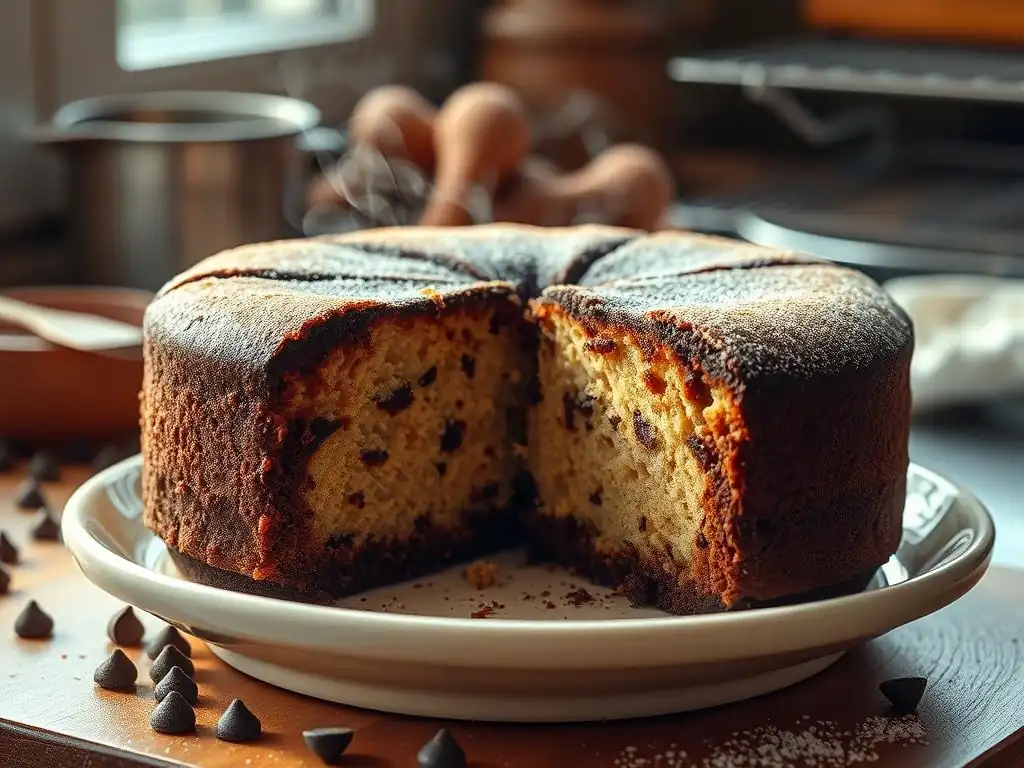
The scenario is all too familiar: you're following a recipe diligently, setting the timer, and patiently waiting. But as the baking time progresses, you notice the edges browning much faster than expected. By the time a toothpick inserted into the center comes out clean, the perimeter of your cake is significantly darker, sometimes even crispy or charred. This is the classic sign of cake edges burn quickly while the interior lags behind.
This unevenness isn't just a cosmetic issue; it drastically affects the cake's texture and taste. The burnt edges are often tough and bitter, contrasting sharply with the gummy, raw texture of the undercooked center. It's a frustrating outcome that wastes ingredients and effort.
Identifying the Signs of Burnt Cake Edges
Recognizing the signs of your cake edges burning prematurely is crucial for intervention, either during baking or for future prevention. The most obvious indicator is visual: the edges of the cake will appear significantly darker than the rest of the surface, progressing from deep golden brown to dark brown or black. This discoloration often starts where the cake meets the pan and extends inward.
Beyond color, touch and smell provide clues. Edges that are burning will often feel hard or crispy, unlike the softer crumb of a properly baked cake. You might also detect a slightly acrid or burnt smell emanating from the oven before the main aroma of the cake is fully developed. If you see dark edges forming while the center still looks wet or jiggly, it's a clear signal that your cake edges burn quickly problem is occurring.
Why is My Cake Baking Unevenly?
Uneven cake baking stems from inconsistencies in heat distribution, either within your oven or how the heat interacts with your cake and pan. Several factors contribute to this. One primary reason is that heat reaches the edges of the cake first through the sides of the metal pan, which conducts heat efficiently. The center relies on heat transferring from the top, bottom, and edges through the batter itself, which is a slower process.
Compounding this natural tendency are issues like inaccurate oven temperatures, hot spots within the oven cavity, the material and color of your baking pan, and even how you prepare the pan. These variables can exacerbate the difference in cooking speed between the edges and the center, leading to the frustrating situation where cake edges burn quickly before the middle is done. Identifying which of these factors is most at play in your kitchen is key to finding the right solution.
Common Causes of Cake Edges Burning Too Fast
Understanding the root causes is the first step to preventing the dreaded burnt edges. Often, it's not just one single issue but a combination of factors working against you. Let's delve into the most frequent culprits behind why your cake edges burn quickly.
Oven Temperature Inaccuracy: Is Your Oven Running Hot?
One of the most common reasons for burnt cake edges is an oven that doesn't heat accurately. Many home ovens can be off by a significant margin, sometimes as much as 25-50°F (approximately 15-28°C) from the temperature you set. If your oven runs hotter than the recipe specifies, the outer edges of your cake, which are exposed to the most direct heat from the pan sides and oven walls, will cook and brown much faster than the cooler, more insulated center.
This discrepancy means that while the recipe is calibrated for a specific temperature and baking time, your cake is actually experiencing a higher temperature, accelerating the chemical reactions that cause browning and setting, particularly around the perimeter. The center simply doesn't have enough time to catch up before the edges are overdone. An oven that consistently runs hot is a prime suspect when you notice your cake edges burn quickly.
Hot Spots in Your Oven: Identifying and Minimizing Them
Even if your oven's overall temperature is accurate, most ovens have areas that are hotter than others. These "hot spots" are typically caused by the location of the heating elements (especially in older ovens) or uneven air circulation. If your cake pan is placed in a hot spot, the side of the cake facing that area will receive more intense heat, causing that section of the edge to cook and brown faster than the rest.
Identifying hot spots can be done by baking something simple like a sheet of toast or cookies and observing where they brown fastest. Minimizing their impact involves understanding where they are and adjusting your baking strategy. Placing your cake directly in a known hot spot significantly increases the likelihood that your cake edges burn quickly on that side, creating an unevenly baked and potentially ruined cake.
Pan Material and Color: How They Affect Baking
The type of baking pan you use has a substantial impact on how heat is transferred to the cake batter. Dark-colored metal pans, for instance, absorb radiant heat more efficiently than light-colored or shiny metal pans. This means a dark pan will conduct heat to the cake edges much faster, leading to quicker browning and setting. If you're using a dark pan and your recipe assumes a lighter pan, your cake edges burn quickly might be a direct consequence.
Similarly, the material matters. Aluminum pans heat up quickly and cool down fast, providing relatively even heat transfer. Glass or ceramic pans, on the other hand, heat up more slowly but retain heat for a longer period. While great for dishes that benefit from sustained heat, they can sometimes cause edges to overcook, especially if the oven temperature is slightly too high or the baking time is extended. Using the wrong pan for a recipe can definitely contribute to uneven baking.
Overcrowding the Oven: Limiting Air Circulation
It might be tempting to bake multiple cakes or trays of baked goods at once to save time, but overcrowding your oven can significantly disrupt airflow and lead to uneven heating. Ovens rely on hot air circulating around the food to bake it evenly. When too many items are packed inside, they block this circulation, creating pockets of hotter and cooler air.
If your cake pan is positioned in a spot with poor airflow but adjacent to a direct heat source or a blocked area that becomes hotter, it can cause one or more sides of the cake to bake much faster than the others. This lack of consistent heat distribution around the pan is a prime reason why cake edges burn quickly when the oven is overloaded. It's often better to bake in batches if your oven space is limited.
Batter Consistency: A Factor in Even Baking
While less discussed than oven or pan issues, the consistency of your cake batter can also play a role in how evenly it bakes. A batter that is too thick or dense, perhaps due to overmixing or incorrect ingredient ratios, can hinder heat transfer from the edges to the center. The heat struggles to penetrate the dense mass effectively.
Conversely, a batter that is too thin or wet might cause the solids to settle, leading to a less uniform structure. In either case, an inconsistent batter can result in areas that cook at different rates. While oven and pan issues are more common culprits when cake edges burn quickly, ensuring your batter has the correct consistency as described in the recipe is a foundational step for even baking.
Solutions: Preventing Burnt Edges and Perfectly Baked Cakes
Fortunately, the issue of cake edges burning quickly is a common one with several effective solutions. By addressing the potential causes discussed above, you can significantly improve your baking results and achieve that coveted perfectly baked cake every time.
Calibrating Your Oven for Accurate Temperature
If you suspect your oven temperature is inaccurate, calibrating it is a long-term solution. Oven calibration can sometimes be done through the oven's electronic controls, allowing you to offset the temperature by a few degrees. Consult your oven's manual for specific instructions on how to do this.
For significant discrepancies or older ovens, professional calibration by an appliance technician might be necessary. While this requires a service call, it ensures your oven heats accurately, which is fundamental not just for cakes but for all baking and roasting, preventing your cake edges burn quickly problem at its source.
Using an Oven Thermometer for Precise Baking
A simpler and immediate step to counter inaccurate oven temperatures is to use an inexpensive, standalone oven thermometer. Place it inside your oven on the center rack and let the oven preheat for at least 20-30 minutes to stabilize the temperature. Compare the reading on the thermometer to the temperature set on your oven's dial or display.
This will tell you exactly how much your oven is off. If your oven runs 25°F (about 15°C) hot when set to 350°F (175°C), you know to set your oven to 325°F (160°C) for future baking to achieve the desired 350°F inside. Relying on an external thermometer gives you precise control and is one of the most effective ways to prevent your cake edges burn quickly due to overheating.
Rotating Your Cake During Baking: Ensuring Even Heat Distribution
If hot spots are an issue or you're baking multiple items, rotating your cake pan halfway through the baking time can help. For example, if a cake typically bakes for 30-35 minutes, rotate it 180 degrees after about 15-17 minutes. This ensures that all sides of the cake spend some time in different areas of the oven, averaging out any temperature variations.
When rotating, be quick to minimize the time the oven door is open, as this causes significant heat loss. Rotation is a simple yet effective technique to promote even browning and cooking, helping to prevent some areas of your cake from having cake edges burn quickly while others remain pale.
Baking with Cake Strips: The Solution to Even Baking
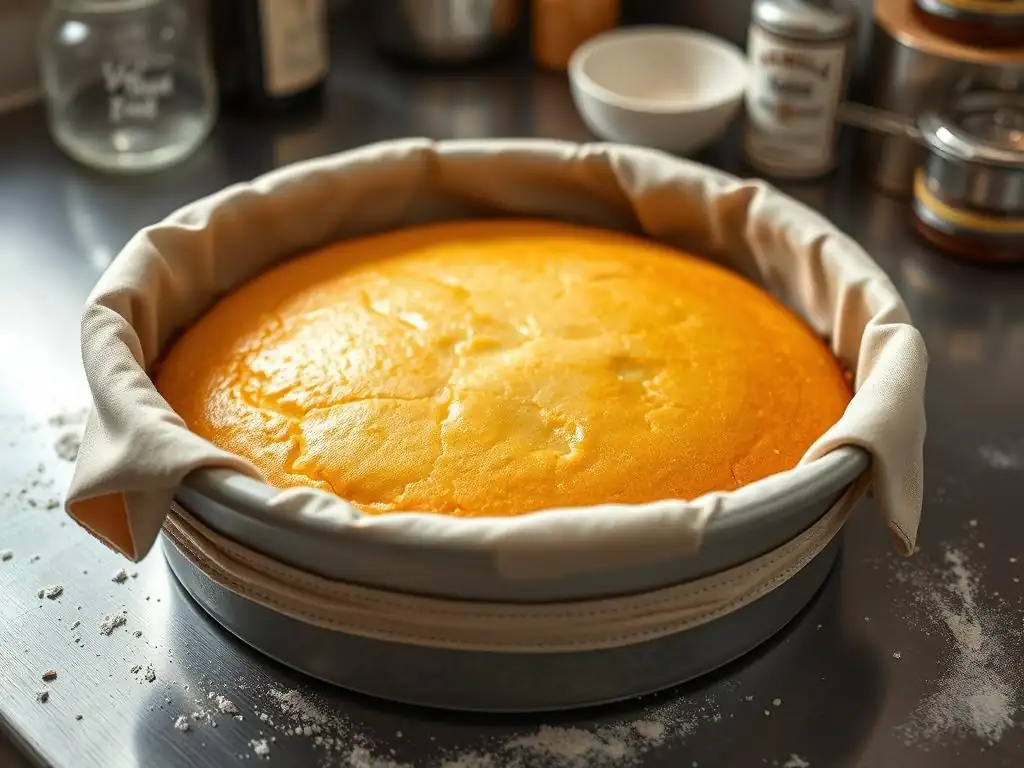
Cake strips are a fantastic tool specifically designed to prevent cake edges from baking faster than the center. These fabric strips, soaked in water, are wrapped around the outside of the cake pan before baking. The moisture in the strips helps to insulate the edges of the pan, keeping them cooler.
This insulation slows down the rate at which the edges cook, allowing the center of the cake more time to rise and set evenly. By keeping the temperature of the pan's edge lower, cake strips significantly reduce the likelihood that your cake edges burn quickly, resulting in a flatter top and a more tender crumb throughout the entire cake. They are particularly useful for larger cakes or those baked at moderate temperatures.
Adjusting Rack Position for Optimal Heat Exposure
The position of your oven rack can influence how heat reaches your cake. In most ovens, the primary heat sources are at the top and bottom. Placing your cake on the center rack is usually recommended because it provides the most even heat distribution from both elements and allows for good air circulation around the pan.
If you find your cake bottoms or tops are browning too quickly, you might need to adjust the rack position slightly up or down. However, for preventing edges from burning, the center rack is generally best. Avoid placing cakes too close to either the top or bottom heating element, as this direct radiant heat can cause the closest surface (top or bottom) to cook much faster, indirectly affecting how the heat transfers to the sides and potentially causing cake edges burn quickly.
Choosing the Right Baking Pan: Material and Size Matters
Using the pan size and material specified in the recipe is important. If a recipe calls for a light-colored aluminum pan and you use a dark, non-stick pan, you should anticipate that the cake will bake faster, especially around the edges. In such cases, you might need to slightly reduce the oven temperature (e.g., by 25°F or about 15°C) or shorten the baking time.
If your cake edges burn quickly consistently and you are using dark pans, consider switching to lighter-colored metal pans. Shiny aluminum reflects heat more effectively than dark, dull surfaces, leading to gentler heating of the cake's perimeter. Ensure the pan size is correct; a pan that is too large will result in a thinner cake that cooks too fast, while one too small can cause overflow and uneven baking.
Reducing Oven Temperature and Extending Baking Time
If other methods aren't fully effective or you suspect your oven runs hot despite using a thermometer, try reducing the oven temperature slightly (e.g., by 15-25°F or 8-15°C) and increasing the baking time. Baking at a slightly lower temperature for a longer duration allows the cake to cook more gently and evenly from the edges to the center.
This slower cooking process gives the interior more time to catch up to the edges, reducing the temperature differential that causes the edges to overcook. For instance, if a recipe calls for 350°F (175°C) for 30 minutes, you might try 325°F (160°C) for 35-40 minutes. This adjustment can be very effective in preventing your cake edges burn quickly while ensuring the center is fully baked.
Properly Preparing Your Baking Pan: Greasing and Flouring Techniques
How you prepare your pan can also influence edge browning. While greasing and flouring (or using baking spray with flour) are essential to prevent sticking, applying too thick a layer of grease or flour can sometimes create a barrier that affects heat transfer or promotes excessive browning of the very outer layer.
Ensure you use a thin, even coating of your chosen release agent. For cakes particularly prone to sticking or burning edges, lining the bottom of the pan with parchment paper after greasing can provide an extra layer of protection and make removal easier. Proper pan preparation is a small but important step in achieving an evenly baked cake and avoiding issues where your cake edges burn quickly.
Adjusting Batter Consistency for Improved Baking
While not the most common cause, if you suspect your batter consistency is contributing to uneven baking, carefully review the recipe. Ensure you are measuring ingredients accurately, especially flour, which can easily be over-measured if scooped directly from the bag. Over-mixing can also develop too much gluten, leading to a tougher, potentially uneven crumb structure.
If a batter seems unusually thick or thin compared to similar recipes, double-check the ingredient list and method. Sometimes adding a tablespoon or two of liquid (like milk or buttermilk) to a thick batter can help improve its flow and promote more even heat distribution during baking. A well-mixed batter with the correct consistency is fundamental for preventing problems like cake edges burn quickly from compounding other issues.
Advanced Techniques for Even Cake Baking
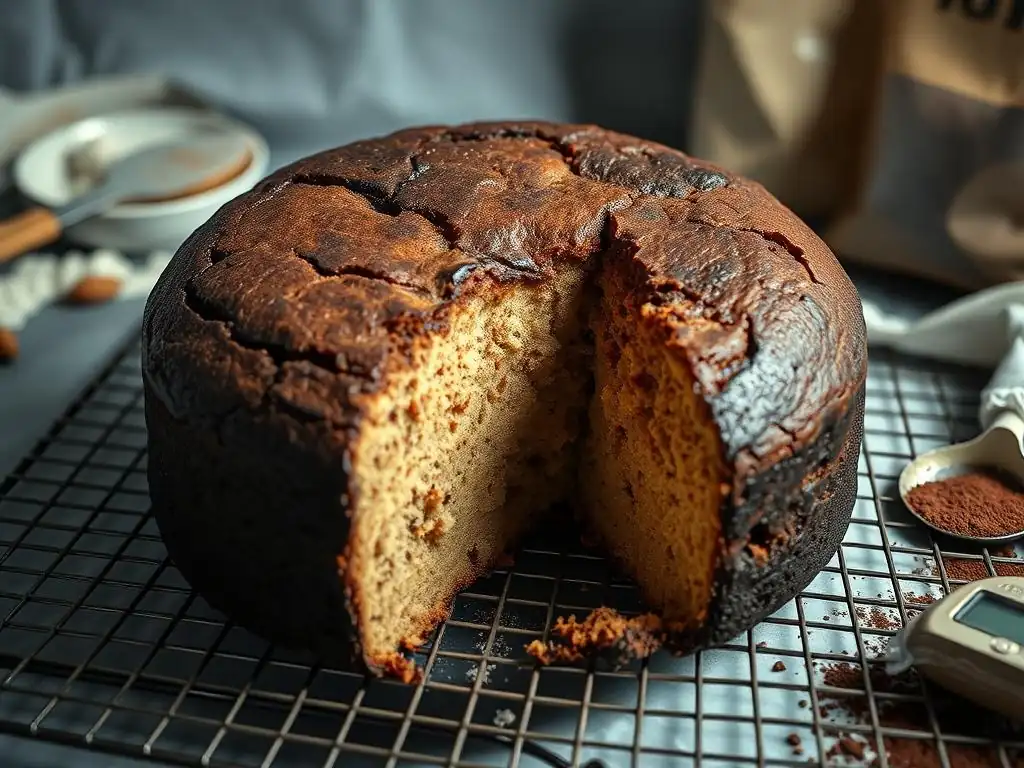
For delicate cakes or persistent issues, some more advanced techniques can provide an extra layer of protection against uneven baking and burnt edges.
Using a Water Bath (Bain-Marie) for Delicate Cakes
A water bath, or bain-marie, is a technique where the cake pan is placed inside a larger pan filled with hot water, and this entire assembly is put into the oven. The water bath creates a moist, even-temperature environment around the cake, significantly slowing down the rate at which the edges cook.
This method is particularly useful for delicate cakes like cheesecakes, custards, and some génoise or sponge cakes that are prone to drying out or cracking, as well as experiencing issues where cake edges burn quickly. The water acts as a buffer, ensuring the cake bakes gently and uniformly, resulting in a smooth texture and perfectly cooked edges and center.
Tenting with Foil to Prevent Over-Browning
If you notice your cake edges or top are browning too quickly during baking, but the center still needs more time, you can "tent" the cake with aluminum foil. Loosely place a piece of aluminum foil over the top of the cake pan.
The foil acts as a shield, deflecting radiant heat away from the top and edges of the cake, slowing down their browning. This allows the interior of the cake more time to bake through without the exterior becoming too dark or burnt. Tenting is a quick fix you can implement midway through baking if you see signs that your cake edges burn quickly.
Troubleshooting Specific Cake Types
Different types of cakes present unique baking challenges due to their varying densities, structures, and moisture content. Here are some tips tailored to common cake types.
Tips for Baking Evenly Layer Cakes
Layer cakes, often baked in standard round pans, can be particularly susceptible to the cake edges burn quickly problem. The relatively thin layer of batter means the edges are very close to the hot pan sides. Using cake strips is highly recommended for layer cakes to ensure level tops and prevent hard, dark edges.
Additionally, ensure you are not overfilling the pans. Most recipes call for filling pans about two-thirds full to allow for rise. Overfilling can lead to domes and uneven baking. Baking multiple layers requires careful monitoring of oven hot spots and potentially rotating pans if baking more than one layer at a time on different racks.
Preventing Burnt Edges in Bundt Cakes
Bundt cakes, with their intricate shapes and central tubes, have a much larger surface area exposed to the pan, making them highly prone to issues where cake edges burn quickly. The narrow flutes heat up very fast. Proper pan preparation is paramount here; thorough and even greasing and flouring every nook and cranny is essential to prevent sticking and provide a slight buffer.
Baking Bundt cakes at a slightly lower temperature than standard cakes (e.g., 325-340°F or 160-170°C) is often beneficial. If the top (which becomes the bottom when inverted) starts browning too fast, tenting with foil is an effective strategy. Checking for doneness requires a long skewer inserted into the thickest part, avoiding contact with the central tube.
Baking Evenly Cupcakes: A Guide
Cupcakes, while small, can also suffer from uneven baking, resulting in dry edges and sometimes sunken centers. The key to even cupcakes is consistent batter distribution and avoiding overcrowding the muffin tin. Fill cupcake liners about two-thirds full – consistency across all cups is more important than hitting an exact fill line.
Baking cupcakes in the center of the oven on a single rack is best. If you must bake multiple trays, swap their positions halfway through baking. Using a reliable oven thermometer is crucial, as cupcake edges, being so close to the metal tin, will experience issues where cake edges burn quickly if the oven runs even slightly hot. Bake just until a toothpick comes out with moist crumbs, as they cook quickly and can overbake in moments.
Summary: Achieving Perfectly Baked Cakes Every Time
Achieving perfectly baked cakes without the frustration of burnt edges and undercooked centers is entirely possible by understanding the common causes and applying the right solutions. It often involves a combination of factors, from knowing your oven's quirks to selecting the right tools and techniques. Don't be discouraged by past baking woes; each attempt is a learning opportunity.
By systematically addressing potential issues like inaccurate oven temperatures, hot spots, pan types, and even batter consistency, you gain greater control over the baking process. Implementing strategies such as using an oven thermometer, employing cake strips, rotating your cake, or adjusting temperature and time can dramatically improve your results. Tackling the problem of cake edges burn quickly transforms a potentially disappointing bake into a consistent success, yielding moist, tender cakes from edge to center.
Key Takeaways for Preventing Burnt Cake Edges
Here are the essential points to remember to help prevent your cake edges from burning quickly:
- Know your oven: Use an oven thermometer to check for accuracy and identify hot spots. Consider calibrating your oven if it's significantly off.
- Choose your pan wisely: Lighter, shiny metal pans conduct heat less intensely than dark or non-stick pans, reducing the risk of edges overcooking.
- Use cake strips: These moist bands insulate the pan edges, ensuring the cake bakes more evenly from the outside in.
- Adjust temperature and time: If edges brown too fast, lower the oven temperature slightly and bake for a longer duration.
- Don't overcrowd the oven: Allow for proper air circulation around your cake pan.
- Consider advanced techniques: For delicate cakes, a water bath can provide gentle, even heat. Tenting with foil is a good mid-bake fix if edges are browning too quickly.
- Check pan preparation: Ensure your pan is greased and floured evenly and appropriately for the cake type.
By keeping these tips in mind, you're well on your way to saying goodbye to burnt edges and hello to consistently beautiful, perfectly baked cakes. Happy baking!
Frequently Asked Questions
Why are my cake edges burning before the center is cooked?
Your cake edges often burn because they are closer to the heat source than the center. This leads to over-baking and scorching of the outer layers before the inside is fully cooked.
What oven temperature is best to prevent burning cake edges?
A slightly lower oven temperature, usually 25-50 degrees Fahrenheit lower than the recipe suggests, can help. This allows the cake to bake more evenly and prevents the edges from burning.
How can I protect the cake edges while baking?
You can use cake strips (wet strips wrapped around the pan) or a makeshift aluminum foil shield. These act as insulation, slowing down the baking process on the edges.
Does the type of cake pan affect burning?
Yes, dark-colored pans absorb more heat and are more likely to cause burning. Using lighter-colored metal pans or glass pans can help distribute heat more evenly.
What if my oven runs too hot?
If your oven runs hot, consider using an oven thermometer to verify the actual temperature. Calibrate your oven or reduce the baking time accordingly.
Final Reflection: The Humble Cake and the Art of Patience
The seemingly simple act of baking a cake reveals a profound truth about the challenges of achieving perfection, a truth mirrored in many aspects of life. A perfectly baked cake, golden brown and evenly cooked, is a testament to careful attention and precise timing; a burnt edge, a stark reminder that even the most meticulous plans can be undone by unforeseen variables. This seemingly minor baking mishap speaks volumes about the delicate balance required to achieve our goals.
The frustration of a burnt cake edge is a universal experience, a shared moment of culinary disappointment that transcends cultural boundaries. It's a potent symbol of the larger struggle to manage competing priorities and overcome unexpected obstacles. The most beautiful things are the most fragile,
a sentiment that resonates deeply when considering the delicate nature of a perfectly baked cake, and indeed, the delicate nature of life itself. This seemingly simple baking problem highlights the importance of understanding the nuances of a process, whether it's baking a cake or navigating complex life challenges.
Consider the lessons learned from a burnt cake edge: the need for careful observation, the importance of adjusting techniques based on individual circumstances, and the acceptance that imperfections are part of the learning process. You, the baker, hold the power to adapt and improve. Don't let a burnt edge discourage you; instead, use it as a springboard for greater understanding and future success.
Embrace the imperfections, learn from your mistakes, and continue to experiment. The next cake you bake will be even better, a testament to your resilience and your growing mastery of the art of baking – and perhaps, even of life itself.
Unlock Perfectly Baked Cakes: Let's Get Baking!
Thanks for taking the time to learn more about achieving perfectly baked cakes! You now have the knowledge to conquer uneven baking and create delicious treats every time. Ready to put this new expertise to the test?
- Try our recommended baking pan this week: Experiment with a different pan material or size to see the difference it makes in your baking results. It's a small change with big potential!
- Share your baking triumphs (or challenges!) with our community in the comments below. Let's learn from each other!
- Explore more of our baking guides on BakeWithEase.com for even more tips and tricks.
What's your favorite baking pan, and why? Let's discuss!