
The Protein Pair: Gliadin and Glutenin Explained

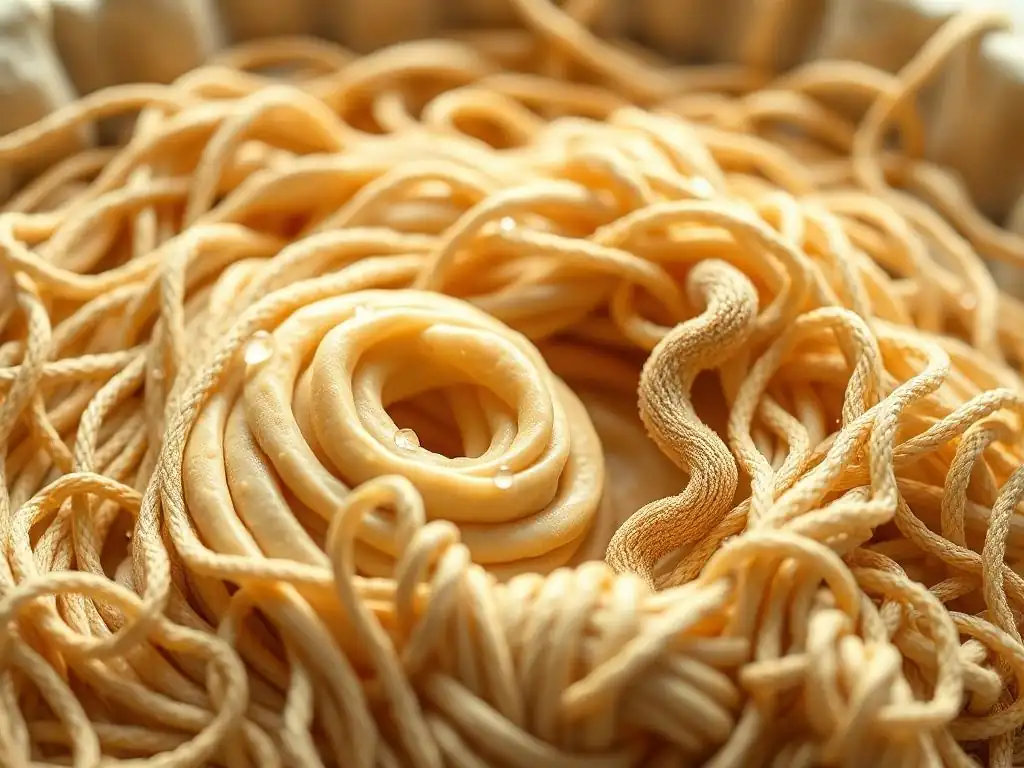
Welcome to BakeWithEase, your kitchen companion for demystifying the science and artistry of baking! Ever wondered how a simple mix of ingredients transforms into a perfectly textured loaf or a delightfully chewy cookie? Today, we're diving deep into the heart of baking science to unravel the secrets of gluten formation explained baking. Get ready to understand the dynamic duo of gliadin and glutenin and how they impact your creations. Ready to bake with understanding? Let's get started!
- Understanding Gluten Formation in Baking: The Roles of Gliadin and Glutenin
- Gluten Formation in Baking: An Introduction
- Gliadin: Contributing Elasticity and Extensibility
- Glutenin: Providing Strength and Structure
- Gliadin and Glutenin Working Together: Forming the Gluten Network
- Factors Affecting Gluten Formation in Baking
- Optimizing Gluten Development for Different Baked Goods
- Troubleshooting Gluten Issues in Baking
- Advanced Concepts in Gluten Science for Baking
- Conclusion: Mastering Gluten Formation for Baking Success
-
Frequently Asked Questions
- What exactly is gluten, and why is it important in baking?
- What are gliadin and glutenin, and how do they contribute to gluten formation?
- How does kneading affect gluten development?
- What factors besides kneading can influence gluten formation?
- Can I bake without gluten, and what are some common gluten-free alternatives?
- Final Reflection: Unlocking the Secrets of Gluten: From Molecule to Mouthwatering Loaf
- Unlock Your Baking Potential: Master Gliadin & Glutenin
Understanding Gluten Formation in Baking: The Roles of Gliadin and Glutenin
Gluten Formation in Baking: An Introduction
Why Gluten Matters in Baking: Structure, Texture, and Gas Retention
Gluten is the fundamental protein network that provides structure and texture in many baked goods, particularly those made with wheat flour. When wheat flour is mixed with water, two primary proteins, gliadin and glutenin, hydrate and interact to form this elastic and extensible matrix. This network is crucial for creating the airy, chewy texture characteristic of bread or the tender crumb of a cake, making the process of gluten formation explained baking a core concept for any baker.
The developed gluten network acts like a balloon within the dough. During fermentation and baking, yeast or leavening agents produce gases (like carbon dioxide). The elastic gluten matrix traps these gases, allowing the dough to rise and expand, leading to increased volume and a desirable internal structure (crumb). Without sufficient gluten formation, baked goods would be dense, flat, and lack the characteristic chewiness or tenderness we expect.
Gliadin and Glutenin: The Key Proteins in Wheat Flour
Wheat flour contains roughly 7-15% protein, with the majority being the gluten-forming proteins, gliadin and glutenin. These proteins are stored within the endosperm of the wheat kernel. While they are often discussed together as "gluten," it's important to understand they are distinct proteins with different properties and roles in the dough-making process.
Gliadin and glutenin exist initially as separate, folded proteins in dry flour. It's only upon the addition of water and mechanical energy (mixing or kneading) that they begin to hydrate, unfold, and interact with each other. This interaction, facilitated by water, is the initiation of the gluten formation explained baking process, where these two components combine to create the complex, viscoelastic network.
Gliadin: Contributing Elasticity and Extensibility
Gliadin's Role in Dough Extensibility and Stretch
Gliadin proteins are generally smaller, more soluble, and more numerous than glutenin proteins. They are primarily responsible for the extensibility and stretchiness of dough. Think of gliadin as the component that allows the dough to be pulled and stretched into thin sheets without breaking easily. This property is essential for processes like shaping bread dough, rolling out pizza bases, or creating thin pastry layers.
This extensibility is particularly noticeable in the early stages of mixing. Dough containing mainly gliadin (hypothetically, if it were possible) would be very slack and flow easily, but it would lack the strength to hold its shape or trap gas effectively. Gliadin provides the necessary flexibility that complements the strength provided by glutenin, allowing the dough to expand under pressure during rising and baking.
Proline and Glutamine Content: Impact on Gliadin's Structure
Gliadin proteins are rich in the amino acids proline and glutamine. Proline is known for creating kinks or bends in the protein chain, which prevents the protein from forming rigid, ordered structures like alpha-helices or beta-sheets as effectively as some other proteins. This inherent structural flexibility contributes significantly to gliadin's characteristic extensibility and viscous nature.
Glutamine residues, on the other hand, are crucial for forming hydrogen bonds. These bonds are relatively weak but numerous, allowing gliadin molecules to interact with each other and with water. While gliadin molecules do not form extensive disulfide bonds with each other, the high glutamine content facilitates important interactions within the developing gluten network, contributing to the overall cohesiveness and viscosity of the dough.
Gliadin's Contribution to Dough Viscosity and Handling Properties
Gliadin imparts a degree of viscosity to the dough. Viscosity refers to a fluid's resistance to flow. In dough, gliadin contributes to its stickiness and flow properties, making it manageable during mixing and shaping. A dough with adequate gliadin is not overly stiff and allows for easier manipulation.
However, a dough overly dominated by gliadin properties without sufficient glutenin would be too sticky and slack, lacking the necessary structure. The balanced presence of gliadin ensures that the dough is extensible enough to stretch and expand, while its viscosity prevents it from tearing easily, aiding in the handling and processing of the dough before baking.
Glutenin: Providing Strength and Structure
Glutenin's Contribution to Dough Strength and Elasticity
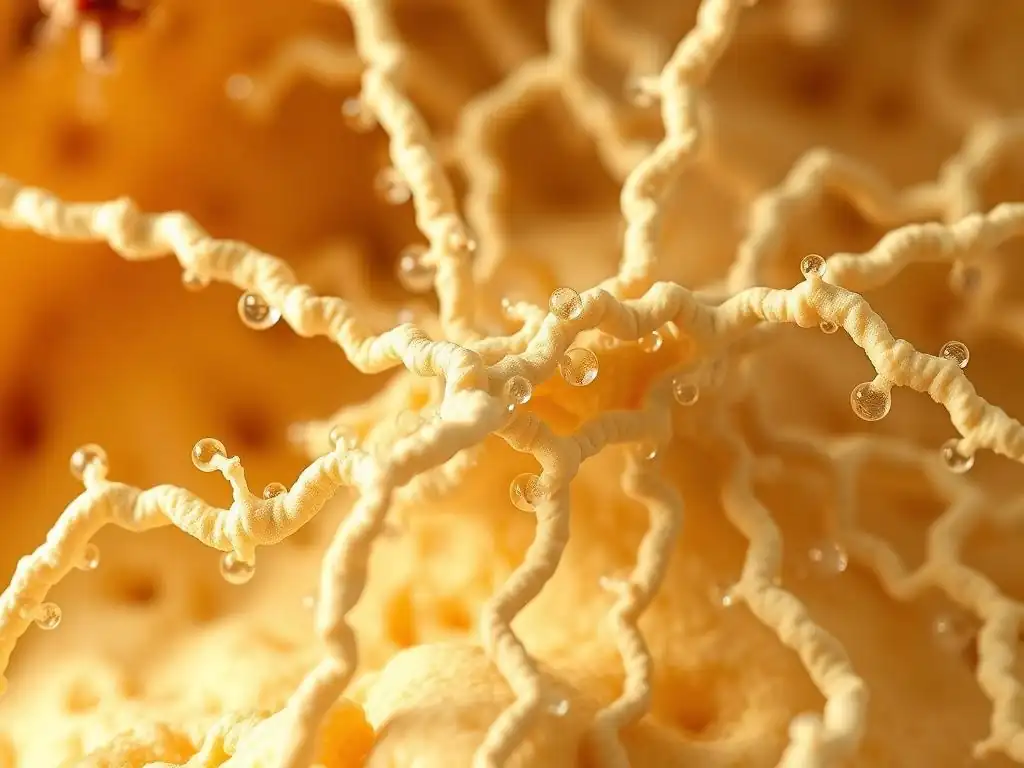
In contrast to gliadin, glutenin proteins are larger and form complex aggregates. They are primarily responsible for the strength and elasticity of the dough. Elasticity is the ability of the dough to return to its original shape after being stretched or deformed. Glutenin creates the robust, interconnected framework that gives dough its resilience and ability to resist deformation.
This strength is vital for trapping the gases produced during fermentation. Glutenin forms long, complex chains through disulfide bonds, creating a network that is both strong and elastic. This network acts like a scaffold, holding the structure of the dough and allowing it to expand significantly without collapsing, which is fundamental to successful gluten formation explained baking, especially in bread.
High Molecular Weight Glutenin Subunits: Influence on Baking Quality
Glutenin is composed of various subunits, broadly classified into High Molecular Weight (HMW) and Low Molecular Weight (LMW) glutenin subunits. The HMW glutenin subunits are particularly important for determining the strength and elasticity of the gluten network and, consequently, the overall baking quality of the flour. Different wheat varieties possess different combinations of these HMW subunits.
For example, specific HMW-GS combinations, like the 5+10 subunits often found in strong bread wheats, are known to form stronger, more elastic gluten networks compared to others. Flours with a higher proportion or specific types of beneficial HMW-GS tend to produce doughs that can withstand more mixing and develop a more robust structure, leading to better loaf volume and crumb texture in bread.
Glutenin's Impact on Bread Volume, Crumb Structure, and Shelf Life
The strength and elasticity provided by the glutenin network directly impact the final characteristics of baked goods, especially bread. A well-developed glutenin network allows the dough to rise significantly during proofing and oven spring, resulting in a larger loaf volume. The network also forms the cell walls within the crumb structure, creating an open, airy, yet resilient texture.
Furthermore, the gluten network influences the staling process. The protein network interacts with starch molecules, affecting how they retrograde (recrystallize) over time. A strong, well-formed gluten structure can help delay staling, contributing to a longer perceived shelf life for bread and other yeast-leavened products by maintaining crumb softness and resilience for a longer period.
Gliadin and Glutenin Working Together: Forming the Gluten Network
The Interplay Between Gliadin and Glutenin During Dough Mixing
The magic of gluten formation explained baking happens when gliadin and glutenin are brought together with water and mechanical energy. Initially, they are separate. As water is absorbed, the proteins hydrate and unfold. The act of mixing or kneading provides the energy needed to bring these unfolded proteins into contact, allowing them to interact and form the complex gluten network.
During mixing, gliadin molecules interact primarily through hydrogen bonds and hydrophobic interactions, contributing to the dough's viscosity and extensibility. Simultaneously, glutenin molecules begin to link together through disulfide bonds, forming long, elastic chains. The gliadin molecules become interspersed within and around the glutenin network, acting as a kind of "plasticizer" that allows the strong glutenin framework to stretch without breaking, creating the characteristic viscoelastic properties of dough.
Disulfide Bonds: Crosslinking Gliadin and Glutenin for Gluten Development
Disulfide bonds are covalent bonds formed between the sulfur atoms of cysteine amino acid residues. While gliadin contains cysteine, its disulfide bonds are primarily intramolecular (within the same protein molecule) or link just a few gliadin molecules together. Glutenin, however, has a higher proportion of cysteine residues that can form intermolecular disulfide bonds, linking glutenin molecules into large polymers.
During dough mixing, mechanical energy can break existing disulfide bonds and facilitate the formation of new ones, both between glutenin molecules and potentially between gliadin and glutenin molecules, although the latter is less extensive. This continuous breaking and reforming of disulfide bonds, driven by kneading, is crucial for the development and strengthening of the gluten network, giving the dough its characteristic strength and elasticity.
[Diagram: Visualizing the Gluten Network and Protein Interactions]
While a visual diagram cannot be included here, imagine the gluten network as a three-dimensional mesh. The long, interconnected strands would represent the glutenin polymers, forming the strong, elastic backbone. Interspersed within this network, and perhaps weakly attached, would be the smaller, more globular gliadin molecules.
These gliadin molecules would fill the spaces, contributing to the overall volume and flow properties. The points where glutenin strands link together, and where gliadin interacts with glutenin, would be held by various bonds, including the crucial disulfide bonds providing strength to the glutenin backbone, along with weaker hydrogen bonds and hydrophobic interactions facilitating the overall cohesiveness of the network. This visualization helps understand how the distinct properties of gliadin and glutenin combine to create the unique structure of dough.
Factors Affecting Gluten Formation in Baking
Water's Role: Hydration and Gluten Development
Water is absolutely essential for gluten formation explained baking. Gluten proteins in dry flour are coiled and inactive. When water is added, it hydrates the proteins, allowing them to absorb moisture and unfold. This unfolding is the first critical step, making the reactive sites on the protein molecules accessible for interaction.
The amount of water also affects the rate and extent of gluten development. With too little water, the proteins cannot fully hydrate, and gluten development will be slow and limited, resulting in a stiff, crumbly dough. With sufficient water (often 60-70% or more of the flour weight in bread dough), the proteins hydrate well, allowing for optimal interaction and the formation of a strong, extensible network during mixing.
Mixing Techniques: Impact on Gluten Strength and Development
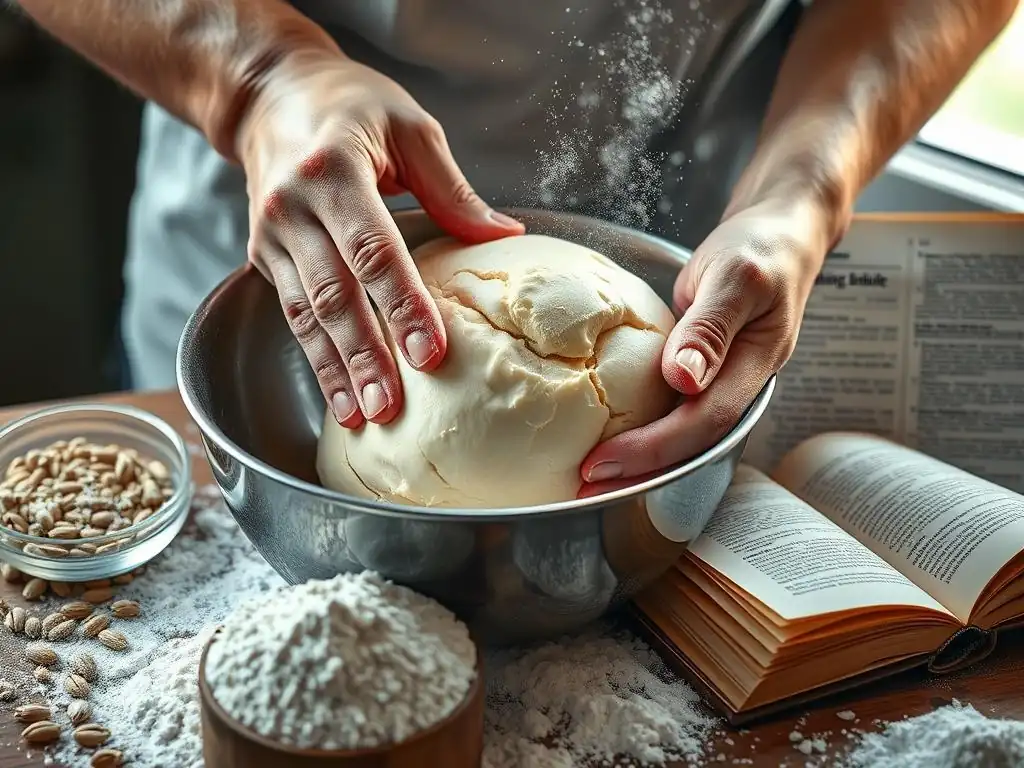
Mechanical energy from mixing or kneading is the catalyst that brings the hydrated gliadin and glutenin proteins into contact, allowing them to interact and form the network. Gentle mixing, like stirring cake batter, develops very little gluten, resulting in a tender crumb. Vigorous kneading, as for bread dough, promotes extensive protein interaction and disulfide bond formation, leading to a strong, elastic gluten network.
Different mixing techniques, such as the stretch and fold method, can also influence gluten development. This technique gently aligns the gluten strands, building strength without the intense mechanical stress of vigorous kneading. The duration and intensity of mixing are key variables a baker controls to achieve the desired level of gluten development for a specific baked good.
Flour Type: Protein Content and Gluten Quality
The type of flour used is perhaps the most significant factor influencing gluten formation explained baking. Different flours, milled from different wheat varieties, have varying protein contents and different compositions of gliadin and glutenin, particularly in the types of glutenin subunits. Bread flour, for instance, typically has 12-14% protein with a good balance of strong glutenin subunits, ideal for robust gluten development needed for yeast breads.
All-purpose flour usually contains 10-12% protein, suitable for a wider range of baking but yielding less strong gluten than bread flour. Cake flour, with a lower protein content (7-9%) and different protein composition, develops very weak gluten, which is desirable for producing tender cakes. Understanding the protein content and quality of your flour is crucial for predicting and controlling gluten development.
Temperature's Influence: Gluten Development and Enzyme Activity
Temperature affects gluten development in several ways. Warmer water (around 80-95°F or 27-35°C) can speed up the hydration of flour proteins compared to cold water. However, very hot water can denature proteins and negatively impact gluten formation. The temperature of the dough itself also influences the activity of enzymes naturally present in flour.
Enzymes like proteases can break down protein chains, including gluten. While some controlled enzymatic activity is beneficial (e.g., during fermentation), excessive protease activity, often encouraged by warmer temperatures and longer fermentation times, can degrade the gluten network, leading to a slack, sticky dough that doesn't hold its shape or trap gas well. Maintaining appropriate dough temperature is important for managing both hydration rate and enzyme activity.
Optimizing Gluten Development for Different Baked Goods
Gluten Development in Bread Baking: Achieving Optimal Loaf Volume and Structure
For most yeast breads, the goal is to develop a strong, elastic gluten network. This is achieved through using high-protein bread flour, adequate hydration (often 65-75% water relative to flour weight), and extensive mixing or kneading. The vigorous action aligns and cross-links the glutenin proteins, creating a network capable of trapping large volumes of carbon dioxide produced by yeast.
Optimal gluten development in bread dough allows for significant expansion during proofing and oven spring, leading to a large, well-risen loaf. The strong network also supports the internal structure, resulting in an open, airy crumb with distinct cell walls. Insufficient development leads to a dense loaf, while overdevelopment can result in a tough texture.
Gluten Development in Pastry: Balancing Tenderness and Flakiness
In pastries like pie crusts, biscuits, or scones, the aim is usually to limit gluten development to achieve tenderness and flakiness. This is done by using lower-protein flour (like pastry flour or all-purpose flour), keeping ingredients cold (especially fat), and minimizing mixing. The fat coats the flour particles, preventing full hydration of the proteins, and minimal handling prevents the hydrated proteins from forming an extensive network.
The goal is to create pockets of fat within the dough layers. As the pastry bakes, the fat melts, creating steam that separates the layers, resulting in flakiness. Limited gluten development ensures the layers are tender and easily separated, rather than tough and chewy like bread.
Gluten Development in Cakes: Achieving a Tender and Light Crumb
For cakes, the objective is a very tender, fine, and light crumb. This requires minimizing gluten development significantly. This is typically achieved by using low-protein cake flour (often chlorinated, which further weakens potential gluten bonds), using fats and sugars (which interfere with gluten formation by coating flour particles and competing for water), and employing mixing methods that involve minimal liquid contact with flour until late in the process (like the creaming method).
The structure in cakes relies more on the coagulation of egg proteins and the setting of starches than on the gluten network. The small amount of very weak gluten that does form provides just enough structure to support the delicate crumb without making it tough or chewy.
Troubleshooting Gluten Issues in Baking
Overdeveloped Gluten: Recognizing and Correcting Tough Dough
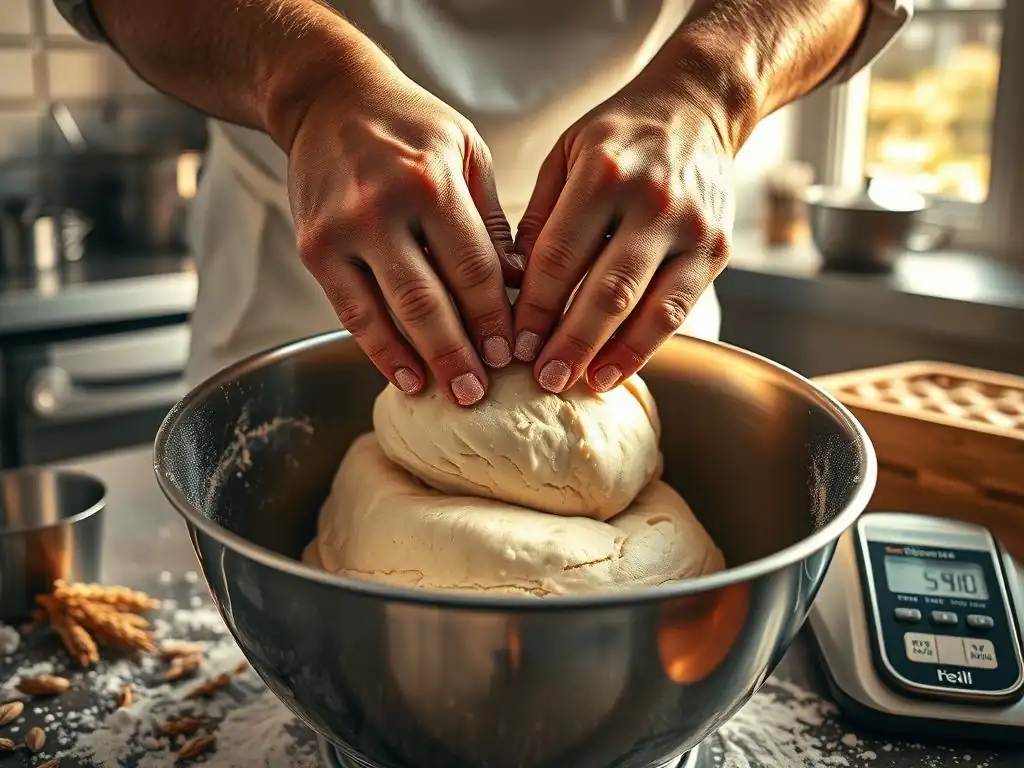
Overdeveloped gluten occurs when dough is mixed too long or too intensely, especially with high-protein flour and sufficient hydration. The gluten network becomes overly tight, elastic, and strong. You can recognize overdeveloped dough because it will feel very stiff, difficult to stretch, and will snap back immediately when pulled (it feels "tight").
Overdeveloped dough results in baked goods that are tough and chewy. While difficult to fully correct once significantly overdeveloped, you can sometimes let the dough rest for 20-30 minutes (autolyse principle) to allow enzymes to slightly relax the gluten network. For future batches, reduce mixing time, use a gentler mixing method, or consider a slightly lower protein flour if appropriate for the recipe.
Underdeveloped Gluten: Achieving Sufficient Structure and Volume
Underdeveloped gluten results from insufficient mixing, too little water, or using flour with low protein content when a strong network is needed. The dough will feel slack, sticky, and weak; it tears easily when stretched and won't hold its shape well.
Baked goods made with underdeveloped gluten will be dense, flat, and lack volume because the weak network cannot effectively trap gas. To improve, ensure you are using the correct flour type, measure liquids accurately, and knead the dough sufficiently (either by hand or mixer) until it passes the windowpane test (a small piece can be stretched thin enough to see light through without tearing).
Gluten-Free Baking: Alternative Protein Sources and Techniques
For individuals who cannot consume gluten, achieving structure and texture in baked goods requires alternative ingredients and techniques. Gluten-free flours are made from grains like rice, corn, buckwheat, or from starches and nuts. These flours contain proteins, but they do not form the viscoelastic network characteristic of wheat gluten.
To mimic the function of gluten formation explained baking, gluten-free recipes often rely on binders such as xanthan gum, guar gum, psyllium husk, or eggs. These ingredients help to hold the structure together, trap gases, and provide some elasticity and moisture retention, allowing for successful baking without wheat gluten. Techniques may also involve different mixing methods and hydration levels compared to traditional wheat baking.
Advanced Concepts in Gluten Science for Baking
Glutenin Allelic Variations and their Impact on Dough Properties
Beyond just the quantity of glutenin, the specific types or alleles of glutenin subunits present in a wheat variety significantly impact gluten strength and extensibility. As mentioned, HMW-GS 5+10 is highly correlated with strong dough. Other subunits, or the absence of certain subunits, can lead to weaker or less extensible dough.
Plant breeders work to select wheat varieties with desirable glutenin subunit compositions to produce flours optimized for specific uses, like strong bread flour or more extensible pastry flour. Research continues to identify how specific combinations of HMW and LMW glutenin subunits interact to create the vast range of dough properties observed in different wheat flours.
Autolyse and Prefermentation Techniques for Enhanced Gluten Development
Techniques like autolyse and prefermentation (poolish, biga, levain) utilize time and enzymatic activity to improve gluten development and handling properties. Autolyse involves mixing only flour and water and letting it rest for 20-60 minutes before adding salt and yeast/starter and continuing mixing. This allows for full hydration and initiates enzymatic breakdown of some proteins and starches, making the dough more extensible and requiring less mechanical kneading for gluten development.
Prefermentation involves mixing a portion of the flour and water with the leavening agent hours or days in advance. This allows enzymes (proteases and amylases) and microbial activity to modify the flour components. Proteases can partially break down gluten, which, when done in a controlled way, can improve extensibility and reduce mixing time needed for the final dough, contributing to nuanced gluten formation explained baking processes.
The Role of Enzymes (Amylases, Proteases) in Gluten Modification
Enzymes naturally present in flour, or sometimes added by millers or bakers, play a role in modifying the gluten network. Amylases break down starch into sugars, providing food for yeast, but they can also indirectly affect dough consistency. Proteases, as discussed, break down protein chains. While excessive protease activity is detrimental, a low level can help relax a tight gluten network, improving dough extensibility.
Bakers sometimes use diastatic malt powder (rich in amylase) to improve fermentation and crust color, and some flours are treated with fungal proteases to modify gluten characteristics for specific applications, such as making cracker dough more extensible. Understanding how these enzymes function provides deeper insight into the complex biochemistry influencing gluten formation explained baking.
Conclusion: Mastering Gluten Formation for Baking Success
Understanding the roles of gliadin and glutenin is fundamental to mastering baking. These two proteins, unique to wheat and related grains, work in concert to form the gluten network that provides structure, texture, and the ability to rise in countless baked goods. Gliadin contributes extensibility and viscosity, allowing the dough to stretch, while glutenin provides strength and elasticity, enabling the dough to hold its shape and trap gas.
By controlling factors like hydration, mixing, flour type, and temperature, bakers can manipulate the gluten formation explained baking process to achieve the desired dough properties for everything from airy loaves of bread to tender cakes and flaky pastries. While gluten science can delve into complex biochemistry, a solid grasp of the basic interaction between gliadin and glutenin empowers you to troubleshoot issues, adapt recipes, and consistently bake delicious goods.
Frequently Asked Questions
What exactly is gluten, and why is it important in baking?
Gluten is a protein complex formed when gliadin and glutenin are hydrated. It provides structure and elasticity to baked goods, influencing texture and rise.
What are gliadin and glutenin, and how do they contribute to gluten formation?
Gliadin and glutenin are the two main proteins found in wheat flour. Gliadin contributes to extensibility and stickiness, while glutenin provides strength and elasticity to the gluten network.
How does kneading affect gluten development?
Kneading aligns and strengthens the gluten strands. This process develops the gluten network, trapping gases and creating the desired texture in bread and other baked goods.
What factors besides kneading can influence gluten formation?
Besides kneading, hydration levels, water temperature, and the presence of acidic ingredients can significantly impact gluten development during baking.
Can I bake without gluten, and what are some common gluten-free alternatives?
Yes, baking without gluten is possible! Common alternatives include rice flour, almond flour, and tapioca starch, often used in combination to mimic gluten's properties.
Final Reflection: Unlocking the Secrets of Gluten: From Molecule to Mouthwatering Loaf
Understanding the intricate dance between gliadin and glutenin is not just a matter of academic interest; it's the key to unlocking the potential of baking and appreciating the very texture of our bread. The precise interplay of these proteins, their structure, and their response to hydration and manipulation directly impacts the final product, from a chewy sourdough to a light and airy baguette. This knowledge empowers bakers of all levels to achieve greater control and mastery over their craft.
The impact of understanding gluten formation extends far beyond the kitchen. It highlights the fascinating complexity of seemingly simple ingredients and the intricate biochemical processes that underpin our daily lives. The more we understand the building blocks of our food, the more we appreciate the artistry and science involved in its creation. The greatest pleasure in life is doing what people say you cannot do.
– Walter Bagehot. This quote resonates deeply, as mastering gluten manipulation, once considered a mysterious art, is now achievable through scientific understanding.
Now, consider your own baking journey. What have you learned about the power of precise measurements, the importance of hydration, and the subtle nuances of gluten development? Take this newfound knowledge and experiment! Don't be afraid to adjust hydration levels, kneading techniques, or even explore different flour blends. The world of gluten is vast and ever-evolving, and your exploration is just beginning. Embrace the challenge, embrace the science, and most importantly, embrace the delicious results.
Here's a Call to Action (CTA) for an article titled "The Protein Pair: Gliadin and Glutenin Explained" on BakeWithEase.com:
Unlock Your Baking Potential: Master Gliadin & Glutenin
Thanks for diving deep into the world of gluten! You've now got a powerful understanding of the proteins that make your bread rise. Ready to put this knowledge into practice?
- Experiment with different flour types: See how varying gliadin and glutenin ratios affect your dough's texture and elasticity. Try a high-protein flour for a chewier loaf, or a lower-protein flour for a softer one.
- Share your baking triumphs (and challenges!): Let's connect! Tell us about your experiences working with different flours in the comments below. What discoveries have you made?
- Challenge yourself with a gluten-conscious recipe: Explore our recipe section for inspiration. Find one that uses your newfound knowledge to perfect your dough.
What exciting baking project will you tackle first, now that you're a gluten guru?