
Prevent Dry Cakes: Essential Tips for Moist Results

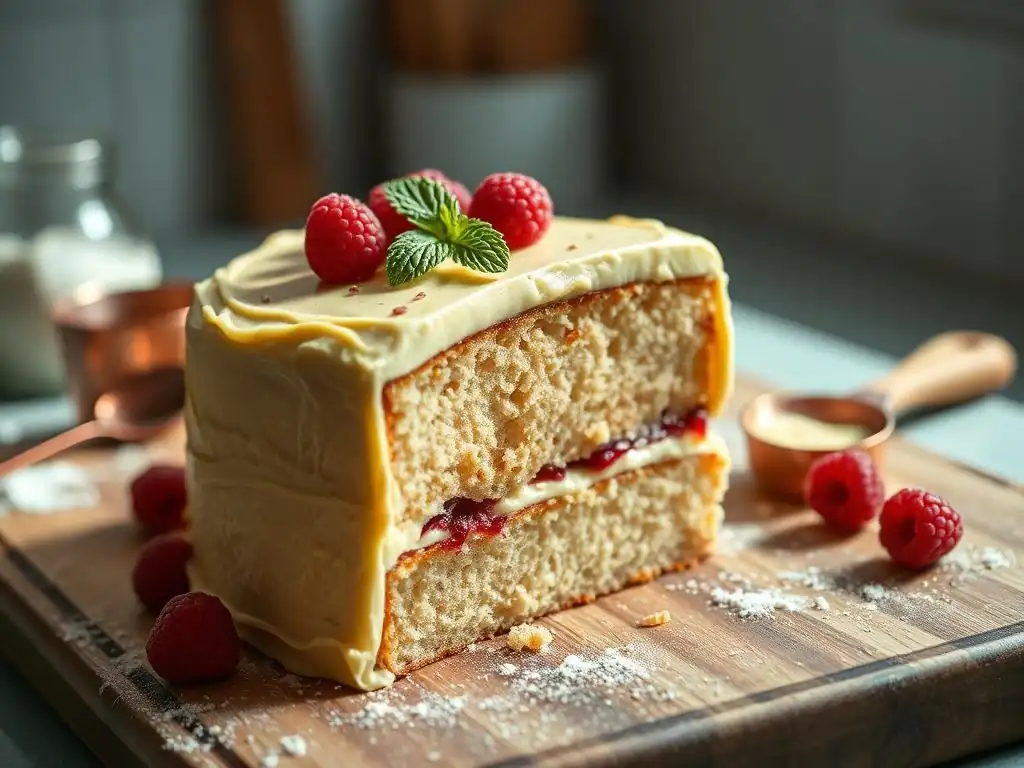
Welcome to BakeWithEase, where the joy of baking meets effortless execution! Are you tired of dry, crumbly cakes? Unlock the secrets to achieving perfectly moist results with our essential guide. Discover our Moist Cake Baking Tips and transform your cakes from disappointing to delectable. Intrigued? Let's dive in and banish dry cakes forever!
- Prevent Dry Cakes: Essential Tips for Moist Results - BakeWithEase
- Introduction: Banish Dry Cake Woes with BakeWithEase
- Understanding the Science Behind Moist Cake Baking
- Essential Moist Cake Baking Tips and Techniques
- Troubleshooting Specific Cake Types for Moistness
- Advanced Techniques for Extra Moist Cakes
- Conclusion: Enjoy Perfectly Moist Cakes Every Time with BakeWithEase
-
Frequently Asked Questions
- How can I ensure my cake is moist and doesn't dry out during baking?
- What role does flour play in the moisture level of a cake?
- What are some common mistakes that lead to dry cakes?
- Can adding certain ingredients help keep my cake moist?
- How important is proper storage for maintaining a cake's moisture?
- Final Reflection: The Enduring Quest for the Perfect Moist Cake
- Unlock Your Cake's Full Potential: Get Baking!
Prevent Dry Cakes: Essential Tips for Moist Results - BakeWithEase
Introduction: Banish Dry Cake Woes with BakeWithEase
There's nothing quite as disappointing as biting into a cake you've lovingly baked, only to find it dry and crumbly. It's a common baking problem that can happen to anyone, regardless of experience level. But don't despair! Achieving a perfectly moist cake is absolutely within your reach. With the right understanding of ingredients and techniques, you can consistently bake cakes that are tender, flavorful, and wonderfully hydrated.
At BakeWithEase, we believe every baker can master the art of creating delicious, moist cakes. This guide will walk you through the science behind dry cakes, pinpoint common mistakes, and provide actionable tips and techniques to ensure your cakes stay wonderfully moist every time. Say goodbye to dry disappointments and hello to moist, delightful results with these essential moist cake baking tips.
Understanding the Science Behind Moist Cake Baking
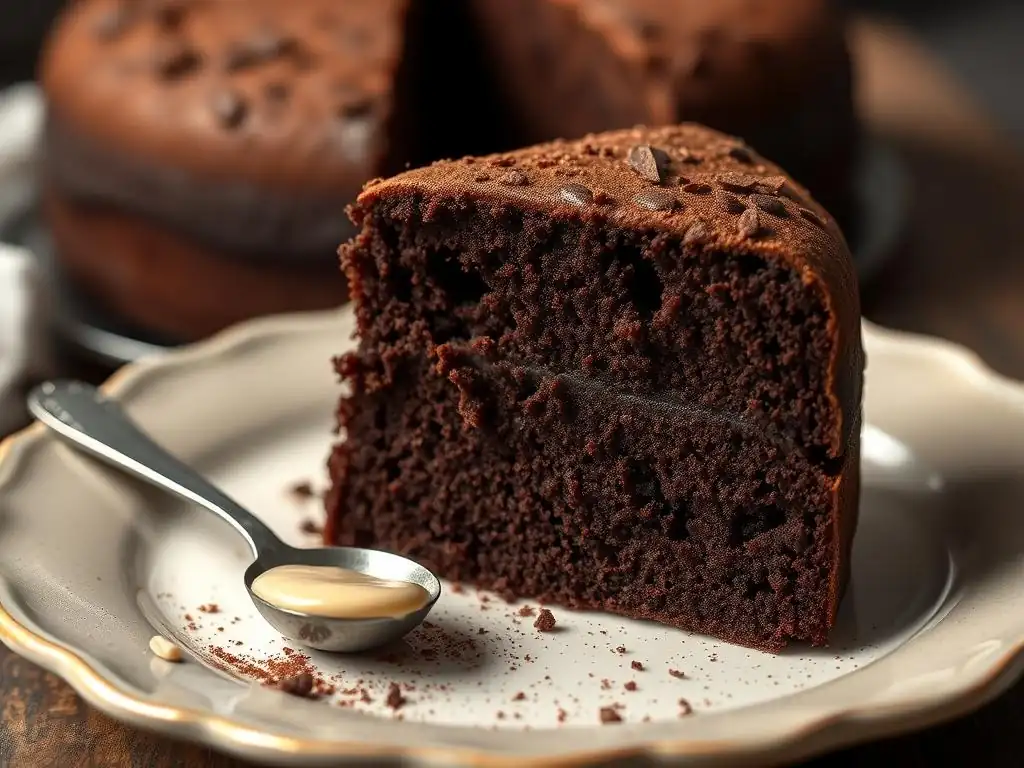
The Role of Ingredients in Cake Moisture
Achieving a moist cake starts with understanding how different ingredients interact during the baking process. Fats, liquids, and even the type of flour you use play crucial roles in determining the final texture and moisture level of your cake. It's a delicate balance, and getting it right is key to preventing dryness.
Each ingredient contributes uniquely. Fats tenderize the crumb, liquids hydrate the dry ingredients, and flour provides the structure. Knowing how these components work together allows you to troubleshoot issues and make informed decisions when adapting recipes or facing unexpected results. Mastering these fundamentals is a core part of effective moist cake baking tips.
Fats: The Key to a Tender Crumb
Fats, like butter or oil, are essential for a moist cake. They coat the flour particles, preventing excessive gluten development, which can lead to a tough, dry cake. Fats also trap air during creaming (with butter) or mixing (with oil), contributing to the cake's leavening and tender texture.
Different fats provide different results. Butter adds flavor and structure but contains water, which can evaporate. Oil, being 100% fat, coats flour particles more effectively and contributes to a consistently moist crumb that stays soft longer, especially in recipes like chocolate cake. Consider a standard yellow cake recipe where substituting half the butter with oil can increase perceived moisture significantly.
Liquids: Hydration for a Delicious Cake
Liquids are crucial for dissolving sugar, hydrating starch and protein in flour, and activating leavening agents like baking soda and powder. Milk, buttermilk, yogurt, sour cream, and even water provide the necessary moisture for the cake structure to form correctly and remain tender.
Using dairy products like buttermilk or sour cream often results in a more tender and moist cake. The acidity in these ingredients helps break down gluten and reacts with baking soda, contributing to a finer crumb and enhanced moisture retention. A cup of buttermilk contains roughly 90% water, providing ample hydration.
Flour: Balancing Structure and Softness
Flour provides the structural framework of the cake through its protein content (gluten). However, too much gluten development can lead to a tough, dry cake. Different flours have varying protein levels; for example, cake flour has a lower protein content (around 6-8%) compared to all-purpose flour (around 10-12%).
Using lower protein flour like cake flour or pastry flour can help create a more tender and moist crumb. When using all-purpose flour, gentle mixing is crucial to avoid overdeveloping gluten. Proper measurement is also critical, as excess flour is a leading cause of dryness, a key point in effective moist cake baking tips.
Common Causes of Dry Cake
Beyond ingredient roles, several factors during the baking process itself can lead to a dry cake. These often relate to temperature, time, and the precision of your measurements and mixing. Identifying these common culprits is the first step in preventing them.
Understanding what goes wrong helps you refine your technique. Whether it's leaving the cake in the oven for just a few minutes too long or using slightly too much flour, small errors can compound to produce a disappointing result. Pinpointing these issues is vital for anyone looking to improve their moist cake baking tips.
Overbaking: The Number One Culprit
Overbaking is perhaps the most frequent reason a cake turns out dry. When a cake bakes too long, moisture continues to evaporate from the batter and the formed crumb structure. This process essentially dries out the cake from the inside out, leaving it dense and crumbly instead of light and moist.
Even a few extra minutes in a hot oven can significantly impact moisture. For instance, a standard 8-inch vanilla cake that should bake for 30-35 minutes might become noticeably dry if left for 40 minutes. The heat converts the water in the batter into steam, and prolonged exposure drives this steam out of the cake.
Incorrect Oven Temperature: A Recipe for Disaster
An oven that isn't calibrated correctly, or setting the temperature too high, can lead to rapid baking and uneven heat distribution. This often results in the outside of the cake baking and setting too quickly while the inside is still raw. By the time the inside is done, the outside is likely overbaked and dry.
Using an oven thermometer is a simple yet crucial step. Many home ovens can be off by 25°F (around -4°C) or more. Baking a cake intended for 350°F (175°C) in an oven that's actually running at 375°F (190°C) will accelerate moisture loss and increase the risk of a dry outcome, undermining even the best moist cake baking tips.
Improper Ingredient Ratios: The Importance of Following the Recipe
Baking is a science, and recipes are essentially formulas. Altering the ratios of wet to dry ingredients, fats to flour, or sugar to flour without understanding the consequences can significantly impact the final texture and moisture. Too much dry ingredient, especially flour, is a common mistake.
For example, adding an extra 1/4 cup (about 30g) of flour to a standard cake recipe can drastically increase the dry ingredients relative to the liquids and fats. This leads to a batter that is too stiff, resulting in a dense, dry crumb that lacks the necessary hydration for tenderness. Precision in measuring is paramount.
Essential Moist Cake Baking Tips and Techniques
Precise Measuring: Accuracy is Key for Cake Success
Accurate measurement is the bedrock of successful baking, especially when aiming for a moist cake. Unlike cooking, where you can often adjust as you go, baking relies on precise ratios to achieve the desired chemical reactions and structural outcomes. Small errors in measurement can lead to big problems with texture and moisture.
Using the right tools and techniques for measuring dry and wet ingredients is non-negotiable. Eyeballing amounts or using incorrect cups can throw off the delicate balance of a recipe. Consistent, accurate measurement is one of the most fundamental moist cake baking tips.
Measuring Flour Correctly: Avoid Packing
One of the most common measurement errors is scooping flour directly from the bag with the measuring cup. This method compacts the flour, resulting in significantly more flour than intended. For example, a cup of flour scooped this way can weigh 140-150g, while a properly measured cup should weigh around 120-125g.
The correct method is to gently spoon the flour into the measuring cup until it overflows, then level it off with a straight edge (like the back of a knife) without packing it down. This "spoon and level" technique ensures you get the amount the recipe developer intended, preventing excess flour and potential dryness.
Using a Kitchen Scale: For Consistent Results
For the most accurate measurements, especially of dry ingredients like flour and sugar, a digital kitchen scale is invaluable. Weight measurements are far more consistent than volume measurements because they are not affected by how tightly an ingredient is packed.
Many professional recipes and reliable online resources provide ingredient weights. Using a scale ensures you're using the exact amount specified, eliminating variability caused by different measuring techniques. Weighing out 125g of flour will always be 125g, ensuring consistency crucial for moist cake baking tips.
Choosing the Right Ingredients for Optimal Moisture
The quality and type of ingredients you choose can significantly impact your cake's moisture level. Some ingredients naturally contribute more moisture or help retain it better than others. Making smart choices here can give you a head start on achieving a wonderfully moist result.
Selecting ingredients known for their hydrating properties or ability to tenderize the crumb is a key strategy. Sometimes, simple substitutions can make a big difference in moisture without compromising flavor or structure. These ingredient choices are vital components of effective moist cake baking tips.
Selecting High-Quality Fats: Butter vs. Oil
Both butter and oil can produce moist cakes, but they do so differently. Butter contributes flavor and helps create a tender crumb through the creaming method, incorporating air. However, it contains water (typically around 15-18%), which evaporates during baking.
Oil, being 100% fat, coats flour particles more effectively and consistently, leading to a very tender and moist crumb that often stays moist longer. Recipes using oil (like many chocolate cakes) tend to be reliably moist. Using a neutral-flavored oil like vegetable or canola oil works well in most recipes.
Using Buttermilk or Sour Cream: Adding Tang and Moisture
Incorporating acidic dairy products like buttermilk or sour cream is a fantastic way to boost cake moisture and tenderness. The acidity helps break down tough gluten strands, resulting in a softer crumb. They also add a pleasant tang that complements many cake flavors.
Buttermilk and sour cream have a higher fat content and thicker consistency than milk, contributing to richness and moisture retention. For example, replacing milk with buttermilk in a standard vanilla cake recipe can yield a noticeably more tender and moist result due to the acidity and fat content.
Incorporating Applesauce or Yogurt: Natural Sweeteners and Hydrators
Unsweetened applesauce or plain yogurt can be used as partial replacements for fat or eggs in some recipes to add moisture and reduce calories. They contribute natural sweetness and a significant amount of liquid, helping to keep the cake tender and hydrated.
For instance, substituting half the oil or butter in a muffin or quick bread recipe with unsweetened applesauce can result in a surprisingly moist texture. Similarly, using plain yogurt in place of some of the liquid or fat in a cake recipe can enhance moisture and add a subtle richness, offering excellent moist cake baking tips for healthier options.
Mastering the Baking Process for Moist Cakes
Even with perfect ingredients and measurements, errors during the baking process itself can ruin your cake's moisture. From mixing technique to oven temperature and knowing exactly when your cake is done, mastering the steps in the oven is critical.
Attention to detail during baking prevents common pitfalls like over-development of gluten or excessive moisture loss. These techniques are fundamental to ensuring the cake bakes evenly and finishes just right, retaining maximum moisture for a tender result. These process tips are essential for anyone focused on moist cake baking tips.
Don't Overmix the Batter: Gluten Development and Tough Cakes
Overmixing cake batter after the flour has been added is a common mistake that leads to dry, tough cakes. Mixing develops gluten, the protein network in flour that provides structure. While some gluten is necessary, too much makes the cake rubbery and less tender.
Once you add the dry ingredients to the wet, mix only until just combined. There should be no visible streaks of dry flour. A few small lumps are perfectly acceptable. Overmixing, especially with a stand mixer on high speed, can develop gluten rapidly, leading to a less desirable texture and reduced moisture.
Baking at the Correct Temperature: Preventing Over-Baking
Using the correct oven temperature is vital. Baking at too high a temperature can cause the cake to rise too quickly, potentially dome excessively, and set too fast on the outside while remaining undercooked inside. By the time the inside is done, the edges and top are likely dry.
Baking at a slightly lower temperature for a longer time can sometimes help achieve a more even bake and retain moisture, especially for larger or denser cakes. Always preheat your oven fully and use an oven thermometer to verify the temperature before putting your cake in. This ensures even cooking, a key aspect of moist cake baking tips.
Using Baking Strips: Even Baking for Moist Results
Baking strips are fabric bands soaked in water and wrapped around the outside of the cake pan. They insulate the sides of the pan, preventing them from heating up faster than the center. This encourages the cake to rise more evenly and bake from the edges inward at a similar rate to the center.
By slowing down the cooking of the edges, baking strips help prevent them from becoming overbaked and dry before the center is done. This results in a flatter top and a more consistently moist crumb throughout the entire cake, a useful technique for achieving uniform moisture.
The Toothpick Test: Knowing When Your Cake is Done
Knowing exactly when to pull your cake from the oven is perhaps the most critical step in preventing overbaking and ensuring moisture. The classic toothpick test is a reliable indicator. Insert a toothpick or thin skewer into the center of the cake.
- If it comes out with moist crumbs attached, the cake is done.
- If it comes out with wet batter, it needs more time.
- If it comes out completely clean and dry, the cake is likely already slightly overbaked.
Aim for moist crumbs, not a completely clean toothpick, for optimal moisture. Start checking a few minutes before the recipe's minimum suggested baking time.
Post-Baking Tips for Maintaining Cake Moisture
The care you take after the cake comes out of the oven is just as important as the steps before and during baking. How you cool, wrap, and store your cake significantly impacts how much moisture it retains and for how long. Don't let your efforts go to waste in the final stages!
Proper handling immediately after baking locks in the moisture that you worked so hard to achieve. Protecting the cake from drying air and temperature fluctuations is key to keeping it fresh and delicious for as long as possible. These post-bake steps are vital moist cake baking tips.
Cooling the Cake Properly: Preventing Moisture Loss
Allowing the cake to cool in the pan for the amount of time specified in the recipe (usually 10-15 minutes) is important. This allows the structure to set slightly. However, leaving it in the hot pan for too long can cause it to continue baking from the residual heat and dry out.
After the initial cooling period in the pan, invert the cake onto a wire rack to cool completely. A wire rack allows air circulation around the entire cake, preventing condensation that could make it soggy while also allowing excess steam to escape gradually without drying out the interior too quickly.
Wrapping the Cake: Sealing in Freshness
Once the cake is completely cool, wrapping it properly is essential for retaining moisture. Warm cake will create condensation inside the wrap, potentially making it sticky or soggy. Use plastic wrap, foil, or a combination to create an airtight seal around the entire cake.
Wrap the cake tightly to minimize exposure to air, which causes staling and drying. For extra protection, wrap it first in plastic wrap, then in a layer of aluminum foil. This is especially important if you won't be frosting or serving the cake immediately, helping preserve moisture for days.
Storing the Cake: Extending Shelf Life and Moisture
How you store your wrapped cake also affects its moisture. Room temperature is usually fine for a few days, but avoid placing it in direct sunlight or near heat sources, which can accelerate drying. For longer storage or in warm climates, refrigeration is necessary.
Store wrapped cakes in an airtight container if possible, especially if refrigerating. Cold air in a refrigerator is very dry and will pull moisture from unprotected food. Storing a cake properly wrapped in the fridge can keep it moist for up to a week, while freezing (double-wrapped) can preserve quality for 2-3 months, making it a great moist cake baking tip for planning ahead.
Troubleshooting Specific Cake Types for Moistness
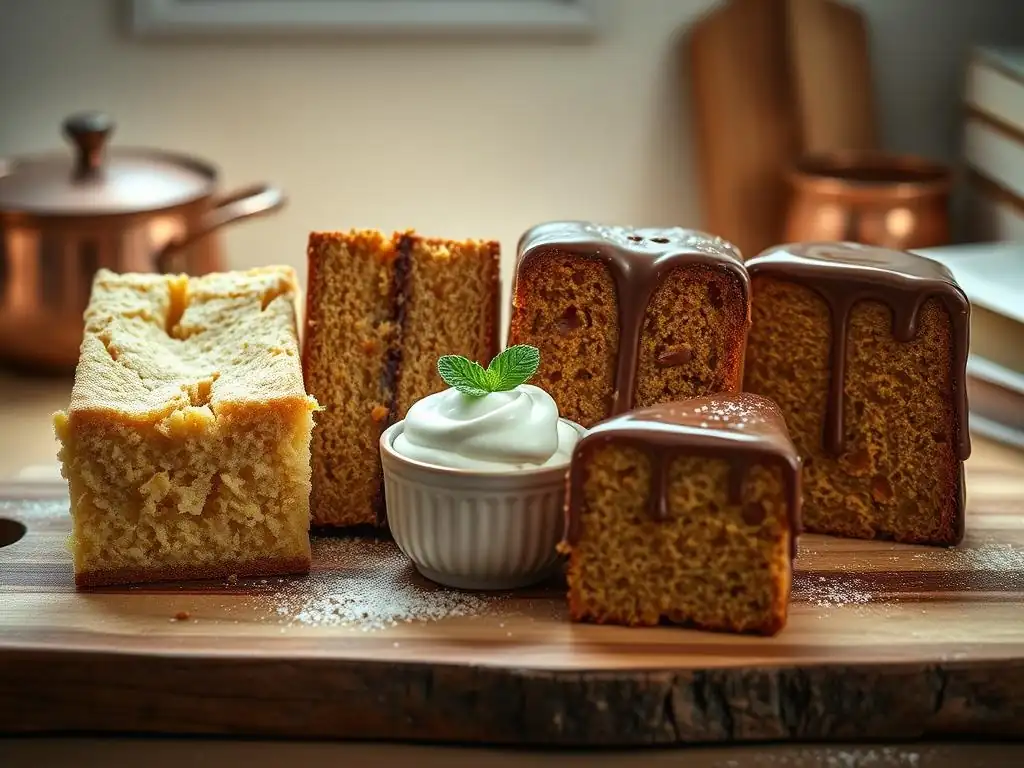
Different types of cakes have different compositions and can present unique challenges when aiming for moisture. Understanding the specific characteristics of popular cake varieties helps tailor your approach for the best results.
Whether it's the richness of chocolate, the simplicity of vanilla, or the added ingredients in carrot cake, each type benefits from specific considerations to ensure it stays wonderfully moist. Applying generalized moist cake baking tips to specific cake types requires a nuanced understanding.
Achieving Moist Chocolate Cake: Richness and Hydration
Chocolate cakes often benefit from ingredients like oil, buttermilk, or even hot coffee or boiling water, which enhance the chocolate flavor and contribute significant moisture. Cocoa powder itself is a dry ingredient, so adequate liquid and fat are crucial to counteract this.
Using a recipe that incorporates a liquid like hot coffee or boiling water bloomed with cocoa powder is a popular method for moist chocolate cakes. This technique deepens the chocolate flavor and ensures the cocoa solids are fully hydrated, leading to a richer, moister crumb. A common ratio is 1 cup (about 120g) cocoa powder to 1 cup (240ml) hot liquid.
Baking Moist Vanilla Cake: A Classic Done Right
Vanilla cakes, especially those based on the creaming method (butter and sugar creamed together), rely heavily on proper technique and ingredient ratios for moisture. Overmixing or using too much flour are particularly detrimental here, as there are fewer 'wet' ingredients like fruit or cocoa to mask dryness.
Using whole milk, buttermilk, or sour cream instead of low-fat milk adds fat and acidity, significantly improving moisture and tenderness. Ensuring the butter is at the correct room temperature for creaming (soft but not melted) also helps incorporate sufficient air, contributing to a lighter, moister texture.
Creating Moist Carrot Cake: Naturally Hydrated and Flavorful
Carrot cake benefits from the natural moisture provided by shredded carrots, and often, ingredients like crushed pineapple, applesauce, or nuts. The challenge is ensuring these additions don't make the cake soggy while still contributing hydration.
Using oil as the primary fat source is common in carrot cake recipes because it ensures a consistently moist crumb that complements the dense texture. Properly draining canned pineapple (if used) prevents excessive liquid, while ensuring the carrots are finely shredded helps them integrate smoothly and release moisture during baking.
Advanced Techniques for Extra Moist Cakes
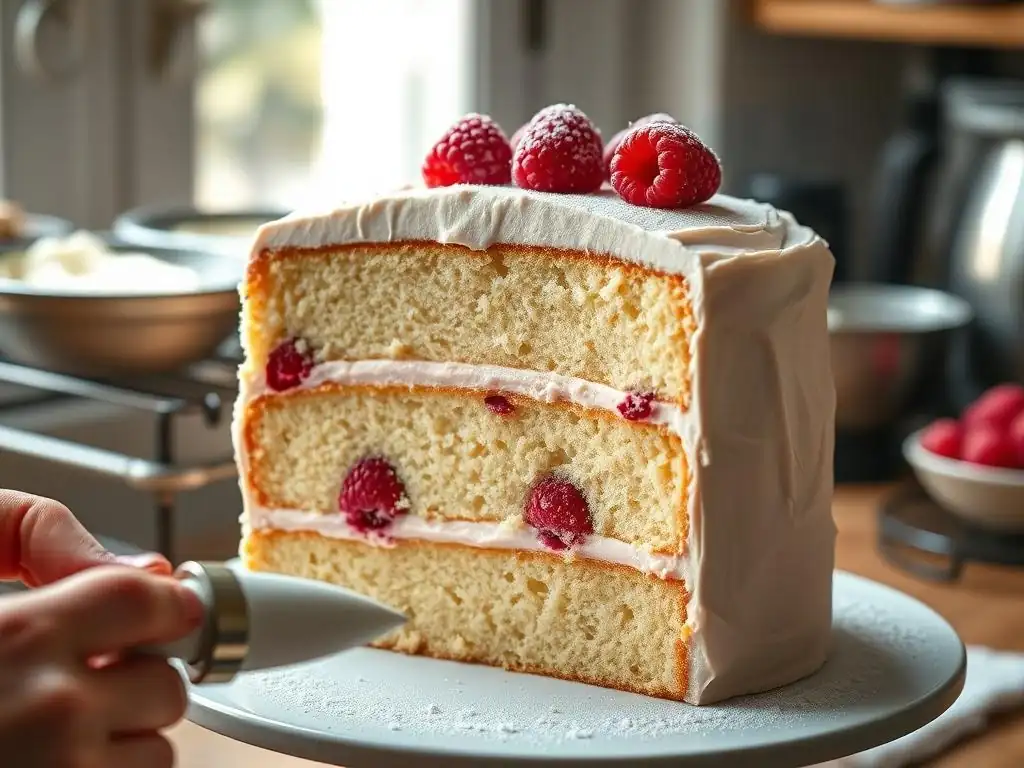
For bakers who want to go the extra mile or need to rescue a cake that might be slightly dry, several techniques can add moisture after baking. These methods infuse the cake with additional liquid or create barriers to prevent existing moisture from escaping.
These techniques are particularly useful for cakes that will be layered, decorated, or served over several days. They add an extra layer of insurance against dryness and can also be used to infuse flavor into the cake crumb. These are advanced moist cake baking tips for discerning bakers.
Using Simple Syrup: Adding Moisture After Baking
Brushing or drizzling a simple syrup (equal parts sugar and water heated until sugar dissolves) onto cake layers after they have cooled is a classic technique for adding moisture. The syrup is absorbed into the cake crumb, making it noticeably moister.
Simple syrup can also be flavored with extracts (like vanilla or almond), citrus zest, or liqueurs to add an extra dimension of taste. A typical ratio might be 1/4 cup (60ml) of syrup per 8 or 9-inch cake layer, applied with a pastry brush until absorbed but not soggy.
Brushing with Flavorings: Enhancing Taste and Hydration
Similar to simple syrup, other liquids can be brushed onto cake layers for moisture and flavor. Coffee, fruit juices, milk, or even alcoholic beverages like rum or liqueur can be used depending on the cake's flavor profile.
For a chocolate cake, brushing with cooled coffee can enhance the chocolate flavor while adding moisture. For a lemon cake, a lemon syrup or lemon juice mixed with sugar works wonders. Ensure the liquid is cool or room temperature when applied to the cooled cake layers.
Adding a Crumb Coat: Sealing in Moisture Before Frosting
Applying a thin layer of frosting, called a crumb coat, to the entire cake before the final frosting layer serves two purposes: it traps loose crumbs and, more importantly, it seals in the cake's moisture.
Once the cake is cool, apply a thin, even layer of frosting all over. Chill the cake in the refrigerator for 15-30 minutes until the crumb coat is firm. This chilled layer acts as a barrier, preventing moisture from escaping before you apply the main frosting, which further protects the cake. This is a key step in keeping frosted cakes moist.
Conclusion: Enjoy Perfectly Moist Cakes Every Time with BakeWithEase
Baking a consistently moist cake doesn't have to be a mystery. By understanding the fundamental roles of your ingredients, avoiding common pitfalls like overbaking and improper measuring, and employing smart techniques during and after the baking process, you can dramatically improve your results.
Remember, precision in measurement, choosing quality ingredients, and paying close attention to oven temperature and baking time are the cornerstones of moist cake baking tips. Whether you're a beginner or looking to refine your skills, applying these techniques will help you achieve that coveted tender, moist crumb every time. Visit BakeWithEase.com for more guides, recipes, and tips to make your baking journey easier and more delicious!
Frequently Asked Questions
How can I ensure my cake is moist and doesn't dry out during baking?
To prevent dry cakes, focus on accurate measurements of ingredients, especially flour, and avoid over-baking. Using the right type of fat, like oil or sour cream, can also contribute to moisture.
What role does flour play in the moisture level of a cake?
Too much flour can lead to a dry cake because it absorbs liquid. Always measure flour accurately using the spoon and level method or a kitchen scale. Consider using cake flour for a softer texture.
What are some common mistakes that lead to dry cakes?
Over-baking is a major culprit. Also, using incorrect oven temperature or opening the oven door frequently can cause moisture loss. Make sure your oven is properly calibrated.
Can adding certain ingredients help keep my cake moist?
Yes, ingredients like sour cream, yogurt, or applesauce can add moisture and richness to your cake. Adding oil instead of butter can also improve moisture retention.
How important is proper storage for maintaining a cake's moisture?
Proper storage is crucial! Wrap the cooled cake tightly in plastic wrap or store it in an airtight container. You can also freeze the cake to preserve its moisture for longer periods.
Final Reflection: The Enduring Quest for the Perfect Moist Cake
The pursuit of the perfectly moist cake transcends mere culinary skill; it's a testament to the enduring human desire for comfort, celebration, and the simple joy of a truly delicious treat. In today's fast-paced world, where convenience often trumps craftsmanship, the act of baking a moist cake remains a powerful symbol of care and intentionality. This article has explored the essential techniques and considerations that elevate a simple cake from dry and disappointing to luxuriously moist and unforgettable.
The quest for the perfect moist cake is a journey, not a destination. It's a journey that reflects our evolving understanding of baking science and our ever-growing appreciation for the subtle nuances of flavor and texture. A cake is a celebration; it's a moment of joy, a symbol of togetherness.
This simple truth underscores the profound impact a perfectly moist cake can have, transforming a simple dessert into a cherished memory. From the careful selection of ingredients to the precise execution of baking techniques, the process itself becomes a meditative practice, a testament to the power of mindful creation.
Now, consider your own baking journey. What have you learned from exploring these tips? Perhaps you've discovered a new favorite ingredient, refined an existing technique, or simply gained a deeper appreciation for the science behind a perfectly moist cake. I encourage you to embrace the challenge, experiment with these techniques, and most importantly, savor the delicious results. The journey to mastering the art of moist cake baking is a rewarding one, filled with delicious discoveries and the satisfaction of creating something truly special.
Unlock Your Cake's Full Potential: Get Baking!
Thanks for taking the time to learn how to prevent dry cakes! We hope you now feel equipped to create deliciously moist masterpieces. Ready to put your new skills to the test?
- Bake your dream cake today! Grab your favorite recipe (or try a new one!) and put these tips into action. Notice the difference immediately!
- Share your baking journey! Post a picture of your moist, fluffy creation on social media and tag #BakeWithEase – we'd love to see it!
- Explore our other baking guides for even more tips and tricks to elevate your baking game.
What delicious flavor combination will you try first to achieve the perfect moist cake?