
Unlock Richer Flavors: Baking with Honey, Maple Syrup & Agave

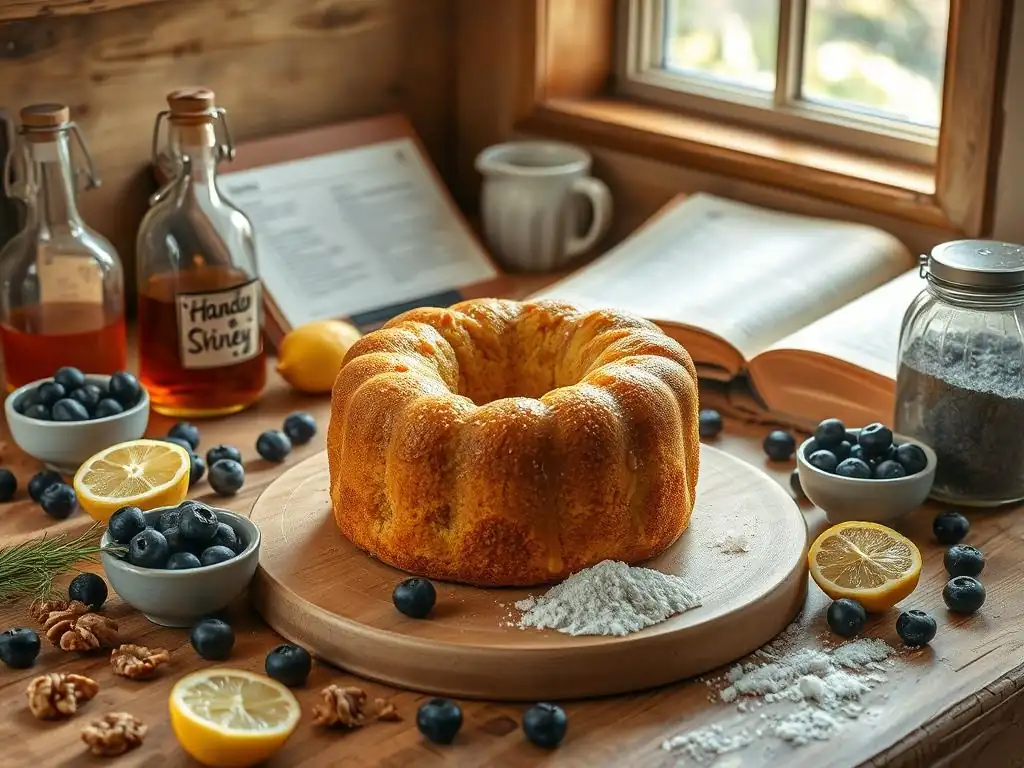
Welcome to BakeWithEase, where unlocking baking perfection is simpler than you think! Ever wondered how to elevate your baked goods with natural sweetness and complex flavors? This week, we're diving deep into the world of premium baking ingredients, focusing on the luscious combination of honey and maple syrup baking tips. Discover how these natural sweeteners can transform your recipes, adding a depth and richness you never thought possible. Intrigued? Keep reading to unlock the secrets to baking with nature's liquid gold!
- Unlock Richer Flavors: Baking with Natural Sweeteners
- Honey, Maple Syrup, and Agave: A Baker's Guide to Liquid Sweeteners
- Baking with Natural Sweeteners: Practical Application & Recipe Adjustments
- Troubleshooting Baking with Natural Sweeteners: Common Problems and Solutions
- Recipes to Showcase Honey, Maple Syrup, and Agave
- Conclusion: Embrace the Versatility of Natural Sweeteners in Your Baking Journey
-
Frequently Asked Questions
- What are the main benefits of using honey or maple syrup instead of refined sugar in baking?
- How does using honey or maple syrup affect the browning of baked goods?
- Can I substitute honey or maple syrup directly for granulated sugar in a recipe?
- What types of baked goods are best suited for honey or maple syrup?
- How should I store baked goods made with honey or maple syrup?
- Final Reflection: The Sweet Symphony of Natural Sweeteners
- Unlock Your Inner Pastry Chef: Sweeten Your Baking Journey!
Unlock Richer Flavors: Baking with Natural Sweeteners
Discover Natural Sweeteners: Elevating Your Baking Beyond Refined Sugar
Stepping away from refined white sugar in your baking opens up a world of nuanced flavors and textures. While sugar provides straightforward sweetness and structure, natural alternatives like honey, maple syrup, and agave introduce complex profiles that can transform your favorite recipes. These liquid sweeteners offer more than just sweetness; they bring unique aromas, moisture-retaining properties, and distinct characteristics that can enhance everything from a simple cookie to a sophisticated cake. Exploring these options allows bakers to experiment with different taste dimensions and potentially create baked goods with a more appealing depth of flavor.
Transitioning to natural sweeteners requires understanding how they behave differently from granulated sugar. Factors like sweetness intensity, moisture content, and acidity play significant roles in the final outcome of your baked goods. For instance, honey is typically sweeter than sugar and adds moisture, while maple syrup contributes a distinct earthy note and can affect texture.
Agave nectar, often marketed as a low-glycemic option, is also sweeter than sugar and can lead to faster browning. Mastering the use of these ingredients involves careful consideration of their unique properties and making necessary adjustments to traditional recipes, which is where specific honey maple syrup baking tips become invaluable.
Honey, Maple Syrup, and Agave: A Baker's Guide to Liquid Sweeteners
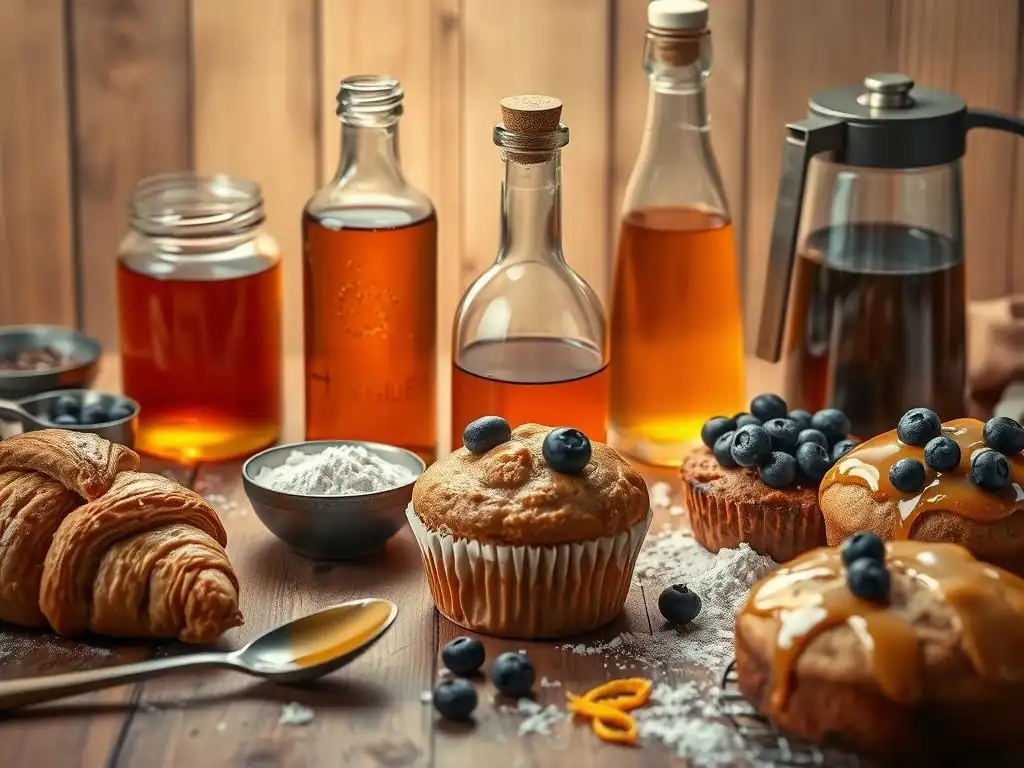
Understanding the Unique Properties of Honey in Baking
Honey, a natural product of bees, is one of the oldest sweeteners used by humans and offers a complexity that refined sugar simply cannot match. Its composition is primarily fructose and glucose, along with small amounts of water, pollen, enzymes, and minerals, which contribute to its distinct flavor and physical properties. When used in baking, honey doesn't just sweeten; it imparts a unique aroma and can significantly impact the texture and shelf life of baked goods. Understanding these properties is crucial for successful results when incorporating honey into your recipes.
One of the most notable characteristics of honey is its variable sweetness and flavor profile, which depends heavily on the floral source. For example, clover honey is typically mild and sweet, while buckwheat honey is dark and robust. This variability means that the choice of honey can dramatically alter the final taste of your baked goods.
Additionally, honey is generally considered sweeter than granulated sugar by about 20-40%, meaning you'll need less of it to achieve the same level of sweetness. This concentration of sweetness, combined with its liquid form and other components, necessitates recipe adjustments beyond a simple one-to-one substitution.
Honey's Hygroscopic Nature: Moisture Retention in Cakes and Breads
Honey is highly hygroscopic, meaning it readily absorbs and retains moisture from the air and its surroundings. This property is a significant advantage in baking, particularly for items like cakes, muffins, and quick breads. By incorporating honey, you can create baked goods that stay moist and soft for longer periods compared to those made solely with granulated sugar. This increased moisture retention also contributes to a tender crumb structure, preventing dryness often associated with sugar-only recipes, especially over time.
In yeast breads, honey not only contributes to moisture but also acts as a food source for the yeast, promoting fermentation and potentially leading to a lighter texture and better crust development. However, because of its liquid nature, substituting honey for granulated sugar requires reducing other liquids in the recipe to maintain the correct batter or dough consistency. Typically, for every cup of honey used, you might reduce other liquids by about 1/4 cup, though this can vary based on the specific recipe and the moisture content of the honey itself.
Exploring Different Honey Varieties and Their Flavor Profiles for Baking
The world of honey is vast, with flavors ranging from delicate and floral to rich and malty, each lending a unique character to baked goods. Light-colored honeys like clover, acacia, or orange blossom are generally mild and sweet, making them versatile for a wide range of recipes where you want sweetness without an overpowering honey flavor. These work well in delicate cakes, cookies, or light-colored loaves of bread where a subtle sweetness is desired.
Darker honeys, such as buckwheat, tupelo, or manuka, possess more robust and distinctive flavors that can stand up to or complement stronger ingredients like chocolate, spices, or whole grains. Buckwheat honey, for instance, has a molasses-like depth that pairs wonderfully with gingerbread or dark chocolate brownies. Using these stronger honeys requires careful consideration to ensure their flavor enhances rather than dominates the final product. Experimenting with small batches using different honey types is an excellent way to discover which varieties best suit your specific baking projects.
Honey Baking Tips: Adjusting Recipes for Optimal Results
Successfully substituting honey for sugar requires more than just swapping equal amounts. Because honey is a liquid and is sweeter than sugar, adjustments to both the quantity of sweetener and other ingredients are necessary. A common guideline is to use about 3/4 cup of honey for every cup of granulated sugar called for in a recipe. Due to its acidity, honey can also react with baking soda, so you might need to slightly reduce the amount of baking soda and potentially add a pinch of baking powder, especially in recipes relying solely on soda for leavening.
Additionally, honey causes baked goods to brown faster due to its fructose content. To prevent over-browning, particularly on the crust, consider reducing your oven temperature by about 25°F (around 15°C). Covering the baked item loosely with foil during the last portion of baking can also help. Finally, because honey adds significant moisture, reducing other liquids in the recipe is critical to prevent a gummy or overly dense texture. Applying these honey maple syrup baking tips ensures a smoother transition to using this flavorful sweetener.
Mastering Maple Syrup in Your Baking Recipes
Pure maple syrup, harvested from the sap of maple trees, offers a distinct flavor profile unlike any other sweetener, bringing notes of caramel, vanilla, and sometimes a hint of woodiness. Its unique taste makes it a favorite for adding warmth and depth to baked goods, especially during autumn and winter months. Like honey, maple syrup is a liquid sweetener, primarily composed of sucrose and water, but it also contains minerals and antioxidants that contribute to its unique character. Its flavor intensity and color vary depending on its grade, which is a key factor for bakers to consider.
Incorporating maple syrup into baking can yield delightful results, from moist cakes and muffins to chewy cookies and flaky pie crusts. However, its liquid nature and specific sugar composition mean it behaves differently than granulated sugar. Recipes often require adjustments to liquid content and baking time or temperature. Understanding the nuances of using maple syrup, much like mastering honey maple syrup baking tips, is essential for achieving the desired texture and flavor in your creations.
Grade and Flavor Profile: Choosing the Right Maple Syrup for Your Baked Goods
Maple syrup is graded based on its color and flavor intensity, which directly impacts its suitability for different baking applications. Under the current grading system used in the United States and Canada, syrup is classified as Grade A, followed by descriptors like "Golden Color, Delicate Taste," "Amber Color, Rich Taste," "Dark Color, Robust Taste," and "Very Dark Color, Strong Taste." Golden and Amber grades have lighter colors and more subtle flavors, making them ideal for recipes where you want a hint of maple without it being overpowering, such as in light-colored cakes or glazes.
Dark and Very Dark grades offer increasingly intense maple flavors and deeper colors. These are often preferred in baking where a pronounced maple presence is desired, such as in gingerbread, spice cookies, or pecan pie. The stronger flavors can stand up well to other robust ingredients. For many general baking purposes, the Amber or Dark grades strike a good balance, providing noticeable maple flavor without being overly strong. When choosing maple syrup, ensure it is 100% pure maple syrup, as imitation syrups contain corn syrup and artificial flavors and will not perform the same way in baking.
Maple Syrup's Distinct Flavor Profile: Enhancing Cookies and Pies
The characteristic flavor of maple syrup can elevate classic baked goods, adding a layer of complexity that refined sugar alone cannot provide. In cookies, maple syrup contributes moisture and a subtle chewiness, while its flavor pairs exceptionally well with ingredients like oats, nuts, spices (cinnamon, nutmeg, ginger), and brown butter. Maple Pecan Cookies or Maple Oatmeal Raisin Cookies are prime examples where the syrup's flavor truly shines.
For pies, particularly those featuring nuts or fruit, maple syrup can add a wonderful depth. In a classic Pecan Pie, substituting some or all of the corn syrup or brown sugar with maple syrup results in a richer, more sophisticated filling with a distinct maple note that complements the nutty flavor beautifully. It also works well in apple or sweet potato pies, enhancing their natural sweetness and spice profiles. When focusing on honey maple syrup baking tips, remember that maple syrup often brings a more pronounced and unique flavor than honey, requiring careful pairing with other ingredients.
Maple Syrup Baking Tips: Achieving the Perfect Balance of Sweetness and Flavor
Baking with maple syrup requires careful adjustments to account for its liquid volume and sweetness level, which is slightly less sweet than granulated sugar on a volume basis, though comparable by weight. A common substitution guideline is to use about 3/4 to 1 cup of maple syrup for every cup of granulated sugar, depending on desired sweetness and consistency. Because it adds liquid, you'll need to reduce other liquids in the recipe, typically by about 1/4 to 1/3 cup per cup of maple syrup used.
Maple syrup can also affect the texture of baked goods, sometimes leading to a slightly denser crumb or a chewier result in cookies. To mitigate this, ensure accurate measurement of ingredients and consider slightly increasing leavening agents like baking powder if the recipe seems too heavy. Like honey, maple syrup can cause faster browning, so monitoring baking time and potentially lowering the oven temperature are advisable. Following these specific honey maple syrup baking tips for maple syrup helps ensure successful and flavorful results.
Agave Nectar: A Low-Glycemic Option for Baking with Natural Sweeteners
Agave nectar, derived from the agave plant, has gained popularity as a natural sweetener, often marketed for its lower glycemic index compared to sugar. It is primarily composed of fructose, which contributes to its high sweetness intensity – often cited as being 1.4 to 1.6 times sweeter than granulated sugar. This means significantly less agave is needed to achieve the same level of sweetness as sugar, making it an economical choice in terms of quantity used.
While its low glycemic index is appealing to some, the high fructose content of agave nectar is a key consideration for bakers. Fructose browns much faster than glucose or sucrose, which can lead to baked goods with overly dark crusts before the interior is fully cooked. Additionally, the neutral flavor profile of refined agave nectar makes it versatile but also means it doesn't contribute the complex flavors that honey or maple syrup do. Understanding these characteristics is vital when incorporating agave into your baking repertoire.
Agave Nectar's Sweetness Intensity: Adjusting Amounts in Recipes
The primary adjustment required when substituting agave nectar for granulated sugar is the amount used due to its higher sweetness intensity. As a general rule, you can start by using about 2/3 cup of agave nectar for every cup of granulated sugar. However, taste preferences vary, and the perceived sweetness can differ depending on the recipe and other ingredients, so some experimentation may be needed.
Beyond the quantity of sweetener, agave nectar's liquid form necessitates reducing other liquids in the recipe. For every cup of agave nectar used, reduce other liquids by approximately 1/4 to 1/3 cup. This helps maintain the correct consistency of batters and doughs, preventing them from becoming too wet or dense. Precise measurement is key when working with agave, as even small errors in substitution ratios can significantly impact the final texture and sweetness of your baked goods.
Using Agave Nectar in Vegan Baking: A Plant-Based Sweetener Solution
Agave nectar is a popular choice in vegan baking because it is a plant-derived sweetener, unlike honey which comes from bees. Its neutral flavor profile is also beneficial in vegan recipes where you want the taste of other ingredients, such as fruits, nuts, or chocolate, to dominate without interference from the sweetener's own characteristics. It dissolves easily, making it suitable for use in glazes, sauces, and dressings within vegan baked goods.
In recipes that rely on sugar for structure or creaming with butter (which is replaced by vegan butter or oil), agave's liquid nature means it won't provide the same aeration. This might require adjustments to leavening agents or mixing methods to achieve the desired lift and texture. However, for recipes like brownies, muffins, or quick breads where moisture and density are often desirable, agave can perform quite well as a vegan alternative, contributing sweetness and moisture without animal products.
Agave Baking Tips: Preventing Over-Browning and Maintaining Texture
The high fructose content in agave nectar causes baked goods to brown significantly faster than those made with sugar, honey, or maple syrup. This is perhaps the most critical factor to manage when baking with agave. To prevent burning the crust before the interior is cooked, lower your oven temperature by about 25°F (around 15°C). You might also need to tent the baked item with foil partway through the baking time, especially for longer-baking items like cakes or loaf breads.
Maintaining the correct texture with agave can sometimes be tricky. Its liquid nature adds moisture, which is good, but too much can lead to a gummy texture. Ensuring accurate liquid reduction is crucial. Agave also doesn't contribute to crispness in the same way sugar does, so cookies made with agave may be softer. For recipes where crispness is desired, agave might not be the best substitute, or it may need to be used in combination with other sweeteners or ingredients that promote crisping. Applying these agave-specific honey maple syrup baking tips helps navigate its unique challenges.
Baking with Natural Sweeteners: Practical Application & Recipe Adjustments
Successfully swapping out granulated sugar for natural liquid sweeteners requires understanding specific conversion techniques. These guidelines are starting points, and slight modifications may be needed based on the original recipe, the specific sweetener used (e.g., different honey varieties have different moisture levels), and desired outcomes. Always remember that these liquid sweeteners add moisture and often acidity, which impacts the chemistry of baking.
Converting Sugar to Honey: A Step-by-Step Guide
Converting a recipe from sugar to honey involves a few key steps to ensure success. Here's a basic process to follow:
- Reduce the Quantity: For every 1 cup of granulated sugar, start with approximately 3/4 cup of honey. Honey is sweeter, so you need less volume.
- Reduce Other Liquids: For every 1 cup of honey used, reduce the total amount of other liquids (milk, water, juice, etc.) in the recipe by about 1/4 cup. This accounts for the liquid volume honey adds.
- Adjust Leavening (Optional but Recommended): Honey is slightly acidic. If the recipe uses baking soda, you might need to reduce it slightly and/or add a small amount of baking powder (e.g., 1/4 teaspoon per 3/4 cup honey) to ensure proper lift, especially if the recipe doesn't contain other acidic ingredients like buttermilk or yogurt.
- Lower Baking Temperature: Reduce the oven temperature by about 25°F (15°C) to prevent over-browning.
- Monitor Baking Time: Baking time might be slightly longer or shorter depending on the recipe and oven. Keep a close eye on your baked goods.
// Example Conversion Ratio
1 cup Granulated Sugar  ->  ~3/4 cup Honey
Reduce other liquids by ~1/4 cup
Reduce oven temp by ~25°F (15°C)
Remember that these are guidelines. A simple cookie recipe might require less liquid reduction than a moist cake. Baking is a science, but also an art, and experimentation is part of the process when applying honey maple syrup baking tips.
Converting Sugar to Maple Syrup: Achieving the Right Consistency
Converting from sugar to maple syrup follows a similar logic to using honey, focusing on managing liquid content and flavor intensity.
- Determine Quantity: Use about 3/4 cup to 1 cup of pure maple syrup for every 1 cup of granulated sugar. The amount depends on the desired sweetness and the grade of syrup (darker grades have more intense flavor but similar sweetness levels to lighter grades).
- Reduce Other Liquids: For every 1 cup of maple syrup, reduce other liquids in the recipe by approximately 1/4 to 1/3 cup. Maple syrup can be slightly thinner than honey, so you might need a slightly larger liquid reduction.
- Consider Leavening: Maple syrup is generally less acidic than honey, so leavening adjustments might not be as critical unless the recipe is very sensitive.
- Lower Baking Temperature: Like honey, maple syrup causes faster browning. Reduce the oven temperature by about 25°F (15°C).
- Check for Doneness: Monitor baking time closely. The internal temperature for doneness will be the same, but the visual cues might differ slightly due to browning.
// Example Conversion Ratio
1 cup Granulated Sugar  ->  ~3/4 - 1 cup Maple Syrup
Reduce other liquids by ~1/4 - 1/3 cup
Reduce oven temp by ~25°F (15°C)
When applying honey maple syrup baking tips, note that maple syrup's flavor is often more distinct than many types of honey, so consider how it will interact with other ingredients.
Converting Sugar to Agave: Maintaining Moisture and Texture
Substituting agave nectar for sugar requires careful attention to its higher sweetness and liquid volume, as well as its tendency to cause rapid browning.
- Reduce Quantity Significantly: Use about 2/3 cup of agave nectar for every 1 cup of granulated sugar. Agave is considerably sweeter.
- Reduce Other Liquids: For every 1 cup of agave nectar, reduce other liquids in the recipe by approximately 1/4 to 1/3 cup, similar to maple syrup.
- Manage Browning: This is crucial. Lower the oven temperature by about 25°F (15°C) and be prepared to tent the baked item with foil if the crust begins to darken too quickly.
- Monitor Texture: Agave can sometimes lead to a slightly denser or gummier texture. Ensure accurate liquid reduction and consider adding a bit more flour (a tablespoon or two per cup of agave) if the batter seems too wet, though this is often unnecessary with correct liquid reduction.
- Adjust Baking Time: Baking time may need adjustment. Focus on internal cues for doneness rather than just crust color.
// Example Conversion Ratio
1 cup Granulated Sugar  ->  ~2/3 cup Agave Nectar
Reduce other liquids by ~1/4 - 1/3 cup
Reduce oven temp by ~25°F (15°C)
Agave's neutral flavor means it won't add complexity like honey or maple syrup, but its high sweetness and liquid content are the main factors to manage. These specific honey maple syrup baking tips for agave focus on quantity and temperature control.
Troubleshooting Baking with Natural Sweeteners: Common Problems and Solutions
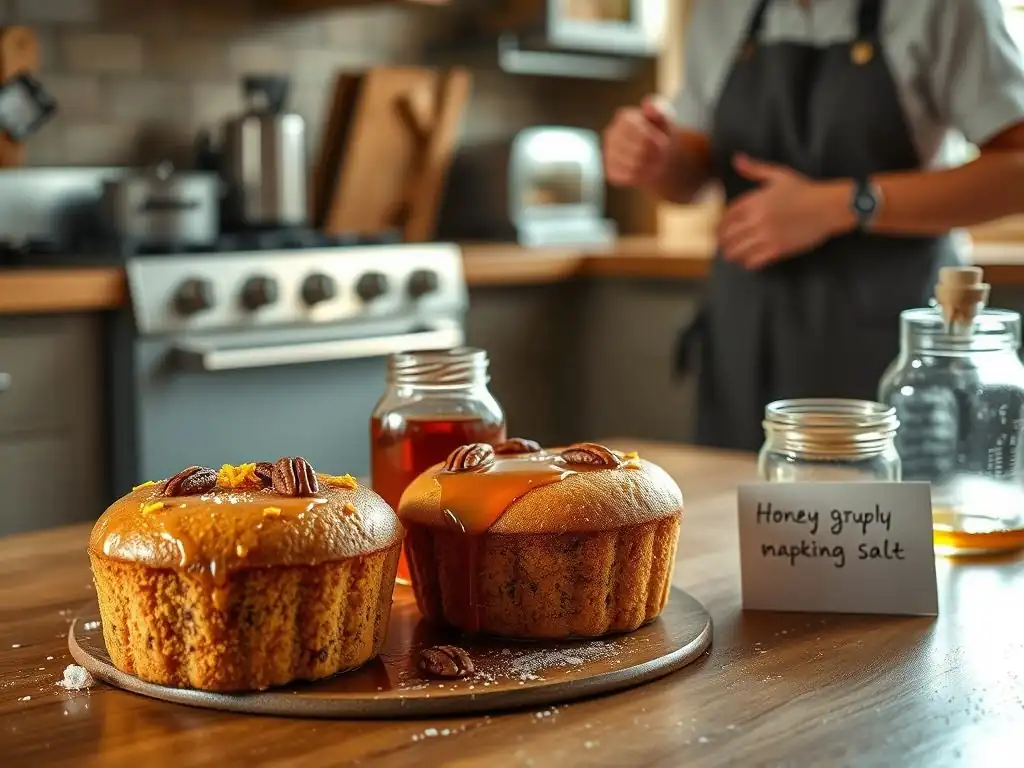
When you start experimenting with natural liquid sweeteners, you might encounter some common challenges. Unlike the predictable behavior of granulated sugar, honey, maple syrup, and agave introduce variables related to moisture, acidity, and sugar composition. Knowing how to identify and address these issues is key to achieving consistently good results and building confidence in your natural sweetener baking skills.
Over-Browning Issues: Strategies for Mitigation
One of the most frequent problems when baking with honey, maple syrup, or agave is the tendency for baked goods to brown much faster than anticipated, often resulting in a dark or even burnt crust while the interior is still undercooked. This is primarily due to the higher fructose content in these sweeteners compared to the sucrose in granulated sugar, as fructose caramelizes at a lower temperature.
To combat over-browning, the most effective strategy is to reduce your oven temperature. A reduction of 25°F (15°C) from the temperature called for in the original sugar-based recipe is a standard starting point. Additionally, loosely tenting the baked item with aluminum foil partway through the baking process (typically once the desired crust color is achieved) can shield the top from further direct heat while allowing the inside to finish cooking.
For items like cookies, using parchment paper on baking sheets can also help prevent the bottoms from burning. These adjustments are critical honey maple syrup baking tips for temperature management.
Achieving the Right Texture: Avoiding Gumminess or Dryness
Finding the right texture is another common hurdle. Because honey, maple syrup, and agave are liquid, they add moisture to recipes. Insufficiently reducing other liquids can lead to a batter that is too wet, resulting in baked goods that are dense, heavy, or even gummy after baking. Conversely, if you overcompensate with dry ingredients, the result can be dry or crumbly.
Precision in reducing other liquids (milk, water, oil, etc.) is paramount. As previously mentioned, reducing other liquids by about 1/4 to 1/3 cup per cup of liquid sweetener is a good starting guideline.
Pay attention to the consistency of your batter or dough – it should resemble that of the original sugar-based recipe. If after adjusting liquids, the mixture still seems too wet, you might need to add a tablespoon or two of flour, but do this cautiously. For recipes where sugar contributes significantly to structure (like some cookies or meringues), liquid sweeteners may not be ideal substitutes, or they may require significant recipe reformulation.
Balancing Flavors: Preventing Overpowering Sweetness
Natural liquid sweeteners offer wonderful flavors, but their intensity can sometimes be overwhelming, or their inherent taste might clash with other recipe components. Honey varieties have distinct flavors, maple syrup is quite potent, and while agave is neutral, its high sweetness can dominate. Achieving a harmonious balance is key.
First, ensure you are correctly adjusting the quantity of the sweetener based on its sweetness intensity relative to sugar. Using too much simply because it's a "natural" option will likely result in an overly sweet product. Consider the flavor profile of the specific sweetener you are using and how it complements the other ingredients. A robust buckwheat honey might overpower a delicate vanilla cake, while a light clover honey might be lost in a heavily spiced gingerbread.
Taste your batter or dough cautiously (where appropriate and safe) before baking to get an indication of the sweetness level, keeping in mind that flavors develop during baking. Sometimes, a pinch of salt or a touch of acid (like lemon juice or vinegar) can help balance sweetness and enhance other flavors. These careful considerations are essential honey maple syrup baking tips for flavor management.
Recipes to Showcase Honey, Maple Syrup, and Agave
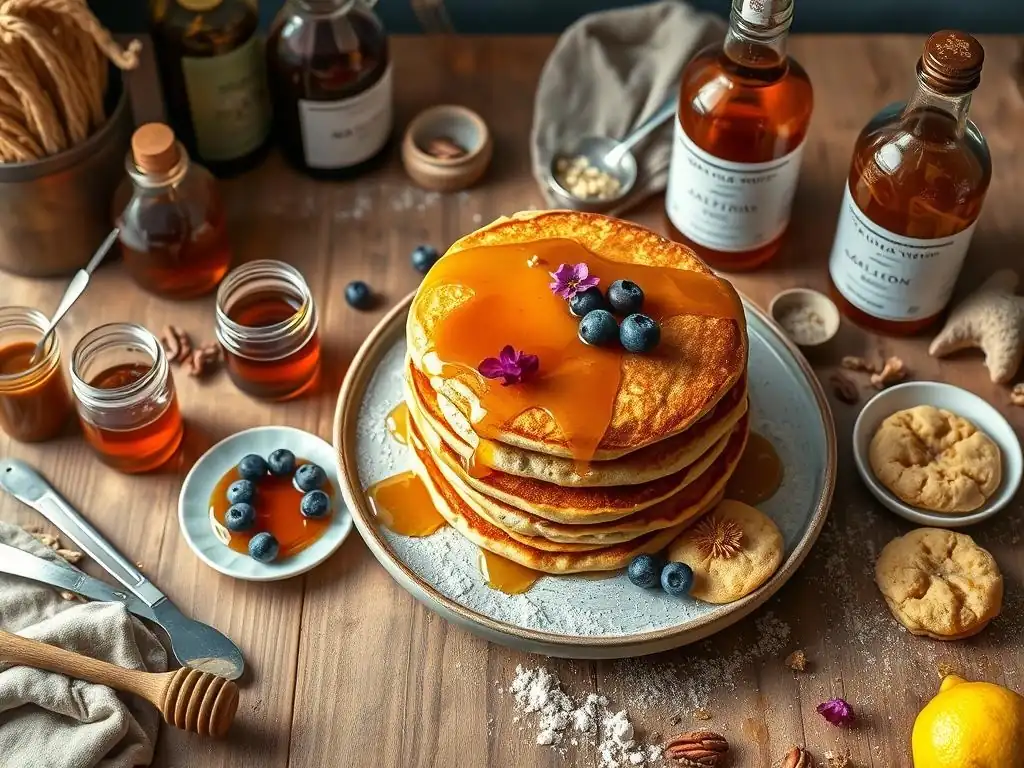
To truly appreciate the unique qualities of these natural sweeteners, trying recipes specifically developed or successfully converted to use them is highly recommended. These examples highlight how honey, maple syrup, and agave can contribute distinct flavors and textures to classic baked goods, offering delightful alternatives to sugar-sweetened versions.
These cookies embrace the moisture and subtle floral notes that honey brings, resulting in a chewy texture and a more complex sweetness than standard sugar cookies. The honey pairs beautifully with the earthy flavor of oats and can be complemented by additions like cinnamon, raisins, or chopped nuts.
- Sweetener: Honey (e.g., Clover or Wildflower)
- Key Benefit: Moisture retention, chewy texture, unique flavor pairing with oats and spices.
- Typical Adjustments: Reduced honey quantity (~3/4 cup per cup sugar), reduced liquid, slightly lowered oven temperature.
Imagine biting into a soft, slightly chewy oatmeal cookie, where the sweetness isn't just flat, but has a subtle richness from the honey. These often stay fresh and moist for several days thanks to honey's hygroscopic nature, making them perfect for batch baking. Using specific honey maple syrup baking tips ensures these turn out perfectly.
Maple Syrup Glazed Doughnuts: An Irresistible Indulgence
While the doughnut itself might use sugar or a blend, a glaze made purely from pure maple syrup offers an unparalleled depth of flavor. A simple glaze can be made by warming maple syrup until slightly thickened, perhaps with a touch of butter or vanilla. This glaze hardens slightly upon cooling, providing a beautiful sheen and an intense maple flavor that elevates the humble doughnut.
- Sweetener: Pure Maple Syrup (e.g., Dark or Very Dark Grade)
- Key Benefit: Intense, signature maple flavor for glazes and toppings.
- Typical Adjustments: Used as a glaze component rather than a primary dough sweetener; requires careful heating to achieve desired consistency.
Dipping a warm, fluffy doughnut into a rich, aromatic maple glaze is a truly decadent experience. The robust flavor of a dark maple syrup glaze stands up well to the richness of fried or baked doughnuts. This application showcases maple syrup's flavor contribution without needing complex recipe conversions within the dough itself, making it an easy win for applying honey maple syrup baking tips.
Agave Nectar Brownies: A Guilt-Free Chocolate Delight
Agave nectar works well in brownies where moisture and a slightly fudgy texture are often desired. Its neutral flavor allows the rich chocolate notes to shine through without competition. While not calorie-free, its higher sweetness intensity means less is used, and its lower glycemic index is appealing to some.
- Sweetener: Agave Nectar
- Key Benefit: Neutral sweetness allows chocolate flavor to dominate, contributes moisture.
- Typical Adjustments: Reduced agave quantity (~2/3 cup per cup sugar), reduced liquid, significantly lowered oven temperature, careful monitoring for browning.
Using agave in brownies can yield a moist, dense, and intensely chocolatey result. The main challenge is managing the baking temperature to prevent the edges from burning before the center is set. When done correctly, agave brownies can be a satisfying alternative, proving that natural sweeteners can perform well in dense, moist baked goods when specific agave baking tips derived from honey maple syrup baking tips are followed.
Conclusion: Embrace the Versatility of Natural Sweeteners in Your Baking Journey
Exploring the world of natural sweeteners like honey, maple syrup, and agave offers a rewarding path for any baker looking to add depth, nuance, and unique characteristics to their creations. Beyond simply replacing sugar, these ingredients invite creativity and experimentation, allowing you to tailor flavors and textures in exciting ways. Each sweetener brings its own set of properties – honey's moisture retention and floral notes, maple syrup's distinct caramel richness, and agave's intense sweetness and neutral profile – providing a versatile palette for your baking adventures.
Mastering the use of these liquid sweeteners involves understanding their differences from granulated sugar and applying specific conversion guidelines and troubleshooting techniques. While there's a learning curve, the effort is well worth the results. From chewy honey cookies to rich maple glazes and moist agave brownies, the possibilities are vast. Armed with the knowledge of their unique behaviors and practical honey maple syrup baking tips, you are ready to unlock richer flavors and enjoy a more diverse and exciting baking journey.
Elevate Your Baking with These Natural Sweeteners: Experiment and Enjoy!
Ready to transform your baking? Start by choosing a simple recipe and substituting a portion of the sugar with one of these natural sweeteners, perhaps beginning with just half the sugar converted before attempting a full conversion. Pay close attention to the changes in batter consistency and adjust liquids as needed. Don't be afraid to experiment with different varieties of honey or grades of maple syrup to see how they impact the final flavor. Keep note of your adjustments and results – this is how you build expertise.
Remember the key honey maple syrup baking tips: adjust quantity for sweetness, reduce other liquids, lower oven temperature to prevent over-browning, and monitor baking time closely. With practice, you'll become adept at predicting how these sweeteners will behave and confidently incorporate them into a wider range of recipes. Embrace the process, learn from each bake, and most importantly, enjoy the delicious, richer flavors that baking with honey, maple syrup, and agave brings to your table. Happy baking!
Frequently Asked Questions
What are the main benefits of using honey or maple syrup instead of refined sugar in baking?
Honey and maple syrup offer distinct flavor profiles and can add moisture to baked goods. They also contain trace minerals not found in refined sugar.
How does using honey or maple syrup affect the browning of baked goods?
Both honey and maple syrup contain sugars that caramelize easily, leading to faster and deeper browning. You may need to lower the oven temperature slightly to prevent burning.
Can I substitute honey or maple syrup directly for granulated sugar in a recipe?
Generally, you can, but it's not a 1:1 replacement. Reduce the liquid in the recipe by about 1/4 cup per cup of honey or maple syrup to account for their liquid content, and consider reducing the oven temperature.
What types of baked goods are best suited for honey or maple syrup?
Honey works well in breads, muffins, and cakes, while maple syrup shines in cookies, granola, and pies. Experiment to find what flavor combinations you enjoy the most.
How should I store baked goods made with honey or maple syrup?
Due to their higher moisture content, baked goods made with honey or maple syrup tend to stay moist for longer. Store them in an airtight container at room temperature.
Final Reflection: The Sweet Symphony of Natural Sweeteners
The art of baking extends far beyond simple sweetness; it's a delicate dance of flavor profiles, textures, and the unique character each ingredient brings. Today, with a growing awareness of healthier alternatives and a desire for more nuanced tastes, exploring natural sweeteners like honey, maple syrup, and agave is more relevant than ever. These aren't mere substitutes for refined sugar; they are keys to unlocking a world of richer, more complex flavors in your baked goods.
The shift towards natural sweeteners reflects a broader cultural movement towards mindful consumption and a deeper appreciation for the origins of our food. This isn't just a trend; it's a conscious choice to engage with ingredients that offer not only sweetness but also unique aromatic notes and health benefits. The best things in life are the simple things.
This sentiment resonates deeply when considering the transformative power of a simple drizzle of honey or a touch of maple syrup in a carefully crafted recipe. The subtle nuances they bring elevate the baking experience from a simple task to a creative endeavor.
Now, it's your turn to explore. Don't be afraid to experiment with different ratios, to taste and adjust as you go. Consider the unique characteristics of each sweetener – the floral notes of honey, the robust warmth of maple syrup, the subtle sweetness of agave – and how they can complement various flavors and textures. Embrace the journey of discovery, and unlock the potential for truly exceptional baked goods, one sweet experiment at a time.
Unlock Your Inner Pastry Chef: Sweeten Your Baking Journey!
Thanks for taking the time to explore the delicious world of honey, maple syrup, and agave in baking! We hope you discovered some new flavor combinations and techniques to elevate your baking game. Ready to put your newfound knowledge into practice?
- Dive into a new recipe! Choose one of the honey, maple, or agave recipes you found most intriguing and bake it this week. Share your results on social media—we'd love to see your creations!
- Experiment with flavor pairings. Try substituting one of these natural sweeteners in a favorite recipe and see how it changes the overall taste profile. Keep a baking journal to document your discoveries!
- Join our BakeWithEase community! Share your baking wins, ask questions, and connect with fellow baking enthusiasts on our forum (link removed per instructions).
What exciting flavor adventure will you embark on next?