
Unlock the Secret to Smooth Batters: Understanding Emulsification in Baking

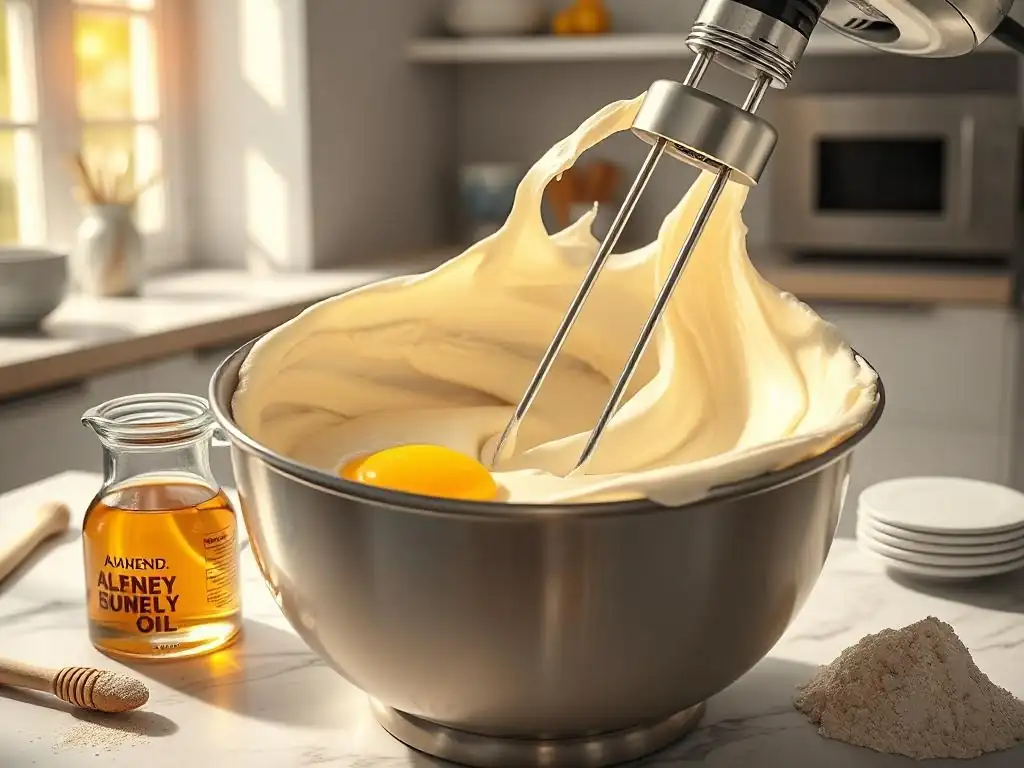
Welcome to BakeWithEase, where we demystify the science behind deliciousness! Are you ready to elevate your baking game from good to unforgettable? This time, we're diving deep into the often-overlooked secret to perfect pastries, cakes, and more: smooth batter emulsification techniques baking. Discover how mastering this crucial step can unlock a world of improved texture, flavor, and consistency in your creations. Intrigued? Let's get started and uncover the science behind baking perfection!
- Key Emulsifiers in Baking
-
Frequently Asked Questions
- What exactly is emulsification in baking, and why is it important?
- What are some common ingredients that contribute to emulsification in baking?
- How can I tell if my batter is properly emulsified?
- What happens if my batter isn't properly emulsified?
- What are some techniques for achieving better emulsification when baking?
- Final Reflection: The Art and Science of a Perfect Batter
- Unleash Your Inner Baking Wizard: Master the Art of Emulsification!
Key Emulsifiers in Baking
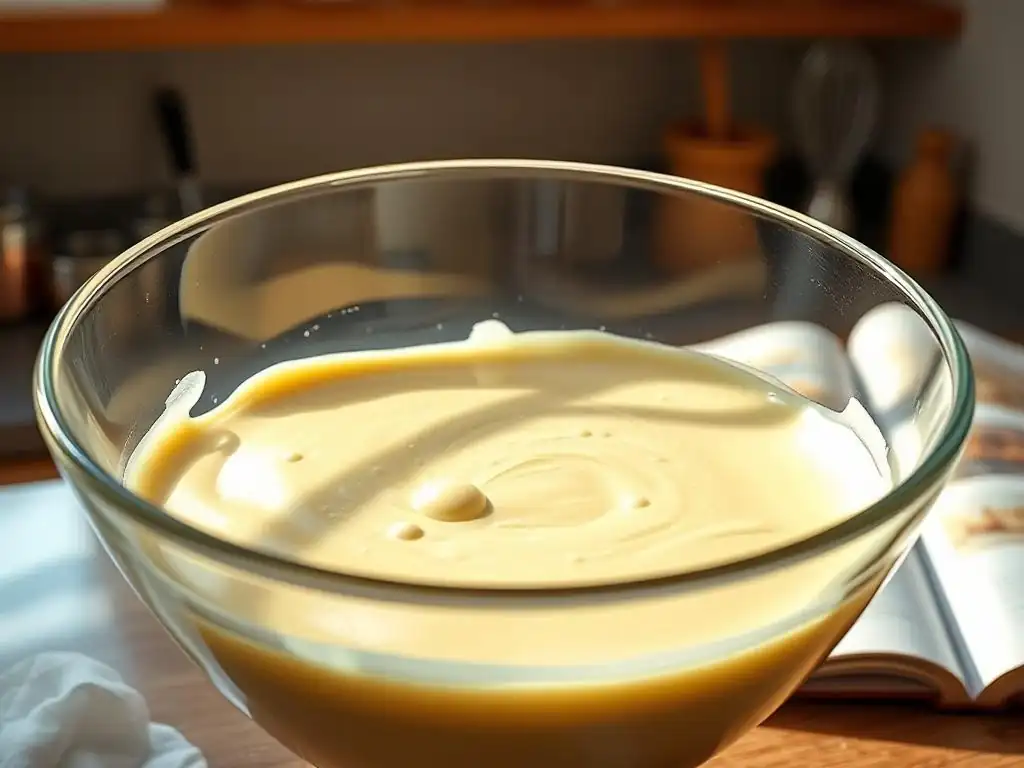
Eggs as Natural Emulsifiers
Eggs are perhaps the most common and versatile natural emulsifiers used in baking. The magic lies primarily within the egg yolk, which contains a significant amount of lecithin. Lecithin is a phospholipid, a molecule with both a water-attracting (hydrophilic) head and a fat-attracting (lipophilic) tail. This unique structure allows lecithin to act as a bridge between water-based ingredients (like milk or water) and fat-based ingredients (like butter or oil), helping them disperse evenly and stay combined. When you whisk eggs into a batter, the lecithin molecules surround tiny droplets of fat and water, preventing them from coalescing and separating.
This emulsifying action of eggs is fundamental to achieving a smooth batter texture in many recipes, from rich custards to light sponge cakes. A typical large egg yolk contains roughly 1.5 to 2 grams of fat, with about 10-15% of that fat being lecithin. This concentration is potent enough to bind substantial amounts of fat and liquid.
For instance, in mayonnaise (a classic emulsion), egg yolks are essential to create a stable blend of oil and vinegar. Similarly, in cake batters, eggs help create a stable network that traps air during mixing, contributing to the final volume and tender crumb. Mastering the use of eggs is a key step in developing smooth batter emulsification techniques baking enthusiasts should learn.
Fats and Oils for Texture Enhancement
While often thought of as the ingredient being emulsified, fats and oils themselves play a crucial role in the texture and stability of batters, indirectly supporting the emulsification process. When fats like butter or shortening are creamed with sugar, they create tiny air pockets.
These fat particles, dispersed throughout the batter, interact with other ingredients and emulsifiers (like eggs) to form a stable matrix. The type of fat used significantly impacts the final texture; solid fats like butter or shortening contribute structure and richness, while liquid oils tend to produce more tender and moist results, as they coat flour particles more effectively.
The way fats are introduced and mixed is vital for successful smooth batter emulsification techniques baking relies on. For example, in the creaming method for cakes, softened butter is beaten with sugar until light and fluffy, incorporating air and creating a foundation for the emulsion. When eggs and dry ingredients are added alternately, the fat particles help to hold the emulsion together, preventing separation. Using the right temperature for fats (e.g., softened butter, not melted) is also critical, as it affects how well they can disperse and interact with other ingredients, ensuring a consistently smooth batter ready for baking.
Lecithin and Mono- and Diglycerides
Beyond the natural lecithin found in eggs, commercial lecithin derived from sources like soybeans or sunflowers is widely used in baking as a powerful emulsifier. It works on the same principle as egg lecithin, effectively binding water and fat phases. Lecithin is often added to packaged baked goods like bread, cakes, and cookies to improve dough handling, increase volume, extend shelf life by reducing staling, and ensure a consistent, smooth texture. Even small amounts, often less than 1% of the total weight of dry ingredients, can have a significant impact on batter stability and the final product's quality.
Mono- and diglycerides are another class of commonly used commercial emulsifiers in baking. These are fats that have been processed to enhance their emulsifying properties. Monoglycerides are particularly effective at interacting with starch molecules, which helps to keep baked goods soft and moist over time, combating staling.
Diglycerides also contribute to emulsification and texture. They are frequently added to commercial bread, cakes, and icings to improve volume, texture, and shelf life. By helping to create a more stable and homogeneous mixture, these emulsifiers ensure that the smooth batter emulsification techniques baking professionals use result in consistent, high-quality products every time.
Frequently Asked Questions
What exactly is emulsification in baking, and why is it important?
Emulsification is the process of combining fat-based and water-based ingredients into a stable mixture. It's crucial for creating a smooth, consistent batter, leading to baked goods with a desirable texture and even crumb.
What are some common ingredients that contribute to emulsification in baking?
Common emulsifiers include eggs (especially yolks), which contain lecithin, and fats like butter and oil. Other ingredients like honey and even finely ground nuts can also contribute to emulsification.
How can I tell if my batter is properly emulsified?
A properly emulsified batter will appear smooth and homogenous, without any visible separation of fats or liquids. It should also have a glossy sheen and be relatively stable.
What happens if my batter isn't properly emulsified?
Poor emulsification can result in a greasy or oily texture, uneven baking, and a dense, undesirable crumb in the final product. It can also lead to separation during baking.
What are some techniques for achieving better emulsification when baking?
Ensure ingredients are at room temperature for better blending. Gradually add liquids to fats while mixing, and use a high-speed mixer or whisk to create a stable emulsion.
Final Reflection: The Art and Science of a Perfect Batter
The quest for a flawlessly smooth batter isn't just about aesthetics; it's the foundation of successful baking. A well-emulsified batter translates directly to a superior final product, influencing texture, rise, and overall flavor. Understanding the science behind emulsification unlocks a world of baking possibilities, moving beyond simple recipes to a deeper appreciation of the craft.
The impact of understanding emulsification extends far beyond the individual baker. It's a fundamental principle that connects generations of bakers, passed down through recipes and techniques. The subtle nuances of incorporating fats, liquids, and leavening agents are a testament to the enduring power of culinary tradition. Baking is a science, but it's also an art. The more you understand the science, the better you can express your art.
This quote perfectly encapsulates the journey of mastering emulsification, transforming it from a technical challenge into a creative expression.
Now, consider your own baking. What challenges have you faced with achieving a smooth batter? How can the knowledge gained from this article elevate your baking skills? I encourage you to experiment, to explore the subtle variations in technique, and to discover the joy of creating batters that are not only smooth but also reflect your unique culinary voice. Embrace the science, master the art, and unlock the secret to truly exceptional baked goods.
Unleash Your Inner Baking Wizard: Master the Art of Emulsification!
Thanks for diving deep into the world of smooth batters! You've now unlocked a key ingredient to baking success – understanding emulsification. Ready to put this knowledge into practice?
- Whip up your dream batter: Try experimenting with the techniques discussed today, focusing on incorporating your fats gradually. Note the difference in texture and taste! This is your chance to truly own the emulsification process.
- Share your baking triumphs (or challenges!): Let's build a community! Post pictures of your creations – both successes and learning curves – in the comments below. We want to see your emulsified masterpieces!
- Explore advanced techniques: Delve into more complex emulsification methods like using a stand mixer for perfectly aerated batters. Search “BakeWithEase advanced emulsification” online for more tips and tricks.
So, what surprising ingredient will you master next to perfect your baking skills?