
Baking French Pastries with EasytoFind Ingredients

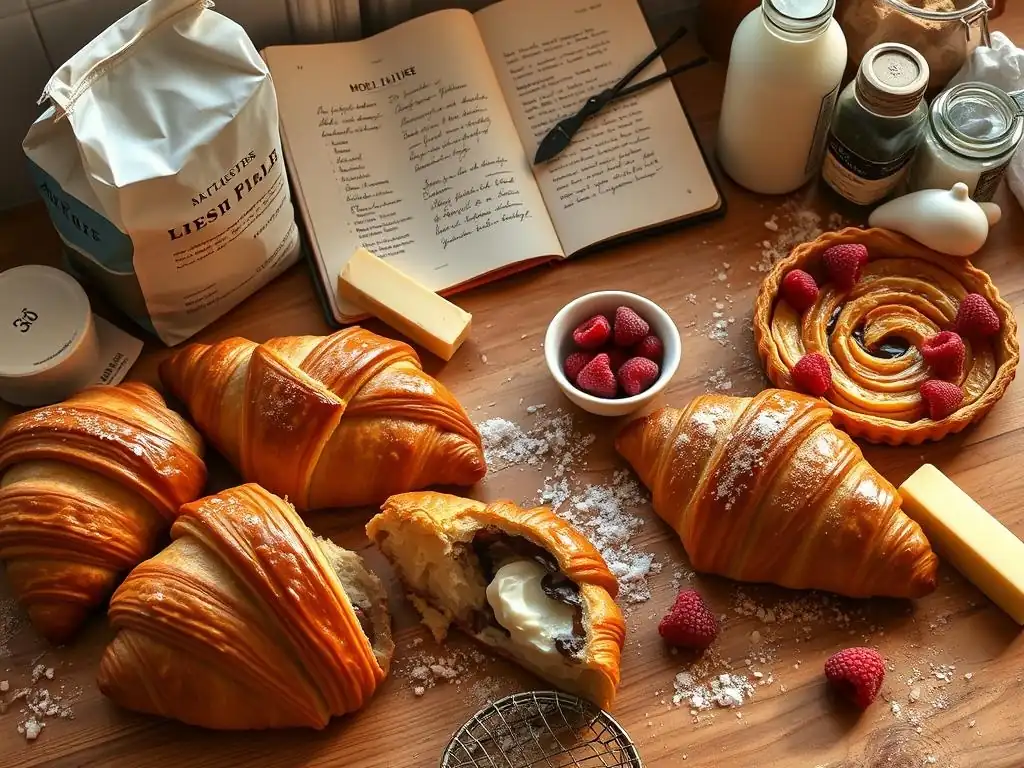
Welcome to BakeWithEase, your passport to the delicious world of baking! Ever dreamt of creating delicate, melt-in-your-mouth French pastries? This is where your journey begins. Discover our curated collection of easy French pastry recipes, designed to bring the elegance of Parisian patisseries to your kitchen using ingredients you can readily find. Ready to unlock the secrets? Let's begin creating magic!
- Baking French Pastries at Home
- Introduction to French Pastry Baking
- Essential Ingredients
- Beginner-Friendly Recipes
- Tips and Tricks
- Advanced Techniques
- Serving and Storing
-
Frequently Asked Questions
- What defines an "easy" French pastry recipe, according to BakeWithEase?
- What types of French pastries can I expect to find recipes for on BakeWithEase?
- Are the ingredients for these French pastry recipes difficult to source?
- Does BakeWithEase offer guidance beyond just the recipes themselves?
- Can I learn how to make sourdough French pastries on BakeWithEase?
- Final Reflection: The Sweet Simplicity of Accessible French Baking
- Unleash Your Inner Pâtissier!
Baking French Pastries at Home
Introduction to French Pastry Baking
Welcome to the delightful world of French pastries! For many, the thought of recreating these iconic treats at home can seem daunting, conjuring images of complex techniques and exotic ingredients found only in specialty shops. However, the reality is much more accessible than you might think.
Many classic French patisseries rely on fundamental baking principles and common pantry staples, making delicious results achievable right in your own kitchen. Our goal here is to demystify the process and show you how simple it can be to bake beautiful and tasty French pastries using ingredients you likely already have or can easily find at your local grocery store.
This guide is designed for bakers of all levels, whether you're taking your first steps beyond simple cookie recipes or looking to expand your repertoire with elegant desserts. We will explore several beloved French pastries, breaking down the steps into manageable tasks. By focusing on easy-to-find ingredients and clear, step-by-step instructions, you’ll discover that mastering these classic techniques is well within your reach. Get ready to fill your home with the wonderful aromas of fresh baking and impress yourself and your loved ones with delightful homemade French treats.
Mastering French Pastries
The perception of French pastries often involves visions of delicate, intricate creations requiring years of training. While professional patissiers dedicate their lives to perfecting these arts, the foundational elements of many classic French sweets are surprisingly straightforward. Take, for instance, the simple yet elegant madeleine; its distinctive shell shape is achieved through a specific pan, but the batter itself is a relatively easy mix of flour, sugar, eggs, and butter – ingredients found in nearly every kitchen.
Similarly, a classic crème brûlée requires only cream, egg yolks, sugar, and vanilla. The magic lies in understanding the basic science behind these interactions, which is accessible to anyone willing to learn.
Moreover, the global popularity of French pastries means that many traditional ingredients have become widely available. High-quality butter, specific flour types (often labeled with protein content equivalents to French T45 or T55), and even specialty items like vanilla beans or fine chocolate are now common in supermarkets worldwide. This accessibility significantly lowers the barrier to entry for aspiring home bakers interested in tackling easy French pastry recipes. With a little practice and patience, you can confidently bake everything from simple financiers to impressive éclairs, transforming humble ingredients into sophisticated desserts that rival those from a Parisian patisserie.
Essential Ingredients
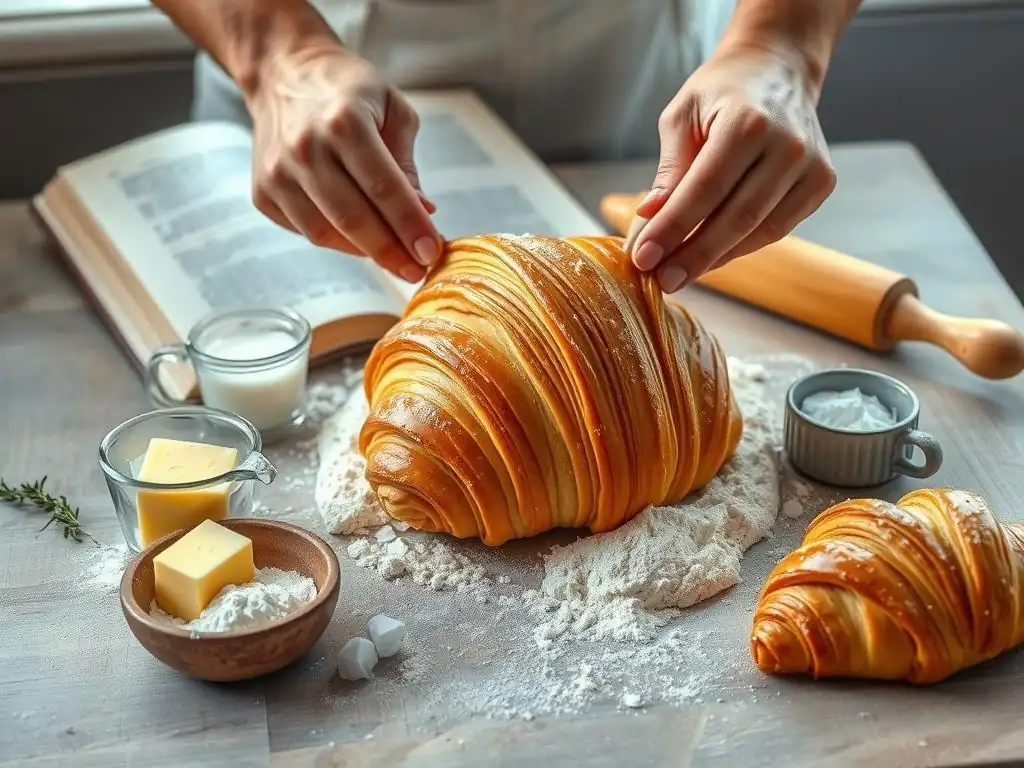
Baking French pastries, even the easy French pastry recipes, relies on a foundation of high-quality, yet common, ingredients. Understanding the role each plays is key to achieving authentic flavors and textures.
Stocking Your Pantry
A well-stocked pantry is your first step towards successful French pastry baking. Essential items include all-purpose flour, granulated sugar, powdered sugar, and brown sugar. You'll also need baking powder or baking soda for leavening in some recipes. High-quality unsalted butter is paramount; look for butter with a higher fat content, typically around 82%, as this contributes significantly to flakiness and richness compared to many standard butters which may contain around 80% fat.
Large eggs are a binder and provide structure and richness. Whole milk or heavy cream is crucial for custards, ganaches, and other dairy-rich components. Pure vanilla extract or vanilla beans add essential flavor.
Beyond the absolute basics, having items like good quality cocoa powder (natural or Dutch-processed, depending on the recipe), various nuts (almonds are common for Financiers or macarons), and perhaps some basic fruit preserves can expand your repertoire for easy French pastry recipes. Don't forget essentials like salt, which enhances sweetness and balances flavors, and maybe some cornstarch, useful as a thickener in creams and fillings. Keeping these staples on hand ensures you're often just a few steps away from whipping up a classic French treat whenever the craving strikes.
Substitutions and Alternatives
While traditional French pastry often calls for specific ingredients, there are sometimes viable substitutions for easy French pastry recipes, though results may vary slightly. For instance, if a recipe calls for superfine sugar (caster sugar), you can pulse granulated sugar in a food processor briefly to achieve a similar consistency. If you don't have high-fat European butter, standard unsalted butter can often be used, although the texture might be slightly less rich or flaky in laminated doughs like puff pastry (though many easy French pastry recipes don't require this level of complexity).
For dairy, while whole milk and heavy cream are preferred, you can sometimes use lighter milk or even non-dairy alternatives in certain recipes, particularly in batters where the fat content is less critical for structure. However, for rich custards like crème brûlée, the fat content of heavy cream (around 36% minimum) is essential for the correct texture. Egg sizes are fairly standard globally, but if using significantly larger or smaller eggs, you may need to adjust the quantity slightly.
Always consider the primary function of the ingredient you are substituting – is it for leavening, binding, richness, or flavor? —and choose alternatives that perform a similar role.
Beginner-Friendly Recipes
Embarking on your French pastry journey doesn't require starting with croissants or complicated tarts. Many delightful and iconic French desserts are surprisingly simple to make, perfect for building confidence in the kitchen. These easy French pastry recipes are designed to introduce fundamental techniques without overwhelming complexity.
Classic Crème brûlée
Crème brûlée, with its silky custard and crackling caramelized sugar crust, is a dessert that looks and tastes sophisticated but is remarkably simple to prepare. It requires minimal ingredients and straightforward steps, making it an excellent starting point for exploring French desserts. The key is gentle cooking and proper chilling.
This elegant dessert relies on the gentle setting of a rich custard base, typically made from heavy cream, egg yolks, sugar, and vanilla. The simplicity of the ingredient list highlights the importance of quality; using fresh eggs and good vanilla will elevate the final flavor significantly. While often served in individual ramekins, the recipe is easily scalable, making it perfect for a small dinner party or just a treat for yourself. The dramatic finish of caramelizing the sugar just before serving is the crowning touch, creating that signature brittle top layer.
Preparing the Custard Base
The custard base for crème brûlée is a simple mixture. You'll typically whisk together egg yolks and sugar until pale and slightly thickened. In a separate saucepan, gently heat heavy cream with vanilla (either a split bean or extract) until it's just simmering, not boiling.
The crucial step is tempering the egg yolks: slowly pour the hot cream into the egg yolk mixture while whisking constantly. This gradually raises the temperature of the yolks without scrambling them. Strain the mixture through a fine-mesh sieve to remove any potential cooked egg bits or vanilla bean remnants, ensuring a perfectly smooth custard.
After straining, the smooth liquid custard base is ready to be poured into individual ramekins. It's important not to overfill the ramekins, leaving a little space at the top. The base is then ready for its gentle bake in a water bath, a technique crucial for ensuring the custard cooks evenly and sets without cracking or becoming rubbery. This preparation takes minimal time, perhaps 10-15 minutes of active work before baking.
Baking the Crème brûlée
Crème brûlée is traditionally baked in a water bath (bain-marie). This method provides gentle, even heat, preventing the edges from overcooking before the center is set. Place the filled ramekins in a larger baking dish. Carefully pour hot water into the larger dish until it comes about halfway up the sides of the ramekins. Bake in a preheated oven, typically around 300-325°F (150-160°C), until the custards are set around the edges but still slightly wobbly in the center. This usually takes 30-40 minutes depending on the size of the ramekins and oven.
Once baked, carefully remove the ramekins from the water bath (use tongs!) and let them cool completely on a wire rack. This cooling period allows the residual heat to finish setting the center. Once cooled, cover each ramekin with plastic wrap and refrigerate for at least 4 hours, but preferably overnight. Proper chilling is essential for the custard to fully set and for the flavors to meld, resulting in that luxurious, creamy texture that defines a great crème brûlée.
Caramelizing the Top
The signature element of crème brûlée is the caramelized sugar crust. Just before serving, sprinkle a thin, even layer of granulated sugar (or superfine sugar) over the chilled custard surface. Use about 1-2 tablespoons per ramekin, ensuring the sugar covers the entire top edge-to-edge. You can then caramelize the sugar using a small kitchen torch, moving the flame evenly over the sugar until it melts and turns a deep amber color. Be careful not to burn the sugar, as this will result in a bitter taste.
If you don't have a torch, you can use your oven's broiler. Place the ramekins on a baking sheet and position them a few inches below a preheated broiler. Watch very closely, as the sugar can burn in seconds. Rotate the tray if necessary for even caramelization. The goal is a thin, hard, glassy layer of caramel that cracks satisfyingly when tapped with a spoon. Serve immediately after caramelizing to enjoy the contrast between the warm, brittle topping and the cold, creamy custard.
Effortless Éclairs
Éclairs might look sophisticated, but at their heart is pâte à choux, a simple dough that relies on just four ingredients: water (or milk), butter, flour, and eggs. This dough is incredibly versatile, forming the base for not only éclairs but also cream puffs (profiteroles) and gougères (cheese puffs). Once you master this basic dough, a world of easy French pastry recipes opens up!
The beauty of pâte à choux is in its unique cooking method. The dough is cooked twice: first on the stovetop to create a paste, and then baked in the oven where steam trapped inside causes the pastries to puff dramatically, creating hollow centers perfect for filling. This process, while seemingly complex, is quite forgiving once you understand the signs of a properly cooked dough. Éclairs are simply elongated choux pastries, piped into shape and baked until golden and hollow, ready to be filled with pastry cream and topped with a glaze.
Preparing the Pâte à Choux
To make pâte à choux, start by heating water (or milk) and butter in a saucepan until the butter is melted and the liquid is simmering. Add all the flour at once and stir vigorously with a wooden spoon over medium heat. The mixture will quickly come together into a ball of dough.
Continue cooking and stirring for 1-2 minutes, pressing the dough against the sides of the pan, to dry it out slightly. This step is crucial for developing the starch and ensuring the dough can absorb enough eggs later. You'll see a thin film form on the bottom of the pan – a good sign the dough is ready.
Remove the pan from the heat and let the dough cool for a few minutes. Transfer it to a mixing bowl (or stand mixer). Add the eggs one at a time, beating well after each addition until fully incorporated before adding the next.
The dough will look curdled and separated at first, but keep mixing – it will come together into a smooth, thick, glossy paste. The correct consistency is important: it should be pipeable but hold its shape. A common test is the "V" test: when you lift the paddle or spoon, the dough should hang in a thick "V" shape before breaking off.
Piping and Baking the Éclairs
Once the pâte à choux is ready, transfer it to a piping bag fitted with a large plain or star tip. Line a baking sheet with parchment paper. Pipe the dough into straight lines, about 4-5 inches long, leaving space between them as they will expand. For classic éclairs, a plain round tip gives a smooth finish, while a star tip creates ridges that can look appealing and help the glaze adhere. You can dip your finger in water and gently smooth out any peaks or uneven edges.
Bake the éclairs in a preheated oven, typically around 400-425°F (200-220°C) initially, then often the temperature is reduced partway through baking to help them dry out without collapsing. Baking time is usually 20-30 minutes. They are done when they are puffed, golden brown, and feel light and hollow when lifted. Crucially, turn off the oven and leave the éclairs inside with the door slightly ajar for another 5-10 minutes. This allows them to cool gradually and prevents them from deflating. Remove from the oven and let them cool completely on a wire rack before filling.
Filling and Glazing Éclairs
The hollow centers of baked éclairs are perfect for filling. The most traditional filling is crème pâtissière, or pastry cream, a rich custard thickened with flour or cornstarch and egg yolks. You can make this ahead of time and chill it. Other popular fillings include whipped cream, chocolate mousse, or even fruit curds. To fill, you can either poke holes in the bottom of the éclair and pipe the filling in using a piping bag with a small tip, or slice the éclair horizontally and spoon the filling inside.
Once filled, éclairs are typically topped with a glaze. A simple chocolate ganache (melted chocolate mixed with warm cream) is classic. Other options include a simple powdered sugar glaze flavored with vanilla or coffee, or even a flavored fondant. Dip the top of the filled éclair into the glaze, letting the excess drip off, or spread it smoothly with an offset spatula. Allow the glaze to set before serving. These easy French pastry recipes, like éclairs, are best enjoyed the day they are made for optimal texture.
Simple Madeleines
Madeleines are small, shell-shaped sponge cakes originating from Commercy and Liverdun in the Lorraine region of France. Their distinctive shape comes from being baked in special molds. Despite their elegant appearance, the batter is a simple mix, making them one of the most accessible and easy French pastry recipes for beginners.
The key to perfect madeleines lies in the texture: a tender, buttery crumb with slightly crisp edges and that characteristic "hump" on one side. While some recipes call for resting the batter to develop the hump, many successful madeleines can be made with minimal rest or even immediately, especially when using specific batter mixing techniques. They are traditionally served plain or dusted with powdered sugar, often alongside tea or coffee.
Mixing the Madeleine Batter
A basic madeleine batter consists of melted butter, sugar, eggs, flour, and a leavening agent like baking powder. Some recipes also include lemon zest or vanilla for flavor. Start by whisking eggs and sugar together until pale and slightly frothy. This step incorporates air, contributing to the cake's lightness. Gently fold in the flour and baking powder until just combined – be careful not to overmix, which can result in tough cakes.
Finally, carefully fold in the melted butter. Some recipes suggest browning the butter first (beurre noisette) for a richer, nutty flavor, which is a simple technique that adds depth. Ensure the melted butter isn't too hot when adding it to the batter. The resulting batter should be smooth and relatively thick. While some traditional recipes suggest chilling the batter for several hours to help develop the 'hump' during baking, many modern easy French pastry recipes for madeleines work well with minimal or no chilling, especially if the batter is mixed correctly and the molds are prepared properly.
Baking Madeleines
Madeleines are baked in specific shell-shaped molds. These molds can be made of non-stick metal or silicone. To ensure the characteristic crisp edges and easy release, the molds need to be well-greased and floured (even non-stick ones, unless the recipe specifies otherwise). Melted butter and a dusting of flour or cocoa powder (for chocolate madeleines) work well. Fill each cavity about two-thirds to three-quarters full – do not overfill, or the batter will spill over.
Bake in a preheated oven, typically around 350-375°F (175-190°C). Baking time is relatively short, usually 8-12 minutes, depending on the size of the molds and your oven. The madeleines are done when they are puffed, golden brown around the edges, and spring back gently when touched. You should see the distinct "hump" on one side. Immediately after removing from the oven, turn the madeleines out onto a wire rack to cool. They are best enjoyed warm, shortly after baking.
Madeleine Variations
While classic madeleines are plain or lemon-scented, there are numerous easy variations to try. Chocolate madeleines are popular; you can incorporate cocoa powder into the batter, add chocolate chips, or dip the cooled madeleines in melted chocolate. Other flavorings can be added to the batter, such as orange zest, almond extract, or even spices like cinnamon or cardamom.
Fruit purées or finely chopped nuts can also be folded into the batter. Consider dipping half of a cooled madeleine in melted white chocolate and coating it with chopped pistachios, or glazing them with a simple lemon icing. These variations allow you to customize this easy French pastry recipe to your taste or occasion, demonstrating the versatility of the simple madeleine base.
Tips and Tricks
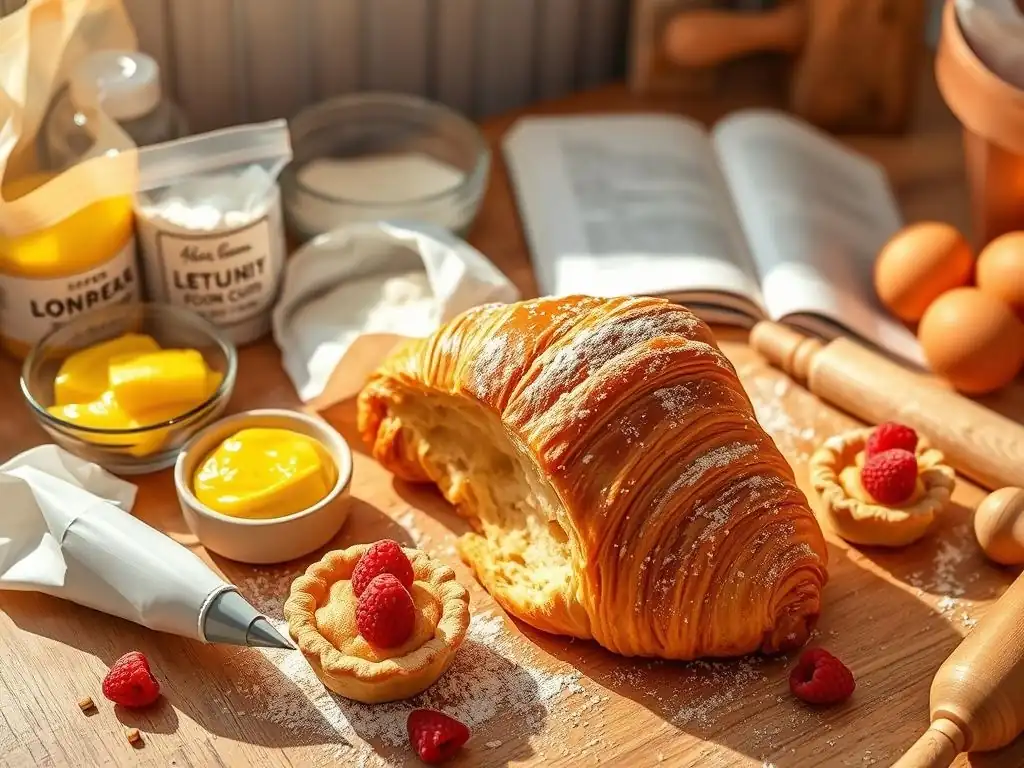
Successfully baking French pastries, even the easy French pastry recipes, often comes down to understanding a few key principles and employing helpful techniques. These tips can make a significant difference in the outcome of your baked goods.
Achieving Perfect Texture
Texture is paramount in French pastry. For flaky doughs like puff pastry (though less common in beginner recipes), ensuring ingredients are cold and handling is minimal creates layers. For cakes and batters like madeleines or génoise (a light sponge), proper mixing is key – whisking eggs and sugar sufficiently for aeration, then gently folding in dry ingredients and melted butter to avoid developing too much gluten, which leads to toughness. Overmixing is a common pitfall.
Temperature control is also vital. Baking at the correct temperature allows pastries to rise properly, set correctly, and achieve the desired crust or crumb. For instance, choux pastry requires high initial heat to puff, followed by lower heat to dry out. Allowing custards like crème brûlée to bake gently in a water bath prevents curdling. For easy French pastry recipes involving batters, ensuring ingredients like eggs and butter are at room temperature (unless specified otherwise) helps them emulsify properly, leading to a smoother, more even texture in the final product.
Troubleshooting Baking Problems
Even with easy French pastry recipes, things can occasionally go wrong. If your choux pastries (like éclairs) collapse after baking, it's likely they weren't baked long enough to dry out the interior, or they cooled too quickly. Try baking them a bit longer until they are very firm and golden, and cool them gradually in the turned-off oven with the door ajar.
If your madeleines don't develop a hump, the batter might not have been mixed enough for aeration, or the oven temperature wasn't quite right. Ensuring the molds are well-greased and floured and the oven is properly preheated can help.
Custards that curdle, like in crème brûlée, are often due to overheating or adding hot liquid to cold eggs too quickly without tempering. If this happens, you can sometimes save it by blending the mixture with an immersion blender, though the texture might be slightly less smooth. Flat macarons are a common issue, often related to incorrect meringue consistency, overmixing the batter, or improper drying time before baking. For most easy French pastry recipes, paying close attention to mixing times, temperatures, and resting periods (if required) will prevent the most common problems.
Scaling Recipes
Scaling recipes, whether doubling or halving, requires more than just multiplying or dividing ingredients. While dry ingredients and liquids can often be scaled linearly, eggs can be tricky. A large egg weighs approximately 50-55 grams without the shell, so if a recipe calls for 2 eggs and you need to halve it, using 1 egg is simple.
If you need 1.5 eggs, it's best to whisk an egg and use half its weight (about 25-27 grams). Baking powder and baking soda also need careful scaling; using too much can lead to a chemical taste or excessive rising followed by collapse.
Furthermore, scaling affects baking times and temperatures. A larger batch of dough or batter might require slightly longer mixing. When baking a larger quantity (e.g., doubling a batch of madeleines), you might need to bake in multiple batches or adjust the oven temperature slightly and increase the baking time. Conversely, halving a recipe might slightly decrease baking time. Always monitor the first batch closely and make adjustments as needed. For easy French pastry recipes, sticking to the original proportions is often best until you are comfortable with the recipe, then scale cautiously.
Advanced Techniques
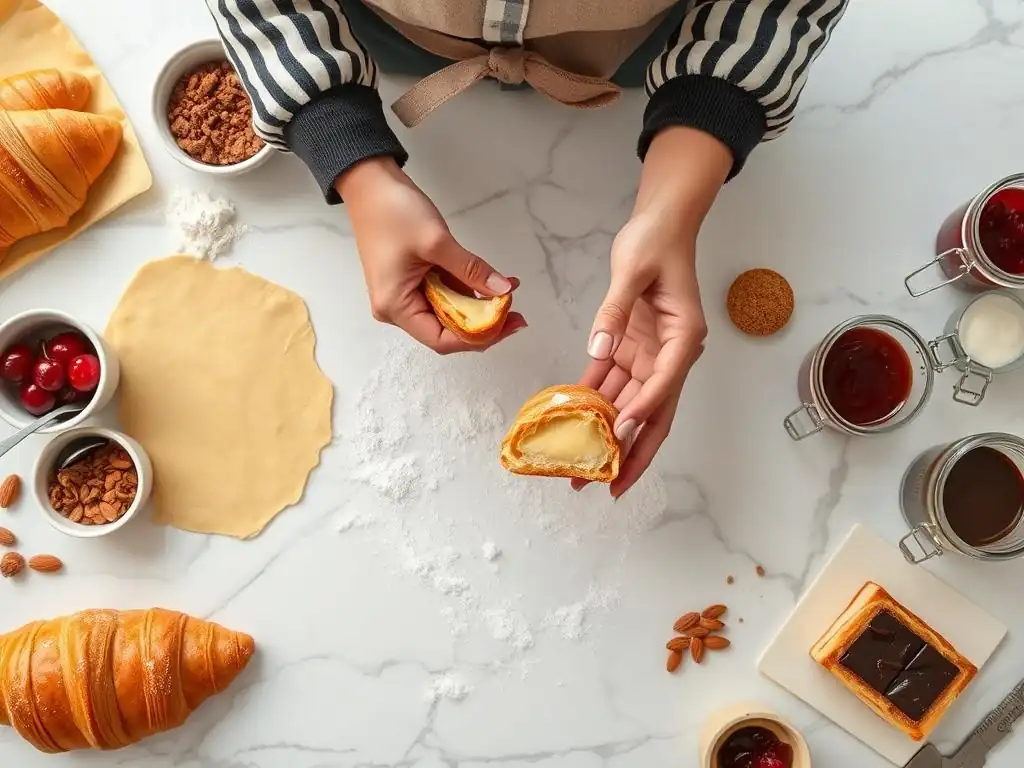
Once you've mastered the basics with easy French pastry recipes, you might be ready to explore some more advanced techniques commonly found in French patisserie. These skills, while requiring practice, open the door to a wider range of impressive desserts.
Mastering Meringue
Meringue is a fundamental element in many French desserts, from Lemon Meringue Pie to macarons and île flottante. It's essentially whipped egg whites and sugar, but mastering it involves understanding the different types and their applications. French meringue is the simplest: whisking sugar into raw egg whites until stiff peaks form. It's the least stable but is used for things like baking on top of pies or folding into batters.
Swiss meringue involves gently heating egg whites and sugar over a double boiler while whisking until the sugar dissolves and the mixture reaches a certain temperature (around 130-140°F or 55-60°C), then whipping until cool and stiff. It's more stable and glossy than French meringue, great for frosting or piping. Italian meringue is the most stable, made by pouring hot sugar syrup (cooked to soft-ball stage, 238-245°F or 114-118°C) into whipping egg whites. This cooked meringue is used for mousses, buttercreams, and macaron shells. Achieving the correct consistency for each type requires practice and attention to detail and temperature.
Working with Chocolate
Chocolate is a cornerstone of French pastry, used in everything from simple glazes to complex mousses and decorations. A key advanced technique is tempering chocolate. Tempering involves melting chocolate and then cooling it through a specific temperature curve to stabilize the cocoa butter crystals. Properly tempered chocolate will set with a glossy finish, a firm snap when broken, and won't melt easily in your hand. This is essential for making chocolate decorations, dipping truffles, or coating pastries like éclairs if using pure chocolate instead of a simple ganache.
Other chocolate techniques include making ganache, a rich mixture of chocolate and cream used for fillings, glazes, and truffles; creating mousses by combining tempered chocolate or ganache with whipped cream or meringue; and crafting chocolate decorations like curls, shavings, or molded shapes. Understanding how different types of chocolate (dark, milk, white) behave when heated and cooled is crucial. Working with chocolate requires precision, especially with temperature, but the results in terms of flavor and appearance are well worth the effort.
Serving and Storing
Presenting your homemade French pastries beautifully and storing them correctly ensures they taste as good as they look and last as long as possible.
Presentation Ideas
Even easy French pastry recipes can be elevated with thoughtful presentation. For crème brûlée, serving in elegant ramekins is standard. A simple garnish like a single raspberry, a sprig of mint, or a dusting of powdered sugar around the base of the ramekin on the plate adds a touch of color. For éclairs, ensure the glaze is smooth and set. Arrange them neatly on a platter, perhaps alternating filling flavors if you made variations. A light dusting of gold edible glitter or a few chocolate shavings can add sparkle.
Madeleines look lovely simply stacked on a plate, their shell patterns highlighted. A light dusting of powdered sugar is traditional. For a more elaborate touch, arrange them around a small bowl of chocolate sauce or fruit coulis for dipping. Consider the plate itself – a simple white plate often makes the pastry stand out. The goal is to highlight the natural beauty of the pastry without overcrowding or overcomplicating the visual.
Best Practices for Freshness
French pastries are often best enjoyed fresh, particularly those with delicate textures like choux pastry or madeleines. Éclairs and cream puffs filled with pastry cream are highly perishable and should be refrigerated and ideally consumed within 1-2 days. The choux shell itself can be baked ahead of time and stored in an airtight container at room temperature for a day or two, then filled just before serving.
Crème brûlée should be stored in the refrigerator. Cover the ramekins tightly with plastic wrap before caramelizing the top. Caramelize just before serving for the best texture contrast. Crème brûlée is typically good for 2-3 days refrigerated. Madeleines are best eaten the day they are baked, ideally warm. They can be stored in an airtight container at room temperature for a day or two, but they lose their crisp edge. Avoid refrigerating madeleines as it can dry them out. Always store different types of pastries separately to prevent flavors from mingling.
Frequently Asked Questions
What defines an "easy" French pastry recipe, according to BakeWithEase?
An "easy" recipe focuses on simplified techniques and readily available ingredients. It minimizes complex steps and prioritizes clear, concise instructions for all skill levels.
What types of French pastries can I expect to find recipes for on BakeWithEase?
BakeWithEase offers recipes for a variety of French pastries, including croissants, éclairs, and madeleines. The focus is on classic recipes adapted for home bakers.
Are the ingredients for these French pastry recipes difficult to source?
No, BakeWithEase prioritizes easy-to-find ingredients typically available in most grocery stores. Recipes avoid obscure or specialty items to ensure accessibility.
Does BakeWithEase offer guidance beyond just the recipes themselves?
Yes, BakeWithEase provides step-by-step guides, baking techniques, and helpful tips to improve your baking skills. They cater to both beginner and experienced bakers.
Can I learn how to make sourdough French pastries on BakeWithEase?
While the focus is on general French pastries, BakeWithEase does cater to those perfecting their sourdough. You might find recipes that incorporate sourdough techniques or starter.
Final Reflection: The Sweet Simplicity of Accessible French Baking
The enduring allure of French pastries transcends mere culinary skill; it's a testament to the power of simple ingredients transformed into exquisite delights. This article aimed to demystify the process, proving that crafting these iconic treats doesn't require specialized ingredients or years of training. We've shown that with a little ingenuity and readily available substitutes, anyone can experience the joy of baking classic French pastries.
The accessibility of these recipes, I believe, speaks to a broader cultural shift towards embracing home cooking and celebrating simpler pleasures. The act of baking, itself, is a meditative practice, a way to connect with tradition and create something beautiful. Baking is at once child's play and adult joy. And love, of course.
– This sentiment perfectly captures the essence of what we've explored here: the transformative power of baking, regardless of skill level. It's a process that fosters creativity and provides tangible results, offering a sense of accomplishment and delicious rewards.
Now, I invite you to roll up your sleeves and embark on your own French pastry adventure. Don't be intimidated by the seemingly complex techniques; embrace the challenge, experiment with flavors, and most importantly, enjoy the process. The satisfaction of creating something beautiful and delicious with your own hands is a reward in itself. Let the aroma of freshly baked pastries fill your home, and share the joy with those you love. The world needs more moments of simple, sweet happiness.
Unleash Your Inner Pâtissier!
Thanks for joining us on this delicious journey into the world of French pastries! We hope you’ve gained the confidence to tackle these seemingly complex treats. Now it's time to put your newfound knowledge into action.
- Bake your first masterpiece! Choose one of the recipes mentioned and get baking. Don't worry about perfection – the most important ingredient is enjoyment!
- Share your creations! Post a picture of your baking triumph on social media and tag us – we'd love to see your results!
- Explore our recipe archives for even more delicious baking inspiration – you might discover your new favorite treat!
What surprising ingredient will you experiment with in your next French pastry adventure?