
The Secret to Preventing Gummy Cake Texture

Welcome to BakeWithEase, your haven for baking brilliance!
Ever wondered why your cakes sometimes end up with that dreaded gummy texture? You're not alone! Discover the surprising secrets to achieving perfectly light and airy cakes in our latest article. We'll unlock the mysteries behind preventing gummy cake texture, offering simple solutions and expert tips to elevate your baking game. Ready to bake a cake that's truly unforgettable? Let's get started!
- Troubleshooting Dense and Gummy Cakes: A Comprehensive Guide
- Identifying the Problem: Understanding Dense and Gummy Texture
- The Science of Cake Texture: Achieving Lightness and Airiness
- Key Factors Contributing to Dense, Gummy Cakes and Solutions
-
Step-by-Step Guide to Baking a Light and Airy Cake
- Step 1: Accurately Measure Ingredients Using a Kitchen Scale
- Step 2: Properly Prepare the Cake Pan with Grease and Flour or Parchment
- Step 3: Cream Butter and Sugar Thoroughly for Optimal Aeration
- Step 4: Bake at the Recommended Temperature Until a Cake Tester Comes Out Clean
- Step 5: Cool the Cake Completely Before Frosting
- Troubleshooting: Specific Cake Types and Texture Issues
- Expert Tips for Consistent Cake Texture
- Advanced Techniques for Enhancing Cake Texture
- Conclusion: Achieving Perfect Cake Texture Through Understanding and Technique
- Frequently Asked Questions
- Final Reflection: Baking Bliss Beyond the Gummy Mess
- Unlock Your Baking Potential: Fluffy Cakes, Every Time!
Troubleshooting Dense and Gummy Cakes: A Comprehensive Guide
Welcome back to BakeWithEase! There are few things more disappointing than slicing into a beautiful cake, only to find it has a dense, heavy texture or, even worse, a gummy layer near the bottom. Understanding how to prevent gummy cake texture is a key skill for any baker. This guide will walk you through identifying the issue, understanding the science behind it, and providing actionable solutions to achieve that perfect, light, and airy crumb every time.
Identifying the Problem: Understanding Dense and Gummy Texture
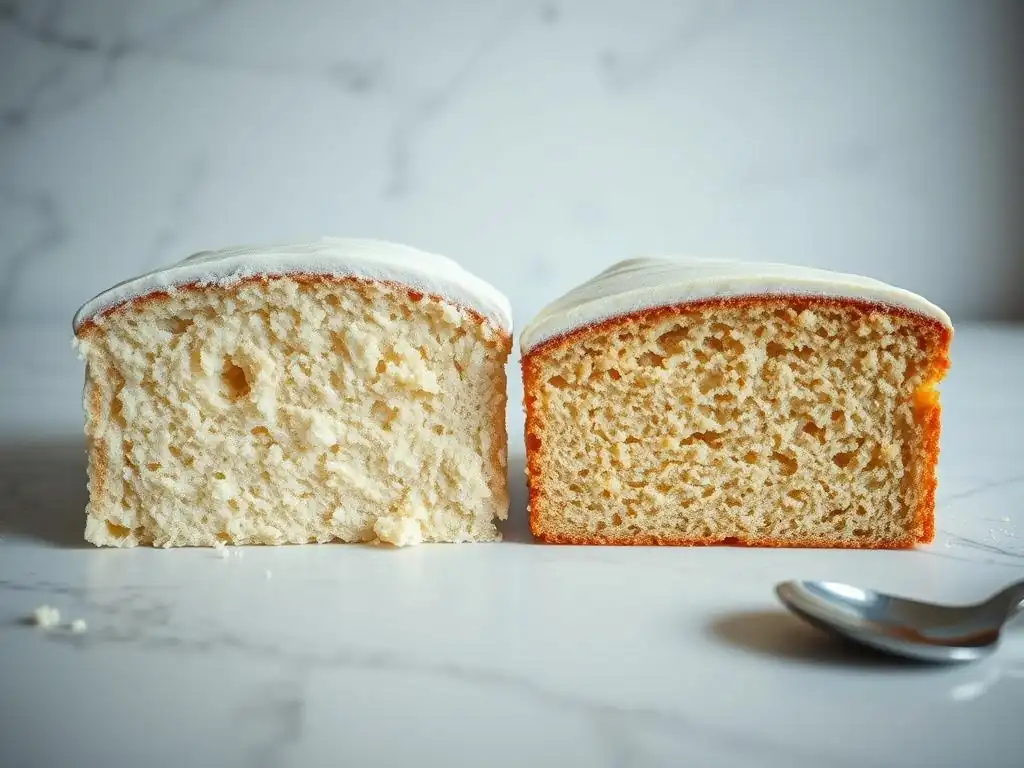
Before we can fix a problem, we need to clearly understand what we're dealing with. A dense cake feels heavy for its size and lacks the delicate structure you expect. A gummy cake, often overlapping with density, has areas that are sticky, chewy, or almost glue-like, particularly towards the center or bottom. This texture indicates that something went wrong during the baking process, leading to a poor internal structure.
Defining Dense and Gummy Cake Texture
Dense cake texture refers to a crumb that is tightly packed with very small air pockets, resulting in a heavy, compact feel. Instead of a light, springy bounce, it feels solid and often sinks slightly in the center after baking. Think of the difference between a fluffy sponge cake and a brick – a dense cake leans towards the latter, though hopefully not quite as extreme! This often stems from issues with aeration during mixing or leavening.
Gummy cake texture is a specific type of poor structure where parts of the cake, frequently the bottom half, develop a moist, sticky, or even chewy consistency. It's often associated with underbaking, excessive moisture, or issues with starch gelatinization that didn't resolve correctly. While a slightly moist cake is desirable, a gummy texture is unpleasant and indicates a failure in the cake's internal cooking and setting process. Learning how to prevent gummy cake texture often involves addressing moisture and baking temperature.
Recognizing Signs of a Dense and Gummy Cake
Visual inspection is the first step. A dense cake may not rise as much as expected during baking and might have a flatter top. The crumb, when cut, appears compact with tiny, uniform holes, unlike the open, irregular structure of a well-baked cake. It will feel heavy when lifted.
When it comes to gummy texture, you'll notice it when you take a bite. It will cling to your teeth and feel sticky or chewy rather than melting in your mouth. Cutting into the cake might reveal a slightly wet or translucent layer, often concentrated near the bottom. Sometimes, the cake sides pull away from the pan correctly, but the center or bottom remains stubbornly stuck due to its gummy nature.
Common Causes of Dense and Gummy Cakes
Several factors can contribute to these frustrating textures. One major culprit is improper measurement, particularly of flour or liquid, which throws off the delicate balance required for a tender crumb. Another common issue is overmixing the batter, leading to excessive gluten development, which is great for bread but disastrous for cakes.
Other frequent causes include baking at the wrong temperature (too low, leading to underbaking, or too high, causing rapid crust formation before the inside is set), using ingredients that are too cold, or issues with leavening agents losing their potency. Understanding these common pitfalls is the first step in knowing how to prevent gummy cake texture and density.
The Science of Cake Texture: Achieving Lightness and Airiness
Baking is essentially a series of chemical reactions and physical processes. Understanding the science behind how ingredients interact helps demystify why cakes turn out the way they do and is crucial for mastering how to prevent gummy cake texture.
Gluten Development and its Influence on Cake Texture
Gluten is a protein network formed when two proteins, glutenin and gliadin, found in wheat flour, combine with liquid and are agitated (mixed). In bread making, gluten development is desired as it provides structure and chewiness. However, in cakes, excessive gluten development results in a tough, dense texture. Cake flour, for example, has a lower protein content (around 6-8%) compared to all-purpose flour (around 10-12%), resulting in less gluten formation and a more tender cake crumb.
When you mix cake batter, you want to develop just enough structure to hold the cake together, but not so much that it becomes tough. Overmixing is a primary cause of excessive gluten development. Imagine mixing for 5 minutes instead of 2 minutes after the flour is added; this extra mixing time allows the gluten network to become too strong, trapping air less effectively and resulting in a dense, sometimes gummy cake. This is why many cake recipes emphasize mixing just until the dry ingredients are incorporated.
Starch Gelatinization and its Role in Cake Structure
Flour primarily consists of starch. When heated in the presence of liquid, starch granules absorb water and swell – this process is called gelatinization. As the cake bakes, the starch gelatinizes, contributing to the cake's structure by creating a network that holds the moisture and air bubbles. This process typically occurs around 140-180°F (60-82°C).
If a cake is underbaked, the starch may not fully gelatinize, or excess moisture isn't properly absorbed and set within the structure. This leaves you with raw or partially cooked starch granules mixed with too much liquid, resulting in a wet, sticky, and gummy texture. Ensuring the cake reaches the correct internal temperature allows for complete starch gelatinization and proper setting.
The Impact of Sugar on Moisture and Texture
Sugar plays multiple roles in cake baking beyond just sweetness. It tenderizes the cake crumb by interfering with gluten development and starch gelatinization. Sugar is also hygroscopic, meaning it attracts and holds onto moisture. This property helps keep cakes moist and extends their shelf life.
However, using too much sugar can negatively impact texture. Excessive sugar can make the cake overly moist and sticky. While sugar helps prevent toughness, an imbalance can lead to a crumb that is too tender and collapses or remains too wet, contributing to a gummy texture. The ratio of sugar to flour and liquid is critical for achieving the desired balance of tenderness and structure.
Key Factors Contributing to Dense, Gummy Cakes and Solutions
Identifying the root cause is essential when trying to prevent gummy cake texture. Let's break down the key factors and how to address them.
Ingredient Proportions: Finding the Right Balance
The ratio of wet to dry ingredients, and leaveners to flour, is fundamental to cake success. Small deviations can significantly impact the final texture.
Excess Liquid: Adjusting Liquid Ratios for Proper Hydration
Too much liquid (milk, eggs, oil, melted butter) is a very common reason for a gummy cake texture. Excess moisture hinders the cake from setting properly during baking, leaving it wet and dense, especially at the bottom where gravity pulls the extra liquid. Even a tablespoon or two of extra milk in a standard 8-inch cake recipe can make a noticeable difference.
To prevent this, double-check your recipe measurements and use a liquid measuring cup at eye level on a flat surface. If you suspect your recipe might be prone to gumminess, you could try slightly reducing the liquid (perhaps by 10-15%) on your next attempt, especially if you're using a recipe known for being very moist or if you live in a humid climate, which can add ambient moisture to dry ingredients.
Insufficient Flour: Accurately Measuring Flour by Weight
Just as too much liquid is a problem, too little flour means there isn't enough structure to absorb the liquid and support the cake's rise. This leads to a cake that is weak, collapses, and can become gummy. Measuring flour incorrectly is incredibly easy when using volume measurements. Scooping flour directly from the bag with a measuring cup can add up to 25% more flour than spooning it lightly into the cup.
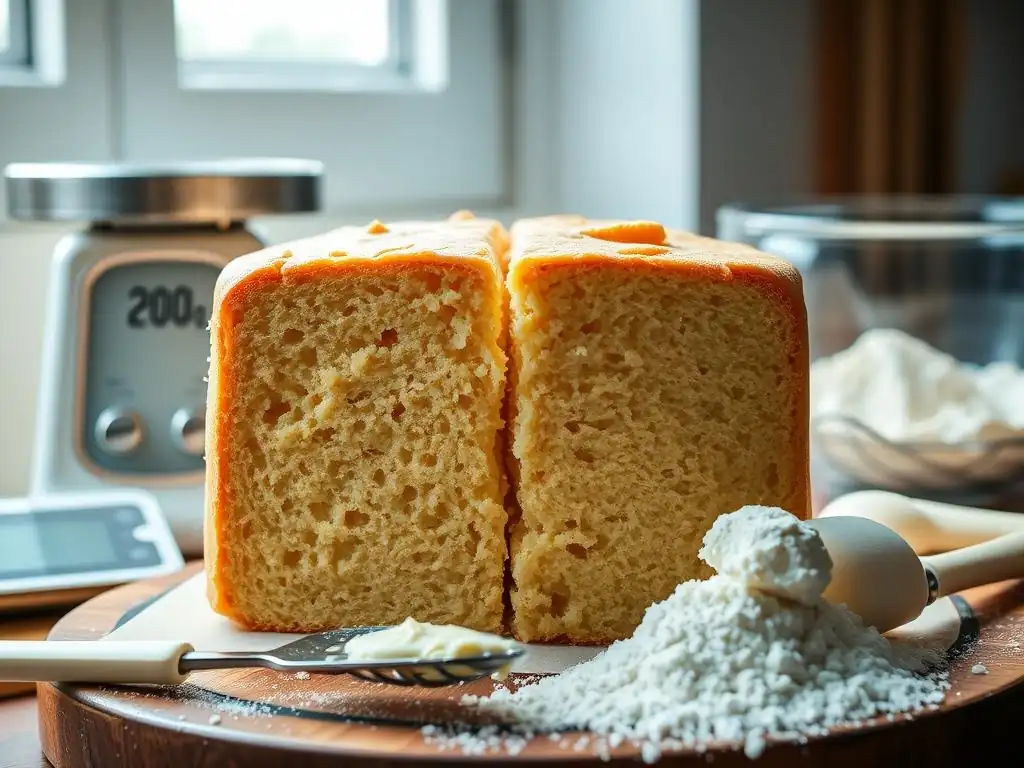
The most accurate way to measure flour is by weight using a kitchen scale. A standard cup of all-purpose flour weighs approximately 120-130 grams, depending on how it's measured and the type. Using weight ensures you have the exact amount specified by the recipe, providing the correct balance for a light, airy crumb and helping prevent gummy cake texture.
Too Much Fat: Reducing Fat Content for a Lighter Crumb
Fat (butter, oil) tenderizes cakes by coating flour particles and inhibiting gluten development. While essential for moisture and flavor, excessive fat can make a cake too rich, heavy, and dense. It can also contribute to a greasy or oily texture.
If a recipe seems excessively high in fat or consistently results in a heavy cake, you might consider slightly reducing the fat content in future attempts. However, fat also carries flavor and contributes to browning, so significant reductions should be done cautiously or by finding a recipe specifically formulated with lower fat. A common ratio for a balanced cake might involve fat being roughly equal to sugar by weight, though this varies greatly by cake type.
Mixing Methods: Mastering Proper Incorporation
How you mix ingredients is just as important as the ingredients themselves. Incorrect mixing is a prime suspect when troubleshooting dense or gummy cakes.
Overmixing: Preventing Excessive Gluten Development
As discussed earlier, overmixing develops too much gluten, leading to a tough, dense, and sometimes gummy texture. This is particularly true after adding the flour. The goal is to mix just until the dry ingredients are incorporated into the wet, and no streaks of flour remain. This often takes only 30-60 seconds on low speed after the last addition of flour.
To prevent overmixing, use the lowest speed on your mixer once the flour goes in, or finish mixing by hand with a spatula. Stop as soon as you see no dry flour pockets. A slightly lumpy batter is far better than an overmixed smooth one when aiming for a tender cake. This disciplined approach to mixing is key to preventing gummy cake texture.
Undermixing: Ensuring Proper Emulsification and Aeration
While overmixing is a common culprit, undermixing can also cause problems. The initial creaming of butter and sugar, and the proper incorporation of eggs, are crucial steps for aerating the batter and creating a stable emulsion. If butter and sugar aren't creamed enough, or if eggs aren't fully blended, the batter won't hold air effectively, resulting in a dense cake.
Ensure you cream butter and sugar until light and fluffy, often 3-5 minutes, scraping down the bowl. Add eggs one at a time, mixing well after each addition until fully incorporated and the mixture looks homogenous, not separated or curdled. Proper emulsification creates a stable batter that rises evenly and bakes correctly, helping avoid density and prevent gummy cake texture.
Oven Temperature and Baking Time: Crucial for Even Baking
The oven is where the magic happens, or where things go wrong. Incorrect temperature or baking time directly impacts how the cake sets and whether it bakes through properly.
Baking at the Correct Temperature: Avoiding Underbaking and Overbrowning
If your oven temperature is too low, the cake will take longer to bake, potentially drying out before the center is set, or worse, remaining underbaked and gummy. If it's too high, the outside will brown and set too quickly, while the inside remains raw or gummy. An oven thermometer is an inexpensive but essential tool to verify your oven's actual temperature, as oven thermostats can be off by as much as 25-50°F (about 15-30°C).
Baking at the recipe's specified temperature (verified by your oven thermometer) ensures that the cake bakes from the edges inwards at the correct rate. This allows the structure to set, moisture to evaporate or be absorbed by starch and protein networks, and leavening agents to perform their function correctly throughout the baking time, which is vital to prevent gummy cake texture.
Testing for Doneness: Using a Cake Tester or Thermometer
Relying solely on the clock can be misleading, as variations in ovens, pans, and ingredients can affect baking time. An underbaked cake is a primary cause of a gummy center or bottom. The best way to check for doneness is using a cake tester (like a wooden skewer or toothpick) inserted into the center of the cake. It should come out clean or with just a few moist crumbs attached, but no wet batter.
For even more precision, especially with larger or richer cakes, an instant-read thermometer is excellent. Most cakes are done when the internal temperature reaches 200-210°F (93-99°C). Baking until it reaches this temperature ensures the starch has fully gelatinized and the proteins have set, effectively helping to prevent gummy cake texture.
Ingredient Quality and Freshness: Selecting the Best Ingredients
The quality and condition of your ingredients matter. Stale or improperly stored ingredients can lead to baking failures.
Using Fresh Leavening Agents: Baking Powder and Baking Soda Activity
Baking powder and baking soda are responsible for creating the air pockets that give cakes their lightness. If these leaveners are old or have been exposed to moisture or air, they lose their potency. A cake made with inactive leaveners won't rise properly, resulting in a dense, heavy texture.
Test your baking powder by adding a teaspoon to about 1/4 cup of hot water; it should bubble vigorously. Test baking soda by adding a teaspoon to a few tablespoons of vinegar or lemon juice; it should also bubble immediately and strongly. If they don't react, replace them. Using fresh leaveners is crucial for achieving a good rise and light texture, which indirectly helps prevent gummy cake texture by ensuring the cake bakes through evenly.
The Influence of Egg Temperature on Emulsification and Volume
Most cake recipes call for room temperature eggs. This isn't just a fussy detail; it's important for proper emulsification. Room temperature eggs (around 68-70°F or 20-21°C) mix more evenly into the batter, creating a stable emulsion with the fats and liquids. They also whip up to a greater volume than cold eggs, incorporating more air into the batter.
Using cold eggs can cause the batter to curdle or separate when added to the creamed butter and sugar mixture. This unstable emulsion results in a less aerated batter that is more prone to density and uneven baking. Plan ahead and take your eggs out of the refrigerator about 30-60 minutes before you start baking.
Step-by-Step Guide to Baking a Light and Airy Cake
Let's put this knowledge into practice with a simplified workflow designed to prevent gummy cake texture and ensure a light crumb.
Step 1: Accurately Measure Ingredients Using a Kitchen Scale
This is the foundation of consistent baking. Use a scale for dry ingredients like flour, sugar, and leaveners. Use liquid measuring cups at eye level for milk, water, or oil. Use dry measuring cups and level them off for ingredients like butter (if not weighing) or solid fats. Precision here eliminates a major variable that causes dense or gummy cakes.
Step 2: Properly Prepare the Cake Pan with Grease and Flour or Parchment
This step prevents sticking, ensuring your cake releases cleanly, which is important for structural integrity after baking. Grease the pan thoroughly with butter or baking spray, then flour it, tapping out the excess. For extra security, especially with delicate cakes or bundt pans, you can line the bottom with parchment paper after greasing and flouring.
Step 3: Cream Butter and Sugar Thoroughly for Optimal Aeration
If your recipe starts with creaming butter and sugar, do it properly. Beat softened, room-temperature butter with sugar on medium speed until the mixture is light, fluffy, and pale yellow. This process incorporates tiny air bubbles into the fat, which expand in the oven and contribute significantly to the cake's rise and tender texture. This step often takes 3-5 minutes.
Step 4: Bake at the Recommended Temperature Until a Cake Tester Comes Out Clean
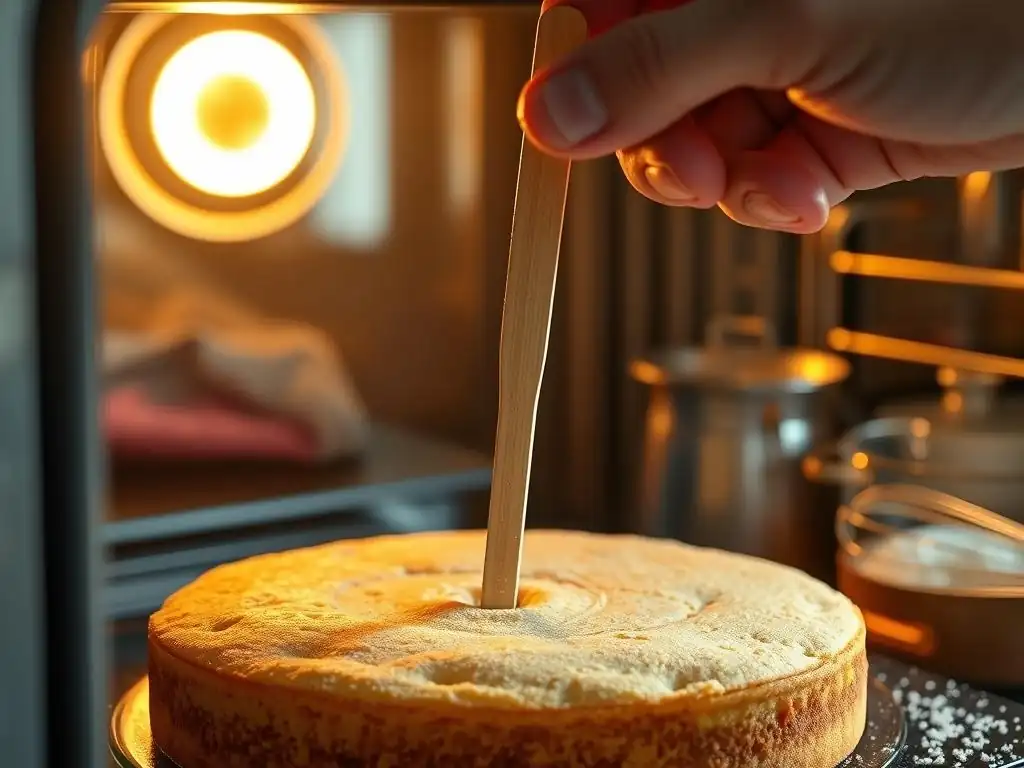
Preheat your oven with an oven thermometer inside to ensure it's at the correct temperature before you put the cake in. Place the cake in the center of the oven and bake for the time specified in the recipe. Start checking for doneness a few minutes before the minimum time. Insert a skewer or toothpick into the deepest part of the cake (avoiding the very center unless it's a small pan). It should come out clean or with just a few moist crumbs.
Step 5: Cool the Cake Completely Before Frosting
Allow the cake to cool in the pan on a wire rack for 10-20 minutes (as specified by the recipe). This allows the internal structure to set further as it cools slightly. Then, invert the cake onto the wire rack to cool completely. Cooling on a wire rack allows air circulation, preventing steam from getting trapped underneath, which can contribute to a soggy or gummy bottom layer. Frosting a warm cake will melt the frosting and can also damage the cake's structure.
Troubleshooting: Specific Cake Types and Texture Issues
Different cake types have unique compositions and mixing methods, which can lead to specific texture challenges. Learning how to prevent gummy cake texture varies slightly depending on the cake.
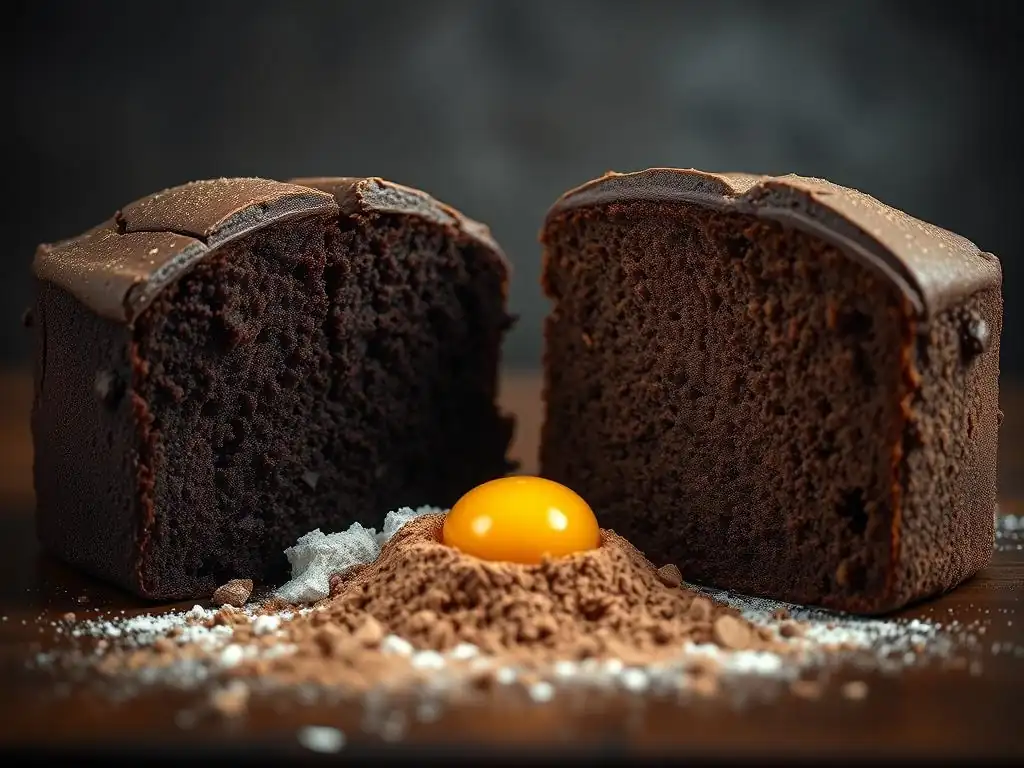
Addressing Dense Texture in Chocolate Cakes (e.g., Devil's Food Cake)
Chocolate cakes, especially those using cocoa powder, can be prone to density. Cocoa powder is dry and can absorb a lot of liquid. Recipes often compensate with more liquid, but an imbalance can still occur. Using natural cocoa powder (acidic) versus Dutch-processed cocoa (neutral) also affects how it interacts with leavening agents (baking soda needs acid to react fully).
If your chocolate cake is dense, ensure you are using the correct type of cocoa specified in the recipe and that your leaveners are fresh. Be careful not to overmix after adding the dry ingredients. Some recipes benefit from adding hot liquid (like hot coffee or water) to the cocoa powder first to bloom the chocolate flavor and ensure the cocoa is fully hydrated before adding it to the batter, which can help prevent gummy texture.
Avoiding Gummy Texture in Pound Cakes
Pound cakes are traditionally dense by design, made with equal parts (by weight) of flour, butter, sugar, and eggs. Their structure relies heavily on the aeration from creaming butter and sugar and the emulsification of eggs. A gummy pound cake is often a result of underbaking or improper emulsification.
Ensure your butter and eggs are at room temperature for optimal creaming and emulsification. Pound cakes require a long, slow bake to cook through without burning the exterior. Use a lower temperature (often 325°F or 160°C) and bake until a long skewer inserted deep into the center comes out clean. The internal temperature should reach 205-210°F (about 96-99°C). Underbaking is the most common reason for a gummy center in a pound cake.
Achieving a Light and Airy Texture in Angel Food Cakes
Angel food cakes are the epitome of airiness, relying solely on whipped egg whites for their structure and leavening. Density in an angel food cake is almost always due to issues with the egg whites or how the dry ingredients are folded in.
Ensure your egg whites are whipped to the correct stage (stiff, but not dry peaks). Any trace of fat (from yolks or an unclean bowl) will prevent the whites from whipping properly. The dry ingredients (cake flour and sugar) must be sifted multiple times and then gently folded into the whipped egg whites. Aggressive mixing will deflate the egg whites, resulting in a dense cake. Bake in an ungreased pan (so the batter can cling to the sides as it rises) and cool inverted to prevent collapse.
Expert Tips for Consistent Cake Texture
Beyond the basics, a few pro tips can significantly improve your cake results and help you consistently prevent gummy cake texture.
Pro Tip #1: Use Room Temperature Ingredients for Better Emulsification
We touched on this with eggs, but it applies to butter and other dairy liquids too. Room temperature ingredients (typically around 68-70°F or 20-21°C) mix together more easily and create a smoother, more stable batter emulsion. This leads to better aeration and a finer, more even crumb structure. Cold ingredients can cause the batter to curdle and prevent proper air incorporation.
Pro Tip #2: Sift Dry Ingredients to Prevent Lumps and Promote Even Mixing
Sifting flour, cocoa powder, baking powder, and baking soda before adding them to the batter helps aerate them, removes any lumps, and ensures they are evenly distributed. This leads to more consistent mixing and prevents pockets of unmixed dry ingredients, which can turn gummy when they finally hit moisture during baking.
Pro Tip #3: Avoid Opening the Oven Door During Baking to Maintain Consistent Temperature
Opening the oven door, especially in the first two-thirds of the baking time, causes the oven temperature to drop significantly. This can disrupt the cake's rising process and affect how the structure sets. The sudden temperature change can even cause the cake to sink. Resist the urge to peek! Trust your oven thermometer and the recommended baking time, and only open the door when it's time to check for doneness near the end of the baking time.
Advanced Techniques for Enhancing Cake Texture
For those looking to take their cake game to the next level, these techniques can further refine texture.
Using Cake Flour: Achieving a Tender Crumb in Delicate Cakes
Cake flour is milled from soft wheat and has a lower protein content (6-8%) and finer texture than all-purpose flour. This lower protein means less potential for gluten development, resulting in a significantly more tender and delicate crumb, ideal for cakes like sponges, cupcakes, and layer cakes where a light texture is paramount. While you can approximate cake flour by replacing a small amount of all-purpose flour with cornstarch, using actual cake flour yields superior results for preventing gummy cake texture and achieving tenderness.
Incorporating Buttermilk or Sour Cream: Adding Moisture and Acidity
Adding acidic dairy products like buttermilk or sour cream can greatly improve cake texture. The acidity reacts with baking soda (if used) to provide extra lift. The fat and proteins contribute moisture and tenderness. The acidity also helps break down some of the flour's protein, further reducing gluten development and resulting in a softer, finer crumb. For instance, replacing some of the milk in a recipe with buttermilk often yields a more tender and moist cake.
Employing the Two-Stage Mixing Method (High-Ratio Cakes)
Many professional cake recipes, especially those with a high ratio of sugar and liquid to flour (high-ratio cakes), use a two-stage mixing method. In this method, dry ingredients (including sugar) are mixed with fat first, coating the flour particles and significantly inhibiting gluten development. Liquids containing eggs are then added in stages. This method is excellent for creating cakes with a very fine, even crumb and contributes significantly to preventing gummy cake texture in these specific formulations. It's often used for commercial cake mixes and many modern scratch recipes.
Conclusion: Achieving Perfect Cake Texture Through Understanding and Technique
Mastering cake texture, particularly knowing how to prevent gummy cake texture, comes down to precision, technique, and understanding. By accurately measuring ingredients, using proper mixing methods, controlling oven temperature and baking time, and using fresh ingredients, you can avoid the common pitfalls that lead to dense and gummy results. Remember the science behind gluten development, starch gelatinization, and the role of sugar. With practice and attention to these key factors, you'll be consistently baking light, airy, and perfectly textured cakes that everyone will rave about. Happy baking!
Frequently Asked Questions
How can I prevent my cake from having a gummy texture?
Gummy cake texture is often caused by underbaking or overmixing. Make sure to bake your cake until a toothpick inserted into the center comes out clean and avoid overmixing the batter to prevent excess gluten development.
What ingredients can contribute to a gummy cake?
Using too much liquid or not enough fat can result in a gummy cake. Also, using the wrong type of flour, like all-purpose when cake flour is called for, can contribute to the issue.
How does oven temperature affect cake texture?
An incorrect oven temperature, particularly one that's too low, can lead to a gummy cake. Lower temperatures can cause the cake to bake unevenly and retain moisture, resulting in a gummy texture.
What role does gluten play in cake texture and how can I control it?
Gluten development is crucial for structure, but too much leads to a gummy texture. Avoid overmixing your batter and consider using cake flour, which has lower protein content and produces less gluten.
Can the cooling process affect the final cake texture?
Yes, improper cooling can contribute to a gummy texture. Allow the cake to cool completely in the pan for a short period before inverting it onto a wire rack to finish cooling, preventing moisture from becoming trapped.
Final Reflection: Baking Bliss Beyond the Gummy Mess
The fight against gummy cake texture is far from over, but armed with the right knowledge, we can bake our way to consistently delicious results. This isn't just about avoiding a textural disaster; it's about unlocking the potential for truly exceptional cakes, ones that are light, airy, and utterly delightful. The principles discussed—from precise ingredient measurements to understanding oven temperatures and baking times—are fundamental to successful baking, impacting far more than just avoiding a gummy outcome.
The quest for the perfect cake has been a journey for bakers for centuries, and the struggle against gummy textures remains a common thread. This seemingly simple problem speaks to a deeper understanding of chemistry and technique within the culinary arts. The best bakers are those who understand not just the recipe, but the science behind it.
This quote, though not directly about cake texture, perfectly encapsulates the importance of understanding the why behind the how in baking. The knowledge gained from mastering this seemingly small detail elevates the entire baking experience, fostering a deeper appreciation for the process and the delicious results.
Now, it's your turn. Take what you've learned here, experiment with different recipes, and don't be afraid to tweak things based on your oven and ingredients. Remember the key principles, practice your technique, and most importantly, enjoy the journey of creating something beautiful and delicious. The next time you face a baking challenge, remember the power of understanding, and let that knowledge guide you towards baking success—and cakes that are anything but gummy!
Unlock Your Baking Potential: Fluffy Cakes, Every Time!
Thanks for taking the time to learn the secrets to avoiding gummy cakes! You've now got the knowledge to create light and airy masterpieces. Ready to put your new skills into practice?
- Bake a test cake this weekend: Use your newfound knowledge to create a fluffy, delicious cake and experience the joy of perfectly baked goods. Let us know how it goes!
- Share your baking triumph (or even your baking struggles!) on social media using #BakeWithEase. Let’s inspire each other!
- Explore our other cake recipes: Discover even more delicious cake recipes on BakeWithEase.com (link to be added later - this is a sample CTA) and expand your baking horizons.
What's your favorite trick for preventing gummy cakes? Share your tips in the comments below!