
Quick vs. Slow Fermentation: Timing Your Dough’s Flavor and Lift

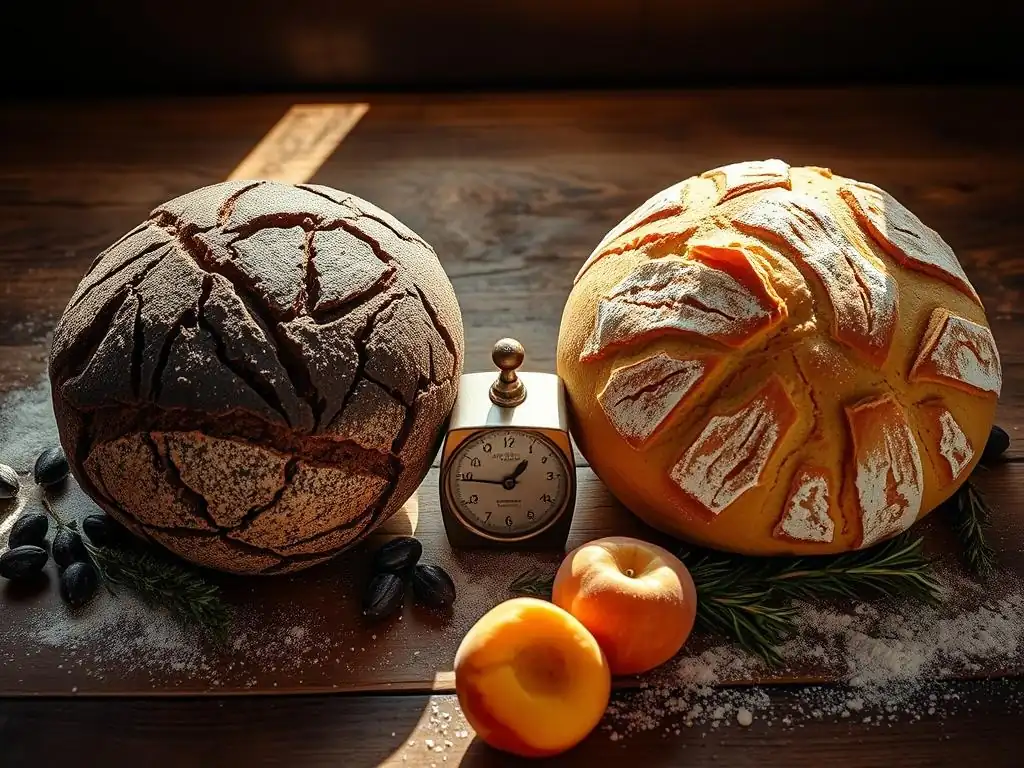
Welcome to BakeWithEase, your shortcut to baking brilliance! Ever wondered how timing can dramatically impact the flavor of your breads and pastries? This article dives deep into the fascinating world of slow fermentation dough flavor, revealing how patience can unlock depths of taste you never thought possible. Prepare to discover the secrets to achieving that perfect balance of flavor and rise, and elevate your baking game to a whole new level. Intrigued? Let's get started!
- Understanding Dough Fermentation: Quick vs. Slow
- Quick Fermentation: Speeding Up the Dough-Making Process
-
Slow Fermentation: Developing Richer Flavors in Your Dough
- The Science Behind Slow Fermentation and Flavor Development
- Benefits of Slow Fermentation: Enhanced Taste and Improved Dough Structure
- Methods for Slow Fermentation: Cold Fermentation, Bulk Fermentation
- Slow Fermentation Timeframes: From Overnight to Several Days
- Best Doughs for Slow Fermentation: Artisan Bread and Baguettes
- Flavor Profiles: Comparing Quick vs. Slow Fermented Dough
- Mastering Fermentation: Factors Influencing Dough Rise and Flavor
- Troubleshooting Fermentation Issues: Common Problems and Solutions
- Slow Fermentation for Sourdough: A Special Consideration
- Choosing the Right Fermentation Method for Your Baking Needs
- Conclusion: Embracing the Art of Fermentation for Better Baking
-
Frequently Asked Questions
- What is slow fermentation, and why is it beneficial for dough flavor?
- How does slow fermentation affect the texture of baked goods?
- What are the key differences between using quick and slow fermentation methods?
- What types of doughs benefit most from slow fermentation techniques?
- How can I incorporate slow fermentation into my baking routine?
- Final Reflection: The Symphony of Time in Bread Baking
- Unleash Your Inner Baker: Time to Knead Some Action!
Understanding Dough Fermentation: Quick vs. Slow
What is Dough Fermentation? The Baker's Perspective
Fermentation is a magical process in baking where yeast (or wild yeast and bacteria in sourdough) consumes sugars in the dough and produces carbon dioxide gas and alcohol. This gas is trapped by the gluten structure, causing the dough to rise, while the alcohol and other byproducts contribute significantly to the dough's aroma and flavor. From a baker's point of view, fermentation is the crucial period where the dough develops structure, volume, and complexity before hitting the oven. It's not just about the rise; it's about transforming simple flour and water into something truly delicious.
This biological alchemy is what gives bread its characteristic texture and taste. The duration and temperature of fermentation directly impact the final outcome. A quick rise might give you volume efficiently, but a longer, slower process allows for a deeper chemical transformation, unlocking more nuanced flavors and improving the dough's handling qualities. Understanding this fundamental step is key to elevating your baking from good to great, whether you're making a quick pizza or an artisan loaf with profound slow fermentation dough flavor.
The Importance of Fermentation for Flavor and Texture
Fermentation is paramount for creating both the structure and the flavor of baked goods. As yeast consumes sugars, it produces not only CO2 for lift but also a host of aromatic compounds, including various alcohols and organic acids. These compounds are essential for the complex flavor profiles we associate with good bread. Without adequate fermentation, bread can taste bland and one-dimensional, lacking the depth and character that makes it truly satisfying.
Beyond flavor, fermentation also plays a vital role in dough texture and structure. Enzymes in the flour, activated during mixing and fermentation, begin to break down starches into simpler sugars that the yeast can consume. Simultaneously, the gluten network, formed when flour and water combine, relaxes and becomes more extensible as the dough ferments.
This relaxed, well-developed gluten allows the dough to expand properly during the final proof and oven spring, resulting in a light, airy crumb structure rather than a dense, heavy loaf. The development of a desirable slow fermentation dough flavor is intrinsically linked to these enzymatic and gluten development processes occurring over time.
Quick Fermentation: Speeding Up the Dough-Making Process
Techniques for Rapid Dough Fermentation
Achieving rapid dough fermentation often involves optimizing conditions to encourage yeast activity. One common technique is using warmer liquids; water heated to between 95°F and 105°F (35°C to 40°C) can significantly speed up yeast metabolism compared to cooler temperatures. Another method is slightly increasing the amount of yeast used in the recipe. For instance, a recipe might call for 1% instant yeast relative to flour weight for a standard rise, but you might increase it to 1.5% or even 2% for a faster process.
Environmental temperature also plays a large role. Placing the dough in a warm spot, such as a proofing box set to 80-85°F (27-29°C) or even a slightly warm oven (turned off with the light on), can dramatically cut down fermentation time. Some bakers even use specific fast-acting yeast strains designed for quick rises. While these techniques accelerate the process, they inherently limit the time available for flavor development compared to methods that cultivate slow fermentation dough flavor.
Advantages of Quick Fermentation: Time Efficiency
The primary benefit of quick fermentation is, undoubtedly, time efficiency. This method allows bakers to produce baked goods much faster, making it ideal for busy schedules or commercial settings where speed is crucial. A typical quick-fermented pizza dough, for example, might be ready to stretch and bake within 60-90 minutes from mixing, including a short rest period.
For home bakers, this means being able to decide to make pizza or quick rolls on a whim and have them ready for dinner the same day, often within a couple of hours. This stands in stark contrast to recipes that require overnight or multi-day fermentation periods for a more developed slow fermentation dough flavor. Quick fermentation democratizes baking, making fresh bread and dough-based treats accessible even when time is limited.
Disadvantages of Quick Fermentation: Flavor Compromises
While fast, quick fermentation often comes at the cost of flavor complexity. The rapid rise means the yeast consumes sugars and produces gas quickly, but there isn't sufficient time for the slower enzymatic reactions and the production of a full spectrum of flavor compounds. The resulting baked goods can sometimes taste primarily of yeast, lacking the nutty, sweet, or tangy notes that develop over a longer period.
Think of it like brewing coffee – a quick steep yields a weaker, less complex flavor than a slow, cold brew. Similarly, dough fermented quickly doesn't have the opportunity to develop the depth and richness associated with a well-cultmented slow fermentation dough flavor. While acceptable for many applications, this flavor compromise is a significant drawback for bakers prioritizing taste above all else.
When to Choose Quick Fermentation: Pizza Dough
Quick fermentation is an excellent choice for specific types of dough where speed is a priority and the flavor profile doesn't rely heavily on long development. Pizza dough is a prime example. Often, the robust flavors of the toppings (sauce, cheese, meats, vegetables) are the stars, and a fast-rising dough provides a suitable base quickly. Many home pizza recipes are designed for a same-day bake, utilizing warmer temperatures and slightly more yeast to get the dough ready in 1-3 hours.
Other instances include quick dinner rolls, certain flatbreads, or recipes where you need dough ready in a pinch. For example, a simple focaccia or some quick breadsticks can be made using a relatively fast fermentation process. While you won't get the deep slow fermentation dough flavor of a Neapolitan-style pizza crust that's been cold-proofed for days, you get a perfectly functional and tasty result in a fraction of the time.
Slow Fermentation: Developing Richer Flavors in Your Dough
The Science Behind Slow Fermentation and Flavor Development
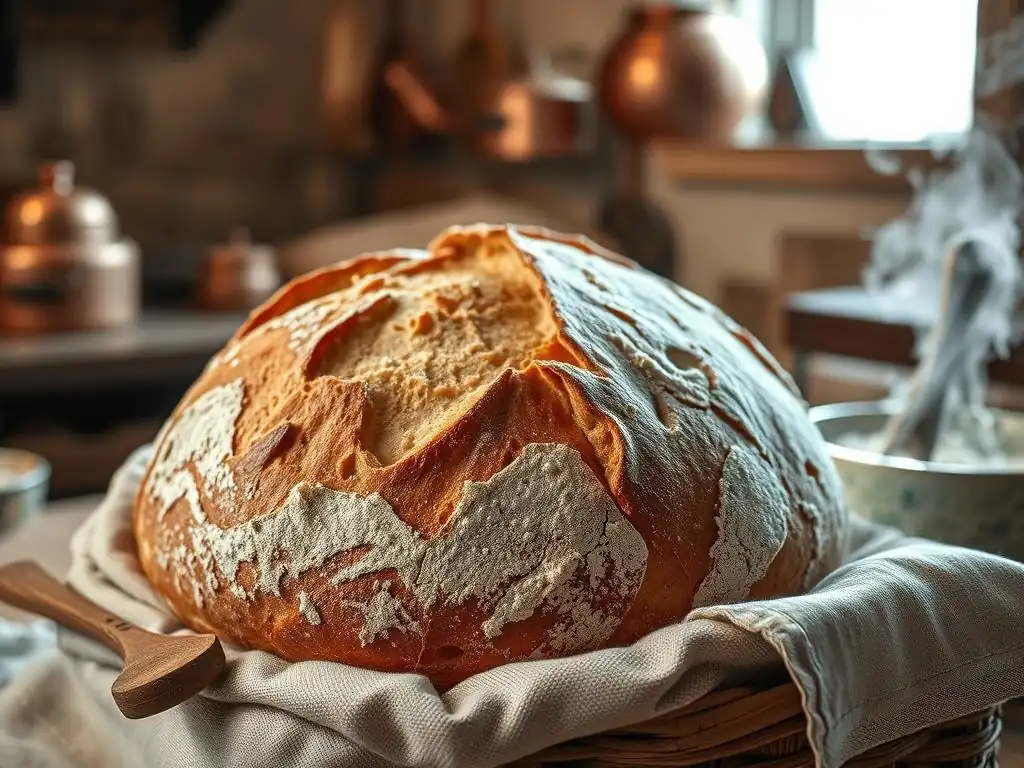
Slow fermentation is a process that allows time for complex chemical reactions to occur within the dough, significantly enhancing its flavor. When dough ferments slowly, especially at cooler temperatures (like in a refrigerator around 38-40°F or 3-4°C), yeast activity is significantly slowed down.
This reduced pace gives enzymes in the flour more time to break down starches into simpler sugars, which the yeast can then consume gradually. More importantly, this extended period allows for the production of a wider range of volatile organic compounds – alcohols, esters, and organic acids (like lactic and acetic acid, particularly in sourdough) – which are the primary contributors to complex bread flavor and the sought-after slow fermentation dough flavor.
Furthermore, the slow breakdown of proteins by enzymes over time contributes to better gluten development and extensibility without excessive handling. This leads to a more relaxed dough that handles better and can achieve a more open crumb structure. The cooler temperature also inhibits the production of off-flavors that can sometimes arise from rapid fermentation at high temperatures. It's this patient, deliberate process that builds layers of aroma and taste, resulting in bread with a depth of flavor that quick methods simply cannot replicate.
Benefits of Slow Fermentation: Enhanced Taste and Improved Dough Structure
The most celebrated benefit of slow fermentation is the profound impact on flavor. As mentioned, the extended time allows for the development of a complex slow fermentation dough flavor that is nutty, sweet, sometimes tangy, and deeply aromatic. This is why artisan breads, known for their exceptional taste, almost always employ some form of slow fermentation. The flavors become more pronounced and nuanced, making the bread enjoyable even on its own.
Beyond flavor, slow fermentation greatly improves dough structure. The slow, steady production of gas allows the gluten network to stretch and develop evenly without becoming stressed. This results in a dough that is stronger yet more extensible, easier to shape, and capable of trapping gas more effectively during the final proof and baking. The outcome is often a loaf with significantly better volume, a thinner, crispier crust, and a more open, irregular crumb structure – hallmarks of high-quality bread achieved through patience and time.
Methods for Slow Fermentation: Cold Fermentation, Bulk Fermentation
There are several common methods to achieve slow fermentation. Cold fermentation, or cold proofing, is perhaps the most popular for home bakers. This involves placing the dough in the refrigerator, typically after the initial mixing or after a short period of bulk fermentation at room temperature. The cold temperature drastically slows down yeast activity, allowing the dough to ferment over 12 hours to several days. This is excellent for developing flavor and makes the dough more manageable.
Bulk fermentation, also known as the first rise, can also be performed slowly, even at room temperature, by using a very small amount of yeast (e.g., 0.2-0.5% of the flour weight) and fermenting the dough at a cooler room temperature (around 65-70°F or 18-21°C) for an extended period, often 8-12 hours or even overnight. Combining a slow bulk fermentation with a cold proofing stage further enhances the slow fermentation dough flavor and structure.
Some recipes also use preferments like poolish or biga, which are essentially small batches of dough fermented slowly over 12-24 hours before being added to the main dough, contributing significant flavor upfront.
Slow Fermentation Timeframes: From Overnight to Several Days
The duration of slow fermentation can vary considerably depending on the method, temperature, and desired outcome. An "overnight" slow fermentation typically involves 8-12 hours at cool room temperature or in the refrigerator. This is a common timeframe for many no-knead bread recipes.
For more intense flavor development and improved handling, dough can be cold-fermented for much longer. Pizza dough, for instance, is often cold-proofed for 24-72 hours in the refrigerator to develop elasticity and a deep slow fermentation dough flavor. Artisan bread doughs, particularly those using preferments or sourdough, might undergo a bulk fermentation of 4-12 hours at room temperature followed by a cold proof of 12-48 hours or even longer, sometimes up to 5 days for specific results like certain pizza doughs or highly hydrated ciabattas. The longer the fermentation (within limits), the more complex the flavor profile becomes.
Best Doughs for Slow Fermentation: Artisan Bread and Baguettes
Slow fermentation is particularly beneficial for doughs where flavor and structure are paramount. Artisan breads, such as pain de campagne, ciabatta, and particularly sourdough, are prime candidates. The extended fermentation time allows these doughs to develop their characteristic open, irregular crumb, thin crispy crust, and complex, nuanced flavors, including the signature tangy slow fermentation dough flavor of sourdough. A typical sourdough loaf might undergo a 4-6 hour bulk ferment at room temperature followed by a 12-18 hour cold proof.
Baguettes also benefit significantly from slow fermentation, often utilizing a preferment like a poolish (a wet preferment) fermented overnight, followed by a relatively slow final proof. This process helps achieve the classic airy interior and crisp crust. Enriched doughs like brioche or challah can also benefit from a cold proof, which makes them easier to handle and can add depth to their rich flavor profile, though the primary goal might be ease of handling rather than a pronounced tang.
Flavor Profiles: Comparing Quick vs. Slow Fermented Dough
Tasting the Difference: Flavor Nuances in Fermented Dough
The difference in flavor between quick and slow-fermented dough is often quite noticeable. Dough fermented quickly tends to have a straightforward, sometimes slightly yeasty taste. It lacks the complexity and depth that develops over time. The flavors are less developed, often described as 'flatter' or less interesting compared to their slow-fermented counterparts.
In contrast, slow-fermented dough, especially dough that has undergone a cold fermentation or used a preferment, develops a much richer and more varied flavor profile. You might detect subtle notes of sweetness, nuttiness, or even a pleasant tang, particularly in sourdough or doughs fermented for 24 hours or more. This enhanced flavor through slow fermentation is due to the longer time available for enzymatic breakdown of starches and the production of complex aromatic compounds. The slow fermentation dough flavor is layered and satisfying, contributing significantly to the overall enjoyment of the baked good.
How Fermentation Time Affects Gluten Development and Texture
Fermentation time is critical for gluten development and, consequently, the final texture of the bread. During fermentation, enzymes (proteases) naturally present in flour help to break down the gluten proteins. In a quick fermentation, there isn't enough time for this enzymatic activity to significantly impact the gluten structure. While the dough rises due to gas production, the gluten network might remain tighter and less extensible, potentially leading to a denser crumb.
Slow fermentation, however, allows these enzymes ample time to work. This controlled breakdown of gluten results in a more relaxed, elastic, and extensible dough. The gluten network becomes capable of stretching further to accommodate the gas produced by the yeast, leading to a lighter, airier, and more open crumb structure. The dough also handles better, becoming less prone to tearing. This improved texture is a direct result of the patient development afforded by a longer fermentation period, complementing the superior slow fermentation dough flavor.
Mastering Fermentation: Factors Influencing Dough Rise and Flavor
Temperature Control: The Key to Consistent Fermentation
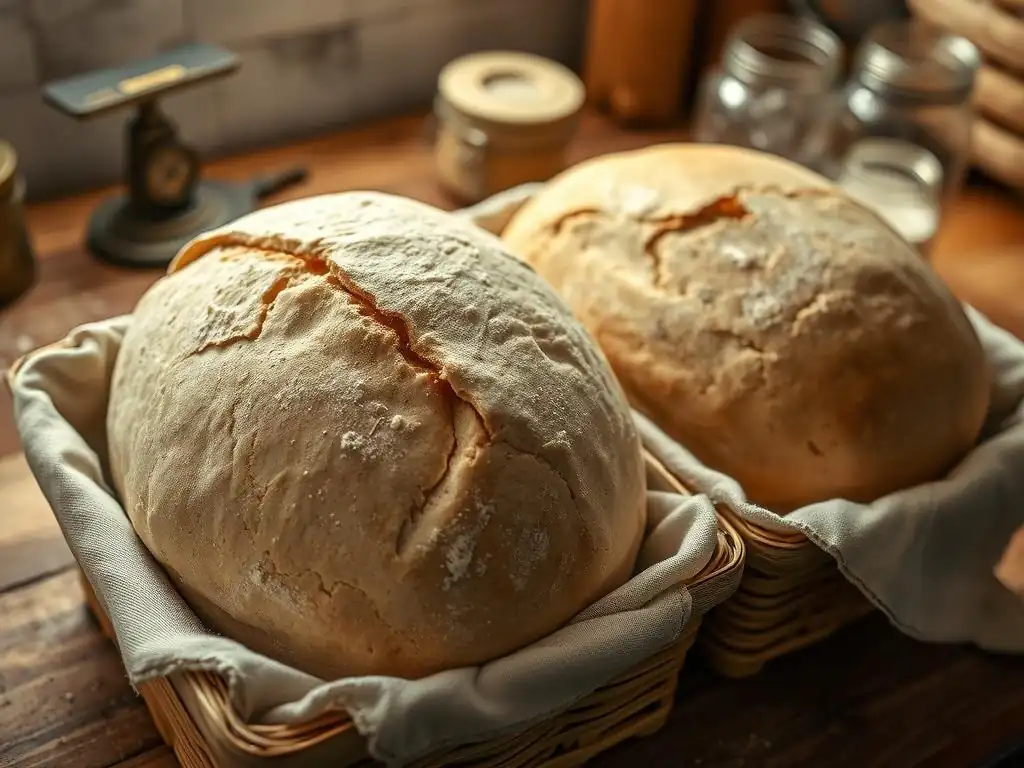
Temperature is arguably the most critical factor influencing fermentation speed and outcome. Yeast activity is highly dependent on temperature. Warmer temperatures (around 75-85°F or 24-29°C) significantly speed up fermentation, while cooler temperatures (below 50°F or 10°C) slow it down drastically, and temperatures above 130°F (54°C) can kill the yeast. Maintaining a consistent temperature is key to achieving predictable results with your dough's rise and flavor development.
For a standard room-temperature rise, aiming for a consistent 70-75°F (21-24°C) is ideal. For slow fermentation dough flavor development, cooler temperatures are preferred. Refrigeration at 38-40°F (3-4°C) slows yeast activity by about 90%, allowing for long, controlled fermentation over days. Understanding how temperature affects yeast allows you to manipulate the fermentation process to fit your schedule and desired flavor profile, whether you need a quick rise or want to cultivate a deep slow fermentation dough flavor.
Hydration Levels: Optimizing Moisture for Fermentation
The hydration level of your dough (the ratio of water to flour) also impacts fermentation. Higher hydration doughs (those with more water, typically above 70% hydration) ferment faster than lower hydration doughs (below 60%). This is because the yeast and enzymes are more mobile and can access the sugars and proteins more easily in a wetter environment.
However, higher hydration doughs can be trickier to handle due to their stickiness. They also tend to develop a more open crumb structure during fermentation and baking. Lower hydration doughs, while slower to ferment and resulting in a tighter crumb, are much easier to knead and shape. Adjusting hydration is another tool bakers use to control the pace of fermentation and influence the final texture, working in tandem with temperature and time to achieve the desired slow fermentation dough flavor and structure.
Yeast Quantity: Balancing Rise Time and Flavor
The amount of yeast used is a direct lever for controlling fermentation speed. More yeast means faster fermentation because there are more microorganisms actively consuming sugars and producing gas. Conversely, using less yeast slows down the process considerably. For a quick rise, you might use 1-2% instant yeast relative to flour weight.
To achieve a slow fermentation and allow for complex flavor development, bakers often reduce the amount of yeast significantly, sometimes using as little as 0.2-0.5% instant yeast. This forces the yeast to work slowly over a longer period, giving time for enzymatic activity and the production of flavor compounds to catch up with gas production. Balancing yeast quantity with temperature and time is essential for controlling both the rise and the development of that desirable slow fermentation dough flavor.
Troubleshooting Fermentation Issues: Common Problems and Solutions
Over-Fermented Dough: Recognizing and Rectifying the Problem
Over-fermented dough occurs when the dough has been allowed to ferment for too long or at too warm a temperature. It often appears overly large, sometimes with large, visible bubbles just under the surface. When you touch it, it may deflate rapidly, feeling weak and lacking structure. The smell can be strongly alcoholic or overly sour.
Unfortunately, severely over-fermented dough that has collapsed and lost all structure is difficult to fully salvage for traditional loaf baking. The gluten network has degraded too much. However, it can often be repurposed for flatbreads, pizza crust (though it might be very thin and prone to tearing), or even crackers. To avoid this, pay close attention to the recommended fermentation times and temperatures in your recipe, and learn to recognize the signs of properly proofed dough (it should be significantly increased in volume but still hold its shape when gently poked).
Under-Fermented Dough: Identifying and Correcting the Issue
Under-fermented dough hasn't had enough time or ideal conditions to ferment properly. It will appear dense and heavy, with minimal increase in volume after the recommended fermentation time. When poked, it will spring back immediately, indicating a tight, underdeveloped gluten structure. After baking, under-fermented bread is typically dense, has a tight crumb, and may have a yeasty or underdeveloped flavor, lacking the full slow fermentation dough flavor potential.
The solution for under-fermented dough is straightforward: give it more time! If you suspect your dough is under-fermented, simply let it continue fermenting at a suitable temperature until it has reached the desired volume and looks and feels properly proofed according to your recipe's guidelines. Patience is key here. If you are using a recipe aiming for a slow fermentation dough flavor, ensure you are allowing adequate time, potentially extending the fermentation period if your kitchen is cooler than anticipated.
Achieving Consistent Results with Fermentation: Tips and Tricks
Consistency in fermentation comes down to controlling the variables: time, temperature, and ingredients. Use a kitchen scale to weigh ingredients, especially flour and yeast, for accuracy (down to the tenth of a gram for yeast can make a difference). Monitor the dough's temperature and the ambient temperature of your proofing environment.
- Use a thermometer to check water and dough temperature.
- Find a consistent spot in your home for proofing – avoid drafty areas or direct sunlight unless intentionally using warmth.
- Keep a baking journal: Note the temperature of your kitchen, the time fermentation took, and the results. This helps you learn how your environment affects the process.
- Learn the visual and tactile cues for properly proofed dough (the poke test is invaluable).
- When aiming for slow fermentation dough flavor, plan ahead and utilize cold fermentation for predictable, extended development.
Slow Fermentation for Sourdough: A Special Consideration
The Unique Flavor Profile of Sourdough through Slow Fermentation
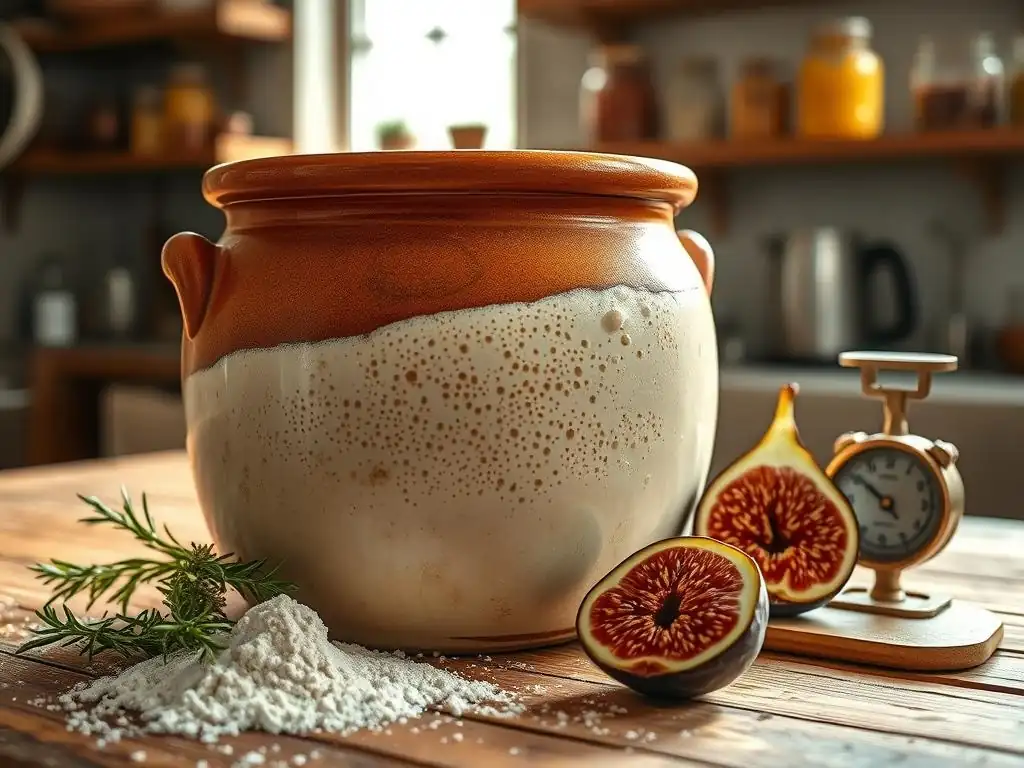
Sourdough bread is the quintessential example of the power of slow fermentation dough flavor. Its distinct tangy taste and complex aroma come not just from commercial yeast but from a symbiotic culture of wild yeasts and lactic acid bacteria living in the starter. These microorganisms ferment the dough much more slowly than commercial yeast alone, producing a wider range of acids (primarily lactic and acetic acid) and other volatile compounds over an extended period.
The balance of these acids, influenced by the starter's health, hydration, temperature, and fermentation time, creates the characteristic sourness and depth unique to sourdough. A typical sourdough process involves a long bulk fermentation (often 4-12 hours at room temperature or cooler) followed by an even longer cold proof (12-24 hours or more in the refrigerator). This extended timeline is essential for the bacteria to produce acids and the wild yeasts to develop flavor, resulting in a complex and satisfying slow fermentation dough flavor that defines this type of bread.
Managing Sourdough Starter for Optimal Fermentation
A healthy and active sourdough starter is fundamental to successful slow fermentation in sourdough baking. The starter's activity directly impacts the dough's rise and the development of flavor. A starter that is fed regularly and kept at a consistent temperature will be vigorous and predictable.
To encourage optimal slow fermentation dough flavor, many bakers maintain their starter at room temperature and feed it once or twice a day when actively baking. For storage, keeping it in the refrigerator slows down its activity, reducing the need for frequent feeding (typically once a week).
Before using a refrigerated starter in a bake, it's usually reactivated with a few feedings at room temperature until it's bubbly and doubles reliably within 4-8 hours. Understanding your starter's rhythm – how quickly it rises and falls after feeding at different temperatures – is crucial for timing your slow fermentation effectively and achieving that signature sourdough tang and beautiful rise.
Choosing the Right Fermentation Method for Your Baking Needs
Matching Fermentation Time to Your Recipe and Schedule
Selecting between quick and slow fermentation ultimately depends on your recipe goals and your personal schedule. If you need bread or dough quickly for a same-day meal, a quick fermentation method using slightly more yeast and warmer temperatures is the practical choice. It allows you to enjoy fresh baked goods without extensive planning.
However, if your priority is developing the deepest possible flavor, achieving a superior crust, and cultivating an open, airy crumb structure, then opting for slow fermentation is the way to go. This requires planning ahead, potentially starting your dough the day before or even several days in advance if using cold fermentation. Consider what you're baking – pizza for a weeknight dinner might call for quick fermentation, while an artisan loaf for a weekend brunch deserves the enhanced slow fermentation dough flavor developed over a longer period.
Experimenting with Fermentation: Finding Your Perfect Balance
The best way to understand the impact of fermentation is to experiment. Try making the same recipe using different fermentation methods. Make one batch using a quick, warm rise and another using a long, cold fermentation in the refrigerator. Compare the handling of the dough, the rise, and most importantly, the final taste and texture of the baked goods.
You might find that for some recipes, a quick rise is perfectly acceptable, while for others, the difference in flavor and texture from slow fermentation is worth the extra time. Don't be afraid to adjust yeast quantities, temperatures, and times based on your observations. Through experimentation, you'll discover your preferred methods for different types of dough and learn how to harness the power of fermentation to consistently achieve the delicious results you desire, mastering the art of developing exceptional slow fermentation dough flavor.
Conclusion: Embracing the Art of Fermentation for Better Baking
Slow Fermentation Benefits for Home Bakers
Embracing slow fermentation opens up a world of possibilities for the home baker. While quick fermentation offers convenience and speed, taking the time for a slower process unlocks significantly deeper flavors and improves the overall texture and structure of your baked goods. The enhanced slow fermentation dough flavor that develops over hours or days in the refrigerator or at cooler room temperatures transforms simple ingredients into complex, aromatic, and truly delicious bread and dough-based items.
Beyond the sensory rewards, slow fermentation often makes dough easier to handle and more predictable, especially for beginners tackling higher hydration doughs. It allows for flexibility in scheduling, as cold-fermented dough can wait in the fridge for a day or two until you're ready to bake. By understanding and utilizing slow fermentation techniques, home bakers can elevate their craft, consistently producing bread that rivals that of professional bakeries, all from the comfort of their own kitchen.
Frequently Asked Questions
What is slow fermentation, and why is it beneficial for dough flavor?
Slow fermentation is the process of allowing dough to rise over an extended period, often in a cool environment. It enhances flavor by giving yeast and bacteria more time to develop complex aromatic compounds. This results in a richer, more complex flavor profile.
How does slow fermentation affect the texture of baked goods?
Slow fermentation often leads to a lighter and more airy texture. The extended proofing time allows for better gluten development, which strengthens the dough structure and creates larger air pockets. This improved structure also makes the dough easier to digest.
What are the key differences between using quick and slow fermentation methods?
Quick fermentation uses more yeast and warmer temperatures to speed up the rising process, prioritizing speed over flavor complexity. Slow fermentation uses less yeast and lower temperatures to develop a deeper, more nuanced flavor. Time is the biggest difference.
What types of doughs benefit most from slow fermentation techniques?
Doughs that particularly benefit from slow fermentation include sourdough, pizza dough, and artisan breads. These doughs rely heavily on complex flavor development for their characteristic taste. Sourdough benefits the most.
How can I incorporate slow fermentation into my baking routine?
You can incorporate slow fermentation by reducing the amount of yeast in your recipe and refrigerating the dough for an extended period (12-72 hours). Experiment with different fermentation times and temperatures to find what works best for your desired flavor profile. Practice makes perfect.
Final Reflection: The Symphony of Time in Bread Baking
The subtle art of slow fermentation isn't just a technique; it's a revelation of flavor and texture that elevates bread baking from a task to a craft. Understanding the nuanced differences between quick and slow fermentation allows bakers of all levels to unlock a deeper appreciation for the process, resulting in loaves that are far more complex and rewarding than anything achieved through rushed methods. This understanding is more relevant than ever in a world increasingly focused on mindful consumption and the appreciation of artisanal goods.
The impact of slow fermentation extends beyond the immediate sensory experience. It's a journey that mirrors the slow-food movement, emphasizing patience, process, and the inherent goodness of natural ingredients. The resulting bread, with its intricate flavor profile and airy crumb, becomes a symbol of this mindful approach. Slow food is good food, clean food, and fair food.
– Carlo Petrini. This quote perfectly encapsulates the ethos that slow fermentation embodies, extending beyond just bread making to a broader philosophy of appreciating the time and care invested in creating something truly special.
Consider the possibilities. Imagine the satisfaction of crafting a loaf of bread, knowing that the depth of its flavor and the perfection of its texture are a direct result of your patience and understanding. You, too, can become a conductor of this culinary symphony, orchestrating the perfect balance of time, temperature, and ingredients to create bread that sings with flavor. Experiment with different flours, hydration levels, and fermentation times. Embrace the journey, and discover the magic that unfolds when you allow time to be your most valuable ingredient.
Unleash Your Inner Baker: Time to Knead Some Action!
Thanks for taking the time to explore the fascinating world of fermentation with us! You've now unlocked the secrets to crafting truly exceptional bread. Ready to put your new knowledge into practice?
- Bake a batch of sourdough using your preferred method! Experiment with different fermentation times and see how it changes the flavor profile. This is where the real magic happens.
- Share your baking journey on social media using #BakeWithEase and tag us – we'd love to see your creations!
- Try a surprising twist: Record a short video comparing a quick fermentation bake with one using a slower method to track your results.
Now, tell us: What unique flavor are you most excited to explore in your next baking adventure?