
Old Baking Soda Causing Metallic Taste? Refresh Your Leavener

Welcome to BakeWithEase, your guide to baking bliss! Ever wondered if that metallic taste lingering after your last batch of cookies might be more than just your imagination? Dive in as we explore how old baking soda can subtly sabotage your creations and learn how to refresh your leavener for perfectly flavored treats every time. Curious to know if your baking soda is the culprit? Let's find out!
- Ammonia Taste in Baked Goods? Understand and Prevent It
- Understanding Ammonia Taste in Baked Goods: The Leavening Connection
- Is Your Leavening Agent Expired? Testing for Freshness
- How Expired Leavening Agent Impacts Cake Flavor
- Refreshing Your Leavening Agent: Best Practices
- Preventing Ammonia Taste: Best Practices for Leavening Agent Storage
- Alternative Leavening Agents for Baking
- Troubleshooting Common Cake Problems: Beyond the Ammonia Taste
- Baking Tips for Delicious, Ammonia-Taste-Free Baking
-
Frequently Asked Questions
- Why does old baking soda sometimes cause a metallic taste in baked goods?
- How can I test if my baking soda is still good before using it in a recipe?
- Can I still use baking soda that has a slight metallic taste, or is it best to discard it?
- What are some alternatives to baking soda if I'm concerned about the metallic taste or don't have any on hand?
- How should I store baking soda properly to prevent it from developing a metallic taste and extending its shelf life?
- Final Reflection: Revitalize Your Baking for a Taste Transformation
- Rediscover the Joy of Baking: Freshen Up Your Baking Soda!
Ammonia Taste in Baked Goods? Understand and Prevent It
Understanding Ammonia Taste in Baked Goods: The Leavening Connection
Why Does Ammonia Taste Sometimes Appear in Baked Goods?
Discovering an unpleasant ammonia taste in baked goods can be disheartening after spending time and effort in the kitchen. This distinctive, sharp flavor is often a direct result of chemical leavening agents used in the recipe. While these agents are essential for creating light and airy textures, certain types, particularly ammonium carbonate, are known to release ammonia gas when heated.
This gas is what causes the lift, but if not all of it escapes during baking, residual ammonia can impart that tell-tale off-flavor. This issue is more prevalent in recipes that bake quickly at lower temperatures, as there might not be enough time or heat for the gas to fully dissipate.
Beyond ammonium carbonate, even common leavening agents like baking soda ( NaHCO₃) and baking powder can contribute to off-flavors if used incorrectly or if they are past their prime. Old baking soda, for instance, can sometimes break down or react in ways that leave behind a soapy or even a slight metallic taste baking soda issues are surprisingly common. This metallic taste baking soda problem is distinct from the ammonia flavor but falls under the umbrella of off-flavors from leavening. Understanding the specific leavening agent used and its properties is the first step in preventing these unwelcome tastes in your cookies, cakes, or other treats.
The Science Behind Ammonium Carbonate and Other Leavening Agents
Leavening agents work by producing gas, which gets trapped in the batter or dough, causing it to rise. The most common agents are baking soda (sodium bicarbonate) and baking powder (a mix of baking soda, acid, and a starch). Baking soda requires an acid to react and produce carbon dioxide ( CO₂), while baking powder contains its own acid and reacts when wet and/or heated. Ammonium carbonate, also known as hartshorn or baker's ammonia ( (NH₄)₂CO₃), is another historical leavener. Unlike baking soda or powder which produce CO₂, ammonium carbonate decomposes upon heating into ammonia gas ( NH₃), CO₂, and water ( H₂O).
The chemical reaction for ammonium carbonate is: (NH₄)₂CO₃(s) → 2NH₃(g) + CO₂(g) + H₂O(g). This reaction occurs readily with heat, making it very effective. Historically, ammonium carbonate was popular for thin, crisp baked goods like crackers and certain cookies because the gases could easily escape, leaving no residual flavor. However, in thicker or softer items like cakes or muffins, the ammonia gas can get trapped, resulting in that undesirable ammonia taste in baked goods. This is why modern recipes for cakes and breads rarely use ammonium carbonate, relying instead on baking soda and baking powder which produce CO₂, a gas less prone to leaving a noticeable off-flavor.
Is Your Leavening Agent Expired? Testing for Freshness
Simple Tests to Check Leavening Agent Potency
Using fresh leavening agents is paramount for successful baking and avoiding off-flavors like ammonia taste or a metallic taste baking soda might impart when old. Leavening agents lose their potency over time, meaning they won't produce enough gas to properly lift your baked goods. This can lead to dense, flat results. Furthermore, their chemical composition can change as they age, potentially leading to the release of unpleasant byproducts or simply inadequate reaction, leaving behind unreacted base that tastes bitter or soapy.
Fortunately, you can easily test the freshness of your leavening agents with simple kitchen experiments. For baking soda, you need an acid. A common test involves mixing about 1/4 teaspoon of baking soda with about 2 tablespoons of vinegar or lemon juice. A strong, immediate fizzing reaction indicates that the baking soda is still active. For baking powder, you need hot water. We'll detail the hot water test next, but the principle is similar: observe the reaction. If either test yields a weak or negligible reaction, it's time to replace your leavening agent to ensure proper rise and prevent off-flavors, including the dreaded metallic taste baking soda can sometimes produce.
The Hot Water Test: A Quick and Easy Method
The hot water test is the standard method for checking the freshness of baking powder. Baking powder is designed to react when wet and/or heated, so hot water is the perfect activator for this test. To perform the test, simply place 1/2 teaspoon of baking powder into a small bowl or mug. Then, pour about 1/4 cup of hot tap water over the baking powder.
Observe the reaction closely. Fresh, potent baking powder will react vigorously and immediately. You should see a strong fizzing or bubbling action, similar to what you'd expect from a fizzy drink.
This effervescence indicates that the leavening agents within the baking powder are still active and capable of producing the gas needed for lift. If the reaction is weak, slow, or barely noticeable, your baking powder has likely lost its potency and should be discarded. Using expired baking powder is a common cause of poor rise and can sometimes contribute to subtle off-flavors, although typically not as pronounced as the ammonia taste from ammonium carbonate or the metallic taste baking soda can develop.
Decoding the Production Date on Your Leavening Agent Container
While freshness tests are reliable, understanding the shelf life indicated on the packaging can also guide you. Most commercial baking soda and baking powder containers have a "Best By" or production date printed on them. Baking soda generally has a longer shelf life, often remaining potent for up to two years if stored correctly. Baking powder, containing multiple components that can react over time, typically has a shorter shelf life, usually between 6 to 12 months once opened.
It's important to note that these dates are often guidelines for optimal quality and potency, not strict expiration dates like perishable food. However, using a product well past its recommended date significantly increases the risk of diminished performance and potential off-flavors.
If the date is long gone, or if the container has been exposed to moisture or air for extended periods (which degrades leavening agents), it's wise to perform a freshness test or simply replace it. A small investment in fresh leavening agents can make a big difference in the outcome – ensuring proper rise and preventing issues like ammonia taste in baked goods or the metallic taste baking soda might develop.
How Expired Leavening Agent Impacts Cake Flavor

Ammonia Taste in Cakes: Identifying the Culprit
When an ammonia taste appears specifically in cakes, the primary suspect, especially in older or specific regional recipes, might be the use of ammonium carbonate ( (NH₄)₂CO₃). As discussed earlier, this leavener releases ammonia gas upon heating. While ideal for thin, crispy items where the gas escapes easily, cakes are denser and thicker. The structure of a cake crumb can trap the ammonia gas, preventing its full dissipation during the baking process. The residual trapped gas then imparts the characteristic pungent ammonia flavor.
However, even if you're not using ammonium carbonate, other issues with leavening agents can affect cake flavor. Using too much baking soda relative to the acid in the recipe, for example, can leave behind unreacted sodium bicarbonate, resulting in a soapy or slightly bitter taste. Similarly, using old baking soda can sometimes lead to a metallic taste baking soda develops over time. While not true ammonia, these off-notes are still undesirable and signal a problem with your leavening. Pinpointing the exact cause often requires looking at the recipe's ingredients and the freshness of your leavening supplies.
The Role of Leavening Agents in Cake Texture and Taste
Leavening agents play a dual critical role in cakes: creating the desired light and airy texture and influencing the overall flavor profile. The gases produced (primarily CO₂ from baking soda/powder or NH₃/ CO₂ from ammonium carbonate) form bubbles within the batter. As the cake bakes, these bubbles expand, causing the cake to rise, and the structure sets around them, resulting in a tender crumb. Without sufficient leavening, a cake will be dense, heavy, and unappealing.
Beyond texture, the leavening agent's reaction products and any unreacted components directly impact taste. A properly balanced recipe with fresh baking soda and sufficient acid will produce CO₂ and a neutral salt. An unbalanced recipe, or one using expired leavening, can leave behind alkaline residues (from baking soda) causing bitterness/soapiness, or unvented gases (from ammonium carbonate) causing ammonia taste. Even the metallic taste baking soda can sometimes impart when old is a flavor issue directly tied to the leavening agent's condition. Ensuring your leavening is fresh and correctly measured is vital for both perfect texture and delicious, clean flavor.
Refreshing Your Leavening Agent: Best Practices
Best Practices for Maintaining Leavening Agent Quality
While you can't truly "refresh" a leavening agent that has lost its potency, you can certainly maintain the quality of a newly purchased one to ensure it lasts as long as possible. The primary enemies of baking soda and baking powder are moisture and air. Exposure to humidity causes premature reactions, depleting their gas-producing power. Exposure to air can also introduce moisture and lead to oxidation or other degradation processes over time.
Therefore, the best practice for maintaining leavening agent quality is proper storage. Always keep your baking soda and baking powder in their original packaging, or transfer them to an airtight container immediately after opening. Store these containers in a cool, dry place, away from steam from dishwashers or kettles, and away from direct sunlight or heat sources like ovens.
Avoid scooping directly from the container with a wet spoon, as this can introduce moisture and start the reaction prematurely. Following these simple storage tips will help your leavening agents stay potent for their expected shelf life, reducing the risk of poor rise and off-flavors like ammonia taste or the metallic taste baking soda can sometimes develop.
Safe Disposal of Expired Leavening Agent
Once you've determined that your leavening agent is expired or no longer potent using the freshness tests, it's time to dispose of it safely. Fortunately, baking soda and baking powder are not hazardous materials, so disposal is straightforward. They can typically be safely disposed of in your regular household trash.
However, baking soda has many uses beyond baking, even when it's no longer potent enough for leavening. It's a natural deodorizer, a mild abrasive cleaner, and can be used in various household cleaning applications. So, before tossing old baking soda, consider repurposing it for tasks like:
- Deodorizing your refrigerator: Place an open box inside.
- Cleaning drains: Pour some down the drain followed by hot water.
- Scrubbing surfaces: Mix with a little water to form a paste.
Baking powder, while less versatile than baking soda for other uses once expired, can still be safely discarded in the trash. Disposing of expired leavening agents promptly ensures you don't accidentally grab them for your next baking project, preventing disappointing results and avoiding issues like metallic taste baking soda or ammonia taste in your finished goods.
Preventing Ammonia Taste: Best Practices for Leavening Agent Storage
Proper Storage Techniques to Extend Shelf Life
As previously mentioned, proper storage is key to extending the shelf life of your leavening agents and ensuring they perform optimally, preventing issues like a metallic taste baking soda or an ammonia taste from other agents. Moisture and air are the primary culprits that degrade potency.
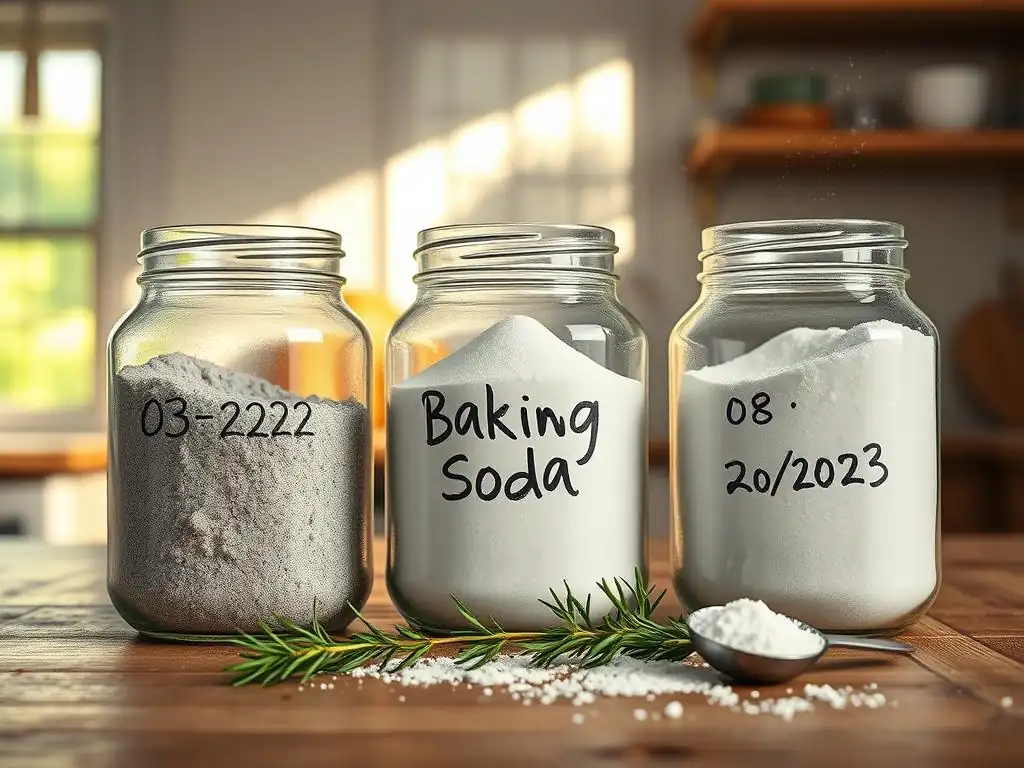
- Airtight Containers: Always transfer baking soda and baking powder from their cardboard boxes or flimsy bags into truly airtight containers. Glass jars with tight-fitting lids or plastic containers with silicone seals are excellent choices.
- Cool, Dry Location: Store containers in a pantry or cupboard away from heat sources (oven, stovetop) and moisture sources (dishwasher, sink). Humidity in the air can penetrate even seemingly closed containers over time.
- Avoid Contamination: Use a dry spoon to scoop out the required amount. Never scoop directly from the container with wet measuring spoons.
Following these techniques minimizes exposure to environmental factors that cause premature reaction or degradation. While baking soda might last up to two years and baking powder 6-12 months under ideal conditions, poor storage can drastically shorten their lifespan, leading to diminished rise and off-flavors.
Choosing the Right Leavening Agent for Optimal Flavor
Selecting the correct leavening agent specified by a recipe is crucial for achieving the intended flavor profile and texture. Substituting willy-nilly can lead to unexpected results, including off-flavors. For instance, using baking soda when baking powder is called for (without adjusting acidic ingredients) can result in a soapy or bitter taste due to unreacted alkaline soda.
Recipes for thicker baked goods like cakes, muffins, and quick breads almost exclusively rely on baking soda (used with an acid) and/or baking powder. These produce CO₂, which is easily trapped but doesn't leave a strong residual taste once baked. Ammonium carbonate ( (NH₄)₂CO₃), while a powerful leavener, is best reserved for thin, crispy items like certain cookies or crackers where the ammonia gas can fully escape. Using it in a cake would almost guarantee an ammonia taste. Pay close attention to the leavener specified in your recipe – it's chosen for a reason, balancing rise, texture, and flavor to prevent issues like metallic taste baking soda or ammonia flavor.
Alternative Leavening Agents for Baking
Yeast vs. Baking Powder: Understanding the Differences
While chemical leavening agents like baking soda and baking powder are common in quick baking, biological leaveners like yeast are fundamental in bread making and some pastries. The key difference lies in how they produce gas and the time required. Baking powder and baking soda react chemically and quickly with moisture and/or heat, providing lift rapidly – hence "quick breads."
Yeast, on the other hand, is a living microorganism. It consumes sugars in the dough and produces CO₂ and alcohol as byproducts. This process, fermentation, takes time – typically hours – and is influenced by temperature. Yeast provides a different kind of lift and contributes significantly to the flavor and aroma of baked goods, characteristic of traditional bread. Unlike chemical leaveners which can sometimes contribute off-notes like ammonia taste or metallic taste baking soda, yeast fermentation develops complex, desirable flavors. Substituting yeast for baking powder or vice versa in a recipe is generally not possible without significant modification, as they operate on entirely different principles and timelines.
Sourdough Starter: A Natural Leavening Alternative
Sourdough starter represents another form of biological leavening, relying on a symbiotic culture of wild yeast and lactic acid bacteria. This living culture, maintained with flour and water, ferments sugars in dough to produce CO₂ (for lift) and lactic/acetic acids (for flavor). Sourdough fermentation is typically slower than commercial yeast fermentation but yields baked goods with a unique tangy flavor and chewy texture.
Using sourdough starter as the primary leavener requires different techniques and timing compared to using baking powder or baking soda. It contributes not only lift but also a complex flavor profile that chemical leaveners cannot replicate. While chemical leaveners can sometimes cause off-flavors like ammonia taste or metallic taste baking soda, sourdough starter, when healthy and properly maintained, contributes desirable acidic notes and aromas. It's a great alternative for those seeking a natural leavening method with added depth of flavor, though it requires more maintenance and understanding of fermentation principles.
Troubleshooting Common Cake Problems: Beyond the Ammonia Taste
Common Cake Problems and Their Solutions
Baking cakes can sometimes present challenges beyond just an ammonia taste or a metallic taste baking soda might cause. Issues like cakes that sink in the middle, dense or tough texture, dry crumb, or uneven browning are frustratingly common. Understanding the potential causes is the first step to fixing them.
- Sinking Middle: Often caused by opening the oven door too early, incorrect oven temperature (too high initially, causing the outside to set before the inside is done), using too much leavening, or incorrect ingredient ratios (e.g., too much sugar or liquid).
- Dense/Tough Texture: Can result from overmixing the batter (developing too much gluten), using too much flour, insufficient leavening (potentially due to old baking powder/soda), or incorrect oven temperature.
- Dry Crumb: Usually due to overbaking, using too much flour, not enough fat or liquid, or ingredients not at room temperature.
- Uneven Browning: Often indicates hot spots in the oven or placing the cake pan too close to a heating element. Rotating the cake halfway through baking can help.
Addressing these issues involves checking ingredient measurements, ensuring ingredients are at the correct temperature, avoiding overmixing, verifying oven temperature with an oven thermometer, and ensuring your leavening agents are fresh and potent.
Achieving Perfect Cake Flavor: A Comprehensive Guide
Achieving perfect cake flavor goes beyond avoiding off-notes like ammonia or the metallic taste baking soda can sometimes impart. It involves a combination of using high-quality ingredients, precise measurements, and proper technique.
- Fresh Ingredients: Use fresh, high-quality butter, eggs, flour, and flavorings (vanilla extract, cocoa powder, spices). Stale ingredients will result in stale-tasting cake.
- Accurate Measurements: Baking is a science. Use kitchen scales for dry ingredients like flour and sugar for the most accurate results. Measuring cups can be less precise, especially for flour (don't scoop and pack).
- Balance Flavors: Ensure the ratio of sweet, fat, acid (if using baking soda), and flavorings is balanced according to a reliable recipe. Too much of one element can overwhelm others.
- Room Temperature Ingredients: Many cake recipes require butter and eggs to be at room temperature. This helps them emulsify properly, creating a smoother batter that traps air effectively, leading to a better texture and even baking, which contributes to good flavor development.
- Don't Overbake: Overbaking dries out the cake, diminishing its flavor. Use a toothpick test to check for doneness – it should come out with a few moist crumbs, not completely clean.
By focusing on these fundamentals, you set yourself up for success, ensuring your cakes taste as good as they look, free from undesirable flavors.
Baking Tips for Delicious, Ammonia-Taste-Free Baking
Ensuring Baking Success with Fresh Ingredients and Precise Measurements
Consistently producing delicious baked goods without off-flavors like ammonia taste or metallic taste baking soda requires attention to detail, starting with your ingredients and measurements. Think of your ingredients as building blocks; if the blocks are faulty or the measurements are off, the structure won't be sound.
- Ingredient Freshness: Make it a habit to check the dates on your leavening agents, flour, and spices. Use the freshness tests described earlier for baking soda and baking powder. Stale flour can impart off-flavors, and old spices lose their potency.
- Accurate Weighing: For critical ingredients like flour, sugar, and fats, weighing is significantly more accurate than volume measurements. A digital kitchen scale is an invaluable tool for consistent results. Different flours can pack differently into a cup, leading to variations of 10-20% in weight.
- Leveling: If using measuring cups for dry ingredients, spoon the ingredient into the cup and level off the excess with a straight edge (like the back of a knife) without packing it down.
- Liquid Measurement: Use clear liquid measuring cups placed on a flat surface, and read the measurement at eye level.
Precise measurements ensure the chemical reactions from your leavening agents occur correctly, providing the right amount of lift without leaving behind bitter or soapy residues. This attention to detail is fundamental to avoiding off-flavors and achieving consistently great results.
Leavening Agent Baking Tips: Elevate Your Baking Game
Mastering the use of leavening agents is key to elevating your baking from good to great and specifically avoiding issues like ammonia taste or metallic taste baking soda might introduce. Here are some tips focused on getting the most out of your leaveners:
- Understand Your Recipe's Leavener: Know whether the recipe calls for baking soda (requires acid), single-acting baking powder (reacts when wet), double-acting baking powder (reacts when wet and heated), or a combination. Use exactly what is specified.
- Don't Over-Measure: Using too much leavening agent doesn't necessarily mean more rise; it can actually cause the structure to collapse and often leads to unpleasant, bitter, or soapy flavors. Stick to the recipe's quantities.
- Mix Gently After Adding Leaveners: Once wet ingredients are combined with dry ingredients containing leavening, the reaction begins. Overmixing at this stage can develop gluten unnecessarily and cause the gases to escape before baking, resulting in a dense product. Mix just until combined.
- Bake Promptly: For recipes relying heavily on the initial reaction of baking powder (single-acting) or baking soda, get the batter into the oven as soon as the mixture is ready to capture the maximum leavening power. Double-acting baking powder is more forgiving due to its second reaction in the oven.
- Proper Oven Temperature: Ensure your oven is preheated to the correct temperature using an oven thermometer. Incorrect temperatures can affect how leavening agents perform and how gases escape (or don't escape, potentially trapping ammonia).
By keeping your leavening agents fresh, measuring them accurately, and understanding how they work within your recipes, you are well on your way to baking success, free from unwanted flavors and with perfect texture every time.
Frequently Asked Questions
Why does old baking soda sometimes cause a metallic taste in baked goods?
Old baking soda can absorb odors and moisture from the air, causing it to lose its potency and develop a metallic taste. This is because its chemical composition degrades over time.
How can I test if my baking soda is still good before using it in a recipe?
You can test baking soda's freshness by adding a spoonful to a small amount of vinegar or lemon juice. If it fizzes vigorously, it's still active; if not, it's time to replace it. The lack of reaction indicates reduced leavening power.
Can I still use baking soda that has a slight metallic taste, or is it best to discard it?
It's generally best to discard baking soda that has a noticeable metallic taste. Using it can negatively impact the flavor and texture of your baked goods, leading to an undesirable result.
What are some alternatives to baking soda if I'm concerned about the metallic taste or don't have any on hand?
Baking powder can sometimes be used as a substitute, but it's not a direct replacement. It's crucial to adjust the recipe accordingly to maintain the desired texture and rise. Yeast is an alternative for bread recipes.
How should I store baking soda properly to prevent it from developing a metallic taste and extending its shelf life?
Store baking soda in an airtight container in a cool, dry place away from strong odors. This helps prevent the absorption of moisture and smells that can contribute to a metallic flavor and degradation.
Final Reflection: Revitalize Your Baking for a Taste Transformation
In the world of baking, the quality of our ingredients directly influences the final outcome. The metallic taste that can arise from using old baking soda is not just a minor inconvenience; it serves as a reminder of the importance of freshness in our culinary creations. As we navigate through an era where homemade goods are cherished more than ever, understanding how our leaveners impact flavor is crucial. This knowledge empowers us to elevate our baking and ensure that every bite is as delightful as intended.
The influence of baking on our cultural and social landscape is profound, as the act of baking often brings people together, fostering connections and creating memories. Whether it’s a family gathering or a community event, the shared experience of enjoying baked goods can strengthen bonds and create lasting traditions. As we become more conscious of the ingredients we use, we also embrace a deeper appreciation for the craft of baking. > “Baking is both an art and a science, and the quality of your ingredients can make or break your masterpiece.”
As you reflect on your own baking practices, I invite you to take action: evaluate the freshness of your ingredients and make a commitment to using high-quality leaveners. Consider the impact this small change can have on your baking journey and the joy it can bring to those you share your creations with. Let each loaf, cake, or cookie be a testament to your dedication to quality, and remember that even the simplest adjustments can lead to extraordinary results. Embrace the art of baking with renewed passion, and watch as your culinary endeavors transform into delightful experiences.
Rediscover the Joy of Baking: Freshen Up Your Baking Soda!
Thanks for taking the time to learn about the importance of fresh baking soda! You now have the knowledge to avoid those unwanted metallic tastes in your baked goods. Ready to put this knowledge into action?
- Immediately check the expiration date of your baking soda. This simple step is the first line of defense against flat, metallic-tasting treats.
- Share this article with a fellow baker who might be struggling with the same issue. Let's spread the word about fresh ingredients!
- Consider trying a simple baking soda experiment: bake a small batch of cookies with old and new baking soda, side-by-side, and taste test the difference!
What’s your biggest baking challenge, and how are you overcoming it? Let's discuss in the comments!