
Freeze Pastries Like a Pro: Extend the Life of Your Flaky Favorites

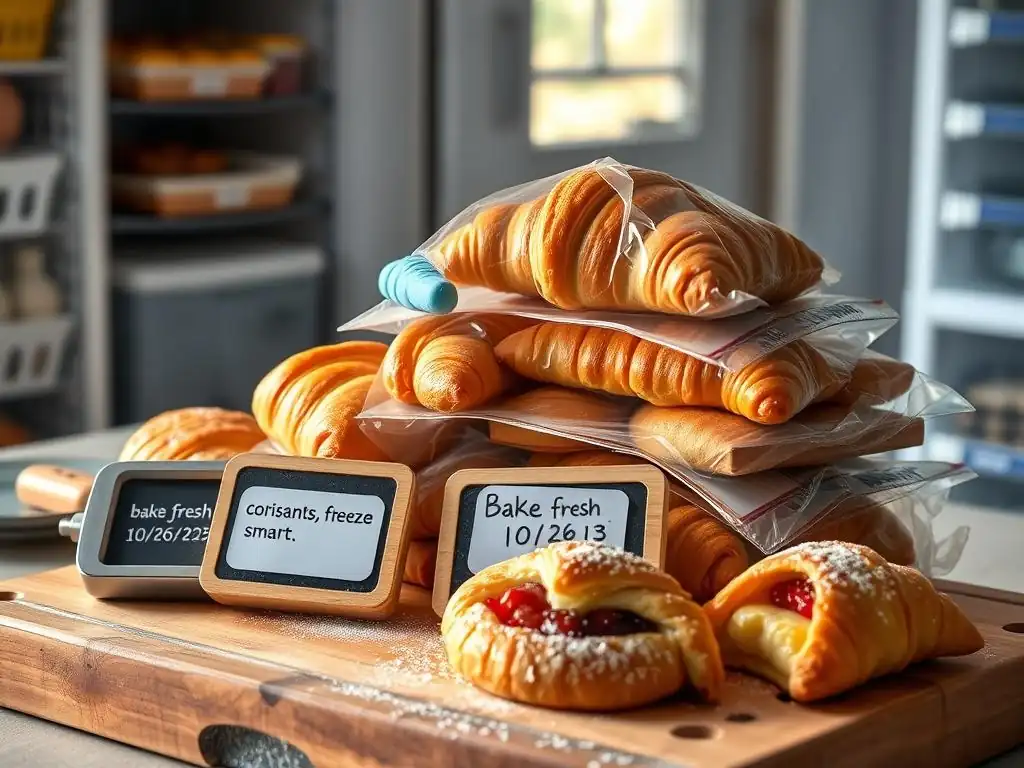
Welcome to BakeWithEase, your trusted guide to the sweet science of baking! Ever wondered if you could truly savor those delicate pastries for longer? This week, we're diving deep into a game-changing technique: how to freeze pastries for longer shelf life without sacrificing that perfect flaky texture. Prepare to unlock the secrets to preserving your baked masterpieces and enjoy fresh-from-the-oven flavor, even weeks later. Intrigued? Keep reading to discover our pro tips and hacks!
- Introduction: Mastering Pastry Freezing for Extended Freshness
- Which Pastries Can You Freeze Successfully? A Baker's Guide
- Step-by-Step Guide: How to Freeze Pastries for Longer Shelf Life
- Thawing Frozen Pastries: The Right Way to Revive Your Treats
- Maintaining Pastry Quality: Avoiding Freezer Burn and Other Issues
- Creative Uses for Frozen Pastries
- Expert Tips for Freezing Specific Types of Pastries
- Conclusion: Enjoy Fresh-Tasting Pastries Anytime with Proper Freezing Techniques
-
Frequently Asked Questions
- How long can I freeze pastries for optimal freshness?
- What is the best way to wrap pastries before freezing to prevent freezer burn?
- Can all types of pastries be frozen effectively?
- What is the best way to thaw frozen pastries to maintain their texture?
- How can I reheat frozen pastries to restore their crispy texture?
- Final Reflection: The Enduring Delight of Frozen Pastries
- Unlock Your Pastry Potential: Freshness That Lasts!
Introduction: Mastering Pastry Freezing for Extended Freshness
Welcome to BakeWithEase! We all love freshly baked pastries, but sometimes our eyes are bigger than our stomachs, or we simply want to enjoy our creations later. Learning how to freeze pastries effectively is a game-changer for any home baker. It allows you to bake ahead for special occasions, preserve seasonal treats, or simply keep your kitchen stocked with delicious options ready to go. Mastering the art of freezing ensures that when you're ready to indulge, your pastry tastes as close to fresh as possible.
This guide will walk you through everything you need to know to freeze pastries for longer shelf life. We'll cover which baked goods freeze best, the step-by-step process for optimal preservation, how to thaw them correctly, and common pitfalls to avoid like dreaded freezer burn. Get ready to unlock the secret to enjoying your favorite flaky treats anytime, without compromising on quality or flavor.
Why Freeze Pastries? The Benefits of Freezing Baked Goods
Freezing pastries offers a multitude of advantages for the busy or enthusiastic baker. Firstly, it significantly reduces food waste. If you've baked a large batch of croissants or muffins, freezing allows you to save the excess before they go stale, preserving their quality for weeks or even months. This is particularly useful when you're experimenting with new recipes or baking for a smaller household. Think of the money saved and the delicious treats rescued from the bin!
Beyond waste reduction, freezing provides unparalleled convenience. Imagine having homemade scones ready to bake on a busy morning or a slice of celebratory cake available without baking from scratch. Freezing allows you to batch bake when you have time and enjoy the fruits of your labor whenever you desire. It's the ultimate way to ensure you always have a delightful treat on hand, extending the enjoyment and availability of your delicious creations well beyond their typical short shelf life.
BakeWithEase Tip: Understanding Pastry Shelf Life and Freezing
Understanding the natural shelf life of pastries is key to appreciating the value of freezing. Most freshly baked pastries, especially those without fillings or icings, are best enjoyed within 1-3 days at room temperature. Items with dairy or fruit fillings have an even shorter life, often needing refrigeration within hours. Freezing dramatically extends this, allowing you to store most baked goods for 1-3 months while maintaining good quality.
Freezing essentially pauses the staling process by slowing down moisture migration and microbial growth. However, it's crucial to start with the freshest possible pastry for the best results. Freezing a pastry that's already several days old won't magically revive it; it will simply preserve its current state. For optimal flavor and texture when thawed, aim to freeze pastries the same day they are baked and completely cooled.
Which Pastries Can You Freeze Successfully? A Baker's Guide
Not all pastries are created equal when it comes to enduring the deep chill of the freezer. The success of freezing often depends on the pastry's structure, moisture content, and fillings. Generally, pastries with a lower moisture content and those that don't rely on delicate textures (like very light foams or crispy meringues) tend to freeze exceptionally well. Understanding these characteristics helps you decide which of your flaky favorites are good candidates for long-term storage.
Pastries made primarily from dough, like croissants, scones, or puff pastry items, are usually excellent candidates for freezing. Their structure holds up well to the cold, and the thawing/reheating process can often restore their desired texture. Cakes, especially unfrosted ones, also freeze beautifully. Knowing which pastries are freezer-friendly means you can confidently bake larger batches and enjoy them over time, truly maximizing your baking efforts and extending your pastry shelf life.
Best Pastries for Freezing: Croissants, Scones, Unfrosted Cakes
Croissants are arguably one of the best pastries to freeze, whether baked or unbaked. Baked croissants freeze wonderfully; when thawed and quickly reheated, their buttery layers crisp up beautifully. Unbaked croissants can be frozen after shaping and proofed slightly, then baked directly from frozen (with a longer baking time), resulting in that fresh-from-the-oven experience whenever you crave one. Similarly, baked scones freeze very well and can be easily reheated, making them perfect for having on hand for unexpected guests or a quick breakfast.
Unfrosted cakes, particularly loaf cakes, muffins, cupcakes (without frosting), and denser cakes like pound cake or fruitcake, are also excellent for freezing. Their sturdy structure prevents them from becoming too fragile or crumbly during freezing and thawing. Freezing them unfrosted protects the delicate icing or topping, which can often weep or change texture in the freezer. You can simply thaw the cake and frost it fresh before serving, ensuring a perfect finish. Consider baking a double batch of your favorite banana bread and freezing one loaf to enjoy weeks later!
Pastries to Avoid Freezing: Cream-Filled Donuts, Meringue-Topped Pies
Certain pastries simply don't fare well in the freezer due to their composition or delicate nature. Pastries with high moisture content or delicate dairy-based fillings, such as cream-filled donuts, eclairs, or cream puffs, are generally poor candidates. The moisture in the filling can crystalize during freezing, causing the pastry shell to become soggy and the filling to separate or become watery upon thawing. Custard-filled items often suffer a similar fate.
Meringue-topped pies, lemon meringue or baked Alaska, should also be avoided. Meringue is essentially whipped egg whites and sugar, containing a significant amount of air and moisture. Freezing causes the meringue to weep and collapse, resulting in a sad, soggy topping that loses its airy texture completely. While the pie filling itself might freeze okay, the topping is ruined. Delicate pastries like cannoli, with their crispy shells and ricotta filling, are also best assembled and consumed fresh, as both components can suffer textural degradation in the freezer.
Step-by-Step Guide: How to Freeze Pastries for Longer Shelf Life
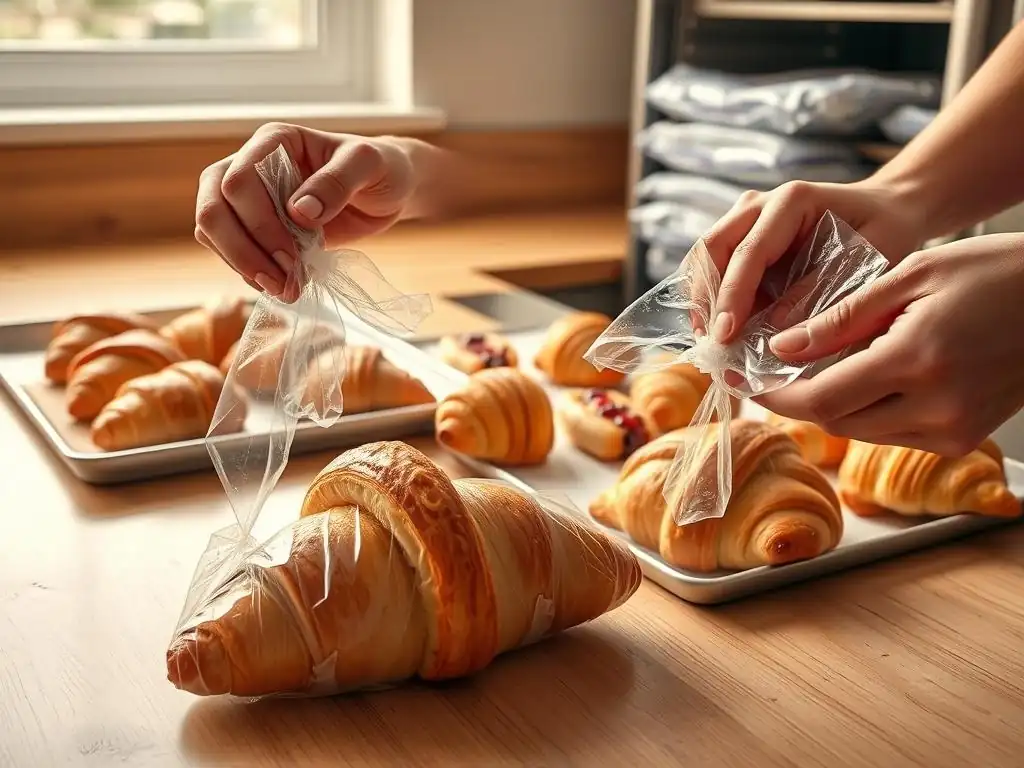
Successfully freezing pastries is all about preparation and proper technique. Following a few key steps ensures that your baked goods are protected from freezer burn and retain their quality as much as possible during storage. This process is relatively simple but requires attention to detail, especially regarding cooling and packaging. By mastering these steps, you can confidently freeze pastries for longer shelf life and enjoy them weeks or months down the line.
The goal of proper freezing is to minimize exposure to air and moisture fluctuations within the freezer environment. Air is the enemy, leading to freezer burn and off-flavors. Moisture loss or gain can ruin the texture. Taking the time to cool completely, wrap meticulously, and store correctly will pay off when you retrieve your perfectly preserved treats from the freezer.
Step 1: Cooling Pastries Completely Before Freezing
This is perhaps the most critical initial step. Any warmth left in a pastry when it's placed in the freezer will create condensation. This condensation turns into ice crystals, which are the primary cause of freezer burn and can ruin the texture of your baked goods, making them mushy or dry out certain spots while others become icy.
Allow your pastries to cool completely to room temperature on a wire rack. For smaller items like cookies or muffins, this might take 30-60 minutes. Larger items like cakes or loaves could take 2-3 hours or even longer, depending on their density and size. Patience here is key! If you're unsure, feel the center of the pastry; it should be cool to the touch. Freezing warm pastries will result in a significantly lower quality product upon thawing.
Step 2: Wrapping Pastries Properly for Freezer Storage
Proper wrapping is your main defense against freezer burn and moisture loss. The goal is to create an airtight barrier around the pastry. This prevents ice crystals from forming on the surface and keeps external odors from permeating your delicate baked goods.
Choosing the Right Freezer-Safe Packaging: Plastic Wrap, Foil, Freezer Bags
You have a few excellent options for packaging materials, and often, a combination works best.
- Plastic Wrap: Use heavy-duty plastic wrap designed for freezing. Wrap items individually and snugly, pressing out as much air as possible.
- Aluminum Foil: Heavy-duty foil provides an additional barrier and helps protect against light and odors. Wrap tightly over an initial layer of plastic wrap.
- Freezer Bags: These are thicker and more durable than regular sandwich bags. They are great for storing wrapped individual items or smaller quantities. Press out excess air before sealing.
Double Wrapping for Optimal Protection Against Freezer Burn
For maximum protection, especially for items you plan to store for more than a month or two, double wrapping is highly recommended. Start by wrapping the completely cooled pastry tightly in a layer of plastic wrap, ensuring no gaps. Then, wrap the plastic-wrapped item again, either in a layer of heavy-duty aluminum foil or place it inside a freezer bag and press out all the air before sealing. This double layer provides superior protection against the harsh, dry environment of the freezer and is crucial to successfully freeze pastries for longer shelf life.
Step 3: Flash Freezing for Individual Pastries
Flash freezing is a useful technique for freezing individual pastries like cookies, muffins, scones, or even individual croissant rolls. It prevents them from sticking together, allowing you to grab just one or two at a time without having to thaw an entire batch.
To flash freeze, place the unwrapped, completely cooled pastries on a baking sheet lined with parchment paper. Ensure they are not touching. Place the baking sheet in the freezer for 1-2 hours, or until the pastries are solid. Once frozen solid, transfer the individual items to your chosen airtight freezer packaging (like a freezer bag or wrapped tightly in plastic and foil). This method maintains the shape of the pastry and makes portioning incredibly convenient.
Step 4: Labeling and Dating Frozen Pastries
Once your pastries are properly wrapped and sealed, the final crucial step before placing them in the freezer is labeling. It might seem obvious, but trust us, after a few weeks, it's easy to forget what's lurking in that foil-wrapped package!
Use a permanent marker to clearly write the contents of the package (e.g., "Chocolate Chip Scones," "Blueberry Muffins," "Croissants") and the date you froze them. This simple step is vital for managing your freezer inventory and ensuring you use items within their recommended storage time for the best quality. Knowing exactly what you have and how long it's been there helps you avoid mystery packages and ensures you enjoy your frozen pastries at their peak.
Thawing Frozen Pastries: The Right Way to Revive Your Treats
Freezing is only half the battle; thawing correctly is just as important to restore your pastries to their former glory. Improper thawing can lead to sogginess, dryness, or an unpleasant texture. The best method often depends on the type of pastry and how you plan to serve it. Patience is key – avoid rushing the thawing process, especially for larger items.
The goal during thawing is to allow the ice crystals within the pastry to melt slowly and reabsorb into the structure, rather than creating excess surface moisture. This helps maintain the pastry's original texture and flavor profile. Choosing the right thawing method ensures that your efforts to freeze pastries for longer shelf life result in a delicious outcome.
Methods for Thawing Pastries: Refrigerator, Oven
The safest and often best method for thawing most pastries is in the refrigerator. This allows for a slow, controlled thaw, which is ideal for preventing condensation and maintaining texture. Smaller items like muffins or cookies may take a few hours, while larger items like cakes or loaves could take overnight (8-12 hours) or even longer. Keep the pastry wrapped while thawing in the fridge to prevent it from drying out or absorbing odors.
Alternatively, some pastries can be thawed at room temperature, though this carries a slightly higher risk of condensation. This works best for smaller, less delicate items like cookies or brownies. Simply place the wrapped pastry on the counter. Thawing time will vary depending on size and room temperature, but it's generally faster than refrigeration. Avoid thawing pastries with delicate fillings or dairy at room temperature for food safety reasons; always use the refrigerator for those.
Tips for Reheating Pastries After Thawing
Once thawed, many pastries benefit from a quick reheat to crisp them up and bring back that fresh-baked feel. For flaky pastries like croissants or scones, reheating in the oven is highly recommended. Place the thawed pastry on a baking sheet and warm in a preheated oven at around 300-350°F (150-175°C) for 5-10 minutes, depending on size, until warmed through and slightly crispy. This evaporates any surface moisture and revives the texture.
Muffins, cakes, or quick breads can also be warmed gently in the oven or even a microwave for a few seconds (use caution with microwaves, as they can make items tough if overheated). Reheating is particularly good for pastries that were frozen after baking, as it helps to "refresh" them. If you froze unbaked items (like croissant dough), follow the original baking instructions, adding a few minutes to the baking time since they start from a frozen state.
Maintaining Pastry Quality: Avoiding Freezer Burn and Other Issues
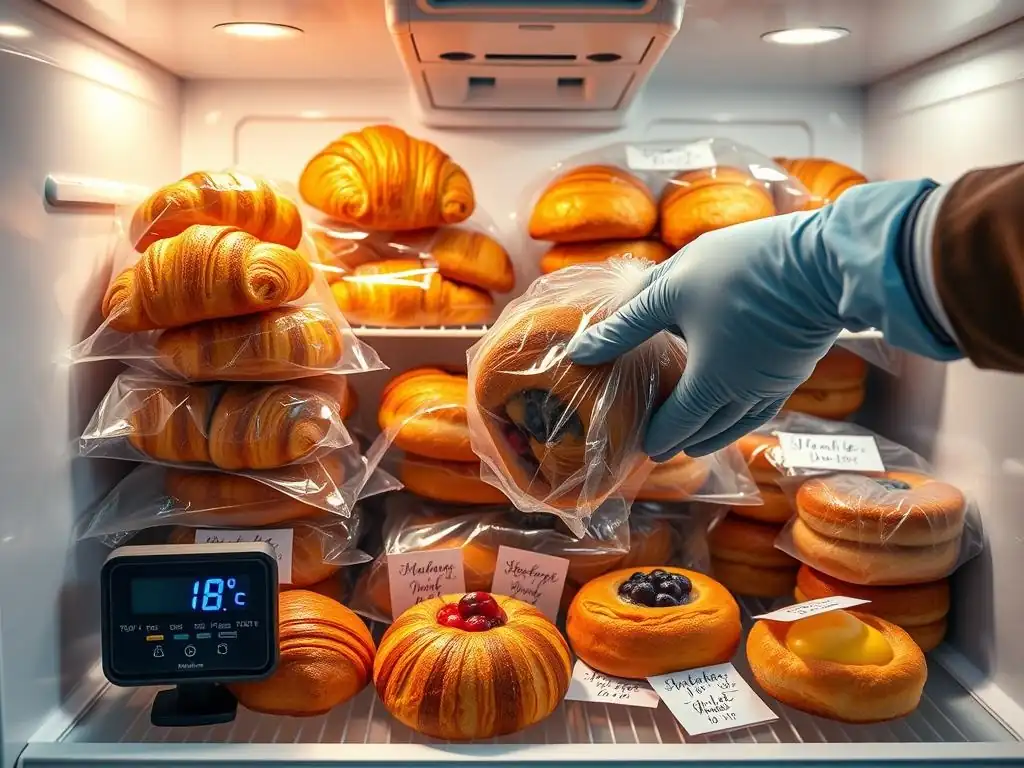
Even with careful preparation, issues can arise when storing pastries long-term in the freezer. Freezer burn is the most common problem, but off-flavors and texture changes can also occur. Understanding what causes these issues allows you to take preventative measures and ensure your frozen pastries remain delicious. Proper technique to freeze pastries for longer shelf life involves not just getting them in the freezer but keeping them in top condition.
The primary culprit behind most freezer issues is exposure to air and temperature fluctuations. When air hits the surface of frozen food, it causes moisture to sublimate (turn directly from ice to vapor), leading to dry, discolored spots known as freezer burn. Fluctuating temperatures, often caused by the freezer door being opened frequently or issues with the freezer unit, exacerbate this problem by causing partial thawing and refreezing.
Identifying and Preventing Freezer Burn on Baked Goods
Freezer burn on pastries typically appears as dry, tough, and often discolored patches on the surface. On bread or cake, it might look like lighter, faded areas. On darker pastries like brownies, it can appear as grayish or whitish spots. While not unsafe to eat, freezer-burned areas have an unpleasant texture and diminished flavor.
Preventing freezer burn hinges on eliminating air contact. This is why tight, double wrapping is so crucial. Use materials specifically designed for freezing, like heavy-duty plastic wrap, freezer foil, and freezer bags. Press out all excess air before sealing bags. Consider using airtight containers in addition to wrapping for extra protection, especially for delicate items. Also, try to place frozen items towards the back of the freezer where temperatures are more stable, away from the door.
Storage Time: How Long Can You Freeze Pastries?
While pastries frozen correctly can remain safe to eat indefinitely from a food safety standpoint (as freezing halts bacterial growth), their quality will degrade over time. For optimal flavor and texture, most baked pastries should be consumed within 1 to 3 months of freezing. Items with higher fat content, like butter-rich pastries or those with nuts, may keep slightly better for longer due to fat's preservative qualities.
Leaner pastries or those with delicate structures might start to show signs of quality degradation closer to the 1-2 month mark. While you can technically freeze pastries for longer shelf periods than 3 months, you risk diminished flavor, altered texture, and increased likelihood of picking up off-flavors from the freezer. Always refer to your labels and try to rotate your stock using the oldest items first.
Creative Uses for Frozen Pastries
Having a stash of frozen pastries isn't just about convenience; it can also inspire creativity in the kitchen. Thawed pastries can be transformed into new, exciting dishes, giving them a second life and preventing any potential waste. Don't just think of reheating; think of reinvention!
From simple breakfast upgrades to quick dessert components, frozen pastries offer a foundation for various culinary applications. This is especially useful if a pastry didn't thaw perfectly or you want to mask minor freezer effects. Get creative and turn your frozen assets into new delicious creations!
Turning Frozen Croissants into Delicious Breakfasts
Frozen croissants, once thawed and reheated, are fantastic on their own, but they can also be the base for amazing breakfast dishes. Slice a thawed croissant horizontally and use it as the "bun" for a breakfast sandwich with eggs, cheese, and bacon or sausage. The buttery layers hold up beautifully.
You can also turn slightly-past-their-prime frozen croissants into a decadent bread pudding. Simply cube the thawed croissants, soak them in a rich custard mixture (eggs, milk/cream, sugar, vanilla), and bake until golden and set. This is a wonderful way to use up several frozen croissants at once and creates a truly special brunch item.
Using Frozen Scone Dough for Quick Weeknight Desserts
If you froze unbaked scone dough (a great way to freeze pastries for longer shelf life! ), you have a head start on a quick dessert. Thaw the dough slightly in the refrigerator until pliable enough to work with. Roll it out and cut into shapes, then bake as usual. Serve warm with jam and clotted cream for a classic treat.
Alternatively, use thawed scone dough as a topping for fruit cobblers or crisps. Place fruit filling in a baking dish, then drop spoonfuls of the scone dough over the top before baking. The dough bakes into tender, biscuit-like dumplings over the fruit, creating a comforting and easy dessert in under an hour.
Expert Tips for Freezing Specific Types of Pastries
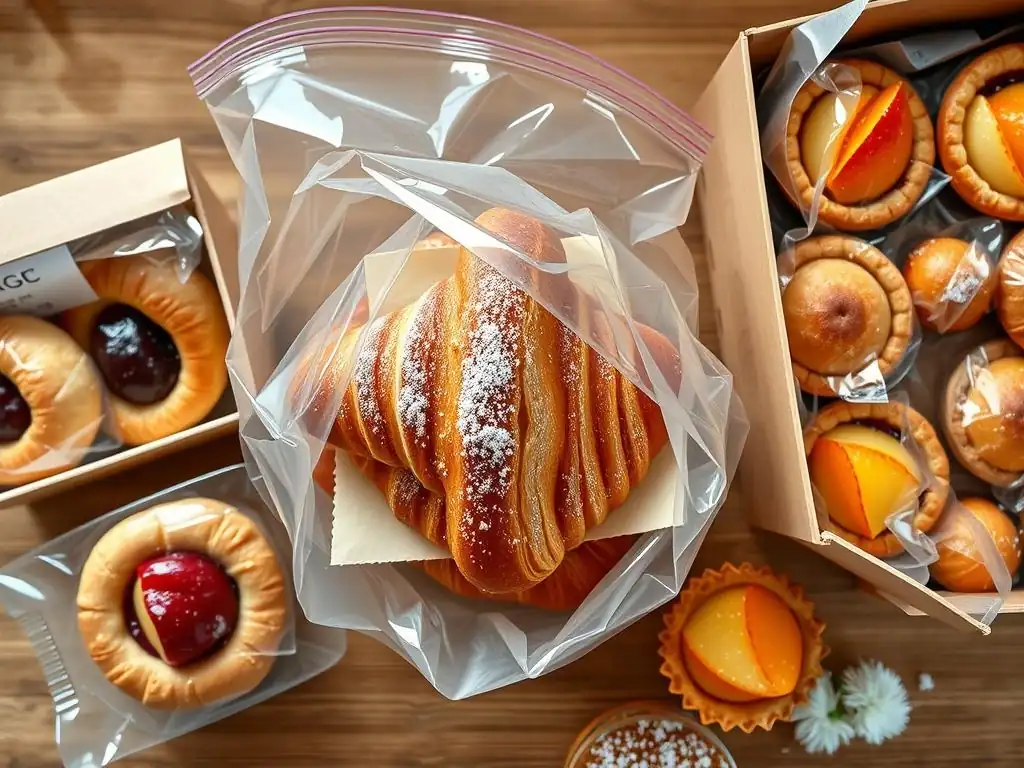
While the general principles of cooling, wrapping, and labeling apply broadly, certain types of pastries benefit from specific considerations during the freezing process to best preserve their unique characteristics. Understanding these nuances helps you maximize the quality of your frozen stash. Tailoring your approach based on the pastry type ensures the best possible outcome when you freeze pastries for longer shelf.
Whether you're dealing with the delicate layers of puff pastry, the sweetness of a frosted cupcake, or the savory fillings of a hand pie, a little extra care can make a big difference in the final thawed product. These expert tips address the specific challenges and best practices for popular pastry types.
Freezing Puff Pastry: Maintaining Flakiness
Puff pastry, whether homemade or store-bought, freezes exceptionally well, but maintaining its signature flakiness requires care. If freezing raw puff pastry dough (either in block form or cut shapes), wrap it very tightly in plastic wrap, then foil, pressing out all air. Place flat on a baking sheet to freeze solid before storing. Thaw raw dough slowly in the refrigerator overnight before rolling or baking.
If freezing baked puff pastry items (like vol-au-vents or palmiers), ensure they are completely cool. Flash freeze individual items until solid, then transfer to an airtight container or freezer bag. This prevents crushing the delicate layers. Reheat baked puff pastry in a hot oven (around 400°F or 200°C) for just a few minutes to re-crisp the layers. Avoid thawing baked puff pastry at room temperature for too long, as it can become soggy.
Freezing Sweet Pastries: Preserving Flavor
Sweet pastries like cakes, muffins, or cookies freeze well, but preserving their flavor and preventing them from drying out is key. For cakes and muffins, freeze unfrosted whenever possible. Wrap cooled items tightly in plastic wrap, then foil, or place in airtight containers. Cookies can be flash-frozen individually before being transferred to freezer bags or containers, separated by parchment paper to prevent sticking.
If freezing frosted items is unavoidable (e.g., decorated cupcakes), flash freeze them first on a tray until the frosting is solid. Then, wrap individually in plastic wrap, followed by a layer of foil, and place them in a rigid container to protect the frosting from being smushed. Thaw frosted items slowly in the refrigerator. The sugar content in sweet pastries helps slightly with texture preservation, but preventing freezer burn is still paramount to keeping flavors fresh.
Freezing Savory Pastries: Keeping Fillings Intact
Savory pastries like hand pies, quiches, or sausage rolls can also be frozen successfully, either baked or unbaked. If freezing baked savory pastries, cool them completely, then flash freeze before wrapping tightly in plastic wrap and foil or placing in freezer bags.
If freezing unbaked savory pastries (like uncooked hand pies or quiche shells filled but not baked), wrap them very well to prevent the filling from drying out or the dough from developing freezer burn. Bake unbaked savory pastries directly from frozen, adding significant time to the original baking instructions (often 1.5 to 2 times longer), or thaw in the refrigerator overnight before baking as usual. Ensure fillings are cooked through and reach a safe internal temperature when baking from frozen.
Conclusion: Enjoy Fresh-Tasting Pastries Anytime with Proper Freezing Techniques
Mastering the art of freezing pastries is an invaluable skill for any baker. It provides flexibility, reduces waste, and ensures you're never more than a thaw away from a delicious, homemade treat. By following the simple steps outlined in this guide – cooling completely, wrapping properly, labeling, and thawing correctly – you can confidently freeze pastries for longer shelf life and maintain their quality for weeks or even months.
Remember that while freezing is a powerful tool for preservation, starting with a high-quality, freshly baked pastry is the first step to a successful freeze. Not all pastries are ideal candidates, but for those that are, the rewards are immense: the convenience of having baked goods ready when you need them, the satisfaction of reducing food waste, and the simple joy of enjoying a delicious pastry, perfectly preserved, any time the craving strikes.
Freeze Pastries Like a Pro: Key Takeaways for Long-Term Storage
Here are the essential points to remember to successfully freeze pastries for longer shelf life:
- Cool pastries completely before freezing to prevent ice crystals.
- Wrap pastries tightly and thoroughly, ideally double-wrapping with plastic wrap and foil or using freezer bags, to create an airtight barrier.
- Flash freeze individual items to prevent them from sticking together.
- Always label packages with the contents and date of freezing.
- Thaw pastries slowly in the refrigerator for best results, especially those with fillings.
- Reheating thawed baked pastries in the oven helps restore texture and crispness.
- Aim to use frozen pastries within 1-3 months for optimal quality.
- Avoid freezing pastries with delicate fillings (like cream or custard) or fragile toppings (like meringue).
- Adapt your freezing and thawing technique slightly based on the type of pastry (puff pastry, sweet vs. savory).
By incorporating these techniques into your baking routine, you can truly freeze pastries like a pro and ensure a consistent supply of your favorite baked goods, ready to be enjoyed whenever you please. Happy freezing and happy baking!
Frequently Asked Questions
How long can I freeze pastries for optimal freshness?
Pastries can typically be frozen for 1-3 months for the best quality. Beyond this, they may experience a decline in taste and texture, although they will still be safe to eat.
What is the best way to wrap pastries before freezing to prevent freezer burn?
The double-wrapping method is highly recommended. First, wrap the pastries tightly in plastic wrap, then place them in a freezer-safe bag or container to minimize exposure to air.
Can all types of pastries be frozen effectively?
While most pastries freeze well, those with delicate fillings like custard may not hold up as well. Consider the filling's consistency before freezing.
What is the best way to thaw frozen pastries to maintain their texture?
The ideal method is to thaw pastries in the refrigerator overnight. This allows them to thaw slowly and helps prevent sogginess.
How can I reheat frozen pastries to restore their crispy texture?
Reheat pastries in a preheated oven at a low temperature (around 300°F or 150°C) for a few minutes. This helps to revive the crispiness without burning them.
Final Reflection: The Enduring Delight of Frozen Pastries
The art of freezing pastries isn't just about extending shelf life; it's about preserving moments, extending culinary possibilities, and ensuring that the joy of flaky goodness remains readily available. This seemingly simple act of freezing transforms the way we approach baking and enjoying our favorite treats, offering a bridge between impulsive baking sessions and the consistent availability of deliciousness. It's a skill that empowers both the novice baker and the seasoned pro.
The impact of readily available frozen pastry extends far beyond individual kitchens. It allows for greater spontaneity in meal planning, reduces food waste by utilizing excess baked goods, and provides a convenient option for those with busy schedules. The ability to freeze pastries successfully speaks to a larger cultural shift towards mindful consumption and efficient food management. The best things in life are worth preserving,
and this certainly applies to the delicate artistry of a perfectly baked pastry.
Now, consider your own baking journey. What delicious creations are waiting to be frozen and enjoyed later? Perhaps you've mastered a family recipe, or maybe you're eager to experiment with new flavors. I encourage you to embrace the power of freezing, not as a mere preservation technique, but as a tool to enhance your culinary experience. Take the time to properly freeze your pastries, and you'll unlock a world of convenience and delicious possibilities, ensuring that the joy of freshly baked goodness remains within easy reach, whenever your heart desires.
Unlock Your Pastry Potential: Freshness That Lasts!
Thanks for joining us on this flaky journey! You've now got the secrets to keeping your pastries perfectly preserved. Ready to put your new skills to the test?
- Freeze your favorite pastries with confidence: Use the techniques we outlined to ensure your treats stay delicious for weeks to come. Think ahead and prep for future baking emergencies!
- Share your frozen pastry success stories: Tell us (and others!) about your favourite pastry to freeze and how long they last using #BakeWithEaseFrozenPastries on social media!
- Experiment with different fillings and techniques: What other pastry recipes will you conquer with this newfound freezing power?
Ready to transform your baking routine and say goodbye to pastry waste?