
Can You Substitute Cocoa Powders? What You Need to Know

Welcome to BakeWithEase, your trusted guide in the delightful world of baking! Ever wondered if that dramatic difference in your chocolate cake's flavor stems from using the wrong cocoa powder? Our latest article, a comprehensive Cocoa Powder Substitution Guide for Baking, unveils the secrets to navigating the nuances of Dutch-processed versus natural cocoa. Discover how these seemingly similar ingredients can drastically impact your recipes, and unlock the key to consistently delicious results. Intrigued? Let's dive in and transform your baking adventures!
- Understanding Cocoa Powder Substitution in Baking
- Exploring Cocoa Powder Types for Optimal Baking Results
- The Cocoa Powder Substitution Guide: Making Informed Baking Choices
- Natural Cocoa Powder Characteristics
- Dutch-Processed Cocoa Powder Characteristics
- Black Cocoa Powder Characteristics
- Cocoa Powder Substitution Chart: A Quick Reference Guide
- Common Cocoa Powder Substitution Mistakes to Avoid
- Baking Scenarios Where Cocoa Powder Type Matters Most
- Recipes Where Cocoa Powder Type Plays a Key Role
- Achieving Baking Success with the Right Cocoa Powder
- Cocoa Powder Substitution FAQs: Your Questions Answered
-
Frequently Asked Questions
- What are the main differences between Dutch-processed and natural cocoa powder?
- Can I substitute Dutch-processed cocoa powder for natural cocoa powder in any recipe?
- What adjustments should I make when substituting cocoa powders in a recipe?
- Where can I find more information on cocoa powder types and their uses in baking?
- Does the type of cocoa powder significantly impact the final taste and appearance of my baked goods?
- Final Reflection: The Unexpected Depth of a Simple Ingredient
- Unlock Your Baking Potential: Explore Cocoa Powder Alternatives!
Understanding Cocoa Powder Substitution in Baking
Exploring Cocoa Powder Types for Optimal Baking Results
Exploring Natural and Dutch-Processed Cocoa Powders
When you delve into the world of baking with chocolate, understanding the different types of cocoa powder is fundamental. The two primary varieties you'll encounter are natural cocoa powder and Dutch-processed cocoa powder. Natural cocoa powder is the most common type found in many grocery stores. It's made from cocoa beans that have been roasted and ground into a fine powder, retaining their inherent acidity.
This acidity registers at a pH level typically between 5.0 and 5.3. Its color is usually lighter, ranging from light brown to reddish-brown, and it boasts a sharp, fruity, and slightly acidic chocolate flavor. Think of it as the brighter, more complex sibling.
Dutch-processed cocoa powder, also known as alkalized cocoa, undergoes an additional step where it's treated with an alkaline solution, often potassium carbonate. This process neutralizes the cocoa's natural acidity, raising its pH to a range of 6.8 to 8.1, making it neutral or even slightly alkaline. The alkalization process results in a darker, richer color, sometimes appearing almost black, and a smoother, less acidic, and more mellow chocolate flavor.
This treatment also makes the cocoa particles less likely to clump and more soluble in liquids, contributing to a smoother texture in baked goods. Understanding this fundamental difference in processing and chemistry is the first step in creating a reliable cocoa powder substitution guide baking.
Why Cocoa Powder Type Matters in Baking: A Quick Overview
The distinction between natural and Dutch-processed cocoa powder isn't just about flavor or color; it significantly impacts how your baked goods rise. Natural cocoa powder, being acidic, reacts with alkaline leavening agents like baking soda. When combined in a batter, this acid-base reaction produces carbon dioxide gas bubbles, which are essential for lift and aeration in cakes, muffins, and cookies. Recipes using natural cocoa powder almost always call for baking soda, and often include acidic ingredients like buttermilk, yogurt, or vinegar to ensure a strong reaction.
Dutch-processed cocoa powder, being neutral, does not react with baking soda. Therefore, recipes that use Dutch-processed cocoa powder rely on baking powder, which contains both acidic and alkaline components that react when moistened and/or heated. Using the wrong type of cocoa powder without adjusting the leavening can lead to flat, dense, or poorly textured results.
For instance, using Dutch-processed cocoa in a recipe designed for natural cocoa and baking soda will result in little to no leavening reaction, yielding a heavy bake. Conversely, using natural cocoa in a recipe designed for Dutch-processed cocoa and baking powder might over-leaven the product or create an off-flavor due to excess acidity. This highlights why a proper cocoa powder substitution guide baking is crucial.
The Cocoa Powder Substitution Guide: Making Informed Baking Choices
When Does Cocoa Powder Type Matter? Assessing Baking Results
Determining when the type of cocoa powder truly matters in a recipe is key to successful baking. The most critical factor is the leavening agent used. If a recipe calls for baking soda as the primary or sole leavening agent, it almost certainly requires natural cocoa powder.
The acidity of the natural cocoa is needed to activate the baking soda and produce the necessary lift. Substituting Dutch-processed cocoa in this scenario will lead to a flat, heavy product because the required chemical reaction won't occur. An example might be a classic devil's food cake recipe that uses a significant amount of baking soda.
Conversely, if a recipe relies solely on baking powder for leavening, or uses a large amount of baking powder with only a small amount of baking soda (often for color or tenderness), Dutch-processed cocoa is likely intended. While you might be able to use natural cocoa in some baking powder-leavened recipes, the flavor profile will be sharper, and the final color lighter. However, the most problematic substitution is swapping Dutch-processed for natural when baking soda is the main leavener. Understanding this chemical interaction is the cornerstone of any effective cocoa powder substitution guide baking.
Factors Affecting Cocoa Powder Behavior: Alkalization, Fat Content, and pH
Beyond the critical pH difference (acidic natural vs. neutral/alkaline Dutch-processed), other factors influence how cocoa powder behaves in baking. The degree of alkalization in Dutch-processed cocoa can vary. Some are lightly alkalized (lightly dutched), resulting in a pH closer to 6.8, while others are heavily alkalized (heavily dutched or black cocoa), reaching a pH up to 8.1 or higher. This affects both color and flavor intensity. A heavily dutched cocoa yields a much darker, almost black color and a very smooth, non-bitter flavor, as seen in "Oreo" cookies.
Fat content is another factor, though less commonly specified on packaging unless it's 'low-fat' cocoa. Standard unsweetened cocoa powder typically contains around 10-12% cocoa butter. This fat contributes to moisture, tenderness, and richness in baked goods.
While most natural and Dutch-processed cocoas fall within this range, variations can subtly impact the final texture and mouthfeel. High-fat cocoas (sometimes labeled as 20-22% fat) are often preferred by professionals for their richer flavor and smoother texture. These factors, alkalization level, fat content, and pH, all play a role in the performance and flavor of cocoa powder, making a nuanced cocoa powder substitution guide baking essential for optimal results.
Natural Cocoa Powder Characteristics
Exploring Natural Cocoa Powders
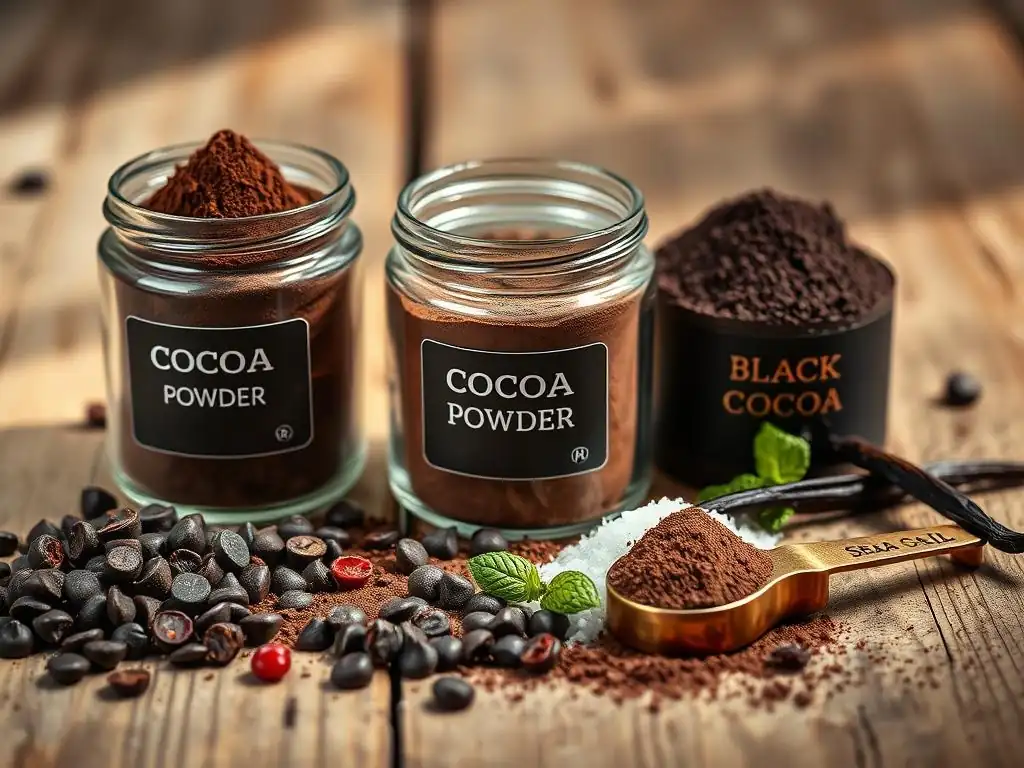
Natural cocoa powders are the workhorses of many classic American baking recipes. Brands like Hershey's Natural Unsweetened Cocoa Powder are widely available and represent the typical profile of natural cocoa. This type of cocoa, as previously mentioned, is acidic, with a pH generally between 5.0 and 5.3. It has a vibrant, sometimes reddish-brown hue and a flavor that is distinctly chocolatey, with bright, fruity, and slightly tangy notes. Its acidity is crucial for reacting with baking soda, providing lift and a tender crumb structure in cakes, cookies, and quick breads.
Think of a classic red velvet cake; its characteristic color and texture are partly due to the reaction between natural cocoa's acidity and baking soda, often enhanced by buttermilk and a touch of red food coloring. Another example is a simple chocolate chip cookie recipe that uses baking soda and natural cocoa; the acidity helps the cookies spread slightly and contributes to a chewy texture. When developing a cocoa powder substitution guide baking, understanding these fundamental characteristics of natural cocoa is the starting point.
Adjusting Recipes for Natural Cocoa Powder: Acidity and Leavening
Recipes specifically developed for natural cocoa powder rely heavily on its acidity to activate baking soda. If you were to substitute Dutch-processed cocoa in such a recipe without modification, the baking soda would have no acid to react with, resulting in minimal leavening. The baked good would likely be dense and flat. For example, a recipe calling for 1 teaspoon of baking soda and natural cocoa needs that acidic environment.
To potentially use Dutch-processed cocoa in a natural cocoa recipe, you would typically need to replace the baking soda with baking powder. As a general guideline in a cocoa powder substitution guide baking, you might substitute 1 teaspoon of baking soda and the natural cocoa with 2 to 2.5 teaspoons of baking powder and Dutch-processed cocoa. However, this is not a perfect swap, as baking powder reactions differ from baking soda reactions, and the flavor profile will change.
The pH difference also affects how gluten develops and how proteins set, subtly altering the texture. It's generally best to stick to the specified cocoa type for optimal results, especially in sensitive recipes.
Natural Cocoa Powder Flavor Profiles: What to Expect in Your Baked Goods
The flavor profile of natural cocoa powder is often described as sharp, intense, and complex, with noticeable fruity or even slightly citrusy undertones. Because it retains its natural acidity, it can contribute a slight tanginess to baked goods. This bright flavor pairs wonderfully with other acidic ingredients like coffee, buttermilk, or certain fruits. In a chocolate cake made with natural cocoa, you might notice a more pronounced, almost vibrant chocolate taste compared to one made with Dutch-process.
For instance, a classic chocolate cake recipe using natural cocoa and buttermilk will have a tender crumb and a distinct, slightly tangy chocolate flavor that complements a cream cheese frosting beautifully. Chocolate cookies made with natural cocoa tend to have a classic, slightly bitter edge that balances sweetness. When creating a cocoa powder substitution guide baking, it's important to note that while you can sometimes swap types with leavening adjustments, the nuanced flavor differences will always be present and can significantly alter the final taste experience.
Dutch-Processed Cocoa Powder Characteristics
Exploring Dutch-Processed Cocoa Powders
Dutch-processed cocoa powders are known for their deep color and smooth flavor. Brands like Ghirardelli Unsweetened Cocoa Powder (often a blend or fully dutched) or Droste Cocoa are popular examples. This cocoa has been treated with an alkaline solution, neutralizing its acidity and raising its pH to 6.8 or higher. This process gives it a rich, dark brown to black color and a milder, less acidic, more mellow chocolate flavor compared to natural cocoa.
Because it's pH neutral, Dutch-processed cocoa does not react with baking soda. Recipes using this type of cocoa rely on baking powder for leavening. The resulting baked goods often have a darker color, a smoother texture, and a less complex, more rounded chocolate flavor. Think of the deep, dark color and rich, fudgy texture of many brownie recipes or chocolate cookies; these often use Dutch-processed cocoa. A comprehensive cocoa powder substitution guide baking must detail the unique properties of this alkalized cocoa.
Adjusting Recipes for Dutch-Processed Cocoa Powder: pH and Color
The primary impact of Dutch-processed cocoa's neutral pH is its interaction (or lack thereof) with leavening agents. Since it doesn't react with baking soda, substituting it for natural cocoa in a baking soda-leavened recipe requires replacing the baking soda with baking powder. For example, if a recipe calls for 1 teaspoon of baking soda and natural cocoa, you would typically use 2 to 2.5 teaspoons of baking powder with Dutch-processed cocoa. This is a common conversion noted in a cocoa powder substitution guide baking.
Beyond leavening, the alkalization process significantly darkens the cocoa's color. This is why Dutch-processed cocoa is often used when a deep, rich chocolate color is desired, such as in dark chocolate cakes or cookies. While natural cocoa can produce a lovely chocolate color, it rarely achieves the intensity of a dutched cocoa. The pH also affects the solubility of the cocoa particles; Dutch-processed cocoa tends to dissolve more easily in liquids, leading to a smoother batter or dough.
Dutch-Processed Cocoa Powder Flavor Profiles: Achieving a Smooth, Dark Result
The flavor of Dutch-processed cocoa is typically described as smooth, mellow, and less bitter than natural cocoa. The alkalization process removes some of the sharp, fruity notes present in natural cocoa, leaving a richer, more earthy, and sometimes slightly woody or nutty flavor. This makes it ideal for recipes where you want a deep chocolate flavor without any tanginess.
Consider a rich chocolate pudding or ganache; Dutch-processed cocoa is often preferred here for its smooth texture and deep, non-acidic flavor. Brownies made with Dutch-processed cocoa tend to be fudgier and have a more intense, darker chocolate taste. While the flavor isn't as complex as natural cocoa, its smoothness and depth are prized in many applications. A good cocoa powder substitution guide baking will highlight when this smoother profile is desirable.
Black Cocoa Powder Characteristics
Exploring Black Cocoa Powders
Black cocoa powder is an extreme form of Dutch-processed cocoa, having undergone heavy alkalization. Its pH is significantly higher than standard Dutch-processed cocoa, often ranging from 7.5 to 8.1 or even higher. This intense alkalization results in a strikingly dark, almost jet-black color and a distinct, mild, and non-bitter flavor. It's the secret ingredient behind the iconic color and flavor of Oreo cookies. Brands specializing in baking supplies or gourmet ingredients often carry black cocoa.
Due to its high pH and lack of acidity, black cocoa cannot be used with baking soda for leavening. It relies solely on baking powder. Its primary uses are for achieving a dramatic dark color and a specific, mild flavor profile rather than providing significant chocolate depth. When considering a cocoa powder substitution guide baking, black cocoa stands out as a specialized ingredient.
Adjusting Recipes for Black Cocoa Powder: pH and Color Intensity
Using black cocoa powder requires careful consideration of its high pH and intense color. Like standard Dutch-processed cocoa, it must be paired with baking powder for leavening. Substituting black cocoa for natural cocoa in a baking soda recipe without adjusting the leavening will result in a completely flat product. Substituting it for standard Dutch-processed cocoa in a baking powder recipe might be possible for color, but it will drastically change the flavor profile to the milder "Oreo" taste.
Often, black cocoa is used in combination with natural or standard Dutch-processed cocoa rather than as a complete substitute. For example, a recipe might use a mix of standard cocoa for flavor and black cocoa for intense color. Using 100% black cocoa can sometimes lead to a dry or slightly bitter (despite being non-acidic, the processing can impact flavor nuances) texture if not formulated correctly, and its flavor is quite specific. A reliable cocoa powder substitution guide baking should advise on using black cocoa sparingly or in combination.
Black Cocoa Powder Flavor Profiles: Achieving a Deep, Oreo-like Flavor
The flavor of black cocoa powder is often described as mild, smooth, and distinctly like the chocolate wafer of an Oreo cookie. It lacks the bitterness and complexity of natural cocoa and is even less intense in chocolate flavor than standard Dutch-processed cocoa. Its primary contribution is its dramatic color and unique, slightly malty or cookie-like flavor.
This makes black cocoa perfect for recipes aiming to replicate the look and taste of commercially produced dark chocolate baked goods, particularly those inspired by sandwich cookies. While it adds incredible visual appeal, relying solely on black cocoa for a rich, deep chocolate flavor in a cake or brownie might be disappointing. It's best used when that specific mild, dark "Oreo" flavor and jet-black color are desired. Including black cocoa in a cocoa powder substitution guide baking is essential for bakers wanting to achieve specific aesthetic and flavor outcomes.
Cocoa Powder Substitution Chart: A Quick Reference Guide
Quick Guide: When to Consider Cocoa Powder Type
| Scenario | Recommended Cocoa Type | Leavening Agent | Key Consideration |
|---|---|---|---|
| Recipe calls for Baking Soda | Natural Cocoa | Baking Soda (reacts with cocoa's acidity) | Do NOT substitute Dutch-Processed or Black Cocoa |
| Recipe calls for Baking Powder | Dutch-Processed Cocoa | Baking Powder (self-contained acid/base reaction) | Can sometimes use Natural, but flavor/color change |
| Desire bright, fruity chocolate flavor | Natural Cocoa | Varies by recipe (often Baking Soda) | Pairs well with acidic ingredients |
| Desire smooth, mellow, dark chocolate flavor | Dutch-Processed Cocoa | Varies by recipe (often Baking Powder) | Deep color, less bitter taste |
| Desire intense black color & mild "Oreo" flavor | Black Cocoa (often mixed) | Varies by recipe (often Baking Powder) | Use sparingly, primarily for color and specific flavor |
This table offers a quick visual cocoa powder substitution guide baking, emphasizing the critical link between cocoa type and leavening.
Cocoa Powder Type Descriptors: Natural, Dutch, Black and Notes
- Natural Unsweetened Cocoa Powder:
- Color: Light to reddish-brown.
- pH: Acidic (approx. 5.0-5.3).
- Flavor Notes: Bright, fruity, sharp, slightly tangy, complex chocolate.
- Common Use: Recipes using baking soda for leavening (cakes, muffins, quick breads), classic chocolate chip cookies.
- Substitution Note: Essential for baking soda recipes. Substituting other types requires leavening adjustment and changes flavor.
- Dutch-Processed Cocoa Powder:
- Color: Dark brown to reddish-black.
- pH: Neutral to slightly alkaline (approx. 6.8-8.1).
- Flavor Notes: Smooth, mellow, rich, less bitter, earthy, sometimes nutty/woody.
- Common Use: Recipes using baking powder, brownies, chocolate cookies, puddings, ganaches, beverages.
- Substitution Note: Can sometimes substitute natural cocoa (with leavening change), but flavor/color will differ. Good all-purpose choice if leavening is baking powder.
- Black Cocoa Powder:
- Color: Jet black.
- pH: Highly alkaline (approx. 7.5-8.1+).
- Flavor Notes: Very mild, non-bitter, distinct "Oreo" cookie flavor, not intensely chocolatey.
- Common Use: Achieving intense black color in cookies, cakes, frostings; replicating specific commercial cookie flavors.
- Substitution Note: Primarily for color/specific flavor. Often used mixed with other cocoas. Requires baking powder. Not a direct flavor substitute for natural or standard dutched cocoa.
This expanded guide serves as a useful cocoa powder substitution guide baking, detailing the key characteristics that differentiate the types.
Common Cocoa Powder Substitution Mistakes to Avoid
Avoiding Common Pitfalls When Selecting Cocoa Powder Type
One of the most frequent errors in baking is blindly substituting one type of cocoa powder for another without considering the recipe's leavening agent. As highlighted earlier in this cocoa powder substitution guide baking, swapping Dutch-processed cocoa for natural cocoa in a recipe that uses baking soda as the primary leavener is a recipe for disaster. The lack of acidity in the Dutch-processed cocoa means the baking soda won't activate, resulting in a dense, unrisen product. This is arguably the most critical pitfall to avoid.
Another mistake is assuming all cocoa powders labeled "unsweetened" are interchangeable. While both natural and Dutch-processed are unsweetened, their chemical properties are different. Furthermore, the quality and fat content can vary between brands. A lower-quality cocoa might have less fat, resulting in a drier baked good with less intense flavor. Always check the ingredient list or product description if possible to determine if a cocoa is natural or Dutch-processed, especially if the recipe doesn't specify but calls for baking soda or powder.
Impact on Flavor: How Substituting Cocoa Powder Types Can Affect Your Bake
Beyond the leavening issue, substituting cocoa types significantly impacts the final flavor profile. Using natural cocoa in a recipe designed for Dutch-processed will result in a sharper, more acidic chocolate flavor and a lighter color. While this might be acceptable in some contexts, it won't produce the intended smooth, deep flavor and dark color often desired in recipes calling for dutched cocoa, like rich chocolate cakes or fudgy brownies.
Conversely, using Dutch-processed cocoa in a recipe designed for natural cocoa (even if you adjust leavening) will yield a milder, less complex chocolate flavor and a darker color. The bright, slightly tangy notes characteristic of natural cocoa will be absent. For example, a red velvet cake made with Dutch-processed cocoa will lack the subtle tang that complements the cream cheese frosting and may not achieve the desired reddish-brown hue without excessive food coloring. A comprehensive cocoa powder substitution guide baking must address these flavor consequences.
Texture and Color Imbalances: Preventing Unwanted Results in Your Bake
The pH difference between natural and Dutch-processed cocoa also affects the texture and final appearance of baked goods, not just through leavening but also through interactions with other ingredients like flour proteins. Natural cocoa, being acidic, can slightly tenderize gluten, contributing to a softer crumb. Dutch-processed cocoa, being neutral, results in a slightly different texture, sometimes perceived as fudgier or denser, depending on the recipe.
The most obvious visual difference is color. Substituting natural cocoa for Dutch-processed will result in a lighter-colored bake, while substituting Dutch-processed for natural will yield a darker color. Using black cocoa for either will result in an intensely black product. Achieving the desired color and texture is part of successful baking, and using the correct cocoa type, or understanding how substitutions alter these aspects, is crucial for a successful cocoa powder substitution guide baking. For instance, if you want a truly dark, fudgy brownie, Dutch-processed cocoa is usually the best choice.
Baking Scenarios Where Cocoa Powder Type Matters Most
Best Baking Recipes for Natural Cocoa Powder: Cakes and Muffins
Natural cocoa powder excels in recipes where its acidity is needed to activate baking soda and contribute to a tender, light crumb structure. Classic chocolate cakes, especially those using buttermilk or sour cream, are prime examples. The reaction between the acidic cocoa, acidic dairy, and baking soda creates a significant lift. Recipes for chocolate muffins, quick breads, and some types of cookies also frequently call for natural cocoa for this reason.
Consider a standard chocolate layer cake recipe that uses natural cocoa and baking soda; the reaction creates an airy, delicate crumb. Substituting Dutch-processed cocoa here without changing the leavening would result in a dense, heavy cake that doesn't rise properly. Even with a leavening adjustment (swapping baking soda for baking powder), the texture and flavor would be different. Therefore, for achieving the classic crumb and bright flavor in many cakes and muffins, natural cocoa is the preferred choice, making it a key element in a comprehensive cocoa powder substitution guide baking.
Dutch-processed cocoa powder is often favored in recipes where a deep, rich color, smooth flavor, and sometimes a fudgier texture are desired, particularly when baking powder is the primary leavener. Brownies are a classic example where Dutch-processed cocoa is frequently used. It contributes to that signature dark, intense chocolate flavor and often results in a fudgier texture compared to brownies made with natural cocoa.
Many chocolate cookie recipes also benefit from Dutch-processed cocoa, providing a darker color and a smoother chocolate taste that doesn't compete with other flavors like vanilla or nuts. Recipes for chocolate lava cakes, chocolate puddings, and hot chocolate mixes also often call for Dutch-processed cocoa because it dissolves more easily and provides a smooth, non-bitter chocolate base. A good cocoa powder substitution guide baking will highlight these recipes as ideal applications for dutched cocoa.
Black cocoa powder is a specialty ingredient primarily used when an intensely dark color and a specific, mild flavor profile are desired. Its most famous application is in replicating the look and taste of the chocolate wafers found in Oreo cookies. Recipes specifically designed for "Oreo" style cookies or other intensely black baked goods will call for black cocoa, often mixed with a smaller amount of standard cocoa for a more balanced chocolate flavor.
While you can add a small amount of black cocoa to standard chocolate cake or cookie recipes (using baking powder) simply to deepen the color, using too much can result in a dry texture and an overwhelming "Oreo" flavor that might not be desired. It's best reserved for recipes where its unique properties are specifically called for or where you aim for that particular aesthetic and flavor. Incorporating black cocoa into a cocoa powder substitution guide baking helps bakers understand its niche uses.
Recipes Where Cocoa Powder Type Plays a Key Role
When to Highlight Cocoa Powder Type: Tasting and Pairings
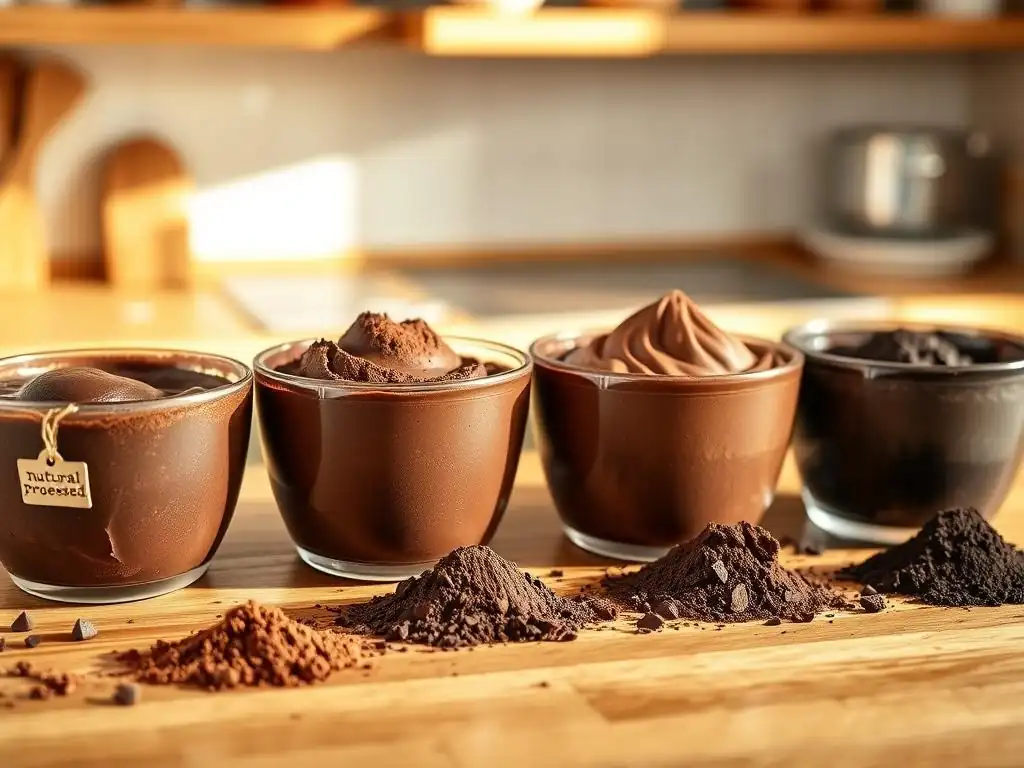
The type of cocoa powder used can significantly influence the overall flavor experience of a baked good, making it something worth highlighting when tasting or pairing. For instance, serving a classic chocolate cake made with natural cocoa alongside a cake made with Dutch-processed cocoa can be an educational tasting exercise. You'll notice the natural cocoa cake's brighter, slightly tangy notes compared to the Dutch-processed cake's smoother, deeper flavor.
Pairing considerations also change. A dessert made with natural cocoa, with its fruity undertones, might pair well with berries, coffee, or even certain red wines. A dessert made with Dutch-processed cocoa, with its mellow richness, might be better paired with caramel, nuts, or cream. Understanding these flavor nuances is an advanced step in using a cocoa powder substitution guide baking effectively, allowing you to intentionally choose cocoa types for specific flavor outcomes.
Recipes Benefiting from Specific Cocoa Powder Types: Understanding Chemical Reactions
Certain recipes are chemically formulated to work best with a specific type of cocoa powder due to the leavening system. As discussed, recipes relying on baking soda must use natural cocoa for the required acid-base reaction. Examples include many older or traditional American chocolate cake recipes, particularly those using sour cream, buttermilk, or vinegar.
Conversely, recipes using only baking powder or a very small amount of baking soda relative to baking powder are best suited for Dutch-processed cocoa. Many modern cake, brownie, and cookie recipes fall into this category, designed to leverage the smooth flavor and dark color of dutched cocoa. While a cocoa powder substitution guide baking offers alternatives, recognizing which recipes fundamentally depend on a specific cocoa type due to chemistry is paramount for consistent success. Attempting to force a substitution in these cases without fully understanding the implications is likely to lead to disappointing results.
Achieving Baking Success with the Right Cocoa Powder
Choosing the Right Cocoa Powder: Matching Your Baking Needs to the Type
Selecting the appropriate cocoa powder is a critical step towards baking success. Start by looking at the recipe's leavening agent. If it calls for baking soda (especially if it's the primary leavener), reach for natural cocoa. If it uses baking powder, Dutch-processed cocoa is usually the intended choice and a safe bet. If the recipe doesn't specify the cocoa type and uses baking soda, assume natural cocoa is needed. If it uses baking powder, assume Dutch-processed. This simple rule of thumb is the most important takeaway from any cocoa powder substitution guide baking.
Beyond leavening, consider the desired flavor and color. For a bright, slightly tangy, complex chocolate flavor and lighter color, choose natural cocoa. For a smooth, mellow, deep chocolate flavor and darker color, choose Dutch-processed cocoa. For an intensely black color and a mild, "Oreo"-like flavor, consider using black cocoa, often mixed with another type. Matching the cocoa type to the recipe's requirements and your desired outcome is key.
Tips for Perfecting Your Baking: Mastering Cocoa Powder Use
- Read the Recipe Carefully: Always note the specified cocoa type and leavening agent. Don't assume unsweetened cocoa is all the same.
- Measure Accurately: Cocoa powder should typically be spooned lightly into a measuring cup and leveled off, unless the recipe specifies otherwise (like sifting).
- Consider Quality: Higher quality cocoa powders often have a higher fat content (10-12% is standard, 20-22% is high-fat) and better flavor. While a cocoa powder substitution guide baking focuses on type, quality matters for taste.
- Store Properly: Keep cocoa powder in an airtight container in a cool, dark pantry to maintain freshness and flavor.
- Don't Over-Substitute: While a cocoa powder substitution guide baking provides options, understand that swapping types changes the chemical reactions, flavor, and texture. For best results in a new recipe, stick to the specified type.
- Experiment Intentionally: Once you understand the basics, try experimenting with mixing cocoa types (e.g., a blend of natural and Dutch-processed for balanced flavor and color) in recipes that use baking powder, noting the results.
Mastering the use of different cocoa powders, guided by a solid cocoa powder substitution guide baking, will elevate your chocolate baked goods from good to truly exceptional.
Cocoa Powder Substitution FAQs: Your Questions Answered
Frequently Asked Questions about Cocoa Powder Substitution
Bakers often have questions about swapping cocoa powders. The most common is: Can I substitute natural cocoa for Dutch-processed cocoa (or vice versa) 1:1? The answer is generally no, especially if the recipe relies on baking soda. A 1:1 substitution without adjusting the leavening will lead to failure in baking soda-leavened recipes and altered results in baking powder-leavened ones.
Another frequent question is: Does sifting cocoa powder matter? Yes, especially if your cocoa is clumpy. Sifting helps distribute it evenly in dry ingredients and prevents pockets of unmixed cocoa in the batter, contributing to a smoother final product. Many recipes specify sifting cocoa with other dry ingredients. Understanding these nuances is part of using a cocoa powder substitution guide baking effectively.
Addressing specific and common questions about cocoa powder substitution
- Q: My recipe calls for unsweetened cocoa powder but doesn't say which type. How do I know which to use?
- A: Look at the leavening agent. If it uses baking soda (especially 1 tsp or more with no or little baking powder), it's almost certainly natural cocoa. If it uses baking powder (or significantly more baking powder than baking soda), it's likely Dutch-processed. When in doubt and using baking powder, Dutch-processed is often a safe bet for many modern recipes, but the flavor will differ from natural.
- Q: Can I mix natural and Dutch-processed cocoa powders?
- A: Yes, in recipes using baking powder. Mixing them allows you to combine the bright, complex flavor of natural cocoa with the dark color and smooth flavor of Dutch-processed. This is a common technique used by professional bakers. However, avoid mixing them if the recipe relies solely on natural cocoa's acidity to activate baking soda.
- Q: Will using more cocoa powder make my baked goods more chocolatey?
- A: Not necessarily. Adding too much dry cocoa powder can lead to a dry, bitter, or dense product because it absorbs moisture. It's better to use a high-quality cocoa powder (potentially one with higher fat content) or incorporate other forms of chocolate (like melted chocolate or chocolate chips) for more intense flavor without compromising texture. A cocoa powder substitution guide baking focuses on type and usage, not just quantity.
- Q: What's the difference between cocoa powder and hot cocoa mix?
- A: Unsweetened cocoa powder is just dried, ground cocoa solids (with some fat). Hot cocoa mix is cocoa powder mixed with sugar, milk powder, and often flavorings and thickeners. You cannot substitute hot cocoa mix for unsweetened cocoa powder in baking recipes.
Frequently Asked Questions
What are the main differences between Dutch-processed and natural cocoa powder?
Dutch-processed cocoa powder has been treated with an alkaline solution, resulting in a milder flavor and darker color. Natural cocoa powder is untreated and retains its natural acidity, leading to a more intense chocolate flavor.
Can I substitute Dutch-processed cocoa powder for natural cocoa powder in any recipe?
Generally, it's not recommended to substitute directly without adjustments. The difference in acidity affects how the baking soda reacts, potentially impacting the rise and texture of your baked goods.
What adjustments should I make when substituting cocoa powders in a recipe?
If substituting, you may need to adjust the leavening agent. For example, if using natural cocoa instead of Dutch-processed, you might need to add a touch more baking soda to neutralize the acidity.
Where can I find more information on cocoa powder types and their uses in baking?
BakeWithEase.com offers a comprehensive "Cocoa Powder Substitution Guide", providing detailed explanations of the differences and specific substitution ratios for various recipes. The guide includes tips and easy-to-find ingredients.
Does the type of cocoa powder significantly impact the final taste and appearance of my baked goods?
Yes, the type of cocoa powder used can drastically impact both the taste and appearance. Using the wrong type can lead to a different color, a less desirable flavor, or an incorrect texture.
Final Reflection: The Unexpected Depth of a Simple Ingredient
The seemingly simple question of cocoa powder substitution reveals a surprisingly complex world of flavor profiles and baking science. Understanding the nuances of different cocoa powders – from Dutch-processed to natural – is not just about achieving the right color; it's about unlocking the full potential of your baked goods. This impacts everything from the final taste and texture to the overall success of your recipe.
This exploration into cocoa powder substitutions has highlighted the interconnectedness of ingredients and the delicate balance required in baking. It's a reminder that even seemingly minor adjustments can have significant consequences. The pursuit of the perfect chocolatey treat often involves a deeper understanding of the chemistry at play. The best recipes are born from a deep understanding of the ingredients, not just from following instructions.
This quote, while not directly about cocoa powder, perfectly encapsulates the spirit of this guide – a journey beyond mere substitution to a richer appreciation of the baking process.
Now, consider your own baking adventures. Have you ever experimented with different cocoa powders? What unexpected results did you discover? I encourage you to embrace the spirit of culinary exploration. Don't be afraid to experiment, to deviate from the recipe, and to learn from your successes and failures. The next time you reach for that cocoa powder tin, remember the depth of flavor and the science behind this seemingly simple ingredient. The journey of discovery, just like the perfect chocolate cake, is always worth the effort.
Unlock Your Baking Potential: Explore Cocoa Powder Alternatives!
Thanks for diving into the world of cocoa powder with us! We hope you now feel more confident in understanding the nuances of different cocoa types and their substitutions. Ready to put your newfound knowledge to the test?
- Experiment with a new cocoa powder: Try a recipe using the alternative cocoa powder you learned about – maybe Dutch-processed for a richer chocolate flavor, or unsweetened for a more intense cocoa taste! Share your baking journey with us!
- Share your baking success (or challenges!): Tell us about your experiences in the comments below. What worked well? What did you learn? We love hearing from our baking community.
- Explore more baking tips: Discover more helpful guides and recipes on BakeWithEase.com to further enhance your baking skills.
Ready to embark on your next cocoa-infused baking adventure? What delicious creation will you whip up next?