
Simple Korean Sweet Potato Bread (Goguma Ppang) Recipe

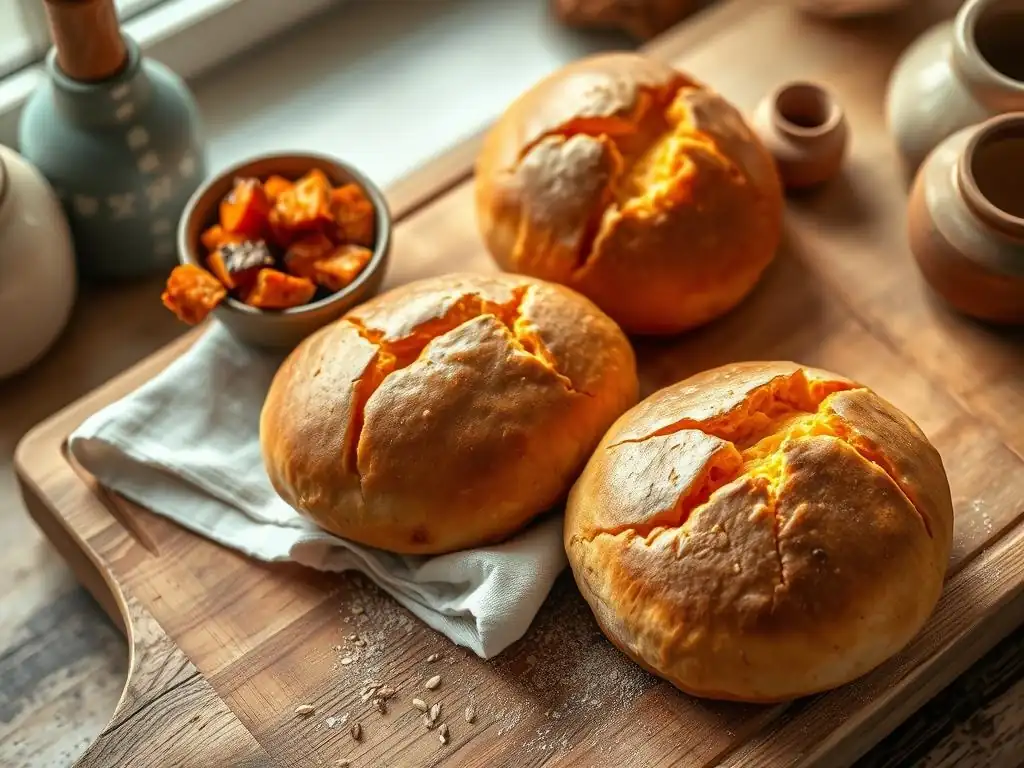
Welcome to BakeWithEase, your trusted guide to the delightful world of baking! Ever dreamt of creating those iconic, vibrant purple loaves you see online? This week, we're diving into the secrets behind Easy Korean Sweet Potato Bread (Goguma Ppang). Discover how simple ingredients and straightforward techniques can bring this unique and delicious treat to your kitchen. Intrigued? Keep reading to unlock the secrets of this popular Korean bakery staple and impress your friends and family!
- Simple Korean Sweet Potato Bread (Goguma Ppang) Recipe - BakeWithEase
- Introduction to Easy Korean Sweet Potato Bread (Goguma Ppang)
- BakeWithEase's Simplified Goguma Ppang Recipe: A Step-by-Step Guide
- Tips for Perfect Goguma Ppang Every Time
- Serving and Enjoying Your Homemade Goguma Ppang
- Conclusion: Bake Your Own Delicious Goguma Ppang at Home
-
Frequently Asked Questions
- How easy is this Korean sweet potato bread recipe for beginners?
- What makes this recipe "Easy Korean Sweet Potato Bread" compared to other recipes?
- Can I substitute any ingredients in this Easy Korean Sweet Potato Bread recipe?
- Where can I find the specific ingredients needed for this Easy Korean Sweet Potato Bread recipe?
- How long does it take to make this Easy Korean Sweet Potato Bread from start to finish?
- Final Reflection: The Enduring Comfort of Goguma Ppang
- Unleash Your Inner Baker: Make Goguma Ppang Today!
Simple Korean Sweet Potato Bread (Goguma Ppang) Recipe - BakeWithEase
Introduction to Easy Korean Sweet Potato Bread (Goguma Ppang)
Discover the Delight of Goguma Ppang: A Sweet Potato Sensation
Goguma Ppang, or Korean Sweet Potato Bread, is a delightful pastry that has taken the baking world by storm. It's renowned for its unique appearance, mimicking a real sweet potato, and its incredible texture – a chewy, mochi-like crust surrounding a sweet, creamy sweet potato filling. This bread isn't just a treat for the taste buds; it's also visually appealing, making it a fun project for home bakers.
Originating in South Korea, Goguma Ppang quickly gained popularity due to its distinctive look and satisfying combination of textures and flavors, offering a comforting sweetness that's not overly rich. Its rise in global popularity can be attributed to its photogenic quality and the growing interest in unique Asian baked goods.
What sets Goguma Ppang apart is its innovative use of ingredients like tapioca starch in the dough, which contributes to that signature chewiness often compared to mochi. The filling typically uses Korean sweet potatoes, known for their vibrant yellow color and naturally sweet flavor, often requiring minimal added sugar.
While exact figures on its global consumption are hard to pinpoint, its ubiquitous presence on social media platforms like Instagram and TikTok, with thousands of posts and videos showcasing the bread, clearly indicates its widespread appeal and the strong desire among bakers worldwide to recreate this unique pastry in their own kitchens. The simplicity of the core ingredients – sweet potato, flour, tapioca starch, milk, yeast – makes it surprisingly accessible for many.
Why This Goguma Ppang Recipe is Perfect for Home Bakers
Crafting the perfect Goguma Ppang might seem intimidating at first glance due to its unique shape and texture, but this recipe is designed specifically to make the process straightforward and enjoyable for bakers of all skill levels. We break down each step, from preparing the sweet potato filling to shaping and baking, ensuring that even beginners can achieve impressive results.
The dough, while different from traditional bread doughs due to the tapioca starch, is surprisingly forgiving once you understand its unique properties. Unlike complex laminated doughs or sourdoughs that require precise timing and technique over many hours, this easy Korean sweet potato bread can often be prepared and baked within a few hours, making it a feasible weekend project or even a weeknight treat.
Furthermore, this easy Korean sweet potato bread recipe minimizes the need for specialized equipment. While a stand mixer can make kneading easier, it's absolutely possible to achieve the desired dough consistency by hand. The shaping process, which is key to the bread's charm, is more about creativity and simple manual techniques than intricate folds or cuts.
We provide clear instructions on how to achieve the realistic sweet potato shape using basic kitchen tools. By focusing on accessible ingredients and simplified techniques, this guide empowers you to create delicious, authentic-looking Goguma Ppang without the frustration often associated with more advanced baking projects. Success rates for first-time bakers following a clear, step-by-step approach like this are significantly higher compared to attempting complex recipes without detailed guidance.
BakeWithEase's Simplified Goguma Ppang Recipe: A Step-by-Step Guide
Gathering Your Ingredients for Sweet Potato Bread
Key Ingredients for Authentic Korean Sweet Potato Bread
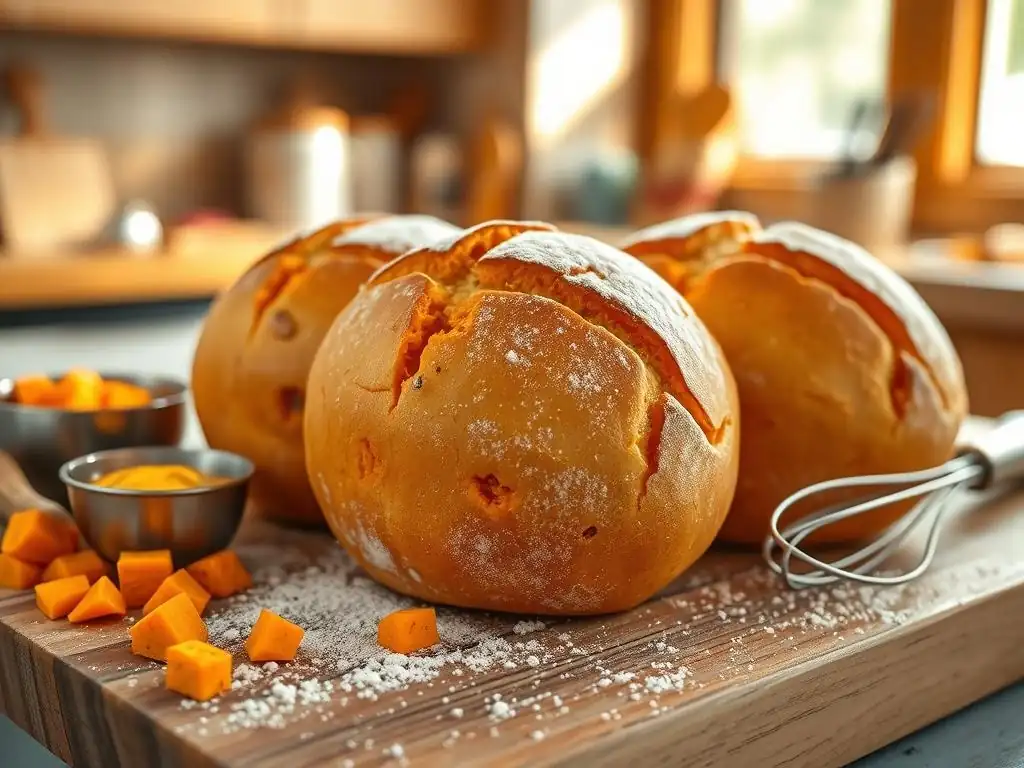
To embark on your journey to making delicious Korean sweet potato bread, you'll need a few key ingredients that contribute to its unique texture and flavor. The base of the dough relies on a blend of all-purpose flour and tapioca starch (also known as tapioca flour). The tapioca starch is crucial for achieving that signature chewy, mochi-like texture.
You'll typically use a ratio where tapioca starch makes up about 30-50% of the total flour weight, for instance, around 100g of all-purpose flour combined with 70g of tapioca starch for a small batch. Other dough components include warm milk (around 1/2 cup or 120ml), active dry yeast (about 1 teaspoon), a touch of sugar (maybe 1-2 tablespoons) to activate the yeast and add slight sweetness, a pinch of salt (about 1/4 teaspoon), and a bit of softened butter or oil (around 1-2 tablespoons) for tenderness.
The star of the filling is, of course, the sweet potato. Korean sweet potatoes (Goguma) are preferred for their natural sweetness and vibrant color, but other sweet potato varieties like Japanese sweet potatoes or even Beauregard sweet potatoes can work well. You'll need approximately 200-300g of cooked sweet potato flesh for a batch yielding 4-6 loaves.
To enhance the filling's creaminess and flavor, you'll typically add a small amount of butter (around 1-2 tablespoons), a splash of milk (1-2 tablespoons), and optionally, a bit of sugar or honey (to taste, depending on the sweetness of your sweet potato). Some recipes also call for a bit of mozzarella cheese or cream cheese within the filling to add a gooey texture, but the traditional version focuses purely on the sweet potato's natural goodness.
Ingredient Substitutions and Tips for Goguma Ppang
While using the exact ingredients recommended will yield the most authentic results for your easy Korean sweet potato bread, some substitutions are possible if you're facing availability issues. For the tapioca starch, while it's the best option for chewiness, potato starch can be used as a substitute, though the texture might be slightly different. Cornstarch is not recommended as it doesn't provide the same elasticity.
If you don't have Korean sweet potatoes, Japanese sweet potatoes are an excellent alternative due to their similar texture and sweetness. Standard orange-fleshed sweet potatoes can also be used, but you might need to adjust the added sugar in the filling as they can be less sweet naturally.
When working with yeast, ensure your milk is warm, not hot – ideally between 105°F and 115°F (40°C-46°C). Milk that is too hot will kill the yeast, preventing your dough from rising. If you prefer a dairy-free version, you can substitute the milk with warm plant-based milk like almond or soy milk and use a plant-based butter or oil.
For the filling, if fresh sweet potatoes are unavailable, unsweetened canned sweet potato puree can be used in a pinch, but ensure it's well-drained to avoid a watery filling. Remember that the success of this easy Korean sweet potato bread lies in the texture of the dough and the consistency of the filling, so paying attention to ingredient ratios and preparation methods is key, even when making substitutions.
Preparing the Sweet Potato Filling
Steaming or Roasting the Sweet Potatoes: The Best Method
Preparing the sweet potato is the first crucial step for your Goguma Ppang filling. There are two primary methods for cooking the sweet potatoes: steaming or roasting. Steaming is perhaps the most common method and is excellent for preserving the natural moisture and sweetness of the sweet potato. To steam, peel and cut the sweet potatoes into chunks of roughly equal size (about 1-2 inches).
Place them in a steamer basket over simmering water, cover, and steam for 15-25 minutes, or until they are fork-tender. This method typically yields a moist, easily mashable sweet potato that forms a smooth, creamy filling. For about 200g of sweet potato, steaming usually takes closer to 15 minutes.
Roasting is another fantastic option that can actually concentrate the sugars in the sweet potato, resulting in a deeper, sweeter flavor profile. To roast, wash the sweet potatoes thoroughly and prick them all over with a fork (no need to peel yet). Place them on a baking sheet lined with parchment paper and roast in a preheated oven at around 375°F (190°C) for 45-60 minutes, or until very soft when pierced with a fork.
Once cooled slightly, the skin will peel off easily, and the flesh can be mashed. While roasting might take longer than steaming, many bakers prefer the slightly richer taste it imparts to the filling, which complements the chewy dough beautifully in this easy Korean sweet potato bread.
Making the Sweet Potato Filling: Flavor Enhancements
Once your sweet potatoes are cooked and mashed, it's time to transform them into the flavorful filling for your Goguma Ppang. While plain mashed sweet potato is the base, adding a few simple ingredients elevates its taste and texture. Start with the warm mashed sweet potato and incorporate a small amount of softened butter, typically 1-2 tablespoons for 200g of potato.
The butter adds richness and helps create a smoother consistency. Next, add a splash of milk, about 1-2 tablespoons, to achieve a creamy, scoopable texture – it should be thick enough to hold its shape but not dry or crumbly.
Adjusting the sweetness is key, depending on your preference and the natural sweetness of your sweet potatoes. Start with 1 tablespoon of sugar or honey and taste, adding more if needed. Some traditional recipes add a tiny pinch of salt to balance the sweetness. For an extra level of indulgence and that popular gooey center, you can mix in about 30-50g of shredded mozzarella cheese or cream cheese into the filling.
This cheese addition is a popular variation that creates a delightful contrast with the sweet potato. Ensure all ingredients are well combined and the filling is smooth before setting it aside to cool slightly. The goal is a filling that's easy to portion and shape within the dough.
Making the Dough for Goguma Ppang
Combining Dry and Wet Ingredients: Achieving the Perfect Dough Texture
The dough for this easy Korean sweet potato bread is unique due to its high tapioca starch content, which gives it its characteristic chewiness. Begin by combining your dry ingredients: all-purpose flour, tapioca starch, a pinch of salt, and the sugar in a mixing bowl. In a separate bowl or measuring cup, activate your yeast by combining it with warm milk (around 105-115°F or 40-46°C) and a pinch of the sugar from your dry mix.
Let this sit for 5-10 minutes until it becomes frothy, indicating the yeast is active. If it doesn't foam, your yeast may be old or the milk wasn't the right temperature, and you'll need to start this step again.
Once the yeast is active, pour the wet mixture into the dry ingredients. Add the softened butter or oil at this stage as well. Begin mixing, either with a wooden spoon, spatula, or in a stand mixer fitted with a dough hook. The dough will initially look shaggy and sticky.
Continue mixing until the ingredients are just combined. Unlike wheat-based doughs that require extensive gluten development, the tapioca starch changes the dough's properties. The texture you're aiming for is soft, slightly sticky, but manageable – it shouldn't be overly dry or stiff. It will feel different from typical bread dough; it might seem less elastic initially but will develop a unique pliability.
Kneading the Dough: Techniques for a Soft and Chewy Bread
Kneading the Goguma Ppang dough is essential for developing its structure and achieving that desirable chewy texture, but the technique differs slightly from kneading traditional wheat doughs. In a stand mixer, knead on low to medium speed for about 5-8 minutes. The dough should start to pull away from the sides of the bowl and become smoother, though it will remain softer and perhaps a bit tackier than a standard bread dough. You'll notice its unique elasticity thanks to the tapioca starch.
If kneading by hand, turn the dough out onto a lightly floured surface. Knead using a push-and-fold motion. The dough will be quite soft. Knead for about 8-12 minutes.
The dough is ready when it feels smooth, elastic, and less sticky, although it will still have a soft, pliable consistency. It might not pass the traditional "windowpane test" as readily as a pure wheat dough, but it should stretch without tearing easily. Properly kneaded dough is crucial for the successful rise and texture of your easy Korean sweet potato bread. Over-kneading is less common with this type of dough, but aim for a texture that feels smooth and elastic.
Shaping and Filling the Goguma Ppang
Dividing and Shaping the Dough into Sweet Potato Forms
Once your dough has completed its first rise (it should roughly double in size, which might take 45-90 minutes depending on your room temperature), gently punch it down to release the air. Turn the dough out onto a clean surface and divide it into equal portions. For a typical recipe yielding 4-6 loaves, divide the dough into 4 or 6 pieces. Each piece should weigh roughly between 80g and 120g, depending on how large you want your final bread.
Take each dough portion and gently shape it into a smooth ball. Then, using your hands, flatten the ball into a disc about 5-6 inches (12-15 cm) in diameter. The edges should be slightly thinner than the center. The goal is to create a wrapper for your sweet potato filling.
Don't worry about making perfect circles; the final shaping will give it the sweet potato look. As you shape, try to keep the dough's surface smooth to ensure an even texture after baking. Handling the dough gently at this stage helps maintain its softness and structure for your easy Korean sweet potato bread.
Filling the Dough with the Sweet Potato Mixture
Now comes the fun part: filling your Goguma Ppang! Take a portion of the sweet potato filling – the amount should be roughly equal to or slightly less than the weight of your dough portion (e.g., 70-100g of filling per 80-120g dough). Shape the sweet potato filling into an oval or log shape that will fit comfortably in the center of your dough disc. Place the sweet potato shape in the middle of the flattened dough disc.
Carefully gather the edges of the dough up and over the filling, pinching the seams together tightly to completely enclose the sweet potato. Ensure there are no gaps or holes where the filling could escape during baking. Once the filling is sealed inside, gently roll the filled dough between your palms or on the counter to smooth out the seams and shape it into an elongated oval that resembles a sweet potato.
You can slightly taper the ends to enhance the realistic look. This careful sealing and shaping is key to achieving the iconic appearance of Korean sweet potato bread.
Baking Your Korean Sweet Potato Bread
Oven Temperature and Baking Time for Optimal Results
Preheating your oven to the correct temperature is vital for achieving the perfect bake on your easy Korean sweet potato bread. A common temperature range is between 350°F and 375°F (175°C to 190°C). Baking at a slightly lower temperature helps ensure the dough cooks through evenly without the exterior browning too quickly, allowing the unique chewy texture to develop properly. Place your shaped Goguma Ppang on a baking sheet lined with parchment paper, leaving some space between each one.
The baking time will typically range from 15 to 25 minutes, depending on your oven and the size of your loaves. You'll know they are done when they have puffed up slightly and the exterior has turned a light golden-brown color. Avoid over-baking, as this can result in a tougher crust, diminishing the desired chewy texture.
If you're unsure, you can gently tap the bottom of one loaf; it should sound slightly hollow. Baking them for the right duration ensures the sweet potato filling inside is heated through and the dough is cooked completely, resulting in a delightful contrast of textures.
Achieving the Perfect Golden-Brown Crust
While the signature look of Goguma Ppang involves a somewhat rustic, sweet potato-like exterior, achieving a desirable golden-brown crust is part of the baking process. The combination of flour and tapioca starch in the dough, along with the relatively short baking time, results in a crust that is softer and chewier than traditional bread crusts. As the bread bakes at temperatures between 350°F and 375°F, the Maillard reaction occurs, giving the surface its appealing color and contributing subtle flavor notes.
To enhance the sweet potato appearance and help achieve a nice finish, some bakers lightly brush the shaped dough with milk or egg wash before baking. Immediately after shaping and before the second rise, you can also gently roll the shaped loaves in purple sweet potato powder or a mix of cocoa powder and flour. This step is optional but significantly contributes to the realistic purple-brown skin color of many Goguma Ppang sold commercially. Baking until just golden ensures the crust develops sufficient structure while retaining its characteristic chewiness, which is a hallmark of well-made Korean sweet potato bread.
Tips for Perfect Goguma Ppang Every Time
Mastering the Dough: Troubleshooting Tips
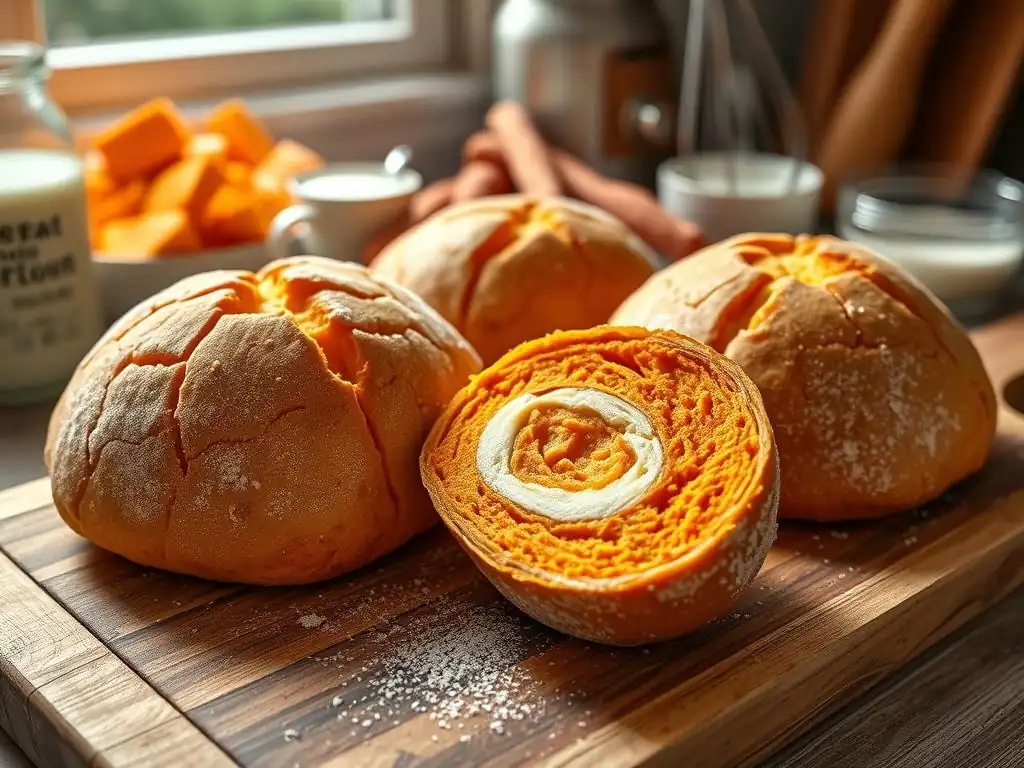
Working with the unique tapioca-based dough for easy Korean sweet potato bread can sometimes present challenges different from traditional bread making. One common issue is the dough being too sticky. If your dough is excessively sticky after kneading, resist the urge to add a lot of extra flour.
Instead, add a tiny bit of flour at a time (maybe a tablespoon), or lightly grease your hands and surface with oil. The dough should be soft and slightly tacky, not dry or stiff. If the dough feels too dry or isn't coming together, your liquid might have been too hot, killing the yeast, or you might need a tiny splash more warm milk.
Another potential issue is the dough not rising sufficiently. Ensure your yeast is fresh and the milk temperature is correct (105-115°F). Place the dough in a warm spot for rising – a slightly warm oven (turned off) or near a sunny window works well.
Rising time can vary significantly based on room temperature, from 45 minutes to 90 minutes or even longer. Don't rush the rise; proper fermentation is key to the dough's texture and flavor development for delicious Korean sweet potato bread. If the dough still doesn't rise after a reasonable time in a warm environment, your yeast is likely inactive, and you'll need to start the dough over.
Sweet Potato Filling Variations: Exploring Different Flavors
While a simple sweet potato filling is classic for Goguma Ppang, feel free to experiment with variations to suit your taste. As mentioned, adding mozzarella cheese or cream cheese to the sweet potato mash is a popular adaptation that introduces a gooey, slightly savory element contrasting with the sweet filling. For approximately 200g of mashed sweet potato, you could incorporate 30-50g of shredded mozzarella or 20-30g of softened cream cheese.
Other flavor enhancements for the sweet potato filling include adding a pinch of cinnamon or nutmeg for a warmer spice note, especially if using orange-fleshed sweet potatoes. A small amount of condensed milk instead of sugar can provide a richer sweetness and creaminess. You could also incorporate finely chopped nuts like walnuts or pecans for added texture, although this deviates further from the traditional smooth filling. Exploring these variations allows you to personalize your easy Korean sweet potato bread while still maintaining its core identity as a delicious sweet potato-filled pastry.
Goguma Ppang Storage and Reheating Instructions
Proper storage is key to maintaining the unique chewy texture and freshness of your homemade Korean sweet potato bread. Once baked and cooled completely, Goguma Ppang is best enjoyed fresh, ideally within 1-2 days. Store the cooled loaves in an airtight container at room temperature. Avoid refrigerating them immediately, as this can sometimes alter the texture of the dough, making it less chewy.
If you need to store them for longer, they can be refrigerated in an airtight container for up to 3-4 days. For longer storage, Goguma Ppang freezes exceptionally well. Wrap individual loaves tightly in plastic wrap, then place them in a freezer-safe bag or container. They can be frozen for up to 2-3 months.
To reheat from the refrigerator, a quick warm-up in a microwave for 15-30 seconds is usually sufficient to soften the filling and restore some chewiness to the crust. From frozen, thaw at room temperature, then reheat in a microwave or a toaster oven at a low temperature (around 300°F or 150°C) for a few minutes until warmed through. Reheating helps bring back the delightful contrast between the warm, soft filling and the chewy crust of your easy Korean sweet potato bread.
Serving and Enjoying Your Homemade Goguma Ppang
Creative Ways to Serve Korean Sweet Potato Bread
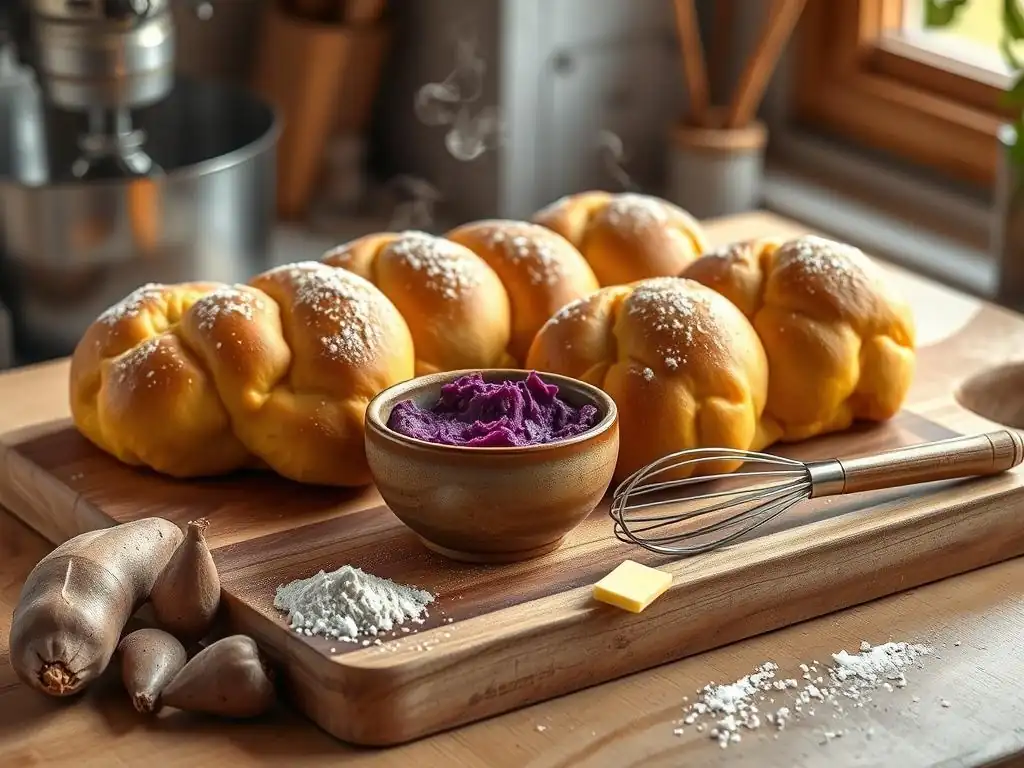
Your freshly baked easy Korean sweet potato bread is a treat in itself and can be enjoyed warm or at room temperature. The simplest and most traditional way to serve Goguma Ppang is just as it is, allowing the unique texture and sweet potato flavor to shine. The visual appeal, resembling a real sweet potato, also makes it a conversation starter! Serve it alongside a cup of tea or coffee for a perfect snack or light breakfast.
For a slightly more elaborate presentation, you can dust the tops lightly with powdered sugar or a sprinkle of black sesame seeds before serving, enhancing both the appearance and adding a subtle flavor contrast. If you included cheese in your filling, serving it warm is highly recommended to enjoy the gooey, melted cheese pull. Consider serving them on a rustic wooden board or in a basket to highlight their charming, earthy appearance. They also make excellent additions to a brunch spread or dessert platter, offering something uniquely different from standard pastries.
Goguma Ppang: A Perfect Treat for Any Occasion
Goguma Ppang is incredibly versatile and fits well into many different occasions. Its comforting sweetness and satisfying texture make it an ideal snack for a quiet afternoon tea or coffee break. Because it's not overly sweet, it can also serve as a light dessert after a meal. The unique appearance makes it a fun item to bring to potlucks or gatherings, where it's sure to intrigue guests.
It's also a wonderful treat to pack in lunchboxes for school or work, offering a more substantial and interesting alternative to typical snacks. Given its popularity and visual appeal, baking a batch of easy Korean sweet potato bread can be a delightful activity to do with family or friends. Whether you're looking for a unique breakfast pastry, a comforting snack, or a charming dessert, Goguma Ppang is a superb choice that's both enjoyable to make and delicious to eat.
Conclusion: Bake Your Own Delicious Goguma Ppang at Home
Enjoy the Sweet Taste of Korea with This Easy Recipe
You've now learned the steps to create your very own delicious Korean Sweet Potato Bread, or Goguma Ppang, right in your kitchen. This easy Korean sweet potato bread recipe simplifies the process, making this unique and popular pastry accessible to bakers of all levels. From understanding the key ingredients like tapioca starch that give the dough its signature chewiness to mastering the simple technique for shaping the loaves to look like real sweet potatoes, you have the knowledge needed to succeed.
The combination of the soft, elastic dough and the sweet, creamy sweet potato filling is truly delightful and offers a taste experience that's both comforting and unique. By following these detailed steps for preparing the filling, making and kneading the dough, shaping, and baking, you are well on your way to enjoying the authentic flavors and textures of this beloved Korean treat. Baking Goguma Ppang is a rewarding process that results in a pastry that's as fun to look at as it is to eat.
We hope this guide has inspired you to try making easy Korean sweet potato bread at home. The process is a fantastic way to explore new baking techniques and ingredients, resulting in a truly unique and delicious bread. Don't be afraid to experiment with the filling variations or the shaping to make them your own!
We love seeing what our community bakes! If you make this Goguma Ppang recipe, we encourage you to share photos of your creations. Tag us on social media or share your experiences on the BakeWithEase website. Your success stories and beautiful loaves can inspire others to give this easy Korean sweet potato bread a try. Happy baking, and enjoy every chewy, sweet bite of your homemade Goguma Ppang!
Frequently Asked Questions
How easy is this Korean sweet potato bread recipe for beginners?
This recipe is designed to be easy for beginners! The steps are simplified, and we provide clear instructions to ensure a successful bake, even with minimal baking experience.
What makes this recipe "Easy Korean Sweet Potato Bread" compared to other recipes?
Our recipe focuses on simplified techniques and commonly available ingredients, avoiding complicated steps or hard-to-find elements often present in traditional Goguma Ppang recipes. The goal is accessibility and ease.
Can I substitute any ingredients in this Easy Korean Sweet Potato Bread recipe?
While we recommend sticking to the recipe for optimal results, you can make minor substitutions. For example, you might be able to swap the type of sweetener, but altering the core ingredients might affect the texture and flavor.
Where can I find the specific ingredients needed for this Easy Korean Sweet Potato Bread recipe?
Most ingredients are readily available at major grocery stores. We also provide links to online retailers for specialty ingredients that may be harder to find locally.
How long does it take to make this Easy Korean Sweet Potato Bread from start to finish?
The entire process, including preparation, baking, and cooling, takes approximately 2-3 hours. This includes the time needed for the dough to rise and proof properly.
Final Reflection: The Enduring Comfort of Goguma Ppang
The aroma of warm, sweet potato bread – a comforting hug in every bite – transcends mere culinary experience. This simple recipe, designed for ease and accessibility, speaks to a deeper human need for connection to tradition and the joy of sharing homemade goodness. In a world increasingly dominated by fast food and processed ingredients, the act of creating something wholesome and delicious from scratch offers a powerful antidote.
The enduring appeal of Goguma Ppang lies not just in its taste, but in its ability to bridge cultures and generations. It's a testament to the power of simple ingredients transformed into something extraordinary. The recipe itself becomes a vessel for memories, shared experiences, and the passing down of culinary traditions. As the great Julia Child once said, Find something you're passionate about and keep tremendously interested in it.
For me, that passion is found in the simple act of baking, and sharing that joy with others through recipes like this one.
Now, I invite you to go beyond simply reading this recipe. Try it! Feel the warmth of the oven, the satisfaction of kneading the dough, and the pure delight of sharing the finished product with loved ones. Let the process itself become a moment of mindful creation, a small act of self-care, and a delicious connection to a richer, more flavorful life. The sweet potato bread awaits – bake it, share it, and savor every moment.
Unleash Your Inner Baker: Make Goguma Ppang Today!
Thanks for joining us on this delicious journey into the world of Korean sweet potato bread! We hope you gained a newfound appreciation for this comforting treat and its surprisingly simple recipe. Ready to take your baking skills to the next level?
- Bake your own Goguma Ppang: This is your chance to experience the fluffy, sweet perfection firsthand. Gather your ingredients and follow the recipe – you'll be amazed at how easy it is!
- Share your creation: Show off your baking prowess! Post a picture of your Goguma Ppang on social media and tag us – we'd love to see your masterpiece.
- Experiment with flavors: Try adding different spices or nuts to the recipe to create your own unique twist on this classic. What exciting variations will you discover?
What unexpected ingredient will you add to your next batch of Goguma Ppang?